Hoka Hoka Japanese Food brings Japanese cuisine to Itu's São Luiz neighbourhood on Av. Dr. Herculano de Godói Passos, 345. The address places it within a small cluster of international dining options in a city better known for its colonial Portuguese architecture than its Asian food scene. For residents and visitors seeking Japanese cooking outside São Paulo's main orbit, it represents a practical and locally significant option.
Pearl is the En Primeur Club membership app — saves, bookings, and concierge access live there. Same editors, same standards.
- Address
- Av. Dr. Herculano de Godói Passos, 345 - São Luiz, Itu - SP, 13304-150, Brazil
- Phone
- +551124290151
- Website
- hokahoka.com.br
- Directions
- Get directions
 Saves & bookings on Pearl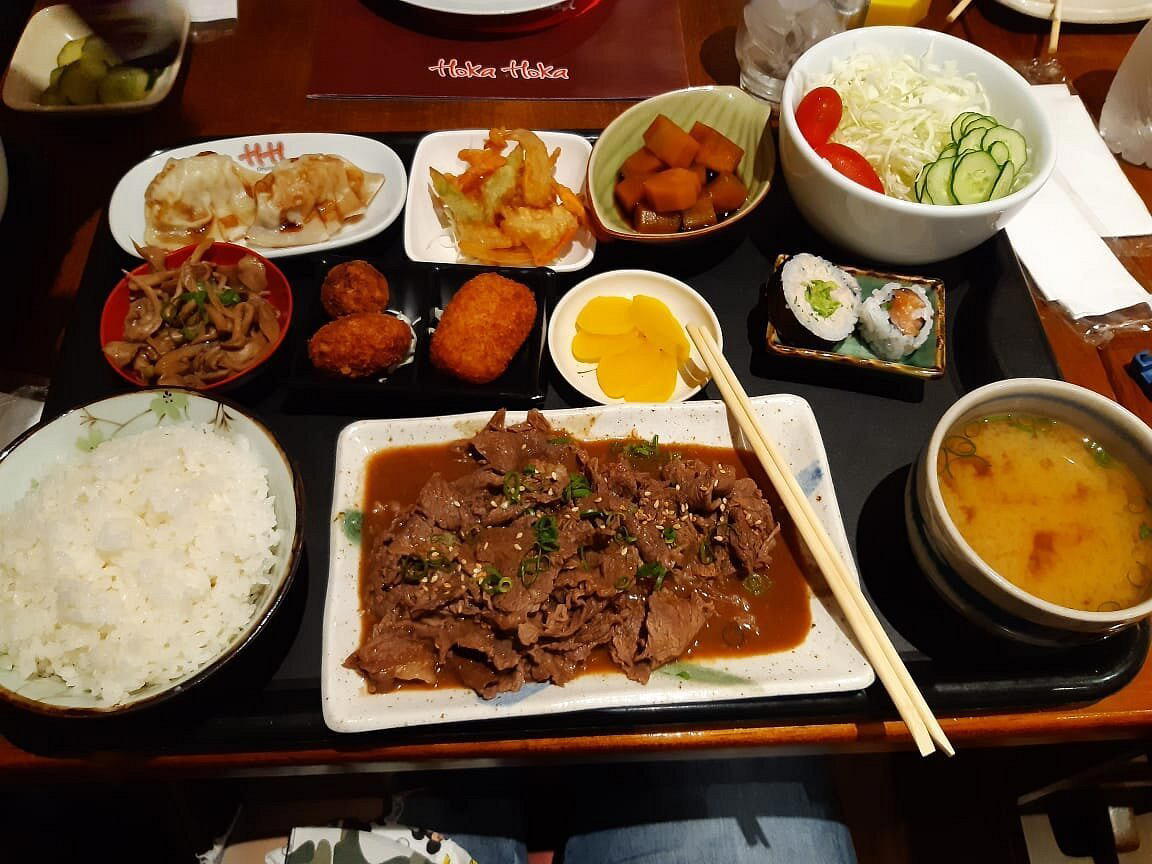
Japanese Cooking in the Interior of São Paulo State
Brazil holds the largest Japanese diaspora outside Japan itself, a demographic reality that has shaped the country's food culture far beyond the nikkei corridors of São Paulo's Liberdade district. That influence radiates outward into the interior of São Paulo state, where cities like Itu have developed their own, quieter expressions of Japanese cooking, smaller in scale than the capital's dense concentration of omakase counters and ramen specialists, but no less embedded in local habit. Hoka Hoka Japanese Food is a Japanese sushi restaurant in Itu, São Paulo,088 reviews and a casual dress code. Hoka Hoka Japanese Food, on Av. Dr. Herculano de Godói Passos in the São Luiz neighbourhood, sits within that broader pattern: a Japanese restaurant operating in a mid-sized historic city, serving a population that has grown accustomed to Japanese food as part of everyday dining rather than special-occasion spending.
Itu itself is a city defined by its colonial past and by a running local joke about things being outsized, "Itu" has become shorthand in Brazilian popular culture for exaggerated scale. The dining scene here is modest by São Paulo standards, and the presence of a dedicated Japanese restaurant says something meaningful about local appetite. Alongside Nagoro Sushi Itu, Hoka Hoka represents the Japanese dining tier in a city where the default culinary register runs closer to Brazilian churrasco and Italian-descended comfort food.
The Cultural Architecture of Japanese Food in Brazil
To understand a Japanese restaurant in the São Paulo interior, it helps to understand how Japanese immigration shaped Brazilian gastronomy from the ground up. The first Japanese immigrants arrived in Brazil in 1908, landing in Santos and moving into the coffee-farming regions of São Paulo state, the precise geography that surrounds Itu. Over the following century, Japanese-Brazilian communities developed a food culture that blended technique with local ingredient availability, producing a version of Japanese cooking that is neither purely traditional nor fully assimilated. Dishes like temaki filled with cream cheese, or sushi rolls incorporating tropical fruit, became mainstream in Brazil long before fusion became a marketing category elsewhere.
That context matters when assessing what a restaurant like Hoka Hoka is doing and for whom. The major Japanese-Brazilian dining operations in São Paulo, the kind of counters that compete internationally and attract the attention of guides like those tracking D.O.M. in São Paulo, represent one end of the spectrum. Neighbourhood restaurants in interior cities represent the other: places where Japanese food has become part of the local vernacular rather than a premium destination category. Internationally, venues like Atomix in New York City or Le Bernardin in New York City anchor a different tier entirely, one defined by tasting menus and formal critical recognition. The Japanese dining scene in Itu operates outside that orbit and makes no claim to it, which is a distinction worth naming rather than glossing over.
Where Hoka Hoka Sits in Itu's Dining Pattern
Itu's restaurant offering is diverse relative to its population size, spanning options from casual Brazilian grills to lighter, health-oriented formats. Mana Poke Itú captures the bowl-food segment that has grown across Brazilian mid-sized cities over the past several years, while Pollo Loko Itu anchors the casual protein-focused end. Hoka Hoka and Nagoro Sushi between them cover the Japanese category, a format that tends to attract both local regulars and visitors who have driven out from the greater São Paulo area for day trips to Itu's historic centre.
The address on Av. Dr. Herculano de Godói Passos in the São Luiz neighbourhood places Hoka Hoka in a residential-commercial zone rather than Itu's tourist-facing historic core. That positioning typically indicates a restaurant that depends more on repeat local business than on transient visitor traffic, a meaningful signal about the format and the pace of service a first-time visitor should expect. For a wider view of what else is operating in the city, our full Itu restaurants guide maps the complete picture across categories.
Across Brazil more broadly, the Japanese restaurant category has expanded steadily in cities of Itu's size and demographic profile. Comparable Japanese operations in other interior and secondary cities, from Kampeki Sushi in Canoas to the various neighbourhood sushi formats found in cities across the South and Southeast, reflect a category that has moved from immigrant-community institution to mainstream dining option across the country. The trajectory has been consistent: Japanese food is no longer a novelty in Brazilian mid-sized cities; it is part of the expected restaurant mix.
Planning a Visit
Specific hours, pricing, and booking requirements are not confirmed here, but the restaurant is recommended for reservations and follows casual dress. The restaurant is open Monday through Saturday from 6:00 PM to 10:30 PM and closed on Sunday. The São Luiz address is accessible by car; street parking in residential-commercial zones of Itu is generally available outside peak weekend afternoon hours. Visitors combining Hoka Hoka with a broader Itu day trip will find the historic centre a short drive from São Luiz. For reference points elsewhere in Brazil's restaurant scene, Lasai in Rio de Janeiro represents the kind of destination-level dining that warrants advance planning weeks out; a neighbourhood Japanese restaurant in Itu operates on an entirely different booking logic, and walk-ins or same-day decisions are more consistent with how local regulars use it.
Other restaurants in comparable Brazilian city contexts worth noting for their approaches to neighbourhood dining include Cantina Pozzobon in Santa Maria, Bistro Fitz Carraldo in Manaus, and Casa da Flor Restaurante in Dourados, each operating in secondary cities where the relationship between local identity and dining format is worth paying attention to. The same logic applies to Aero Burguer e Grill in Santa Cruz Do Sul, Arte e café Imperial - Matriz in Angra Dos Reis, Casa da Dika Restô e Eventos in Braganca, Casa da Picanha Penedo in Itatiaia, Famosa Pizza in Ribeirao Preto, and Fornazzo Pizzaria in Passo Fundo.
Price and Recognition
Comparable venues nearby, for context on price, style, and recognition.
| Venue | Cuisine | Price | Notes |
|---|---|---|---|
| Hoka Hoka Japanese FoodThis venue — the venue you are viewing | Centro, Japanese Sushi | $$ | Not listed |
| Nagoro Sushi Itu | Centro, Japanese Sushi Fusion | $$ | Not listed |
| Pollo Loko Itu | Centro, Brazilian Fried Chicken | $ | Not listed |
| Mana Poke Itú | Vila Leis, Hawaiian Poke Bowls | $$ | Not listed |
| Iroha Sushi Leopoldina Restaurante Japonês | Not listed | $$ | Vila Leopoldina, Japanese Sushi and Rodízio |
| Maki Sushi | City Center, Japanese Sushi Rodízio | $$ | Not listed |
At a Glance
Current opening hours
- Monday
- 6–10:30 PM
- Tuesday
- 6–10:30 PM
- Wednesday
- 6–10:30 PM
- Thursday
- 6–10:30 PM
- Friday
- 6–10:30 PM
- Saturday
- 6–10:30 PM
- Sunday
- Closed
Hours can change for holidays and private events. Last verified .
Standard table service with good service.