Emporium Maria Maria
Our verdict
Set along the Estrada União e Indústria in Itaipava, the mountain district outside Petrópolis, Emporium Maria Maria occupies the kind of address that draws visitors making a deliberate detour rather than a casual stop. The surrounding Serra Fluminense setting shapes the pace of a meal here, where the ritual of eating in the Brazilian highlands carries its own unhurried logic, distinct from Rio's coast or São Paulo's urban dining circuits.

Pearl is the En Primeur Club membership app, where members save venues, book tables and use the concierge.
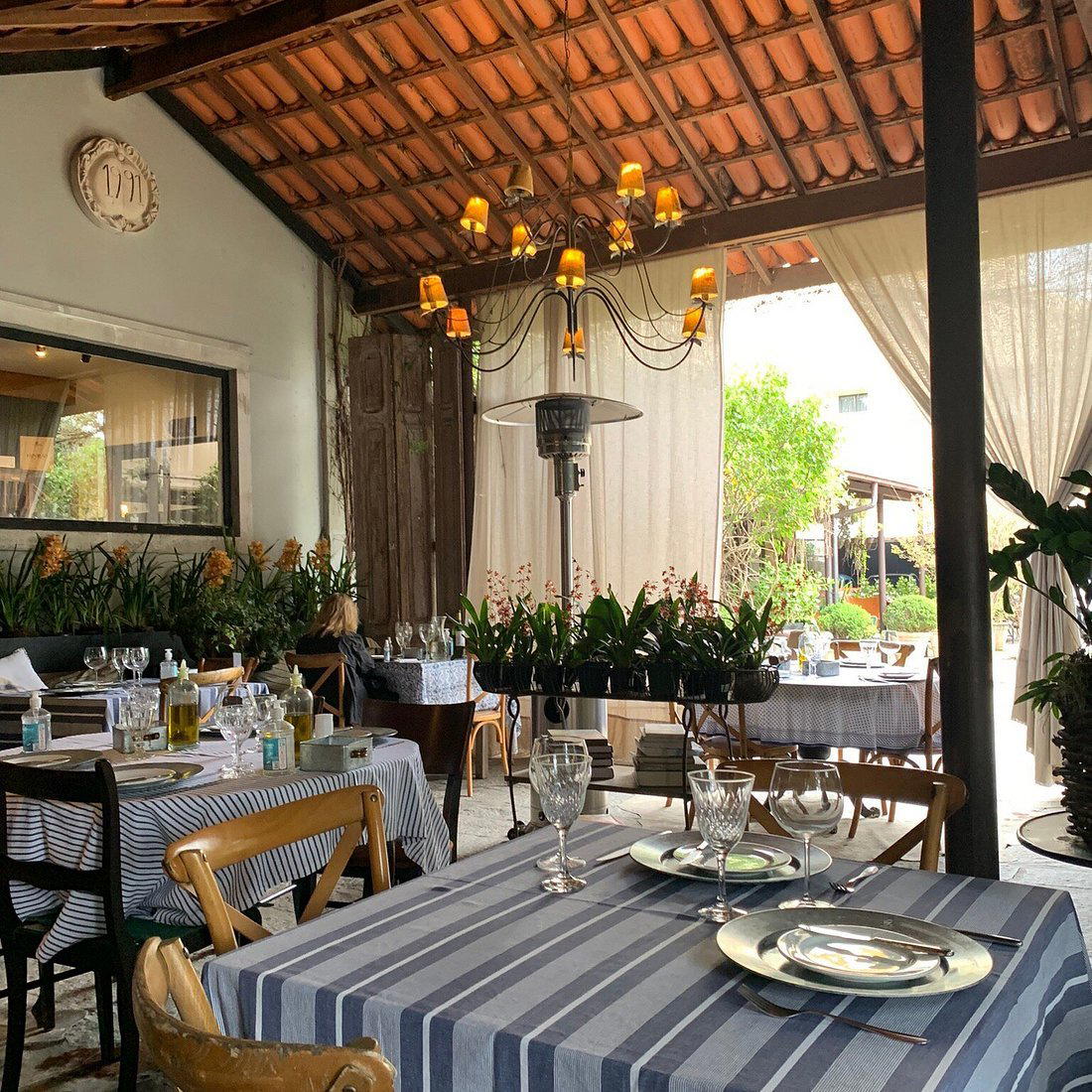
Eating at Altitude: The Dining Rhythm of the Serra Fluminense
There is a particular tempo to restaurant meals in the mountain towns above Rio de Janeiro. The drive up through the Serra Fluminense, with its roadside farm stalls, eucalyptus groves, and weekend traffic filtering out of the city, sets an expectation before you arrive anywhere. By the time you reach Itaipava, the cooler air and slower pace have already adjusted how you are likely to eat. Tables fill for long lunches that drift into the afternoon. Conversation takes precedence over the next course. The meal is not an event with a hard stop; it is the afternoon itself.
Emporium Maria Maria sits on the Estrada União e Indústria, the old highway that connects Petrópolis to the mountain interior and has, over decades, accumulated a particular kind of commercial and gastronomic character. This stretch hosts a loose constellation of establishments that range from roadside markets to proper sit-down restaurants, all drawing on the same logic: visitors leaving the city are looking for something that rewards the drive, and the meal is part of what justifies the journey. The emporium format, a hybrid of retail and dining common across Brazil's interior towns, places this venue inside a long regional tradition where the act of browsing and the act of eating are treated as continuous rather than separate.
The Emporium Format as Dining Ritual
In Brazilian highland towns, the emporium model predates the restaurant-as-standalone-experience by several generations. The format developed as a practical response to geography: mountain communities needed provisioning points that could serve both locals and travellers, and the better ones evolved kitchens alongside their shelves. What persists in contemporary versions is a particular relationship between the retail display and the dining experience. Seeing the product before you eat it, whether that is a house-cured item, a regional cheese, or a prepared food from the counter, creates a different kind of menu engagement than reading from a printed list. You are selecting from evidence rather than description.
This is the dining ritual that the emporium format institutionalises: arrival, browse, selection, and then the longer settling-in of the actual meal. It is a slower, more participatory process than table service alone, and it places the guest in a more active role. For visitors arriving from Rio or São Paulo, where restaurant culture tends toward either fast casual or formal tasting menus, the emporium pacing can feel like a deliberate gear change. That shift is, in most cases, the point.
For context on how other Brazilian restaurants structure their guest experience across different formats and cities, the contrast is instructive. Oteque in Rio de Janeiro operates at the technical and formal end of the spectrum, while Birosca S2 in Belo Horizonte represents the convivial, neighbourhood-anchored model that shares more with the mountain emporium tradition. The Serra Fluminense sits between those poles, informed by its history as a retreat for the Brazilian elite and its present identity as a weekend destination for urban visitors seeking relief from coastal heat and city density.
Itaipava in Context: The Petrópolis Mountain Circuit
Petrópolis built its reputation as a summer retreat for the Brazilian imperial court in the nineteenth century, and that legacy persists in the architecture, the pace, and the implicit expectation that time spent here should feel different from time spent in Rio. Itaipava, the district that extends along the Estrada União e Indústria toward the interior, developed its own character as a weekend and holiday destination with a concentration of restaurants, markets, and small hotels that draw on the region's German and Italian immigrant heritage as much as on its imperial history.
The dining scene in Itaipava does not map neatly onto the kind of critical infrastructure that drives restaurant attention in larger Brazilian cities. There are no Michelin inspectors working this road, and the establishments that thrive here do so through local reputation, weekend visitor loyalty, and the specific logic of a destination that rewards repeat visits. This is a different kind of trust signal than a star or a ranking, but it is not a lesser one. Venues like Cantina Giulietta and Casa Pellegrini represent the Italian-inflected strand of Petrópolis dining that draws on the region's settler history, while Hamburgueria Mano's addresses a more casual weekend crowd. Our full Petrópolis restaurants guide maps this wider picture.
Comparable mountain town dining elsewhere in Brazil offers a useful frame. Mina in Campos do Jordão operates in a similar altitude-and-retreat context in São Paulo state, and the comparison clarifies what distinguishes highland dining culture from coastal or urban equivalents: the meal is embedded in a wider experience of place, not extracted from it.
Planning a Visit: Getting There and What to Expect
Emporium Maria Maria is located at Estrada União e Indústria, 10204, in the Itaipava district of Petrópolis, state of Rio de Janeiro. Itaipava sits roughly between Petrópolis proper and the further mountain interior, making it most accessible by car from Rio de Janeiro or from Petrópolis town centre. The Estrada União e Indústria is a well-travelled weekend route, and traffic from Rio can be heavy on Saturday mornings and Sunday afternoons, particularly during school holidays and summer months (December through February). Arriving at midday on a weekday or early on a weekend morning avoids the worst of it. For reference on how other weekend-destination restaurants in Brazil handle reservations, the format comparison at Primrose in Gramado or Castelo Saint Andrews in Vale do Bosque gives a sense of what similar mountain-town venues typically require.
Visitors combining a Petrópolis trip with broader Brazilian travel may find it useful to benchmark the region against other destinations covered in EP Club's Brazil reporting. D.O.M. in São Paulo and Manu in Curitiba represent the formal end of Brazilian restaurant culture, while Manga in Salvador, Orixás in Itacaré, and Lobby Café in Belém anchor the regional and ingredient-driven strand of the country's dining conversation. State of Espírito Santo in Rio Bananal and Olivetto in Campinas add further reference points for interior and regional dining away from Brazil's major coastal cities. Internationally, the community-meal format has parallels at venues like Lazy Bear in San Francisco, where the ritual structure of the meal is as deliberate as the cooking, though the context and register differ significantly from the Serra Fluminense emporium tradition. For European comparison, Le Bernardin in New York City anchors the formal, technique-first end of the dining spectrum against which regional Brazilian venues define their own distinct proposition.
Frequently asked questions
Where is Emporium Maria Maria in Petropolis?
Emporium Maria Maria is located at Estr. União e Indústria, 10204 - Itaipava, Petrópolis - RJ, 25730-745, Brazil, Petropolis.
Is Emporium Maria Maria worth visiting as a day trip from Rio de Janeiro?
Itaipava sits within the Petrópolis mountain circuit, roughly 70 kilometres north of Rio de Janeiro via the Serra Fluminense, and the drive itself forms part of the draw for visitors combining a meal with a broader day out. Petrópolis has carried a reputation as a highland retreat since the nineteenth-century imperial court established summer residences there, and the Itaipava district draws day-trippers specifically for its food stops along Estrada União e Indústria. Emporium Maria Maria, at number 10204 on that route, sits directly on the circuit most visitors already travel.
What should I eat at Emporium Maria Maria?
Emporium Maria Maria follows the highland emporium format common to mountain towns in the Serra Fluminense above Rio de Janeiro, which typically centres on regional Brazilian produce, charcuterie, preserves, and prepared dishes drawn from local agricultural traditions. The emporium model, by design, emphasises breadth over a fixed tasting menu, so expect a counter or display format where selections shift with availability. Without a published menu on record, the practical approach is to arrive and survey what is on offer that day, as the format rewards flexibility.
What's the best way to book Emporium Maria Maria?
No phone number or website is currently listed for Emporium Maria Maria. The venue is located at Estrada União e Indústria, 10204, in the Itaipava district of Petrópolis, and the most reliable approach for highland emporiums of this type is to visit directly or ask your accommodation in Petrópolis or Itaipava for current contact details and hours, which can vary seasonally.
What It’s Closest To
| Venue | Cuisine | Price |
|---|---|---|
| Emporium Maria MariaThis venue (the venue you are viewing) | Italian | Not listed |
| Cantina Giulietta | Traditional Italian Trattoria | Not listed |
| Casa Pellegrini | Italian Brazilian Gastrobar | $10–20 |
| Hamburgueria Mano's | Artisanal Burgers | Not listed |
Continue exploring
More in Petropolis
Details
- Rustic
- Cozy
- Romantic
- Elegant
- Date Night
- A La Carte
Current opening hours
- Monday
- Closed
- Tuesday
- Closed
- Wednesday
- Closed
- Thursday
- 10 AM–7 PM
- Friday
- 10 AM–7 PM
- Saturday
- 10 AM–10 PM
- Sunday
- 10 AM–7 PM
Hours can change for holidays and private events. Hours as of .
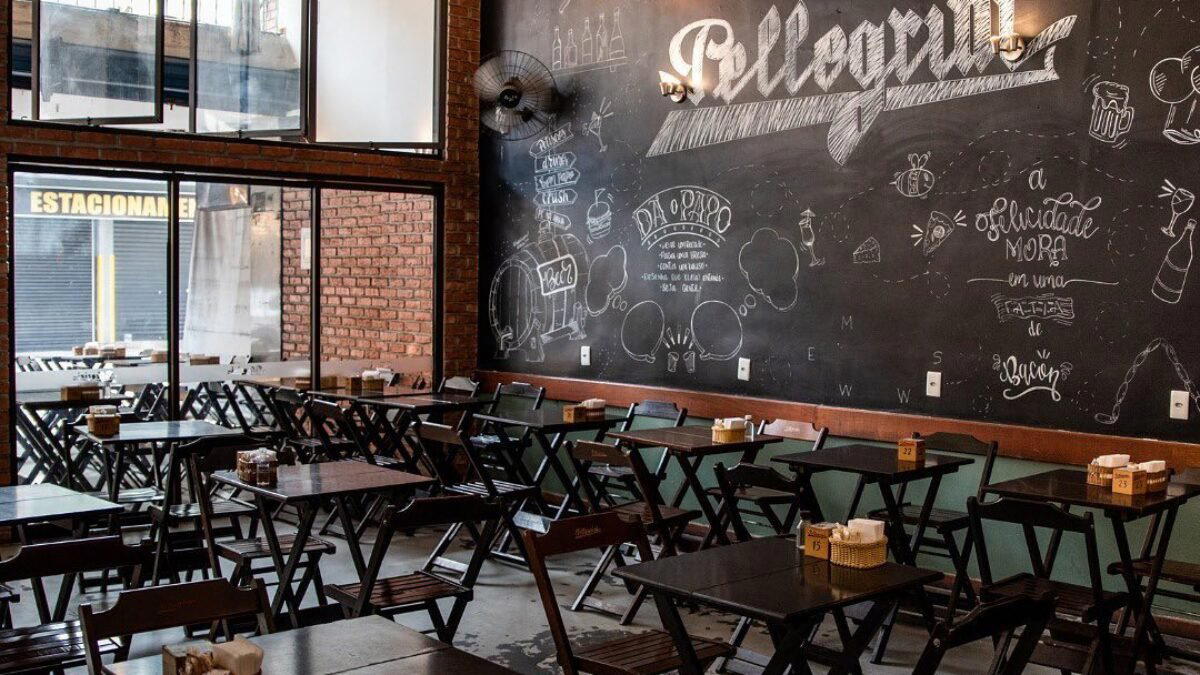
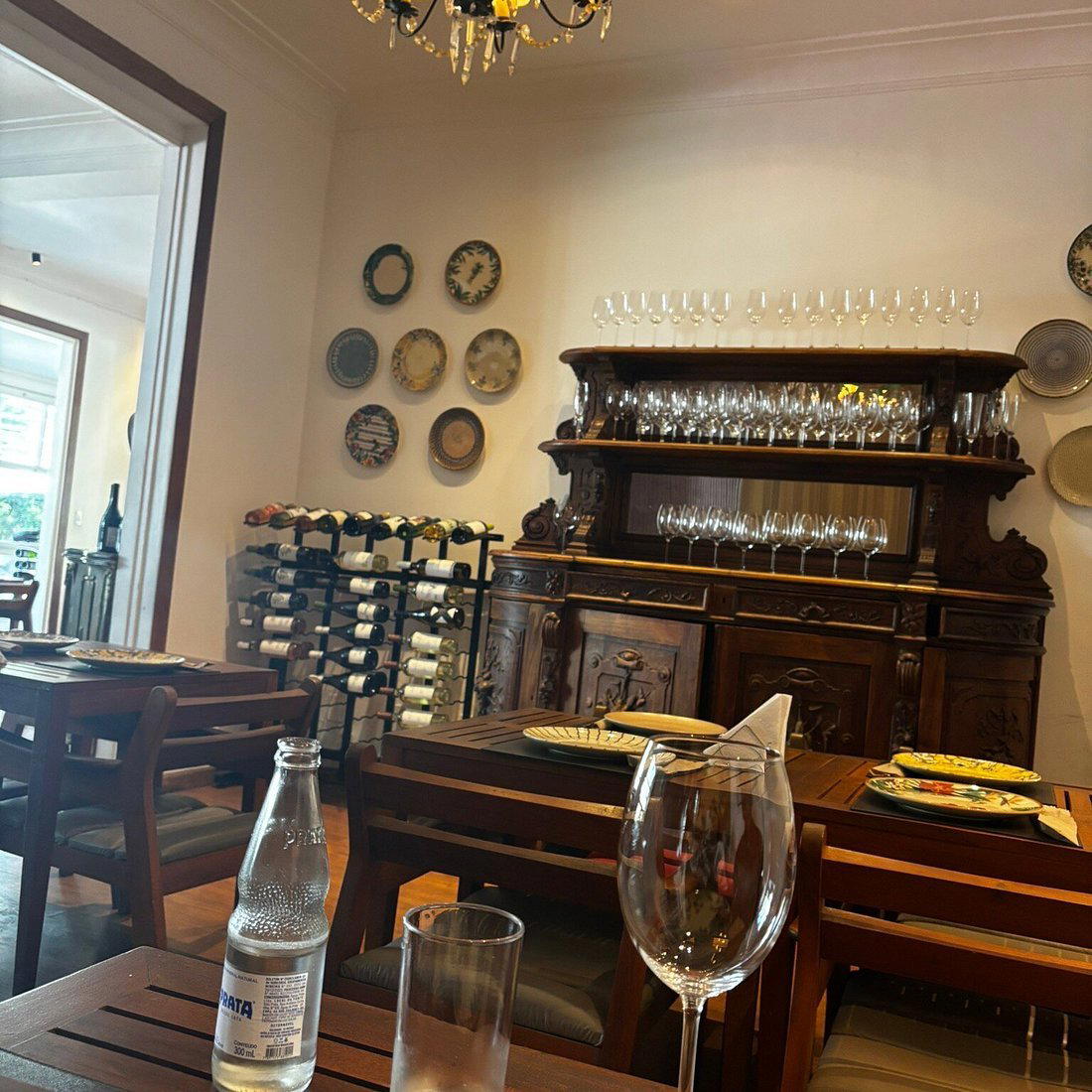
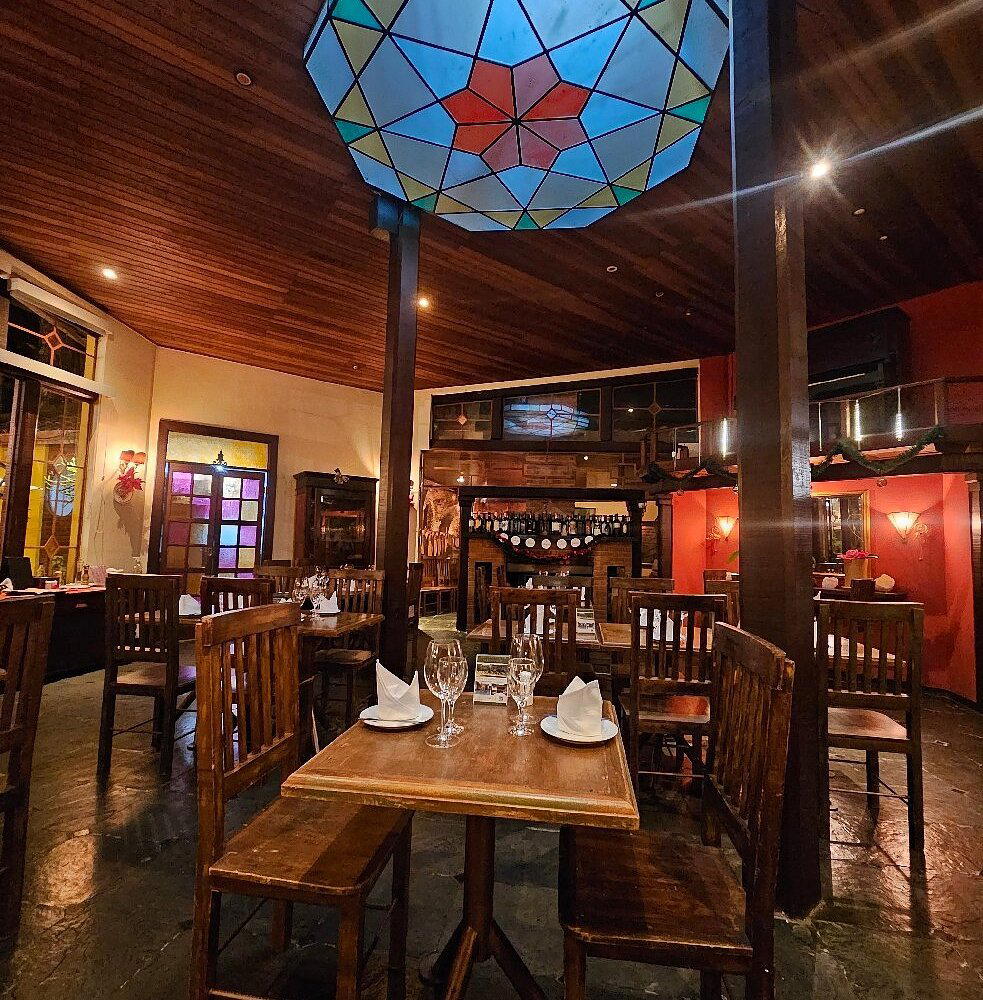
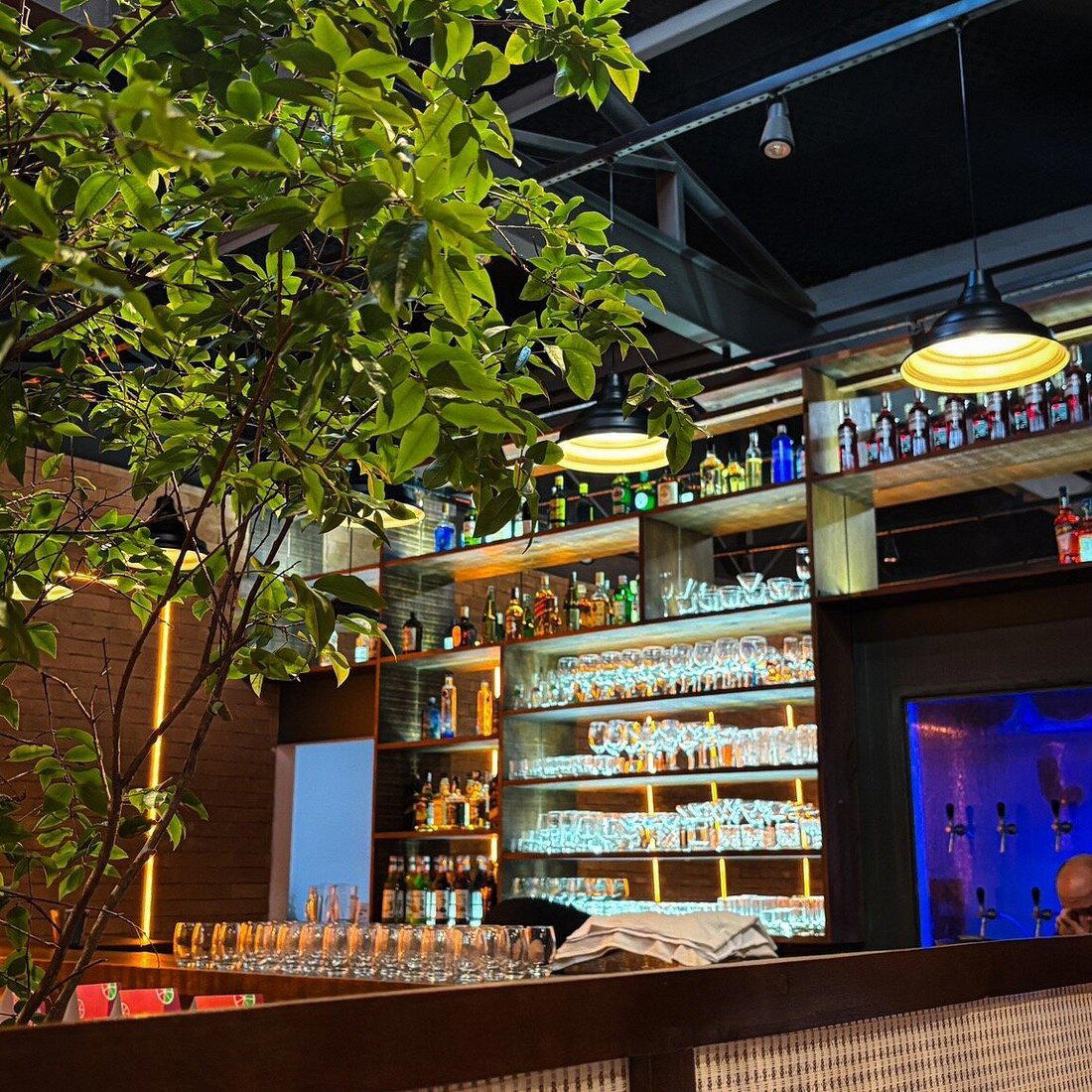
Cozy and pleasant with nice decorations, plants, background music, and candlelit evenings creating a romantic atmosphere.