Casa Pellegrini
Our verdict
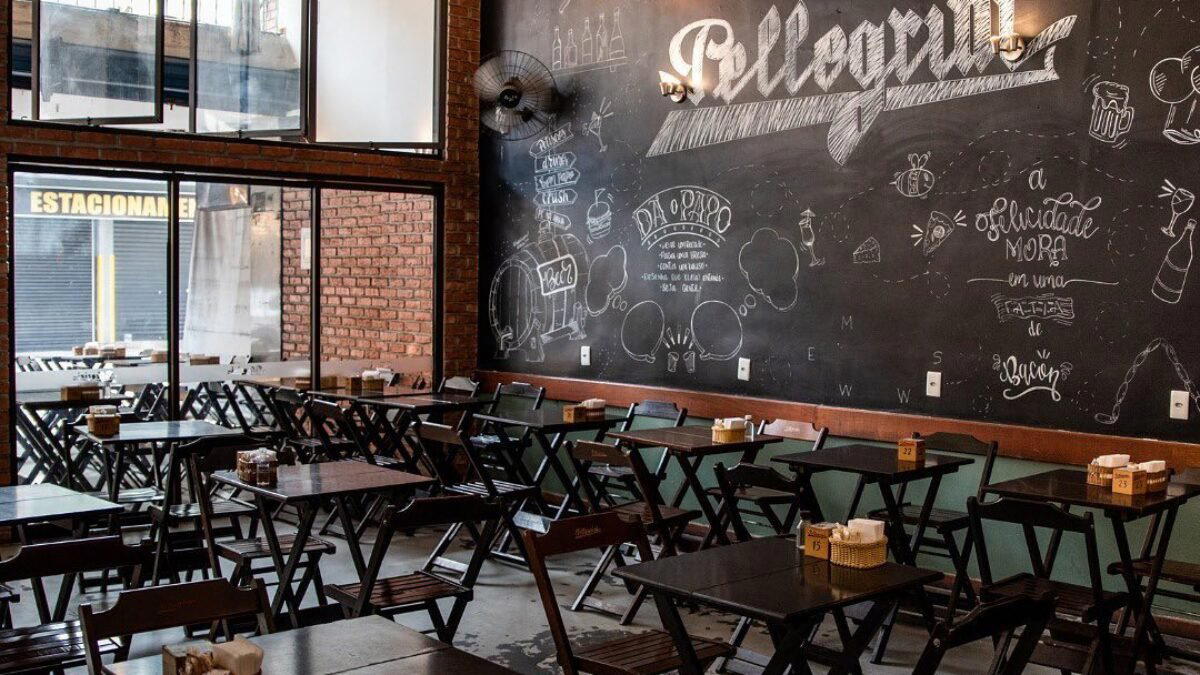
Casa Pellegrini sits on Rua Treze de Maio in central Petrópolis, a city whose European-inflected history shapes how its dining scene has developed over generations. The address places it within the older commercial and cultural core of a mountain town that has long attracted visitors from Rio de Janeiro seeking cooler air and a slower pace. Specific menu, pricing, and booking details are best confirmed directly with the venue.

Pearl is the En Primeur Club membership app, where members save venues, book tables and use the concierge.
A Mountain Town with a European Inheritance
Petrópolis sits roughly 68 kilometres north of Rio de Janeiro in the Serra Fluminense, and its culinary identity has always been shaped by the altitude and the history in roughly equal measure. Founded in the 1840s as an imperial retreat and populated by waves of German, Italian, and Swiss settlers, the city developed a dining culture that sits at an angle to the rest of Rio de Janeiro state. Where coastal Carioca cooking leans on fish, dendê oil, and the open heat of the tropics, Petrópolis has long gravitated toward heavier European preparations suited to cooler evenings: slow-braised meats, pasta made with purpose, preserves and bread traditions carried across the Atlantic by settler families. That inheritance is not nostalgia, it is context. The mountain towns of Rio de Janeiro state have maintained a relationship with European table traditions that coastal cities quietly abandoned as those traditions fell out of fashion elsewhere in Brazil.
Casa Pellegrini, addressed at Rua Treze de Maio, 184 in the historic Centro district, occupies a position within that culinary inheritance. The Pellegrini surname itself signals Italian lineage, which in Petrópolis is not an affectation but a geographic fact: Italian immigrant communities settled the Serra Fluminense in significant numbers during the nineteenth century, and their culinary fingerprint on the region's restaurants, bakeries, and domestic kitchens remains legible today. To understand what a place like Casa Pellegrini represents, it helps to understand what that Italian-Brazilian mountain tradition actually is, a cuisine that absorbed local Brazilian ingredients and techniques over generations without erasing its European grammar.
Where Centro Petrópolis Fits the Dining Map
The Centro district is the original commercial spine of Petrópolis, centred around the Rua do Imperador and the broader grid laid out during the imperial period. Rua Treze de Maio, where Casa Pellegrini is located, runs through a part of the city that mixes heritage architecture with everyday commerce. This is not the tourist-facing polish of the museum precinct or the residential calm of Quitandinha. It is the working centre of a mid-sized mountain city, and venues here tend to serve a local clientele alongside the weekend visitors who arrive from Rio de Janeiro, particularly between May and September when the altitude provides a genuine chill that the coast cannot offer.
That seasonal rhythm matters for anyone planning a visit. Petrópolis peaks as a destination during the cooler months, and Centro restaurants absorb that footfall directly. Visiting outside peak season means a quieter room and more direct engagement with what the venue does on its own terms, without the weekend surge that can compress the experience.
For a broader view of what the city's dining scene offers across neighbourhoods and formats, the full Petrópolis restaurants guide maps the range from casual neighbourhood spots to more formal dining rooms. Among the venues in the Centro orbit, Cantina Giulietta operates in a similar Italian-Brazilian register, and Emporium Maria Maria offers a contrasting format that skews toward the market-café hybrid common in mountain towns. For something more casual and centred on the city's appetite for well-made burgers, Hamburgueria Mano's represents the more informal end of the local market.
Italian-Brazilian Dining and Its Regional Variants
The Italian-Brazilian culinary tradition that shapes venues like Casa Pellegrini is a distinct thing from either Italian food in Italy or Italo-Brazilian cooking in São Paulo. In the mountain towns of the Serra Fluminense and the Serra Gaúcha further south, the tradition developed in relative isolation, absorbing local Brazilian ingredients, cassava, local greens, tropical fruits, while maintaining the structural logic of Italian cooking: pasta as a vehicle for sauce rather than an afterthought, slow cooking as a form of respect for cheaper cuts, bread as a daily staple rather than a restaurant accessory.
That regional specificity is what separates the mountain town Italian-Brazilian table from the more cosmopolitan versions found in São Paulo's Jardins neighbourhood or in the high-concept formats that have become prominent in Brazilian fine dining. Venues like D.O.M. in São Paulo and Oteque in Rio de Janeiro represent a different conversation entirely, one about national fine dining ambition and ingredient sourcing at a research level. What Petrópolis offers is something older and less performed: a table tradition that predates the Brazilian gastronomic boom by generations and has no particular interest in being discovered by it.
Elsewhere in Brazil, Italian and European settler-influenced cooking takes different regional shapes. Mina in Campos do Jordão operates in a mountain setting with comparable European inheritance. Olivetto Restaurante e Enoteca in Campinas and Primrose in Gramado each represent how Italian-European dining has evolved differently depending on the local economy and tourist profile of their respective cities. Castelo Saint Andrews in Gramado shows how far the European inheritance can bend toward theatrical heritage performance in a heavily touristed context. Petrópolis, by contrast, tends toward something more grounded.
For Brazilian regional cooking rooted in different traditions, the contrast is instructive. Manga in Salvador works within the Bahian Afro-Brazilian culinary inheritance, while Orixás in Itacaré engages with northern coastal traditions. Birosca S2 in Belo Horizonte and Lobby Café in Belém operate in mining-region and Amazonian contexts respectively, each shaped by entirely different settler and Indigenous food histories. Manu in Curitiba and State of Espírito Santo in Rio Bananal each represent how South and Southeast Brazil's European settler traditions have been absorbed and reinterpreted with varying degrees of modern technique. Internationally, the conversation around heritage dining with high technical execution runs from Le Bernardin in New York City to Lazy Bear in San Francisco, though those comparisons sit in a different register altogether from what mountain-town Brazil is doing.
Planning a Visit
Casa Pellegrini is located at Rua Treze de Maio, 184, Centro, Petrópolis, CEP 25685-231. Petrópolis is accessible from Rio de Janeiro by road, with the BR-040 the principal route; the journey typically runs between 60 and 90 minutes depending on traffic and the specific point of departure in the city. Given that Petrópolis sees significant weekend traffic from Rio de Janeiro, particularly during the cooler months from May through September, confirming availability ahead of arrival is sensible planning rather than optional.
Frequently asked questions
Where is Casa Pellegrini in Petropolis?
Casa Pellegrini is located at R. Treze de Maio, 184 - Centro, Petrópolis - RJ, 25685-231, Brazil, Petropolis.
Is Casa Pellegrini a good option for a day trip from Rio de Janeiro focused on regional food culture?
Petrópolis is one of the most direct cases in Rio de Janeiro state of a city whose food identity was formed by nineteenth-century European settlement, and the Italian-Brazilian tradition represented by a venue like Casa Pellegrini at Rua Treze de Maio, 184 is central to that story. The 68-kilometre road trip from Rio takes roughly an hour to ninety minutes depending on traffic, and the Centro district clusters the city's historic architecture alongside its longest-established restaurants. For visitors whose interest runs toward culinary history rather than contemporary tasting menus, that combination makes Petrópolis a coherent half-day or full-day destination.
What do people recommend at Casa Pellegrini?
Casa Pellegrini's Italian heritage name and its address at Rua Treze de Maio, 184 in Petrópolis's Centro district place it firmly within the city's Italian-Brazilian dining tradition. That tradition centres on slow-cooked proteins, house-made pasta, and preparations that absorbed Brazilian ingredients over successive generations. Visitors drawn to Petrópolis for its nineteenth-century European character tend to seek out exactly this kind of cooking, where the Italian origin is legible but the regional Brazilian inflection is equally present.
Do I need a reservation for Casa Pellegrini?
Petrópolis runs on a pronounced weekend cycle driven by visitors from Rio de Janeiro, roughly 68 kilometres to the south, and demand rises sharply between May and September when the cooler mountain climate draws larger crowds. For any Saturday or Sunday during that period, booking ahead is the safer approach. Midweek visits in the low season carry less pressure, though Centro venues can fill quickly around the lunch hour regardless of season.
What's Casa Pellegrini best at?
Within Petrópolis's dining scene, venues carrying Italian heritage names like Pellegrini have historically anchored their reputation in the Italian-Brazilian mode: pasta, slow braises, and dishes that reflect the cooking of nineteenth-century settler communities in the Serra Fluminense. That regional style is distinct from both Italian-Italian cooking and the Italo-Brazilian variants found in São Paulo or southern Brazil. Casa Pellegrini's Centro location, in the original commercial grid of the imperial-era city, reinforces that cultural positioning.
Price and Positioning
Comparable venues nearby, for context on price, style, and recognition.
| Venue | Cuisine | Price | Notes |
|---|---|---|---|
| Casa PellegriniThis venue (the venue you are viewing) | Italian Brazilian Gastrobar | $10–20 | Not listed |
| Cantina Giulietta | Traditional Italian Trattoria | Not listed | Centro, Traditional Italian Trattoria |
| Emporium Maria Maria | Italian | Not listed | Itaipava, Italian |
| Hamburgueria Mano's | Artisanal Burgers | Not listed | Petropolis, Artisanal Burgers |
| Burguerato Mix Gastronômico | Pizza and Artisan Burgers | Not listed | Rio das Ostras, Pizza and Artisan Burgers |
| Casa Capri Tratoria | Italian Trattoria | $20–30 | Centro, Italian Trattoria |
Continue exploring
More in Petropolis
Restaurants in Petropolis
All restaurants in Petropolis →
Bars in Petropolis
Browse all →
Details
- Lively
- Casual
- Casual Hangout
- After Work
- Standalone
- Beer Program
- A La Carte
- Beer
- Vegetarian Friendly
Current opening hours
- Monday
- 7:30 AM–12 AM
- Tuesday
- 7:30 AM–12 AM
- Wednesday
- 7:30 AM–12 AM
- Thursday
- 7:30 AM–12 AM
- Friday
- 7:30 AM–12 AM
- Saturday
- 7:30 AM–12 AM
- Sunday
- 7:30 AM–12 AM
Hours can change for holidays and private events. Hours as of .