Cantina Giulietta
Our verdict
A cantina-style address on Rua Alfredo Pachá in Petrópolis's Centro district, Cantina Giulietta draws on the Italian-immigrant culinary traditions that took deep root across the Serra Fluminense. The setting and menu format reflect a broader Brazilian-Italian dining culture shaped by mountain geography, local produce rhythms, and the kind of cooking that rewards return visits over singular occasions.

Pearl is the En Primeur Club membership app, where members save venues, book tables and use the concierge.
The menu
What to order
- Gorgonzola
- Pizza
- Ravioli
Where Mountain Air Meets the Italian Table
Petrópolis sits roughly 68 kilometres north of Rio de Janeiro, high enough in the Serra da Mantiqueira foothills that the temperature drops noticeably by late afternoon and the air carries a mineral coolness that the coast never quite manages. That climate, combined with the city's nineteenth-century European settlement history, created conditions unusually well-suited to Italian cantina culture. The wood-fired hearth, the slow braise, the wine poured from ceramic or glass without ceremony: these are not affectations here. They belong to a regional tradition shaped by Italian and German immigrant communities who arrived in the mountain towns of Rio de Janeiro state and found that the altitude and soil could sustain the kind of kitchen garden cooking they had carried across the Atlantic.
Cantina Giulietta, addressed at R. Alfredo Pachá, 88 in the Centro district, sits inside that tradition. The street itself runs through the older residential and commercial core of Petrópolis, where the city's imperial-era architecture gives way to smaller-scale neighbourhood life. Approaching the address, the contrast with Rio's coastal density becomes clear: Petrópolis moves at a different pace, and its dining culture reflects that. A cantina in this context is not a casual step-down from fine dining. It is a format with its own discipline, one built around ingredient quality, kitchen coherence, and the expectation that tables will be occupied for unhurried spans of time.
The Ingredient Question in Mountain Brazil
The editorial argument for ingredient-focused dining in the Serra Fluminense is not a romantic one. It is logistical. Mountain microclimates in this part of Rio de Janeiro state support year-round production of vegetables, herbs, and fungi that the coast cannot reliably grow. The region around Petrópolis and the neighbouring towns of Teresópolis and Nova Friburgo has supplied Rio de Janeiro's restaurant industry with lettuces, strawberries, stone fruits, and specialty greens for decades. A kitchen in Petrópolis that draws on this supply chain is operating with a structural freshness advantage over its counterparts in the capital, simply by proximity.
That context matters when reading a cantina menu in this city. Italian-Brazilian cooking in the mountain towns was historically built on what the land offered each season: preserved meats in winter, fresh tomatoes and basil through the warmer months, dried legumes and aged cheeses as pantry anchors throughout the year. The leading cantinas in this tradition do not import the Italian canon wholesale; they adapt it through local produce cycles, regional cheese-making, and the particular flavour profiles of Brazilian-grown olive varieties and heirloom grains. This is the cooking tradition that cantinas like Giulietta inherit, whether or not they narrate it explicitly.
For comparison, this kind of regionally grounded Italian-Brazilian cooking occupies a very different register from the tasting-menu format that defines Brazil's most internationally visible restaurants. Oteque in Rio de Janeiro and D.O.M. in São Paulo both operate in the upper tier of Brazilian fine dining, where ingredient sourcing is a stated programme. A cantina format works with the same underlying logic but channels it into a more domestic register: shared dishes, bread on the table, wine poured generously. The intellectual framework is similar; the theatre is entirely different.
Petrópolis's Dining Pattern and Where Cantinas Fit
Petrópolis rewards visitors who understand its dining rhythm. The city is a weekend destination for Cariocas escaping the summer heat, which means Saturday lunch often functions as the primary social meal of the week: long, unhurried, and built around a table rather than a solo plate. Cantinas are well-suited to this format by design. They tend to reward the group booking over the solo diner, the returner over the first-timer. The menu literacy that develops over multiple visits, knowing which pasta format holds sauce leading or which secondi the kitchen executes with particular confidence, matters more here than at a restaurant built around novelty.
Within Petrópolis's Centro district, Giulietta is one address among a cluster of neighbourhood restaurants worth knowing. Casa Pellegrini and Emporium Maria Maria offer their own distinct positions in the local dining fabric, while Hamburgueria Mano's covers a more casual register. For anyone building a fuller picture of the city's food culture, the EP Club Petrópolis restaurants guide maps these across neighbourhood and format.
The broader Brazilian mountain-town dining scene has its own geography worth tracing. Mina in Campos do Jordão operates in a similar climate zone further inland in São Paulo state, where altitude and European settlement history produced a comparable culinary character. Primrose in Gramado and Castelo Saint Andrews in Vale do Bosque reflect the German-Italian tradition of Rio Grande do Sul's serra gaúcha, a region that shares the altitude logic but diverges in its specific culinary inheritance. Across all of these, the pattern holds: mountain geography, European settlement, local produce, and a dining pace calibrated to cold evenings and weekend leisure.
For readers exploring the broader Italian-influenced dining tradition in Brazil, Olivetto Restaurante E Enoteca in Campinas represents the more formal enoteca format, while Manu in Curitiba charts a different course through Paraná's own European-immigrant culinary landscape. Outside that tradition entirely, Birosca S2 in Belo Horizonte, Manga in Salvador, Orixás in Itacaré, Lobby Café in Belém, and State of Espírito Santo in Rio Bananal represent the Afro-Brazilian and Amazonian strands of Brazilian dining that the cantina format does not attempt to engage. They are useful counterpoints in any broad survey of the country's regional cooking traditions.
Planning a Visit
Cantina Giulietta is in Centro Petrópolis, the part of the city most accessible from the main bus routes connecting with Rio de Janeiro's Rodoviária Novo Rio terminal. Journey time from Rio is roughly 90 minutes under normal conditions; weekend traffic on the BR-040 can extend this considerably, making Friday evening or early Saturday morning arrival the more comfortable approach. Alfredo Pachá, 88 is the most reliable route. Like many cantina-format restaurants in Brazilian mountain towns, peak demand falls on Saturday lunch and Sunday afternoon, and walk-in availability at those times is generally limited compared with weekday service.
Frequently asked questions
Is Cantina Giulietta child-friendly?
Cantina-format dining in Petrópolis typically runs on a relaxed, table-sharing logic that suits families, and Centro Petrópolis is a low-traffic, walkable neighbourhood. The address on Rua Alfredo Pachá, 88 is straightforward to reach from the main bus connections linking with Rio's Rodoviária Novo Rio.
What's the overall feel of Cantina Giulietta?
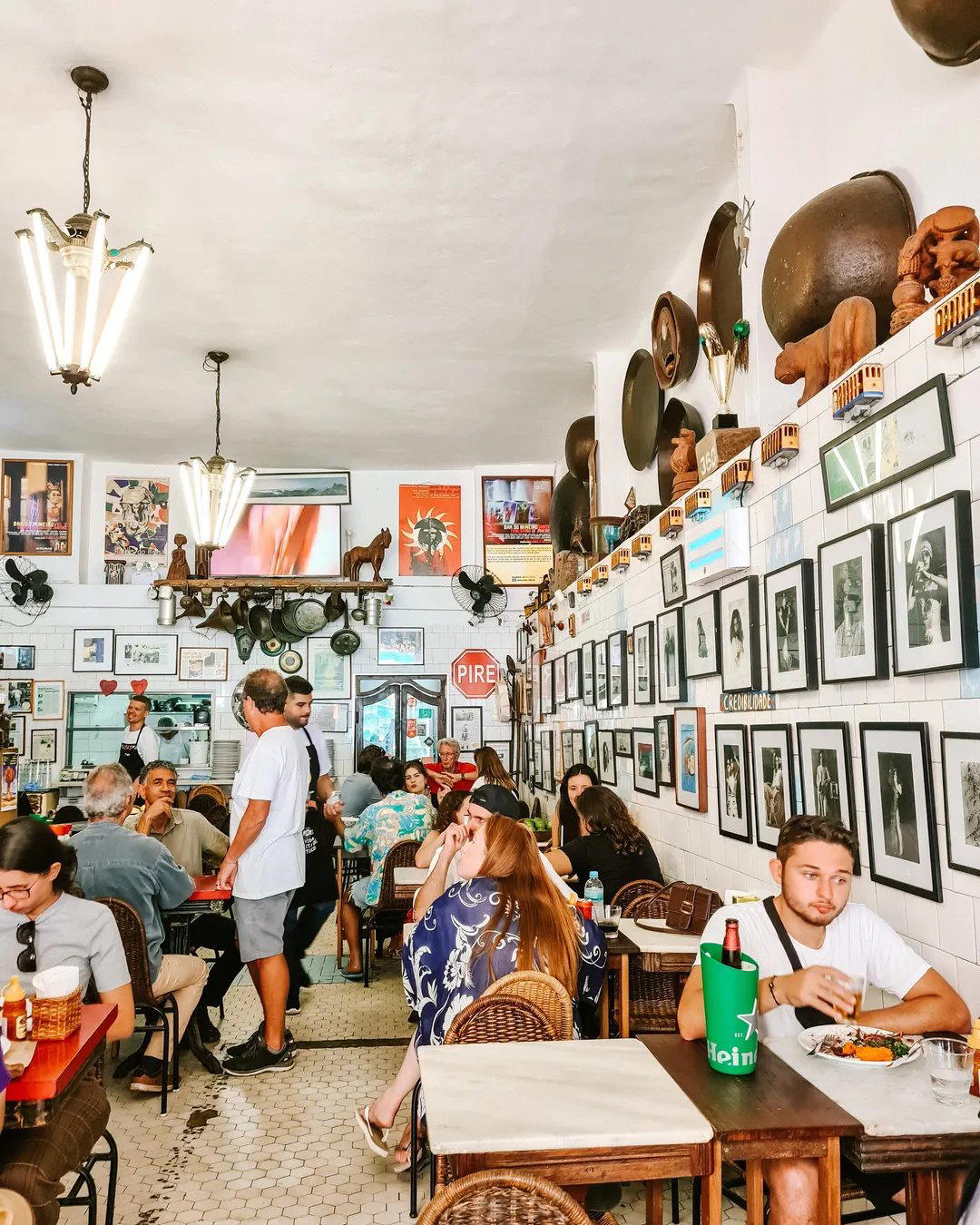
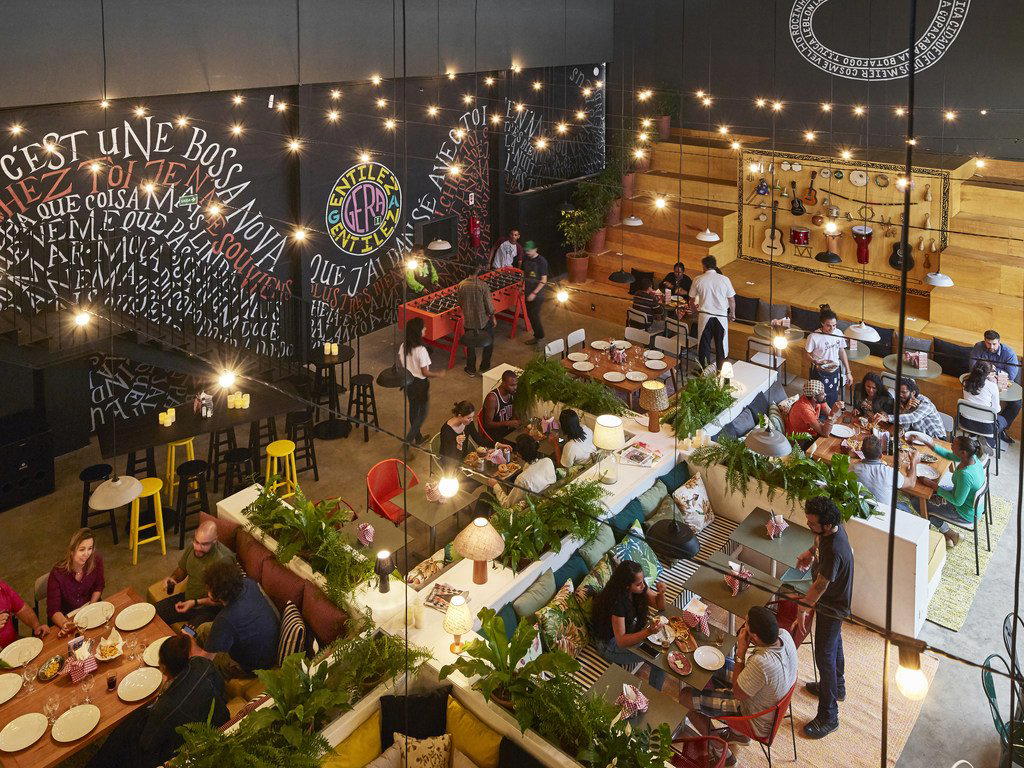
The cantina format itself signals something specific: an informal, convivial room built around the table rather than the spectacle, in a city where the cooler mountain air of the Serra da Mantiqueira foothills already sets a slower pace than Rio. Petrópolis has historically drawn weekend visitors looking for exactly that register. Cantina Giulietta sits in Centro, the part of the city closest to the historic core, which shapes both the clientele and the tempo of service.
How does Cantina Giulietta's location in Centro Petrópolis affect when to visit?
Petrópolis functions primarily as a weekend destination for Cariocas travelling the 68 kilometres from Rio de Janeiro, which means Saturday and Sunday lunch slots in Centro fill well ahead of weekday equivalents. Visiting midweek shifts the dynamic: fewer crowds, a calmer room, and staff with more time. Cantina Giulietta's address on Rua Alfredo Pachá, 88 places it within reach of the main bus routes from Rodoviária Novo Rio, making a weekday trip from Rio a practical half-day itinerary.
What do regulars order at Cantina Giulietta?
In the cantina tradition broadly, pasta and slow-cooked meat courses anchor the menu, and the mountain climate of Petrópolis makes heavier, wine-friendly plates a logical fit.
What's the address for Cantina Giulietta?
Cantina Giulietta is located at R. Alfredo Pachá, 88 - Centro, Petrópolis - RJ, 25685-210, Brazil, Petropolis.
Quick Comparison
Comparable venues nearby, for context on price, style, and recognition.
| Venue | Cuisine | Price | Notes |
|---|---|---|---|
| Cantina GiuliettaThis venue (the venue you are viewing) | Traditional Italian Trattoria | Not listed | Not listed |
| Emporium Maria Maria | Italian | Not listed | Itaipava |
| Hamburgueria Mano's | Artisanal Burgers | Not listed | Petropolis |
| Casa Pellegrini | Italian Brazilian Gastrobar | $10–20 | Centro |
| Restaurante Imbuhy | Italian International | $20–30 | Parque do Imbui |
| Burrata | Italian Bistro | Not listed | Alto |
Continue exploring
More in Petropolis
Restaurants in Petropolis
All restaurants in Petropolis →
Bars in Petropolis
Browse all →

Details
- Classic
- Cozy
- Rustic
- Casual Hangout
- Family
- Group Dining
- Garden
- Standalone
- A La Carte
Current opening hours
- Monday
- 11:30 AM–10 PM
- Tuesday
- 11:30 AM–10 PM
- Wednesday
- 11:30 AM–10 PM
- Thursday
- 11:30 AM–10 PM
- Friday
- 11:30 AM–10 PM
- Saturday
- 11:30 AM–10 PM
- Sunday
- 11:30 AM–10 PM
Hours can change for holidays and private events. Hours as of .
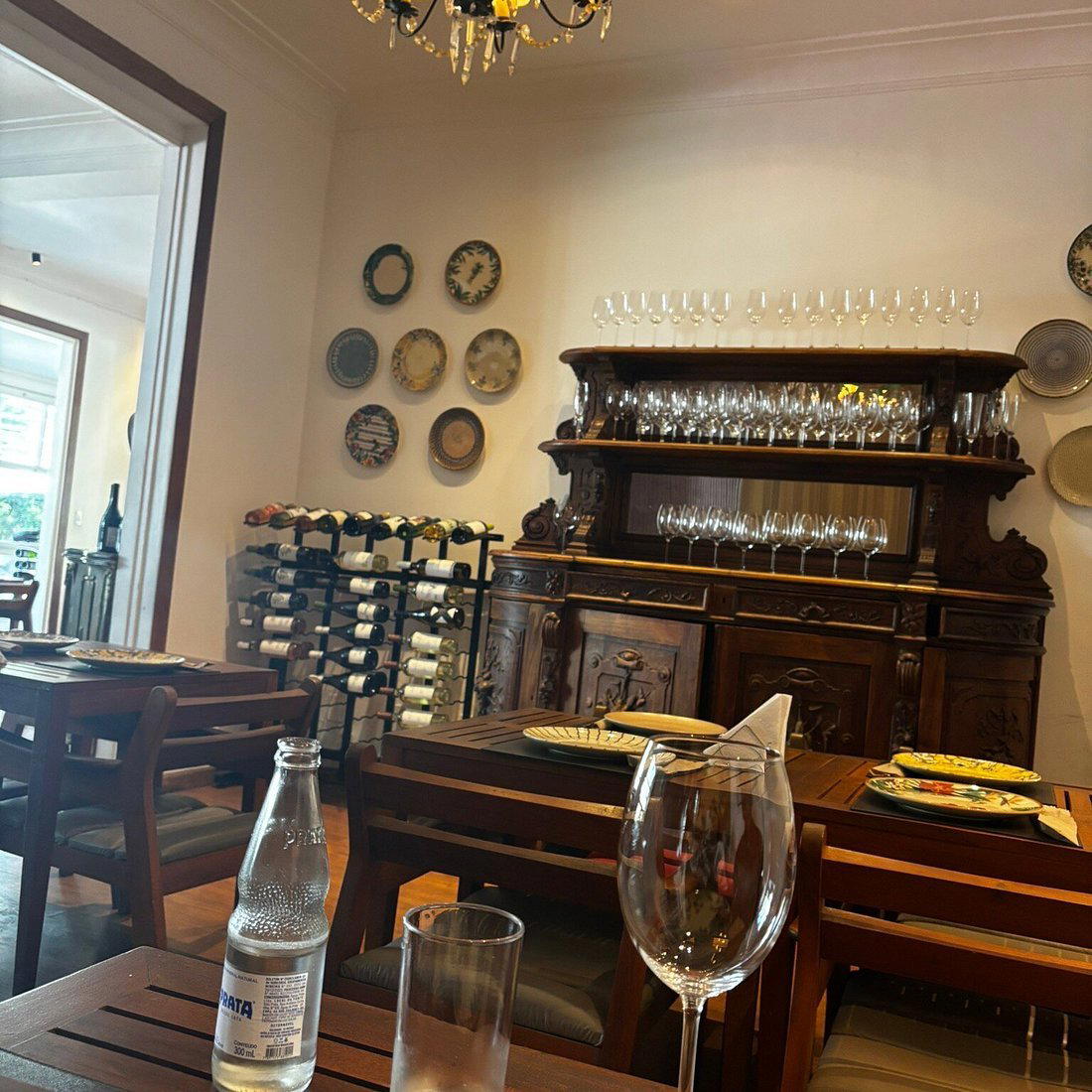
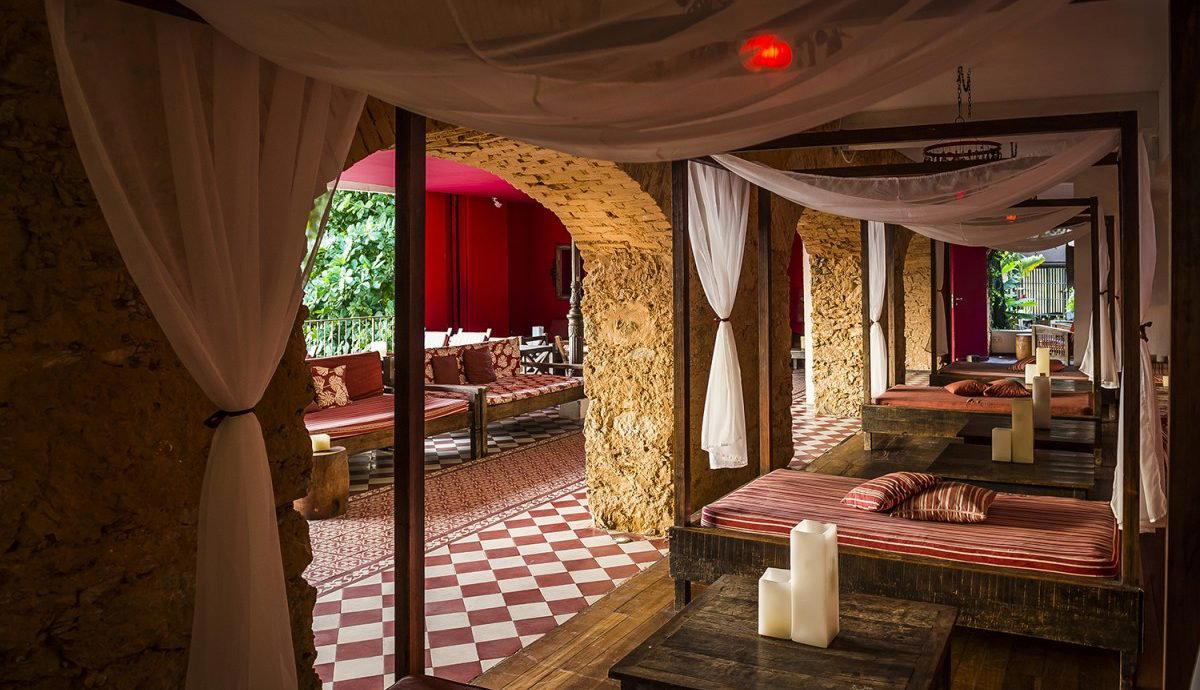
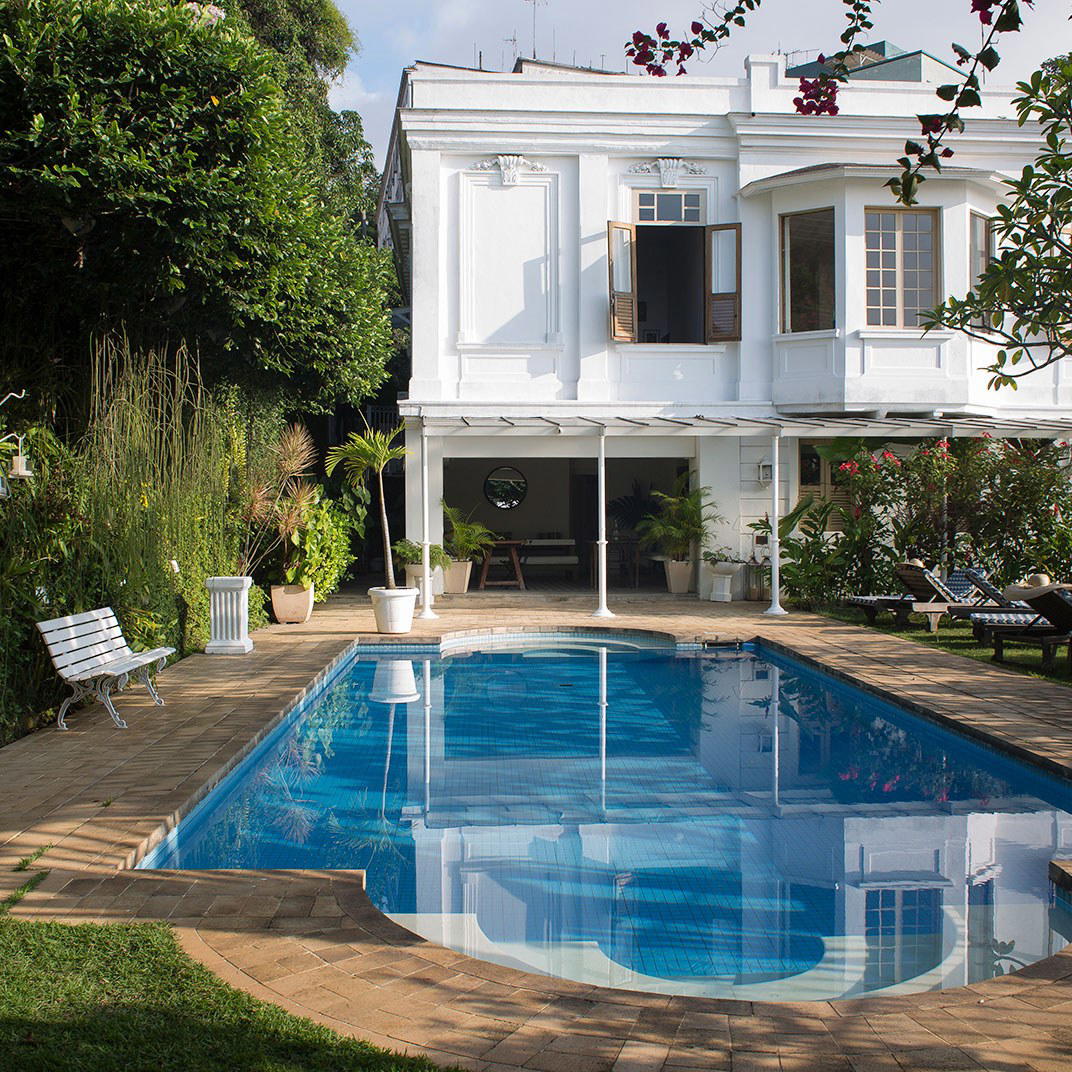
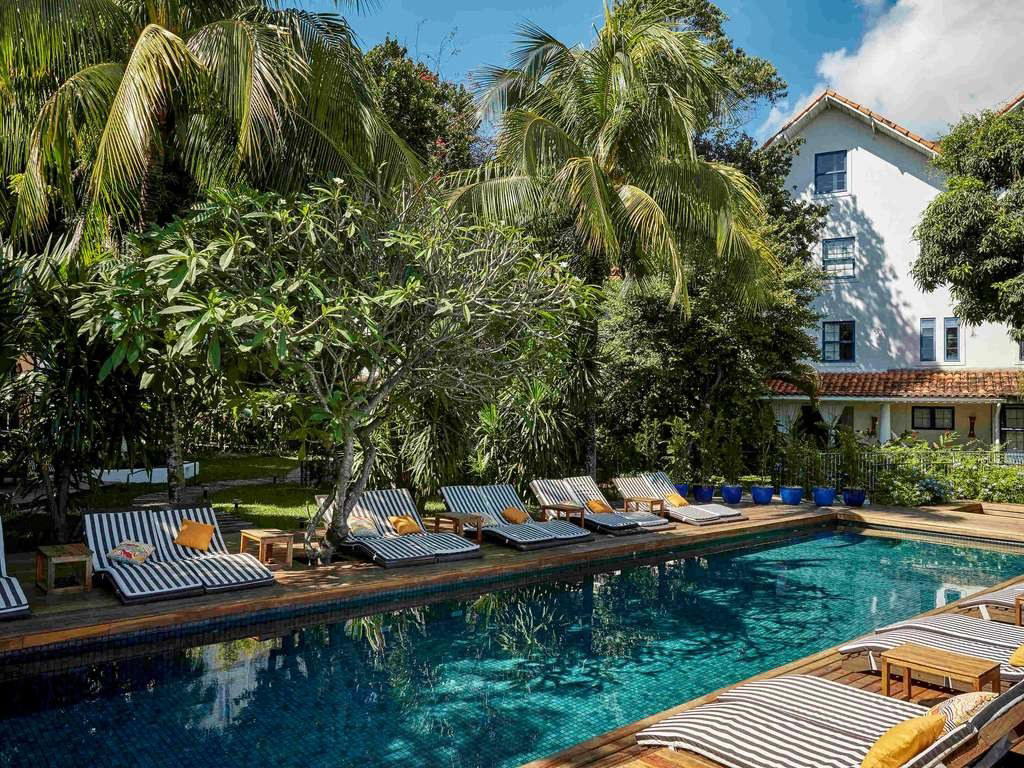
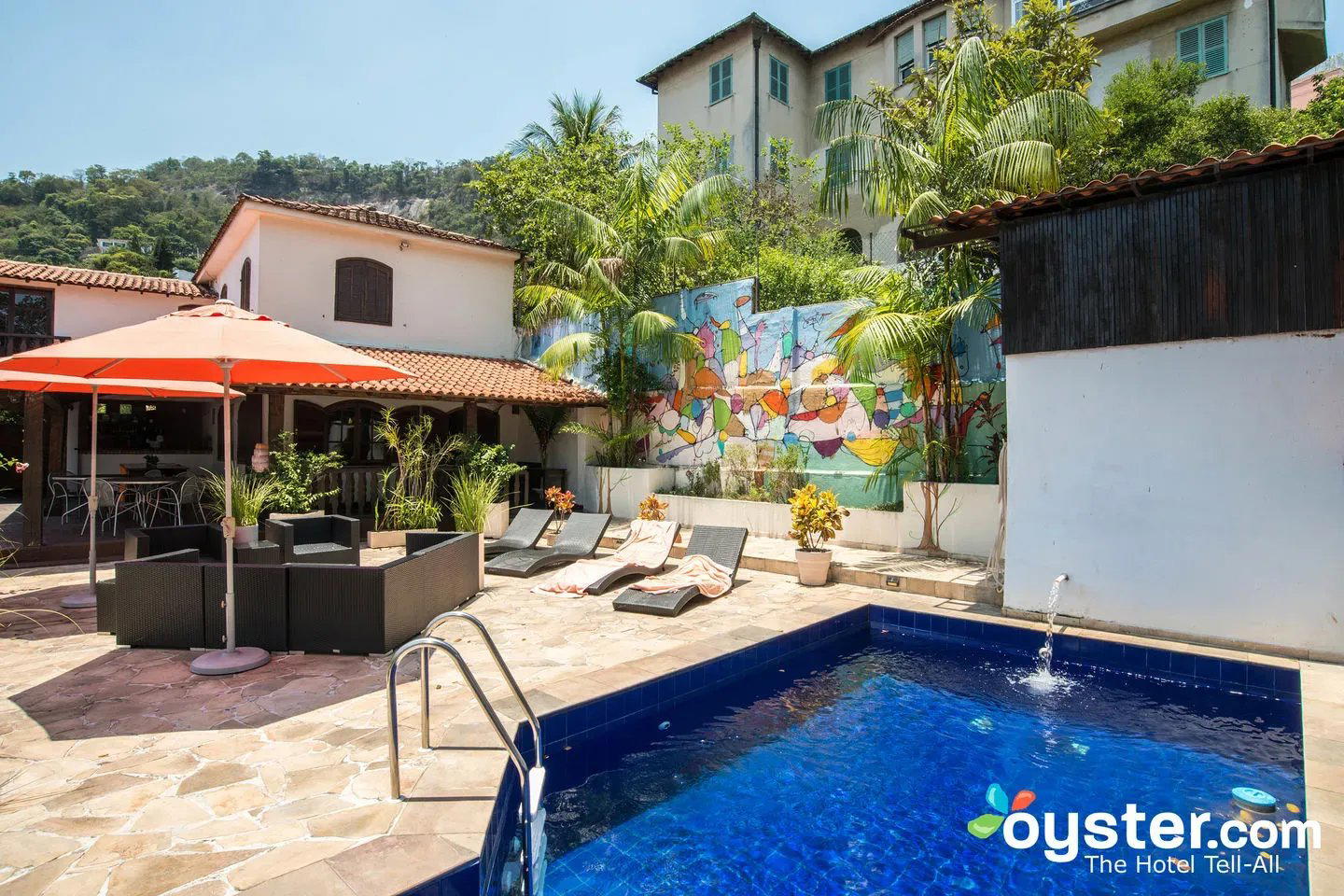
Warm and inviting Italian trattoria atmosphere with an internal garden area, creating a casual yet welcoming dining environment.