A Front Street fixture in Toronto's St. Lawrence Market neighbourhood, The Berczy draws a loyal crowd of regulars who treat it as the kind of pub that rewards repeat visits. The room balances the ease of a neighbourhood bar with the proximity of one of downtown's more walkable heritage blocks. It sits in a price tier well below the city's tasting-menu circuit, making it a practical anchor for the area.
Pearl is the En Primeur Club membership app — saves, bookings, and concierge access live there. Same editors, same standards.
- Address
- 69 Front St E, Toronto, ON M5E 1B5, Canada
- Phone
- +16474790279
- Website
- theberczy.com
- Directions
- Get directions
 Saves & bookings on Pearl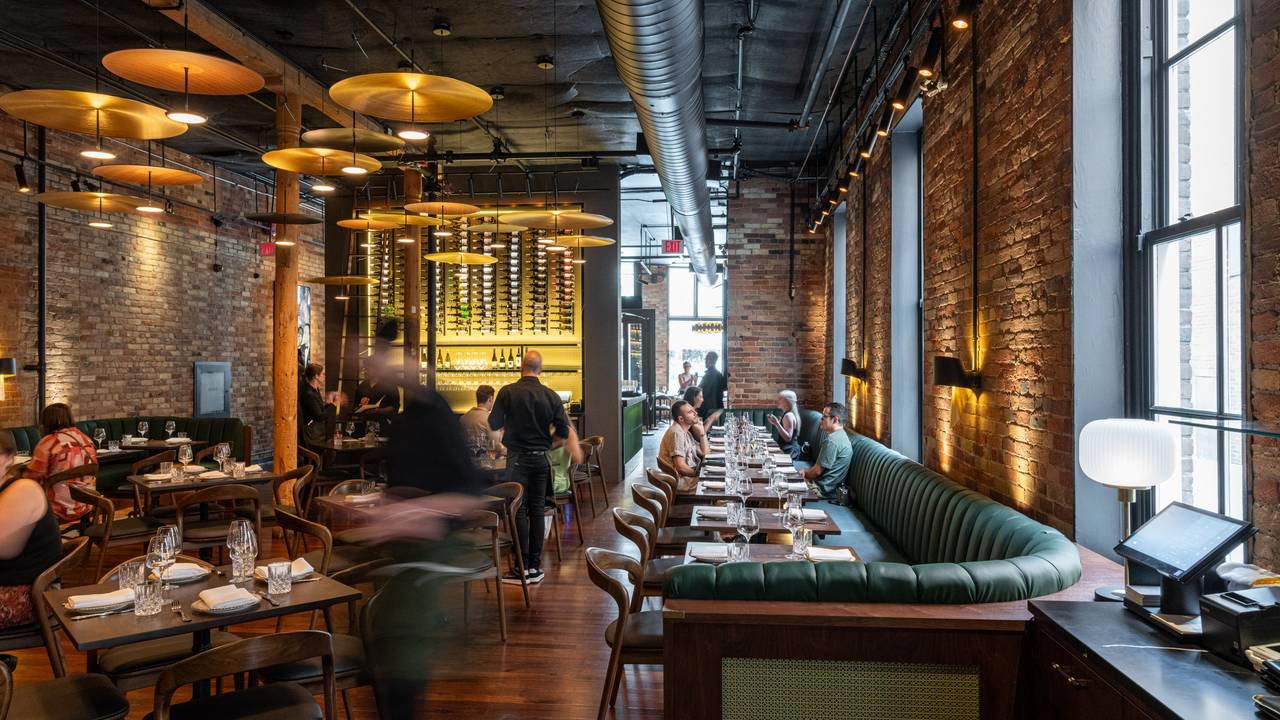
Front Street and the Pull of a Proper Local
Toronto's St. Lawrence Market neighbourhood has spent the better part of two decades sorting itself into distinct hospitality tiers. At the leading end, the city's tasting-menu operators, including Alo and Aburi Hana, run structured, reservation-heavy formats priced north of most diners' weekly budgets. Below that tier, a smaller set of places functions as the neighbourhood's social connective tissue, open to walk-ins, familiar with their regulars, and quietly resistant to the kind of theatrical presentation that dominates the premium end of the market. The Berczy, at 69 Front Street East, is a Toronto restaurant serving New Canadian Bistro with Mediterranean Influences at a price tier of 3. The address puts it within easy reach of the Flatiron Building and the western edge of the Market itself, which means the foot traffic skews toward people who already know the area rather than tourists mapping out a single destination.
What Keeps the Regulars Coming Back
The pattern at this kind of Toronto bar is well established: a first visit to see what it is, a second to confirm it, and then a rhythm of returns that eventually stops requiring a reason. The Berczy fits that pattern. Regulars at pubs anchored to heritage streetscapes in Canadian cities tend to return not because the menu rotates aggressively or the cocktail program chases trends, but because the room has a reliable quality of ease that is genuinely difficult to manufacture. The Front Street corridor has enough transient traffic from the nearby financial district that a place without that ease would tip toward tourist-facing, a different operation entirely.
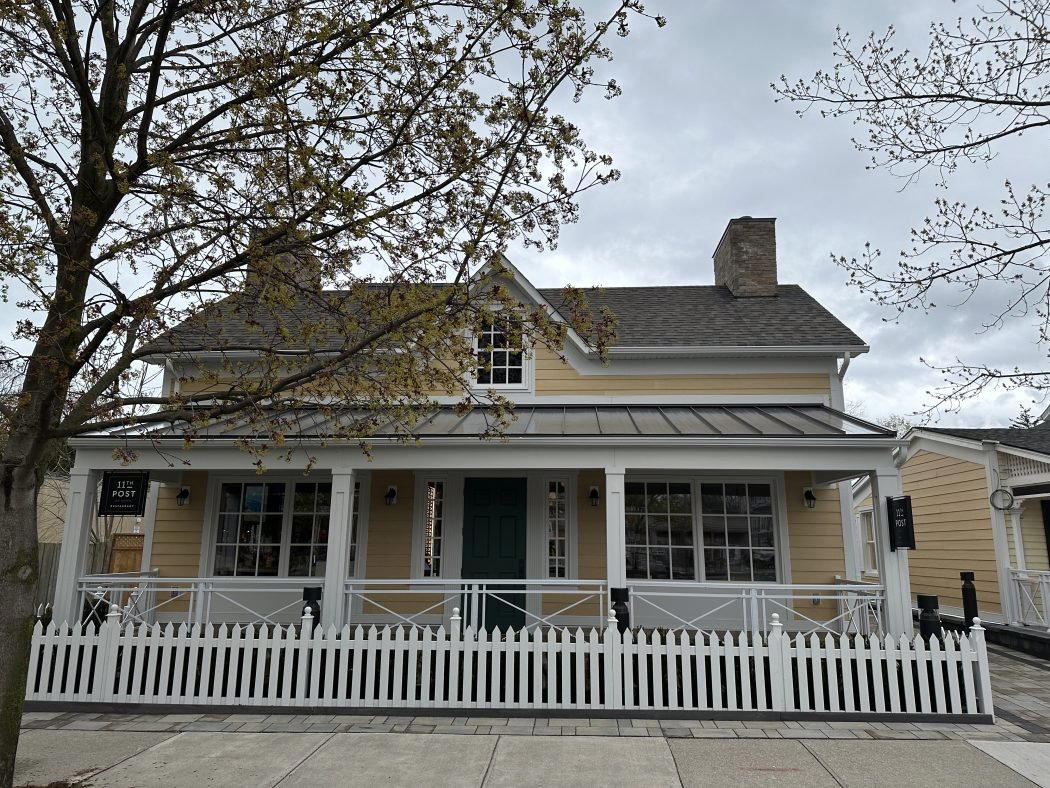
What the regulars here understand, and what a first-time visitor takes a drink or two to absorb, is that the value proposition is spatial as much as culinary. The room carries the physical logic of a Victorian-era tavern adapted for a modern city: high ceilings, worn wood, natural light from the street-facing windows. Across Canada, the bars that hold their regulars longest tend to be the ones where the architecture does some of the atmospheric work without the venue needing to perform it through design interventions. That describes the dynamic here.
The Berczy in Toronto's Broader Pub and Bar Picture
The restaurant belongs to the latter grouping, which in the St. Lawrence area also competes with the broader hospitality pull of King Street West further along the waterfront. The difference is that King West runs hotter, louder, younger, more event-driven, while the Front Street corridor draws a crowd that generally prefers to be seated before they order. That distinction shapes the entire experience, from the pace of service to the kind of conversation the room supports.
Neighbourhood Anchoring and the St. Lawrence Effect
The St. Lawrence Market neighbourhood is one of the few parts of downtown Toronto that feels genuinely lived-in rather than redeveloped. The market itself, operating in its current form since the early 19th century, functions as a civic anchor that keeps the surrounding streets from tipping into pure office-district utility. Bars and restaurants that sit close to that kind of institution benefit from a self-selecting clientele: people who are already oriented toward the physical neighbourhood rather than just passing through. That creates a different relationship between a venue and its regulars than you find in, say, the Entertainment District to the west, where the crowd resets almost entirely with each evening.
Within the broader Canadian dining and hospitality picture, this kind of neighbourhood anchor has counterparts in other cities: AnnaLena in Vancouver operates with a similar relationship to its Kitsilano regulars, and Jérôme Ferrer's Europea in Montreal has built decades of loyalty through consistency rather than reinvention. The mechanism is the same across cities: a room that knows what it is, priced to permit repeat visits, in a neighbourhood that generates its own foot traffic independent of any single venue.
Where It Sits Against Toronto's Range
Toronto's restaurant and bar scene now runs from deeply affordable izakayas in Kensington Market to $$$$ tasting menus like Don Alfonso 1890. The restaurant sits in the middle of that range, at a price point that permits the kind of casual return visit that the upper tier specifically cannot. That mid-tier is where most of the city's genuine regulars live, because it's the tier that rewards loyalty with familiarity rather than requiring a special-occasion justification for each visit. For context, the premium end of the Canadian hospitality circuit, Tanière³ in Quebec City, Eigensinn Farm in Singhampton, or Restaurant Pearl Morissette in Lincoln, operates on advance booking cycles and destination logic. The restaurant does not. That is precisely its function in the neighbourhood's hospitality ecosystem.
Internationally, the comparison would be to the kind of London pub that sits in a listed Victorian building near a working market, draws City workers at lunch and residents in the evening, and has never needed to appear in a glossy food guide to sustain itself. For a point of reference in the premium dining register, Le Bernardin in New York and Atomix represent the opposite end of the formality and price spectrum, useful context for understanding where a Front Street pub sits in the global hospitality picture.
Reputation First
Comparable venues nearby, for context on price, style, and recognition.
| Venue | Cuisine | Price | Notes |
|---|---|---|---|
| The BerczyThis venue — the venue you are viewing | New Canadian Bistro with Mediterranean Influences | $$$ | Not listed |
| Gladstone Café | Contemporary Mediterranean Gastropub | $$ | Little Portugal |
| Abrielle | Coastal Mediterranean | $$$ | Entertainment District |
| Mercatto | Casual Elegant Italian | $$$ | Bay Street Corridor |
| CopaCabana Brazilian Steakhouse - Toronto | Brazilian Rodizio Steakhouse | $$$ | Mount Pleasant West |
| 1 Kitchen | Farm-to-Table Sustainable Cuisine | $$$ | Fashion District |
Continue exploring
More in Toronto
Restaurants in Toronto
Browse all →
Bars in Toronto
Browse all →
Hotels in Toronto
Browse all →


At a Glance
- Elegant
- Classic
- Lively
- Sophisticated
- Date Night
- Special Occasion
- After Work
- Live Music
- Open Kitchen
- Craft Cocktails
- Extensive Wine List
- Local Sourcing
Current opening hours
- Monday
- Closed
- Tuesday
- 11:30 AM–10:30 PM
- Wednesday
- 11:30 AM–10:30 PM
- Thursday
- 11:30 AM–10:30 PM
- Friday
- 11:30 AM–12 AM
- Saturday
- 11 AM–12 AM
- Sunday
- 11 AM–9 PM
Hours can change for holidays and private events. Last verified .
Jazz-era finesse with heritage brick and wood beams paired with modern accents, featuring live piano for a refined yet relaxed atmosphere; quieter in the back dining room.