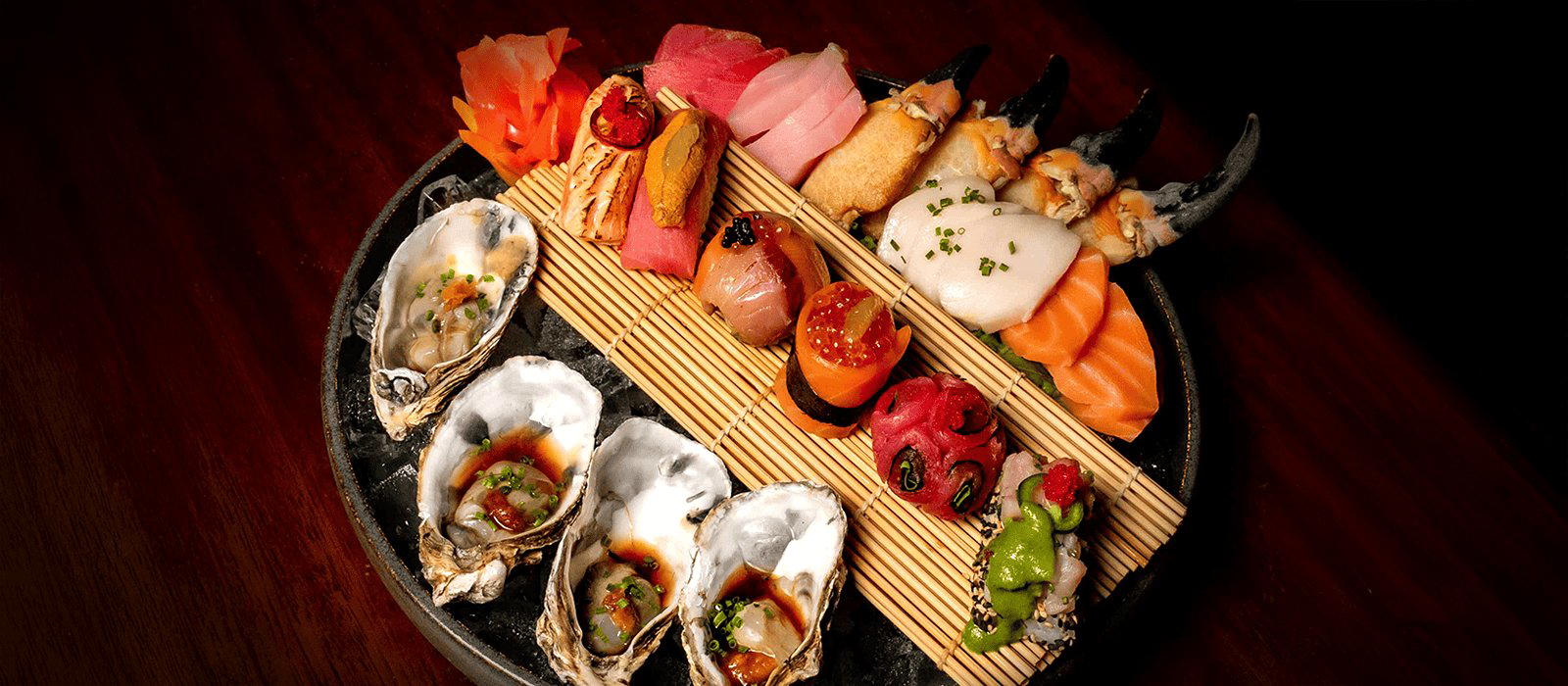
El Salnés serves Modern Ecuadorian Gastro-Picantería in Quito, with local sourcing, organic ingredients, and signatures like suckling pig, spicy chorizo, and paiche fish broth.
Pearl is the En Primeur Club membership app — saves, bookings, and concierge access live there. Same editors, same standards.
- Address
- Isla Isabela 44-27, Quito 170138, Ecuador
- Phone
- +593997388526
- Website
- elsalnes.net
- Directions
- Get directions
 Saves & bookings on Pearl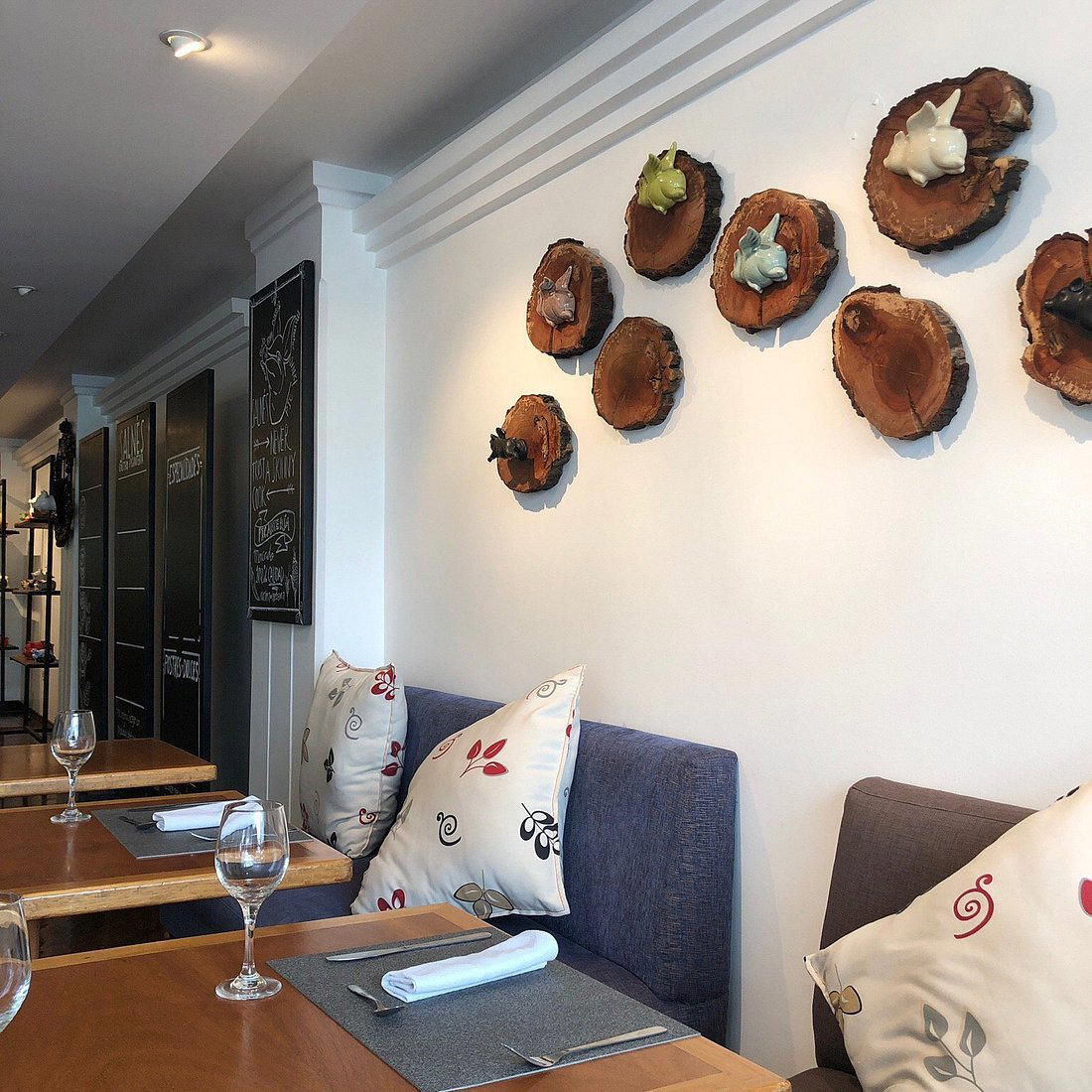
A Street Address in a City Rewriting Its Dining Identity
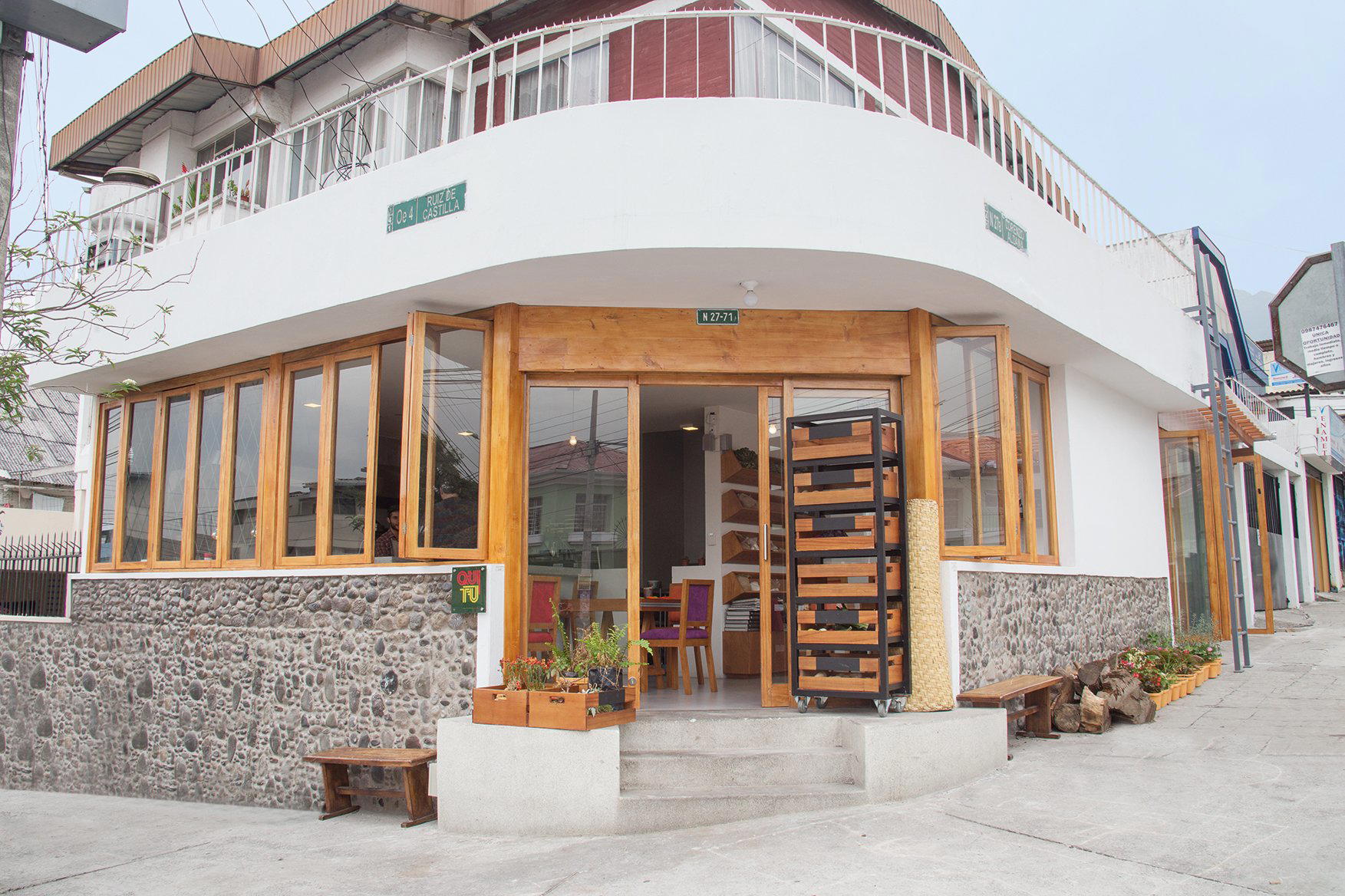
Quito's restaurant scene has undergone a structural change in recent years. The city that once defaulted to Continental European formats and hotel dining rooms now produces some of the more disciplined ingredient-focused cooking in South America, with venues like Nuema and Tributo anchoring a tier of restaurants that look to Andean and Pacific Coast sourcing rather than imported frameworks. El Salnés is a restaurant at Isla Isabela 44-27 in Quito, Ecuador. The street itself sits in a residential-commercial corridor at some remove from the historic centre's tourist circuit.
The name El Salnés carries a geographic echo: O Salnés is a comarca in Galicia, northwestern Spain, known primarily as the heartland of Albariño wine production and Atlantic seafood traditions. Whether the naming is deliberate provenance signalling or simply a borrowed toponym, it places the venue in an interpretive frame that connects it, at least nominally, to one of Spain's most ingredient-driven coastal cuisines. In a city at 2,850 metres above sea level, that kind of Atlantic reference is not incidental, it suggests a kitchen with opinions about where flavour comes from.
Menu Architecture and What It Implies
The way a restaurant structures its menu is rarely neutral. It encodes the kitchen's confidence, its sourcing priorities, and its assumptions about the customer. In Quito's current fine-dining tier, represented by venues like Casa Gangotena and the more contemporary formats at Cardó, the dominant structure has moved away from à la carte breadth toward shorter, more deliberate formats that force the kitchen to commit to a point of view. A tasting menu of eight to twelve courses signals one kind of ambition; a concise à la carte of six or seven dishes signals another. Both can be rigorous, but they ask different things of the diner and reveal different things about the cook.
What can be said with confidence is that its position on Isla Isabela places it within a neighbourhood context where the dining audience skews local rather than tourist-facing, which tends to produce leaner menus with less explanatory prose and more assumed knowledge. Restaurants that write for local regulars rather than first-time visitors tend to edit more aggressively, and that editorial discipline usually shows up on the plate. For the reader planning a visit, approach this address with flexibility.
Quito's Dining Geography and Where El Salnés Fits
Understanding where a restaurant sits geographically in Quito is not a minor logistical detail, it is an interpretive one. The historic centre, a UNESCO World Heritage Site, concentrates one kind of dining experience: heritage buildings, tourist-adjacent menus, and the formal Ecuadorian hospitality that venues like Casa Gangotena have refined over decades. The northern districts, by contrast, house the city's more contemporary and locally oriented restaurant culture, with shorter supply chains to the city's markets and a clientele that eats out with frequency rather than occasion.
Isla Isabela is in that northern band. The address at 44-27 places it in a zone that rewards walking the immediate streets before and after eating, the neighbourhood fabric tends to provide its own kind of context for what ends up on the table. For visitors arriving from outside Ecuador, the broader country provides useful orientation: dining in Guayaquil, the coastal commercial capital, follows different registers than Quito, as venues like Casa Julián in Guayaquil illustrate, and the Galápagos Islands produce yet another register entirely, documented through properties like Pikaia Lodge and Ecoventura. Quito's highland cooking sits in its own category, shaped by altitude, proximity to Andean producers, and a urban sophistication that has accelerated since roughly 2015.
For a fuller map of where the restaurant sits relative to Quito's wider restaurant ecosystem, our full Quito restaurants guide provides the comparative context. Elsewhere in Ecuador, the dining scene continues to diversify: Capitan&Co. in Cuenca Canton and Carlo & Carla in Samborondon Canton represent the range of formats emerging outside the two main cities, while Hornados Dieguito in Los Chillos anchors the traditional end of the spectrum.
The Broader Frame: Quito Among South American Dining Cities
Quito is not yet mentioned in the same breath as Lima or Buenos Aires when the international food press surveys South American dining, but the gap has closed considerably. The city's access to micro-climate produce from the surrounding Andean valleys, combined with a generation of cooks who have trained internationally and returned, has produced a restaurant culture that punches with more technical precision than its international profile suggests. Restaurants in peer cities, the kind of format-discipline seen at Atomix in New York or the sourcing rigour at Atelier Moessmer Norbert Niederkofler in Brunico, represent a global conversation about cooking from place. Quito is entering that conversation, and venues across the northern districts are where much of that argument is being made.
Reputation Context
Comparable venues nearby, for context on price, style, and recognition.
| Venue | Cuisine | Price | Notes |
|---|---|---|---|
| El SalnésThis venue — the venue you are viewing | Modern Ecuadorian Gastro-Picantería | $$ | Not listed |
| Rincón La Ronda | Traditional Ecuadorian | $$ | Bello Horizonte |
| Banh Mi | Asian Fusion with Local Ecuadorian Influences | $$ | La Floresta |
| La Briciola | Authentic Italian | $$ | Cumbaya, La Floresta |
| Nubori | Japanese Fusion with Ecuadorian Influences | $$$ | Iñaquito |
| Noe | Ecuadorian-Japanese Fusion Sushi | $$$ | Plaza Las Américas, San Luis, Cumbayá |
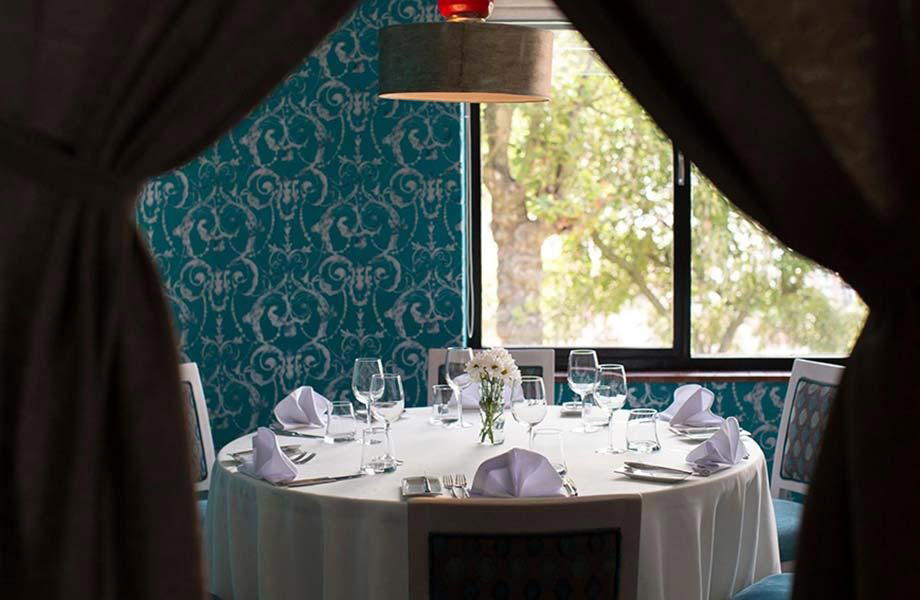
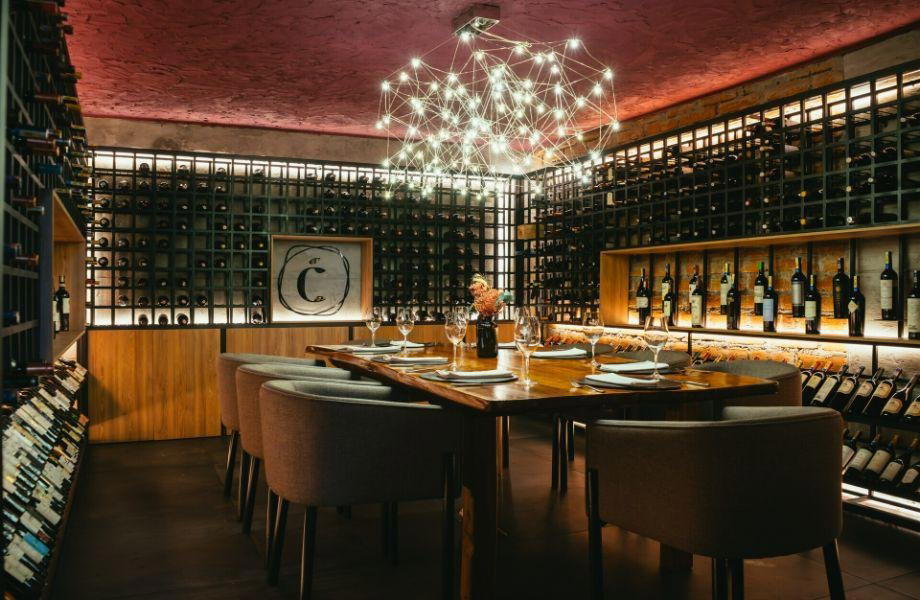
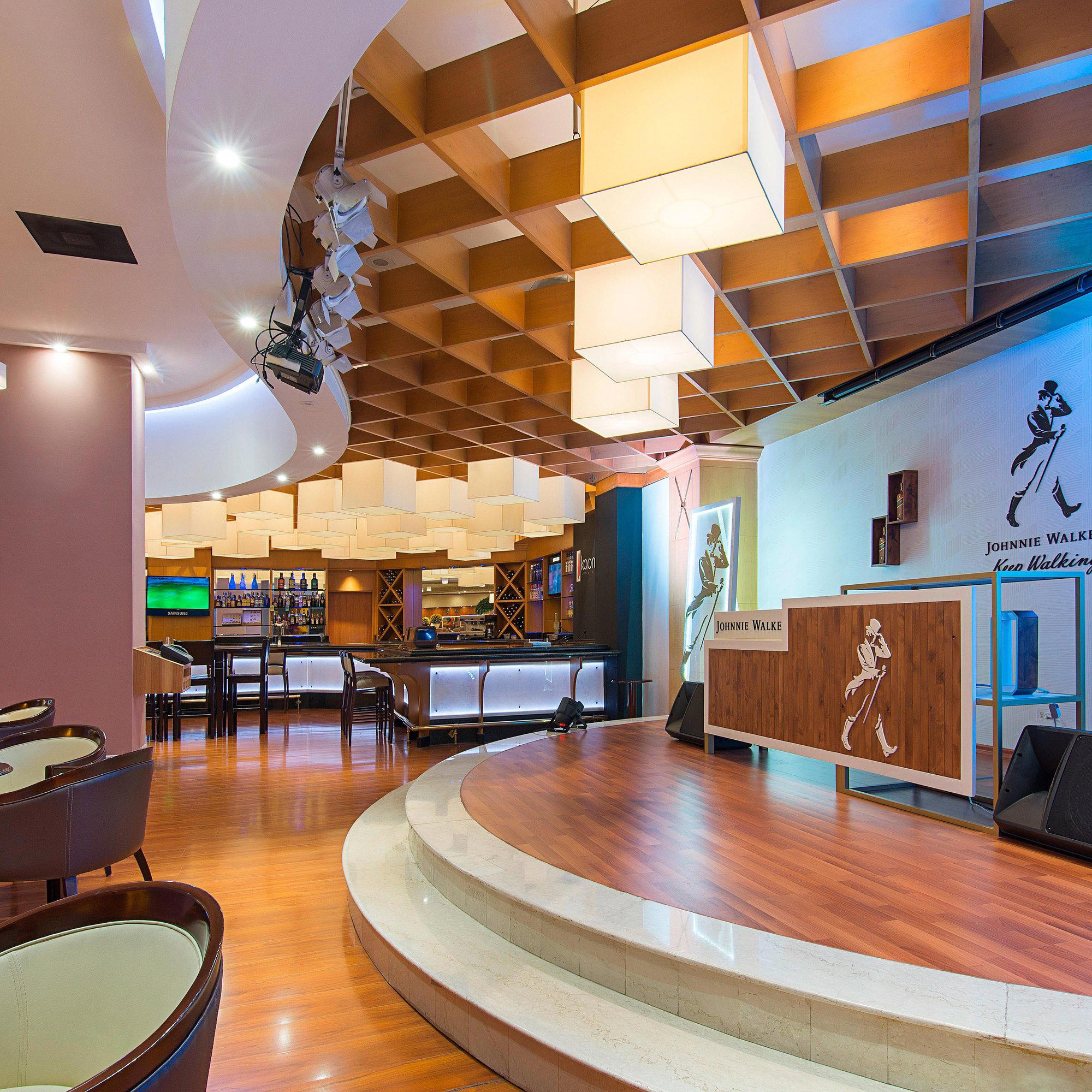
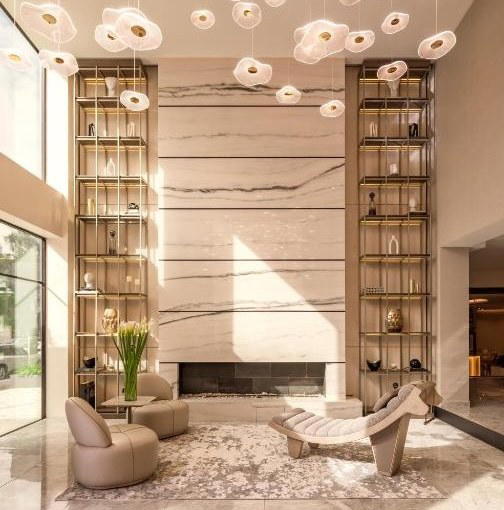
At a Glance
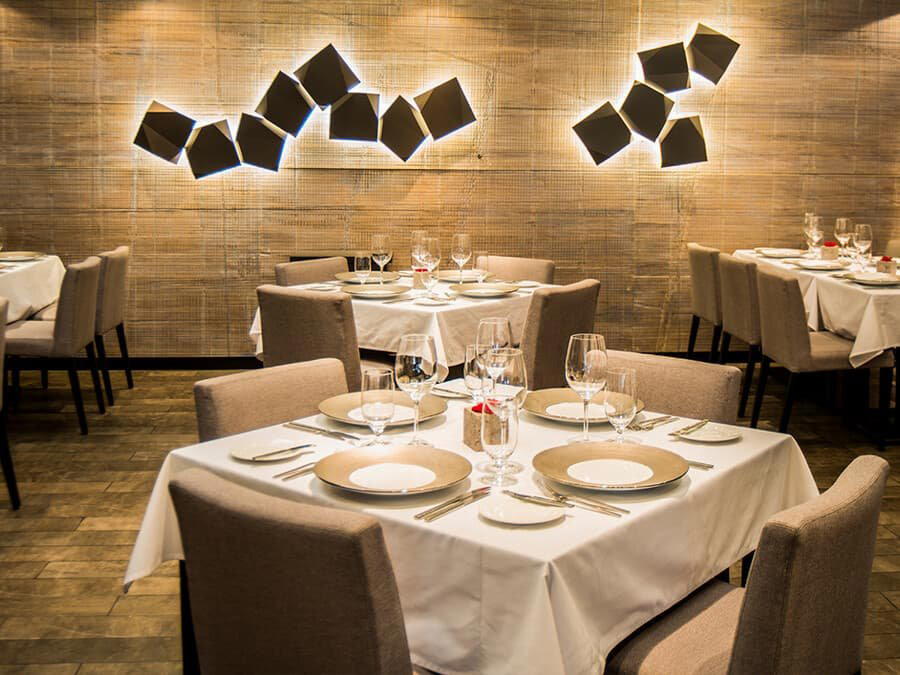
- Elegant
- Cozy
- Modern
- Intimate
- Special Occasion
- Date Night
- Open Kitchen
- Local Sourcing
- Organic
Current opening hours
- Monday
- Closed
- Tuesday
- Closed
- Wednesday
- 1–4 PM, 7–9 PM
- Thursday
- 1–4 PM, 7–9 PM
- Friday
- 1–4 PM, 7–9 PM
- Saturday
- 1–4 PM, 7–9 PM
- Sunday
- Closed
Hours can change for holidays and private events. Last verified .
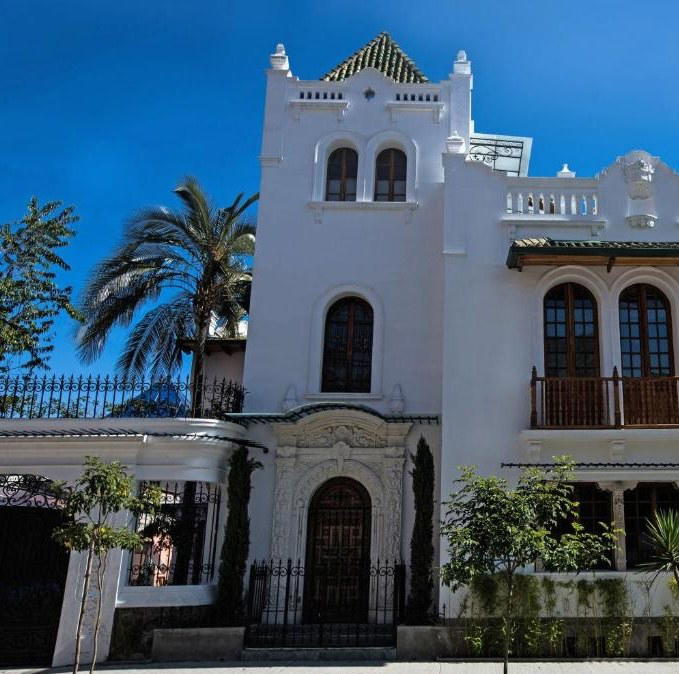
Relaxed, low-key plant-filled dining room with serene oasis atmosphere.