Capitan&Co.
Capitan&Co. operates from the heart of Cuenca's historic centre, on Tomás Ordóñez in the city's dense grid of colonial-era streets and independent restaurants. Set against a dining scene where locally sourced Andean ingredients increasingly define serious kitchens, it occupies a position worth understanding alongside peers such as Dos Sucres and Le Petit Jardin. For visitors mapping Ecuador's provincial restaurant culture, Cuenca is one coherent place to start.
Pearl is the En Primeur Club membership app — saves, bookings, and concierge access live there. Same editors, same standards.
- Address
- Tomás Ordóñez 6-76 y, Cuenca 010101, Ecuador
- Phone
- +593996889993
- Directions
- Get directions
 Saves & bookings on Pearl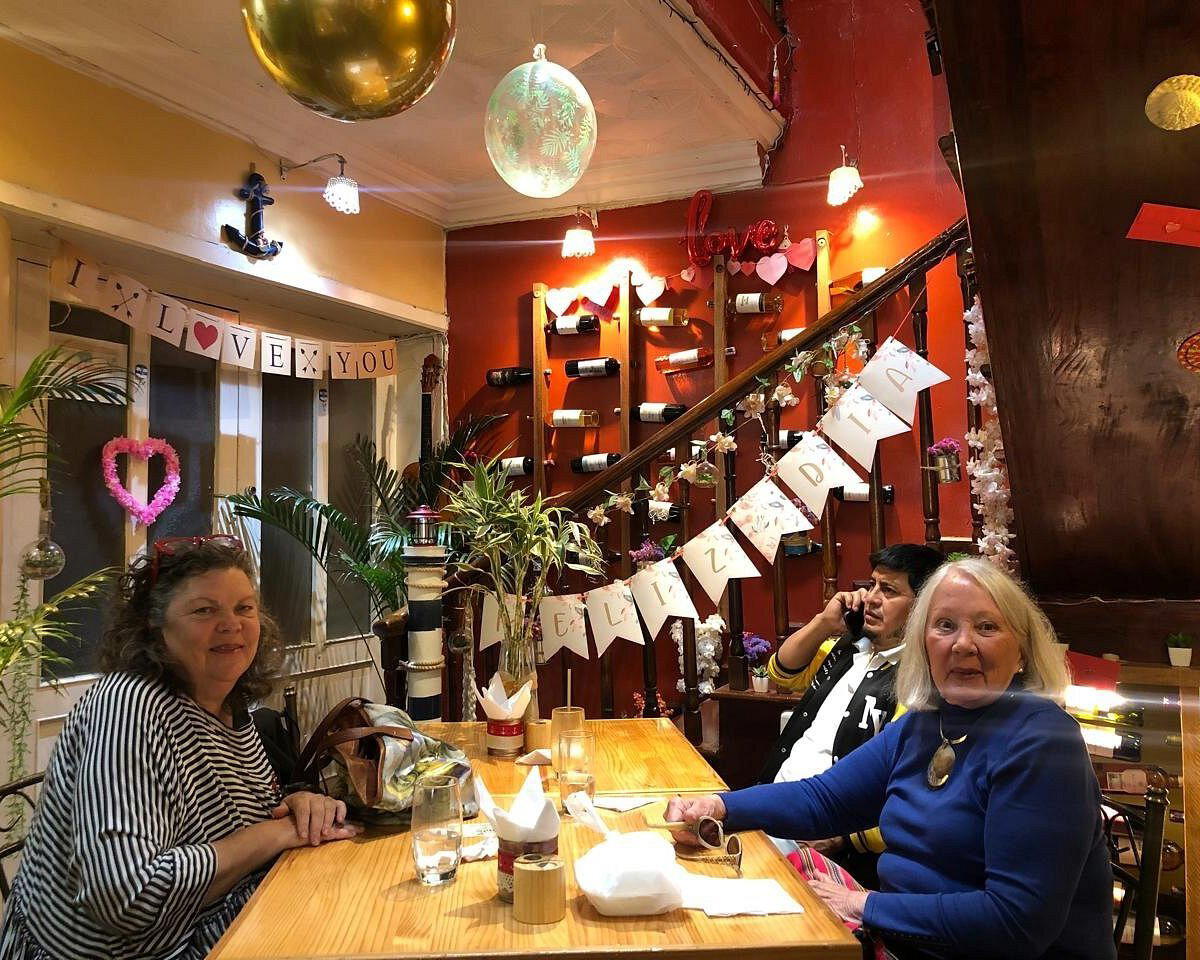
Cuenca's Table: How the City Defines What Ends Up on the Plate
Approach the historic centre of Cuenca on foot and the altitude registers before anything else, this is a city at 2,550 metres, where the air is clear and the light falls differently than it does on the coast. The streets around Tomás Ordóñez, where Capitan&Co. occupies its address at number 6-76, sit within the historic core of the city, a compact zone of whitewashed facades, ironwork balconies, and restaurants that draw from the same Andean larder. That larder is the story here, and it shapes nearly every serious kitchen in the canton.
Ecuador's culinary geography works in Cuenca's favour. The city sits at the intersection of highland and coastal supply chains, with the southern sierra's markets feeding kitchens year-round with ingredients that coastal or lowland restaurants have to source from further away. Grains, tubers, fresh cheese, river proteins, and highland herbs move through Cuenca's Mercado 10 de Agosto and the surrounding produce markets with regularity that gives local chefs a shorter, more direct line from field to kitchen than their counterparts in Guayaquil or Quito typically maintain. That structural advantage has made Cuenca a credible reference point for ingredient-led cooking in Ecuador, alongside Quito's more internationally visible restaurant scene, places like Nuema in Quito, which has earned broader recognition for its sourcing discipline.
The Ingredient Logic Behind Cuenca's Serious Kitchens
Across Cuenca's more considered restaurants, the sourcing argument is less about organic certification or farm-to-table branding than about proximity and practicality. The canton's small-scale producers, particularly in the valleys surrounding the city, supply items that don't travel well and therefore rarely appear on menus in Ecuador's larger urban centres. This is where Cuenca's restaurants gain something that cannot easily be replicated in a coastal hotel kitchen or a Quito steakhouse.
Capitan&Co.'s position on Tomás Ordóñez places it within reach of these supply networks. The street itself is part of the denser restaurant quarter in the city's historic grid, where independent operations rather than chain formats have historically maintained ground. In a Latin American context where the colonial centre of a mid-sized city can become either a tourist trap or a genuinely local eating district, Cuenca's centre has held a more balanced character, partly because the city's domestic tourism base is strong enough to keep quality expectations anchored beyond the purely foreign visitor market.
For a broader sense of the Ecuador restaurant picture at this ingredient tier, Casa Julián in Guayaquil and Carlo & Carla in Samborondon Canton illustrate how the sourcing question plays out differently when the supply geography shifts to the coast. The contrast is instructive: what arrives fresh in Cuenca's markets on a Tuesday morning does not necessarily survive the transit to Guayaquil in the same condition.
Where Capitan&Co. Sits in the Cuenca comparable set
Cuenca has enough independent restaurants of genuine standing that a visitor choosing between three or four addresses is making a real editorial decision rather than a default one. Among the addresses that draw attention in the city's historic centre, Dos Sucres and Le Petit Jardin occupy different positions on the formality and format spectrum, while Tiesto's has its own character in the city's dining conversation. Capitan&Co. functions within this comparable set rather than apart from it, understanding what distinguishes one from another in Cuenca requires understanding the city's broader eating culture first.
That culture is less stratified by price tier than Quito's or Guayaquil's, and more defined by the question of what a kitchen does with its access to Andean produce. In Cuenca, ingredient sourcing is less a differentiator within the competitive set and more a baseline condition. The kitchens that earn sustained local attention are typically those that take that baseline seriously rather than simply presenting it as a selling point.
For context on how ingredient-led restaurants operate at a global level, the discipline applied at places like Atelier Moessmer Norbert Niederkofler in Brunico, where the sourcing geography is similarly shaped by altitude and seasonal restriction, offers a useful frame. The logic is different in scale and formality, but the underlying argument about place-specific ingredients shaping what appears on the plate is consistent. Closer to home, Hornados Dieguito in Los Chillos shows how provincial Ecuadorian cooking can hold serious local credibility without formal recognition frameworks.
Planning a Visit: What to Know Before You Go
The Tomás Ordóñez address is walkable from Cuenca's main plaza, Parque Calderón, and sits within the area most visitors are already covering on foot. The historic centre is compact enough that combining a meal at Capitan&Co. with other addresses in the quarter, whether that's a coffee stop near the Rio Tomebamba or an earlier visit to the Mercado 10 de Agosto for context on what the city's markets actually supply, requires minimal logistical effort. Cuenca's altitude means evenings cool quickly, which affects how the city's restaurant terraces feel after dark; indoor seating typically becomes the more comfortable option from around 8pm.
The reservation policy is recommended. Popular spots in the historic centre can fill on weekend evenings when domestic tourism from Guayaquil and Quito peaks. Arriving during the week gives more flexibility.
For those building a wider Ecuador itinerary alongside a Cuenca visit, the sourcing and format contrast between a highland city restaurant and a specialist operation like Pikaia Lodge in Galapagos Islands or Ecoventura in San Cristóbal is worth holding in mind, the Galapagos food operations work under entirely different supply constraints that produce a distinct kind of cooking logic.
How It Stacks Up
Comparable venues nearby, for context on price, style, and recognition.
| Venue | Cuisine | Price | Notes |
|---|---|---|---|
| Capitan&Co.This venue — the venue you are viewing | Modern Ecuadorian Seafood | $$ | Not listed |
| Le Petit Jardin | Classical French Bistro | $$ | San Miguel |
| Dos Sucres | Modern Ecuadorian | $$$ | Luis Moreno Mora |
| Tiesto's | Traditional Ecuadorian Andean | $$$ | Historic Center |
| Red Crab | Ecuadorian Crabhouse Seafood | $$ | Urdesa |
| Casa Julián | Modern Ecuadorian Seafood | $$$ | Parque Histórico Guayaquil |
Continue exploring
More in Cuenca Canton
Restaurants in Cuenca Canton
Browse all →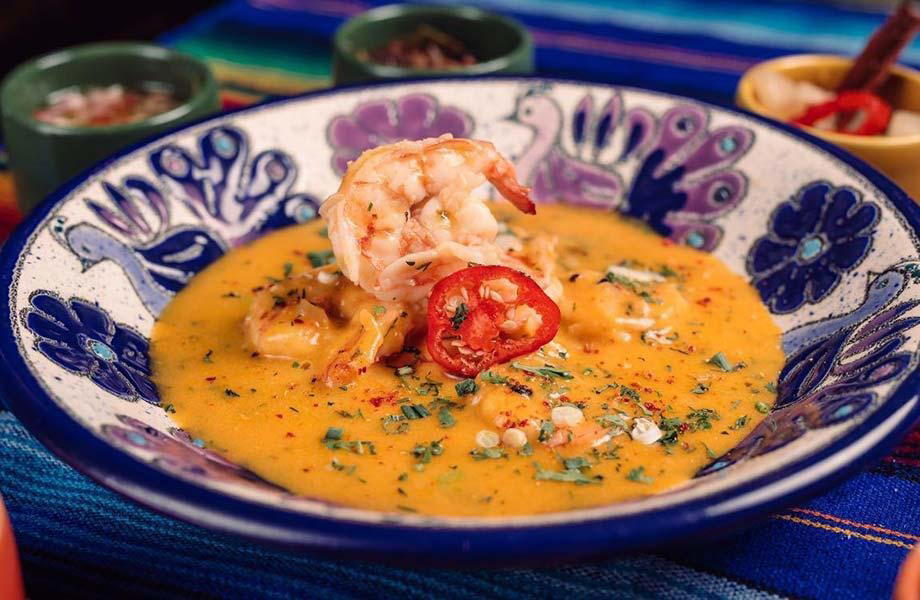
Hotels in Cuenca Canton
Browse all →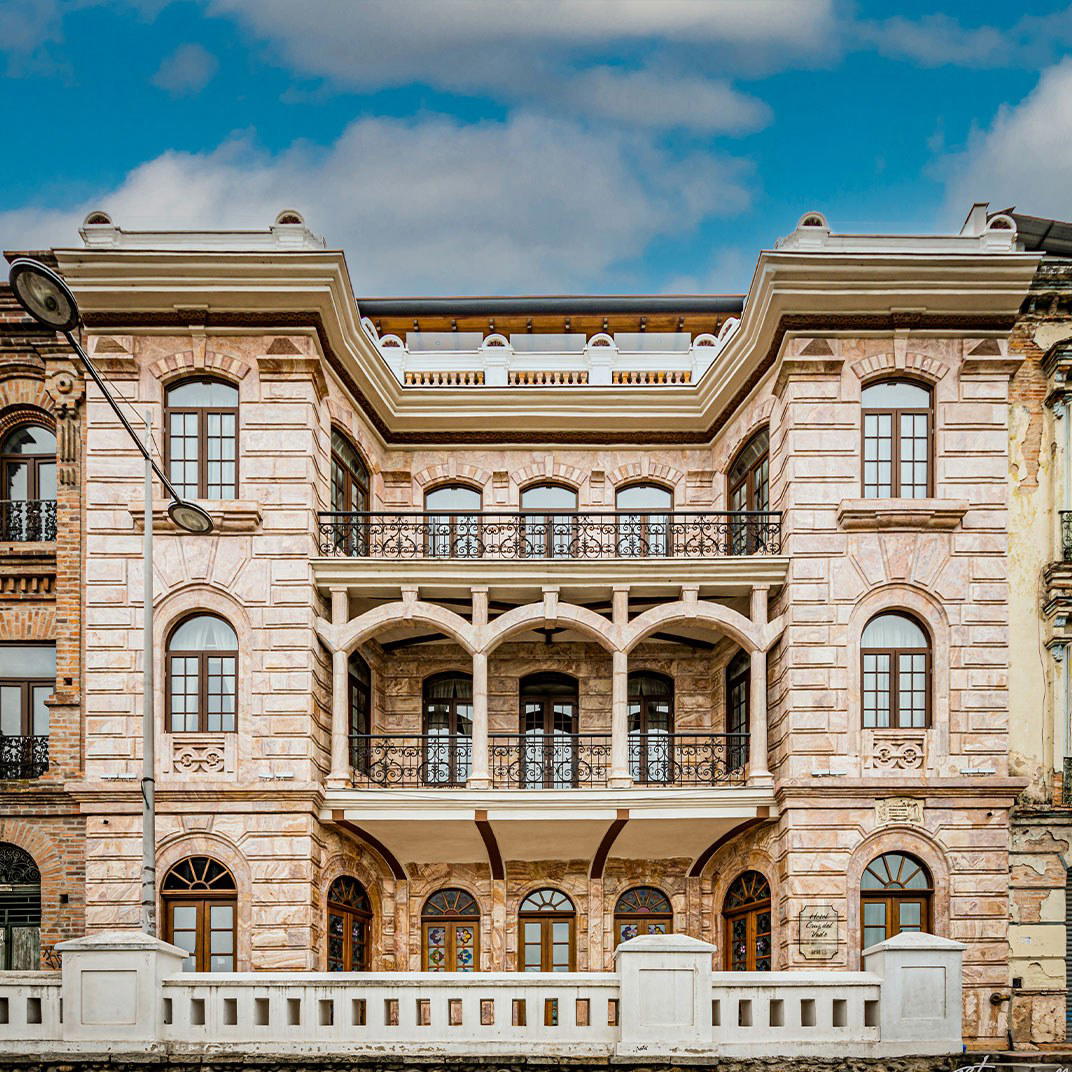
At a Glance
- Cozy
- Intimate
- Family
- Date Night
- Celebration
- Open Kitchen
Current opening hours
- Monday
- 12–3:30 PM, 5:30–10 PM
- Tuesday
- 12–3:30 PM, 5:30–10 PM
- Wednesday
- Closed
- Thursday
- 12–3:30 PM, 5:30–10 PM
- Friday
- 12–3:30 PM, 5:30–10 PM
- Saturday
- 12–4 PM, 5:30–9 PM
- Sunday
- 12–5 PM
Hours can change for holidays and private events. Last verified .
Warm, welcoming, beautifully decorated small intimate structure with family mood.