On Avenida 6 de Diciembre in Quito's Mariscal district, Rincón La Ronda occupies a position in Ecuador's traditional dining scene that rewards visitors who look past the city's newer tasting-menu formats. The kitchen draws on highland Ecuadorian staples, positioning it alongside neighborhood institutions rather than the Michelin-aspirant tier. A reliable address for readers mapping the full range of what Quito's tables offer.
- Address
- Noruega E1049 y, Av. 6 de Diciembre, Quito 170505, Ecuador
- Phone
- +593 2 224 0401
- Directions
- Get directions
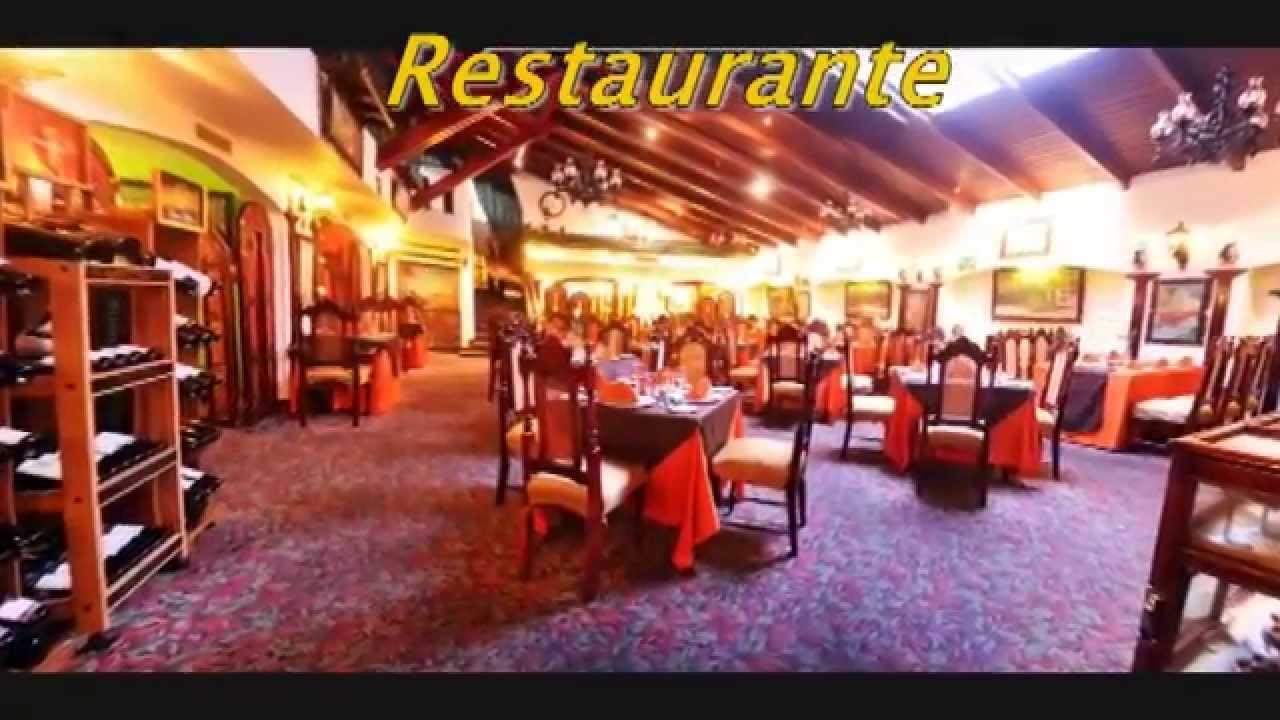
Where Highland Ecuador Eats Without Performance
Rincón La Ronda is a traditional Ecuadorian restaurant in Quito, set on Noruega E1049 y, Av. 6 de Diciembre, with a casual dress code and recommended reservations. Ecuador compresses coast, highland plateau, Amazon basin, and island chain into a country smaller than Nevada, and the result is an ingredient pool that most regions can only approximate. Rincón La Ronda, on Avenida 6 de Diciembre in the Mariscal corridor, belongs to this quieter tier, restaurants where the kitchen's relationship to Andean produce is structural rather than decorative.
The address places it on one of Quito's principal north-south arteries, close enough to the Mariscal Sucre neighborhood's denser commercial strip to draw foot traffic, but set back enough in character to read as a local fixture rather than a tourist-facing operation. That positioning matters in Quito's current dining moment, where the city's most-discussed restaurants, places like Nuema and Tributo, have staked their identities on explicit native-ingredient programs and the kind of international editorial attention that follows. Rincón La Ronda operates at a different register, one where the sourcing is assumed rather than announced.
The Andean Ingredient Argument
To understand what any highland Quito kitchen is working with, it helps to map the supply chain. The Ecuadorian sierra sits at elevations between 2,000 and 3,500 meters, producing varieties of potato, corn, quinoa, and legume that differ substantially from their lowland equivalents. Andean potatoes alone run to hundreds of cultivated varieties; the choclo corn used in highland dishes has a starch structure and sweetness that bears little resemblance to commodity corn. The proteins available at altitude, guinea pig, highland beef, highland pork, freshwater trout from the Andean lakes, are shaped by grass, water, and altitude in ways that coastal or industrial equivalents are not.
This is the raw material logic that underpins traditional Ecuadorian highland cooking, whether the kitchen is a fine-dining operation like Casa Gangotena or a neighborhood spot. The difference between those tiers is less about what is sourced and more about how explicitly that sourcing is narrated to the diner. At the neighborhood level, hornado (slow-roasted pork), seco de pollo (braised chicken with beer and spices), and locro de papa (potato and cheese soup) are cooked and served without editorial framing, which is precisely why they can be more honest documents of what the land actually produces.
For a direct comparison in a related ingredient tradition, Hornados Dieguito in Los Chillos represents the kind of single-dish specialist that has built sustained local reputation around one product executed without compromise, a different format but a comparable sourcing philosophy.
Quito's Dining Spectrum in 2024
Quito's restaurant scene has stratified over the past decade in ways that parallel what happened in Lima before it became a global dining reference. At the upper end, tasting-menu formats with native-ingredient narratives compete for international press attention. Below that sits a mid-market of contemporary Ecuadorian cooking, bistro formats that borrow technique from abroad and apply it to local produce. And then there is the traditional tier: restaurants where the menu has changed incrementally if at all, where the point of reference is regional memory rather than international trend.
Each tier has legitimate arguments. The tasting-menu format, at its leading, does genuine research into forgotten varieties and preparation methods. The bistro tier makes Andean ingredients accessible to a wider dining public. The traditional tier preserves preparation methods that would otherwise disappear from practice, not just from memory. The restaurant competes in that third space alongside other neighborhood institutions on Quito's broader dining map, which also includes addresses like Cardó and Banh Mi serving distinct audiences at different points of the spectrum.
Beyond Quito, Ecuador's dining conversation extends to Guayaquil's coastal tradition, represented by addresses like Casa Julián, and to the extraordinary Galapagos dining context documented through Pikaia Lodge and Ecoventura. The highland-coastal-island axis gives Ecuador a range of ingredient environments that few countries match at this geographic scale.
Where It Sits Against Global Benchmarks
The conversation about ingredient-led cooking is not distinctive to Ecuador. Globally, the restaurants that have earned sustained critical attention in recent years share a preoccupation with sourcing as a primary act. Atelier Moessmer Norbert Niederkofler in Brunico built its reputation entirely on Alpine regional sourcing. Lazy Bear in San Francisco operates a format built around communal dining and sourced California produce. Even at the technical peak of fine dining, places like Le Bernardin in New York City, ingredient provenance now anchors the narrative in ways it did not twenty years ago.
What distinguishes the traditional Andean kitchen from these explicitly sourcing-forward formats is precisely the absence of performance. The ingredients are not explained; they are cooked. That approach carries its own authority. Ecuador's highlands produce cacao, the world's commercial chocolate supply traces a significant portion of its fine-flavor beans to this country, alongside coffee varieties grown at altitude that outperform their lowland equivalents on cupping scores. This is not a country with limited ingredients; it is a country whose ingredients have been undernarrated at the fine-dining tier until recently.
Planning a Visit
The restaurant is located at Noruega E1049 y Avenida 6 de Diciembre, Quito 170505, the Mariscal district, within reach of Quito's main hotel cluster and direct to reach by taxi or app-based car service from the historic center. The restaurant does not appear in Ecuador's major award circuits, Michelin does not cover Ecuador, and the Latin America's 50 Best list is dominated by the fine-dining tier, which places it in the contextually important but editorially underweighted category of institutions that sustain a cuisine without receiving formal recognition for doing so.
For readers mapping a fuller picture of what Quito's tables offer across price points and formats, provides the broader context. For the wider Ecuadorian dining geography, explore Capitan&Co. in Cuenca Canton and Carlo & Carla in Samborondon Canton as data points in how Ecuadorian cooking varies across the country's distinct regional environments.
In Context: Similar Options
Comparable venues nearby, for context on price, style, and recognition.
| Venue | Cuisine | Price | Notes |
|---|---|---|---|
| Rincón La RondaThis venue — the venue you are viewing | Traditional Ecuadorian | $$ | Not listed |
| El Salnés | Modern Ecuadorian Gastro-Picantería | $$ | Maldonado |
| RINCÓN DE FRANCIA | Classic French with Ecuadorian Touches | $$$ | Mariscal Sucre |
| Banh Mi | Asian Fusion with Local Ecuadorian Influences | $$ | La Floresta |
| Somos | Modern Ecuadorian Fusion | $$$ | Bellavista |
| Noe | Ecuadorian-Japanese Fusion Sushi | $$$ | Plaza Las Américas, San Luis, Cumbayá |
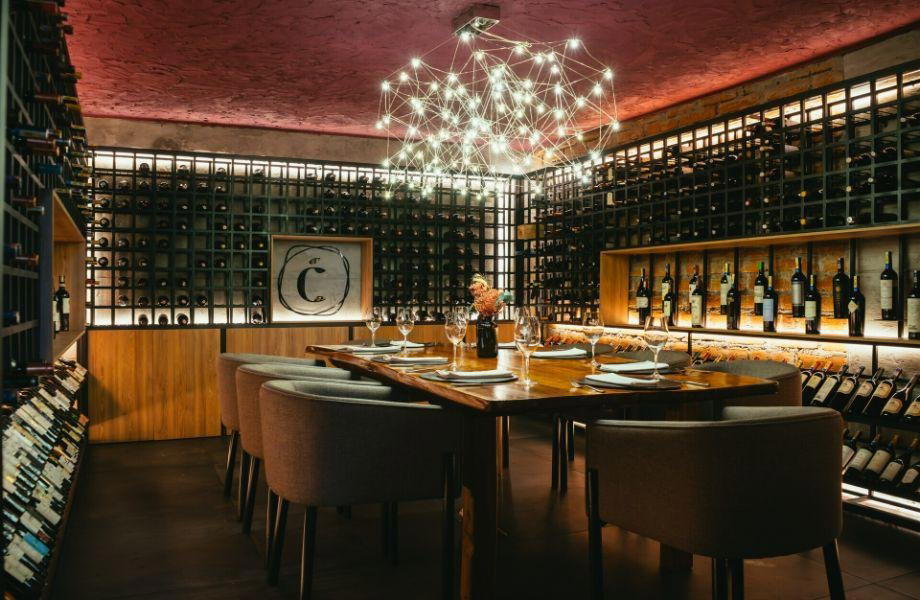
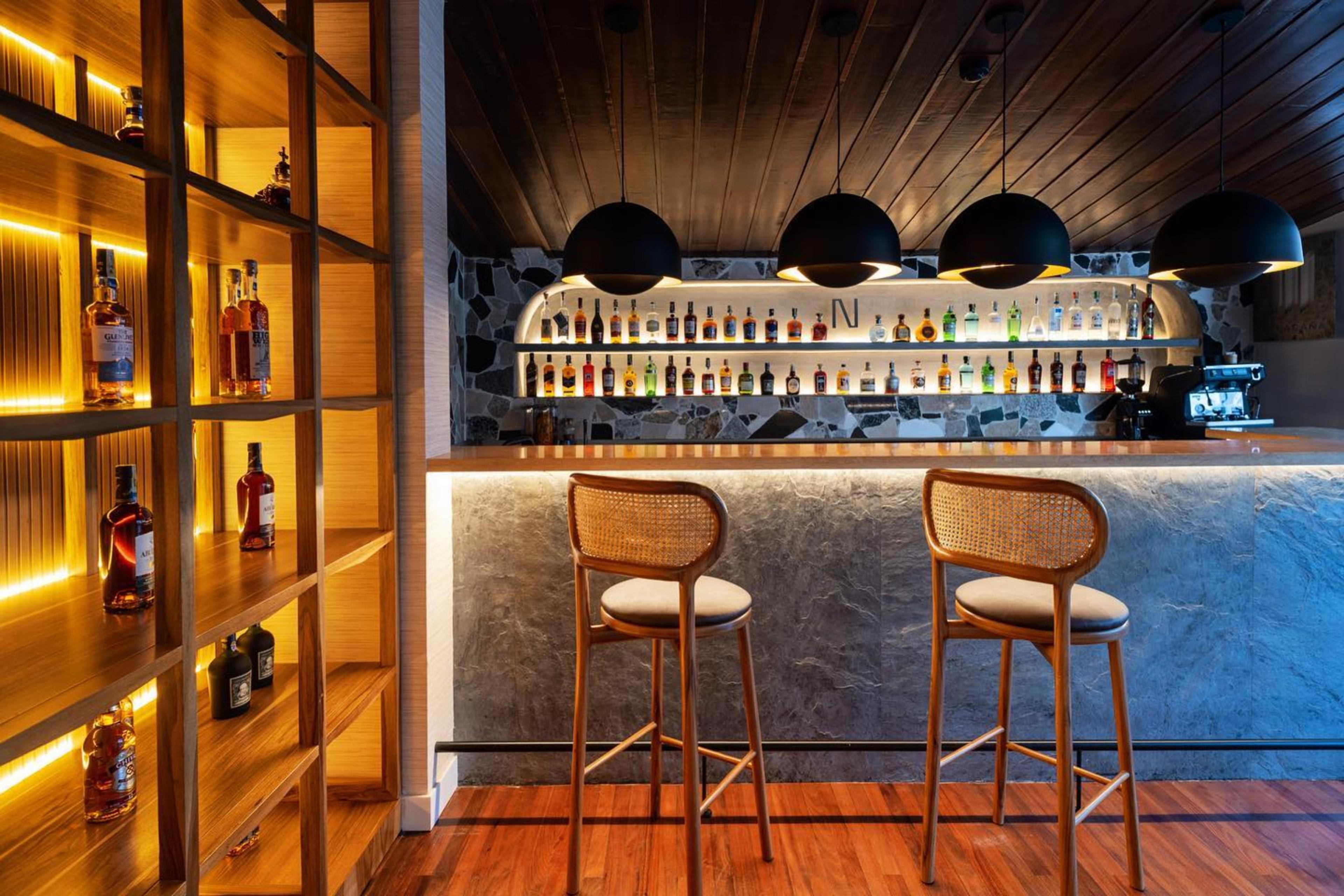
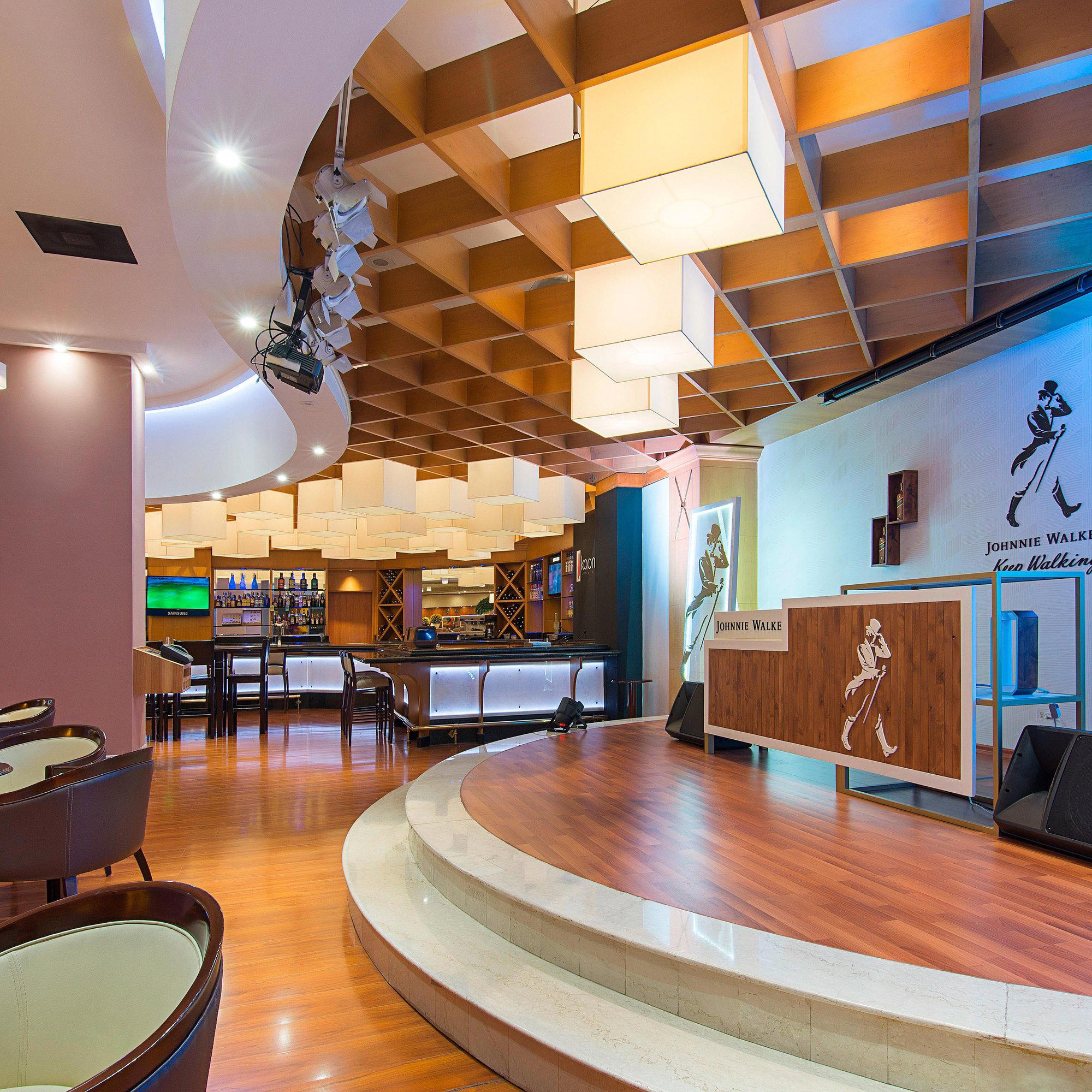
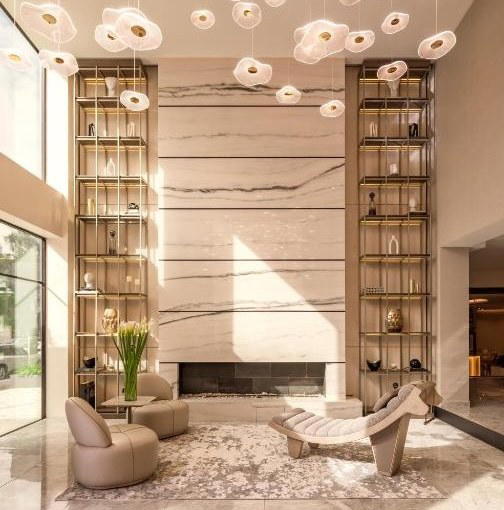
At a Glance
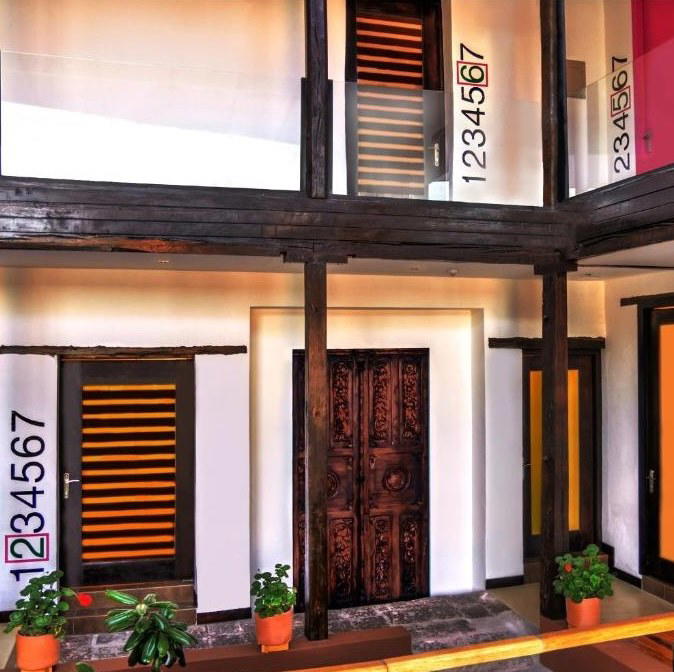
- Cozy
- Rustic
- Classic
- Family
- Group Dining
- Celebration
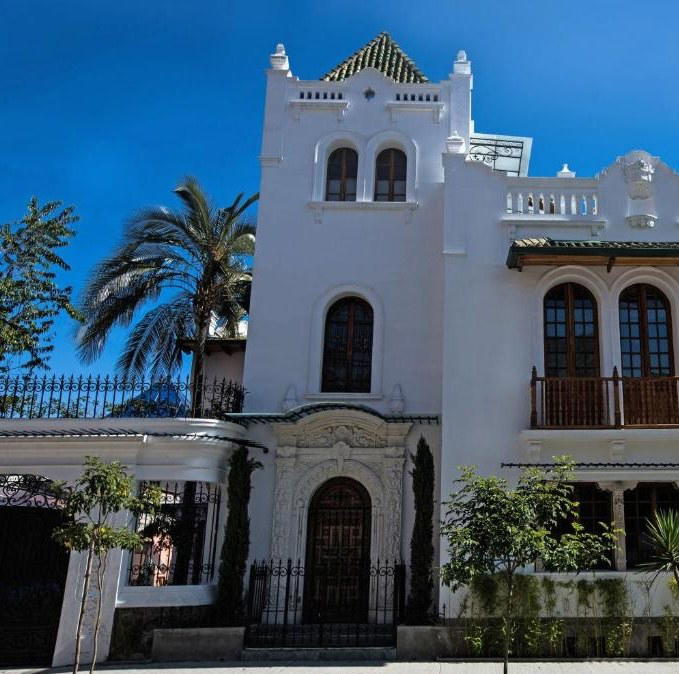
- Historic Building
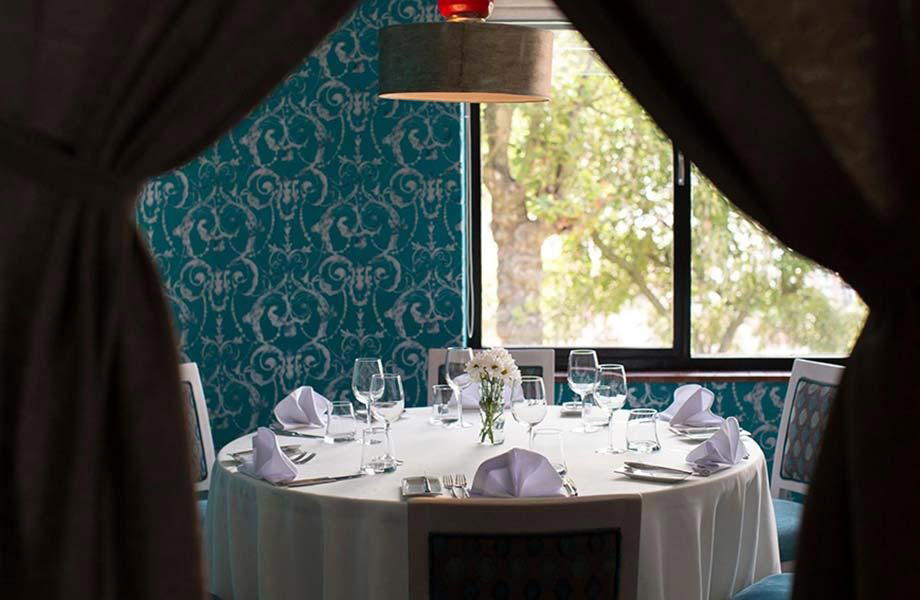
Warm and friendly with soft live music in the cafeteria area.