On Akbıyık Caddesi in Sultanahmet, Cooking Alaturka sits at the intersection of Ottoman culinary tradition and contemporary visitor interest in hands-on Turkish food culture. The format positions it within a category of cooking-class experiences that place Anatolian technique, slow braises, spice-forward mezze, laminated pastries, at the centre rather than as backdrop. For travellers moving beyond restaurant dining into active engagement with Turkish cuisine, it is a reference point in the neighbourhood.
Pearl is the En Primeur Club membership app — saves, bookings, and concierge access live there. Same editors, same standards.
- Address
- Sultan Ahmet, Akbıyık Cd. 72/A, 34122 Fatih/İstanbul, Türkiye
- Phone
- +90 539 982 33 60
- Website
- cookingalaturka.com
- Directions
- Get directions
 Saves & bookings on Pearl
Where Sultanahmet Meets the Kitchen
Sultanahmet is among the more photographed districts on earth, yet its food culture is frequently reduced to tourist-facing approximations of Turkish cuisine. The neighbourhood's proximity to the Blue Mosque and Topkapı Palace means foot traffic is constant, and the dining options that line its streets tend to optimise for convenience over depth. Against that context, a format that inverts the model, placing the kitchen itself at the centre of the experience, asking visitors to work with the ingredients rather than simply receive the plate, carries a different kind of authority. Cooking Alaturka, on Akbıyık Caddesi in the Fatih district of Sultanahmet, occupies this space.
The address is significant. Akbıyık Caddesi runs parallel to the Arasta Bazaar and sits within walking distance of the Hippodrome, which means it is embedded in the historically densest part of the old city. The street has attracted a mix of boutique accommodation and specialist food operations, and the cooking-class format here draws from that positioning: visitors arrive not just to eat but to understand the architecture of the food itself.
The Weight of Anatolian Technique
Turkish cuisine resists the flattening that international exposure often imposes on it. What appears on a tourist menu as 'kebab' or 'meze' is, in the kitchen context, the surface expression of a set of techniques that span the Ottoman imperial court, Central Asian nomadic traditions, and the agricultural diversity of a country with seven distinct climate zones. Slow-cooked legume dishes, laminated börek pastry, fermented dairy preparations, and the patient construction of pilaf all carry specific regional inheritances.
The cooking-class format is one of the few contexts in which these distinctions get explained at the point of production. Watching a börek assembled, the stretching of yufka, the layering, the restraint with filling, communicates something that a finished slice on a plate cannot. Istanbul's higher-end modern Turkish restaurants, including Neolokal and Mikla, have done significant work repositioning Anatolian ingredients within a contemporary fine-dining frame. Places like Turk Fatih Tutak take that further into tasting-menu territory. But the cooking-class model offers something perpendicular to all of them: participation rather than observation.
Across Turkey, similar formats exist in varying levels of depth. Aravan Evi in Ürgüp engages with Cappadocian culinary tradition in an analogous way, while Nahita Cappadocia in Nevsehir situates food within the broader material culture of the region. The Istanbul version of this category has historically been underdeveloped relative to the city's dining sophistication, which makes Cooking Alaturka's long-running presence on the Sultanahmet circuit notable.
Istanbul's Culinary Hierarchy and Where This Fits
Istanbul's restaurant scene has stratified sharply over the past decade. The ₺₺₺₺ tier, now occupied by Arkestra and Casa Lavanda alongside the modern Turkish names above, operates on a reservation logic and a price point that positions it squarely within international fine-dining norms. Below that, the mid-market is fragmented between neighbourhood meyhanes, fish restaurants along the Bosphorus (see Poyraz Sahil Balık Restaurant in Beykoz for that category), and the tourism-facing establishments that cluster in Sultanahmet itself.
A cooking-class operation sits outside this hierarchy in a structural sense. It is not competing for the same evening that a visitor might spend at a Beyoğlu restaurant. It occupies a different decision, typically a morning or afternoon slot, often paired with a market visit, and it serves a function that restaurant dining cannot: the transfer of technique and cultural context rather than the delivery of a finished meal. For travellers with genuine interest in how Turkish food is built rather than just how it tastes, this distinction matters.
The broader Turkish dining geography rewards that curiosity. Mezegi in Fethiye, Narımor in Izmir, and Maçakızı in Bodrum each represent regional Turkish food cultures that differ substantially from the Istanbul register. A cooking class in the old city provides a baseline vocabulary for reading those differences when they arise. Divia by Maksut Aşkar in Marmaris and Ahãma in Göcek operate within an Aegean coastal tradition that diverges from the spice-forward, landlocked Anatolian repertoire that dominates a Sultanahmet kitchen class. Understanding the Istanbul version first makes the contrasts legible.
The contrast between Kokorecci Asim Usta in Bornova and Agora Pansiyon in Milas, both operating in different registers of Turkish food culture, illustrates how wide the category actually runs. Internationally, the cooking-class format has gained traction in cities from Paris to Tokyo, but the Ottoman culinary inheritance that Istanbul offers as source material has few equivalents. Le Bernardin in New York City and Lazy Bear in San Francisco represent what the participatory dining format can become at its most evolved, though in a direction that diverges entirely from the Anatolian tradition Cooking Alaturka works within.
Cost and Credentials
Comparable venues nearby, for context on price, style, and recognition.
| Venue | Cuisine | Price | Notes |
|---|---|---|---|
| Cooking AlaturkaThis venue — the venue you are viewing | Not listed | $$ | Not listed |
| Hala | Tomtom, Authentic Anatolian Turkish | $$ | Not listed |
| Karpi Trabzon Pidesi Ve Akçaabat Köftesi | Not listed | $$ | Beylerbeyi, Authentic Trabzon Pide & Akçaabat Köfte |
| Araf | Not listed | $$$ | .null, Modern Turkish Chef’s Table |
| Mükellef Karakoy | Not listed | $$$ | Kemankeskaramustafapasa, Modern Turkish Meyhane |
| Albura Kathisma | Not listed | $$ | Sultan Ahmet, Traditional Turkish Kebab House |

At a Glance
- Cozy
- Intimate
- Rustic
- Special Occasion
- Family
- Open Kitchen
Current opening hours
- Monday
- 10:30 AM–10:30 PM
- Tuesday
- 10:30 AM–10:30 PM
- Wednesday
- 10:30 AM–10:30 PM
- Thursday
- 10:30 AM–10:30 PM
- Friday
- 10:30 AM–10:30 PM
- Saturday
- 10:30 AM–10:30 PM
- Sunday
- Closed
Hours can change for holidays and private events. Last verified .
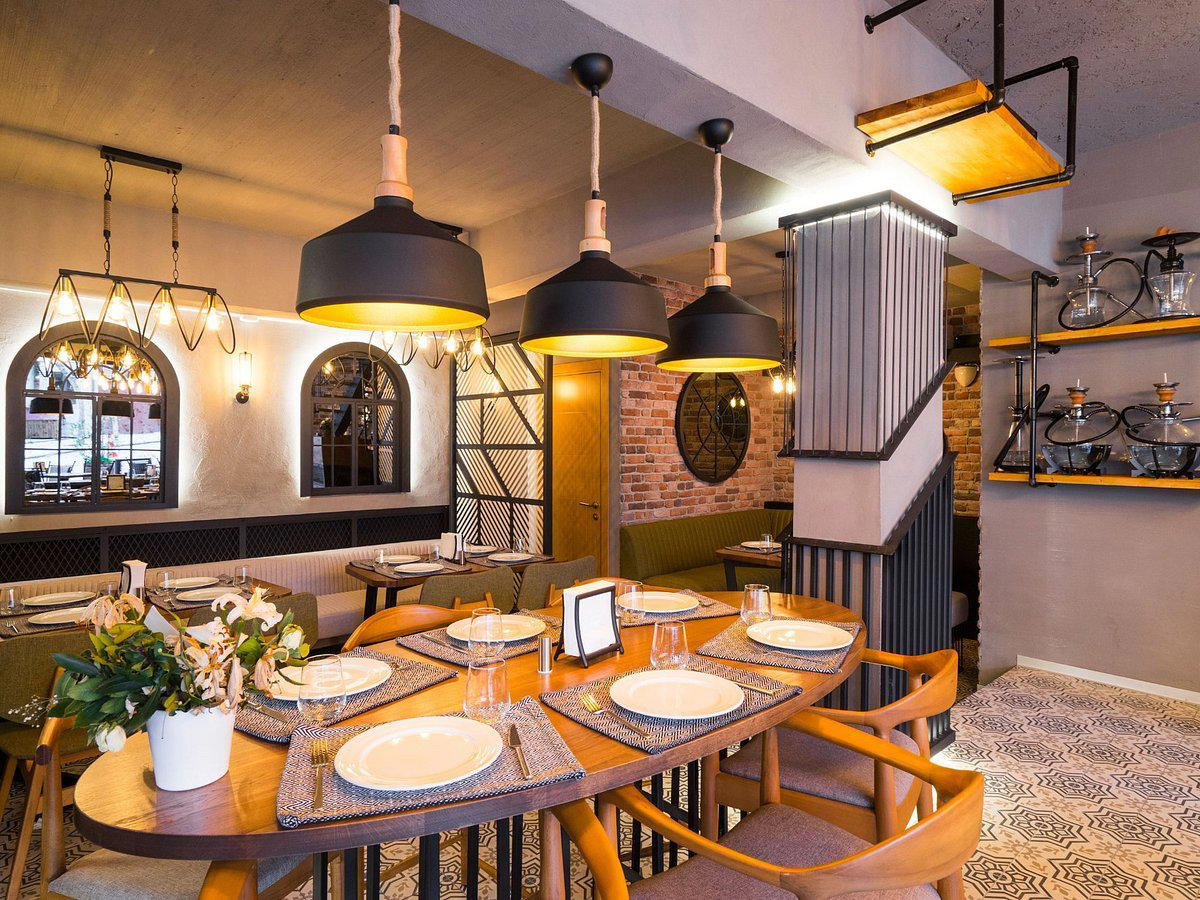
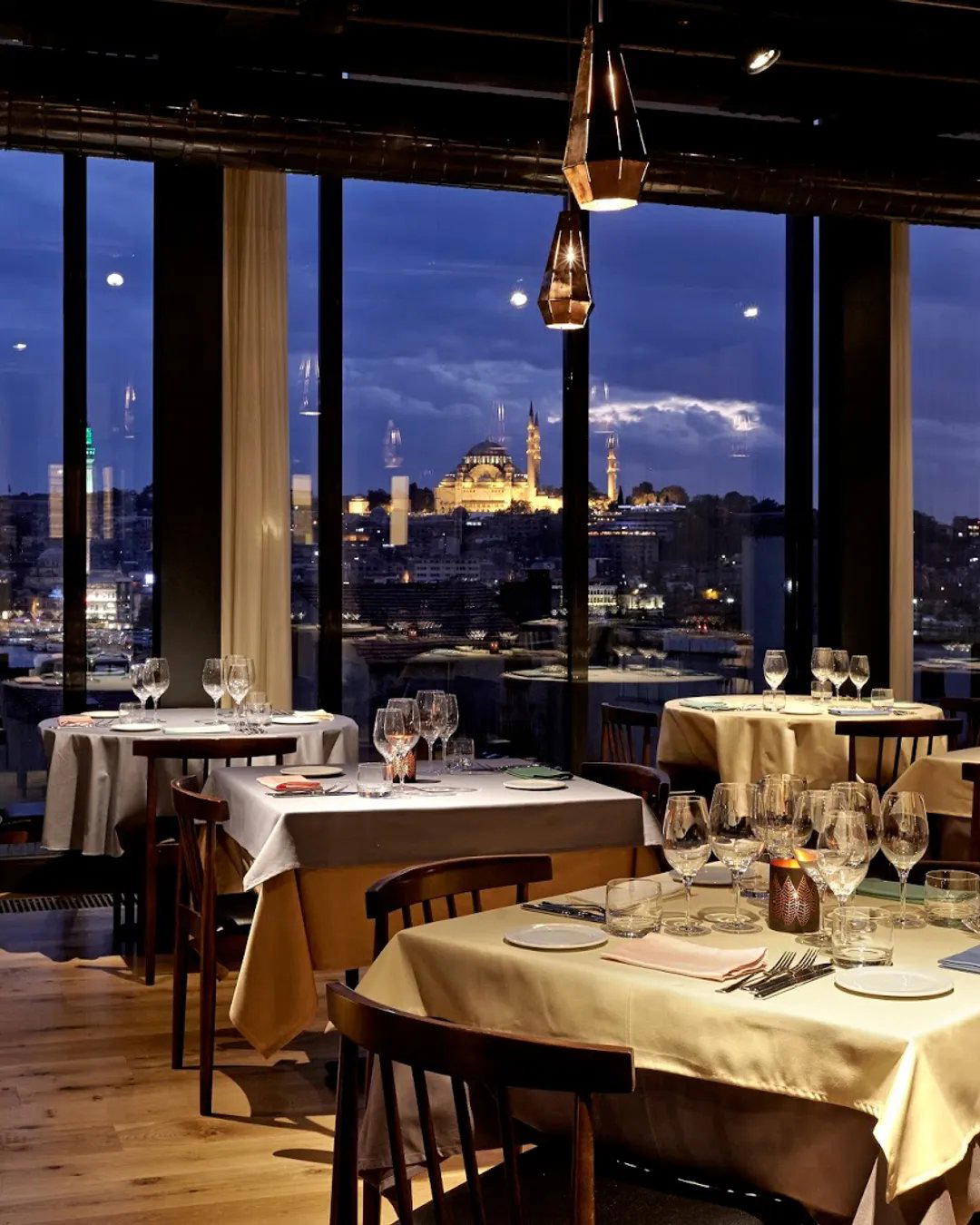
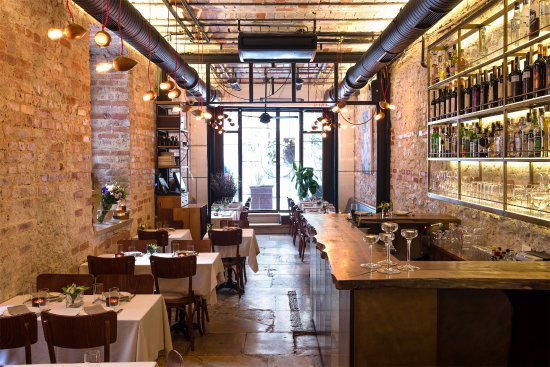
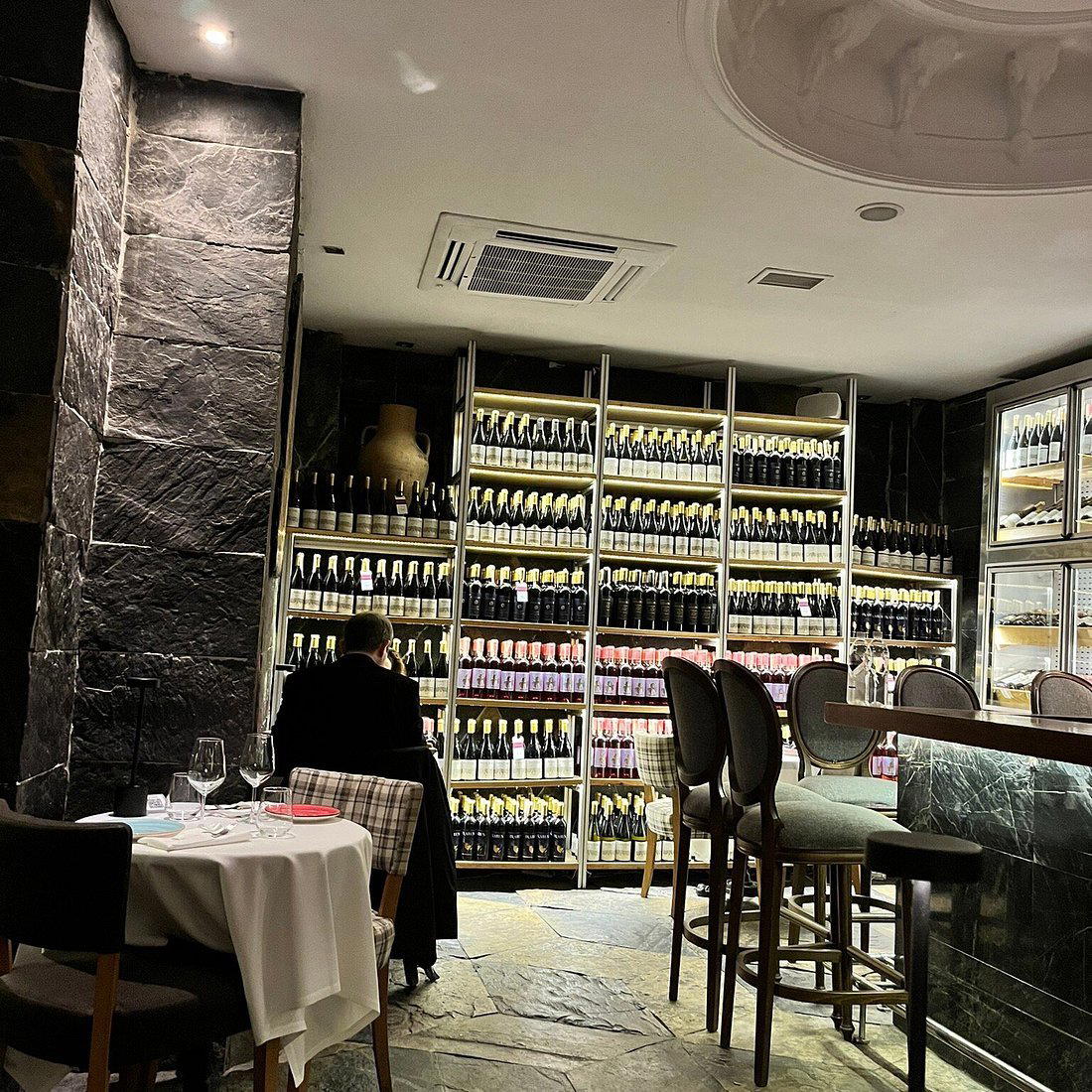
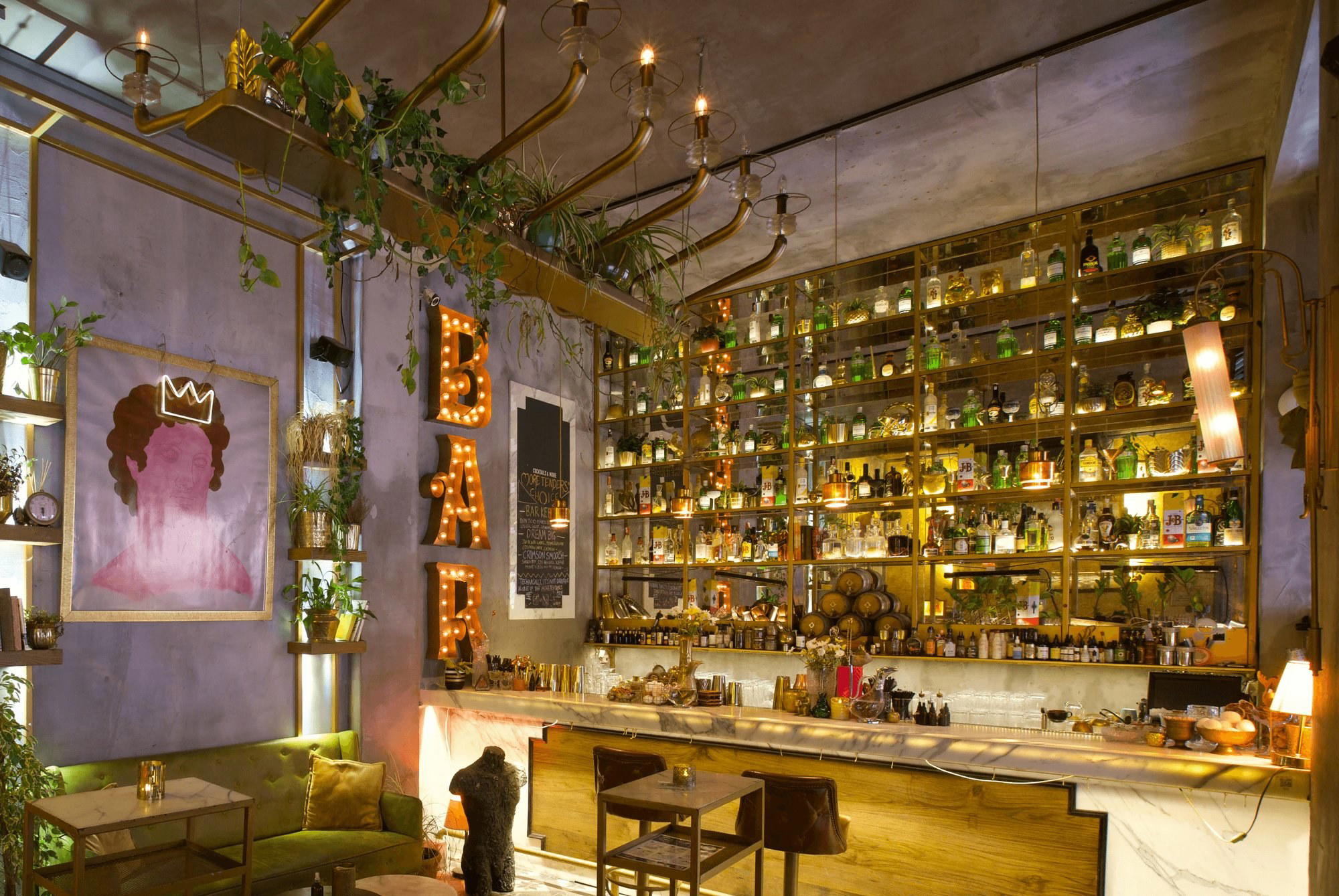
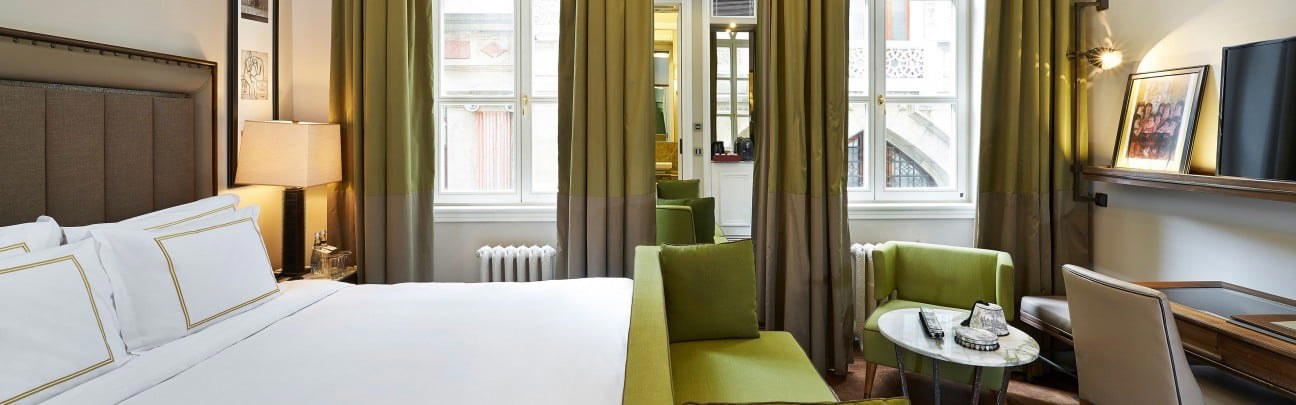
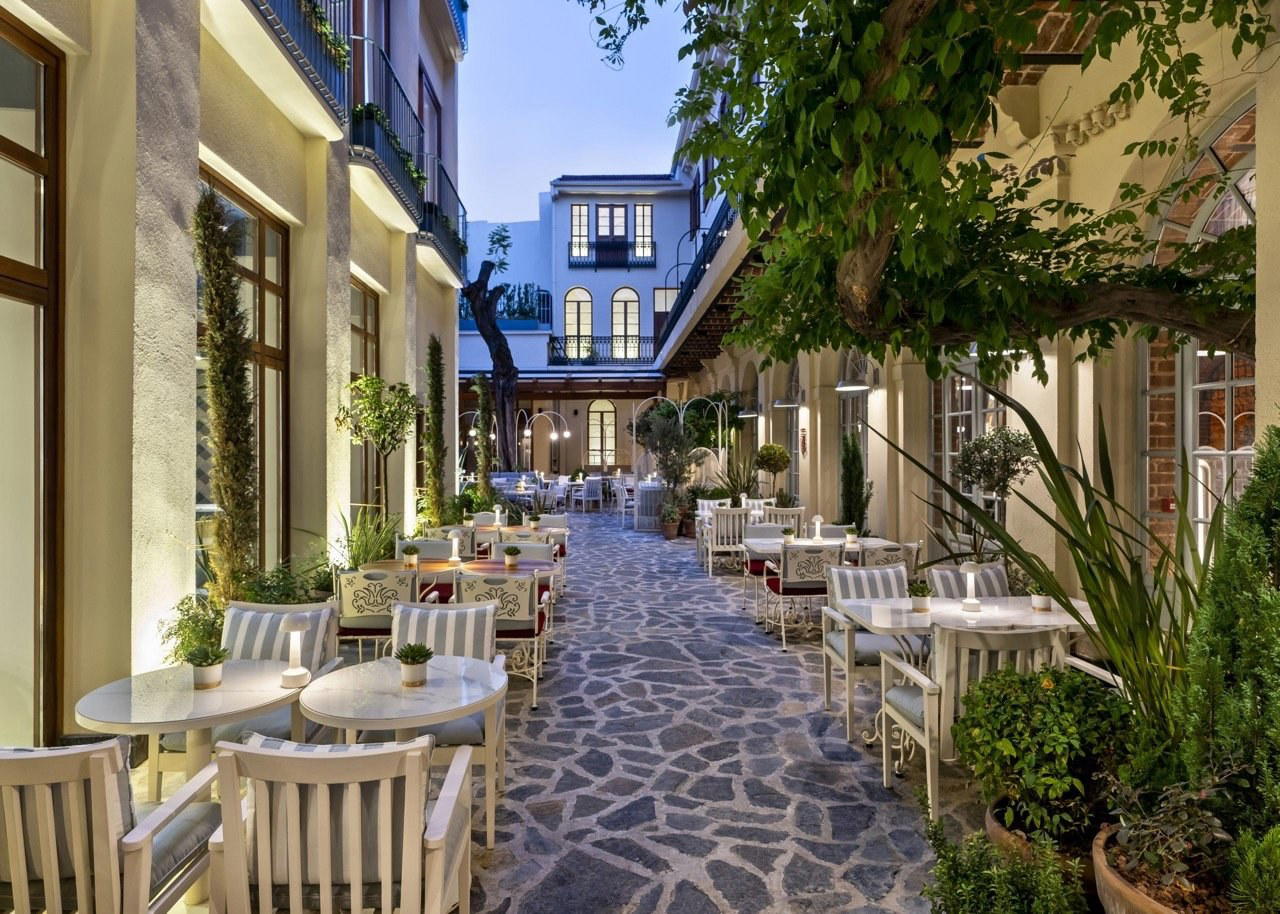
Cozy and homey atmosphere resembling a private dining room with warm, welcoming lighting and personal service.