On a narrow Beyoğlu side street, Dürümzade has become the address serious eaters cite when the conversation turns to dürüm in Istanbul. The format is focused, the queue is real, and the wrap itself, tightly rolled, cooked over charcoal, represents one of the city's most argued-over street food traditions at its most concentrated.
Pearl is the En Primeur Club membership app — saves, bookings, and concierge access live there. Same editors, same standards.
- Address
- Hüseyinağa, Kamer Hatun Cd. 26/A, 34435 Beyoğlu/İstanbul, Türkiye
- Phone
- +90 212 249 99 71
- Directions
- Get directions
 Saves & bookings on Pearl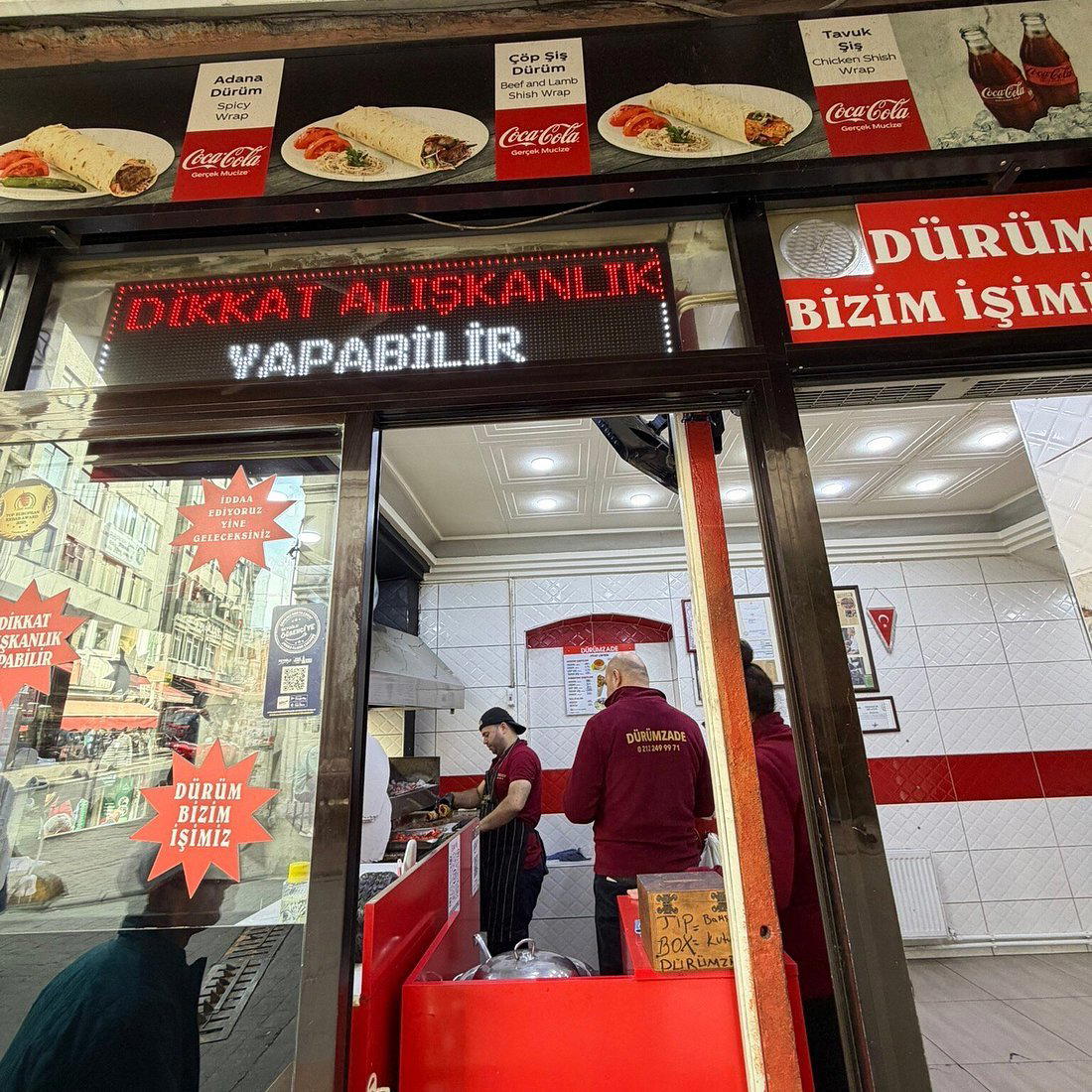
A Side Street That Became a Reference Point
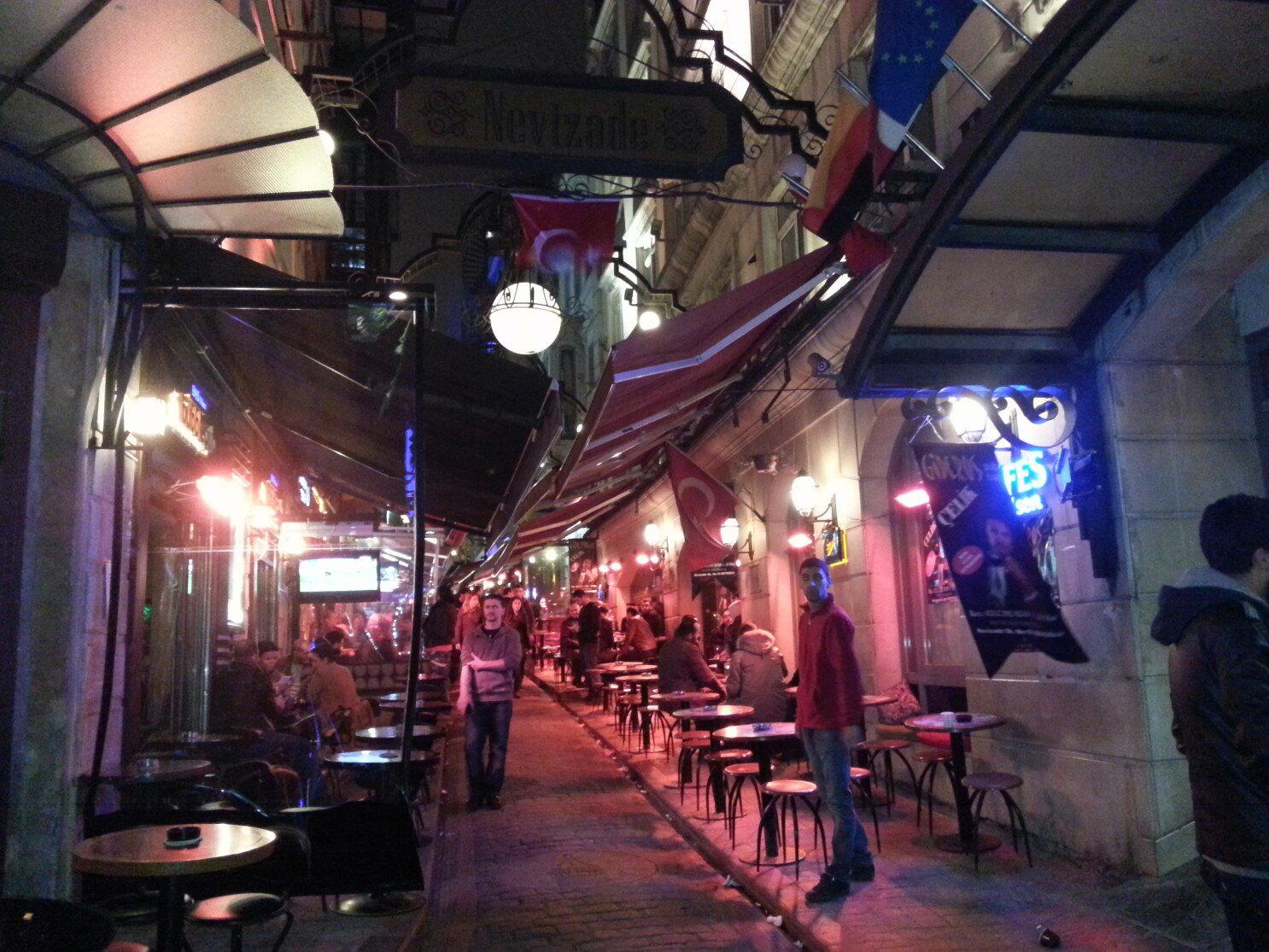
Kamer Hatun Caddesi in Beyoğlu does not announce itself. It runs off the noise of Istiklal Avenue into the quieter, older residential grain of the neighbourhood, where the buildings are narrower and the signage less aggressive. Dürümzade occupies a modest slot on this street at number 26/A, and on most days the queue that forms outside is a more reliable landmark than any sign. The smell arrives before the counter does: charcoal smoke, rendered fat, fresh flatbread warming on the grill. These are the sensory coordinates of Istanbul's street food culture at its most compressed.
Beyoğlu has long been the district where Istanbul's food vernacular and its cosmopolitan ambitions coexist with the friction. The same few blocks that contain Dürümzade also sit within walking distance of other tasting-menu restaurants in the city. Mikla and Neolokal represent one current in contemporary Istanbul dining, analytical, architecturally plated, priced at ₺₺₺₺. Dürümzade represents another: single-format, walk-in friendly, built entirely around one preparation. Both currents are legitimate. The interesting thing is how geographically close they sit.
The Dürüm as a Culinary Argument
The dürüm is one of Turkey's most portable and most debated street foods. At its structural core, it is a flatbread wrap, lavash or yufka rolled tightly around a filling, most often köfte or döner, finished over direct heat so the exterior crisps while the interior steams. The debate in Istanbul concerns sourcing, bread quality, charcoal versus gas, and the tightness of the roll. These are not trivial distinctions to the people who care about them, and there are many who do.
Dürümzade's particular reputation rests on its döner dürüm, specifically the way the meat is cut and the flatbread is handled. The address on Kamer Hatun Caddesi has circulated on food forums and in food media long enough that it now functions as a benchmark against which other dürüm counters are measured. That kind of reference-point status is hard to manufacture and harder to sustain. It tends to reflect something consistent at the product level.
Istanbul's street food geography has its own hierarchy. At the high-production end sit the tourist-facing kebab houses around Sultanahmet. At the other end are the neighbourhood joints that operate on local repeat trade, barely visible to visitors. Dürümzade occupies an interesting middle position: genuinely embedded in its Beyoğlu neighbourhood, but known widely enough that the queue on any given evening contains people who have come specifically for this address rather than stumbled upon it.
Atmosphere and Format
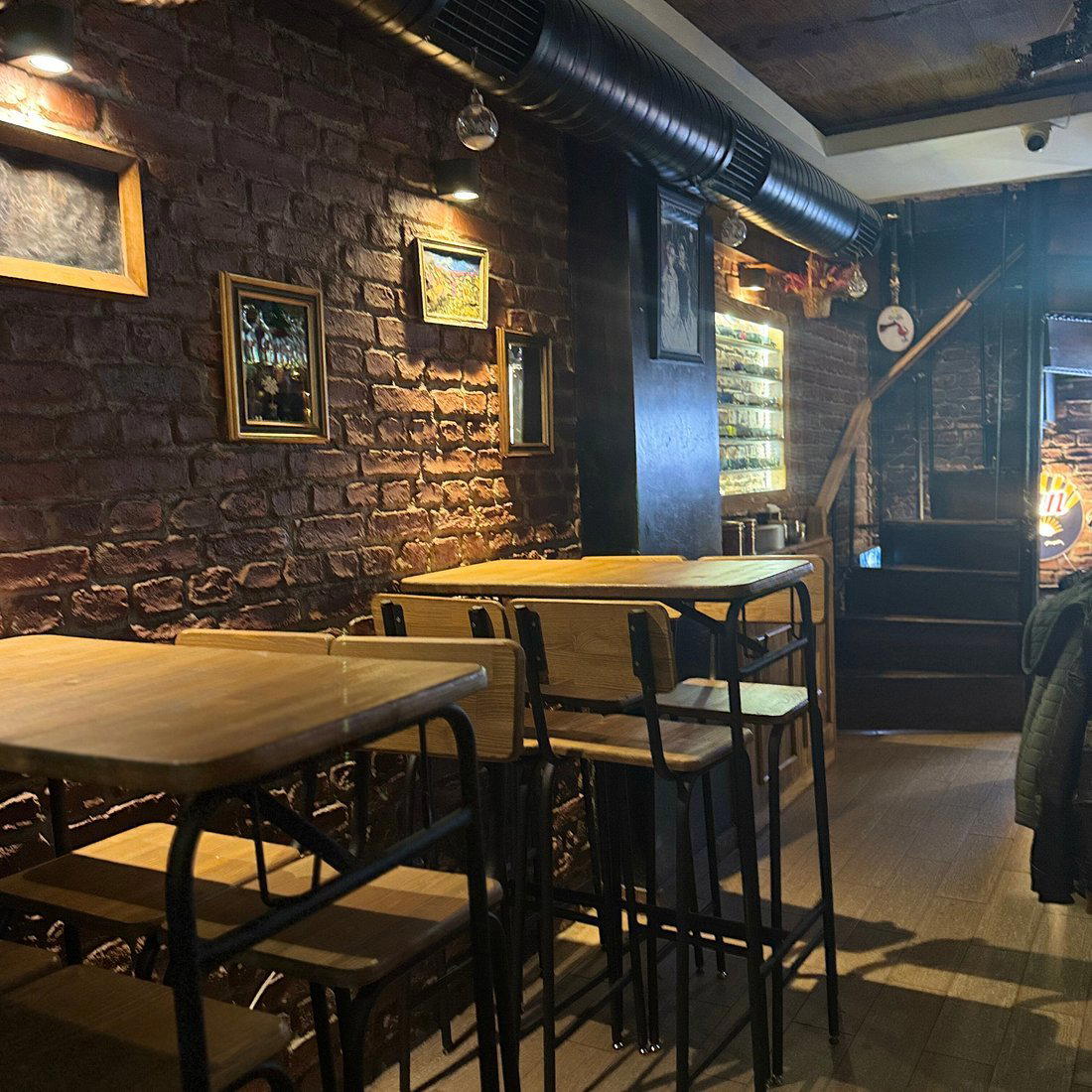
The physical format is spare. Counter seating, if available, is limited; most customers eat standing or take the wrap elsewhere. It is open Monday through Saturday from 10 AM to 10 PM, and closed on Sunday. The production is visible: the grill, the flatbread, the knife work on the meat. This transparency is part of the appeal in a way that carries across Istanbul's leading street food counters, the preparation is the show, and there is no curtain between customer and cook. The sound environment is specific: the scrape of the knife, the hiss of fat on charcoal, the murmur of a queue that has already decided what it wants and is simply waiting its turn.
This format, single item, open kitchen, no reservations, no menu to study, belongs to a tradition that Istanbul does well. It is the opposite logic from the multi-course tasting formats at places like Turk Fatih Tutak or Arkestra, where the restaurant exercises maximum control over the arc of a meal. At Dürümzade, the arc is short and the control is entirely in the execution of a single item. The discipline required for that is different in kind, not lesser in degree.
Beyoğlu in Context
For visitors building a broader picture of Istanbul's food scene, Beyoğlu rewards attention at multiple price points. The neighbourhood's density means that a morning spent at a local börekçi, an afternoon coffee at a roaster on a side street, and an evening at a formal table can occupy a small geographic radius. Casa Lavanda offers a different register of traditional cooking within the same broader district. Further afield, Istanbul's dining geography extends to waterfront fish in Beykoz at Poyraz Sahil Balık Restaurant, and to the full spread of the city's contemporary and traditional options covered in
Turkey's food culture outside Istanbul is equally layered. Maçakızı in Bodrum works at the intersection of Aegean produce and resort hospitality. Narımor in Izmir represents the coastal Aegean tradition. In Cappadocia, Nahita Cappadocia and Aravan Evi in Ürgüp anchor the region's dining conversation. For offal traditions that parallel Dürümzade's single-format intensity, Kokorecci Asim Usta in Bornova is the Izmir equivalent. On the Aegean and Mediterranean coasts, Mezegi in Fethiye, Agora Pansiyon in Milas, Divia by Maksut Aşkar in Marmaris, and Ahãma in Göcek each represent distinct approaches to regional cooking.
The focused single-item format at Dürümzade shares more in common with a specialist counter in Tokyo than with the multi-course European tasting format practiced at places like Le Bernardin in New York City or Lazy Bear in San Francisco. Different logics, differently evaluated.
Planning Your Visit
Dürümzade sits on Kamer Hatun Caddesi 26/A in Beyoğlu, within easy walking distance of Istiklal Avenue and the Tünel end of the pedestrian strip. No booking is required or possible, this is a walk-in operation. The practical calculation is arrival time: evenings and weekend afternoons draw the longest waits. Midweek, earlier in the evening, the throughput is faster. Phone and website details are not listed.
Recognition Snapshot
Comparable venues nearby, for context on price, style, and recognition.
| Venue | Cuisine | Price | Notes |
|---|---|---|---|
| DürümzadeThis venue — the venue you are viewing | Authentic Turkish Dürüm and Kebabs | $ | Not listed |
| Gaziantep Közde Künefe Kebap Salonu | Traditional Gaziantep Turkish Kebabs & Künefe | $ | Hobyar |
| Karakoy Gulluoglu | Traditional Turkish Baklava | $$ | Karakoy |
| Mutfak Dili Ev Yemekleri | Turkish Home Cooking | $ | Arap Cami |
| Helvetia | Turkish Home-style Mezes | $$ | Asmali Mescit |
| Constantine's Ark Restaurant & Cafe | Traditional Turkish Mezze & Ottoman | $$ | Hocapasa |
At a Glance
- Lively
- Trendy
- Casual Hangout
- Standalone
Current opening hours
- Monday
- 10 AM–10 PM
- Tuesday
- 10 AM–10 PM
- Wednesday
- 10 AM–10 PM
- Thursday
- 10 AM–10 PM
- Friday
- 10 AM–10 PM
- Saturday
- 10 AM–10 PM
- Sunday
- Closed
Hours can change for holidays and private events. Last verified .
Lively street food spot with welcoming service in a casual, lively atmosphere near İstiklâl Caddesi.