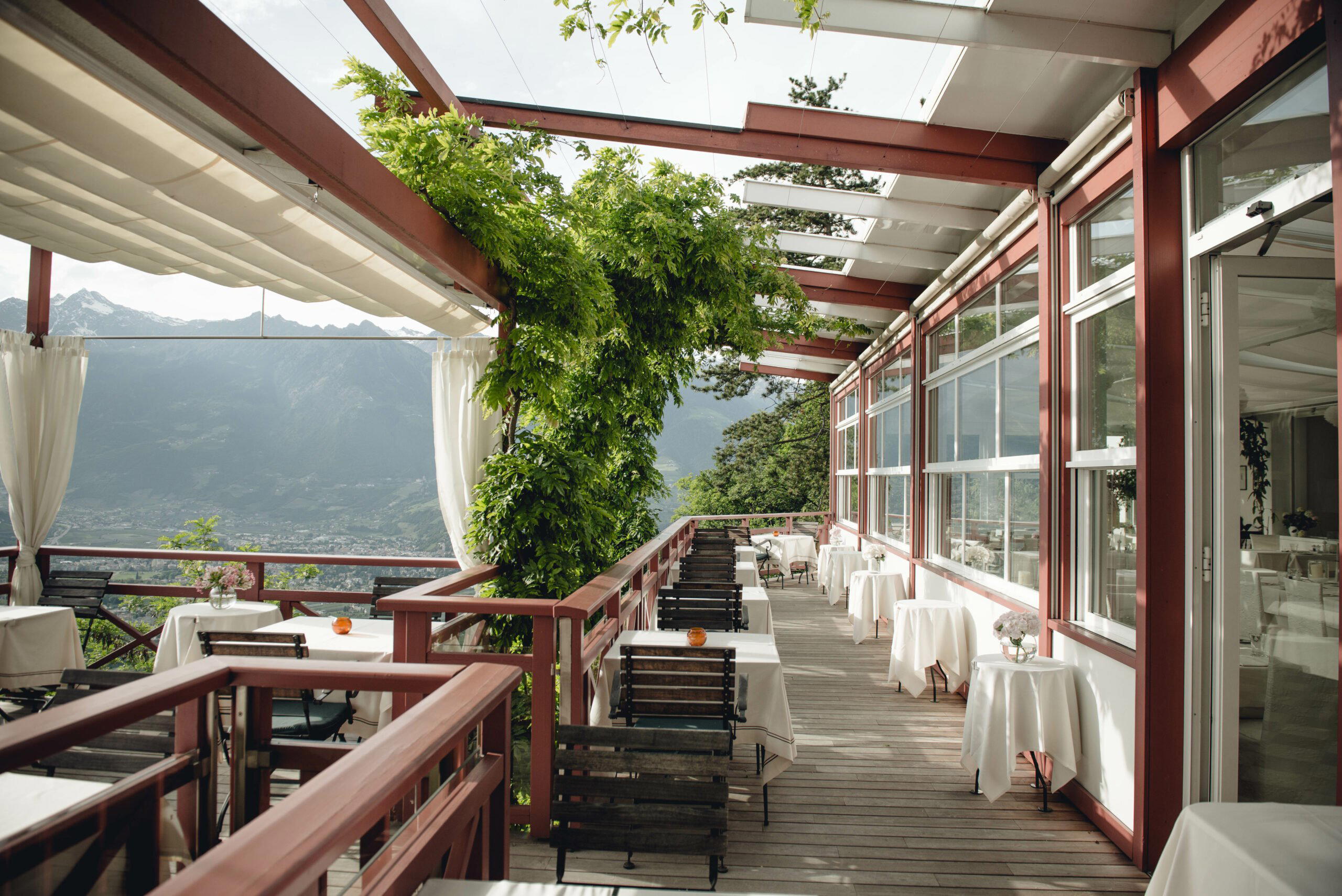
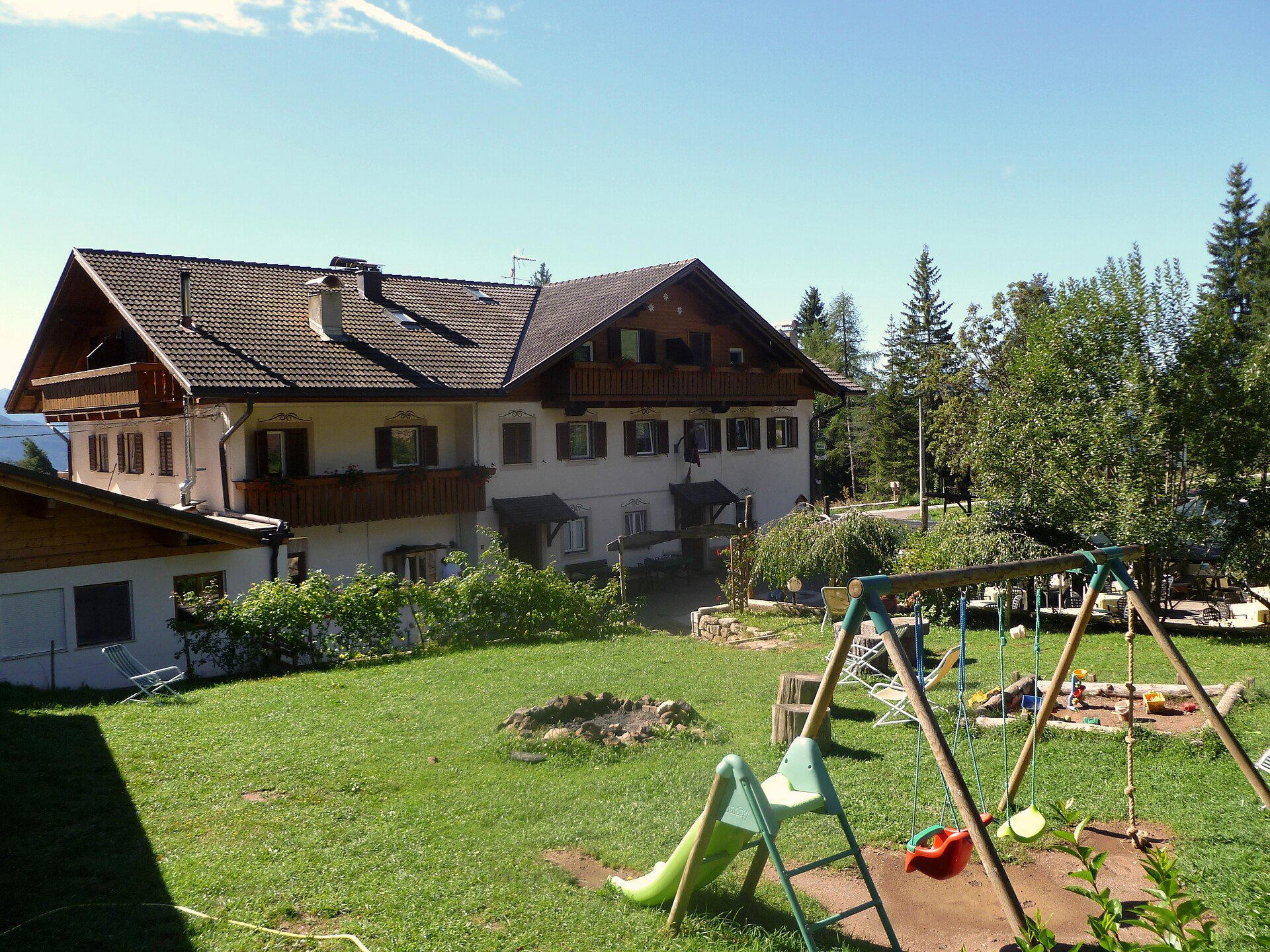
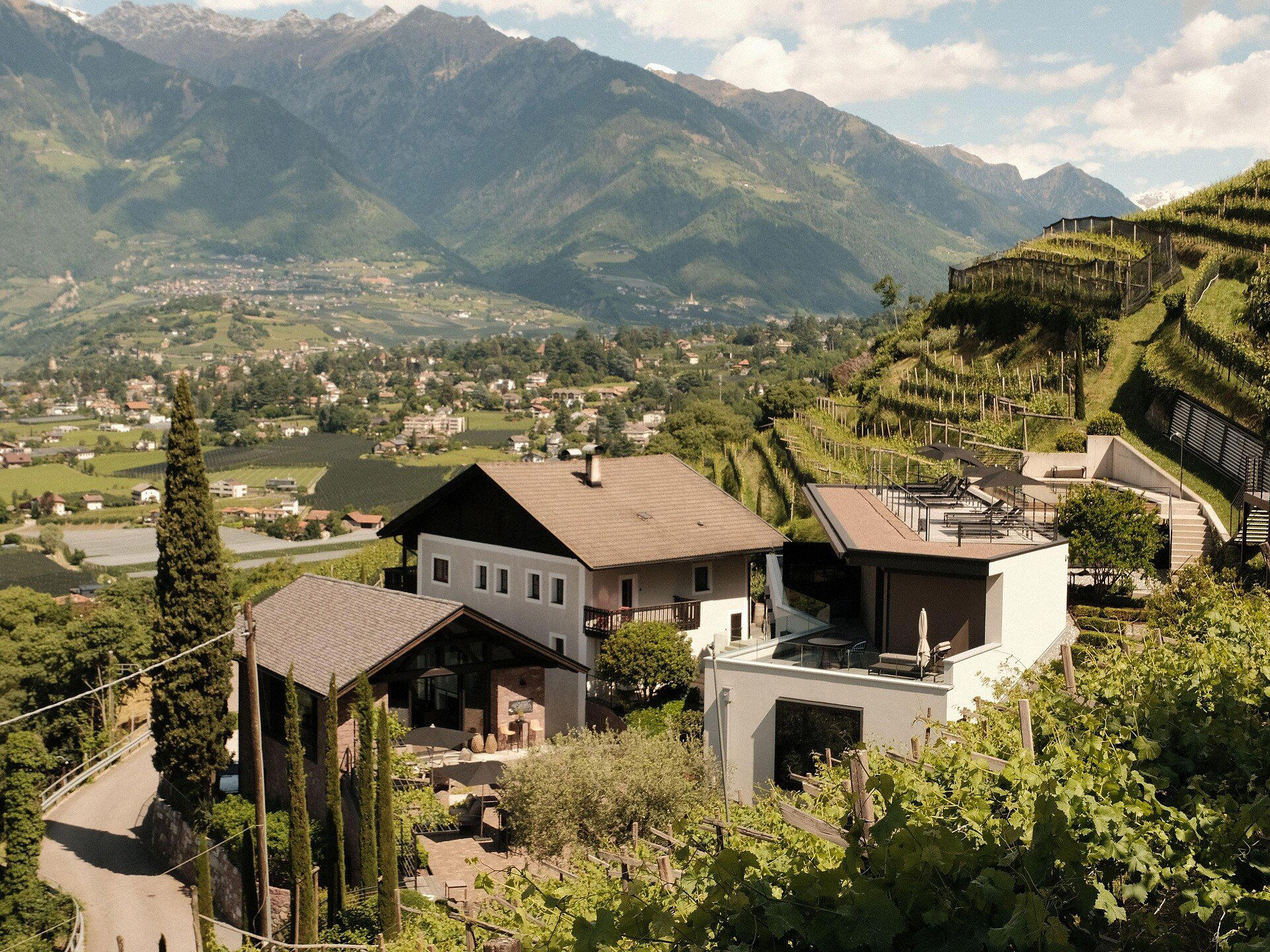
A farmhouse dining room in Marling's apple-orchard belt, Eggerhof Schnauzerstube sits at the intersection of South Tyrolean agricultural tradition and the kind of unpretentious hospitality that the region has quietly refined for generations. The setting, vineyard slopes above the Adige valley, shapes what arrives on the table as much as any kitchen decision. For visitors working through the area's dining options, it represents a different register from the Merano resort circuit.
Pearl is the En Primeur Club membership app — saves, bookings, and concierge access live there. Same editors, same standards.
- Address
- Jochweg, 4, 39020 Marlengo BZ, Italy
- Phone
- +39473421421
- Website
- schnauzerstube.it
- Directions
- Get directions
 Saves & bookings on Pearl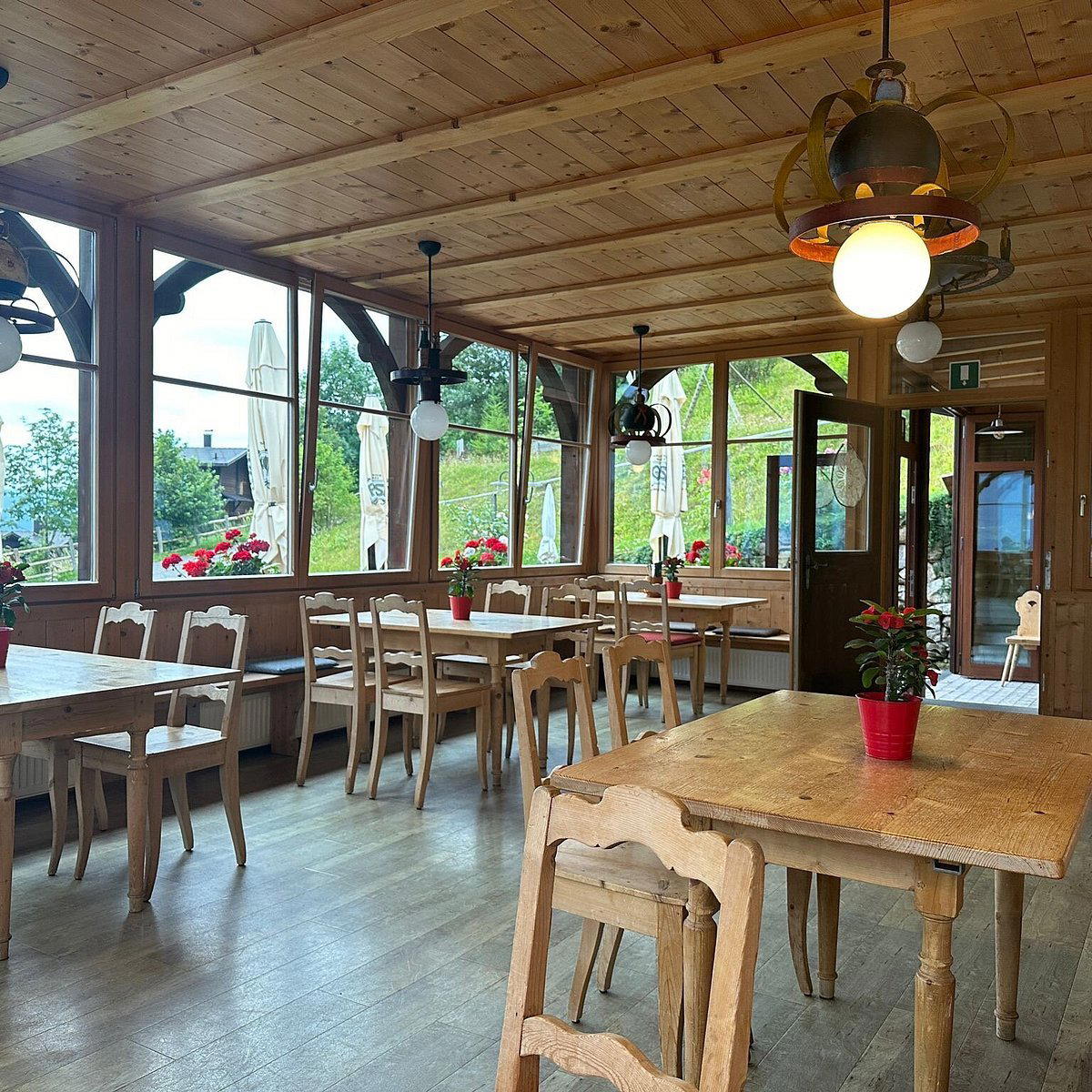
Where the Orchard Meets the Table: Dining in Marling's Agricultural Belt
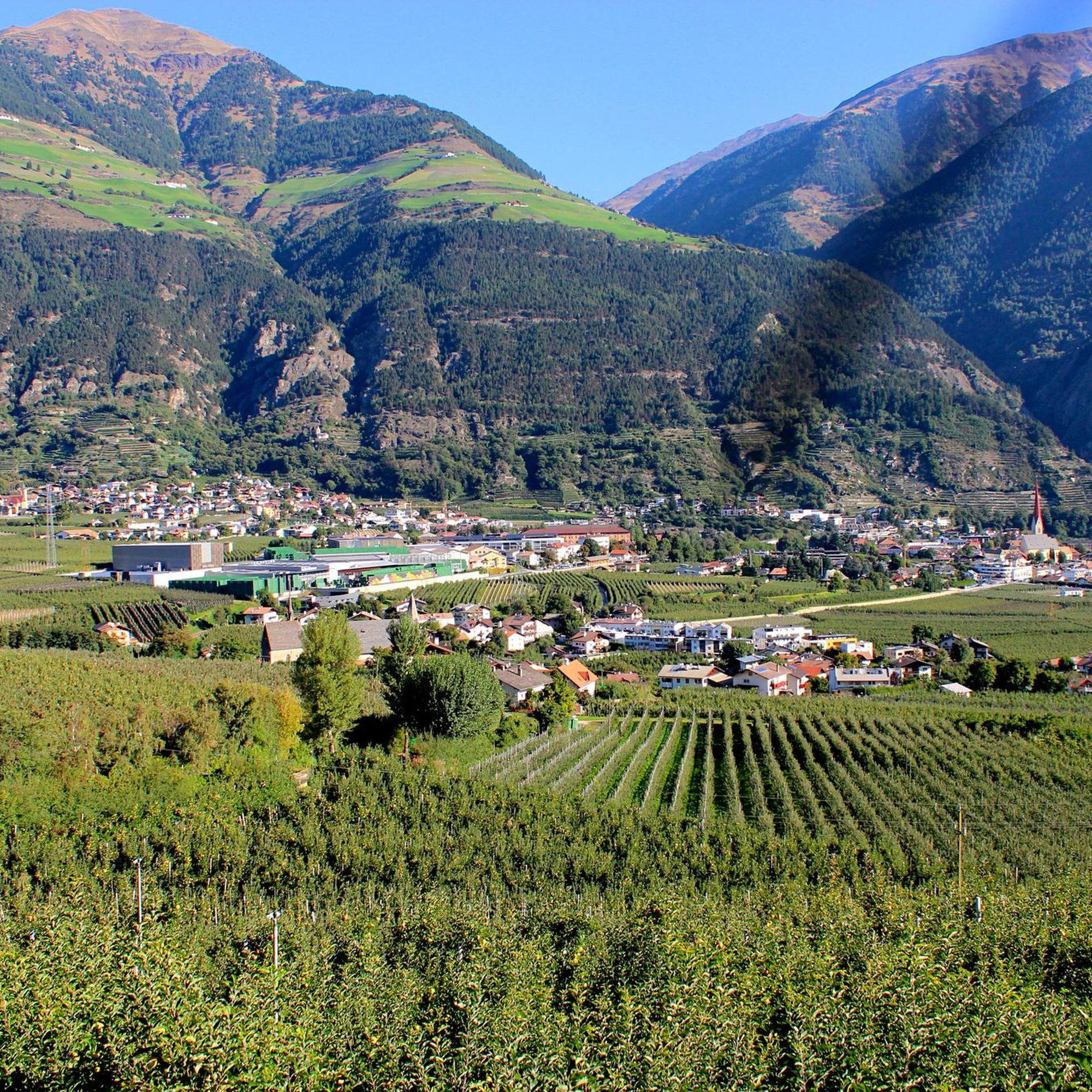
South Tyrol produces more apples than any other region in Italy, and the orchards that terrace the slopes above Marling are not backdrop, they are supply chain. The villages between Merano and the Adige valley floor have sustained a tradition of farm-anchored hospitality that predates the region's modern wine tourism by centuries. In that context, a farmhouse dining room like Eggerhof Schnauzerstube functions as something closer to a working expression of the land than a restaurant in the conventional sense. The address, Jochweg 4, on the hillside above Marlengo, places it above the valley floor.
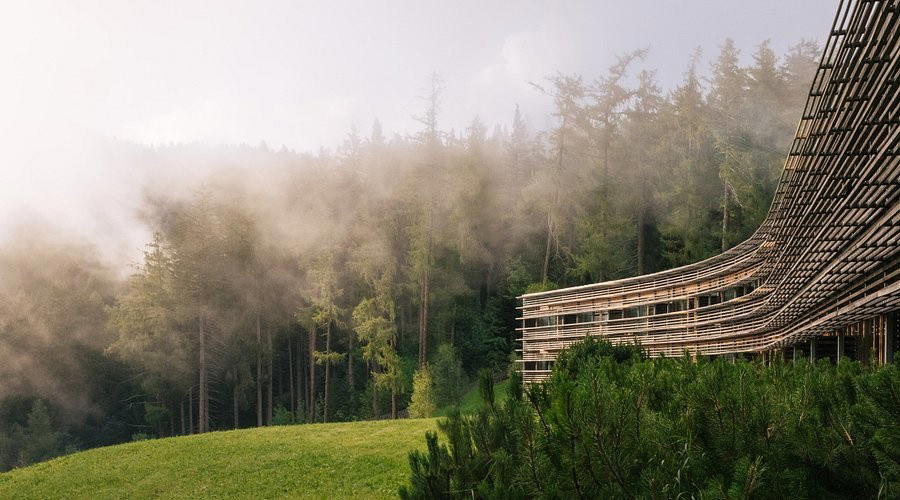
Approaching from the valley, the road climbs through apple rows that in late spring carry blossom and in autumn carry fruit destined for cooperative presses and direct-sale cellars across the province. South Tyrol's apple DOC, Alto Adige Südtirol, governs around 18,000 hectares of orchard across the territory, and much of that cultivation happens on exactly these slopes. The visual transition from the spa hotels of Merano's thermal district to the working agricultural terraces above Marling takes less than ten minutes by road, but the shift in register is considerable. This is where the region's food culture grounds itself, before it gets refined into the tasting menus served at destinations further afield.
South Tyrolean Ingredient Logic and What It Means at This Altitude
The kitchen tradition that developed across Tyrolean farmhouses, Hofschank and Buschenschank establishments with the right to serve their own produce, operates on a different sourcing logic from the starred dining rooms that have positioned northern Italy as a serious fine dining territory. Venues like Atelier Moessmer Norbert Niederkofler in Brunico have built internationally recognised tasting formats around similar alpine-sourcing principles, but at considerable price distance from the farmhouse tier. The gap between those two poles, Nordic-influenced creative cuisine and direct-farm hospitality, represents most of what South Tyrol's dining scene actually contains.
At the farmhouse end of that spectrum, what arrives on the table tends to reflect what the property grows or sources from immediate neighbours: cured meats from altitude-raised animals, dairy from small-scale Alpine cooperatives, bread made from heritage grain varieties that lowland industrial baking largely abandoned. Marling's position at roughly 500 metres, with the protection of the surrounding Ifinger and Texel ranges moderating temperature, produces growing conditions that suit both apple cultivation and the slower animal husbandry associated with traditional Tyrolean larders. The elevation and orientation matter to flavour in ways that a kitchen at sea level cannot replicate, an argument that producers in this corridor have made to successive generations of visitors.
That sourcing logic is also what distinguishes the Marling farmhouse tradition from the broader category of Italian agritourism. In many regions, agriturismo functions as a marketing category grafted onto properties whose connection to active production is largely symbolic. In South Tyrol, the Buschenschank licence system requires demonstrable agricultural activity on the same property, which applies a structural check on that drift. The result is a tier of establishments whose menus are genuinely constrained, and shaped, by what is actually being grown or raised on site or within the immediate valley system.
The Marling Dining Context: What the Village Offers
Marling is a small municipality whose dining profile runs from farmhouse hospitality to the wood-fired work being done at Pazeider Pizza Atelier, which represents a different but equally local approach to ingredient focus. The village does not have the density of restaurant options found in Merano proper, which means individual establishments carry more weight as representatives of a type. For visitors building an itinerary through the area, Marling's options span several price points and formats.
The broader Italian fine dining circuit, Dal Pescatore in Runate, Piazza Duomo in Alba, Osteria Francescana in Modena, Le Calandre in Rubano, Enoteca Pinchiorri in Florence, Enrico Bartolini in Milan, Casa Perbellini 12 Apostoli in Verona, Da Vittorio in Brusaporto, Villa Crespi in Orta San Giulio, La Pergola in Rome, Uliassi in Senigallia, Quattro Passi in Marina del Cantone, and Reale in Castel di Sangro, occupies a different category entirely, one where tasting formats, international wine programs, and Michelin recognition define the comparable set. Internationally, venues like Le Bernardin in New York City and Lazy Bear in San Francisco have built reputations around similarly rigorous sourcing frameworks, but within urban fine dining structures that bear no resemblance to the farmhouse format. The comparison is useful precisely because it clarifies what the Marling farmhouse tradition is not trying to do.
Planning a Visit: Practical Considerations
Eggerhof Schnauzerstube sits at Jochweg 4 in Marlengo (the Italian name for Marling), a short drive above the valley floor. Given the hillside location and the village's limited public transport connections, arriving by car is the practical default for most visitors. South Tyrolean farmhouse establishments typically operate on seasonal schedules shaped by harvest and agricultural cycles, so confirming current opening hours before making a specific journey is advisable, this is a working property, not a year-round hotel restaurant with fixed programming. One reliable approach is to enquire locally in Marling or through accommodation staff in Merano, who tend to have current information on neighbouring farmhouse operations.
In Context: Similar Options
Comparable venues nearby, for context on price, style, and recognition.
| Venue | Cuisine | Price | Notes |
|---|---|---|---|
| Eggerhof SchnauzerstubeThis venue — the venue you are viewing | Neo-South Tyrolean Cuisine | $$ | Not listed |
| Pazeider Pizza Atelier | Neapolitan Pizza | $$ | Marling |
| Oberpartegger | South Tyrolean Farmhouse Italian | $$ | Villanders |
| No Format | Vegan Pizza | $$ | Centro Storico |
| Dal Moro's Fresh Pasta To Go | Fresh Pasta To Go | $$ | Castello |
| Weingut Ebner | Tyrolean Buschenschank | $$ | Ritten |
Continue exploring
More in Marling
Restaurants in Marling
Browse all →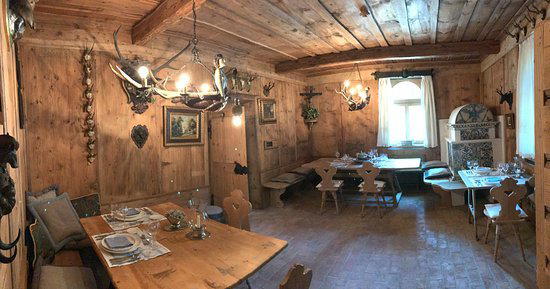
Bars in Marling
Browse all →
Hotels in Marling
Browse all →
At a Glance
- Rustic
- Cozy
- Family
- Casual Hangout
- Garden
- Local Sourcing
- Mountain
Current opening hours
- Monday
- Closed
- Tuesday
- Closed
- Wednesday
- Closed
- Thursday
- Closed
- Friday
- Closed
- Saturday
- 9 AM–5 PM
- Sunday
- 9 AM–5 PM
Hours can change for holidays and private events. Last verified .
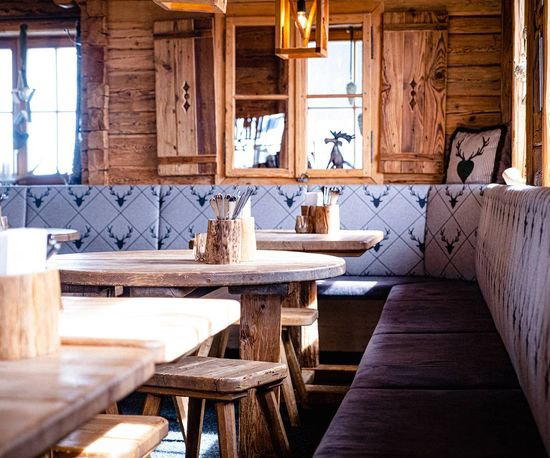
Cozy and familiar farmhouse atmosphere with friendly service and down-to-earth charm.