Our verdict
In Saint-Rémy-de-Provence, where the Alpilles frame a town long associated with Provençal produce, Edú occupies a considered position in the local dining scene. The address on Avenue Albert Schweitzer places it within reach of the markets, fields, and terroir that define this corner of southern France. For visitors tracking ingredient-led cooking in the region, it warrants attention alongside better-documented neighbours.

Pearl is the En Primeur Club membership app, where members save venues, book tables and use the concierge.
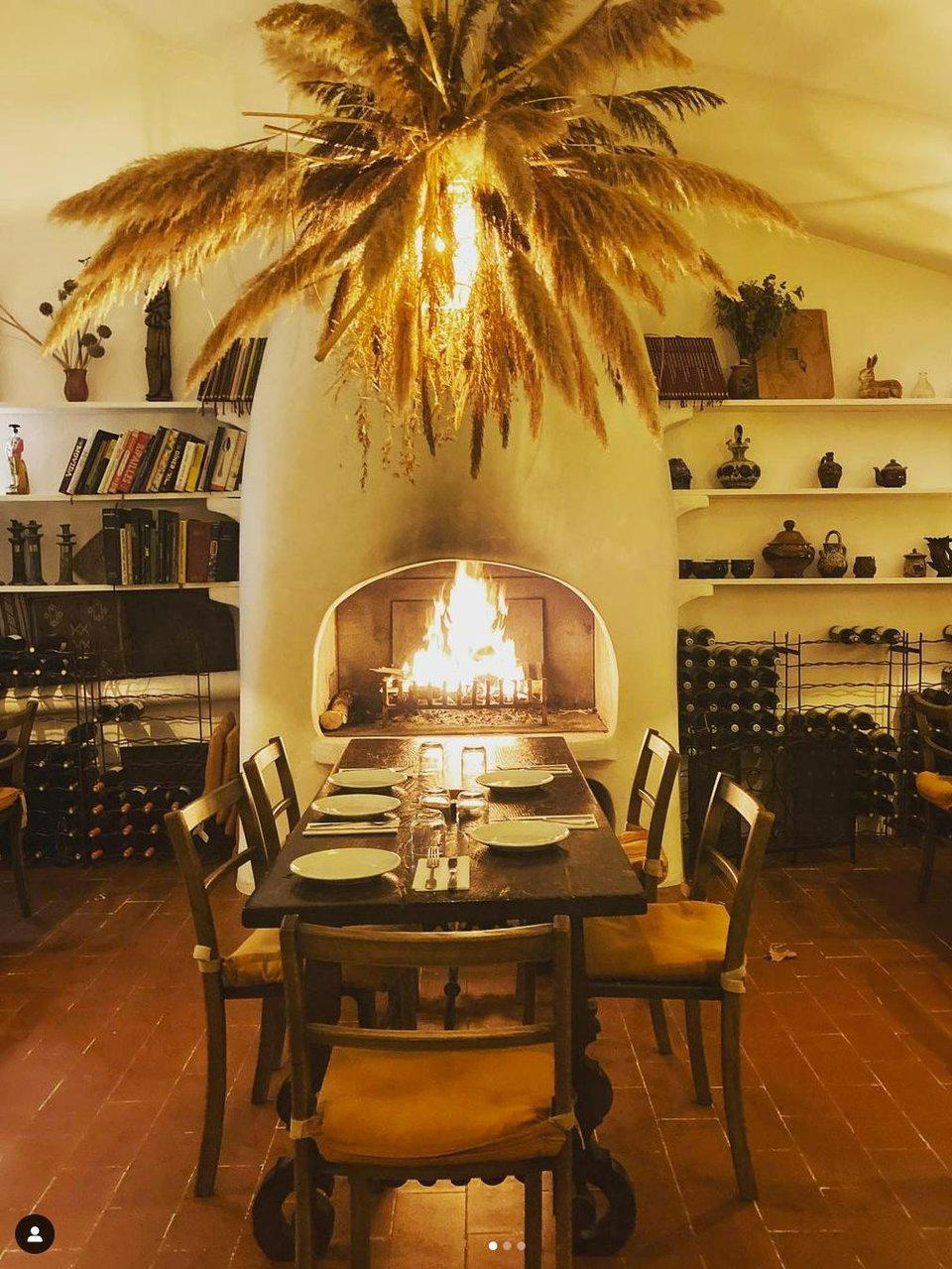
Saint-Rémy-de-Provence and the Ingredient Argument
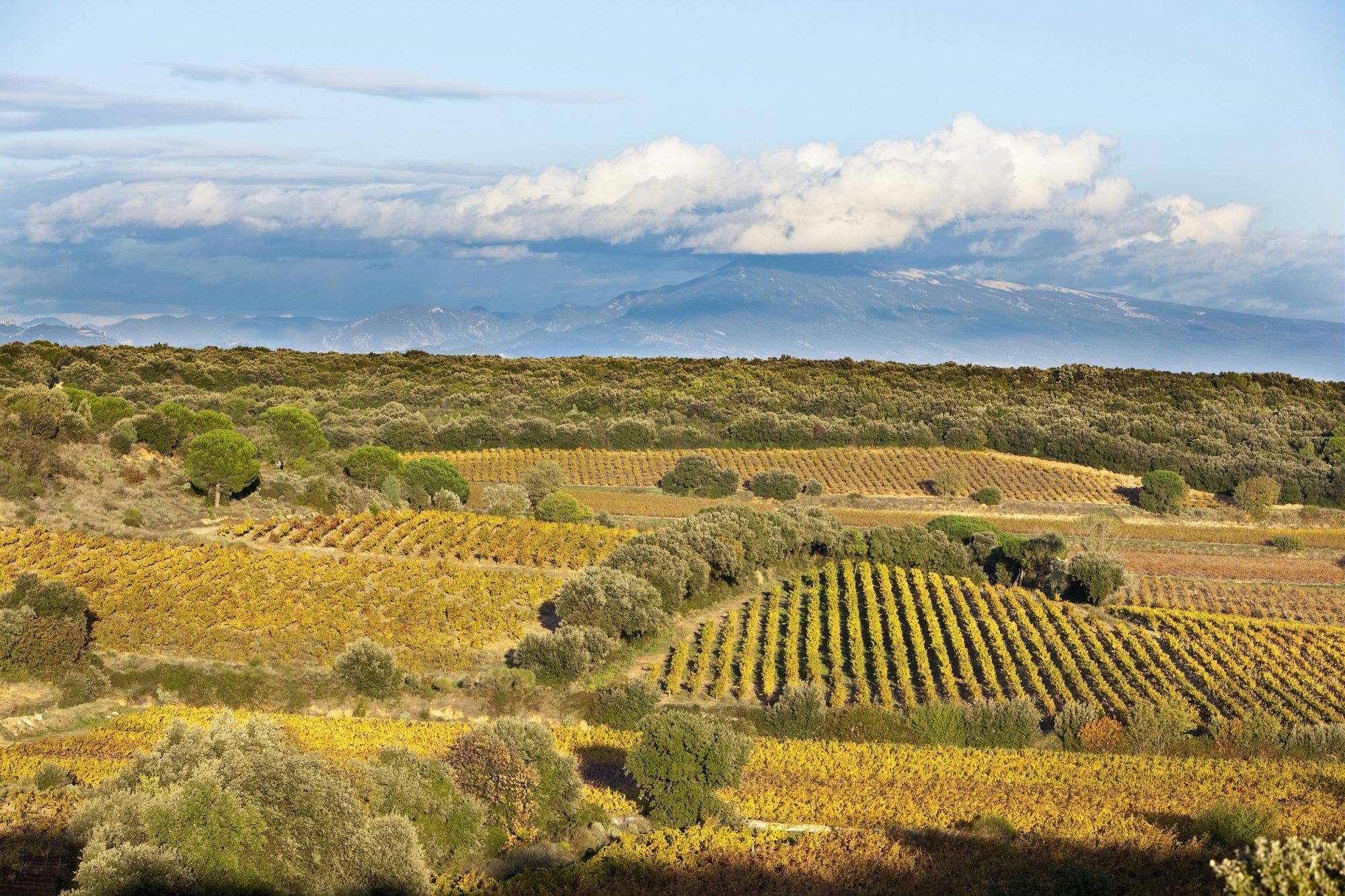
The Alpilles microregion makes a specific agricultural case. Olive groves, market gardens, herb producers, and sheep farms sit within a radius that any serious kitchen can reach without a cold chain. Saint-Rémy-de-Provence sits at the centre of this zone, and the town's Wednesday and Saturday markets function as something closer to a professional sourcing network than a tourist attraction. Restaurants that commit to this geography have access to produce rhythms that larger city kitchens cannot replicate, and the leading addresses in the area make that access visible on the plate.
Edú, at 17 Avenue Albert Schweitzer, operates within this context. The address is residential in character, set back from the central squares that draw most visitor traffic, which means the approach to the restaurant moves through the quieter fabric of the town rather than its commercial core. That physical positioning is not incidental: it reflects a broader pattern among ingredient-led restaurants in Provence, where proximity to suppliers often matters more than proximity to tourist density.
What the Provençal Sourcing Tradition Demands
Southern French cooking at its most disciplined is not about complexity of technique, it is about the quality and timing of what arrives at the kitchen door. The Alpilles produces thyme, rosemary, and savory that carry a concentration of aromatic oils most northern European herb suppliers cannot match, a function of thin limestone soils and long dry summers. Olive oil from around Les Baux and Maussane-les-Alpilles carries AOC protection and a flavour profile, green, slightly bitter, with grassy leading notes, that is specific enough to be used as a seasoning rather than simply a cooking medium.
Lamb from the Alpilles also carries designation: Agneau de Sisteron and the broader regional tradition of mountain-raised animals give local kitchens access to meat with a defined character. For restaurants working at a serious level in this geography, the sourcing question is less about whether to use local ingredients and more about how tightly to align the menu with what is actually available week to week. That discipline separates a kitchen genuinely embedded in the terroir from one that uses regional language as marketing.
Visitors who have followed this argument through other parts of France, at Bras in Laguiole, where Michel Bras developed his gargouillou as a direct expression of Aubrac flora, or at Auberge du Vieux Puits in Fontjoncouse in the Corbières, will recognise the underlying logic. The ingredient is the editorial statement; the cooking exists to clarify rather than transform it.
Placing Edú in the Regional Dining Field
The Provence-Alpes-Côte d'Azur region contains some of the most discussed restaurant addresses in France. Mirazur in Menton operates at a tier defined by its position on the World's 50 Best list and three Michelin stars, a benchmark that few addresses in the south can approach. L'Oustau de Baumanière in Les Baux and La Table du Castellet in Le Castellet sit in a decorated tier that draws destination dining traffic from across Europe. La Vague d'Or - Cheval Blanc St-Tropez in Saint-Tropez anchors the coastal end of that conversation.
Saint-Rémy operates at a different register. The town's dining scene rewards visitors who are looking for cooking that reflects the immediate agricultural environment rather than the prestige architecture of a grand hotel dining room. That is not a lesser ambition, it is a different one, and in a town this close to productive farmland, it is arguably the more honest expression of what the region offers. Our full notes on this area and comparable addresses are in our full Partie Nord Est restaurants guide.
For context on the broader French tradition of regional anchoring, the model set by Georges Blanc in Vonnas or Maison Lameloise in Chagny demonstrates how a kitchen rooted in a specific agricultural zone can build sustained credibility over decades. Further afield, Auberge de l'Ill in Illhaeusern shows how a family address embedded in a distinct landscape can hold a position for generations. The lesson in each case is consistency of source, not novelty of concept.
The Physical Setting and What It Signals
Approaching a restaurant through a quieter residential street in a Provençal town carries information. It suggests the kitchen is not competing on spectacle or on foot traffic, which in this region tends to mean the focus is on the plate and the producer relationship rather than the theatre of the dining room. The Alpilles light, particular at golden hour, when the limestone ridgeline catches a quality of sun that has drawn painters and photographers for over a century, makes the walk from the centre of Saint-Rémy to the Avenue Albert Schweitzer address genuinely pleasant in spring and early autumn, the seasons when Provençal produce is at its most articulate.
Summer in the Alpilles runs hot and dry, which concentrates flavours in vegetables and herbs but also defines when the most serious local produce arrives. Early summer brings courgette flowers and the first tomatoes from the Crau plain; late summer brings aubergines, peppers, and the herbs that will be dried for winter. A kitchen tracking these rhythms closely will shift its menu across a matter of weeks in ways that a photograph or a static menu description cannot capture.
Planning a Visit
Saint-Rémy-de-Provence sits approximately 25 kilometres south of Avignon and is most comfortably reached by car, which also allows access to the surrounding Alpilles landscape. Avignon TGV connects to Paris Gare de Lyon in roughly two hours and forty minutes, placing the region within a day-trip radius of the capital for those travelling from further afield. For visitors building an itinerary around this part of Provence, combining a meal at Edú with time at the Wednesday or Saturday market, or with a visit to the Alpilles natural park, makes the most of the agricultural context that defines the area's dining character.
Restaurants at this level in smaller Provençal towns often operate seasonal hours with limited covers, and advance contact avoids a wasted journey. Those who prefer to anchor their southern France itinerary to verified decorated addresses might cross-reference with Les Prés d'Eugénie - Michel Guérard in Eugénie-les-Bains or Flocons de Sel in Megève as regional anchors with fully confirmed credentials.
Frequently asked questions
Is Edú good for families?
Edú is on a quieter residential street in Saint-Rémy-de-Provence, which suggests a setting oriented toward a calmer dining pace rather than high-volume turnover. That context can suit families comfortable with a more considered meal. Parents with young children should check the venue's official channels to confirm arrangements before visiting.
What is the atmosphere like at Edú?
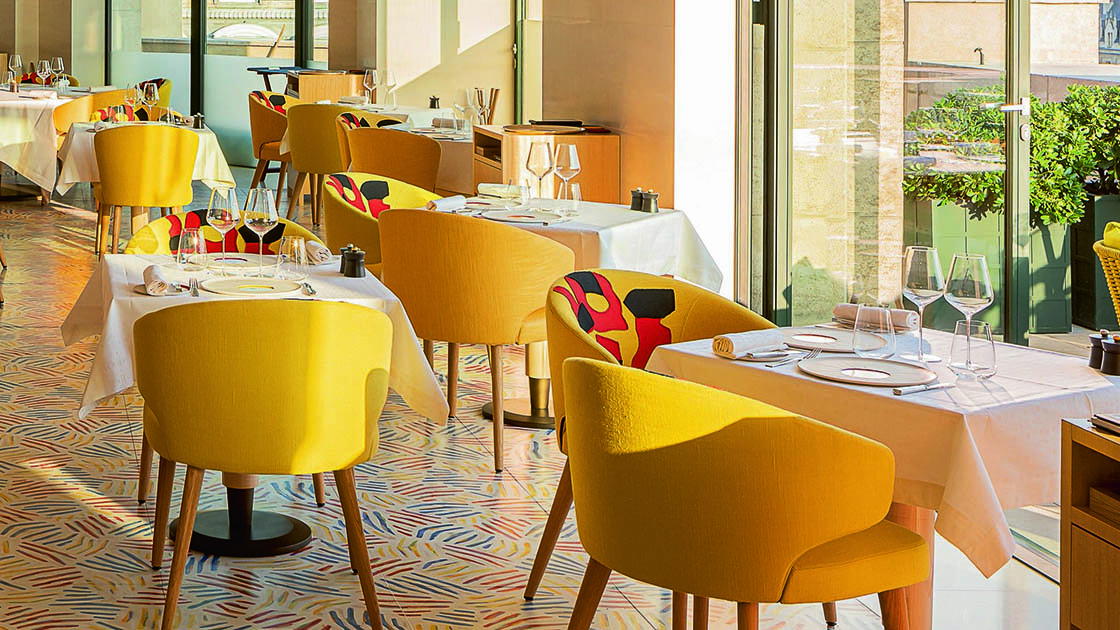
The address on Avenue Albert Schweitzer in a residential quarter of Saint-Rémy-de-Provence signals that the room is not competing on spectacle. Provençal restaurants in this position tend toward spare, grounded spaces where the sourcing argument plays out on the plate rather than in the décor. Expect something closer to understated than theatrical.
How does Edú's location in Saint-Rémy-de-Provence shape what ends up on the plate?
Edú sits at 17 Avenue Albert Schweitzer in Saint-Rémy-de-Provence, positioned within the Alpilles microregion where olive groves, herb producers, market gardens, and sheep farms operate at close range. That proximity gives a kitchen meaningful leverage over ingredient timing in a way that restaurants in larger urban centres cannot replicate. In Southern French cooking, access to producers at that radius is not a marketing point, it is what determines whether the food works.
What do people recommend at Edú?
The kitchen draws on Alpilles producers, olive growers, market gardeners, herb suppliers, and sheep farms within a tight local radius, which means the menu follows seasonal availability closely. Dishes built around whatever the surrounding microregion is producing at its peak tend to be where the cooking lands best. Checking in advance what is current on the menu is worthwhile.
Where is Edú located?
Edú is located at 17 Av. Albert Schweitzer, 13210 Saint-Rémy-de-Provence, France, Partie Nord Est.
Do I need a reservation for Edú?
Saint-Rémy-de-Provence draws significant visitor traffic during the spring and summer months, and smaller Provençal restaurants at this address level fill quickly in peak season. Booking ahead is advisable rather than optional, particularly from May through September. check the venue's official channels to confirm availability and current hours.
Quick Comparison
| Venue | Cuisine | Price | Awards | Notes |
|---|---|---|---|---|
| EdúThis venue (the venue you are viewing) | Not listed | Not listed | Not listed | Not listed |
| Mirazur | Modern French Fine Dining | $300–500 | 3 Michelin Stars · World's 50 Best #1 | Modern French, Creative |
| Alléno Paris au Pavillon Ledoyen | Modern French Fine Dining | $150–200 | 3 Michelin Stars · World's 50 Best #79 | Creative |
| Kei | Modern French with Japanese Influences | $300–500 | 3 Michelin Stars · World's 50 Best #93 | Contemporary French, Modern Cuisine |
| L'Ambroisie | Classic French Haute Cuisine | $300–500 | 2 Michelin Stars · World's 50 Best #23 | French, Classic Cuisine |
| Le Cinq - Four Seasons Hôtel George V | Modern French Fine Dining | $300–500 | 3 Michelin Stars · World's 50 Best #24 | French, Modern Cuisine |
Continue exploring
More in Saint-Rémy-de-Provence
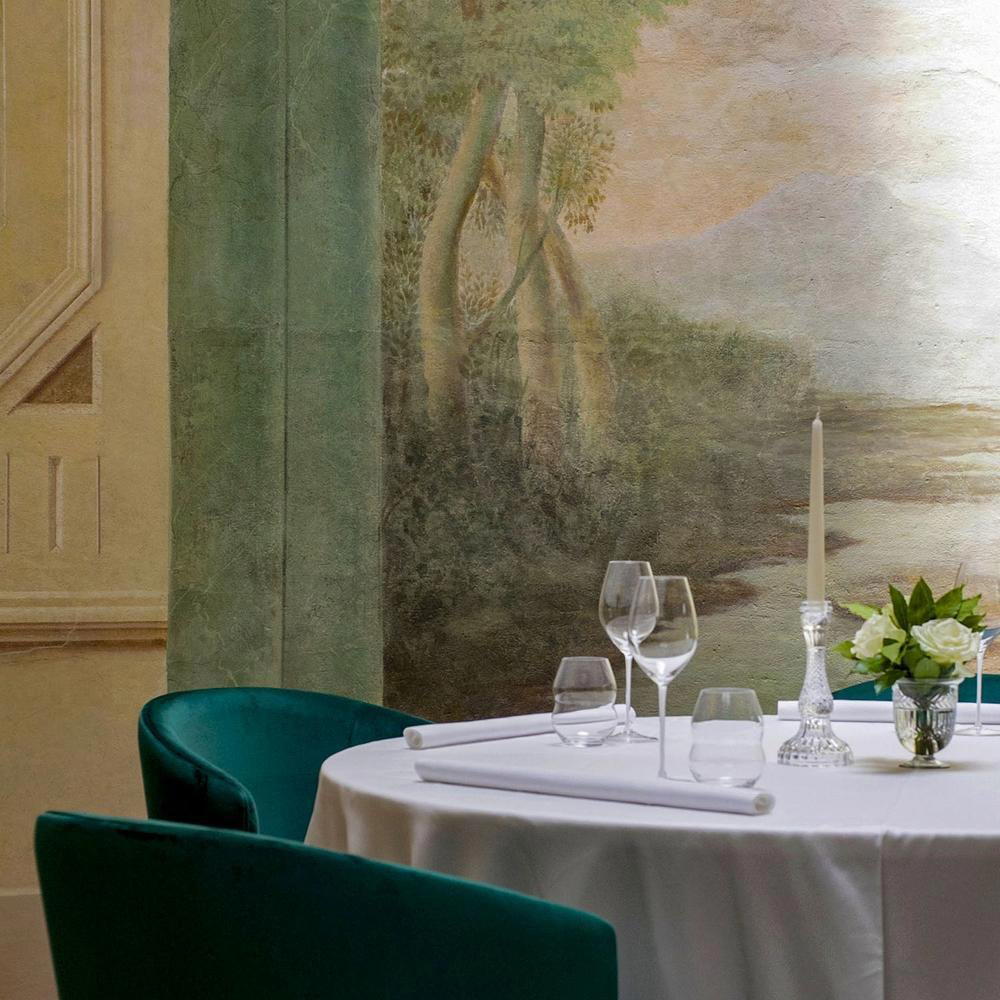
Restaurants in Saint-Rémy-de-Provence
All restaurants in Saint-Rémy-de-Provence →
Bars in Saint-Rémy-de-Provence
All bars in Saint-Rémy-de-Provence →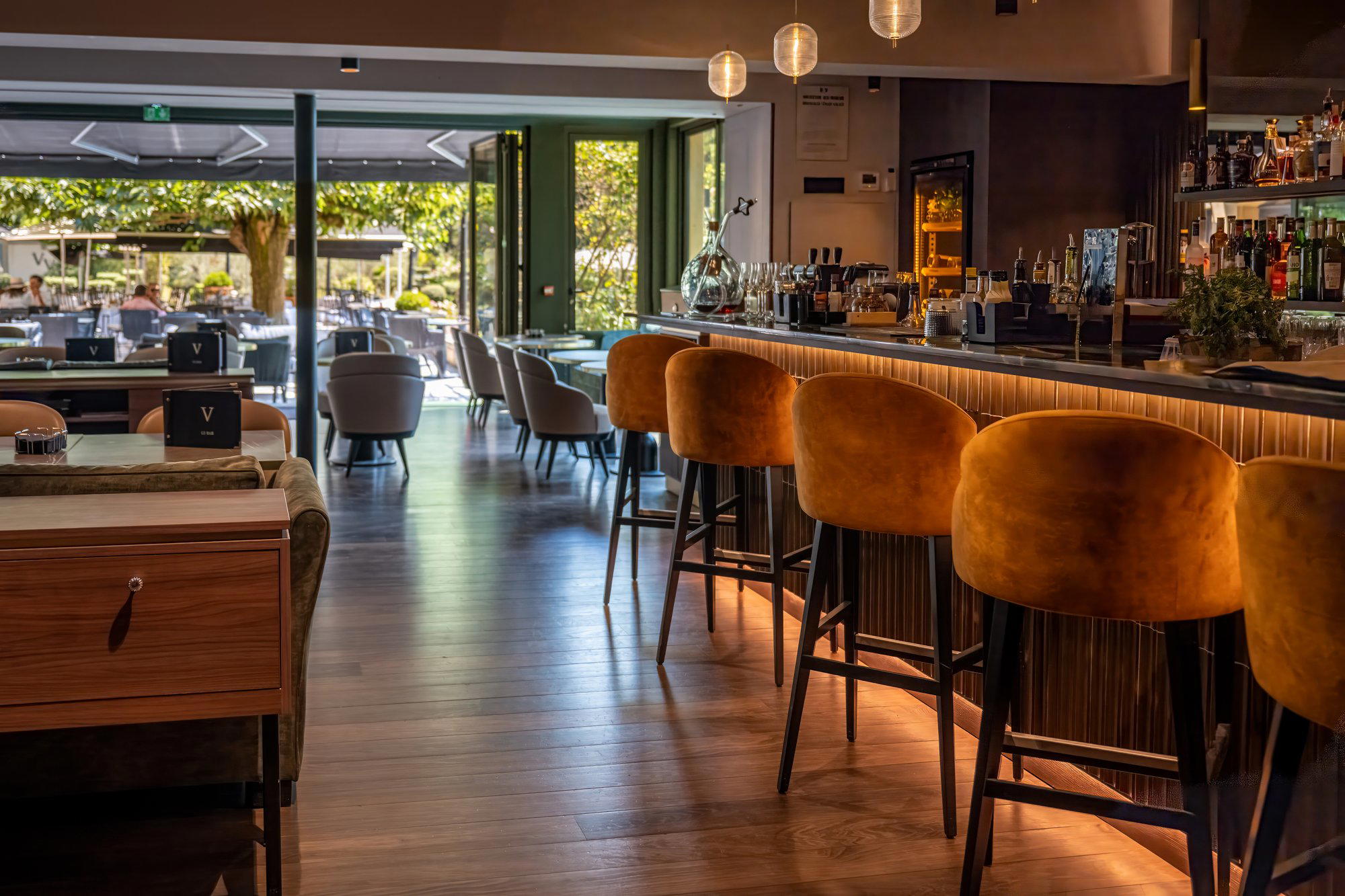
Hotels in Saint-Rémy-de-Provence
All hotels in Saint-Rémy-de-Provence →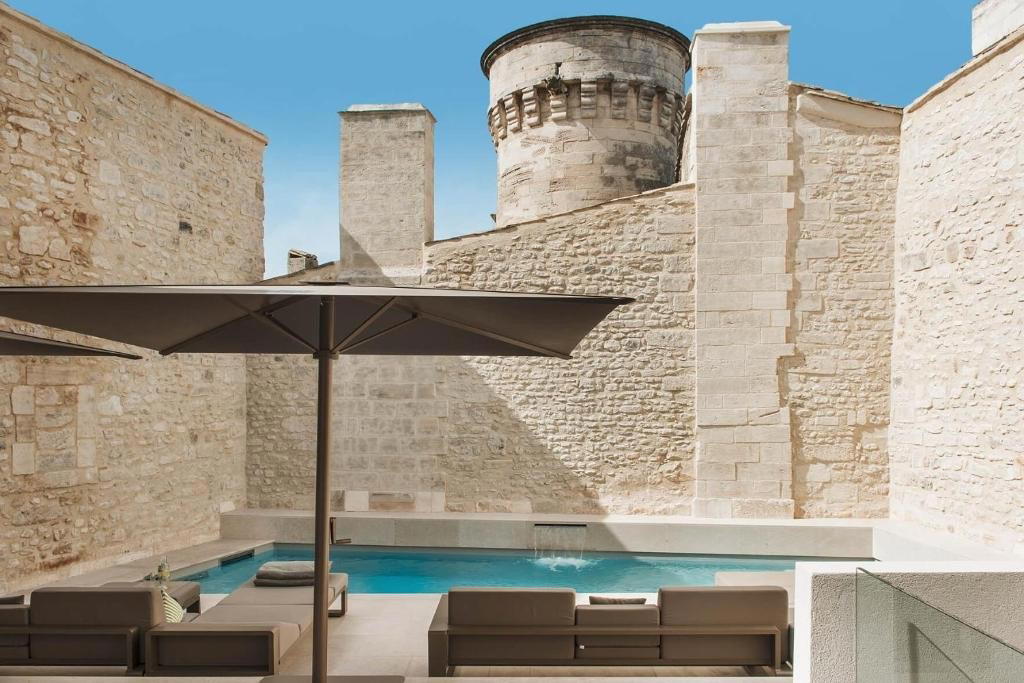

Details
Current opening hours
- Monday
- Closed
- Tuesday
- 12–1 PM, 7–9 PM
- Wednesday
- 12–1 PM, 7–9:15 PM
- Thursday
- 12–1 PM, 7–9 PM
- Friday
- 12–1 PM, 7–9:15 PM
- Saturday
- 12–1 PM, 7–9:15 PM
- Sunday
- Closed
Hours can change for holidays and private events. Hours as of .