Château des Alpilles

Michelin Selected
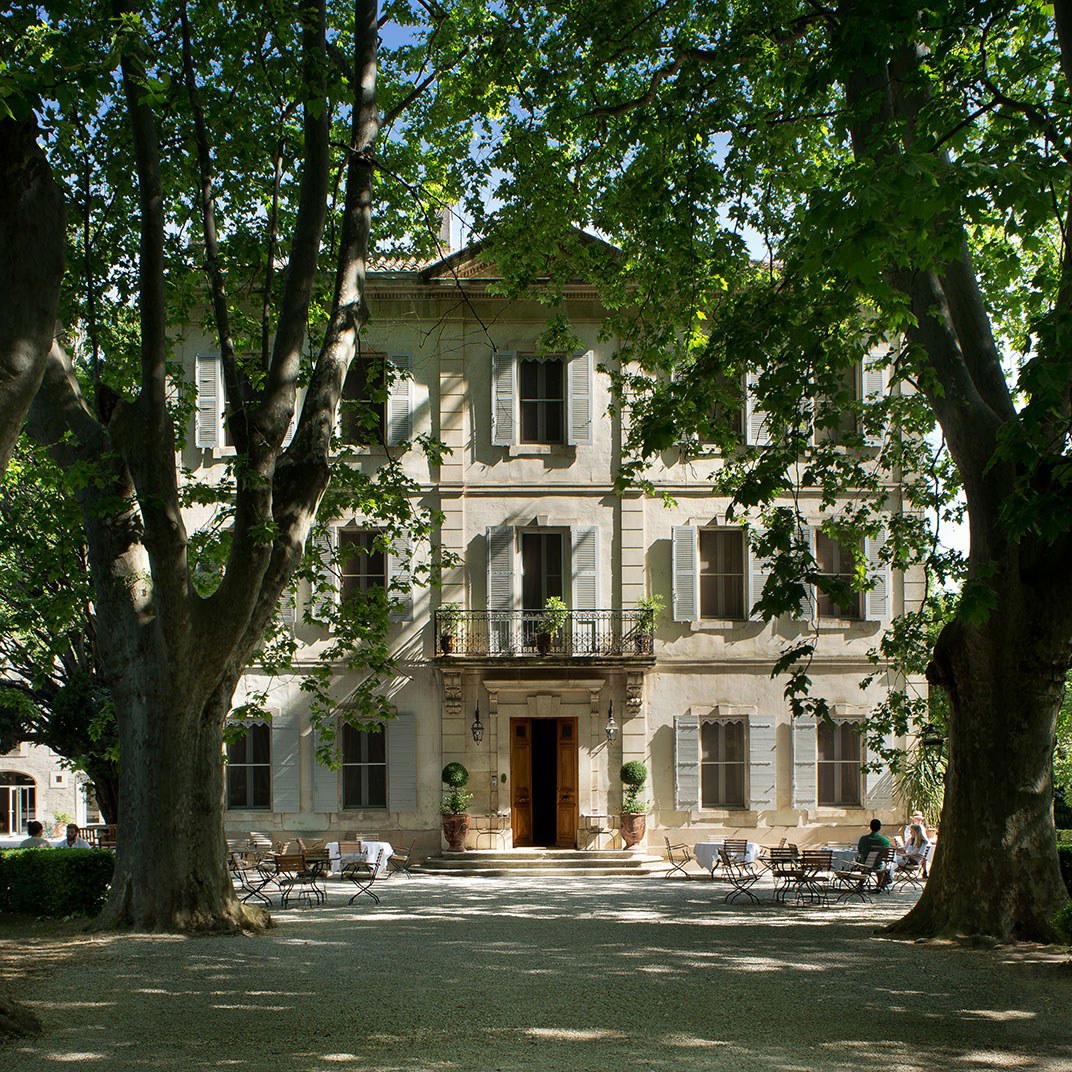
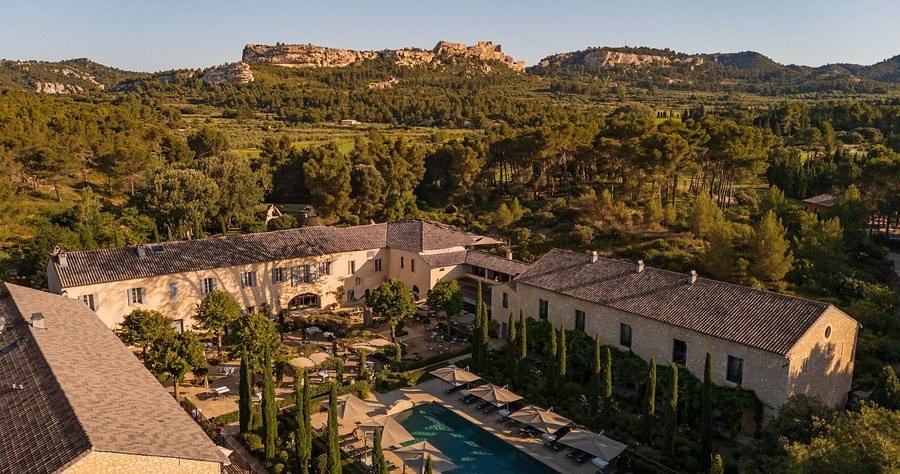
A 19th-century estate on the Route du Rougadou, Château des Alpilles carries Michelin Selected recognition in the 2025 guide and positions itself among Saint-Rémy-de-Provence's most considered historic properties. The grounds and architecture belong to a tradition of Provençal château hospitality that sits between grand rural estate and intimate retreat, placing it in a distinct tier above the town's smaller chambres d'hôtes.

Pearl is the En Primeur Club membership app — saves, bookings, and concierge access live there. Same editors, same standards.
- Address
- 1392 Rte du Rougadou, 13210 Saint-Rémy-de-Provence, France
- Phone
- +33 4 90 92 03 33
- Website
- chateaudesalpilles.com
- Directions
- Get directions
A Provençal Estate in Context
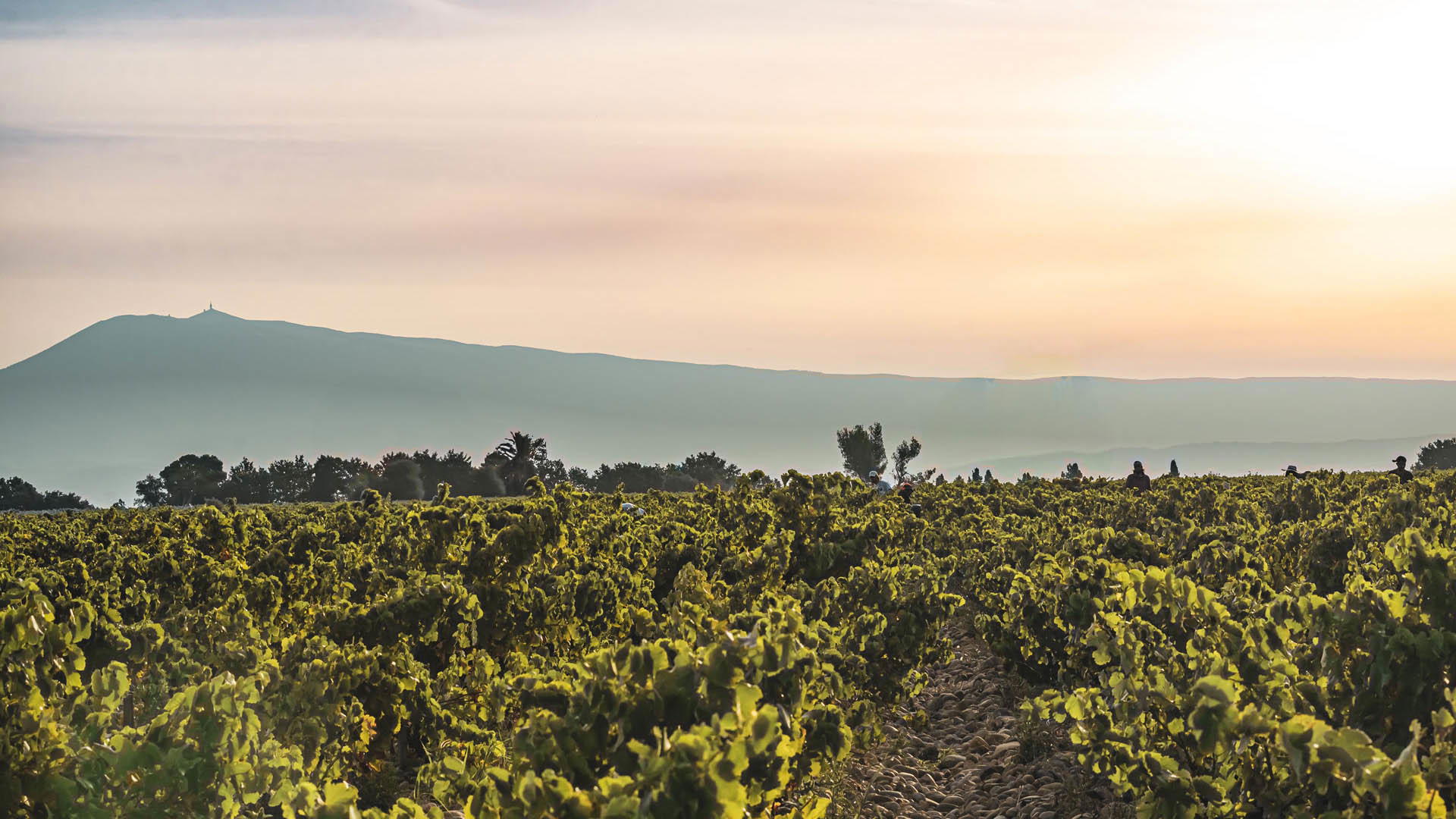
Saint-Rémy-de-Provence occupies a specific position in the French luxury hospitality map. It is not the Riviera — there is no seafront competition here — and it is not the Luberon's hill-village drama. What it offers is a quieter, more agricultural Provence: almond trees, the Alpilles limestone range rising to the south, Roman ruins at Glanum a short drive from the town centre, and a market culture that feeds some of the region's most produce-conscious kitchens. Properties that operate in this setting tend to compete on grounds character, calm, and culinary access to the surrounding terroir, rather than on spa scale or beach proximity.
Château des Alpilles, on the Route du Rougadou just outside the town, sits within that framework. The 2025 Michelin Selected designation, drawn from the Michelin hotels guide, which applies the same editorial scrutiny to accommodation as the restaurant guide applies to dining, places it in a curated tier of French properties recognised for quality across design, service, and setting. That recognition matters here not as a trophy but as a positioning signal: Michelin Selected hotels in Provence range from wine-estate conversions like Les Sources de Caudalie in Bordeaux to design-led châteaux, and the designation clusters properties that meet a threshold of considered hospitality rather than simply checklist amenity.
The Estate as Setting
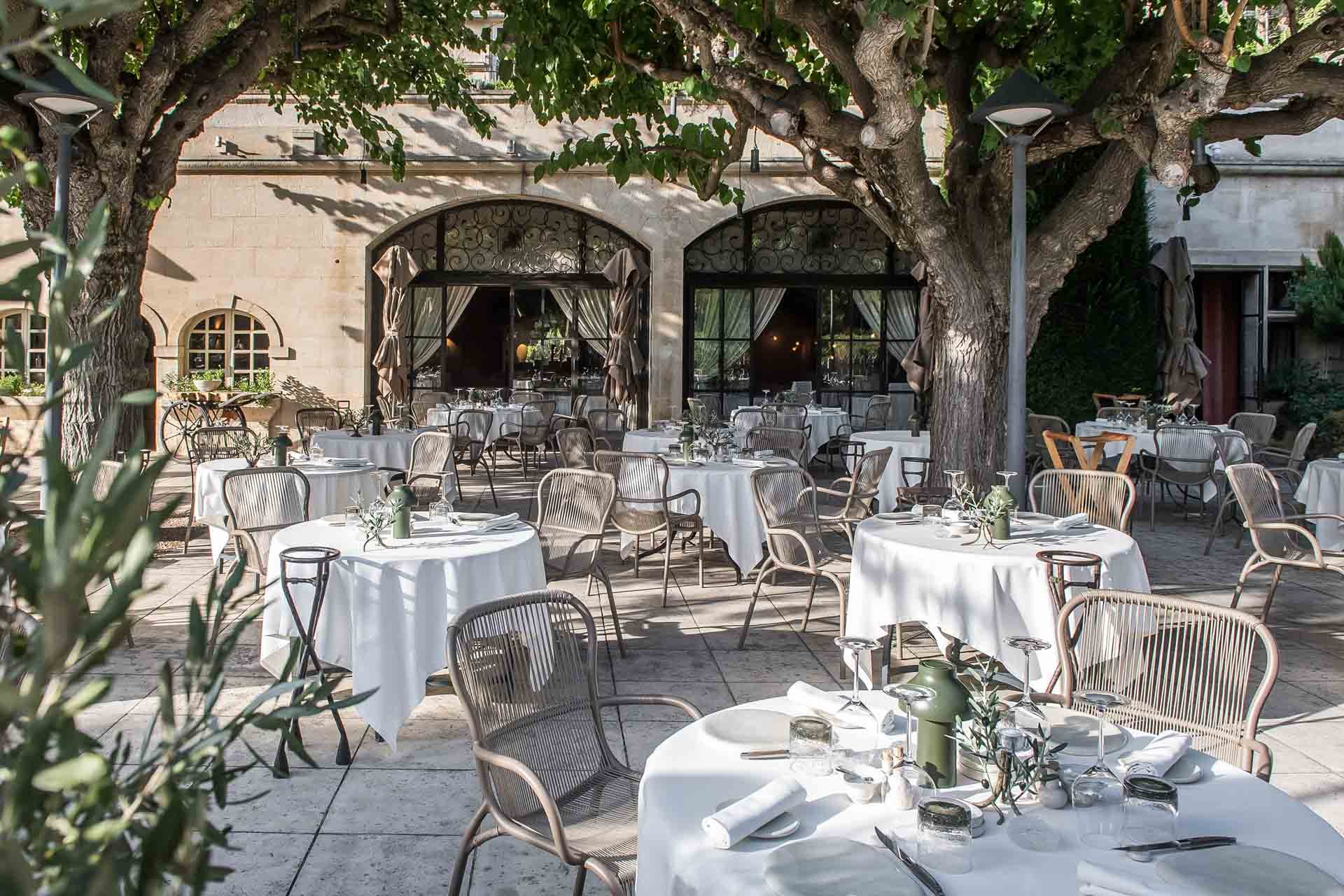
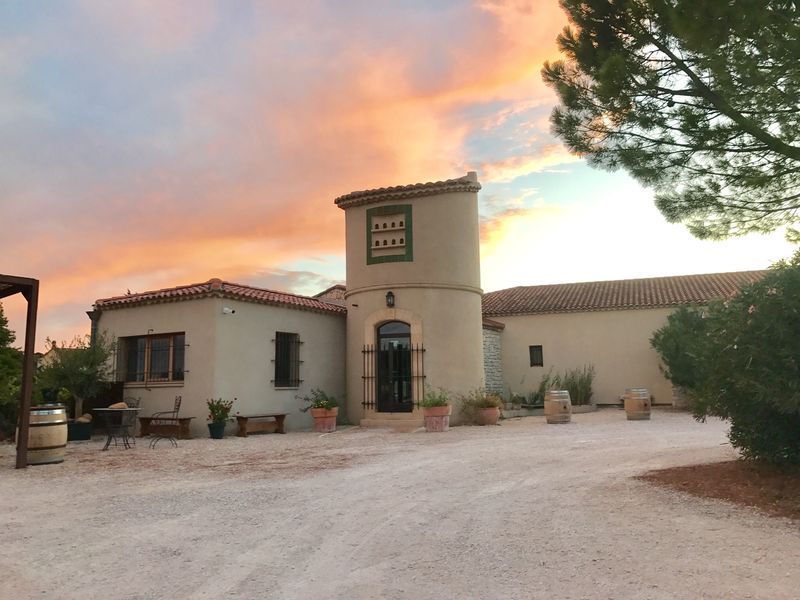
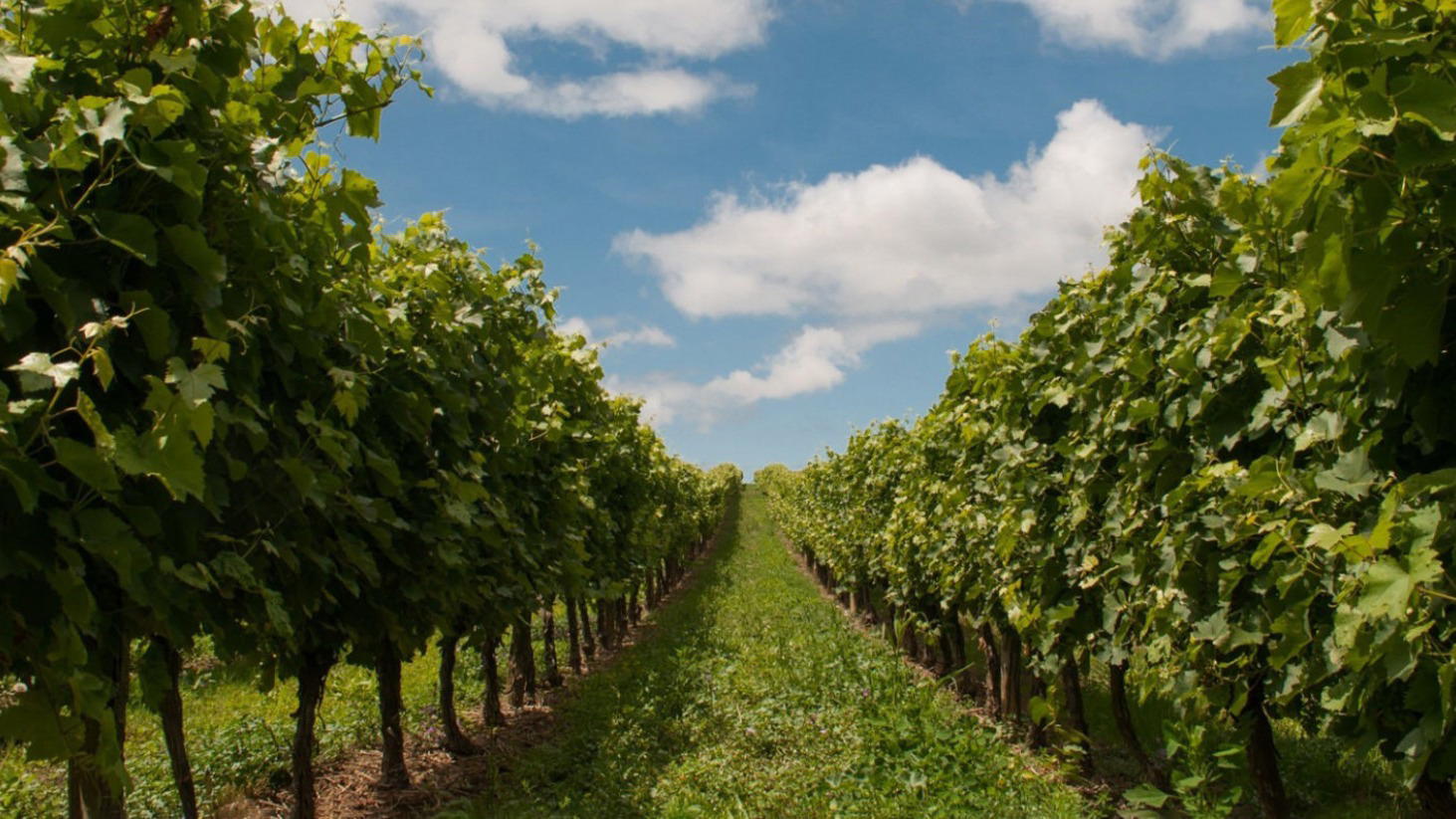
The approach along the Route du Rougadou establishes the character before arrival. This is not urban luxury dropped into a countryside address. The estate's 19th-century architecture reflects the bourgeois Provençal tradition of the mas de maître, a working-estate main house that was designed to project permanence and prosperity while remaining rooted in agricultural landscape. In the Alpilles, that tradition produced buildings in pale limestone with shuttered facades, arranged to manage heat through orientation rather than air-conditioning, surrounded by plane trees and manicured grounds that read more English park than wild garrigue.
That spatial logic carries through to what makes this kind of property work differently from a hotel built new. Rooms in a converted château tend to be irregular, different ceiling heights, different light angles, different floor-plan logic depending on the original function of the space. For some guests this is a frustration; for others it is the point. The lack of uniformity is precisely what distinguishes a stay here from a standardised resort room in a branded property along the coast.
For direct comparison within Saint-Rémy, the town's higher-end accommodation cluster includes Hôtel de Tourrel, which operates as a tightly curated small property inside the town itself, and Auberge De Saint-Rémy, which takes a different format again. Domaine de Chalamon, part of the Fontenille Collection, extends the estate-hotel model into the surrounding countryside. Each occupies a distinct position in a market where guests typically self-select based on whether they want town access or grounds immersion. Château des Alpilles, on the edge of town with estate grounds, occupies the intersection.
The Dining Question in Provence
For a property carrying Michelin recognition and positioned at the upper end of the local market, the dining programme carries weight. In Provence broadly, the most compelling hotel dining has moved away from grand-dining formality toward something more attuned to seasonal produce and regional wine. The Alpilles corridor from Saint-Rémy to Les Baux has historically been serious gastronomic territory: Baumanière Les Baux-de-Provence remains the benchmark reference in this immediate zone, carrying Michelin stars at the restaurant level alongside its hotel operation.
Within that context, a property like Château des Alpilles faces a structural choice common to historic estate hotels across France: does the in-house dining attempt to compete on gastronomic ambition, or does it position itself as a stage for local terroir, directing guests outward to the market, the village restaurants, and the surrounding wine producers? The Michelin Selected designation covers the property as a whole rather than singling out a restaurant program specifically, which means the food-and-beverage offer is part of a holistic assessment rather than a standalone credential.
Comparable estate properties across southern France have resolved this tension in different ways. Villa La Coste in Le Puy-Sainte-Réparade pairs its hotel with a wine estate and starred dining. Hôtel & Spa du Castellet in Le Castellet takes a different approach again. The pattern across the region's leading properties is that produce sourcing and local wine access matter as much as kitchen ambition, and that guests at this level of the market expect both.
Placing It in the Broader French Property Map
Saint-Rémy occupies a different tier from the grand-palace properties of the French coast and capital. Le Bristol Paris, Hotel Du Cap-Eden-Roc, and Hôtel de Paris Monte-Carlo operate at a scale and price point that reflects urban or resort demand. The Alpilles estate model is something different: smaller, quieter, oriented toward guests who are in Provence to be in Provence rather than to be seen at a property.
Across the broader EP Club French portfolio, properties like Domaine Les Crayères in Reims, Royal Champagne Hotel & Spa in Champillon, and La Réserve Ramatuelle illustrate the range of formats within French luxury hospitality. Château des Alpilles fits the historic-estate sub-category rather than the design-hotel or resort categories, which means the competitive conversation is with other converted 19th-century properties offering grounds, calm, and regional rootedness.
Planning a Stay
Saint-Rémy's peak season runs from late June through August, when the Alpilles light is at its most photogenic and the town market draws the heaviest crowds. Spring, particularly April and May, when almond and cherry blossom precede the lavender, and early September into October offer the same landscape without the compression of high summer. Guests accessing the property from further afield typically route through Avignon TGV station, which connects to Paris Gare de Lyon in around two and a half hours, with Saint-Rémy approximately 25 kilometres south. A car is functionally necessary for exploring the Alpilles, visiting Les Baux, or reaching the wine producers of the surrounding area. Booking for peak-season dates should be made several months in advance; the Michelin Selected recognition has consolidated demand at the better-regarded local properties. For a full picture of where Château des Alpilles sits within the town's dining and accommodation options, the EP Club Saint-Rémy-de-Provence guide covers the broader scene.
A Pricing-First Comparison
Comparable venues nearby, for context on price, style, and recognition.
| Venue | Price | Awards | Notes |
|---|---|---|---|
| Château des AlpillesThis venue — the venue you are viewing | $300–500 | Michelin Selected | Not listed |
| Auberge De Saint-Rémy | $300–500 | Michelin Selected · Mr & Mrs Smith Seal of Approval | Saint-Rémy-de-Provence, Contemporary Provençal guesthouse with authentic charm. |
| Hôtel de Tourrel | Not listed | 1 Michelin Key · Design Hotels Member | Saint-Rémy-de-Provence, Renovated historic mansion blending authentic Provençal architecture with modern luxury. |
| Domaine de Chalamon - Fontenille Collection | Not listed | Michelin Selected · Vogue 2026 Vogue Best Hotels in Provence | Saint-Rémy-de-Provence, 16th-century Provençal bastide with modern renovations |
| Domaine de la Privadière | Not listed | Michelin Selected | Uzès, Charming boutique hotel in traditional Provençal mas style with contemporary updates. |
| L’Aventure Hotel | $500–750 | Not listed | 16th arrondissement, Discrete five-star boutique hideaway in a Haussmann building, conceived as an extension of a chic restaurant and private club for Parisian nights. |
Recognition history
Dated appearances from independent guides and award organizations, with the underlying list record or original source where available.
Michelin Selected
Michelin
Continue exploring
More in Saint-Rémy-de-Provence
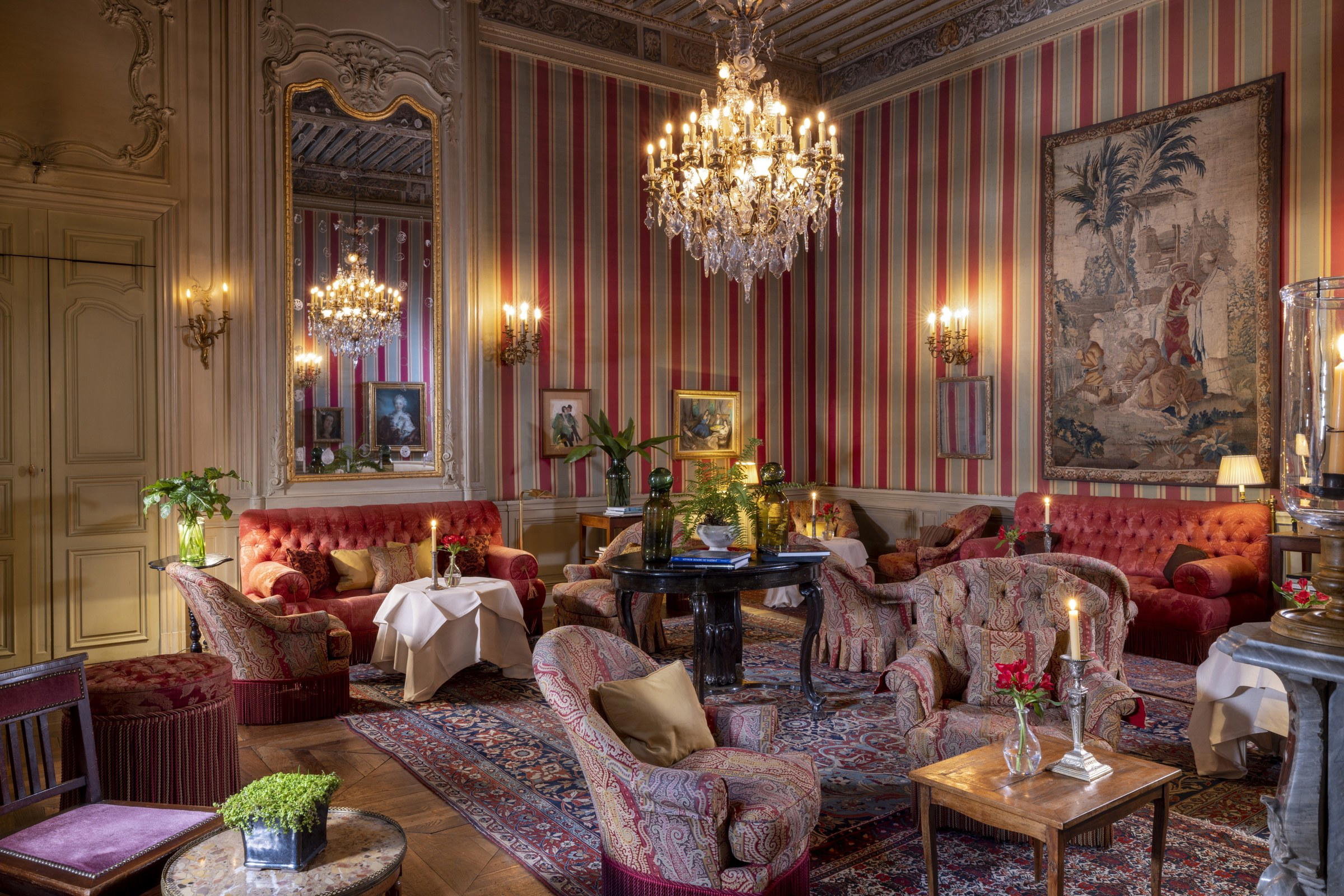
Hotels in Saint-Rémy-de-Provence
Browse all →
Bars in Saint-Rémy-de-Provence
Browse all →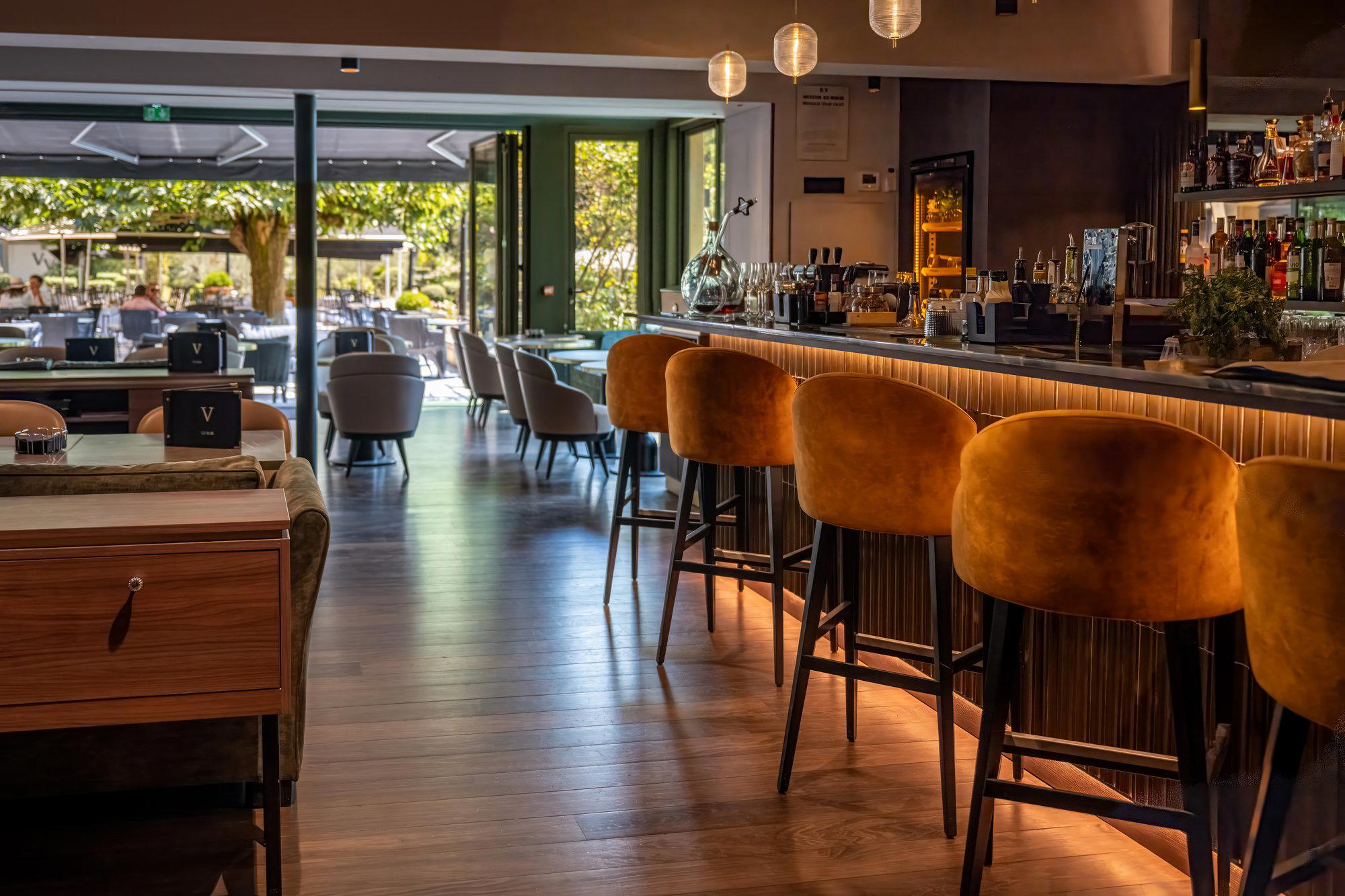
Restaurants in Saint-Rémy-de-Provence
Browse all →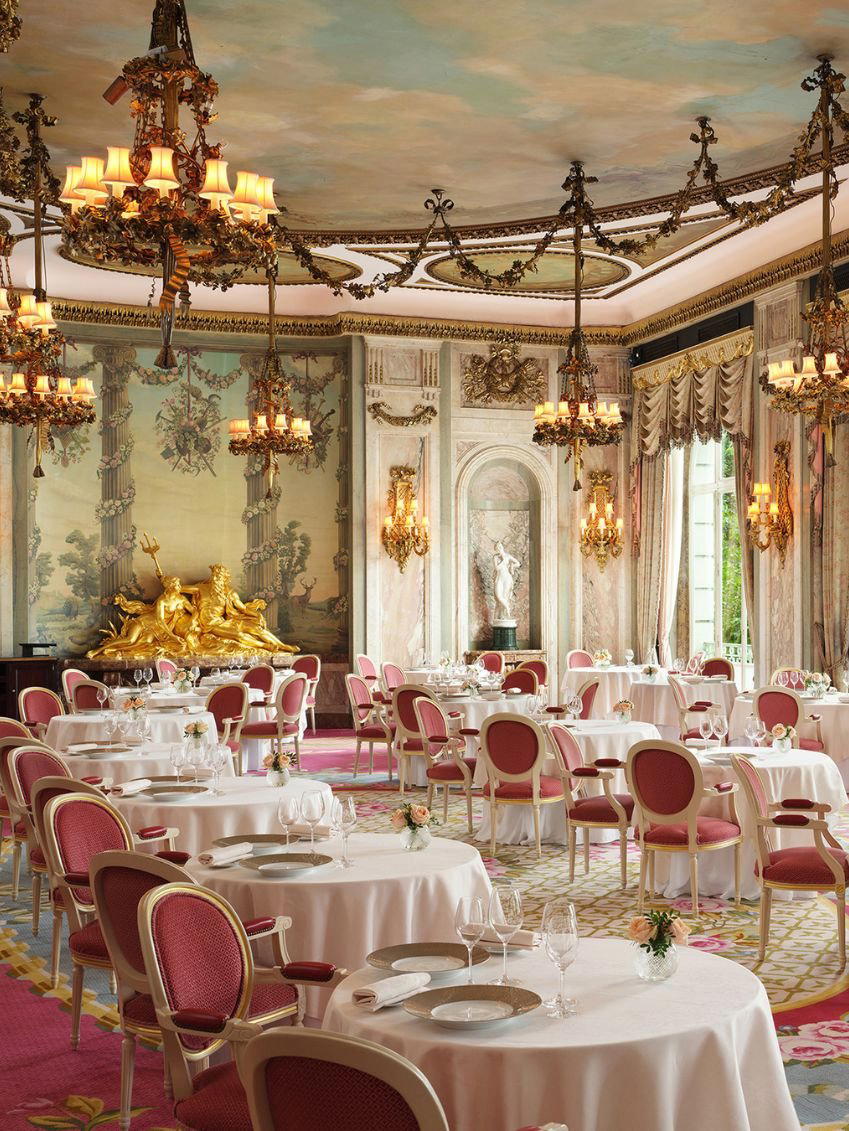
Details
- Romantic
- Elegant
- Intimate
- Scenic
- Classic
- Romantic Getaway
- Honeymoon
- Anniversary
- Weekend Escape
- Destination Wedding
- Garden
- Historic Building
- Terrace
- Private Dining
- Panoramic View
- Wi Fi
- Pool
- Spa
- Fitness Center
- Room Service
- Concierge
- Restaurant
- Bar
- Tennis Court
- Massage
- Garden
- Wheelchair Accessible
- Elevator
- Accessible Restroom
- Accessible Parking
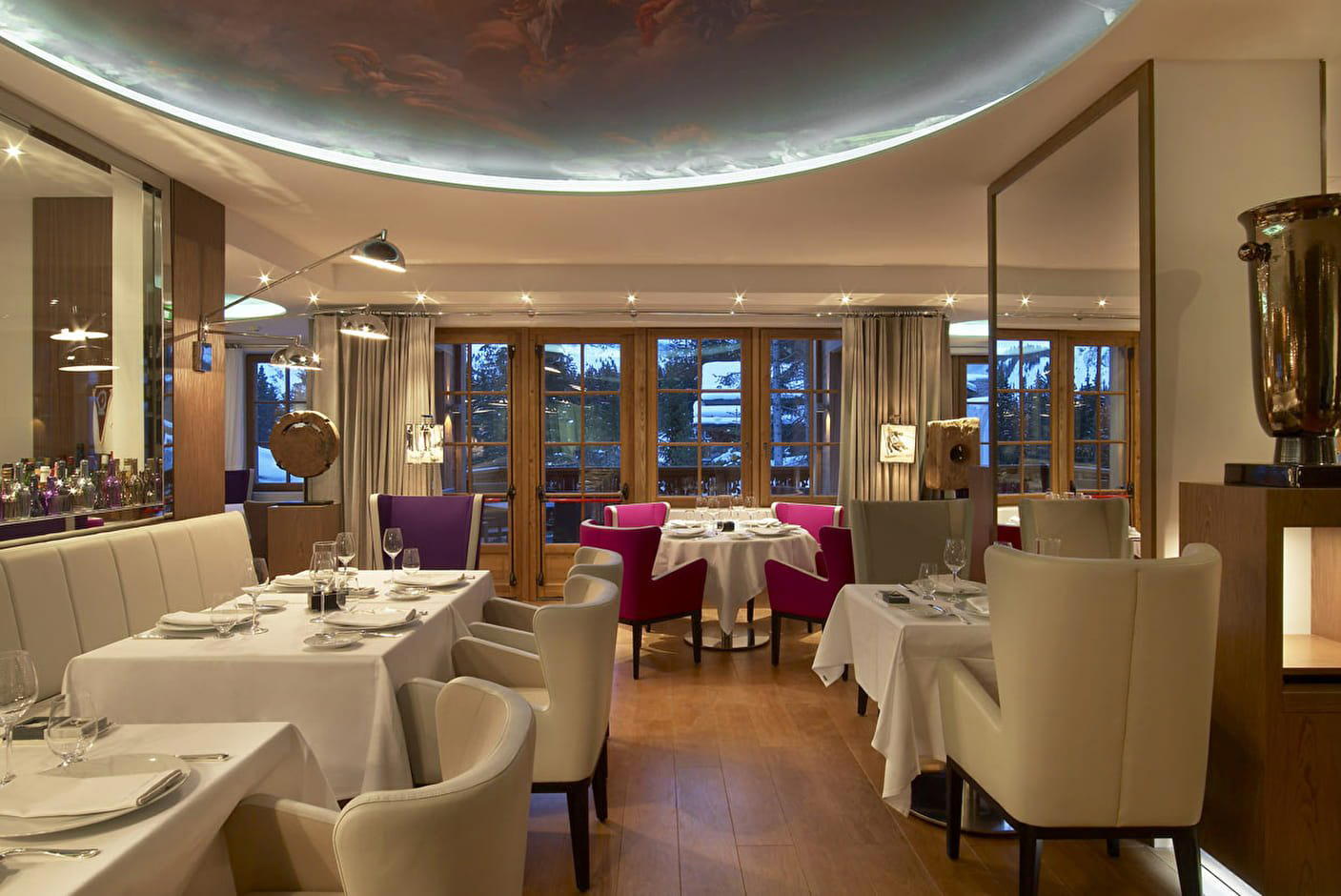
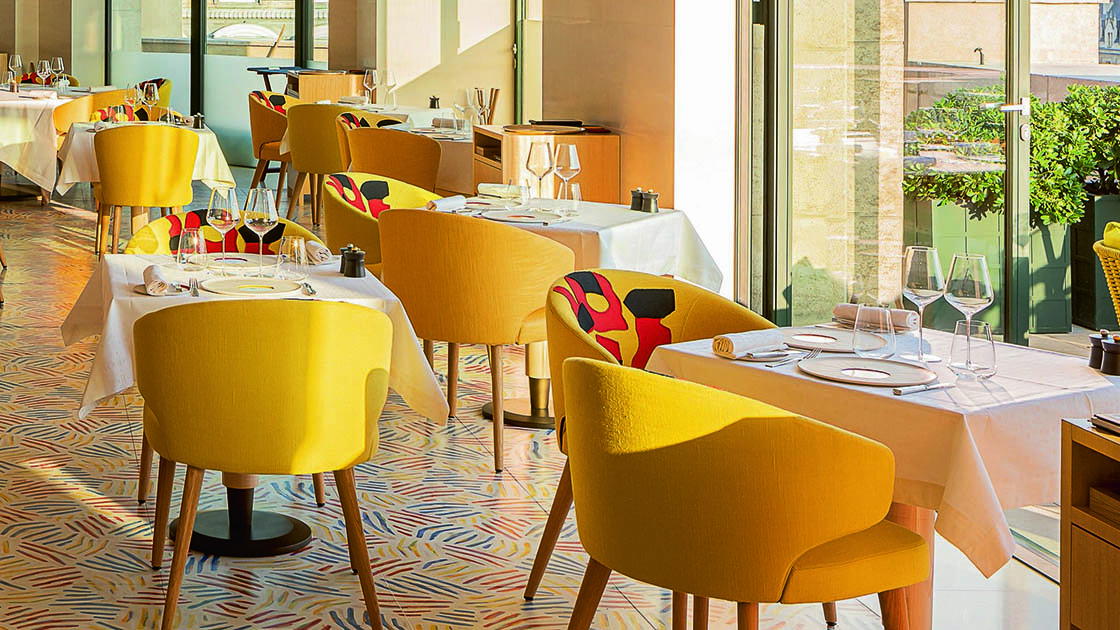
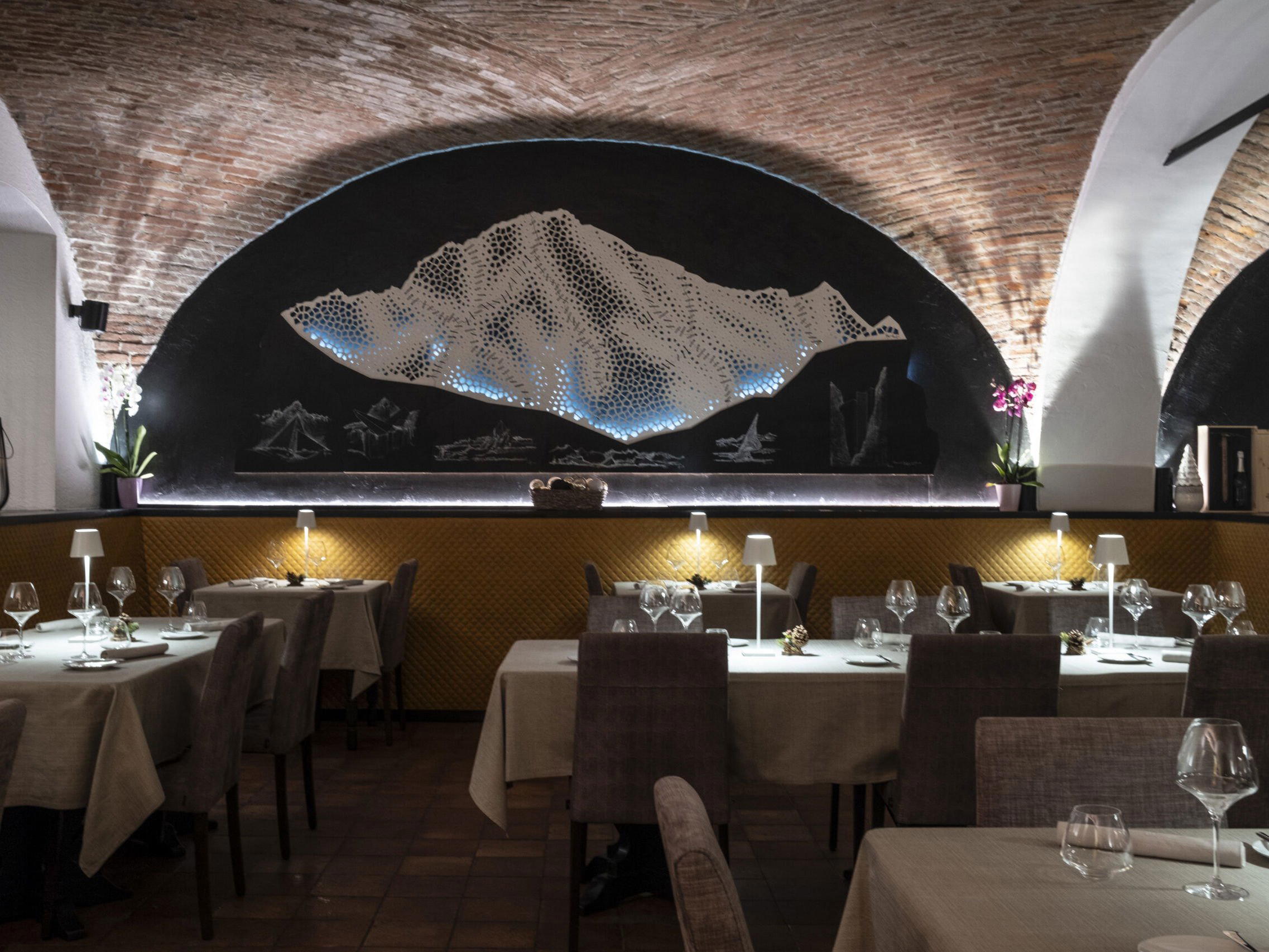
Refined and tranquil with warm French-style interiors, elegant dining spaces, and sun-drenched terraces overlooking manicured gardens and parkland.