
Château de Manissy is a low-key Tavel estate where the interest sits in soil, wind and farming rather than spectacle. Its 60 hectares are farmed organically and biodynamically, with Demeter certification since 2018, and the range moves from Tavel rosé into Lirac, Châteauneuf-du-Pape, Côtes du Rhône, white and orange-leaning bottlings.
Pearl is the En Primeur Club membership app — saves, bookings, and concierge access live there. Same editors, same standards.
- Address
- Tavel, Bourgogne Grand Ordinaire, Occitanie, Frankreich
 Saves & bookings on Pearl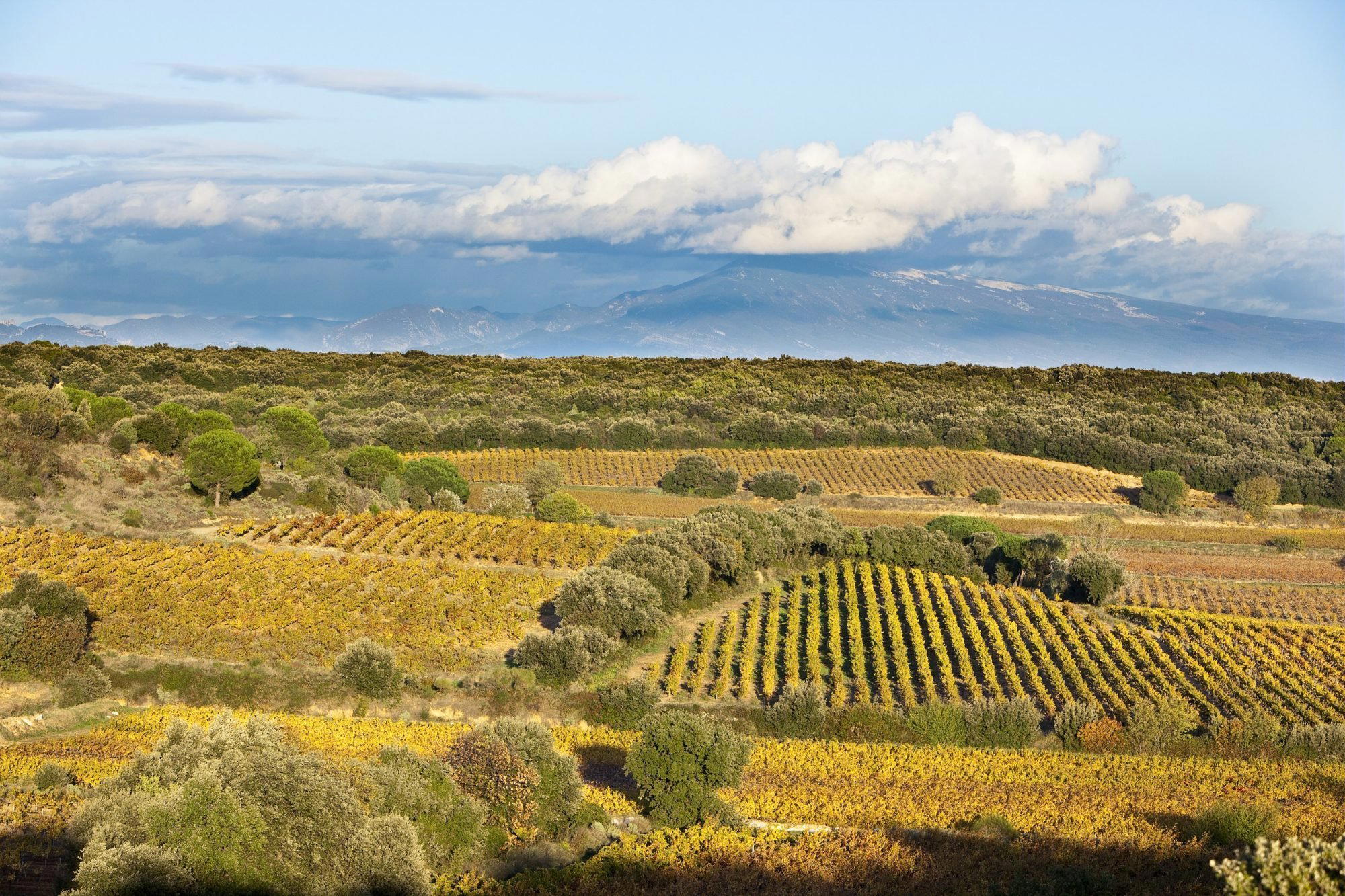
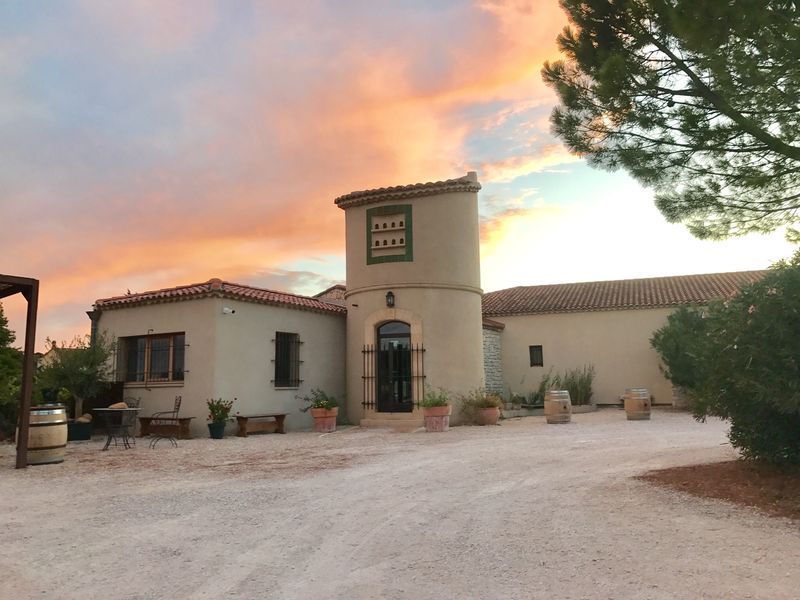
The approach to Château de Manissy is best understood as a rural Tavel experience rather than a polished destination built around spectacle. The picture is a historic 17th-century southern Rhône estate on the right bank of the Rhône, set among vineyards and shaped by a quiet cellar-door character. Its appeal rests on nature, terroir and environmentally respectful farming, with a down-to-earth mood that suits visitors looking for a grounded sense of place. In other words, the value is not in theatrical presentation or a heavily packaged visitor circuit, but in the steadier pleasure of arriving at a working-feeling estate and letting the landscape do much of the talking. For travellers who respond to vineyard settings, historic texture and a low-key sense of authenticity, that restraint is part of the point.
Tavel through a historic Rhône estate
Château de Manissy’s confirmed identity is closely tied to Tavel and the southern Rhône landscape. The estate setting, vineyard surroundings and 17th-century history give the visit its context, while the emphasis is on terroir rather than luxury theatre. For travellers, the useful framing is simple: this is a calm rural stop where the estate itself is the reason to go. The sense of place comes from the combination already visible in the description: an old Rhône property, a vineyard environment and a cellar-door mood that feels more rooted than glossy.
That makes it especially useful for visitors who want their Tavel itinerary to feel connected to the countryside rather than simply to a list of appointments. The estate’s age gives the stop a historical frame, while the vineyards and rural setting keep the experience anchored in the present landscape. Nothing here needs to be overstated: the attraction is the quiet cumulative effect of the place, not a promise of grandeur.
The price is $14 per person. That caution matters because it keeps expectations properly aligned: visitors can plan around the estate’s setting, character and stated price, but should avoid assuming details that have not been confirmed.
What the land is doing in the experience
A reliable way to describe Château de Manissy is as a vineyard estate focused on nature, terroir and environmentally respectful farming. Those ideas are broad, but they are also the core of the experience as it can be fairly presented here. The land is not just a backdrop; it is the lens through which the estate is best understood, shaping the tone of the visit and the way the property sits within Tavel.
Its rural Tavel setting is central to the experience. Visitors should expect a tranquil estate atmosphere among vineyards, with an authentic cellar-door feel. The draw is not a high-energy hospitality scene, but the chance to connect a southern Rhône property with its landscape and farming outlook. That means slowing down enough to notice the setting, the agricultural context and the grounded mood that comes with a place whose appeal is tied to vineyard life rather than showmanship.
The environmentally respectful farming emphasis also supports the same reading of the estate. Without making unconfirmed claims beyond that phrase, it is fair to say that this focus adds to the sense of a visit oriented around stewardship, terroir and the relationship between the property and its surroundings. For travellers, that can make the stop feel more contemplative than performative: less about checking off a grand attraction, more about spending time in a landscape that explains why the estate matters.
Those details should be checked directly with the estate before arrival.
How to fold it into a Tavel itinerary
The winery works well as a calm stop in a Tavel plan: a historic estate visit with a rural rhythm, a vineyard setting and a focus on terroir. It can anchor a simple itinerary for travellers who want a quieter view of the southern Rhône rather than a more commercial experience. The visit is best treated as a pause in the landscape, not as a tightly scripted attraction, which makes it well suited to a day built around the broader feel of Tavel.
For a wider day in Tavel, pair the estate with other local dining or countryside stops generically, and confirm practical details directly before travelling. The baseline is the place, the setting and the $14 per-person price; anything more specific should be checked at the source. That is the safest way to keep the plan both appealing and accurate, especially when unconfirmed details about formats, languages, production or wider offerings should not be assumed.
In that frame, Manissy’s lane is clear: historic Rhône estate character, a tranquil vineyard environment and a down-to-earth cellar-door experience in Tavel. It is a venue for travellers who are comfortable with understatement and who value rural context as much as formal structure. Come to it expecting a grounded sense of place, a connection to the Tavel landscape and a visit defined by calm rather than polish, and the estate’s appeal becomes easy to understand.
Recognition history
Dated appearances from independent guides and award organizations, with the underlying list record or original source where available.
Falstaff Winery - Listed
Falstaff

At a Glance
- Rustic
- Classic
- Scenic
- Romantic
- Intimate
- Group Outing
- Wine Education
- Romantic Getaway
- Solo Exploration
- Special Occasion
- Estate Grounds
- Vineyard Tour
- Barrel Room
- Private Tasting
- Historic Building
- Organic
- Biodynamic
- Sustainable
- Vineyard
- Garden
Historic 17th‑century southern Rhône estate on the right bank of the Rhône, with a tranquil rural setting among vineyards and a focus on nature, terroir and environmentally respectful farming, offering an authentic, down‑to‑earth cellar‑door experience rather than a flashy design destination.