Château de la Gardine

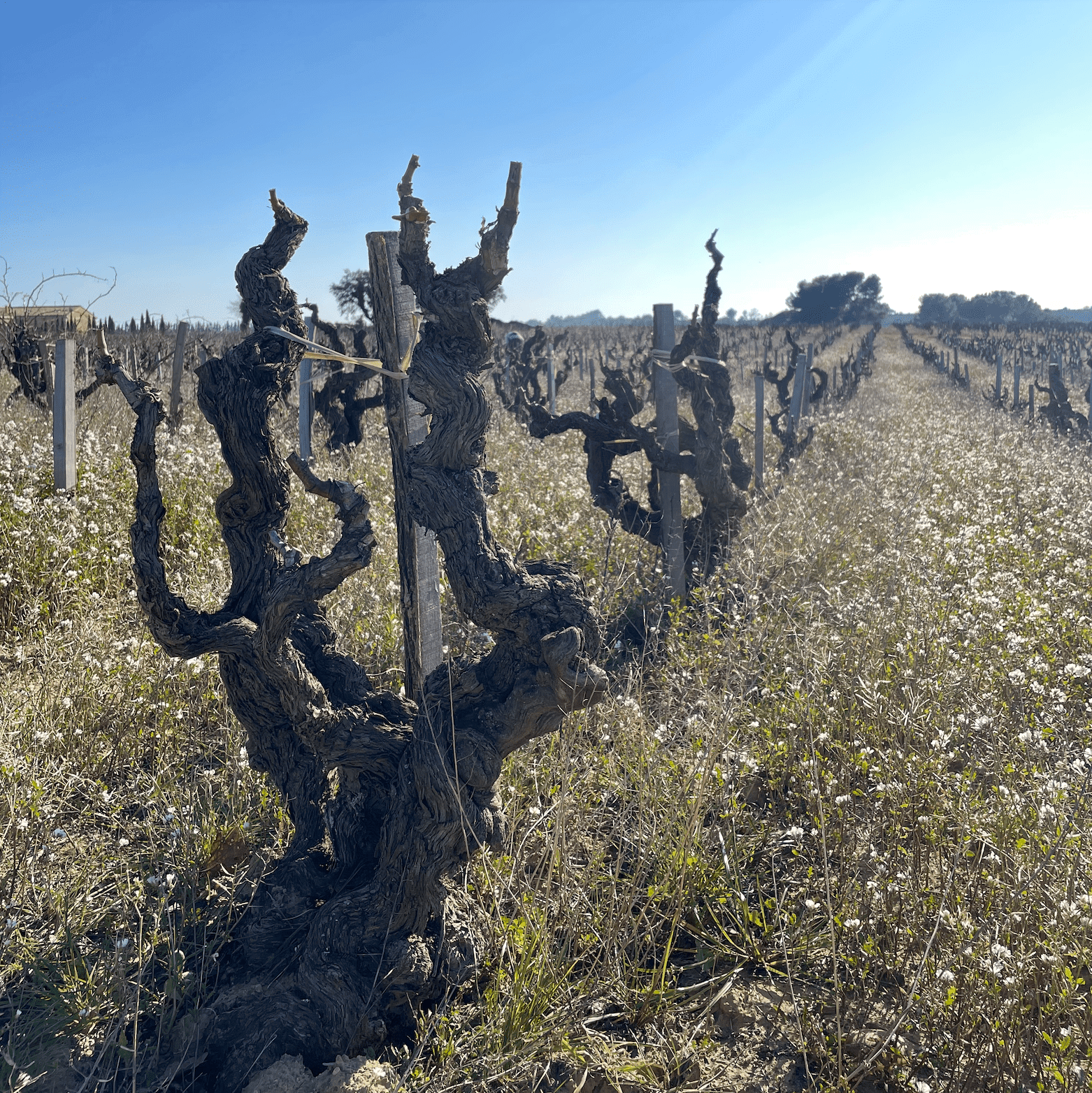
Château de la Gardine is a historic family estate in Châteauneuf-du-Pape, working Grenache, Syrah, Mourvèdre, Roussanne and Clairette across estate vineyards and a surrounding forest belt. The draw is terroir literacy: Rhône valley views, an educational cellar format, sustainable vineyard practice and wines shaped by limestone, Mistral and old-vine southern Rhône structure.
Pearl is the En Primeur Club membership app — saves, bookings, and concierge access live there. Same editors, same standards.
- Address
- Châteauneuf-du-Pape, Vaucluse, Frankreich
 Saves & bookings on Pearl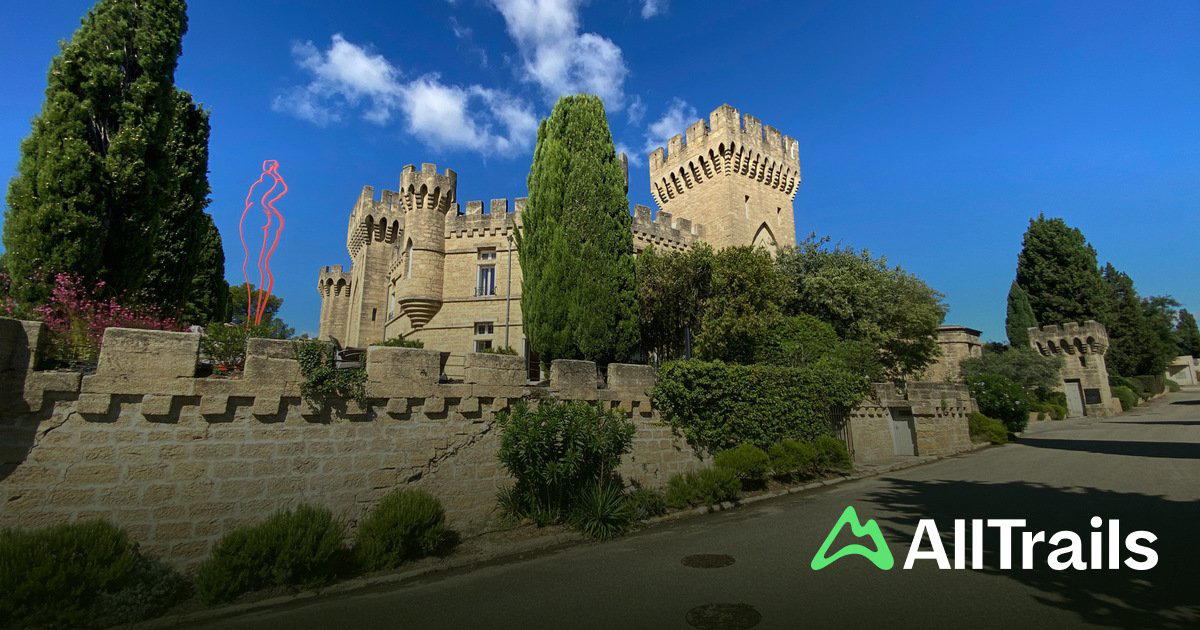
Château de la Gardine is a historic 18th-century family estate in Châteauneuf-du-Pape, set in a range of vineyards with broad views toward the Rhône valley. The appeal is not a theatrical cellar-door experience, or a visit built around spectacle for its own sake, but a warm and welcoming tasting cellar where the setting helps frame the estate and its place in the local landscape. It is the kind of stop where the surroundings matter: the vineyards, the sense of age, and the view toward the valley all help visitors understand why the estate feels rooted rather than merely presented.
For visitors, the draw is the combination of heritage, scenery and explanation. The atmosphere is relaxed rather than formal, and the experience is especially suited to travellers who want staff to talk through the estate’s philosophy and give context during the visit. That context is important, because it turns the tasting cellar from a simple pause on an itinerary into a more considered introduction to the estate. Rather than relying on a highly staged format, the visit work through conversation, welcome and the chance to place what is being tasted within the broader character of Châteauneuf-du-Pape.
Vineyards and the Rhône valley in view
Châteauneuf-du-Pape is often approached through its landscape as much as through any single stop: vineyards and the Rhône valley shape the way visitors understand the area. At Château de la Gardine, one grounded reason to visit is the chance to connect that landscape with an estate experience in a calm, educational setting. The views are not just background decoration; they help give the visit a clear sense of where you are, and why this particular cellar belongs to this particular place.
That sense of landscape is especially valuable for travellers who prefer wine visits that feel anchored in their surroundings. The estate’s position among vineyards, with the valley opening out beyond, gives the experience a wider frame than the tasting room alone. It allows the visit to move between the immediate hospitality of the cellar and the broader visual context of Châteauneuf-du-Pape, so that heritage, geography and explanation support one another rather than feeling like separate parts of the day.
The cellar experience should be understood as explanatory rather than showy. Staff are noted for giving detailed insights into the estate’s philosophy, which makes the visit useful for guests who want more than a quick stop and a view. This is the main reason to allow time for the visit rather than treating it as a box to tick: the value lies in listening, asking questions, and letting the staff’s explanation connect the estate’s history, outlook and setting in a way that feels accessible.
A cellar visit built around explanation, not spectacle
The tasting cellar is described as warm and welcoming, with panoramic views over vineyards and the Rhône valley. That combination gives the estate enough sense of place for a slower visit, while the relaxed tone keeps it approachable. It is not presented as a formal performance or a polished set piece, but as a hospitable cellar experience where visitors can settle into the setting and take in the view without feeling rushed into a rigid format.
This matters because cellar visits in a famous wine village can sometimes feel dominated by reputation before the visitor has had a chance to understand the place itself. Château de la Gardine’s appeal, as described here, is more measured. The visit gives room for the estate to be explained rather than simply displayed. The warmth of the welcome and the emphasis on conversation make it better suited to travellers who enjoy learning through context, especially when that context is delivered in a relaxed environment rather than a highly formal one.
The winery’s strongest identity is not an award list, score sheet or detailed service format. It is a historic family estate where the cellar visit is built around hospitality, perspective and staff explanation of the estate’s philosophy. That gives the stop a clear editorial shape: it is about understanding the estate through its people, its setting and its outlook, rather than measuring it against a checklist of external markers. The absence of a showy emphasis is part of the point, because the visit is strongest when approached as a calm encounter with a longstanding estate.
For broader planning, consider it as an estate-focused stop in Châteauneuf-du-Pape, then map meals, stays and other local experiences separately through general Châteauneuf-du-Pape planning resources. It can sit comfortably within a wider day or trip because its purpose is well defined: heritage, landscape, hospitality and explanation. Visitors who want a compact but meaningful estate experience can use it as one of the more grounded parts of an itinerary, while leaving other parts of the trip to cover dining, accommodation or additional local exploration.
Where it fits in a wider trip
Châteauneuf-du-Pape rewards visitors who compare estates by atmosphere, landscape and the quality of explanation rather than by chasing a single headline name. The winery fits best as a relaxed, educational estate visit with vineyard and Rhône valley views, especially for travellers who want a historic setting without a stiff or overly formal mood. Its role in a wider trip is therefore quite specific: it offers a sense of place, a family-estate backdrop and a cellar visit that favours welcome and interpretation over drama.
That makes it particularly useful for travellers building a balanced Châteauneuf-du-Pape itinerary. It is not framed as the place to come for spectacle, nor as a stop defined by claims outside the visit itself. Instead, it is a way to spend time with the landscape and hear the estate explained in a setting that feels approachable. For visitors who value calm pacing, clear context and vineyard views toward the Rhône valley, the winery can provide the kind of estate experience that helps the wider area feel more legible.
Recognition history
Dated appearances from independent guides and award organizations, with the underlying list record or original source where available.
Falstaff Winery - Listed
Falstaff
Continue exploring
More in Châteauneuf-du-Pape
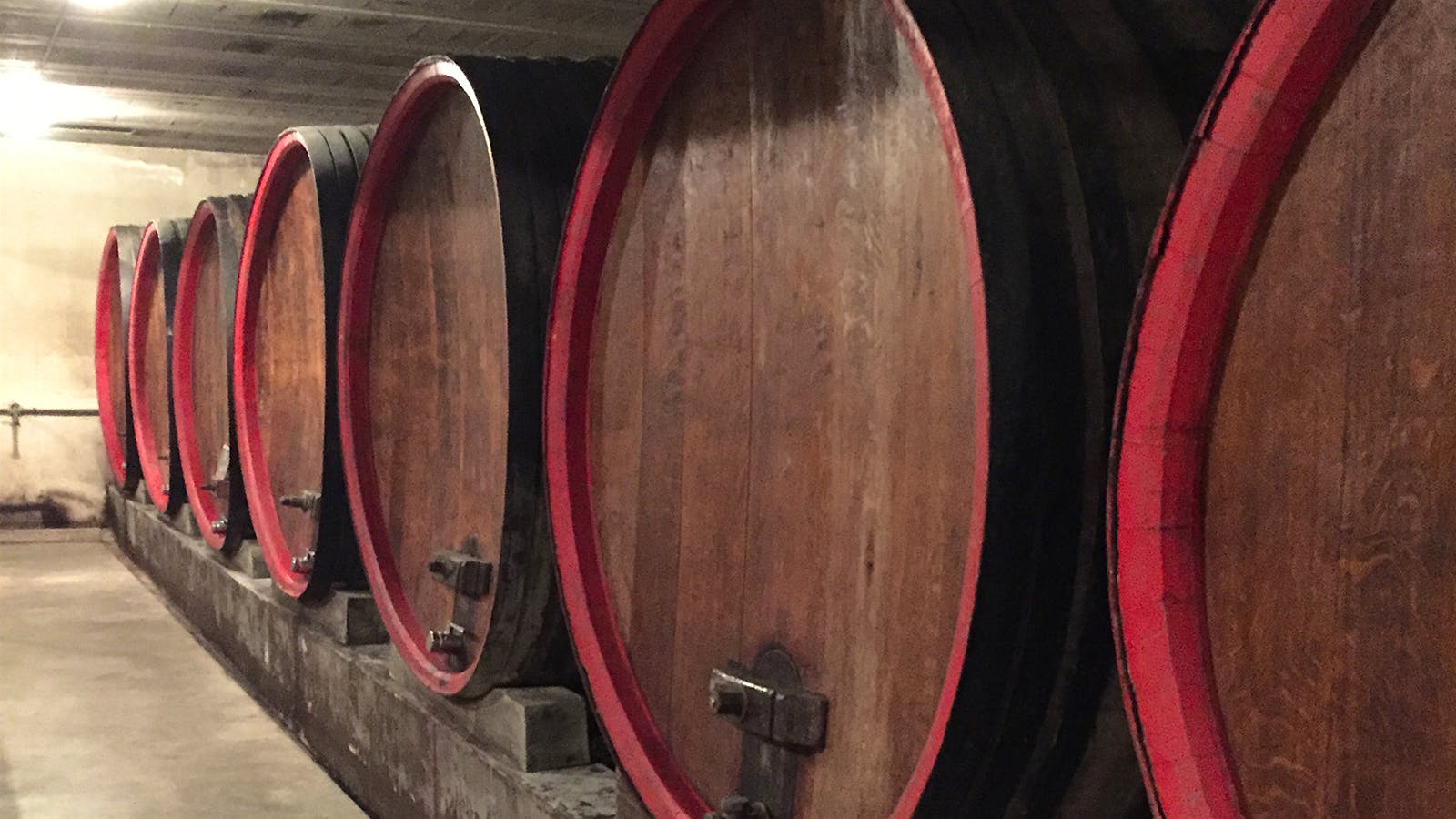
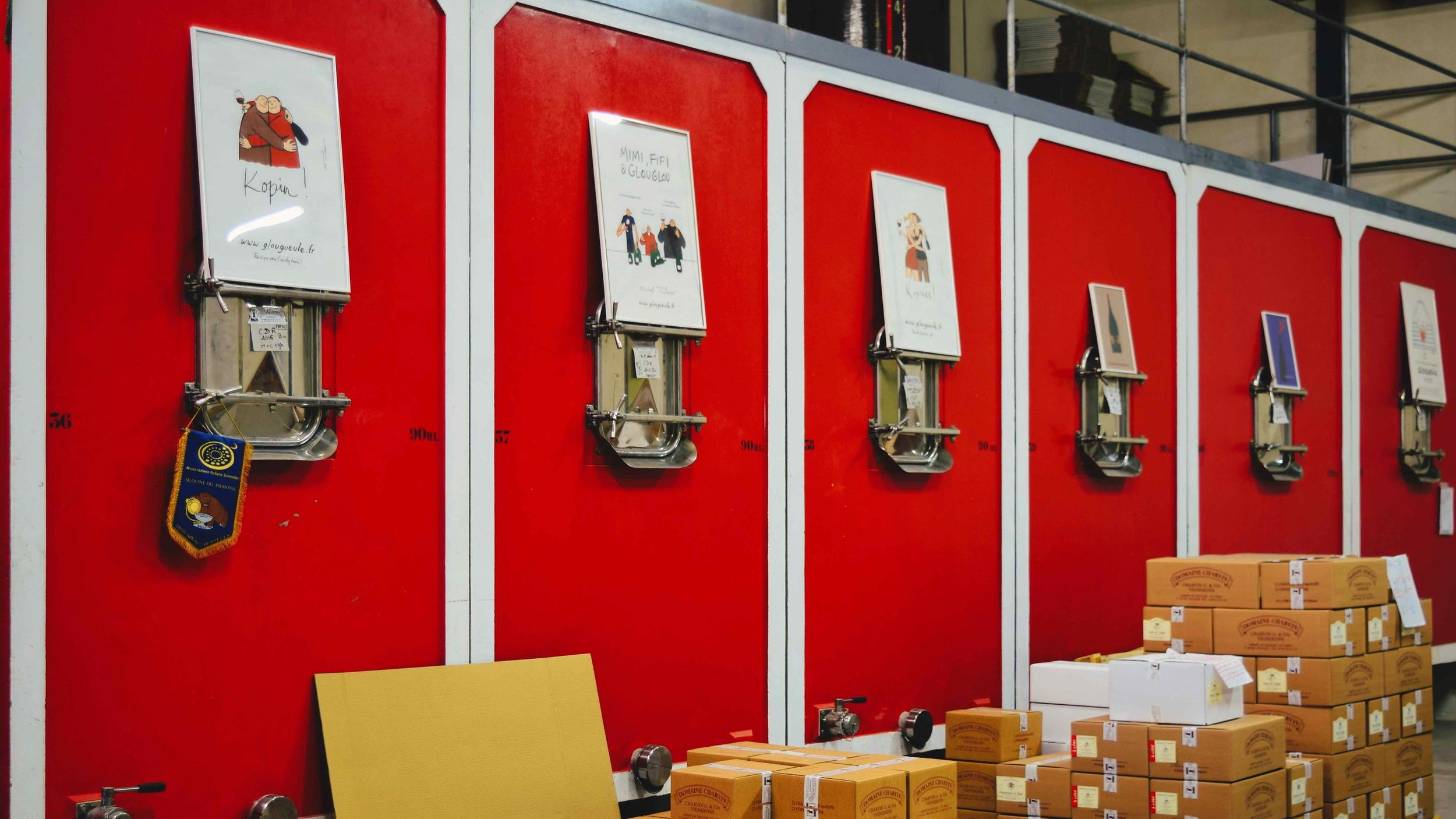
Wineries in Châteauneuf-du-Pape
Browse all →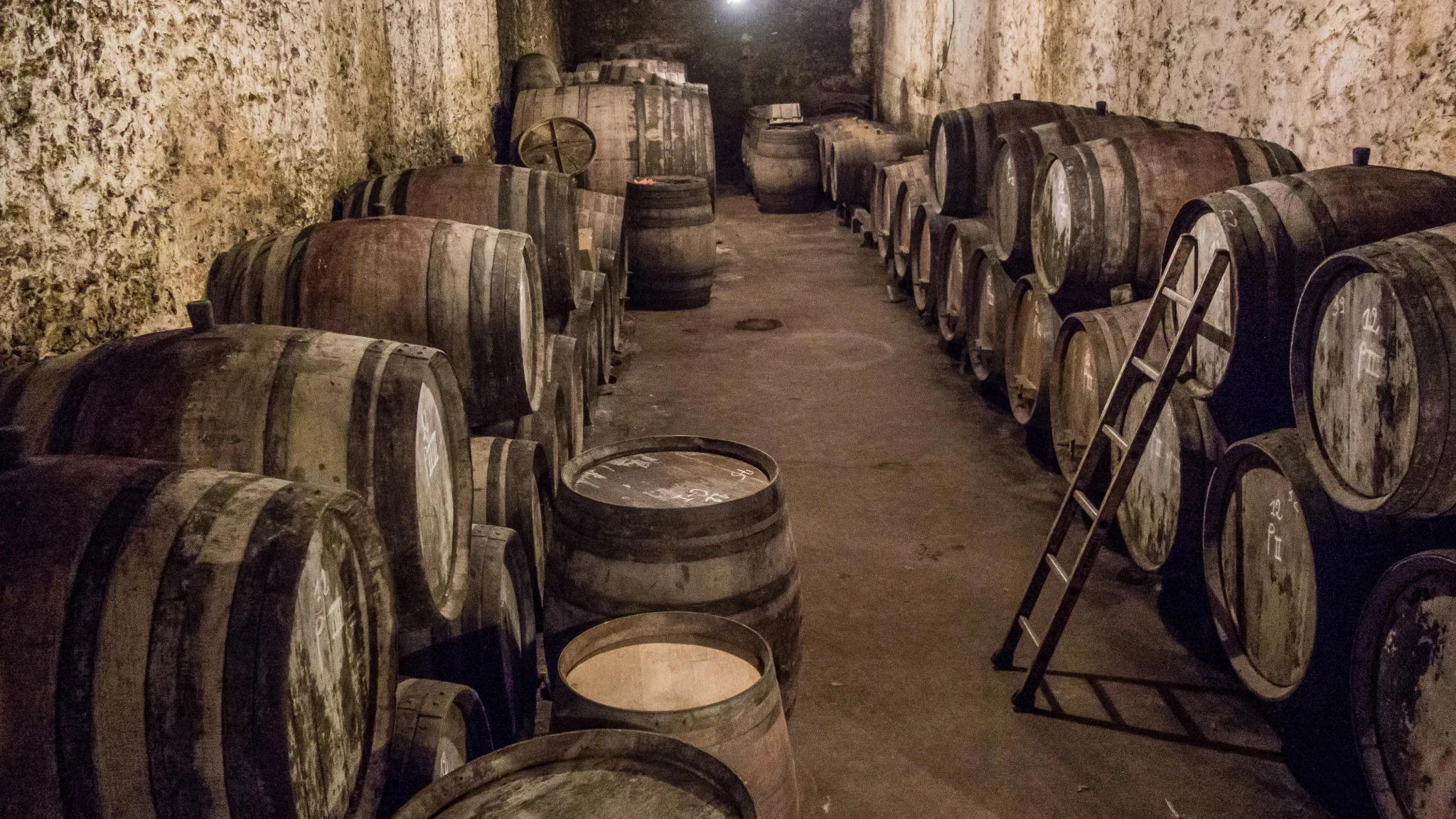
Restaurants in Châteauneuf-du-Pape
Browse all →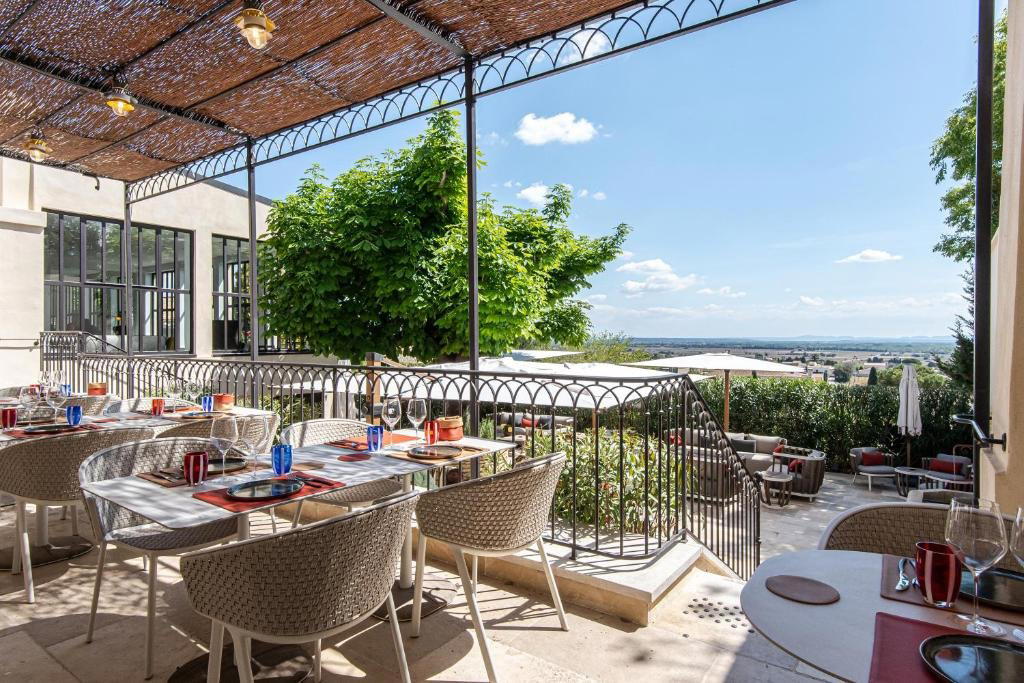
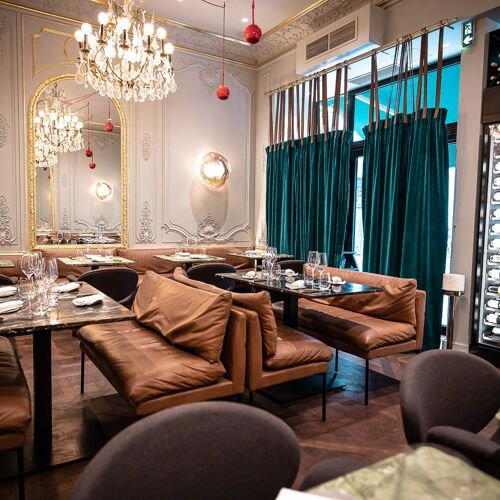
Hotels in Châteauneuf-du-Pape
Browse all →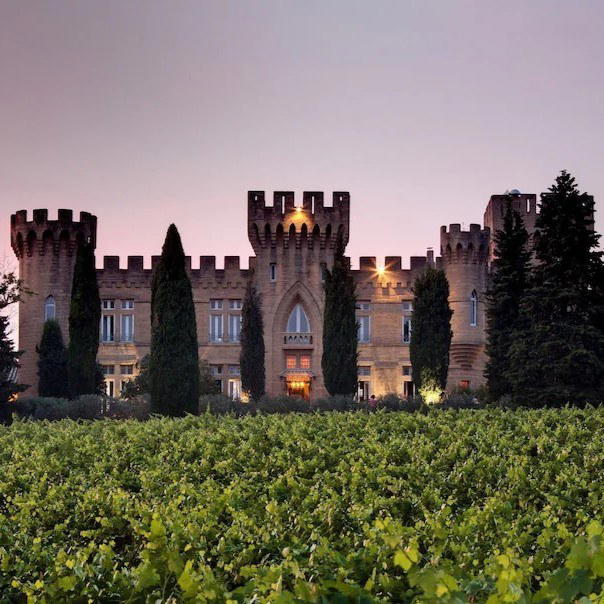
At a Glance
- Scenic
- Classic
- Rustic
- Well Known
- Romantic
- Intimate
- Group Outing
- Romantic Getaway
- Wine Education
- Special Occasion
- Solo Exploration
- Family
- Estate Grounds
- Panoramic View
- Historic Building
- Private Tasting
- Vineyard Tour
- Sustainable
- Vineyard
- Waterfront
- Garden
- Châteauneuf Du Pape AOC
- Grenache
- Syrah
- Mourvèdre
- Roussanne
- Clairette
- Still Red
- Still White
- Bar Tasting
- Seated Tasting
- Library/vintage Tasting
- Group Tasting
- Private Hire
Current opening hours
- Monday
- 9 am–6:30 pm
- Tuesday
- 9 am–6:30 pm
- Wednesday
- 9 am–6:30 pm
- Thursday
- 9 am–6:30 pm
- Friday
- 9 am–6:30 pm
- Saturday
- 10 am–6:30 pm
- Sunday
- Closed
Hours can change for holidays and private events. Last verified .
Historic 18th‑century family estate with a warm, welcoming tasting cellar offering panoramic views over vineyards and the Rhône valley; atmosphere is relaxed yet educational, with staff giving detailed insights into the estate’s philosophy and the Châteauneuf‑du‑Pape terroir.