小判寿司
Our verdict
Kodaijushibu sits in Tanagura Machi, a small town in Fukushima Prefecture's Higashishirakawa District, within a regional dining tradition shaped by the agricultural and forested landscapes of interior Tohoku. With minimal public-facing information available, the restaurant occupies the kind of local, appointment-style position common to rural Japan's most considered dining rooms. Travellers researching the Fukushima region's food culture will find it worth investigating directly.

Pearl is the En Primeur Club membership app, where members save venues, book tables and use the concierge.
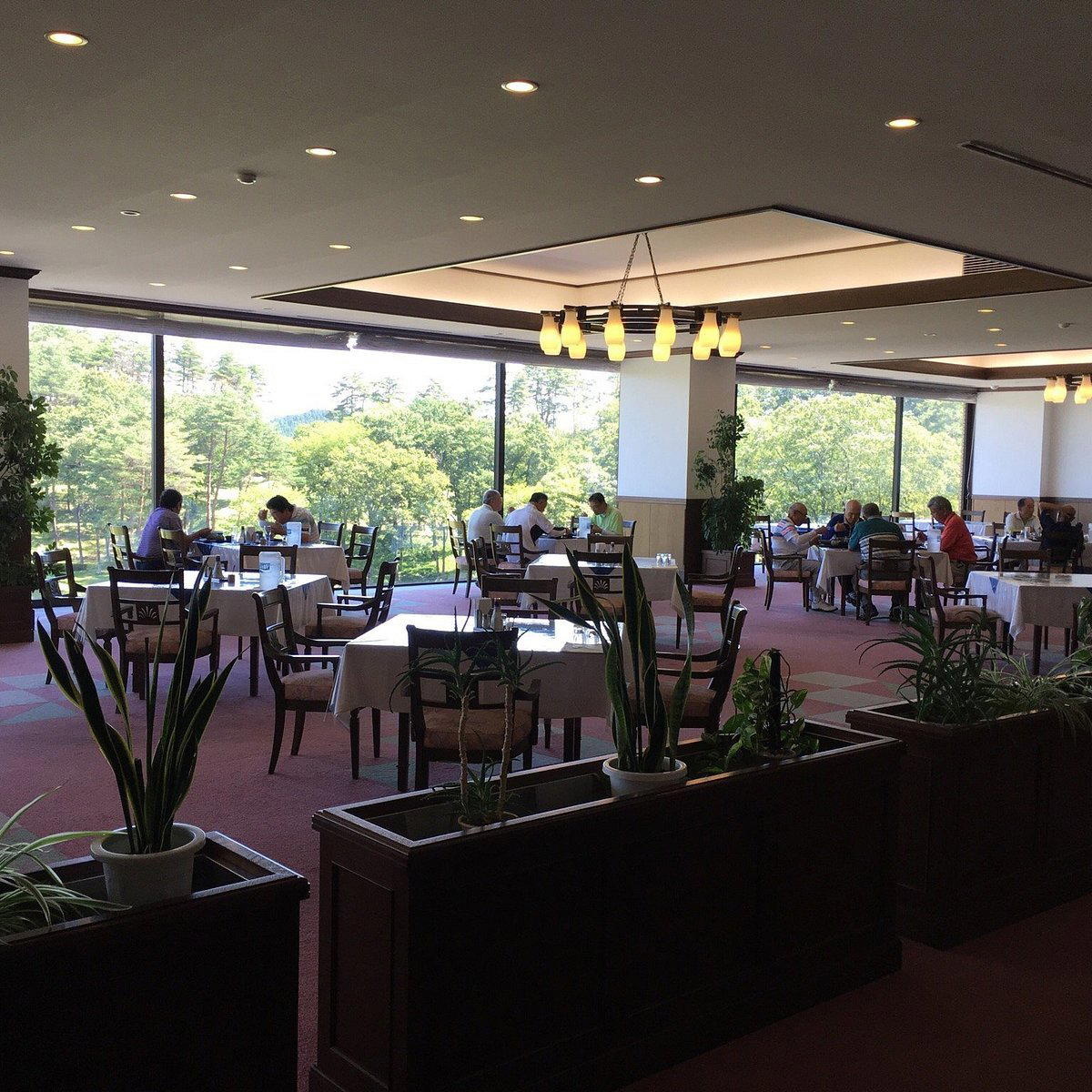
Interior Tohoku and the Logic of Eating Close to the Source
Fukushima Prefecture sits at the intersection of three distinct Japanese landscapes: the Pacific coastal plain, the central basin farmland of the Aizu region, and the forested mountain corridors that run south toward Tochigi and Ibaraki. Tanagura Machi, in the Higashishirakawa District at Fukushima's southern edge, belongs to that third zone. It is rice-country and timber-country, a place where the agricultural calendar still organises local life in ways that prefectural capitals have largely stopped pretending to follow. Dining in towns like this one tends to reflect that rhythm directly: what is grown nearby, when it is ready, and how to prepare it without overclaiming.
The ingredient logic that governs regional Japanese cooking at this scale is worth understanding before you arrive. Fukushima's interior produces short-grain rice that consistently scores well in national taste assessments, stone-fruit from the basin orchards, mountain vegetables harvested across spring and early summer, river fish from the Abukuma watershed, and a range of fermented and preserved preparations that reflect long winters and historically limited refrigeration. These are not marketing categories. They are the actual building blocks of what local cooks have access to, and the leading small dining rooms in areas like Higashishirakawa tend to express them without mediation. For broader context on how Japan's regional restaurant culture connects to these sourcing traditions, our full Tanagura Machi restaurants guide covers the town's dining in detail.
What to Expect from a Dining Room at This Scale
Publicly available data on 小大寿司場 (Kodaijushibu) is sparse. No price range, seating count, hours, or awards appear in the record, which itself tells you something about the venue's operating posture. Restaurants in rural Fukushima towns that have not built a public web presence or active listing profile tend to fall into one of two categories: long-established neighbourhood institutions that rely entirely on repeat local custom, or tightly operated specialty rooms where the owner controls access and volume deliberately. In either case, the visitor calculus is different from booking a counter in Tokyo or Osaka.
The address places the restaurant on Furumachi street in central Tanagura, a district associated with the town's older commercial and residential core. In Japanese provincial towns, Furumachi addresses often signal pre-war establishment history, though that should be treated as contextual inference rather than confirmed fact for this specific venue. What is clear is that the venue is not positioned for walk-in tourist traffic in the way that dining rooms in higher-footfall prefectural cities are. Travellers planning around it should treat direct contact, ideally in Japanese, as the operative first step.
For a sense of what regional Japanese fine dining looks like when it does reach a higher public profile, the contrast with urban benchmarks is instructive. Harutaka in Tokyo and Gion Sasaki in Kyoto both represent the top tier of their respective city formats, with Michelin recognition and multi-month booking queues. A small-town Fukushima dining room operates in an entirely different register, where local reputation and ingredient access matter more than international recognition structures. That is not a deficiency. It is a different set of values, and one that increasingly draws serious eaters away from the urban circuit.
The Sourcing Context: Why Fukushima's Interior Matters
One dimension of eating in this part of Japan that deserves specific attention is the continued reputational sensitivity around Fukushima agricultural products following the 2011 nuclear incident. The factual picture, established through years of systematic testing by Japan's Ministry of Agriculture and independent international bodies, is that Fukushima-origin produce has met safety standards continuously and that the prefecture's agricultural output is monitored more rigorously than almost any other region in the world. The gap between that documented reality and public perception outside Japan remains wide, which has created an unusual market condition: producers in Fukushima grow rice and vegetables of demonstrable quality at prices that do not reflect that quality, because stigma suppresses demand. Local restaurants in towns like Tanagura are among the most direct beneficiaries of this situation, working with ingredients that are priced as ordinary but produced with extraordinary care.
The Abukuma River system, which runs through the Higashishirakawa basin, also supports freshwater fishing traditions that rarely appear in international food writing. Ayu, or sweetfish, is caught in season from these rivers as it is across much of Japan's interior, but the Tohoku variants tend to have a slightly different fat profile reflecting cooler water temperatures. Mushroom harvesting in the forested hills surrounding Tanagura follows a seasonal calendar that shapes autumn menus across the area. These are not details specific to one restaurant. They are the raw material context that any serious dining room in the district is working with.
Other regional dining rooms across Japan that have built strong identities around comparable sourcing logic include akordu in Nara, which applies European technique to local Kinki-region ingredients, and Goh in Fukuoka, which has used Kyushu's agricultural depth as a foundation for kaiseki-influenced cooking. The approach of grounding a menu in genuine regional sourcing rather than importing premium ingredients from elsewhere is not unique to rural venues, but it is most visible and least mediated in towns where proximity to the source is a practical fact rather than a positioning choice.
Planning a Visit
Tanagura Machi is accessible by rail from Kōriyama, the prefecture's largest city, via the Suigun Line, though journey times are long and service frequency is limited compared to urban routes. Travellers arriving from Tokyo are likely to route through Kōriyama, which sits on the Tohoku Shinkansen and is approximately 90 minutes from Tokyo Station. Hiring a car from Kōriyama is the most practical approach for exploring the Higashishirakawa District at any depth, and it allows access to the broader agricultural and natural landscape that gives this area its character.
Given the absence of publicly listed hours, booking methods, or contact details for 小大寿司場 specifically, arriving without prior confirmation is a significant risk. Visitors with Japanese language access, or who can work through a hotel concierge in Kōriyama, are better positioned than those relying on English-language reservation platforms. The restaurant does not appear in the major international booking systems at the time of writing. For comparison, more accessible regional venues across Japan's interior with established booking routes include 一本木なか川製 in Nanao and 湖邸廃墟 in Takashima, both of which operate in similarly non-urban contexts but with clearer public-facing logistics. For those building a broader Japan itinerary, our coverage of HAJIME in Osaka provides context on how Japan's most technically ambitious cooking relates to the quieter regional traditions that ultimately supply much of the same ingredient vocabulary.
Frequently asked questions
Is 小大寿司場 child-friendly?
No seating configuration or children's menu details appear in publicly held records for 小大寿司場. Given its location in Tanagura Machi, a small interior town in Higashishirakawa District, the venue likely operates at a modest, neighbourhood scale where families are not uncommon, but confirming any specific provision requires direct contact with the restaurant before visiting.
How do I find å°å¤å¯¿å¸?
å°å¤å¯¿å¸ is located at îFurumachi-30-2 Tanagura, Higashishirakawa District, Fukushima 963-6131, Japan, Tanagura Machi.
Can I walk in to å°å¤å¯¿å¸?
Reservations are recommended for å°å¤å¯¿å¸ in Tanagura Machi. Confirm current policy via the venue's official channels.
What makes å°å¤å¯¿å¸ worth seeking out?
å°å¤å¯¿å¸ is best approached by focusing on the core concept and signature offerings.
Comparison Snapshot
Comparable venues nearby, for context on price, style, and recognition.
| Venue | Cuisine | Price | Awards | Notes |
|---|---|---|---|---|
| 小判寿司This venue (the venue you are viewing) | Japanese Rice Restaurant | Not listed | Not listed | Not listed |
| Katsuretsu Tei (勝烈亭 新市街本店) | Traditional Tonkatsu (Pork Cutlet) | Not listed | Not listed | Shinshigai, Chuo-ku |
| Kumasotei (熊襲亭) | Authentic Satsuma Shabu-Shabu | Not listed | Not listed | 天文館 |
| Ide Shoten (井出商店) | Wakayama-style ramen (chuka soba) | $1–10 | Tabelog 100 #59 | Tanakamachi |
| Saboten (新宿さぼてん) | Tonkatsu (Japanese Pork Cutlet) | $10–20 | Not listed | Narita Airport |
| Kuroyuri (黒百合) | Traditional Kanazawa Oden Izakaya | $20–30 | Not listed | Kanazawa Station |
Continue exploring
More in Tanagura Machi
Restaurants in Tanagura Machi
All restaurants in Tanagura Machi →

Hotels in Tanagura Machi
Browse all →
Details
- Casual Hangout
- A La Carte
Cozy and casual Japanese dining atmosphere.