Brushstroke
Kaiseki in Manhattan has always been a precarious proposition — the format demands seasonal precision, multi-course restraint, and a kitchen culture that takes years to build. Brushstroke, which operated at 30 Hudson Street in Tribeca until its closure in 2018, made a credible case for the format on American soil, drawing on a collaboration between David Bouley and Yoshiki Tsuji of the Osaka-based Tsuji Culinary Institute, with chef Isao Yamada leading the kitchen through much of its run. The dining room reflected the philosophy on the plate: steel, stone, and reclaimed wood gave the space the quiet austerity of a training hall rather than the theatrical warmth of a conventional fine-dining room. The format centered on a seasonal tasting menu, with courses built around the kaiseki progression of small, precisely composed plates, rice, and sashimi sequences. Tasting menus were reported in the $85–$135 range in earlier periods, with pricing climbing as the program matured — positioning Brushstroke firmly in the upper tier of downtown Manhattan dining at the time. Critical reception acknowledged the ambition. The New York Times covered the restaurant positively, and the related sushi counter operating within the same space, Ichimura at Brushstroke, earned its own Michelin recognition — a signal of the technical depth the address sustained. The Tribeca location carried additional weight as part of Bouley's long-established downtown footprint, occupying a site with a documented history in serious New York dining. Brushstroke closed in 2018. For anyone researching the arc of Japanese fine dining in New York, it represents a specific and documented chapter: a genuine attempt to transplant kaiseki's seasonal logic into a Western metropolitan context, backed by institutional culinary training from Japan and the operational infrastructure of one of the city's more serious restaurant operators. The record it left is one of ambition executed with consistency, even if the format ultimately proved difficult to sustain long-term in the New York market.
- Address
- 30 Hudson St (at Duane St), New York, NY 10013
- Directions
- Get directions
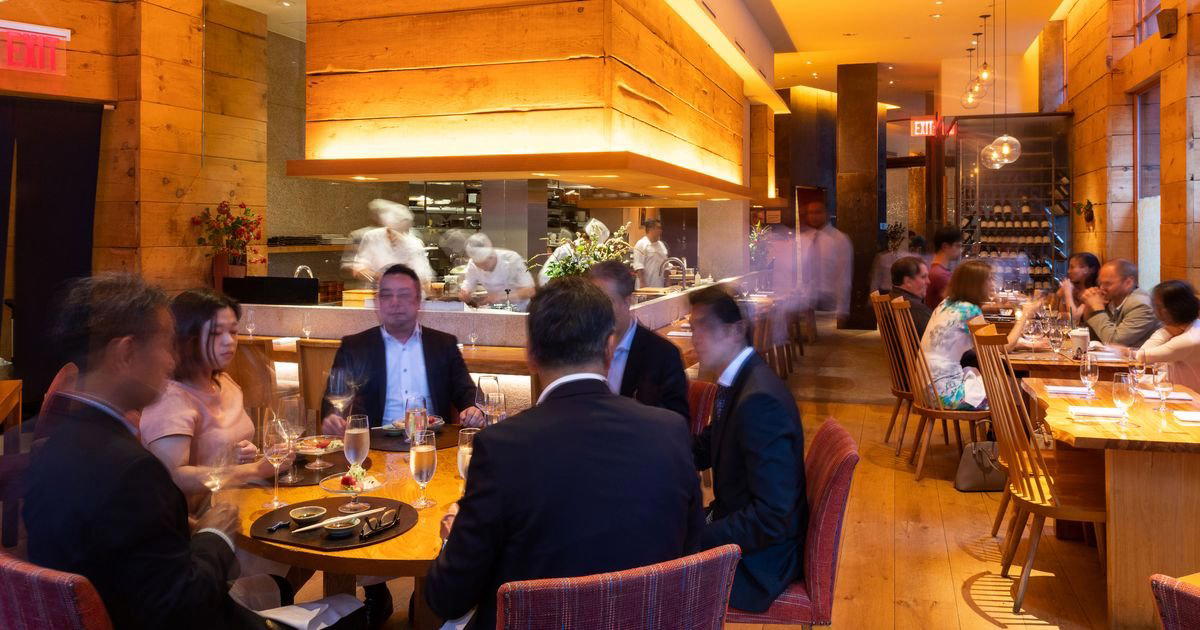
Kaiseki in Manhattan has always been a precarious proposition — the format demands seasonal precision, multi-course restraint, and a kitchen culture that takes years to build. Brushstroke, which operated at 30 Hudson Street in Tribeca until its closure in 2018, made a credible case for the format on American soil, drawing on a collaboration between David Bouley and Yoshiki Tsuji of the Osaka-based Tsuji Culinary Institute, with chef Isao Yamada leading the kitchen through much of its run.
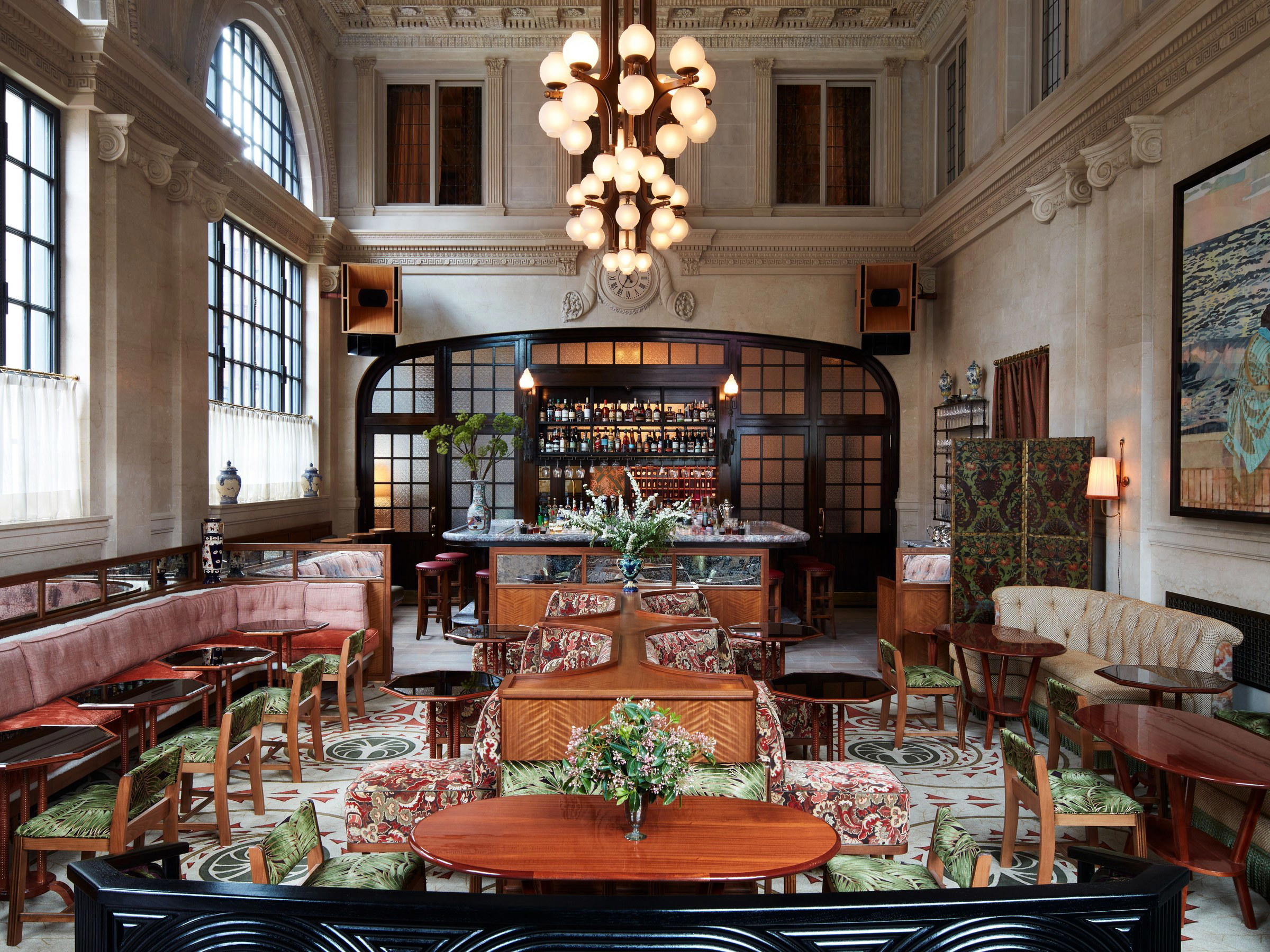
The dining room reflected the philosophy on the plate: steel, stone, and reclaimed wood gave the space the quiet austerity of a training hall rather than the theatrical warmth of a conventional fine-dining room. The format centered on a seasonal tasting menu, with courses built around the kaiseki progression of small, precisely composed plates, rice, and sashimi sequences. Tasting menus were reported in the $85–$135 range in earlier periods, with pricing climbing as the program matured — positioning Brushstroke firmly in the upper tier of downtown Manhattan dining at the time.
Critical reception acknowledged the ambition. The New York Times covered the restaurant positively, and the related sushi counter operating within the same space, Ichimura at Brushstroke, earned its own Michelin recognition — a signal of the technical depth the address sustained. The Tribeca location carried additional weight as part of Bouley's long-established downtown footprint, occupying a site with a documented history in serious New York dining.
Brushstroke closed in 2018. For anyone researching the arc of Japanese fine dining in New York, it represents a specific and documented chapter: a genuine attempt to transplant kaiseki's seasonal logic into a Western metropolitan context, backed by institutional culinary training from Japan and the operational infrastructure of one of the city's more serious restaurant operators. The record it left is one of ambition executed with consistency, even if the format ultimately proved difficult to sustain long-term in the New York market.
Comparable Venues Nearby
Comparable venues nearby, for context on price, style, and recognition.
| Venue | Cuisine | Price | Notes |
|---|---|---|---|
| BrushstrokeThis venue — the venue you are viewing | Kaiseki Japanese | $$$$ | Not listed |
| Aman New York | Modern Japanese Omakase & Italian Harvest Cuisine | $$$$ | Midtown-Times Square |
| Satsuki | Traditional Japanese Omakase | $$$$ | Midtown-Times Square |
| Sushi Yoshitake | Modern Japanese Omakase | $$$$ | Midtown |
| Nobu Downtown | New Style Japanese | $$$$ | Financial District-Battery Park City |
| Omakase Room by Mitsu | Traditional Edomae Omakase | $$$$ | West Village |
Continue exploring
More in New York City
Restaurants in New York City
Browse all →
Bars in New York City
Browse all →
Hotels in New York City
Browse all →






At a Glance
- Elegant
- Sophisticated
- Intimate
- Special Occasion
- Date Night
- Standalone
- Sake Program
Relaxed yet formal atmosphere with intricate, haute Japanese cuisine presentation.