Kaiyo Omakase
Kaiyo Omakase brings the counter-format tradition to Long Island City, operating outside Manhattan's saturated omakase corridor on Vernon Boulevard. The Queens address positions it differently from Midtown and downtown peers, with the format and intimacy that define serious omakase dining in New York. For those willing to cross the East River, it represents a distinct entry point into the city's premium Japanese counter scene.
Pearl is the En Primeur Club membership app — saves, bookings, and concierge access live there. Same editors, same standards.
- Address
- 47-38 Vernon Blvd, Long Island City, NY 11101
- Phone
- +13475071400
- Directions
- Get directions
 Saves & bookings on Pearl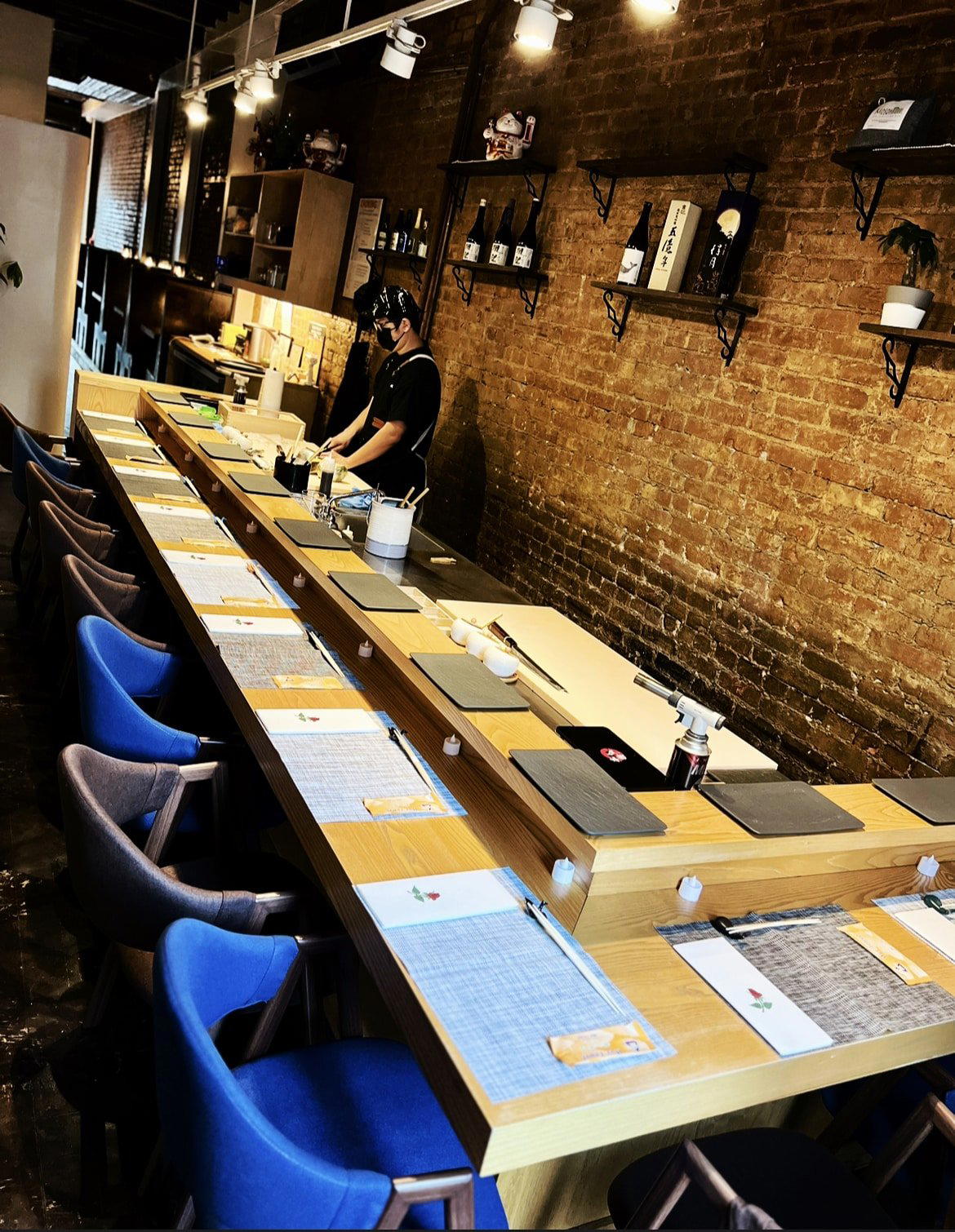
Across the River from Manhattan's Omakase Corridor
Below that, a larger cohort of serious counters has spread across Manhattan, concentrating in the West Village, Midtown, and the Lower East Side. What makes Kaiyo Omakase worth tracking is its address: 47-38 Vernon Boulevard in Long Island City, Queens, placing it outside the island entirely and in a neighbourhood that has attracted design studios and residential development faster than restaurant recognition. That geography is the first editorial fact to absorb before anything else.
The counter format as a category carries specific expectations. Omakase, literally "I leave it to you", is a kitchen-led sequence where the chef determines what you eat based on what is leading that day. In New York, that tradition has been adapted, priced, and sometimes diluted across dozens of venues. The counters that maintain the spirit of the format tend to be small, time-specific, and resistant to walk-ins. Kaiyo Omakase operates within that tradition, in a borough that gives it a different competitive context than its Manhattan counterparts.
Long Island City as a Dining Address
Long Island City sits directly across the East River from Midtown Manhattan, accessible by the 7 train in under ten minutes from Times Square and reachable on foot across the Queensboro Bridge. Long Island City has developed a stronger dining presence in recent years, and Vernon Boulevard is now part of that mix.
For omakase specifically, a Queens address carries practical implications. Demand pressure is lower than in Manhattan, which affects booking timelines. The counters operating in this part of the city are pricing against local expectations as much as against Manhattan peers, which does not necessarily mean lower quality, but it does mean the value calculus can differ from what diners experience at Masa or the city's other upper-tier Japanese counters. That dynamic is worth keeping in mind when weighing Kaiyo Omakase against the full range of options covered in our full New York City restaurants guide.
The Lunch and Dinner Divide in Omakase Dining
Across New York's serious counter restaurants, the gap between lunch and dinner service is more than a question of timing. Evening omakase seatings tend to run longer, carry higher prices, and operate at the pace a kitchen sets when it has the full night ahead of it. Lunch service, where it exists, often involves a compressed version of the sequence, fewer courses, a tighter window, and occasionally a different price point that brings the format within reach of a broader range of diners. This is a pattern visible across format-driven restaurants city-wide: Per Se and Le Bernardin both use lunch as a more accessible entry point to their full menus without compromising the kitchen's standards.
For a counter like Kaiyo Omakase, dinner is the primary service to plan around.
Positioning Within New York's Premium Japanese Scene
The cluster of high-end Japanese counters in New York now forms a recognisable tier within the city's fine dining structure. Below that, a set of serious omakase rooms operate with two or three Michelin stars, tightly controlled seat counts, and booking windows that can stretch to three months. The restaurant, based on its address and format, sits outside the Midtown and downtown concentration of that tier, which means it is not competing on the same terms as the counters that drive most media coverage of New York Japanese dining.
That positioning is not a deficiency. Some of the more interesting counter dining in American cities has emerged in exactly this way: serious technique and format discipline applied in a neighbourhood context, without the overhead or visibility of a Michelin-surveyed Manhattan address. For comparison, consider how destination restaurant culture has developed in outer-ring neighbourhoods in cities like San Francisco, where Lazy Bear built its reputation outside the obvious fine dining corridor, or in Chicago, where Alinea established Lincoln Park rather than the Loop as its reference point.
New York's Korean fine dining scene offers a parallel example closer to home. Atomix and Jungsik New York both operate tasting-format rooms that prize intimacy and kitchen authority over accessible pricing or central location, and both have earned critical recognition that pulls diners from across the city. The mechanism is the same: format credibility and booking behaviour as trust signals, rather than address or visibility.
What to Know Before You Go
Kaiyo Omakase accepts reservations and is open Tuesday through Sunday, with Monday closed.
The restaurant operates at 47-38 Vernon Boulevard in Long Island City, Queens. The 7 train (Vernon Blvd–Jackson Ave stop) is one direct transit connection from Midtown Manhattan. The neighbourhood lacks the density of late-night options available in Manhattan after a dinner seating, so planning around a single extended meal rather than a multi-stop evening makes more practical sense here than it would in the West Village or Tribeca.
For broader context on how the restaurant fits within New York's premium dining scene, it is worth reading alongside entries for other format-led American destinations: Blue Hill at Stone Barns in Tarrytown, Single Thread Farm in Healdsburg, and The French Laundry in Napa all demonstrate how counter and tasting formats perform outside major urban centres while maintaining serious kitchen standards. Closer to Kaiyo's price tier and city context, Providence in Los Angeles and Addison in San Diego show how serious seafood-led tasting menus can anchor a neighbourhood identity beyond their cities' primary dining districts.
Reservations: Essential. Getting there: 47-38 Vernon Blvd, Long Island City, NY 11101. Budget: Price tier 4. Timing: Tue to Sun, 5-10 PM on Tue to Thu and Sun, 5-10:30 PM on Fri and Sat; closed Monday.
Peers Worth Knowing
Comparable venues nearby, for context on price, style, and recognition.
| Venue | Cuisine | Price | Notes |
|---|---|---|---|
| Kaiyo OmakaseThis venue — the venue you are viewing | Japanese Omakase | $$$$ | Not listed |
| Aman New York | Modern Japanese Omakase & Italian Harvest Cuisine | $$$$ | Midtown-Times Square |
| Unnamed flagship Japanese fine-dining at One Bryant Park | Japanese Fine-Dining Tasting Menu | $$$$ | midtown manhattan |
| Sushi Akira | Edomae-Style Omakase | $$$$ | Upper East Side-Lenox Hill-Roosevelt Island |
| Sushi Yoshitake | Edomae Omakase | $$$$ | Midtown |
| Kappo Sono | Kaiseki | $$$$ | Greenwich Village |
Continue exploring
More in New York City
Restaurants in New York City
Browse all →
Bars in New York City
Browse all →
Hotels in New York City
Browse all →





At a Glance
- Intimate
- Cozy
- Elegant
- Sophisticated
- Date Night
- Special Occasion
- Chefs Counter
- Sake Program
- Sustainable Seafood
- Skyline
Current opening hours
- Monday
- Closed
- Tuesday
- 5–10 PM
- Wednesday
- 5–10 PM
- Thursday
- 5–10 PM
- Friday
- 5–10:30 PM
- Saturday
- 5–10:30 PM
- Sunday
- 5–10 PM
Hours can change for holidays and private events. Last verified .
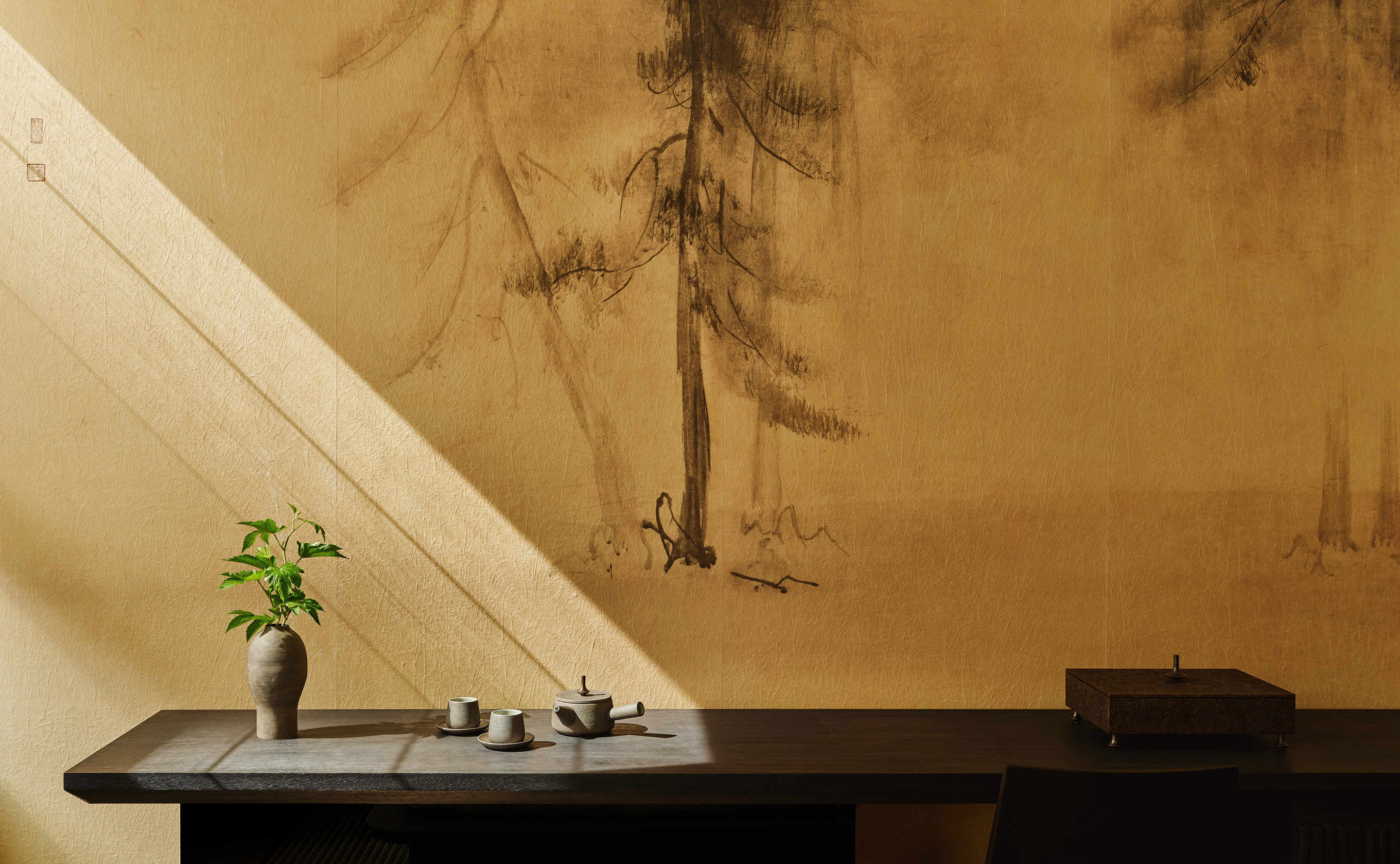
Cozy and intimate atmosphere well-suited for focused dining on expertly crafted sushi courses.