

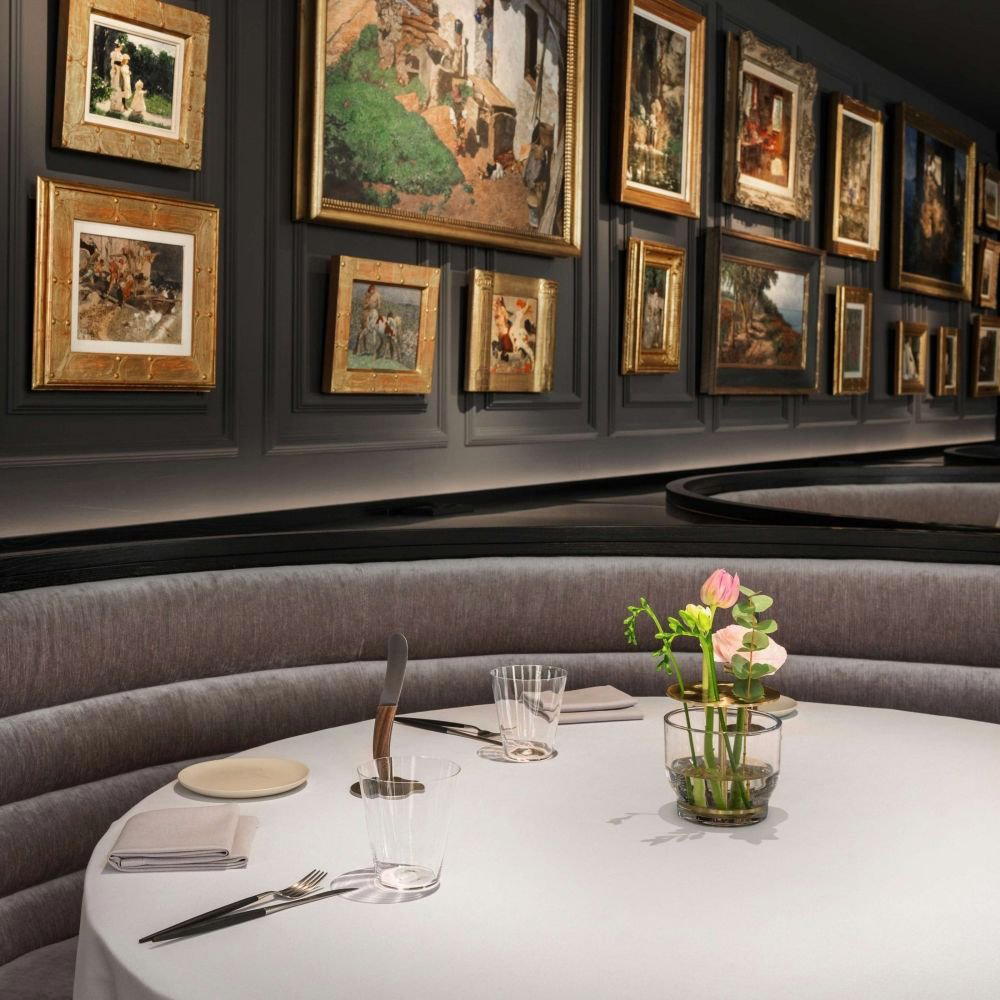
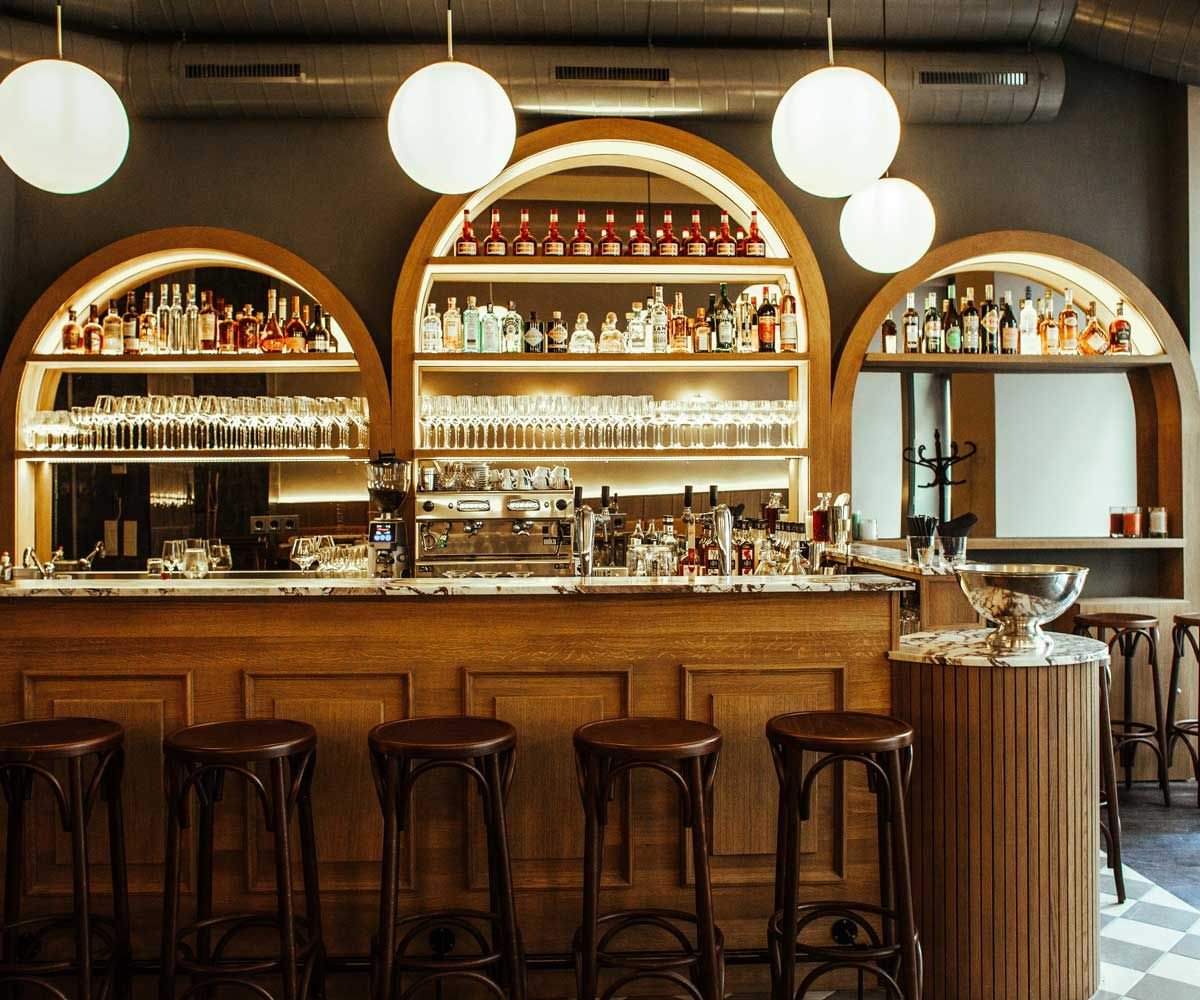
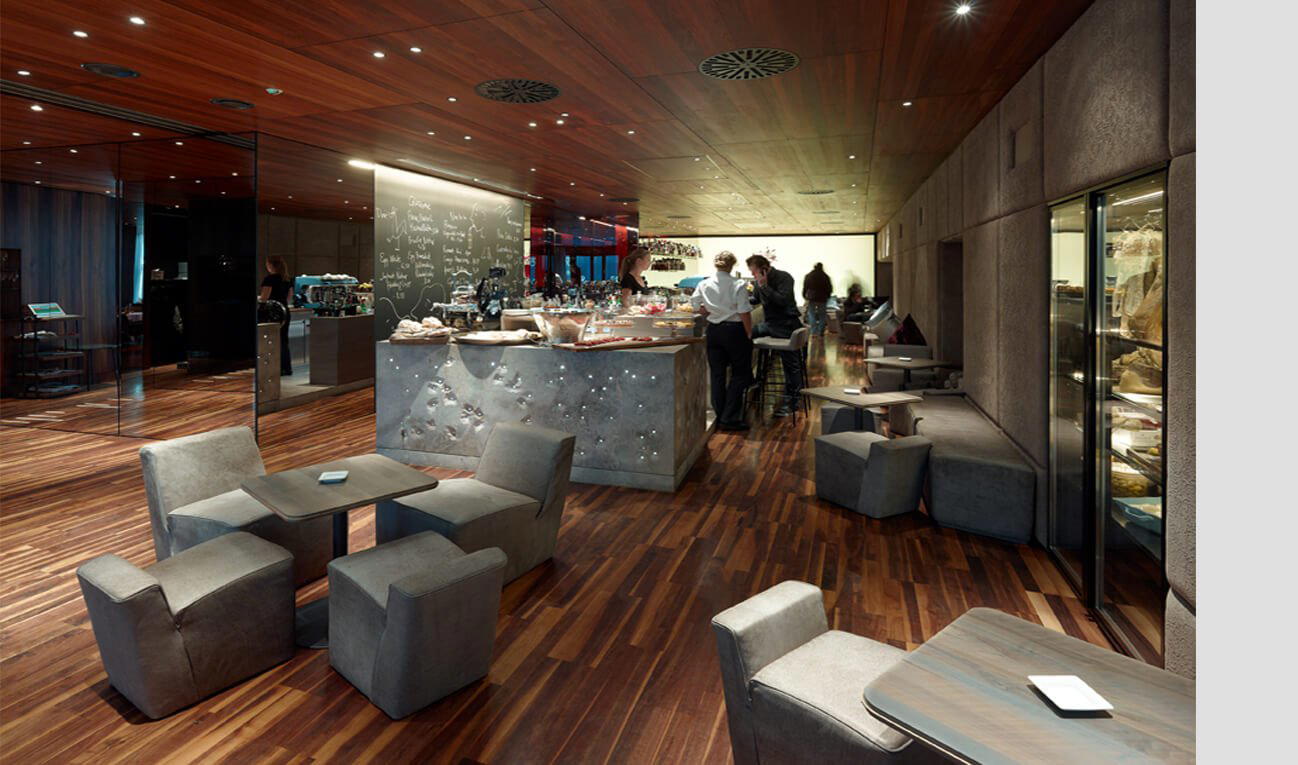
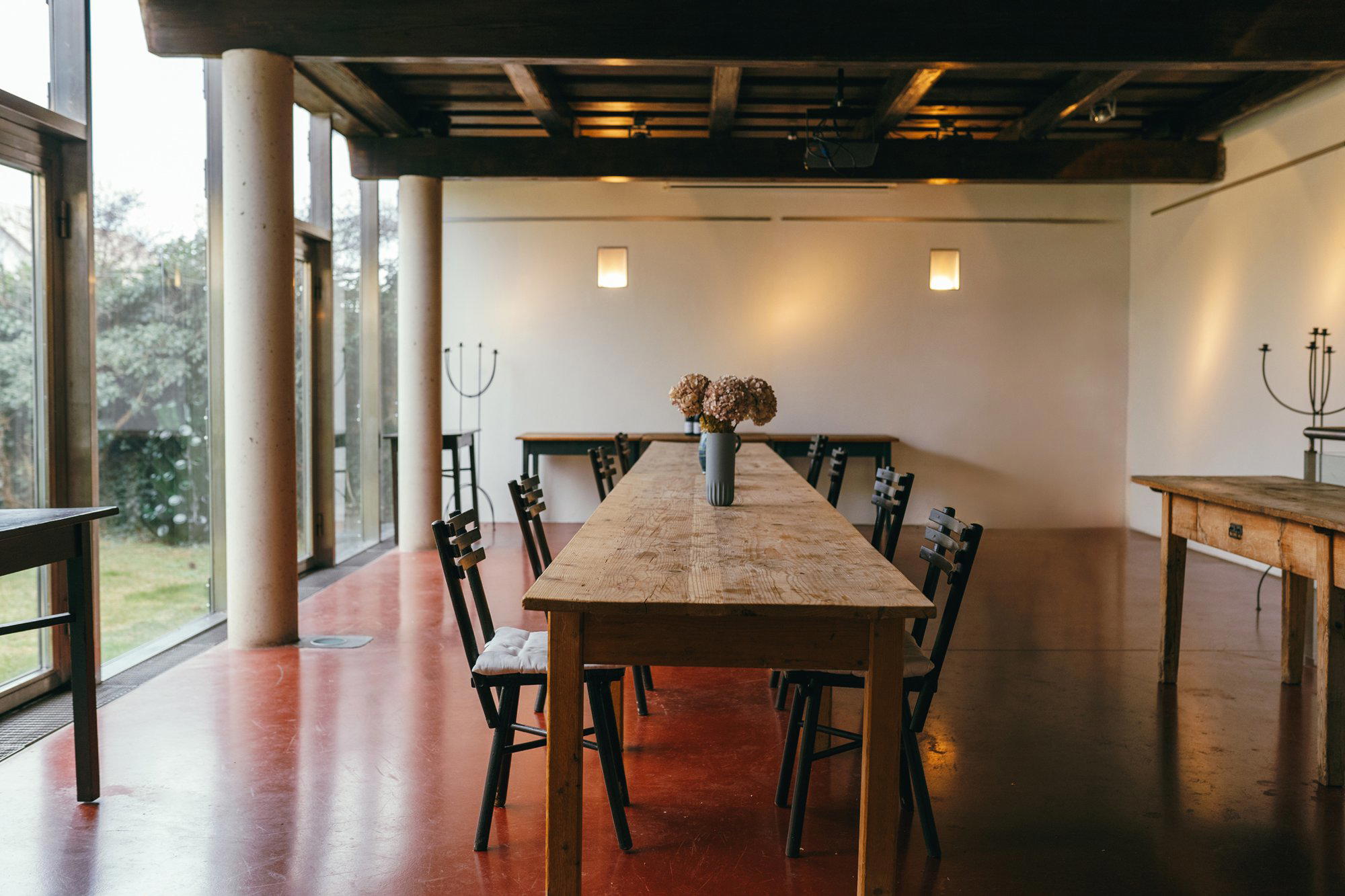
Dstrikt occupies a considered address on Schubertring in Vienna's first district, where the physical architecture of a room carries as much weight as what arrives on the plate. The space positions itself within Vienna's broader shift toward design-conscious dining, where interior intention and culinary programme are treated as equal partners. For travellers staying or dining along the Ringstrasse corridor, it warrants attention on those terms.
Pearl is the En Primeur Club membership app — saves, bookings, and concierge access live there. Same editors, same standards.
- Address
- Schubertring 5, 1010 Wien, Austria
- Phone
- +43131188150
- Website
- dstrikt.com
- Directions
- Get directions
 Saves & bookings on Pearl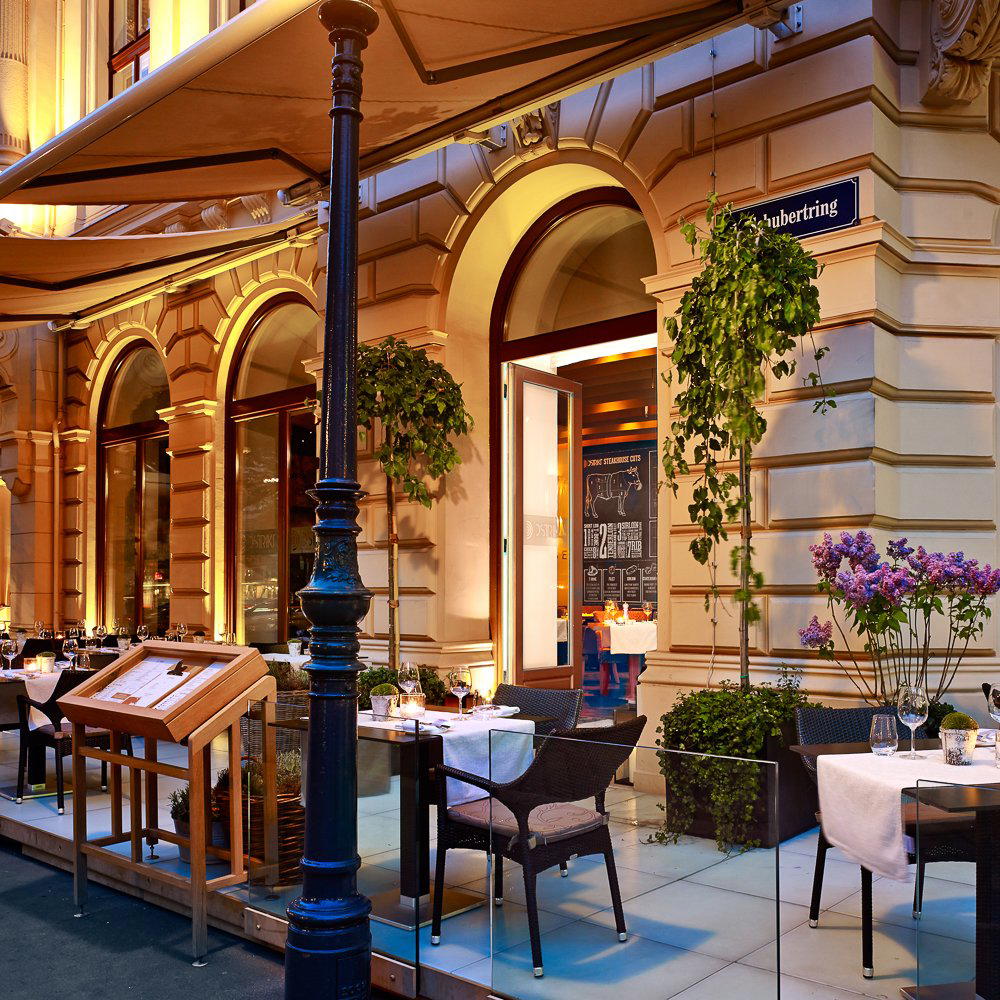
The Room as Argument
Vienna's first district has always understood that a dining room is a statement before it is a service. The Ringstrasse corridor, conceived in the nineteenth century as an architectural demonstration of imperial ambition, still shapes how restaurants in its orbit present themselves. A venue at Schubertring 5 is not choosing a neutral address: it is positioning itself within one of Europe's most loaded stretches of urban design, where every facade and interior is read against the grandeur outside. Dstrikt works within that context, and the name itself signals intent, a deliberate respelling that nods to district identity while stepping sideways from heritage formality.
Vienna's upper dining tier has split noticeably over the past decade. On one side sit the institutions that lean into imperial register: high ceilings, white linen, silverware weight. On the other, a generation of rooms that strip the formality back without losing seriousness, clean lines, material restraint, a deliberate reduction of visual noise. Konstantin Filippou operates in that second mode. So does Mraz & Sohn, further out in Brigittenau. Dstrikt's address puts it in conversation with both camps while the first district location anchors it firmly in the city's most-visited dining zone.
What the Space Does
Interior architecture in serious dining rooms is rarely accidental. Seating arrangements determine pacing: tight tables signal volume and turnover; widely spaced ones signal time as a commodity worth selling. Lighting temperature shapes how food reads on the plate and how long guests linger. Acoustic design, often invisible when done correctly, controls whether a room feels intimate or exhausting. These decisions accumulate into what guests experience as atmosphere, even when they cannot name any individual element.
The Schubertring address places Dstrikt within a corridor that also contains some of Vienna's hotel dining. Hotel-adjacent restaurants in European capitals occupy a particular competitive position: they benefit from a captive guest base but must simultaneously attract locals and visitors who are actively choosing the room rather than defaulting to convenience. The rooms that succeed in both tasks tend to be those where the design works independently of the hotel context, where someone arriving from the street feels the room was made for them, not for a guest who arrived via a lift.
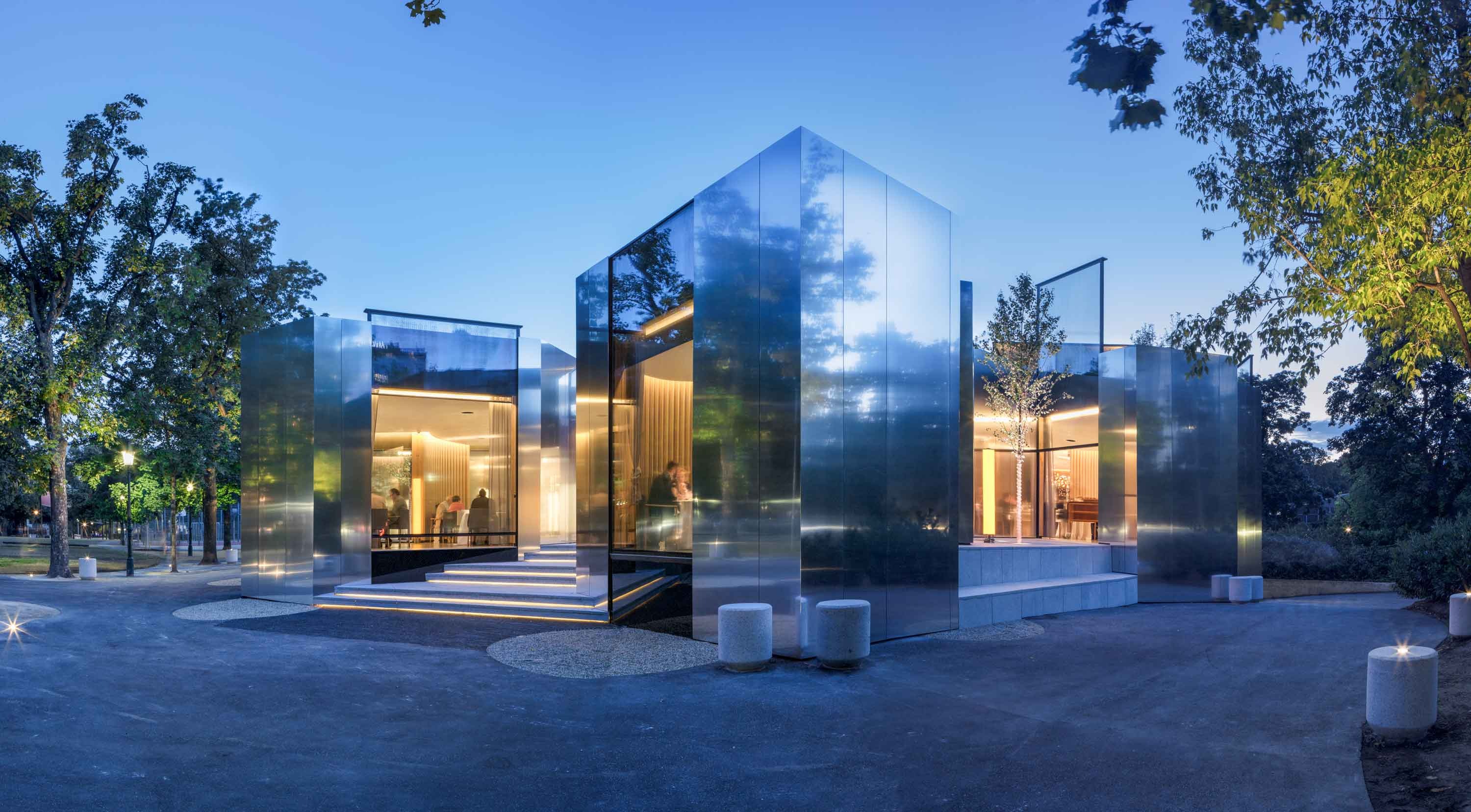
Vienna's most discussed rooms in this architectural register are not always its most decorated. Steirereck im Stadtpark commands its pavilion setting with such confidence that the Stadtpark itself becomes part of the dining experience. Amador uses its space to frame a specific kind of precision. Doubek takes a different approach entirely. Each room makes a legible argument about what dining in Vienna can be. Dstrikt enters that conversation from a first-district address with a name that signals its own version of that argument.
Vienna's Dining Scene: The Competitive Frame
Vienna's restaurant culture sits in an interesting position within the European fine dining map. Austria has a serious national culinary tradition, rooted in produce from the Alpine south and the wine regions to the east, that is distinct from German or Swiss cooking even when it shares some technical vocabulary. That tradition is most visibly represented in the countryside: Döllerer in Golling an der Salzach, Obauer in Werfen, Landhaus Bacher in Mautern an der Donau, and Taubenkobel in Schützen am Gebirge are among the Austrian addresses that have built sustained reputations on that foundation.
In Vienna itself, the competition concentrates in the first and fourth districts, with a smaller cluster of destination addresses in outer neighbourhoods. The Michelin-decorated tier includes addresses like Steirereck and Konstantin Filippou, both of which have built reputations over multiple years and hold recognisable positions in the European fine dining conversation. For a room on the Ringstrasse corridor, those are the implicit peer references, not in terms of format or cuisine necessarily, but in terms of the guest expectation the address generates.
Further afield in the Austrian mountain regions, rooms like Gourmetrestaurant Tannenhof in Sankt Anton am Arlberg, Stüva in Ischgl, Restaurant 141 by Joachim Jaud in Mieming, Schwarzer Adler in Hall in Tirol, Kräuterreich by Vitus Winkler in Sankt Veit im Pongau, and Ois in Neufelden demonstrate how seriously Austria takes destination dining outside the capital. Vienna's first-district rooms exist in a different register, serving a more urban, more internationally mobile guest, but the broader national standard is the context in which they are judged.
Internationally, the shift toward design-led urban dining rooms that Dstrikt's positioning reflects has parallels in other capitals. Le Bernardin in New York City has long understood that a room's material seriousness communicates before a menu is presented. Lazy Bear in San Francisco took the opposite route, using communal format and visual informality to reframe what a serious dining room could look like. Vienna's upper tier sits between those poles, and rooms on the Ringstrasse tend to occupy the more formal end of that spectrum by default of address.
Planning Your Visit
Dstrikt is located at Schubertring 5, 1010 Wien, in Vienna's first district, within walking distance of the Stadtpark and the major Ringstrasse institutions. The first district is served by multiple U-Bahn lines, and the Schubertring tram stop puts the address within easy reach of the broader city. Reservations are recommended. Dress: smart casual. Budget: €€€€, around US$95 per person.
Fast Comparison
Comparable venues nearby, for context on price, style, and recognition.
| Venue | Cuisine | Price | Notes |
|---|---|---|---|
| DstriktThis venue — the venue you are viewing | Premium Austrian Steakhouse | $$$$ | Not listed |
| Porterhouse | Argentine Steakhouse with Austrian Influences | $$$ | Innere Stadt |
| Boxwood | The Art of Steak - International Fine Dining | $$$ | Innere Stadt |
| 1870 | ÖKKEI Fusion (Europe-Asia-South America) | $$$$ | Staatsoper |
| Clementine im Glashaus | Modern Austrian | $$$$ | Staatsoper |
| Beef & Glory | Premium Modern Steakhouse | $$$ | Josefstadt |
Recognition history
Dated appearances from independent guides and award organizations, with the underlying list record or original source where available.
Falstaff Restaurant - 92 Falstaff Points
Falstaff
World Culinary Awards Austria's Best Hotel Restaurant 2025 #1
World Culinary Awards
Continue exploring
More in Vienna
Restaurants in Vienna
Browse all →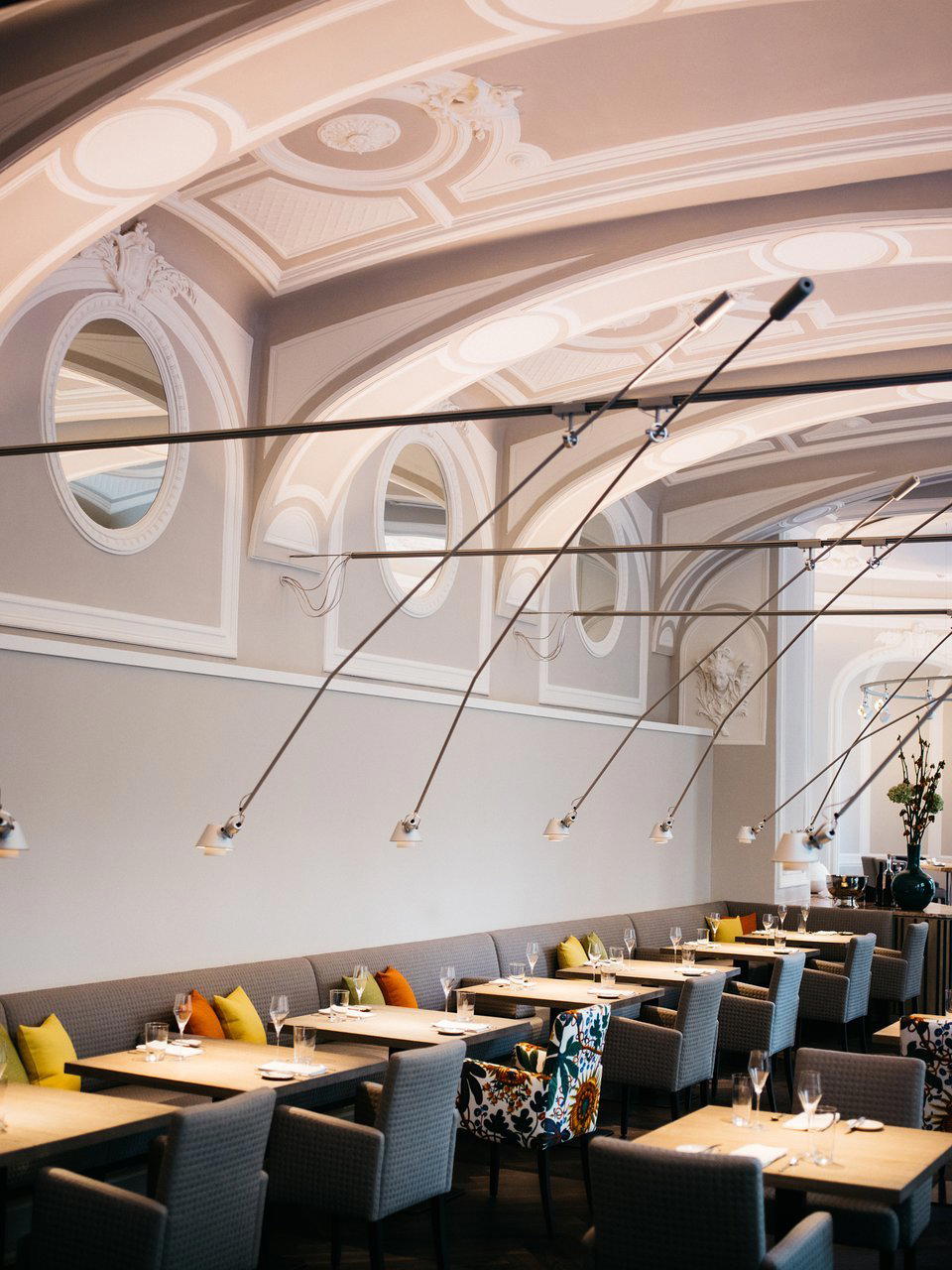
Bars in Vienna
Browse all →
Hotels in Vienna
Browse all →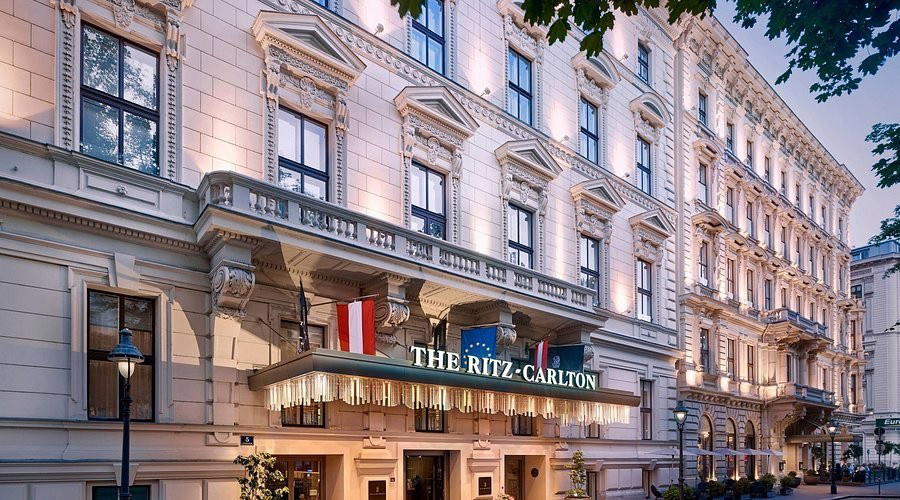
At a Glance
- Elegant
- Sophisticated
- Lively
- Modern
- Date Night
- Business Dinner
- Group Dining
- Celebration
- Special Occasion
- Hotel Restaurant
- Open Kitchen
- Terrace
- Extensive Wine List
- Craft Cocktails
- Local Sourcing
- Organic
Current opening hours
- Monday
- Closed
- Tuesday
- Closed
- Wednesday
- 6–10:30 PM
- Thursday
- 6–10:30 PM
- Friday
- 6–10:30 PM
- Saturday
- 6–10:30 PM
- Sunday
- 6–10:30 PM
Hours can change for holidays and private events. Last verified .
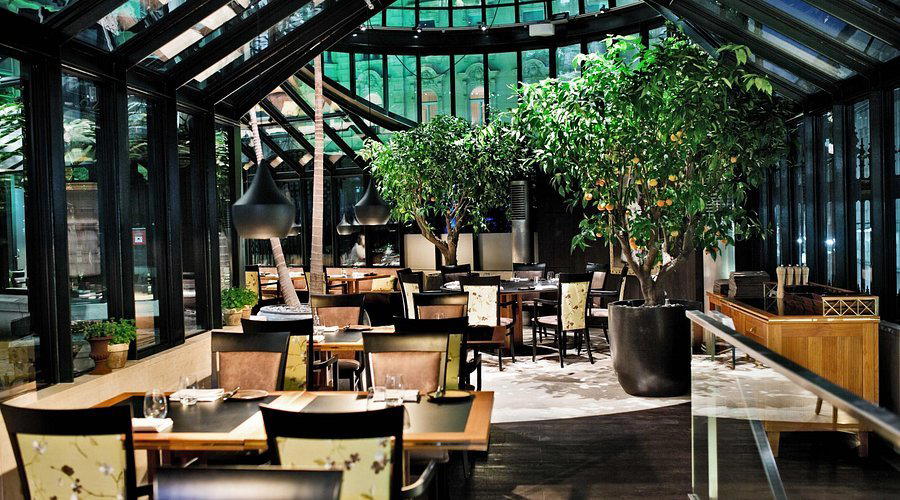
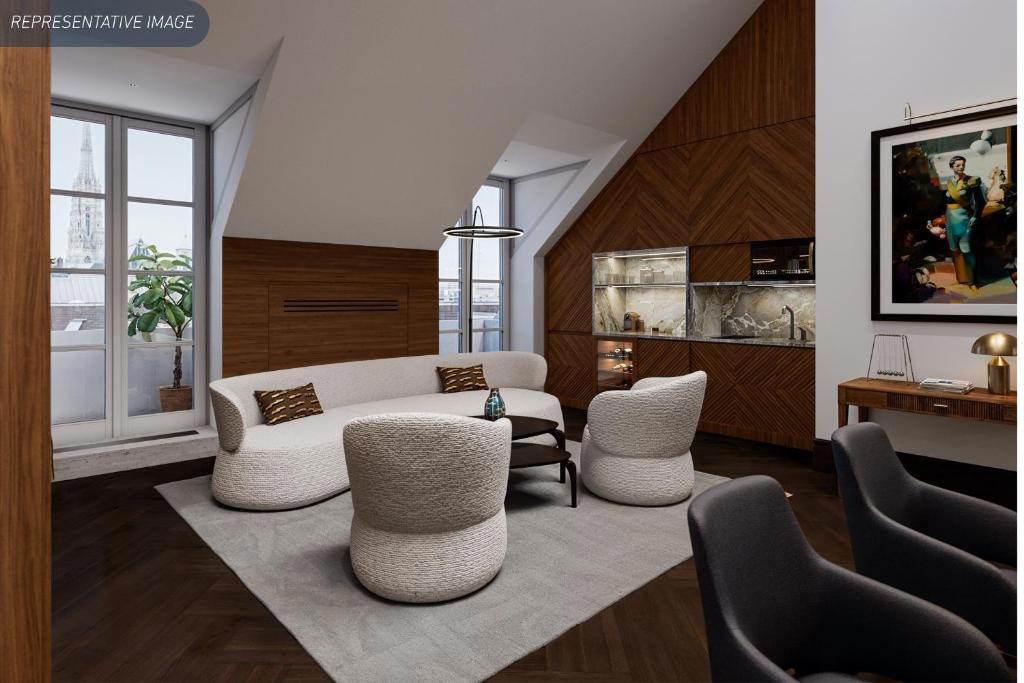
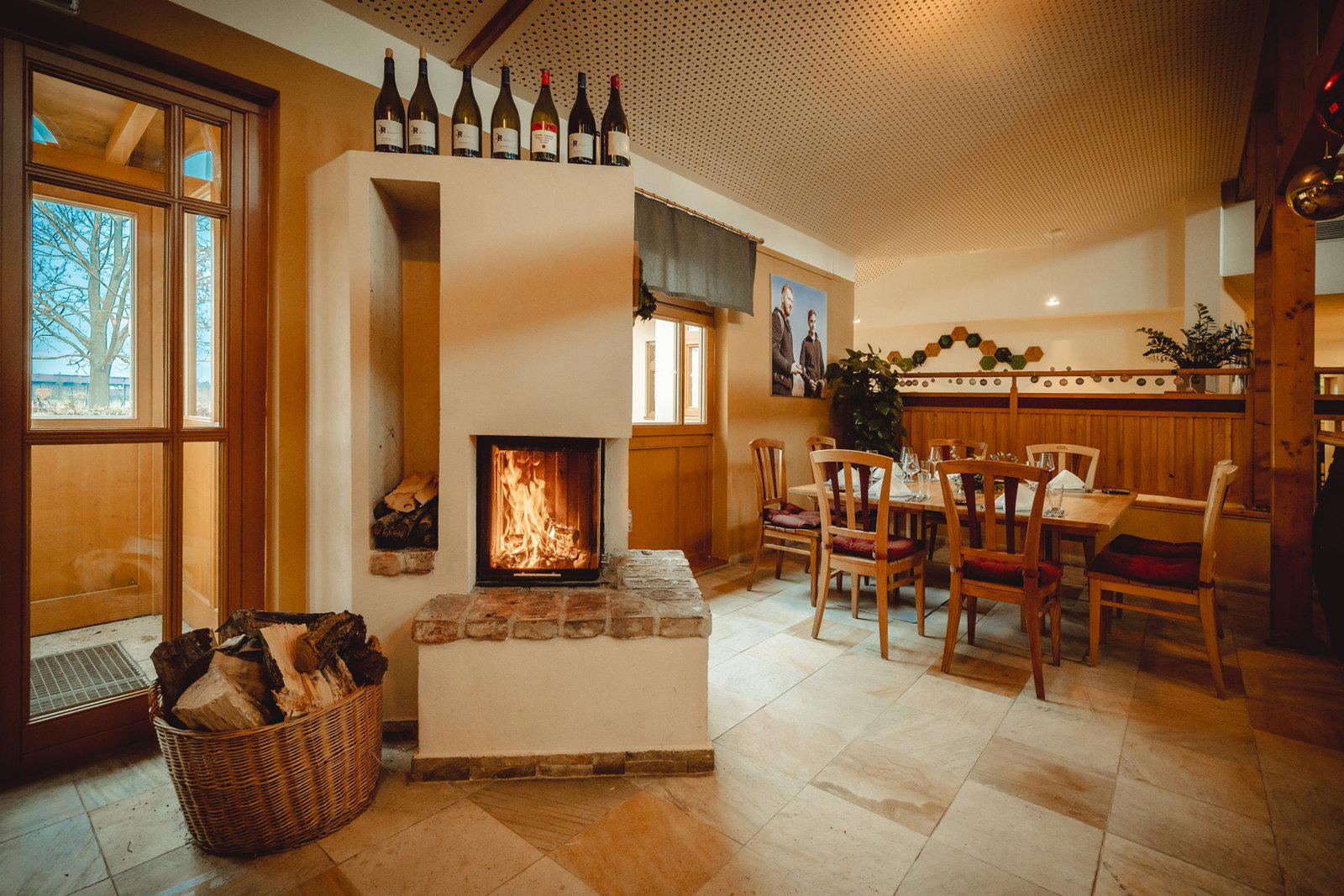
Warm and elegant with wooden top tables, leather chairs, and pin lighting; bustling atmosphere ideal for meat lovers.