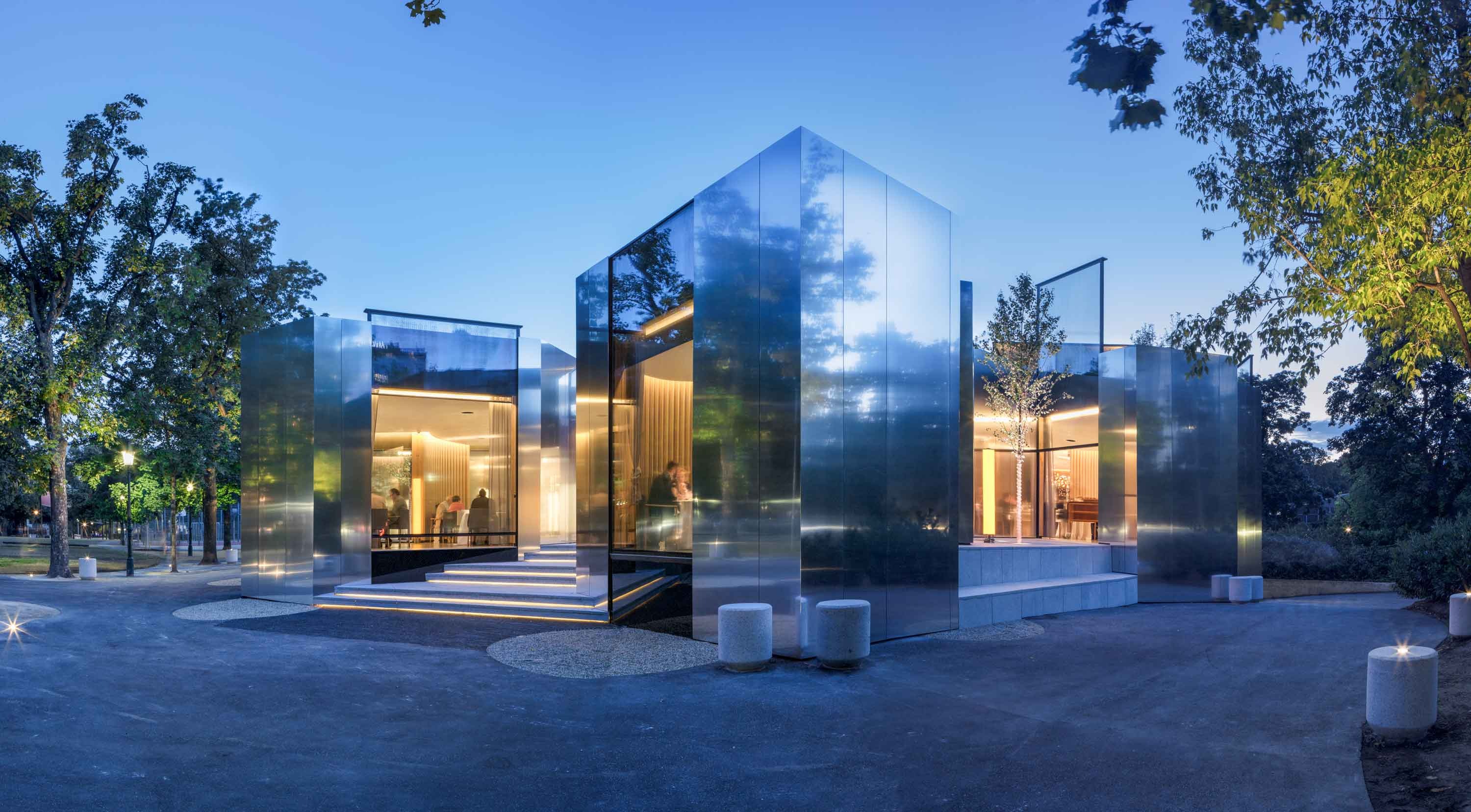
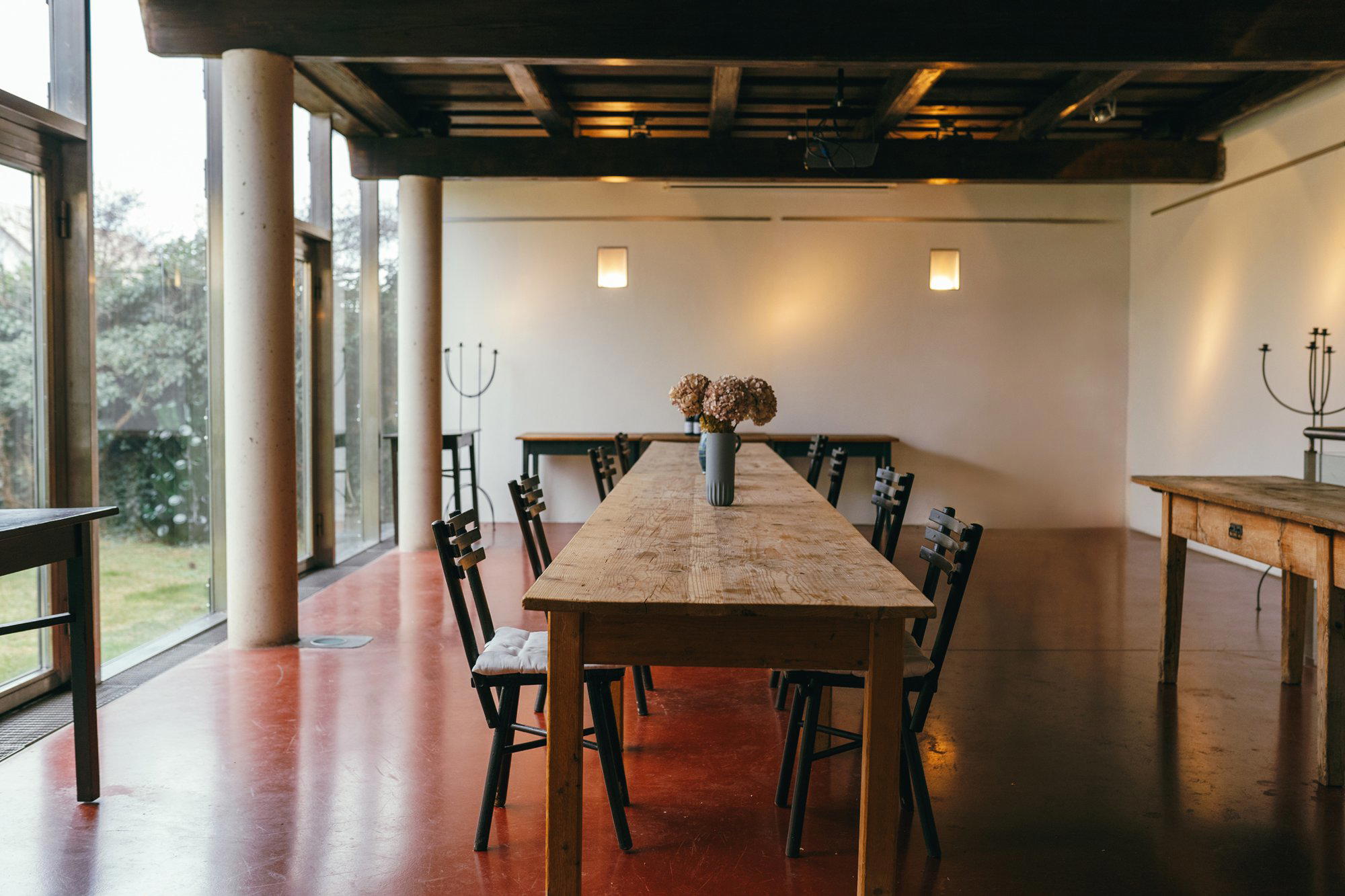
Situated within the historic Palais Coburg in Vienna's first district, Clementine im Glashaus occupies a glass-house setting that frames the dining room as architecture in dialogue with its surroundings. It sits within Vienna's €€€€ tier alongside peers such as Steirereck im Stadtpark and Konstantin Filippou, positioning itself through an emphasis on provenance-led cooking and environmental consciousness rather than spectacle alone.
Pearl is the En Primeur Club membership app — saves, bookings, and concierge access live there. Same editors, same standards.
- Address
- Palais Coburg, Coburgbastei 4, 1010 Wien, Austria
- Phone
- +43151818130
- Website
- palais-coburg.com
- Directions
- Get directions
 Saves & bookings on Pearl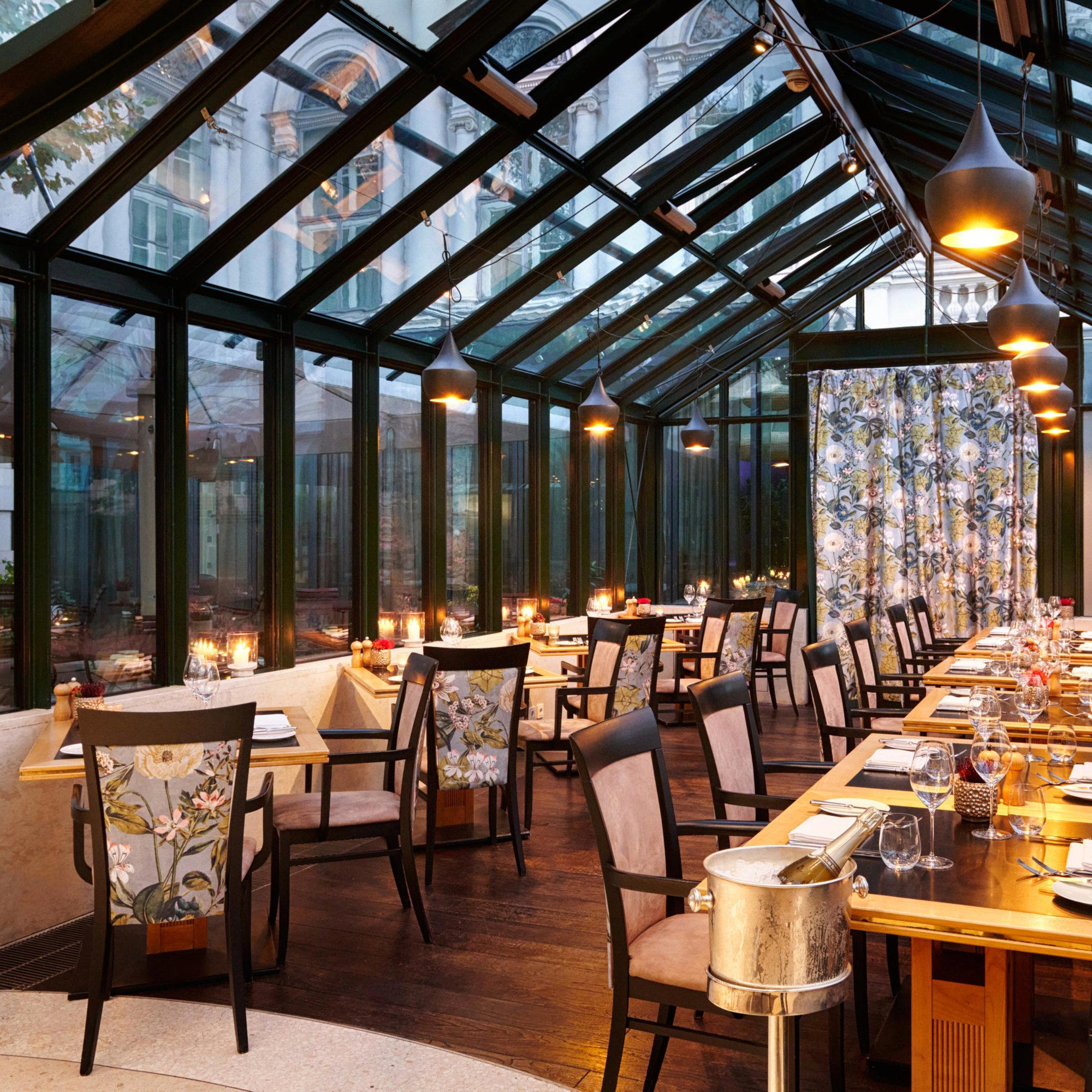
Glass, Garden, and a City That Takes Its Fine Dining Seriously
Vienna's first district has long been the address where history and ambition occupy the same postcode. The Ringstrasse-era palaces that line its streets now serve double duty as hotels, galleries, and dining rooms, each negotiating the tension between preservation and contemporary use in its own way. Clementine im Glashaus is a restaurant in Vienna at Palais Coburg, Coburgbastei 4, serving Modern Austrian cuisine at a €€€€ price tier. Set within the Palais Coburg at Coburgbastei 4, it sits inside one of the more architecturally arresting of these conversions: a glass-house structure that floods the dining room with natural light and maintains a visible connection to the courtyard garden beyond the panes. In a city where many of the prestige dining rooms lean on candlelit vaulted ceilings and Habsburg-era plasterwork for atmosphere, the glass-house format reads as a deliberate counter-statement, one that asks the room itself to carry a different kind of weight.
That weight, in this case, is environmental. The glass-house setting is not merely an aesthetic choice. It signals an orientation toward the natural world that threads through sourcing decisions and kitchen philosophy in a way that separates Clementine im Glashaus from its immediate competitive set. Vienna has seen a gradual turn toward sustainability-conscious fine dining over the past decade, with producers in Lower Austria, Burgenland, and Styria increasingly supplying city kitchens that want to close the distance between farm and plate. Clementine im Glashaus operates within this broader movement, using its physical environment as a framing device for a menu that foregrounds provenance.
Where This Restaurant Sits in Vienna's Fine Dining Tier
Vienna's upper-end restaurant scene clusters around a handful of distinct approaches. Steirereck im Stadtpark represents the established apex of Austrian creative cooking, with a kitchen that has shaped the national conversation for decades. Amador and Konstantin Filippou occupy a tier defined by technical ambition and international reference points. Mraz and Sohn has built its reputation on a forward-looking interpretation of Austrian produce. Doubek represents a newer wave of precision-focused kitchens finding their footing in the city.
Clementine im Glashaus does not compete for the same kind of media profile as that front tier. Its location within a luxury hotel residence, Palais Coburg, means it draws from a guest base that includes both hotel residents and destination diners, a dual audience that shapes pacing and format in ways that differ from a standalone restaurant relying entirely on advance bookings. This is not a disadvantage; some of Vienna's most thoughtful dining rooms occupy exactly this hotel-adjacent position, using the infrastructure of a larger property to maintain consistency while allowing the kitchen to operate with genuine ambition.
The Sustainability Frame: Sourcing as Structure
Across European fine dining, the term sustainability has acquired the dull sheen of overuse. Restaurants that genuinely organise their menus around reduced waste, ethical sourcing, and seasonal constraint look different from those that append the language to existing practice. The glass-house environment at the restaurant functions as a physical commitment to that distinction: cooking in a room that looks onto a garden, where light and season are visibly present, creates an accountability that a basement dining room does not.
Austria's food-producing regions offer notable raw material for this kind of approach. The Wachau valley, a short drive west of Vienna along the Danube, supplies fruit and vegetables with a provenance traceable to specific parcels. Styrian producers, whose pumpkin oil and beef have become markers of regional identity, appear regularly on Viennese menus with serious sourcing credentials. The Burgenland, better known internationally for its wine than its food production, yields lamb, poultry, and freshwater fish that are difficult to source outside the region. A kitchen committed to working within this geography has many material to build from.
For comparison, Austrian restaurants operating in this provenance-led mode at the national level include Döllerer in Golling an der Salzach, Landhaus Bacher in Mautern an der Donau, and Kräuterreich by Vitus Winkler in Sankt Veit im Pongau, each of which has developed a distinctive identity around specific regional ingredients. Obauer in Werfen and Taubenkobel in Schützen am Gebirge represent the longer-standing tradition of Austrian fine dining that is rooted in place rather than abstracted from it. The restaurant, operating in the capital, draws on that regional tradition while serving an urban and international audience.
The Glass-House Format in International Context
Glass-enclosed or garden-adjacent dining rooms have become a distinct sub-format within luxury hospitality globally. The format works because it solves a specific problem: how to offer a formal dining experience that does not feel hermetically sealed from its physical context. At Le Bernardin in New York City, the separation from street-level context is part of the proposition; the room signals enclosure and exclusivity. At Lazy Bear in San Francisco, the format is communal and deliberately anti-formal. The glass-house model, by contrast, maintains formal service codes while keeping the outside world visually present, a balance that takes architectural precision to execute without the room feeling either draughty or performative.
Within Austria, the alpine dining rooms at properties like Gourmetrestaurant Tannenhof in Sankt Anton am Arlberg and Stüva in Ischgl handle the inside/outside relationship differently, using landscape as theatre. In Vienna, where the visual horizon is urban rather than mountainous, the glass-house format functions as a softer version of the same impulse: bringing nature into a city room without compromising the formality of the occasion.
Planning Your Visit
The restaurant occupies the Palais Coburg, one of Vienna's few remaining privately-owned palace residences, in the first district close to the Stadtpark and the Ringstrasse. The address is walkable from the major U-Bahn stations in the centre and sits within the dense concentration of first-district dining that includes both the city's established fine dining addresses and its more recent additions.
Visitors planning regional extensions from Vienna should consider Schwarzer Adler in Hall in Tirol, Restaurant 141 by Joachim Jaud in Mieming, and Ois in Neufelden as part of a wider Austrian fine dining circuit.
| Venue | Setting | Price Tier | Format |
|---|---|---|---|
| The restaurant | Palace glass-house, 1st district | €€€€ | Hotel-adjacent, destination dining |
| Steirereck im Stadtpark | Stadtpark pavilion | €€€€ | Standalone, full service |
| Konstantin Filippou | Street-level, 1st district | €€€€ | Standalone, tasting menu |
| Mraz and Sohn | Brigittenau, 20th district | €€€€ | Standalone, off-centre |
Just the Basics
Comparable venues nearby, for context on price, style, and recognition.
| Venue | Cuisine | Price | Notes |
|---|---|---|---|
| Clementine im GlashausThis venue — the venue you are viewing | Staatsoper, Modern Austrian | $$$$ | Not listed |
| The View | Not listed | $$$ | Riesenrad, Contemporary European with Austrian Specialties |
| 1870 | Not listed | $$$$ | Staatsoper, ÖKKEI Fusion (Europe-Asia-South America) |
| Loca | Not listed | $$$ | Staatsoper, Casual Fine Dining with Austrian-International Fusion |
| Café & Restaurant Motto am Fluss | Not listed | $$$ | Innere Stadt, Modern Austrian with International Influences |
| Patara | Innere Stadt, Modern Thai Fine Dining | $$$ | Not listed |
Continue exploring
More in Vienna
Restaurants in Vienna
Browse all →
Bars in Vienna
Browse all →
Hotels in Vienna
Browse all →
At a Glance
- Romantic
- Elegant
- Scenic
- Cozy
- Sophisticated
- Date Night
- Special Occasion
- Business Dinner
- Garden
- Historic Building
- Hotel Restaurant
- Terrace
- Extensive Wine List
- Craft Cocktails
- Garden
Current opening hours
- Monday
- 8 AM–10:30 PM
- Tuesday
- 6–10:30 PM
- Wednesday
- 6–10:30 PM
- Thursday
- 8 AM–10:30 PM
- Friday
- 8 AM–10:30 PM
- Saturday
- 8 AM–10:30 PM
- Sunday
- 8 AM–10:30 PM
Hours can change for holidays and private events. Last verified .
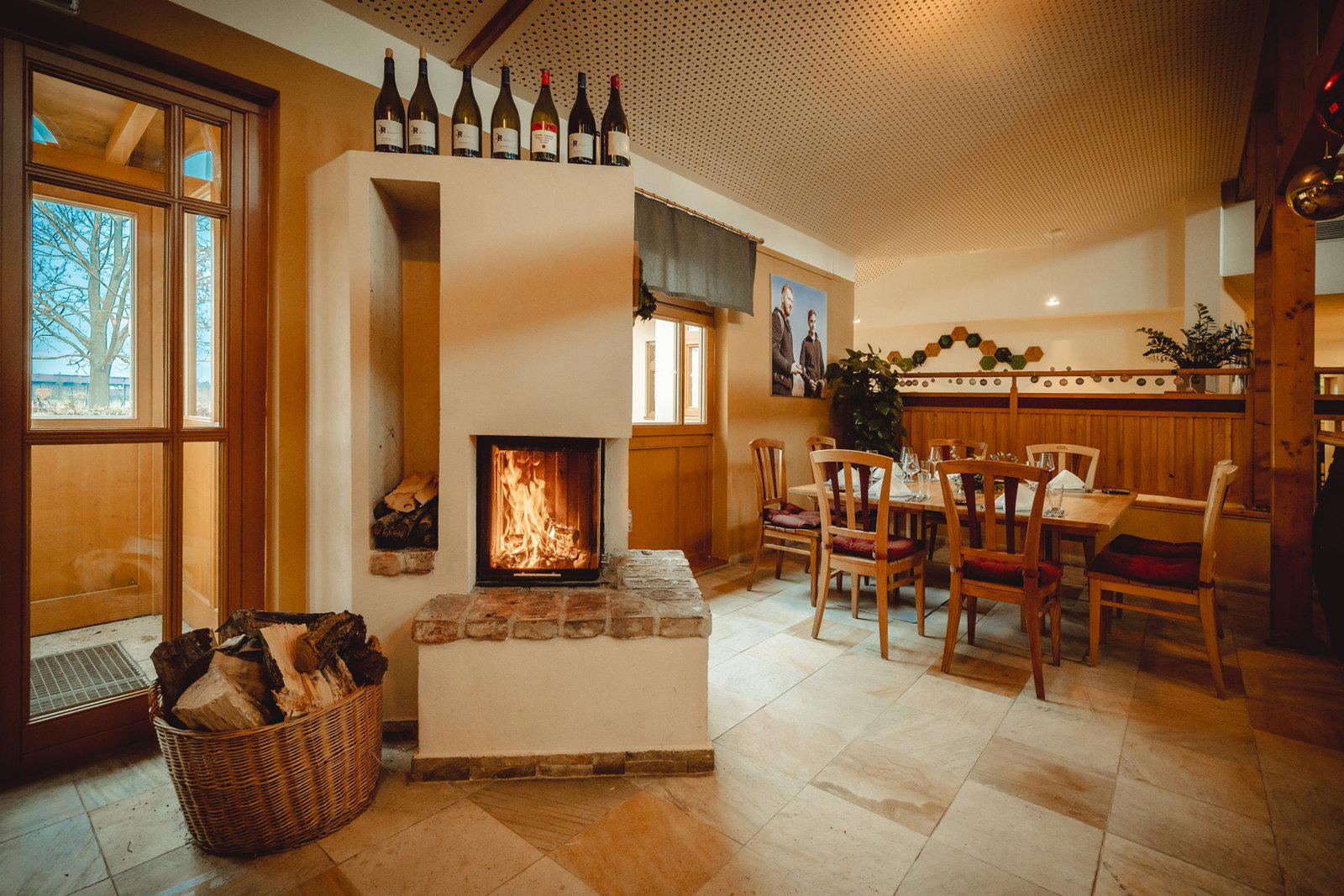
Light-filled conservatory with Victorian elegance, dark wooden furniture, blossoms, magnificent chandelier, and garden views creating a romantic and sophisticated atmosphere.