Our verdict
On the second floor of a building near Orchha's Ramraja Temple, Dragon sits in one of India's most historically layered small towns, where Bundela-era cenotaphs and riverside ghats set the context for every meal. The restaurant draws travelers moving through this off-circuit destination and offers a local dining reference point in a town with few alternatives.

Pearl is the En Primeur Club membership app — saves, bookings, and concierge access live there. Same editors, same standards.
- Address
- 2nd floor, Sawant Nagar, Distt, near Ramraja Temple, Orchha, Madhya Pradesh 472246, India
- Phone
- +91-95160-06201
- Hours
- Daily 12 AM–11 PM
- Website
- orchhapalace.com
- Directions
- Get directions
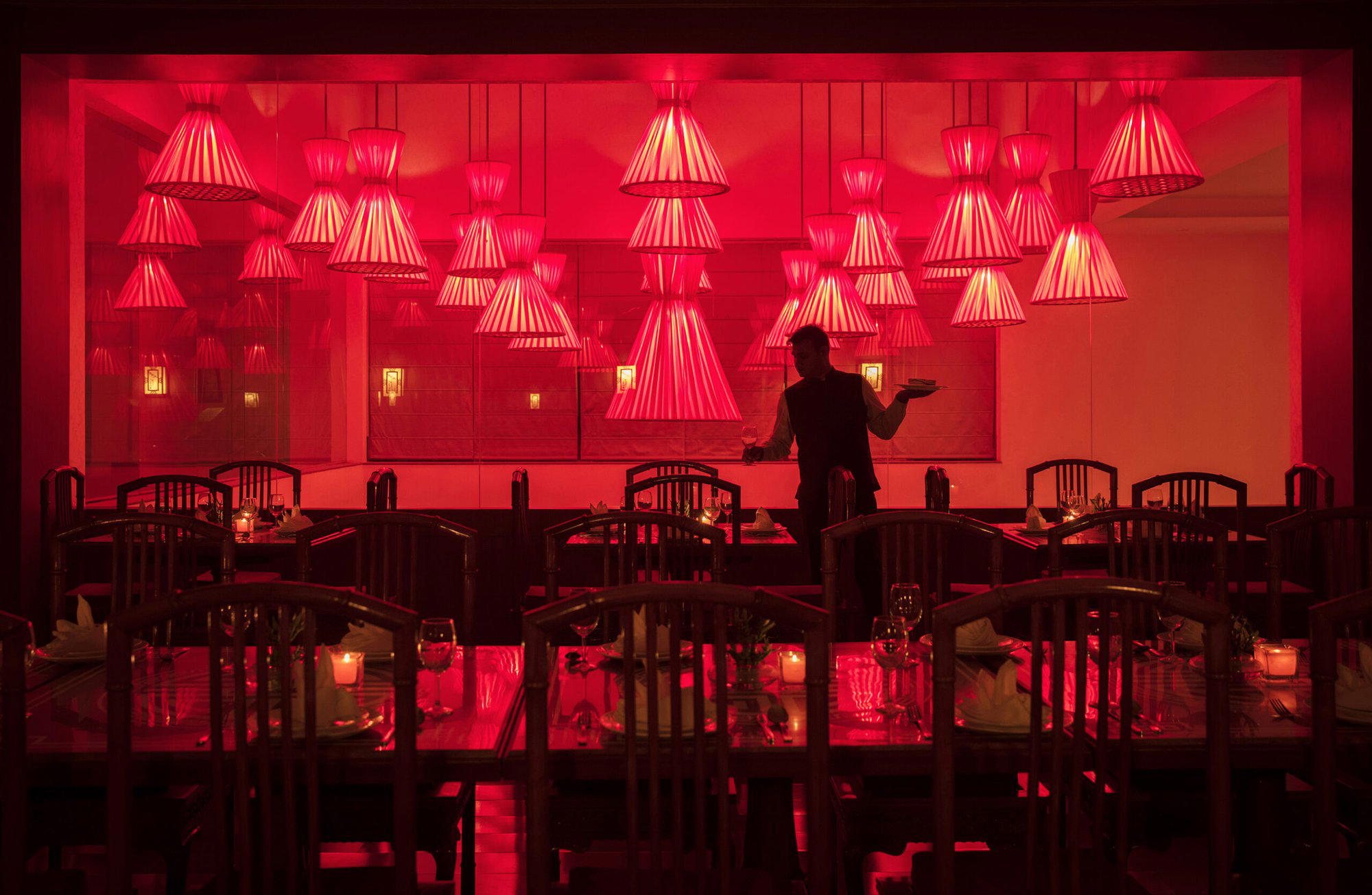
Eating Near the Temple: What Orchha's Dining Scene Looks Like
Orchha is not a city that competes for restaurant recognition. The town's identity is architectural and devotional: the Ramraja Temple draws pilgrims on a schedule that structures the entire day, the cenotaphs along the Betwa River pull heritage travelers, and the population of any given evening is a mix of domestic tourists, backpackers, and the occasional traveler who has detoured from Jhansi on the way to somewhere larger. In that context, the question of where to eat is answered not by Michelin tiers or chef lineage but by proximity, reliability, and whether a kitchen is actually open. Dragon, positioned on the second floor of a building in Sawant Nagar directly near the Ramraja Temple, occupies exactly that practical role in the town's thin dining map. For a fuller picture of where it sits among local options, see our full Orchha restaurants guide.
The Setting: Elevation and Temple Proximity
Arriving on foot from the temple complex, the second-floor position of Dragon gives it one of the most immediate advantages any small-town restaurant can have in India: a degree of separation from street-level noise and heat. The staircase climb is modest, but the result is a room that sits just above the pedestrian flow of Sawant Nagar. In a town where most eating happens at ground level, that elevation shifts the tone. Orchha's streets are animated by pilgrims, vendors, and the particular rhythm of a temple town where the Ramraja puja timings shape foot traffic more than any hospitality calendar. A restaurant with a second-floor position, even a simple one, offers a pause from that rhythm. This is the physical register in which Dragon operates: a local dining room in a heritage town, rather than a destination restaurant in any metropolitan sense.
Travelers who have eaten at heritage-proximate restaurants across India, from the ghats of Varanasi to the old-city lanes of Jaisalmer where Dining Tent in Jaisalmer operates in a similarly atmospheric context, understand that proximity to a significant site carries its own form of editorial weight. You are not eating because of the food alone; you are eating because of where the food places you.
Ingredient Geography in a Landlocked Heritage Town
Orchha sits in Madhya Pradesh, a state whose agricultural output includes wheat, pulses, soybeans, and a range of seasonal vegetables that define the cooking of the Bundelkhand region. This is not coastal India, which means the ingredient vocabulary is landlocked and largely grain-driven. In towns like Orchha, restaurant kitchens typically source from local mandis and rely on produce that moves through the Jhansi supply corridor, roughly 17 kilometers to the north. That supply chain shapes what is realistically on the plate: dals, roti-based preparations, seasonal sabzis, and where tourist demand pushes it, approximations of pan-Indian or pan-Asian dishes.
The name Dragon signals an orientation toward Chinese-influenced or multi-cuisine cooking, a format that has become common across smaller Indian towns where a single kitchen serves both local regulars and travelers wanting something familiar rather than regional. This multi-cuisine model is a nationwide pattern: it reflects the reality of thin local markets and the need to capture a broad enough audience to stay viable. It is a different proposition from, say, Kappa Chakka Kandhari in Chennai, which draws its entire identity from the sourcing specificity of Kerala ingredients, or Farmlore in Bangalore, where the farm-to-table sourcing chain is the editorial premise of the restaurant. In Orchha, ingredient sourcing is shaped by logistics and seasonality rather than by curatorial ambition, which is not a criticism but a description of how small-town Indian dining actually functions.
Peer Context: Orchha and Its Local Comparisons
Within Orchha, Dragon's nearest comparable is Jyonar Restaurant, another local address drawing from the same traveler base. The competitive dynamic in a town this size is less about differentiation by cuisine and more about operational consistency: which kitchen is open, which offers a menu that bridges local and tourist preferences, and which maintains a basic standard of reliability. That is a different competitive conversation than the one happening in India's larger dining cities, where restaurants like Inja in New Delhi, Americano in Mumbai, or Adaa at Falaknuma Palace in Hyderabad compete on chef credentials, sourcing programs, and award recognition.
For travelers who have recently come from or are heading toward those larger dining markets, the adjustment in expectation matters. Orchha is a town where places like Naar in Kasauli or Bomras in Anjuna would represent a significant step up in culinary ambition, and Dragon does not operate in that register. It operates in the register of a functional local restaurant in a heritage pilgrimage town, which is a register that has its own validity and its own kind of intelligence about what travelers in this specific place actually need.
Planning a Visit: What to Know Before You Go
The address places Dragon on the second floor of a building in Sawant Nagar, near the Ramraja Temple in Orchha, Madhya Pradesh. The practical approach for any traveler is to arrive in person, check current opening hours on the day, and treat the visit as a local reference point rather than a planned destination. Orchha is leading reached via Jhansi, which has rail connections to both Delhi and Bhopal, with local transport covering the remaining distance into town.
Travelers with a broader interest in India's regional dining across very different formats, from palace dining at Ran Baas The Palace in Qila Mubarak to the terrace experience at Leela Kerala Terrace in Trivandrum or the local specificity of Palaash in Yavatmal and Neel in Patiala, will recognize that Dragon represents a different tier entirely. That tiering is part of what makes India's restaurant map interesting: it runs from internationally referenced counters down to second-floor rooms in temple towns, and each level is legible on its own terms. For a sense of how the upper registers of Indian dining compare globally, Le Bernardin in New York City and Lazy Bear in San Francisco offer a useful external benchmark for what formal culinary ambition looks like. The Malabar House in Fort Cochin and View in Madurai sit closer to the middle of that range within India. Dragon, by contrast, is simply the meal that makes sense when you are in Orchha and the temple bells have just sounded the evening puja.
Frequently asked questions
Is Dragon a family-friendly restaurant?
Dragon's second-floor location in Sawant Nagar, near the Ramraja Temple, puts it along the main pilgrim and tourist corridor in Orchha — a setting that regularly draws mixed groups of families, pilgrims, and independent travellers. No formal family facilities are documented, but the local dining context in a town of this scale typically skews toward inclusive, low-barrier dining. It is not a specialist adult venue by any documented indicator.
What's the vibe at Dragon?
The second-floor position in Sawant Nagar gives Dragon a degree of remove from street-level foot traffic, with the Ramraja Temple complex as its immediate neighbourhood anchor. Orchha as a whole operates on a quiet, heritage-town register — architectural tourism and pilgrimage rather than nightlife or dining scenes. Expect a relaxed, functional atmosphere oriented toward travellers passing through the temple circuit.
Where exactly is Dragon located in Orchha, and how close is it to the main temple?
Dragon occupies the second floor of a building in Sawant Nagar, Orchha, Madhya Pradesh — the address explicitly places it near the Ramraja Temple, which is the town's primary devotional and tourist landmark. For travellers walking the temple circuit, it sits within the same immediate district rather than requiring a separate journey across town. No phone number or website is currently listed, so the clearest approach is to locate it on foot from the temple entrance.
Where is Dragon located?
Dragon is located at 2nd floor, Sawant Nagar, Distt, near Ramraja Temple, Orchha, Madhya Pradesh 472246, India, Orchha.
Comparable Spots, Quickly
| Venue | Cuisine | Price | Awards | Notes |
|---|---|---|---|---|
| DragonThis venue — the venue you are viewing | Pan Asian Fusion | Not listed | Not listed | Not listed |
| Bukhara | North West Frontier Tandoori | $30–50 | World's 50 Best #37 · La Liste Top Restaurants | Modern Indian |
| Indian Accent | Modern Indian Fine Dining | $50–100 | World's 50 Best #46 · La Liste Top Restaurants | Indian |
| Dum Pukht | Awadhi Dum Pukht Fine Dining | $50–100 | World's 50 Best #89 · La Liste Top Restaurants | Indian |
| Varq | Contemporary Indian Fine Dining with Molecular Fusion | $100–150 | Not listed | International |
| Karavalli | Coastal South Indian Seafood | $20–30 | La Liste Top Restaurants | Indian |
Continue exploring
More in Orchha
Restaurants in Orchha
Browse all →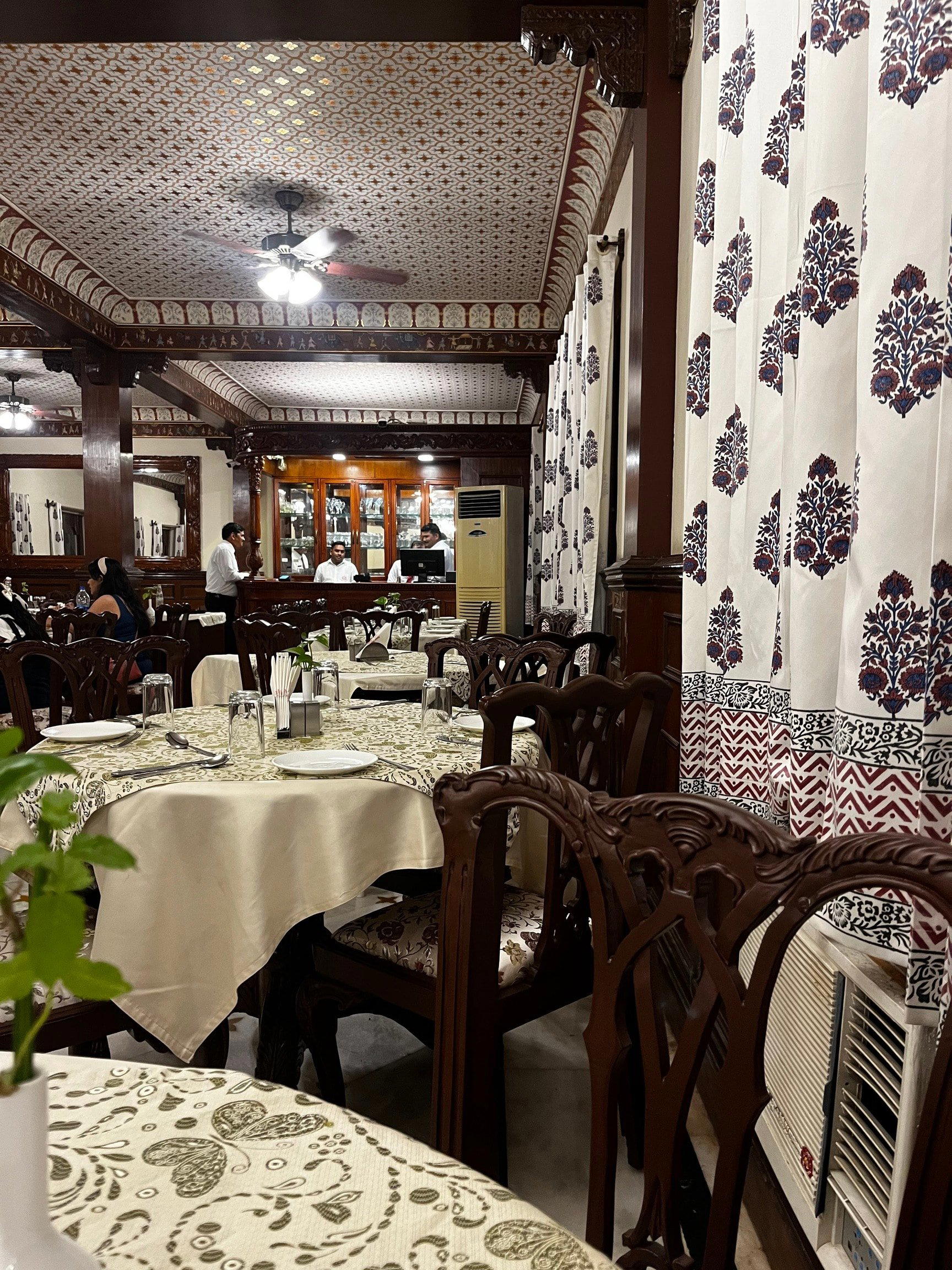
Details
- Elegant
- Casual Hangout
- Family
- Hotel Restaurant
- Local Sourcing
- Organic
- A La Carte
Current opening hours
- Monday
- 12 AM–11 PM
- Tuesday
- 12 AM–11 PM
- Wednesday
- 12 AM–11 PM
- Thursday
- 12 AM–11 PM
- Friday
- 12 AM–11 PM
- Saturday
- 12 AM–11 PM
- Sunday
- 12 AM–11 PM
Hours can change for holidays and private events. Last verified .
Comfortable hotel restaurant seating 54 diners with appealing Pan Asian fare.