Double Decker Casual Dining sits within the Fave Hotel Solo Baru complex in Sukoharjo's Grogol district, placing it at the intersection of hotel convenience and casual local eating. The name signals a layered format, common across Central Java's mid-range hotel dining scene, where accessible pricing and familiar Indonesian staples anchor the offer. It draws a mixed crowd of hotel guests and local diners in an area with limited standalone restaurant competition.
Pearl is the En Primeur Club membership app — saves, bookings, and concierge access live there. Same editors, same standards.
- Address
- CR27+5MM Fave Hotel Solo Baru, Jl. Ir. Soekarno Lantai GF, Dusun II, Madegondo, Kec. Grogol, Kabupaten Sukoharjo, Jawa Tengah 57552, Indonesia
- Phone
- +6281297982000
- Website
- tinyurl.com
- Directions
- Get directions
 Saves & bookings on Pearl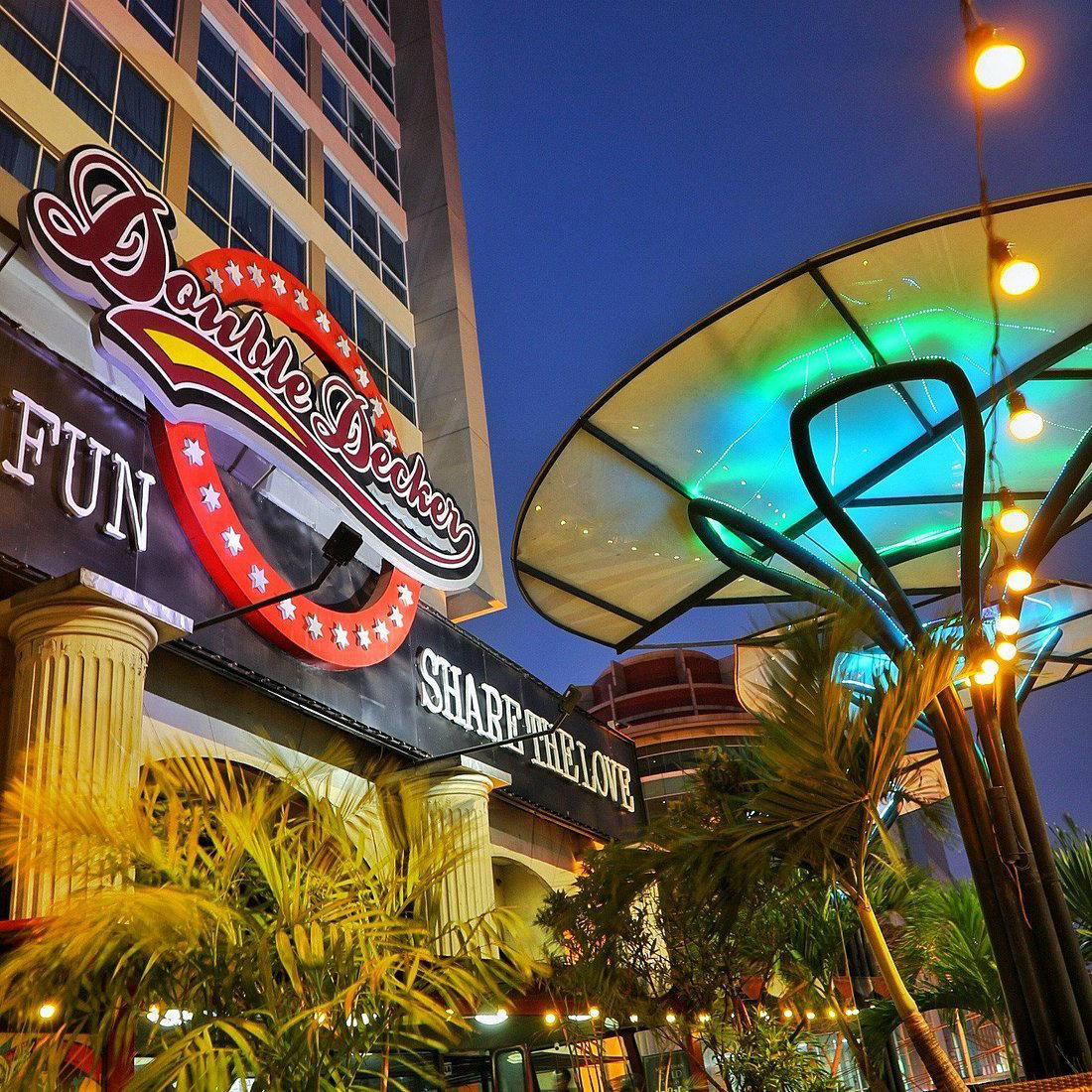
Casual Dining in Sukoharjo's Hotel Belt: Where the Eating Actually Happens
The stretch of Jalan Ir. Soekarno running through Grogol, Sukoharjo, is a practical dining corridor rather than a destination in the way Solo's older city centre is. It is a functional strip built around the commercial and residential expansion of Solo Baru, where mid-range hotels, business facilities, and family retail sit close together. Within that context, hotel-attached dining rooms carry more weight than they might in a city with a denser independent restaurant scene. Double Decker Casual Dining, operating from the ground floor of the Fave Hotel Solo Baru, occupies precisely that kind of position: a room where hotel guests and local residents both find a reason to eat, often at the same time.
This is a pattern found across Central Java's secondary cities and satellite towns. In areas where culinary infrastructure is still developing, the hotel dining room functions as a reliable neutral ground. It offers a controlled environment, predictable hours, and a menu that bridges Indonesian standards with the kind of lighter international options that budget-to-mid hotel brands have standardised across the archipelago. The Fave brand, known for its lean, efficient properties aimed at value-conscious travellers, tends to support that kind of direct food operation at ground level. For visitors staying in the Solo Baru area rather than in the older Solo city core, this is a sensible first meal rather than an afterthought.
The Sourcing Context: What Casual Dining Means in a Javanese Agricultural Region
Sukoharjo sits inside one of Indonesia's most productive agricultural zones. The regency and its neighbours feed into Solo's food supply, with rice cultivation, tempeh production, and vegetable farming all operating at proximity. Central Java's casual dining culture has historically drawn on this proximity without making a point of it: the connection between local agriculture and the plate is assumed rather than announced, embedded in the standard repertoire of nasi campur, sayur lodeh, and tempeh-based dishes that appear at every warung and mid-range restaurant in the region.
Hotel casual dining in this geography tends to reflect that same logic at a slightly higher level of presentation. The kitchen draws on what the surrounding market supplies, because that is what the local supply chain makes economical, not as a philosophical position but as a structural fact of cooking in this part of Java. Tempeh, sourced from producers within the wider Solo region, appears in multiple preparations. Rice, grown nearby, is the base around which everything else is arranged. Vegetables move through the Solo market system from farms in the surrounding regencies.
This contrasts with the kind of ingredient-forward sourcing narrative that defines higher-end Indonesian dining elsewhere. At Moksa in Bali, the garden-to-table framework is a defining structural element. At Cafe Organic Canggu, ingredient provenance is central to the brand identity. Casual hotel dining in Sukoharjo operates in a different register entirely: the sourcing is local by default, not by design, and the value proposition is reliability and accessibility rather than provenance storytelling.
That distinction matters for how you read the menu. It is a room using the regional supply chain the way Central Javanese cooking has always used it, competently and without ceremony.
The Room and the Atmosphere
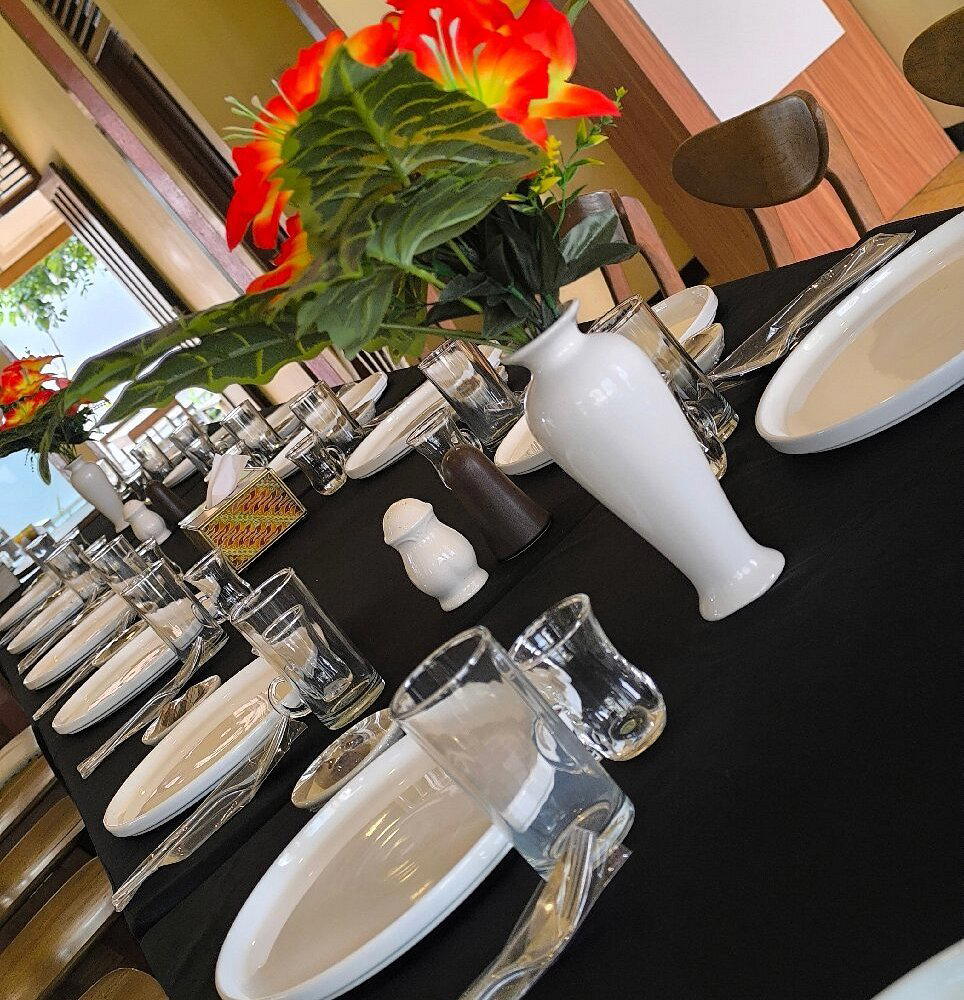
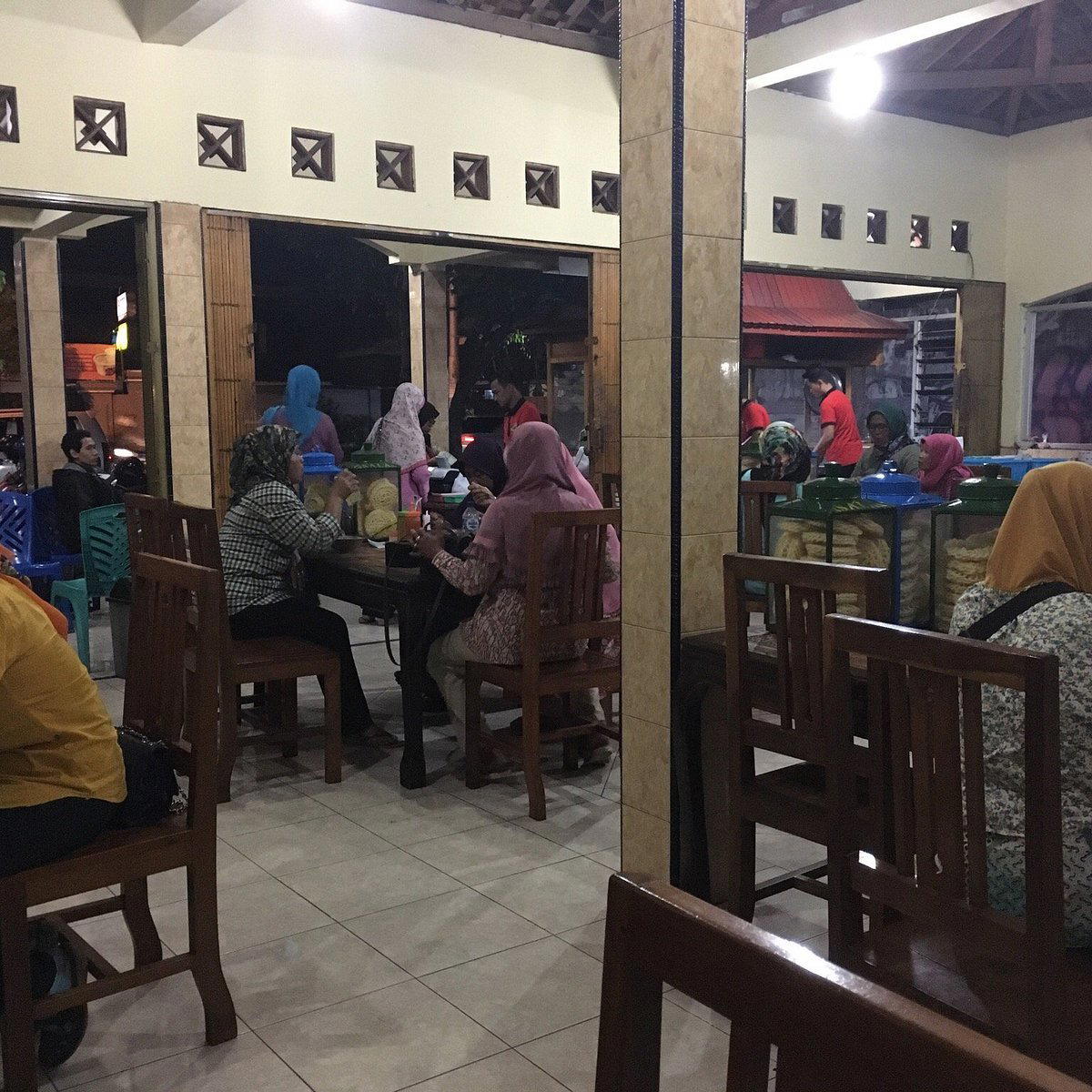
Ground-floor hotel dining rooms in properties like this typically use tiled floors, moderate lighting, and a mix of table configurations for solo travellers and small groups. The space signals a casual register clearly. There is no dress expectation beyond the ordinary, no booking complexity, and no theatrical element to the service format.
In the wider context of Indonesian restaurant culture, this positions Double Decker in the accessible, family-compatible tier that accounts for the majority of daily restaurant visits across the country. The name suggests a layered format, though the casual classification keeps it firmly in everyday-dining territory rather than the special-occasion bracket.
For comparison, the kind of atmosphere that marks the higher end of Indonesian dining operates in an entirely different register. Double Decker is not in that conversation, nor does it need to be. It serves a different purpose in the dining ecosystem: a functional, accessible room in a commercial hotel zone.
Where Double Decker Sits in the Sukoharjo and Greater Solo Dining Picture
Solo (Surakarta) and its surrounding regencies, including Sukoharjo, represent a significant food culture that rarely receives the international coverage that Bali and Jakarta dining attracts. The city is associated with specific dishes that have spread across Indonesia: nasi liwet, serabi, timlo soup. The local eating culture is deeply embedded in the warung and pasar malam (night market) tradition, where the quality-to-price ratio at the informal end of the market is exceptionally strong.
Hotel dining in this environment occupies a specific lane: it offers shelter from the heat, consistent service, and a menu that non-local visitors can approach without language barriers. It is not where a well-briefed Solo food visitor would spend every meal, but it is a useful anchor, particularly for early breakfasts, late dinners, or meals when the energy to seek out a specific warung is not available. The Grogol district of Sukoharjo, where the Fave Hotel sits, is not the historic centre of Solo's food scene; that gravitational pull remains closer to Pasar Gede and the old city. But it serves the population and business activity of Solo Baru's expansion zone reliably.
Other Indonesian casual dining options with regional specificity worth noting in the broader archipelago context include CARANO Masakan Padang in Bekasi and bebek goreng harissa in Sidoarjo, both of which anchor their menus in a specific regional cooking tradition rather than the broader casual hotel format. At the opposite end of the spectrum, restaurants like August in Jakarta or Rumari in Jimbaran illustrate how far the premium Indonesian dining scene has moved from this accessible tier. Cuca Restaurant in Badung, Jungle Fish Bali in Gianyar, and The Legian in Seminyak each represent the Bali-centred tier of international-facing dining that has little in common with what hotel casual dining in Sukoharjo is doing. The comparison is useful precisely because it maps the full range: Double Decker is at the functional, accessible base, and that is a legitimate and necessary part of any complete dining ecosystem.
For those travelling wider across Southeast Asia and the broader dining world, the gap between the casual hotel dining tier and more ambitious dining rooms is significant regardless of geography. Le Bernardin in New York City and Lazy Bear in San Francisco represent the far end of that spectrum internationally, while venues like Agreya Coffee Bogor in Bogor and Banyan Tree Café in Lombok occupy their own distinct positions within Indonesian cafe and casual dining culture. Bianco Sapori D'Italia in Tangerang illustrates the imported-cuisine-in-a-suburban-hotel format that parallels Double Decker's general positioning, if in a different culinary register.
Planning a Visit: What to Know
Double Decker Casual Dining is located on the ground floor of the Fave Hotel Solo Baru at Jalan Ir. Soekarno, Madegondo, Kec. Grogol, Kabupaten Sukoharjo. The Grogol area is approximately a 20-to-25 minute drive from Solo city centre depending on traffic, and the hotel sits within the commercial Solo Baru development zone where parking is generally accessible. As a hotel restaurant, it is open to non-hotel guests, and the casual format means walk-ins are the standard approach rather than advance reservations. Specific hours, pricing, and current menu details should be confirmed directly with the hotel.
Comparable Venues
Comparable venues nearby, for context on price, style, and recognition.
| Venue | Cuisine | Price | Notes |
|---|---|---|---|
| Double Decker Casual DiningThis venue — the venue you are viewing | Steakhouse & Cafe Diner | $$ | Not listed |
| The Duck King Plaza Ambarrukmo Jogja | Chinese Duck Specialist | $$ | Sleman |
| Bonfire Roast & Grill | Western-Indonesian Grill & Roast | $$ | Cihapit |
| Imperial Kitchen & Dimsum | Chinese Dim Sum | $$ | Tangerang |
| TRI DATU RESTOURANT | Indonesian Warung | $$ | Baturiti |
| Peloton Supershop | Plant-Based Cafe | $$ | Berawa |
Continue exploring
More in Sukoharjo
Restaurants in Sukoharjo
Browse all →
At a Glance
- Lively
- Cozy
- Trendy
- Well Known
- Family
- Group Dining
- Casual Hangout
- Celebration
- Open Kitchen
- Street Scene
Current opening hours
- Monday
- 10 AM–10:25 PM
- Tuesday
- 10 AM–10:25 PM
- Wednesday
- 10 AM–10:25 PM
- Thursday
- 10 AM–10:25 PM
- Friday
- 10 AM–10:25 PM
- Saturday
- 10 AM–10:25 PM
- Sunday
- 10 AM–10:25 PM
Hours can change for holidays and private events. Last verified .
Bright and lively atmosphere with lots of lighting, posters, and thematic props creating a fun, nostalgic American diner vibe.