Our verdict
On the shore of Gili Trawangan, Banyan Tree Café sits where the Gili Islands' casual beach-café tradition meets the local ingredient story of Lombok's fishing communities and small farms. Sparse on formal credentials, it draws visitors seeking proximity to what the island actually produces rather than a polished resort menu. A useful stop on any serious tour of the island's eating options.

Pearl is the En Primeur Club membership app, where members save venues, book tables and use the concierge.
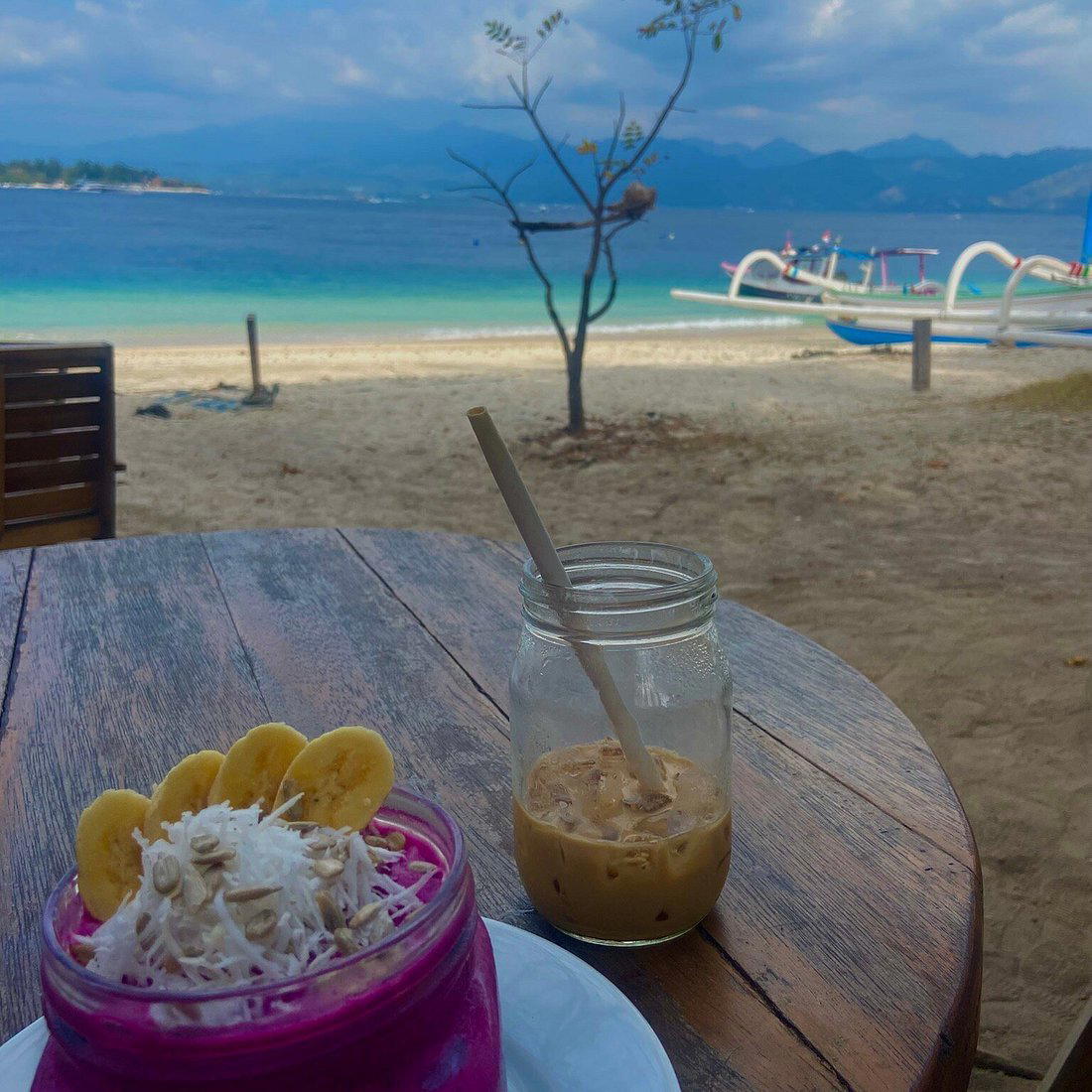
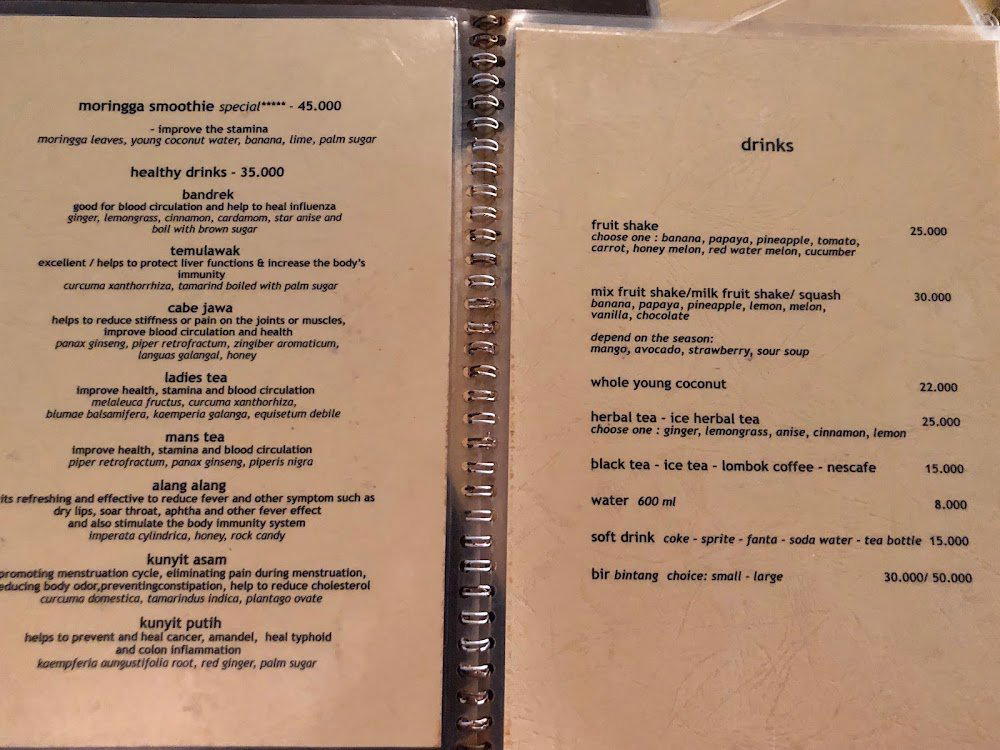
The menu
What to order
- Avocado Toast
- Buddha Bowl
- Miso Ramen
- Chocolate Peanut Butter Smoothie Bowl
- Pancakes
Where the Beach Café Format Meets Lombok's Ingredient Geography
Gili Trawangan operates under a different logic from Bali's resort corridor. There are no motor vehicles on the island, deliveries arrive by boat, and supply chains are short by necessity rather than by design philosophy. That physical reality shapes every café and warung on the strip, including Banyan Tree Café on Jl. Pantai Gili Trawangan. What reaches the kitchen is largely what crossed the strait from mainland Lombok or came out of the surrounding water that morning, a supply constraint that, in practice, tends to produce food that tastes more specifically of this place than anything engineered for a broader tourist palate.
Across the Indonesian archipelago, the beach café format has split into two recognisable tiers. One end sees fully designed operations with international wine lists, trained bar programs, and tasting menus that could sit in any mid-tier Asian capital, places like Sarong Bali in Canggu or The Legian in Seminyak belong to that more constructed register. The other end remains rooted in locality, open-air, ingredient-led, and shaped by what fishermen and local smallholders bring in. Banyan Tree Café occupies the second position: its address on Gili Trawangan's beach road places it in a competitive set defined by proximity to the water and to Lombok's agricultural hinterland, not by formal credentials or chef accolades.
The Ingredient Story Behind Gili Trawangan Eating
Lombok's food geography is distinct from Bali's, even though the two islands sit within sight of each other across the Lombok Strait. Lombok's fishing communities have long supplied the Gilis with reef fish, squid, and shellfish pulled from some of the more productive waters in Nusa Tenggara. The island's interior, particularly the slopes around Rinjani, produces chilies, vegetables, and the long-pepper varieties that underpin Sasak cooking, the indigenous cuisine of Lombok that relies on heat and ferment in ways that differ noticeably from Balinese ceremonial cooking traditions.
That ingredient base is what gives a beach café on Gili Trawangan its most defensible advantage over comparable operations in, say, Kuta or Seminyak. Where resorts on Bali's southwest coast often import produce to meet international-menu expectations, the Gilis' logistical isolation works in the opposite direction: it pushes kitchens toward whatever is locally abundant. For diners who have eaten their way through the more produced end of the Indonesian restaurant scene, operations like Locavore NXT in Ubud or August in Jakarta, both of which foreground Indonesian ingredient sourcing with considerable technical ambition, a Gili beach café like Banyan Tree offers the unmediated version of the same underlying story: local fish, local spice, minimal intervention.
Positioning Within the Lombok Eating Scene
Lombok as a dining destination sits at an earlier stage of culinary development than Bali. The island has not yet generated the density of chef-led, award-tracked restaurants that Bali's Ubud corridor has accumulated over the past decade. For visitors expecting the kind of critical infrastructure that surrounds places like Moksa in Bali or Cuca Restaurant in Badung, Michelin recognition, documented tasting menus, verifiable sourcing certifications, Lombok will disappoint on formal signals. Without a critical apparatus to inflate expectations, what you get is closer to what actually grows and swims here.
Banyan Tree Café's address on the beach road is significant context. Gili Trawangan's main strip runs between dive operators, small hotels, and a shifting population of food venues, with the western-facing beachfront commanding the leading light in the late afternoon and early evening. That orientation, combined with the island's no-motorised-vehicle policy, creates a consistently slower pace of arrival and departure than anything on the Balinese mainland, relevant to how long most visitors actually spend at a table. For a comparative reference on what the Indonesian sourcing-led approach looks like at its most ambitious and technically rigorous, Kahyangan in Gondangdia and Rumari in Jimbaran each demonstrate different registers of that same impulse applied with greater resource and formal kitchen discipline.
How to Approach a Visit
Gili Trawangan is reached by fast boat from Bangsal harbour on Lombok's north coast, or by direct fast-boat services from Bali's Padang Bai and Serangan harbours, crossings that typically run between 90 minutes and 2.5 hours depending on departure point and sea conditions. On the island itself, transport is by bicycle or cidomo, the horse-drawn cart that remains the dominant vehicle. Visitors arriving on the first morning ferries have the beach road largely to themselves before midday; by mid-afternoon, foot traffic peaks as day-trippers from Bali overlap with overnight guests. A lunch sitting at Banyan Tree Café, timed to that quieter morning window, will involve a materially different atmosphere than an evening table when the strip fills for sunset.
Booking data, pricing, and formal hours for Banyan Tree Café are not in our verified database at this time. Given the Gilis' informal hospitality culture and the relatively small scale of most venues on the island, walk-in access is the norm rather than the exception outside of peak Indonesian school holidays in July and August, when the island sees its highest domestic visitor numbers. See our full Lombok restaurants guide for broader context on what the island's eating scene offers across different price points and styles.
For the full range of Indonesian dining being covered across the EP Club network, the plant-forward approach at Cafe Organic Canggu in Banjar Badung, the Padang tradition at CARANO Masakan Padang in Bekasi, and the hillside fish format at Jungle Fish Bali in Gianyar each illustrate how differently sourcing logic plays out across the archipelago's distinct regional cooking traditions.
Frequently asked questions
Does Banyan Tree Café work for a family meal?
Gili Trawangan's car-free environment makes it physically straightforward for families to move around the island, and a beach café format tends to suit mixed-age groups better than a formal dining room. Banyan Tree Café sits on Jl. Pantai Gili Trawangan, placing it directly along the beachfront strip.
How would you describe the vibe at Banyan Tree Café?
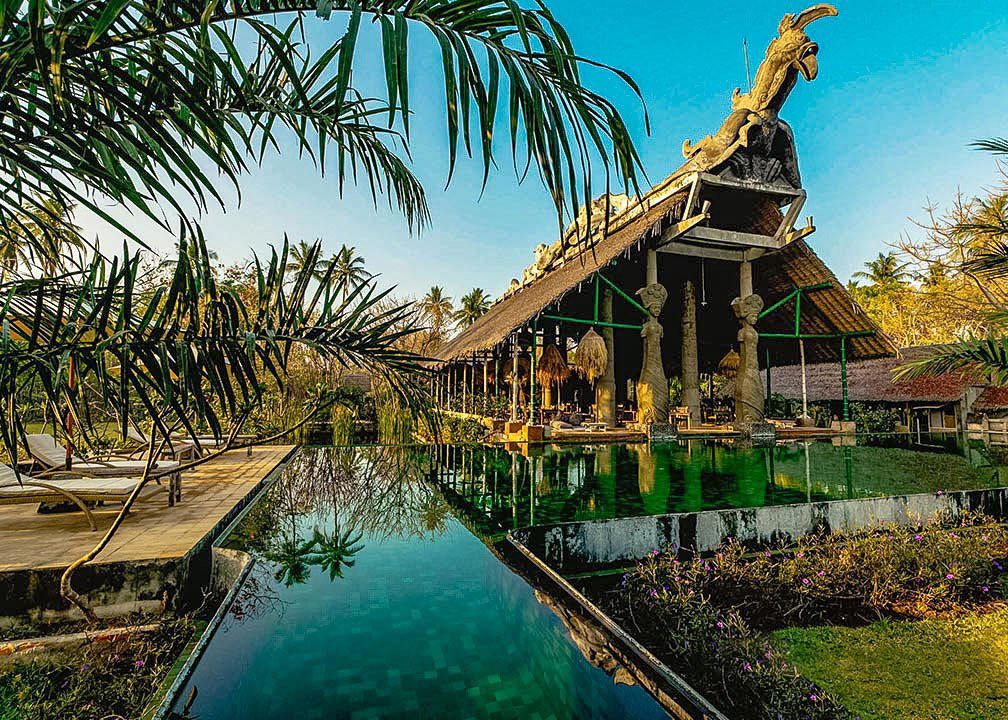
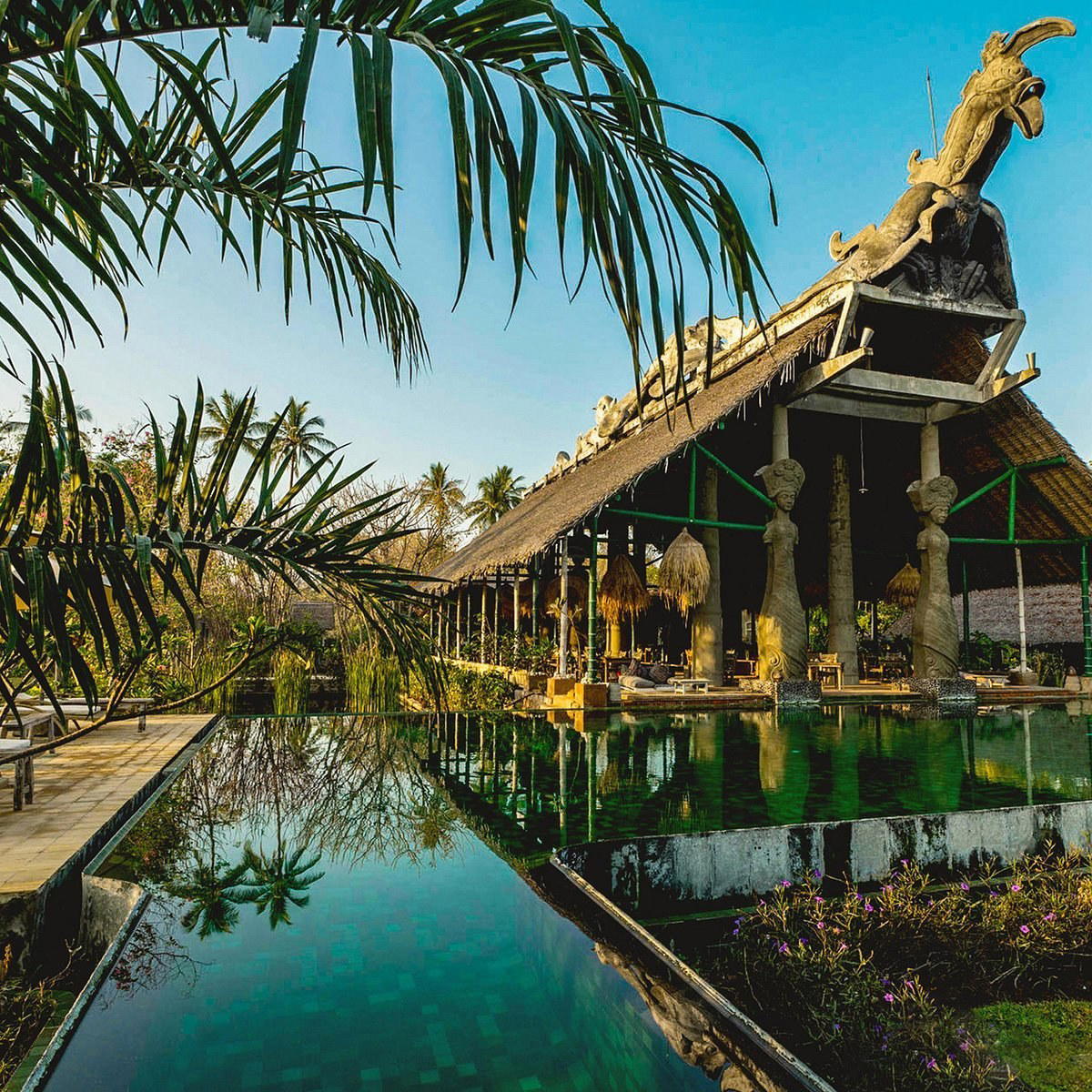
Gili Trawangan runs on a different rhythm from Bali's resort corridor: no motor vehicles, boat-delivered supplies, and an unhurried pace that shapes every café on the island. Banyan Tree Café's address on Jl. Pantai Gili Trawangan places it within the beachfront stretch where that atmosphere is most pronounced. Expect an informal, open setting oriented around the coastline rather than interior dining.
Is Banyan Tree Café on Gili Trawangan affected by the island's no-vehicle rule?
Yes, and it matters logistically. Gili Trawangan operates without motor vehicles, which means all supplies, including food and equipment, reach Banyan Tree Café by boat delivery from the Lombok mainland. The café sits at Jl. Pantai Gili Trawangan in Kabupaten Lombok Utara, so guests travel to it on foot or by cidomo, the horse-drawn carts that serve as the island's only wheeled transport.
What dish is Banyan Tree Café famous for?
What shapes the food at Gili Trawangan generally is the island's supply logic: ingredients arrive by boat from Lombok's north coast, and the local fishing waters influence what appears on menus. The café's current food focus is best confirmed on arrival or through the island's boat-accessible information network.
What part of town is Banyan Tree Café in?
Banyan Tree Café is located at Jl. Pantai Gili Trawangan, Gili Indah, Kec. Pemenang, Kabupaten Lombok Utara, Nusa Tenggara Bar. 83352, Indonesia, Lombok.
What's the best way to book Banyan Tree Café?
No phone number or website is currently listed for Banyan Tree Café. Gili Trawangan is reached by fast boat from Bangsal harbour on Lombok's north coast, or by direct services from Bali's Padang Bai and Serangan ports. For a café at this scale on a vehicle-free island, walk-in is typically the practical approach once you reach Jl. Pantai Gili Trawangan.
Comparable Venues
Comparable venues nearby, for context on price, style, and recognition.
| Venue | Cuisine | Price | Notes |
|---|---|---|---|
| Banyan Tree CaféThis venue (the venue you are viewing) | Healthy Vegetarian Café | $10–20 | Not listed |
| Kynd Community | Plant-Based Café | $10–20 | Seminyak |
| Peloton Supershop | Plant-Based Cafe | $10–20 | Berawa |
| Sayuri Healing Food | Raw Vegan & Plant-Based Living Food | $10–20 | Peliatan |
| Coco beach restaurant | Indonesian Beachside Seafood | $10–20 | Senggigi |
| Warung Damar | Authentic Balinese & Indonesian | $20–30 | Kuta |
Continue exploring
More in Lombok
Restaurants in Lombok
All restaurants in Lombok →
Bars in Lombok
All bars in Lombok →
Details
- Bohemian
- Scenic
- Cozy
- Brunch
- Casual Hangout
- Solo
- Terrace
- Waterfront
- Zero Proof
- Organic
- Local Sourcing
- Waterfront
- A La Carte
- Slow Pressed Juices
- Specialty Coffee
- Vegetarian Friendly
- Vegan Options
- Gluten Free Options
Current opening hours
- Monday
- 7 AM–9 PM
- Tuesday
- 7 AM–9 PM
- Wednesday
- 7 AM–9 PM
- Thursday
- 7 AM–9 PM
- Friday
- 7 AM–9 PM
- Saturday
- 7 AM–9 PM
- Sunday
- 7 AM–9 PM
Hours can change for holidays and private events. Hours as of .
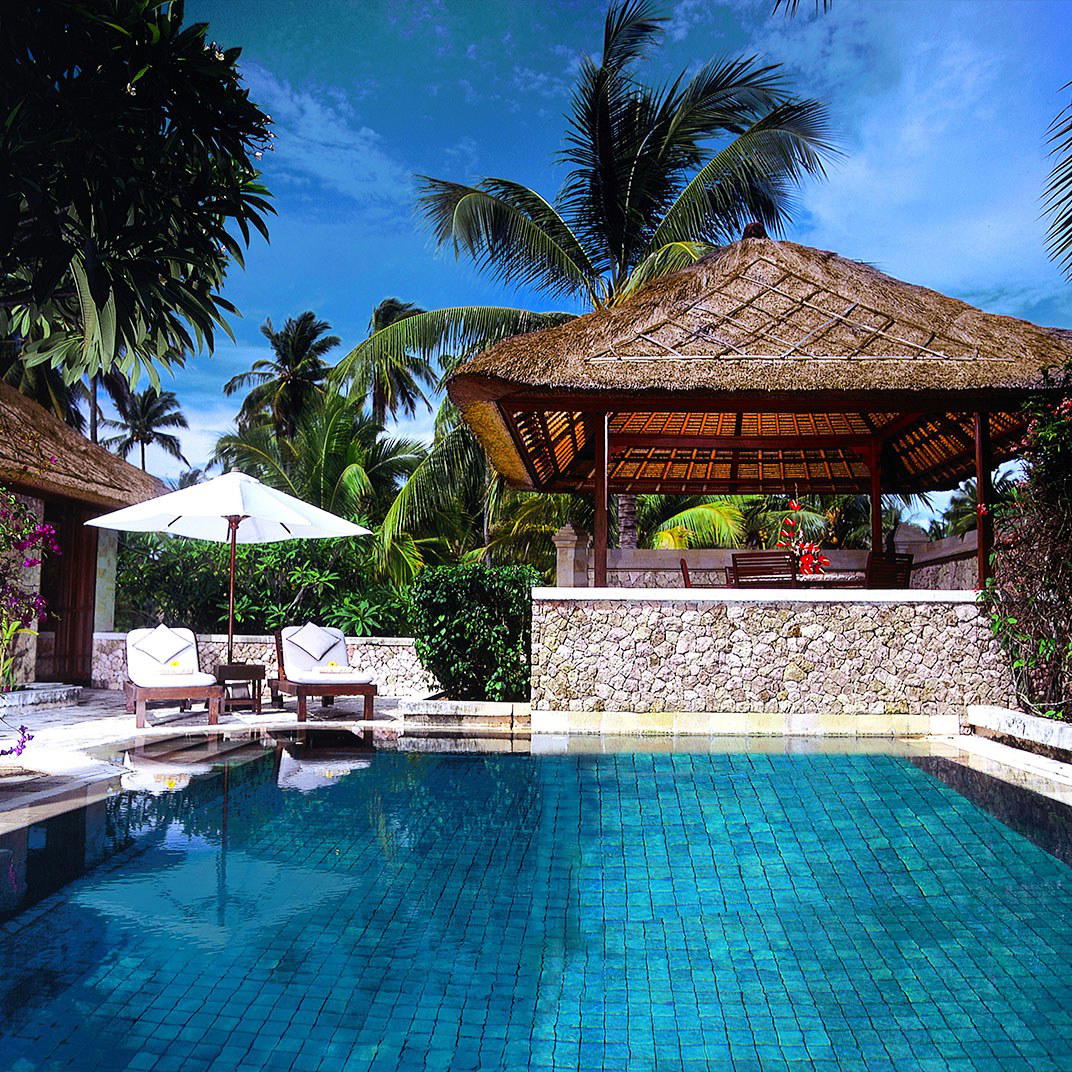
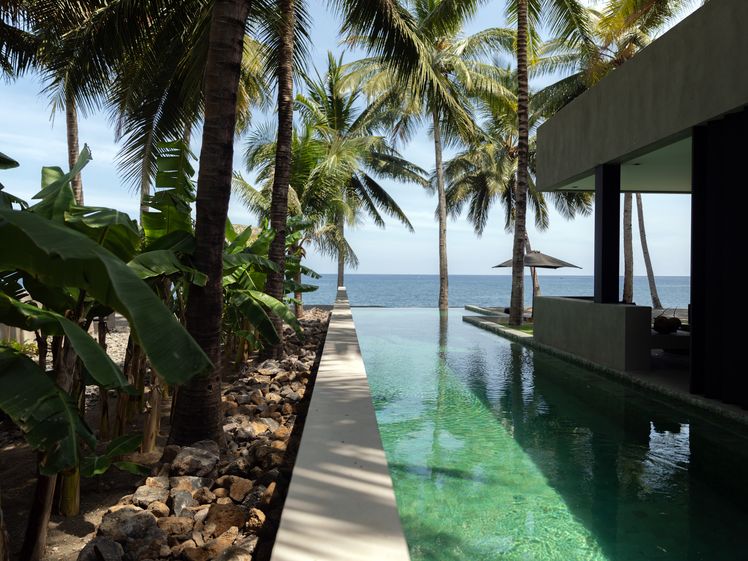
Bright and airy with both cool air-conditioned interior downstairs and open terrace seating upstairs with beach views; lively yet relaxed island atmosphere.