Positioned on Chaksibari Marg in Thamel, Yin Yang Restaurant occupies one of Kathmandu's most active dining corridors, where international visitors and local professionals converge. The name signals the balance-oriented sensibility that defines much of the neighbourhood's mid-market dining scene, where kitchens routinely bridge continental and South Asian registers to meet a wide cross-section of guests.
Pearl is the En Primeur Club membership app — saves, bookings, and concierge access live there. Same editors, same standards.
- Address
- Chakshibari Marg (Thamel), काठमाडौं
- Directions
- Get directions
 Saves & bookings on Pearl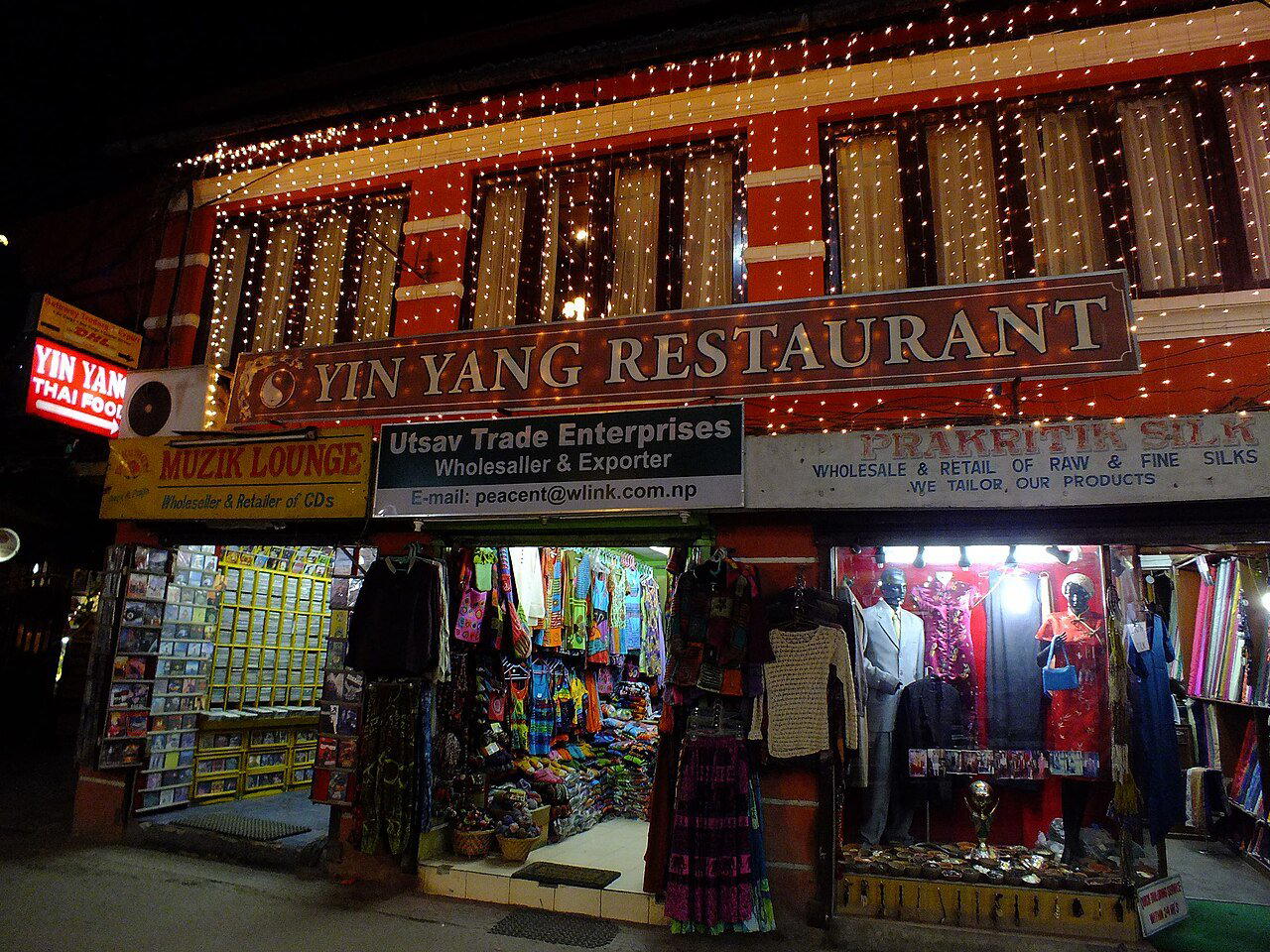
Thamel's Dining Corridor and Where Yin Yang Sits Within It
Chaksibari Marg runs through the commercial heart of Thamel, the district that has functioned as Kathmandu's primary hospitality node for international travellers since the trekking boom of the 1970s. The street concentrates restaurants, guesthouses, and outfitters into a dense stretch that rewards slow walking and patience at the table. Yin Yang Restaurant sits on this corridor, entering a conversation that includes everything from Dongfang Palace China, one of the area's long-standing Chinese specialists, to Fire & Ice, which has held its position as a reliable Italian anchor for years. In that company, the yin-yang framing matters: it announces a kitchen oriented toward balance between culinary traditions rather than allegiance to one.
Thamel is not a neighbourhood that rewards loyalty to a single register. The guests who move through it, returning trekkers, business travellers, long-stay volunteers, and short-stay tourists, arrive with different reference points and different expectations of what a meal should accomplish. Restaurants that perform well here have learned to read that room. Strong examples among them manage to do so without collapsing into generic internationalism, maintaining some editorial point of view in the kitchen even as the menu spans geography. That tension is where Yin Yang's name earns its meaning.
The Scene: Front-of-House and the Work of Holding Disparate Guests Together
In cities where the front-of-house carries as much cultural translation responsibility as Kathmandu's Thamel corridor, the team dynamic between service, kitchen, and guest becomes a defining feature of the experience. Hospitality here is not the choreographed distance of a fine-dining room in, say, Pavillon Ledoyen in Paris or the precision systems behind Atomix in New York. It operates at a different register: warmer, more improvisational, built on reading whether a table wants recommendations or space, whether they're recovering from altitude or celebrating a summit.
That kind of service intelligence does not emerge from a manual. It develops in kitchens and dining rooms where the team shares information in real time, where the person taking the order communicates back to the kitchen not just the ticket but something about the table's pace and appetite. Restaurants on Chaksibari Marg that have sustained local and visitor trust over years have typically done so because this internal communication works. The front-of-house functions less as a greeting layer and more as an active part of the meal's shape. Nearby, Bitters & Co. demonstrates a similar attentiveness to guest experience through its bar program, and Barc has built its following partly on consistent service rhythm.
Culinary Framing: The Balance-Oriented Kitchen in a Multi-Register City
Kathmandu's dining scene has evolved considerably since the era when Thamel restaurants existed primarily to feed trekkers carbohydrates before and after Himalayan approaches. The city now supports a range of formats, from BAGAAN Thakali Kitchen, which anchors Thakali cuisine with specificity and regional pride, to international formats that compete on consistency and familiarity. Yin Yang's positioning within this spread reflects the enduring demand for kitchens that can move between registers without losing focus.
The balance motif that structures many Thamel menus, continental alongside South Asian, familiar alongside local, is not simply commercial pragmatism. It reflects Kathmandu's actual eating culture, where households switch between daal bhat and momos and noodle dishes across a single week without registering it as a shift in culinary identity. Restaurants that map onto that fluidity tend to find a more stable guest base than those that import a fixed format wholesale. For travellers coming from properties elsewhere in Nepal, including those who have passed through dining rooms like the Scenic Tea House at Himalayan Hideaway Resort in Pokhara, the transition to Thamel's denser, more varied dining environment can feel abrupt. Yin Yang occupies the zone where that transition is made comfortable.
Placing Yin Yang in the Wider Nepal Dining Picture
Nepal's restaurant geography spans a wide range of contexts and altitudes. At one extreme, trail-side kitchens like Buddha Lodge & Restaurant in Gorak Shep, the last settlement before Everest Base Camp, serve hot food under conditions where any preparation at all is a logistical achievement. At the other end, Kathmandu's urban dining rooms compete for an increasingly sophisticated guest base that has eaten well in Pokhara, Chitwan, and beyond. Thamel sits at the accessible, high-volume end of the urban tier. Within that tier, address on Chaksibari Marg carries its own significance: the street has enough foot traffic to sustain a restaurant on passing custom, but the venues that develop repeat visitors do so through kitchen consistency and team cohesion rather than location alone.
For travellers planning to move through Nepal's eating geography more broadly, the contrast between Kathmandu's urban variety and trail-area simplicity is itself part of the experience. Tomodachi Restaurant in the Sagarmatha Zone represents one node in that network; Yin Yang represents another, oriented toward an urban guest at a different point in the journey.
Planning a Visit: Logistics and Context
Thamel is walkable from most of Kathmandu's central hotels, and Chaksibari Marg is reached easily on foot through the district's main lanes. The neighbourhood is active from mid-morning into late evening, with restaurant traffic peaking around lunch and in the two hours after sunset. For travellers arriving from or departing to the airport, Thamel sits roughly twenty to thirty minutes by road depending on traffic conditions, which in Kathmandu can vary significantly by time of day. Specific hours, pricing, and booking arrangements for Yin Yang are best confirmed directly on arrival or through the property; the restaurant does not appear to maintain a publicly listed reservation system at present.
Yin Yang Restaurant operates at a more casual scale than fine-dining rooms in major capitals. What Yin Yang and its peers on Chaksibari Marg offer is something different from precision-format fine dining: a more elastic hospitality, capable of meeting a wider range of guests where they are at the end of a long day in the mountains or the city.
Budget and Context
Comparable venues nearby, for context on price, style, and recognition.
| Venue | Cuisine | Price | Notes |
|---|---|---|---|
| Yin Yang RestaurantThis venue — the venue you are viewing | Thamel, Authentic Thai with Continental | $$ | Not listed |
| Saigon Pho | Lazimpat, Authentic Vietnamese Pho | $$ | Not listed |
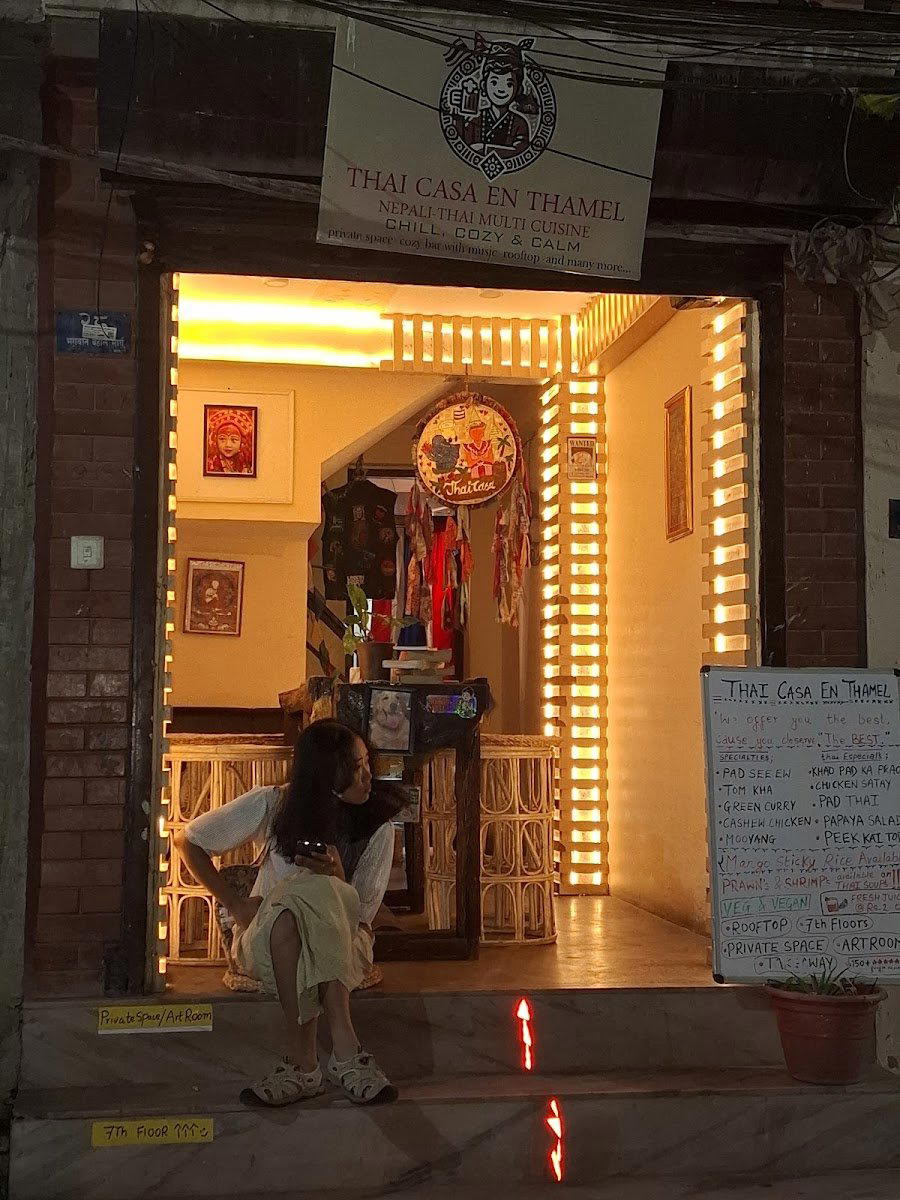
| Thai Casa En Thamel | Thamel, Authentic Thai in Thamel | $ | Not listed |
| BAGAAN Thakali Kitchen | Thamel, Traditional Thakali Kitchen | $ | Not listed |
| Dongfang Palace China | Not listed | $ | Thamel, Authentic Chinese Hand-Pulled Noodles |
| Healthy Smoothie Bowl & Pizzeria | Not listed | $$ | Thamel, Healthy Smoothie Bowls & Neapolitan Pizza |
Continue exploring
More in Kathmandu
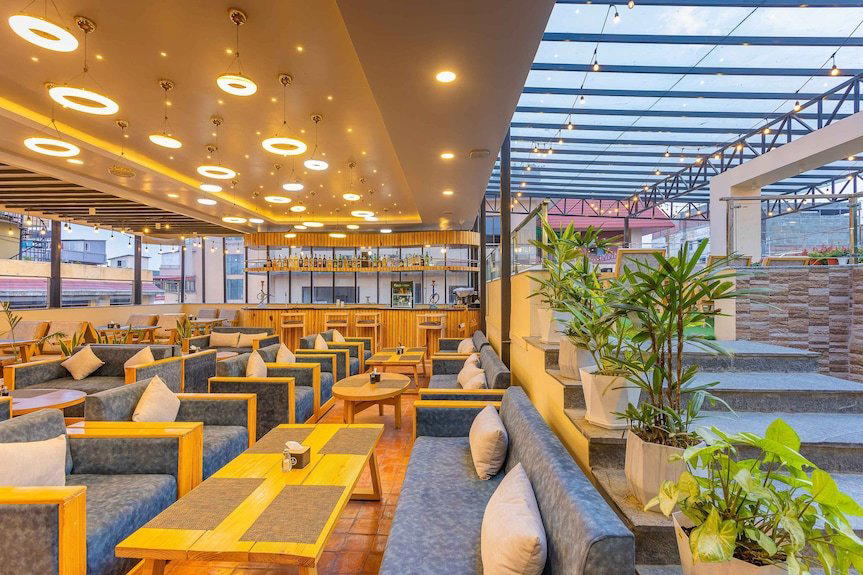
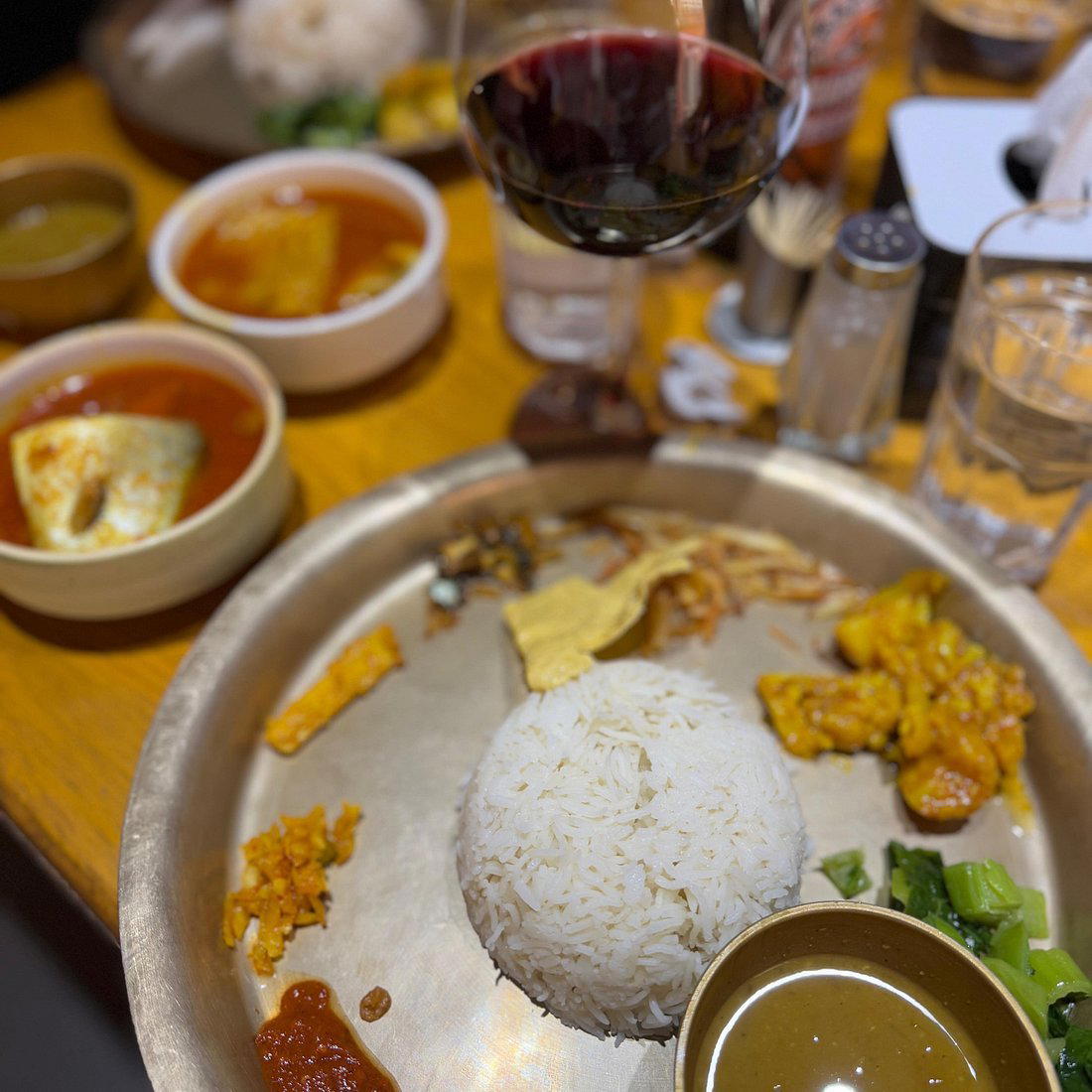
Restaurants in Kathmandu
Browse all →
Bars in Kathmandu
Browse all →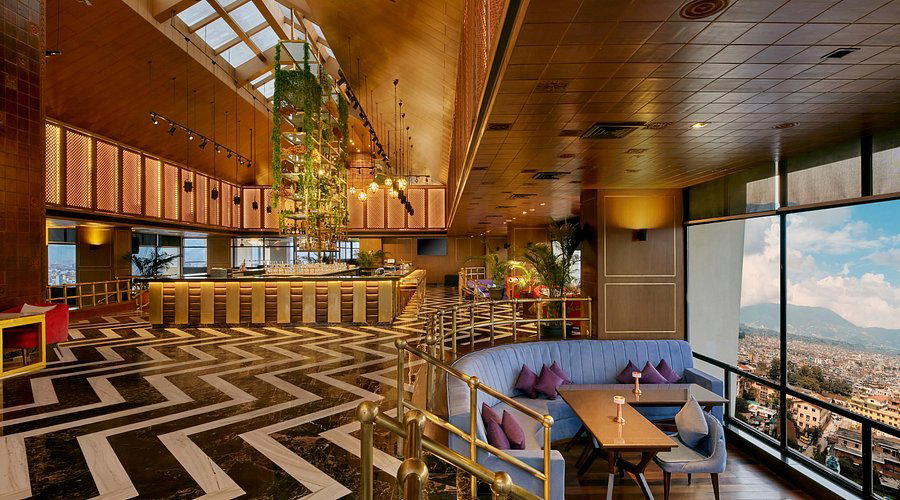
At a Glance
- Cozy
- Elegant
- Classic
- Date Night
- Group Dining
- Family
- Casual Hangout
- Courtyard
- Garden
- Private Dining
- Beer Program
- Garden
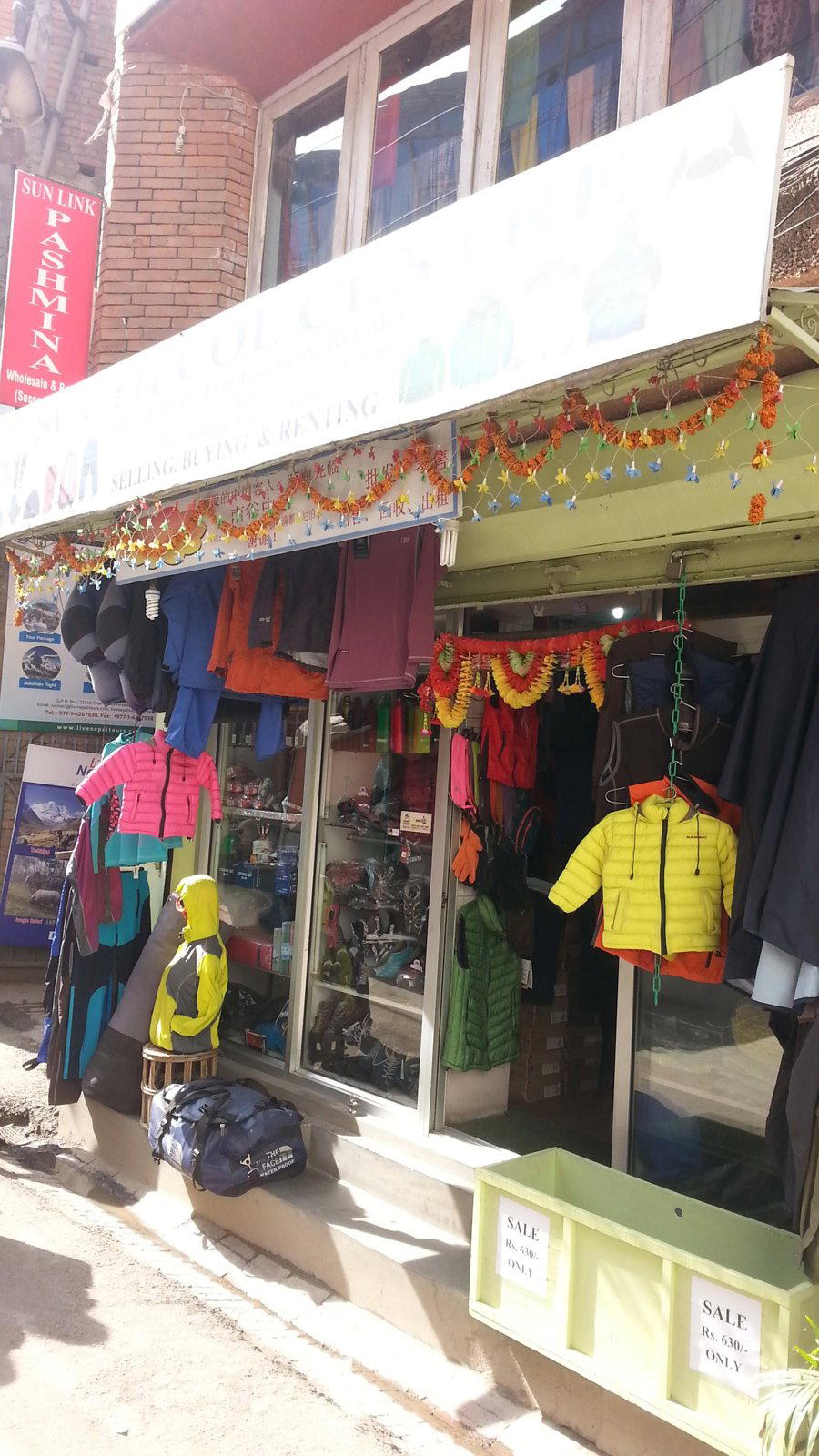
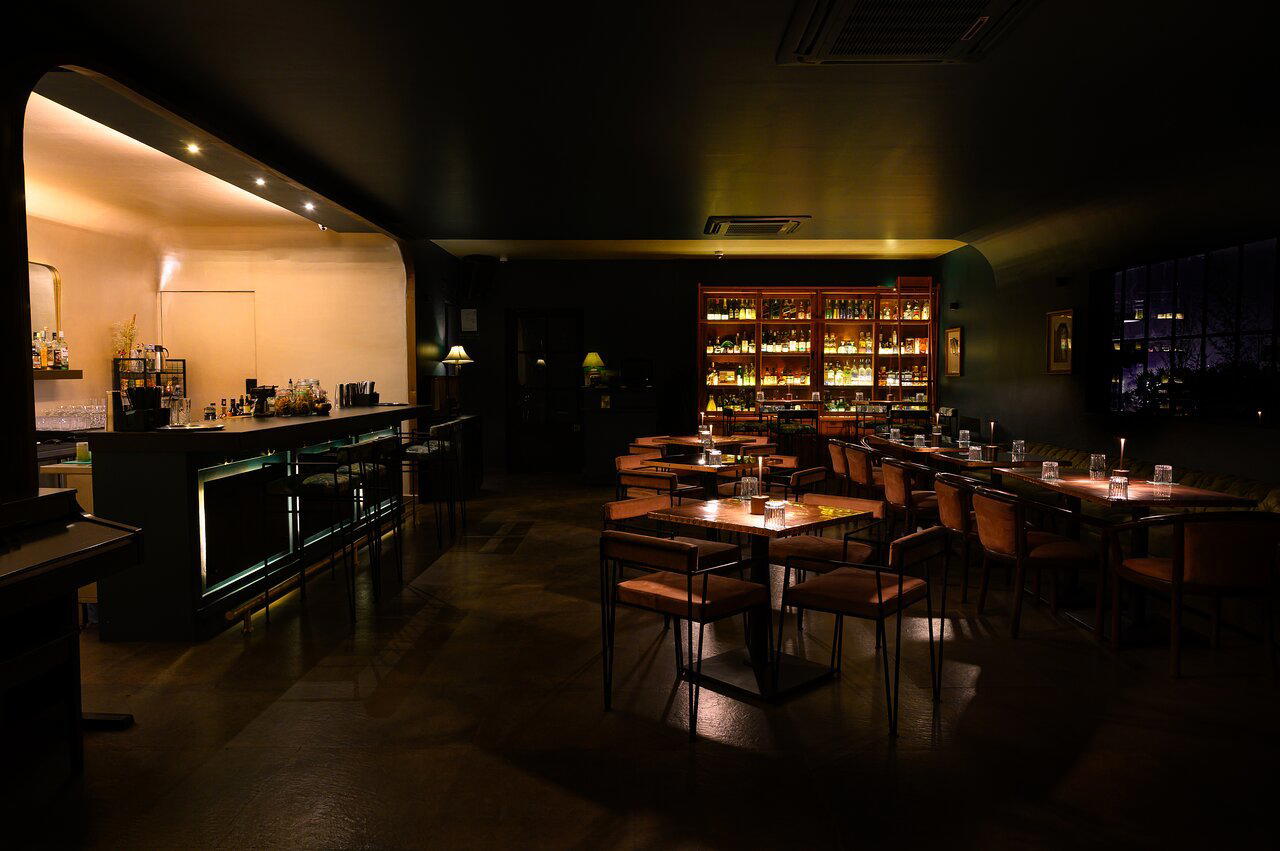
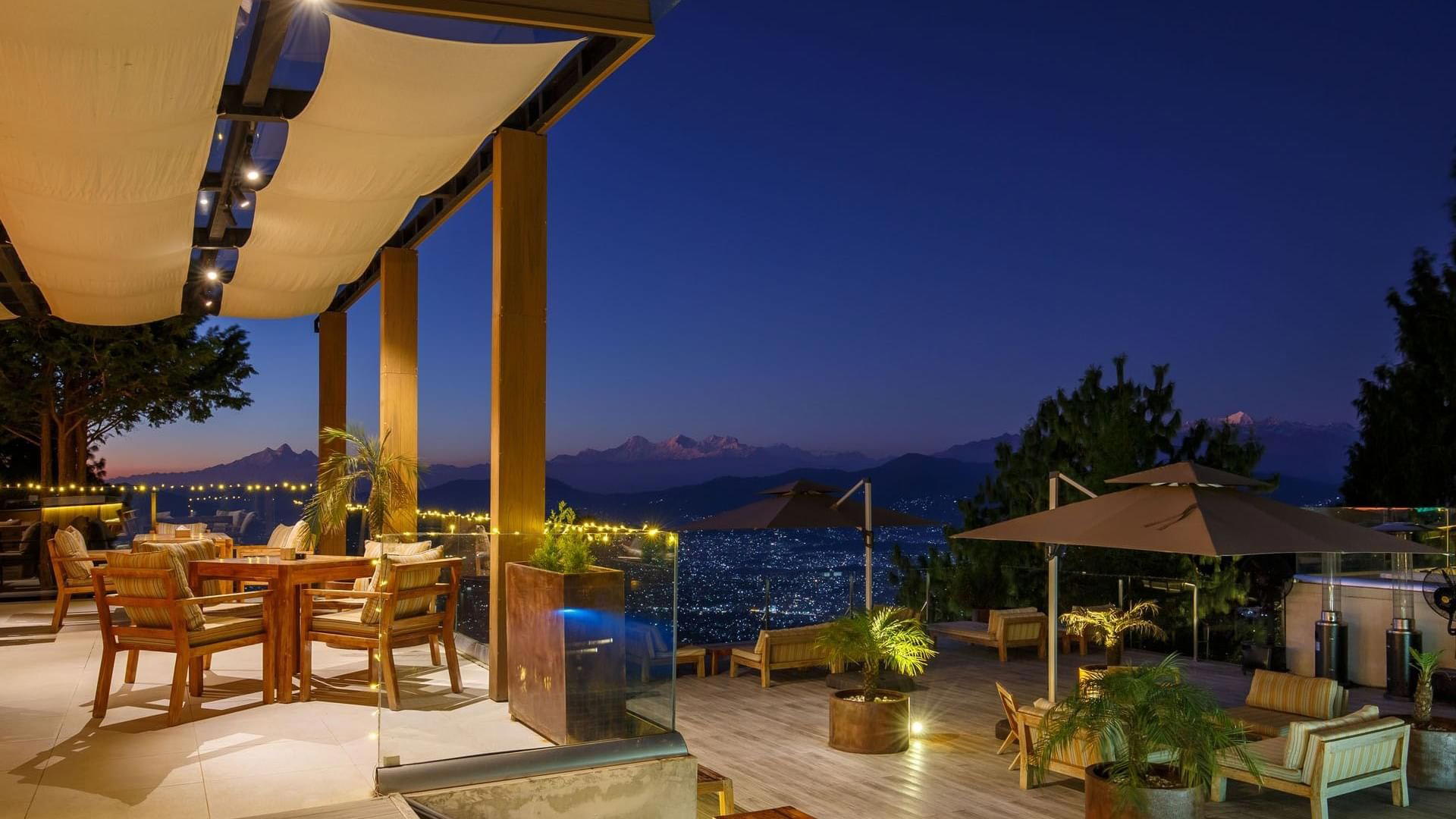
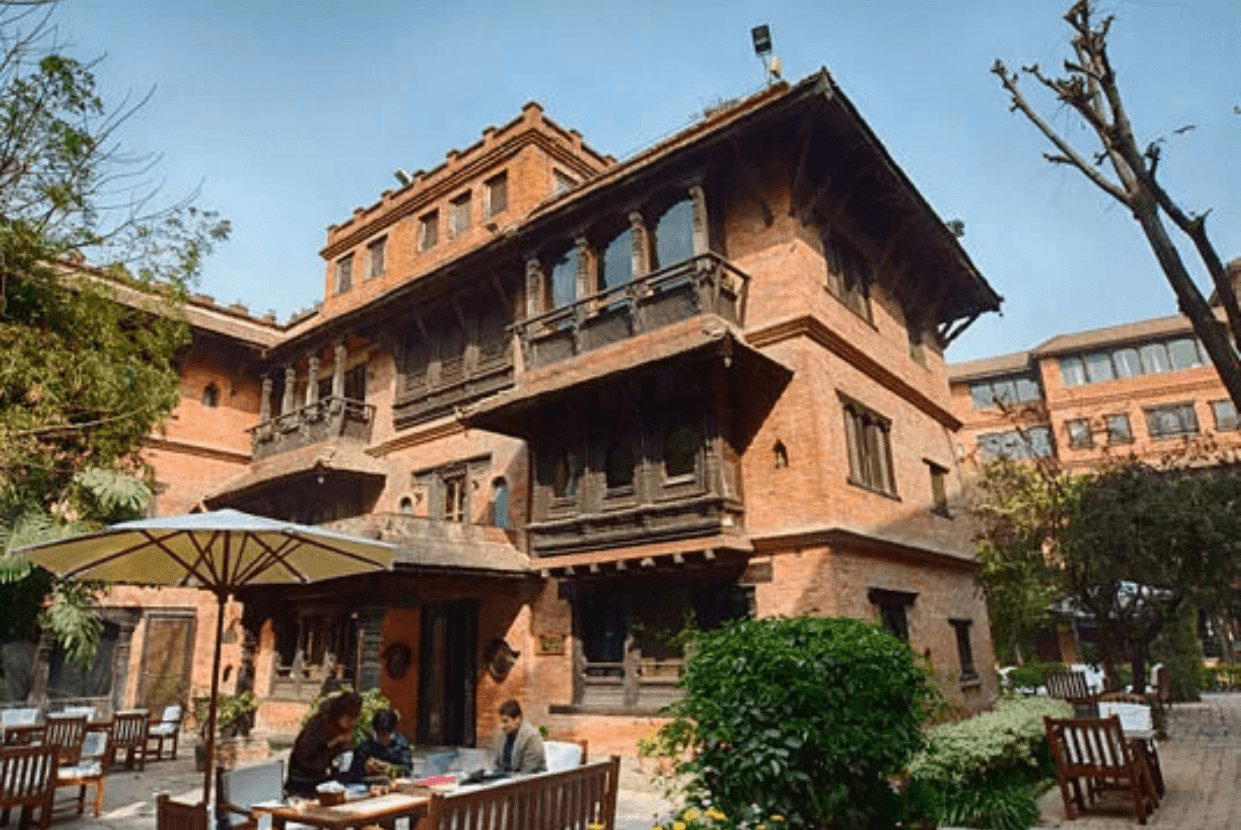
Refined and elegant with tastefully decorated indoor and outdoor spaces; cozy courtyard with garden seating; warm, welcoming atmosphere with attentive service.