
Lottenlund Estate gives Swedish wine a coastal Skåne accent: PIWI varieties, vineyard walks, garden views and an onsite distillery folded into one rural estate format. The case for visiting rests less on grand tradition than on a northern wine project built around resistant grapes, small-scale hospitality and published 90/100 scores for two 2021 Solaris wines.
Pearl is the En Primeur Club membership app — saves, bookings, and concierge access live there. Same editors, same standards.
- Address
- Allerum, Skåne län, Sweden
- Directions
- Get directions
 Saves & bookings on Pearl
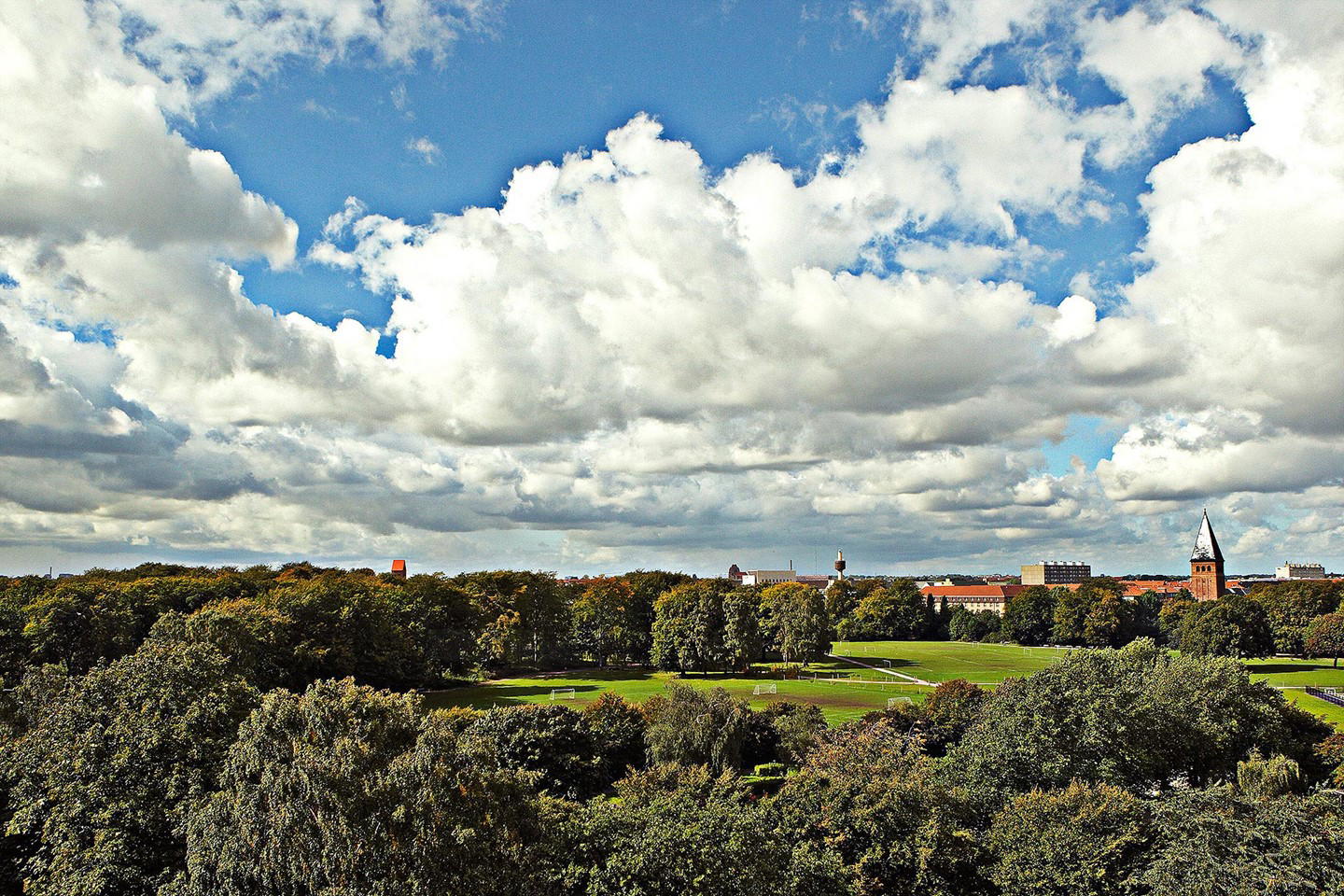
Approaching the estate, the point is not a château fantasy transplanted to Sweden, but a quieter Skåne reading of wine country: vines, apple orchards, beehives and gardens close enough to the sea for the landscape to matter. Lottenlund Estate works in a category still young by European wine standards, where climate adaptation, visitor experience and direct storytelling carry as much weight as cellar mythology.
That makes the estate a useful lens on Swedish wine in 2026. Serious producers here do not have centuries of appellation habit to lean on, so the interesting addresses are defined by choices: which grapes handle the conditions, how much hospitality surrounds the bottle, and whether the wines earn attention beyond local curiosity. Here, the answer begins with PIWI viticulture, a vineyard planted entirely to disease-resistant varieties, and a format combining wine, spirits and estate grounds rather than treating the tasting room as a retail counter.
PIWI grapes give Skåne wine its working argument
The vineyard is built around Solaris, Muscaris, Souvignier Gris, Donau Riesling, Cabernet Cortis, Monarch and Pinot Nova. That list matters because PIWI grapes are not an aesthetic footnote in northern Europe; they are a practical answer to disease pressure, variable weather and the sustainability demands on young regions trying to farm responsibly. In a warmer, drier historic region, resistant varieties can read as experimental. In Skåne, they look like common sense.
The vineyard was established in stages, opening in 2016 with further planting in 2019. Production is described as medium estate scale: roughly 8 to 11 hectares under vine, around 30,000 to 45,000 vines, and annual output of about 8,000 to 15,000 bottles. Those numbers put the operation beyond hobby scale but far from industrial anonymity, large enough to develop a portfolio and small enough for the estate setting to shape the experience.
Wine evidence is clearest in the 2021 releases noted by wineanorak. Lotima Selense 2021 received 88/100, while Lotima Solaris 2021 and Ivory Solaris 2021 both received 90/100. The two Solaris wines are the stronger signal: Solaris has become one of the better-known grapes in Scandinavian wine, and the scores suggest the estate’s white-wine program can be judged on more than novelty. Ivory Solaris 2021 also shows a cellar choice, using new French oak to add structure and spice to a grape often discussed in fresher terms.
That split between brightness and oak treatment makes the portfolio more instructive than decorative. Swedish wine has to argue against two easy assumptions: that it is too marginal to take seriously, or too dependent on freshness to develop breadth. A praised Solaris bottling, alongside an oak-aged expression of the same general family, gives the estate a more layered position within the category.
A vineyard estate, not only a cellar door
The hospitality format is built around the grounds as much as the glass. Tastings cover wine and spirits, with guided estate tasting, premium tasting flight, vineyard walk with tasting, spirit and wine tasting, and seasonal experiences. The experience tags are telling: vineyard tour, estate grounds, garden, private tasting and terrace. This is the rural Swedish version of wine tourism, where the visitor reads the property through agriculture first and the bottle second.
The distillery changes the rhythm. Many young wine estates use hospitality to explain viticulture; this one also folds in spirits, apple farming and beekeeping. That broader farm-and-drink structure fits current Scandinavian hospitality, where provenance often matters more than formality. The calm, quiet character and casual dress code point away from grand tasting-room theatre and toward a slower educational visit with landscape in the foreground.
Sustainability is not decorative here; the stronger signal is agricultural. An all-PIWI vineyard can reduce reliance on intensive spray programs compared with more disease-sensitive traditional varieties, and the estate’s sourcing profile is explicitly sustainable. A formal sustainability policy is also attached to the property’s public presence. This is not a biodynamic romance sold through slogans. The concrete story is resistant grapes, diversified estate farming and a production philosophy built around adaptation.
The family-owned origin also matters without becoming the whole story. Tina Berthelsen and Manfred owned the land for about 25 years before the wine project took shape, and the vineyard idea followed a 2010 trip to Montalcino. The Tuscan reference explains the visual and emotional grammar, but the wines belong to Skåne: resistant varieties, coastal rurality, small production and a visitor model for people who want to understand why Swedish wine is moving from curiosity to credible regional category.
How to place it within a Swedish wine itinerary
Lottenlund Estate works well for travelers treating Allerum as part of a broader northern wine and food route rather than a single stop. Readers building a local itinerary can start with Our full Allerum wineries guide, then cross-check dining and lodging through Our full Allerum restaurants guide, Our full Allerum hotels guide, Our full Allerum bars guide and Our full Allerum experiences guide.
For a wider Swedish drinks map, the estate belongs with other producers and farm-led projects across the country, including Arilds Vingård in Arild, Blacksta Vingård in Flen, Brännland Cider in Vannas, Flädie Mat & Vingård in Bjarred, Fredholms Vingård in Aby, Fruktstereo in Malmö, Horns Vingård in Borgholm and Kullabergs Vingard in Hoganas. European context can stretch further through »der Steiner« Hans Steiner in Podersdorf am See and & Handwein in Mannheim, reminders that small producers often define themselves through place, scale and format as much as grape variety.
The editorial case is clear: this is a visit for travelers interested in how wine regions are made while still being argued into existence. Lottenlund Estate offers practical evidence: PIWI grapes, staged vineyard development, modest production scale, wine and distillery tastings, and critical recognition for specific 2021 bottlings. It is not trying to mimic an old European appellation. Its stronger value is showing how a Swedish estate near the sea can build a credible wine identity from climate-aware farming and direct hospitality.
Recognition history
Dated appearances from independent guides and award organizations, with the underlying list record or original source where available.
Falstaff Winery - Listed
Falstaff
Continue exploring
More in Allerum
Wineries in Allerum
Browse all →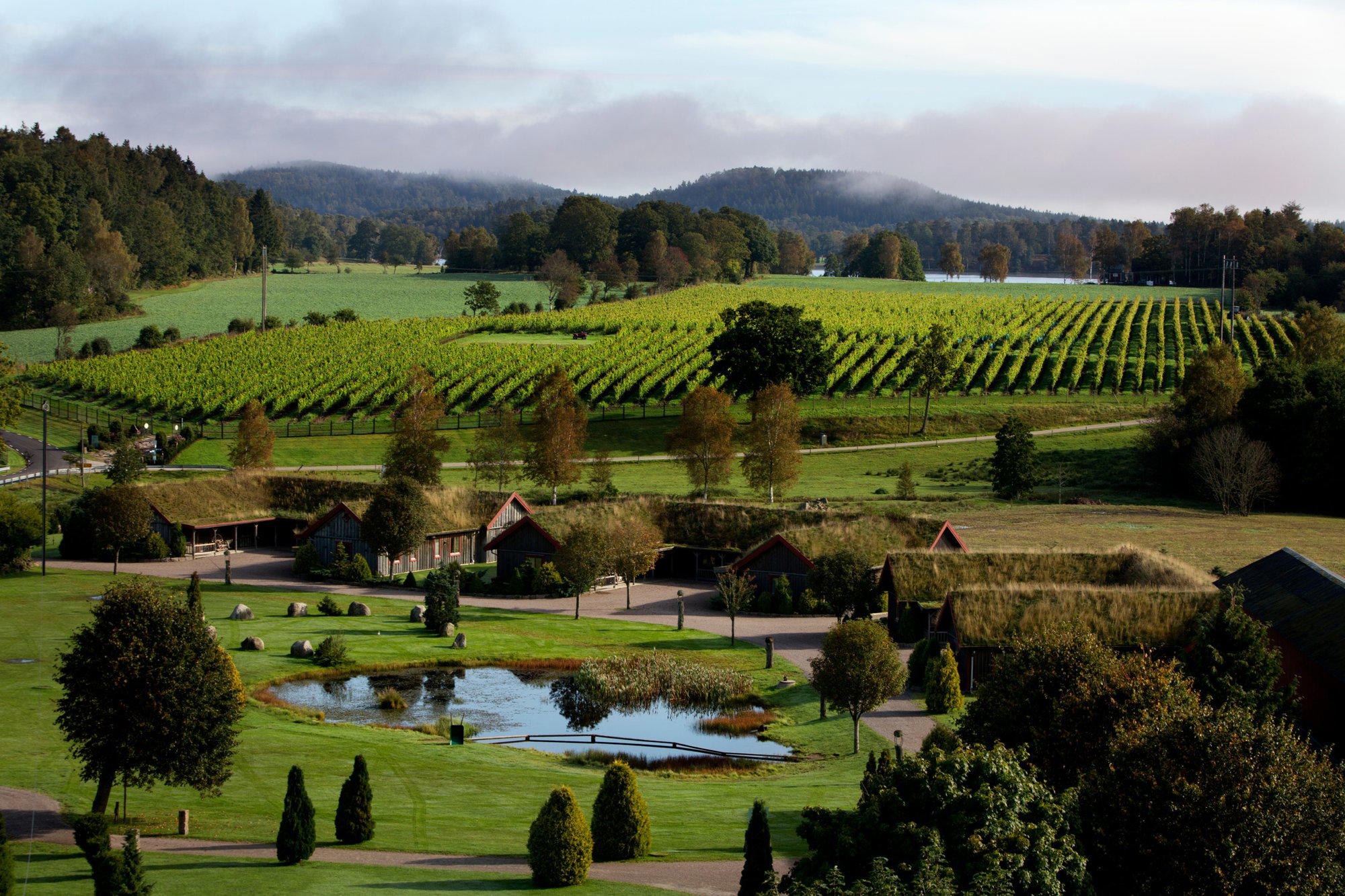
Bars in Allerum
Browse all →
Restaurants in Allerum
Browse all →
At a Glance
- Scenic
- Rustic
- Romantic
- Cozy
- Elegant
- Group Outing
- Romantic Getaway
- Wine Education
- Special Occasion
- Corporate Event
- Solo Exploration
- Vineyard Tour
- Estate Grounds
- Garden
- Panoramic View
- Private Tasting
- Terrace
- Sustainable
- Vineyard
- Garden
- Skåne, Sweden
- Solaris
- Muscaris
- Souvignier Gris
- Donau Riesling
- Cabernet Cortis
- Monarch
- Pinot Nova
- Still White
- Still Rosé
- Still Red
- Sparkling
- Dessert
- Fortified
- Guided Estate Tasting
- Premium Tasting Flight
- Vineyard Walk With Tasting
- Spirit And Wine Tasting
- Seasonal Experiences
Tuscany-inspired Swedish estate with vineyard and garden views, emphasizing nature, craftsmanship and sustainability in a calm rural setting close to the sea.