In Santos's Pompéia neighbourhood, Dojô Sushi Santos occupies a specific position in the city's Japanese dining tier, one step removed from the temakeria circuit and closer in format to the focused sushi counters that have spread through São Paulo's coastal orbit. Santos has a longer relationship with Japanese-Brazilian cuisine than most coastal cities, and Dojô sits within that tradition on Av. Gal. Francisco Glycério.
Pearl is the En Primeur Club membership app — saves, bookings, and concierge access live there. Same editors, same standards.
- Address
- Av. Gal. Francisco Glycério, 585 - Pompéia, Santos - SP, 11065-405, Brazil
- Phone
- +5513991167063
- Website
- dojosushisantos.com.br
- Directions
- Get directions
 Saves & bookings on Pearl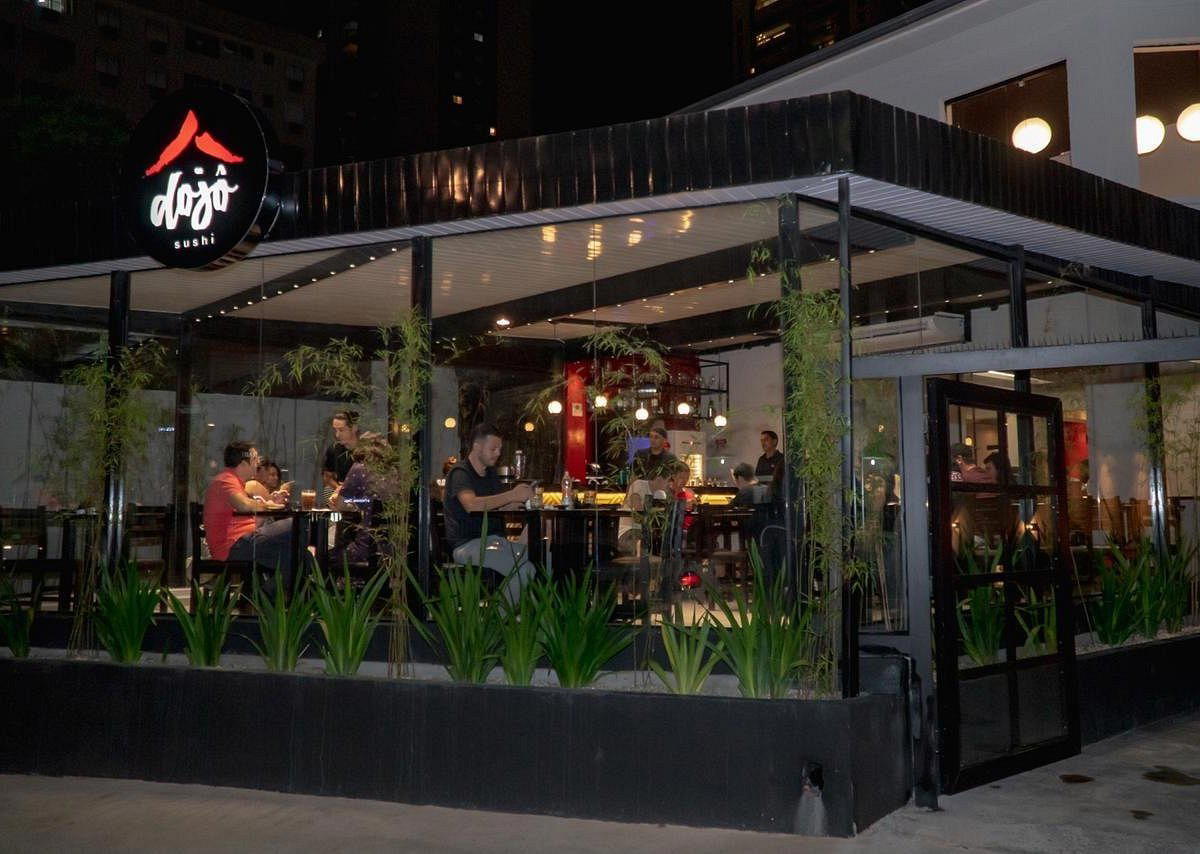
Sushi in Santos: Where the Port City Meets Japanese-Brazilian Tradition
Santos is not a city that requires a pretext for Japanese food. The port, the immigrant wave that followed, and the decades of cultural layering between Japanese and Brazilian coastal communities produced something durable here: a dining culture where sushi is not novelty but habit. The question for visitors and locals alike is which tier of the city's sushi scene fits the occasion. Dojô Sushi Santos, on Av. Gal. Francisco Glycério in Pompéia, is a Japanese Sushi Rodízio restaurant,177 reviews and a casual dress code; it reads as more deliberate than the casual temakeria circuit without crossing into the omakase category that defines São Paulo's most formal Japanese rooms.
Pompéia and the Geography of Santos Dining
Santos's dining geography has never been a single-strip affair. The city spreads its better restaurants across a handful of neighbourhoods, with the beachfront avenue and the Centro pulling different crowds. Pompéia sits at a slight remove from the tourist-facing seafood houses near the waterfront, it is a residential-commercial neighbourhood where repeat local clientele, rather than passing foot traffic, tends to sustain a restaurant. That address matters. A sushi house that survives in a neighbourhood like Pompéia is typically doing so on the strength of its regular guests rather than on location advantage.
Av. Gal. Francisco Glycério itself runs through a stretch that mixes neighbourhood commerce with dining options. Santos has a broader restaurant culture than its size might suggest, partly because of the port economy and partly because the city functions as a commuter and weekend destination for São Paulo, roughly 80 kilometres away. That proximity to one of Brazil's most competitive restaurant cities creates a calibration effect: Santos diners who travel regularly to São Paulo carry expectations that a decade ago might have stayed at the coast. Dojô operates in that context.
Japanese-Brazilian Sushi: The Tradition Behind the Counter
To understand where a Santos sushi house sits, it helps to understand what Japanese-Brazilian cuisine actually is at this point in its evolution. The first Japanese immigrants arrived in Brazil in 1908, many settling in São Paulo state, and their culinary influence spread outward from there. By the time sushi reached broad Brazilian consumption in the 1980s and 1990s, it had already absorbed local adaptations: tropical fruits, cream cheese, different fish sourcing driven by Atlantic rather than Pacific availability. The result is a cuisine that operates in parallel to Japanese sushi orthodoxy rather than in imitation of it.
The sushi counters of Santos reflect this. Some, particularly in the temakeria format, lean heavily into the adapted Brazilian-Japanese register. Others pull toward the more restrained Japanese tradition, using local fish with techniques closer to the Tokyo model. Neither is wrong; they address different dining intentions. For visitors calibrated by exposure to counters like those in São Paulo's Liberdade or Higienópolis districts, or internationally by rooms such as Le Bernardin in New York City or Lazy Bear in San Francisco, the Santos scene reads as a more accessible, local-facing version of the same broad movement toward intentional dining. Dojô's position within Santos's Japanese tier places it alongside comparators like Haru Temakeria e Sushi and Kyuurai, each addressing a different register of the city's Japanese dining appetite.
Santos's Broader Restaurant Scene: Context for the Sushi Tier
Sushi does not exist in isolation on Santos's dining map. The city's Italian-Brazilian tradition, visible in places like Cantina Babbo Américo, and its seafood-forward options such as Coco Marine, reflect the multi-strand immigrant history that shaped the port city's palate. Casa D'Boa represents another strand entirely. What this means in practice is that Santos diners move fluently between categories; loyalty to a particular cuisine is less fixed than in cities where one tradition dominates. A sushi house in this environment competes across categories, not just within the Japanese tier.
For the broader Brazilian fine dining picture, the reference points sit further up the coast and inland: Oteque in Rio de Janeiro and D.O.M. in São Paulo anchor the prestige end of the national conversation, while regional operators like Manu in Curitiba, Birosca S2 in Belo Horizonte, Orixás | North Restaurant in Itacaré, Mina in Campos do Jordão, Olivetto Restaurante E Enoteca in Campinas, Primrose in Gramado, Castelo Saint Andrews in Vale do Bosque, and State of Espírito Santo in Rio Bananal map a national dining culture that has moved decisively toward regionalism and specificity. Santos occupies a distinct niche in that map: a port city with deep immigrant roots and a tourist-adjacent but not tourist-dependent dining economy.
Planning a Visit: What to Know Before You Go
Dojô Sushi Santos is located at Av. Gal. Francisco Glycério, 585, in the Pompéia district of Santos, São Paulo state. The Pompéia neighbourhood is accessible by car and reasonably served by Santos's transit options, though visitors arriving from São Paulo will most often come by road or bus via the Anchieta or Imigrantes highways. The address sits at CEP 11065-405. Neighbourhood sushi houses in Santos, particularly those in residential districts rather than on the tourist-facing seafront, can operate on schedules that differ from weekend visitors' assumptions. Reserve ahead when possible, especially for weekend evenings. Our full Santos restaurants guide covers the broader dining picture for anyone planning a longer stay in the city.
The Minimal Set
Comparable venues nearby, for context on price, style, and recognition.
| Venue | Cuisine | Price |
|---|---|---|
| Dojô Sushi SantosThis venue — the venue you are viewing | Pompéia, Japanese Sushi Rodízio | $$ |
| Casa D'Boa | Embaré, Brazilian-Mexican Fusion | $$ |
| Haru Temakeria e Sushi | Mondubim, Japanese Sushi & Temaki | $$ |
| Pizza di Casabona | Pizza | Not listed |
| Coco Marine | Gonzaga, Brazilian Seafood | $$ |
| Cantina Babbo Américo | Gonzaga, Authentic Italian Trattoria | $$ |
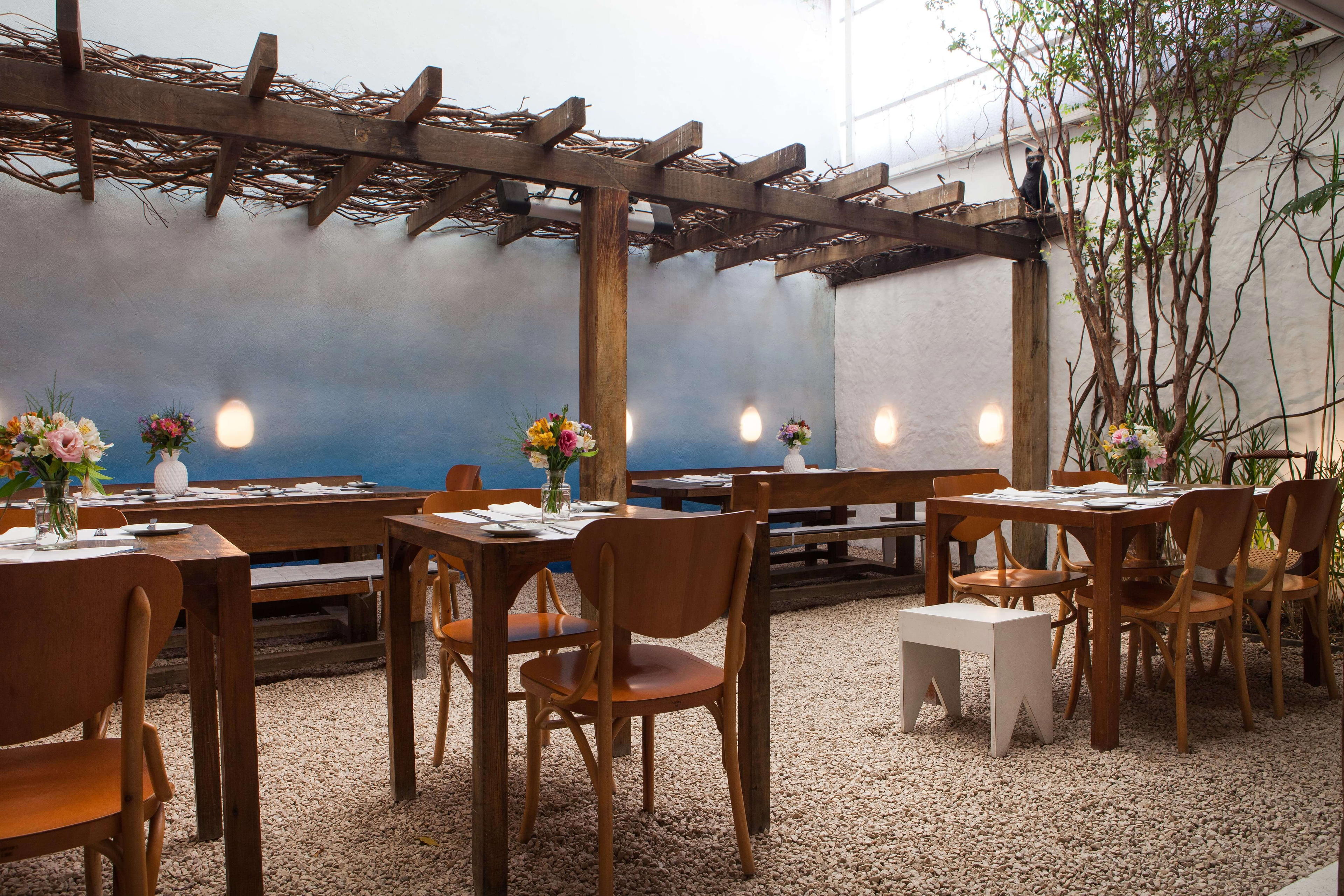
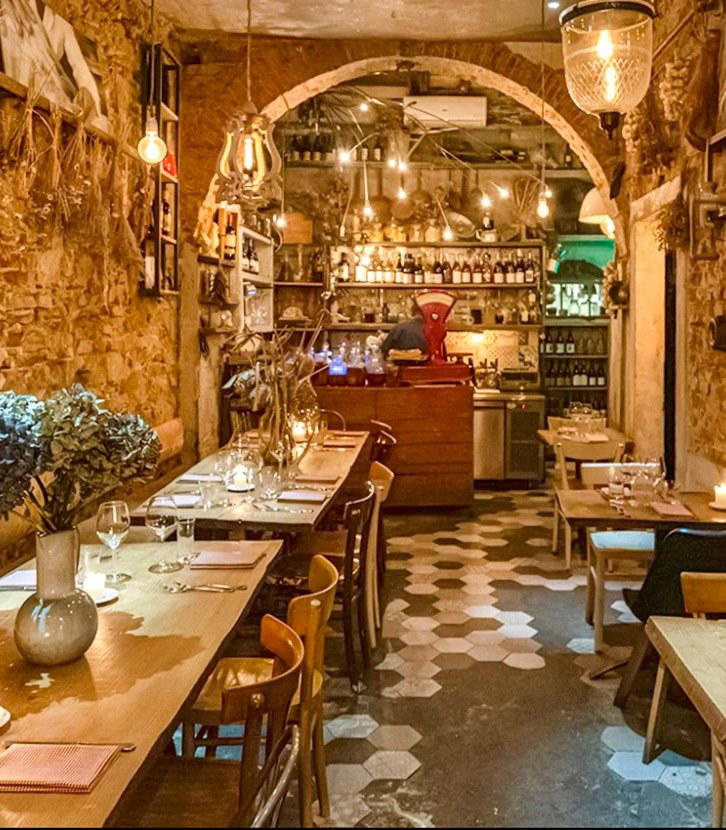

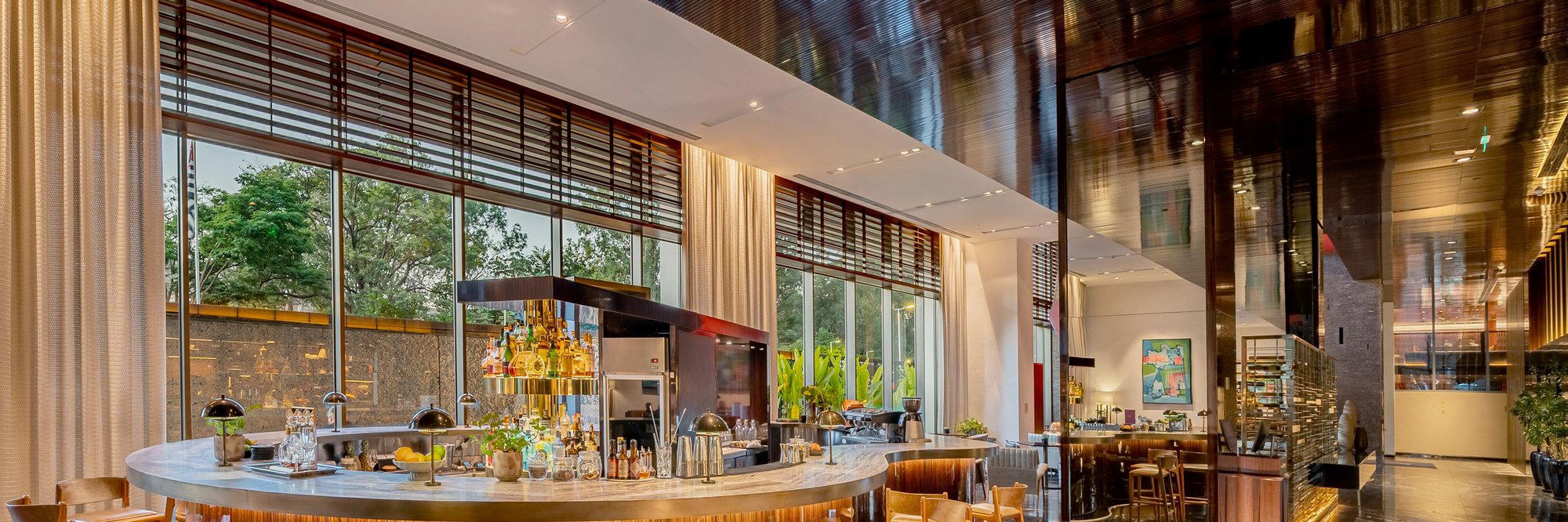
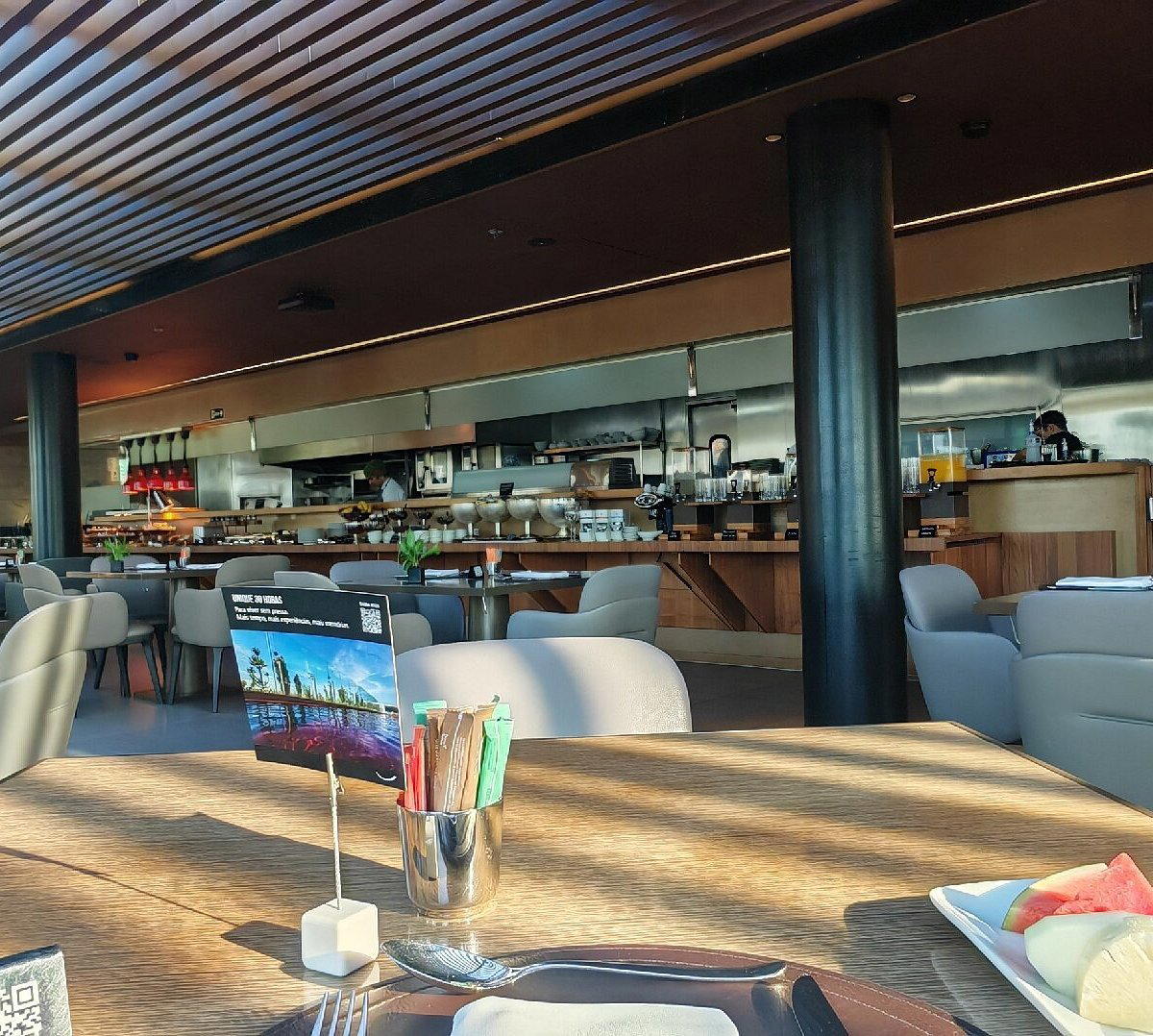
At a Glance
- Cozy
- Group Dining
- Family
- Casual Hangout
- Sake Program
- Sustainable Seafood
Current opening hours
- Monday
- 6:30–11 PM
- Tuesday
- 6:30–11 PM
- Wednesday
- 6:30–11 PM
- Thursday
- 6:30–11 PM
- Friday
- 6:30 PM–12 AM
- Saturday
- 6:30 PM–12 AM
- Sunday
- Closed
Hours can change for holidays and private events. Last verified .
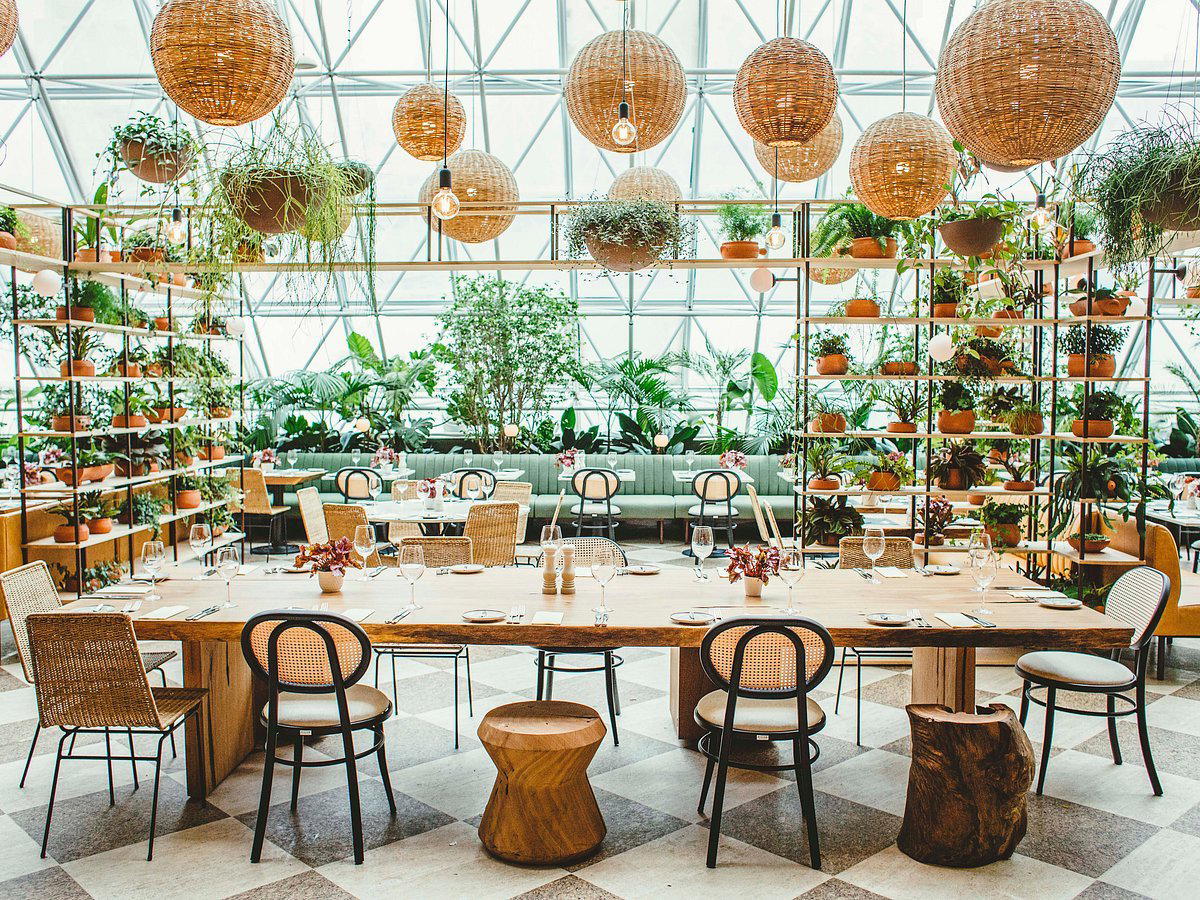
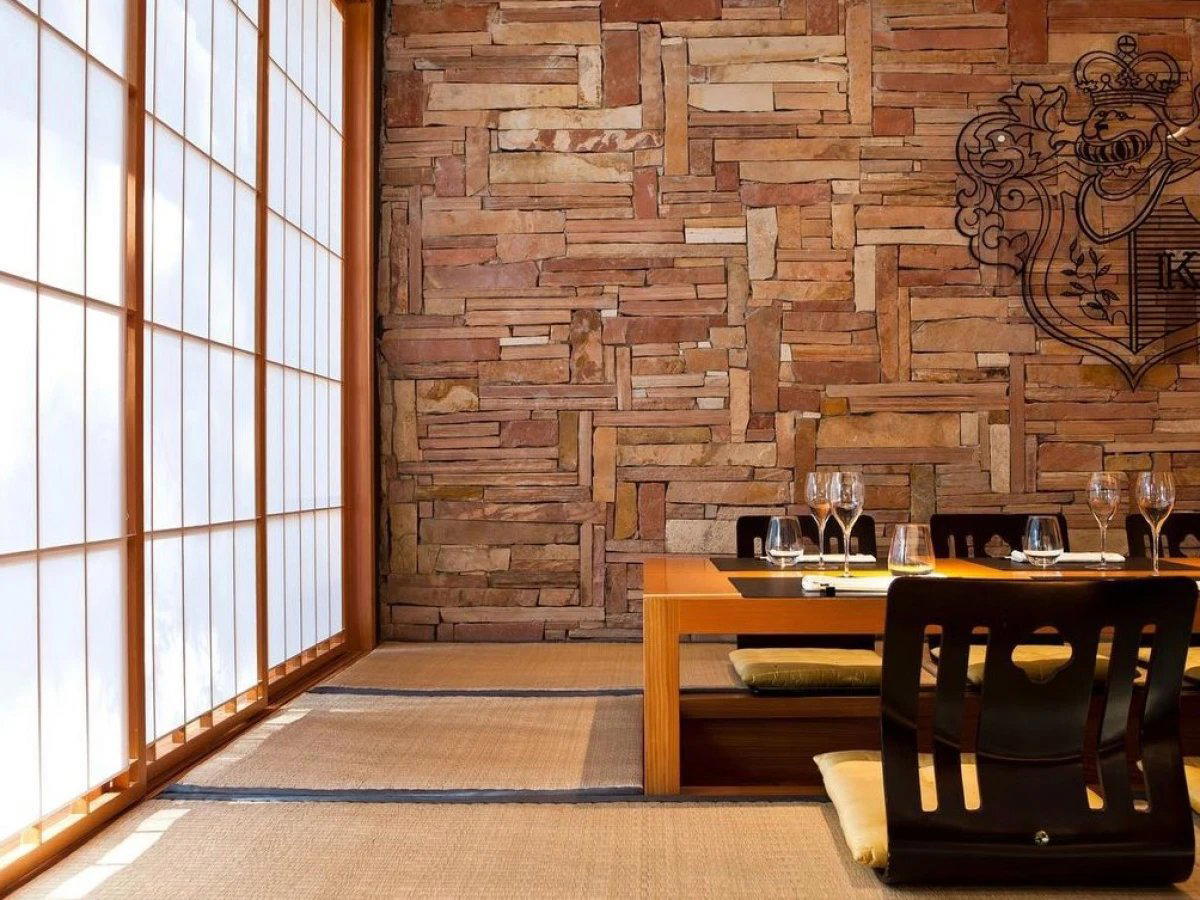
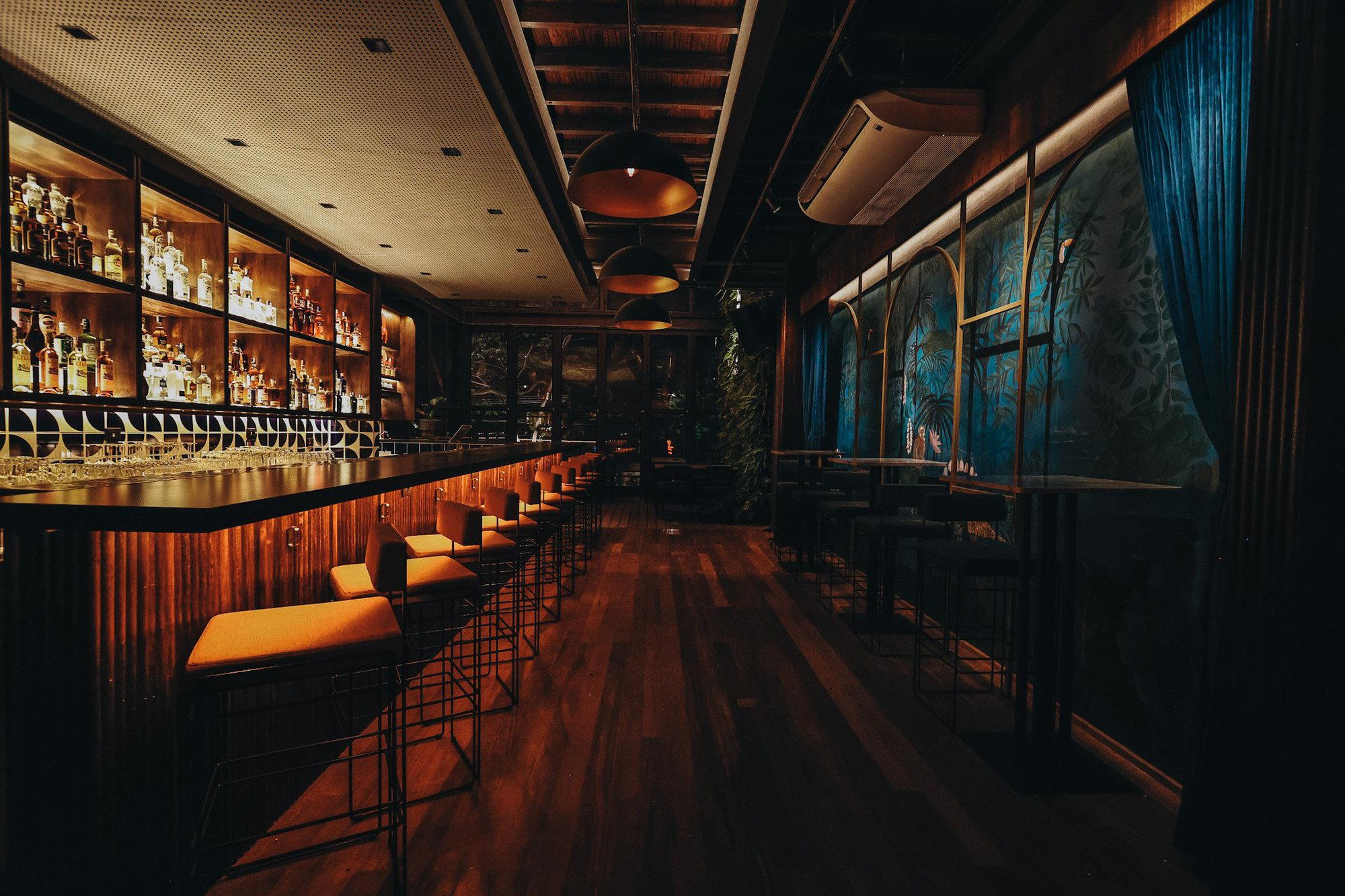
Aconchegante (cozy) environment well-suited for creating memories with friends and family.