Kyuurai occupies a quiet address on Avenida Siqueira Campos in Santos's Canal 4 district, placing it within a city that has built a credible dining identity distinct from São Paulo's shadow. The restaurant sits in the Embaré neighbourhood, where the port city's appetite for international cuisine intersects with its long-standing Japanese-Brazilian community.
Pearl is the En Primeur Club membership app — saves, bookings, and concierge access live there. Same editors, same standards.
- Address
- Av. Siqueira Campos, 555 - Canal 4 - Embaré, Santos - SP, 11045-201, Brazil
- Phone
- +551332276145
- Website
- kyuurai.com.br
- Directions
- Get directions
 Saves & bookings on Pearl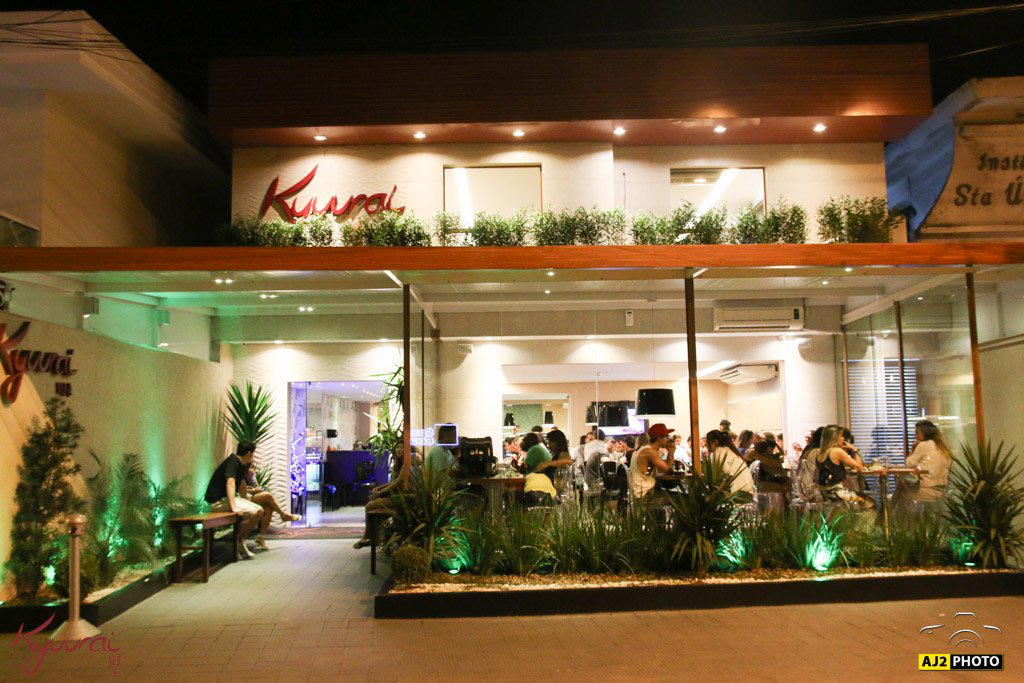
Where Port-City Ritual Meets the Table
Santos has always eaten differently from São Paulo. The port shaped the city's tastes: immigration waves from Japan, Italy, and the Middle East left culinary imprints that São Paulo absorbed at scale but Santos kept at a more personal pitch. In the Embaré district, along Avenida Siqueira Campos near Canal 4, that layered history shows up not in grand dining rooms but in neighbourhood restaurants that reward regulars over walk-ins. Kyuurai sits in that fabric, at an address in Embaré, a part of the city where dining is still understood as a local act rather than a destination performance.
The broader Canal 4 corridor has seen Santos's more considered dining options cluster in recent years, with the Japanese-Brazilian tradition running particularly deep. The table culture that developed here carries its own distinct rhythm: meals are paced deliberately, portions are treated as a conversation between kitchen and guest rather than a transaction, and the expectation of care in preparation runs higher than the city's tourist footprint might suggest to an outside visitor.
The Ritual of the Meal in Santos's Japanese-Brazilian Tradition
Across Santos's sushi and Japanese-influenced restaurants, a particular dining rhythm has taken hold that differs from the quick-service temakeria format popular elsewhere in Brazil. The better addresses in the city operate closer to a sit-and-commit model: arrival, a reading of what the kitchen is doing that day, and a sequence of dishes that builds rather than simply accumulates. That structure is a function of the community that sustains these restaurants. Japanese-Brazilian families in Santos have maintained proximity to the cultural conventions of the original immigration, the idea that a meal is an occasion with a beginning, a middle, and a close, rather than a fuel stop.
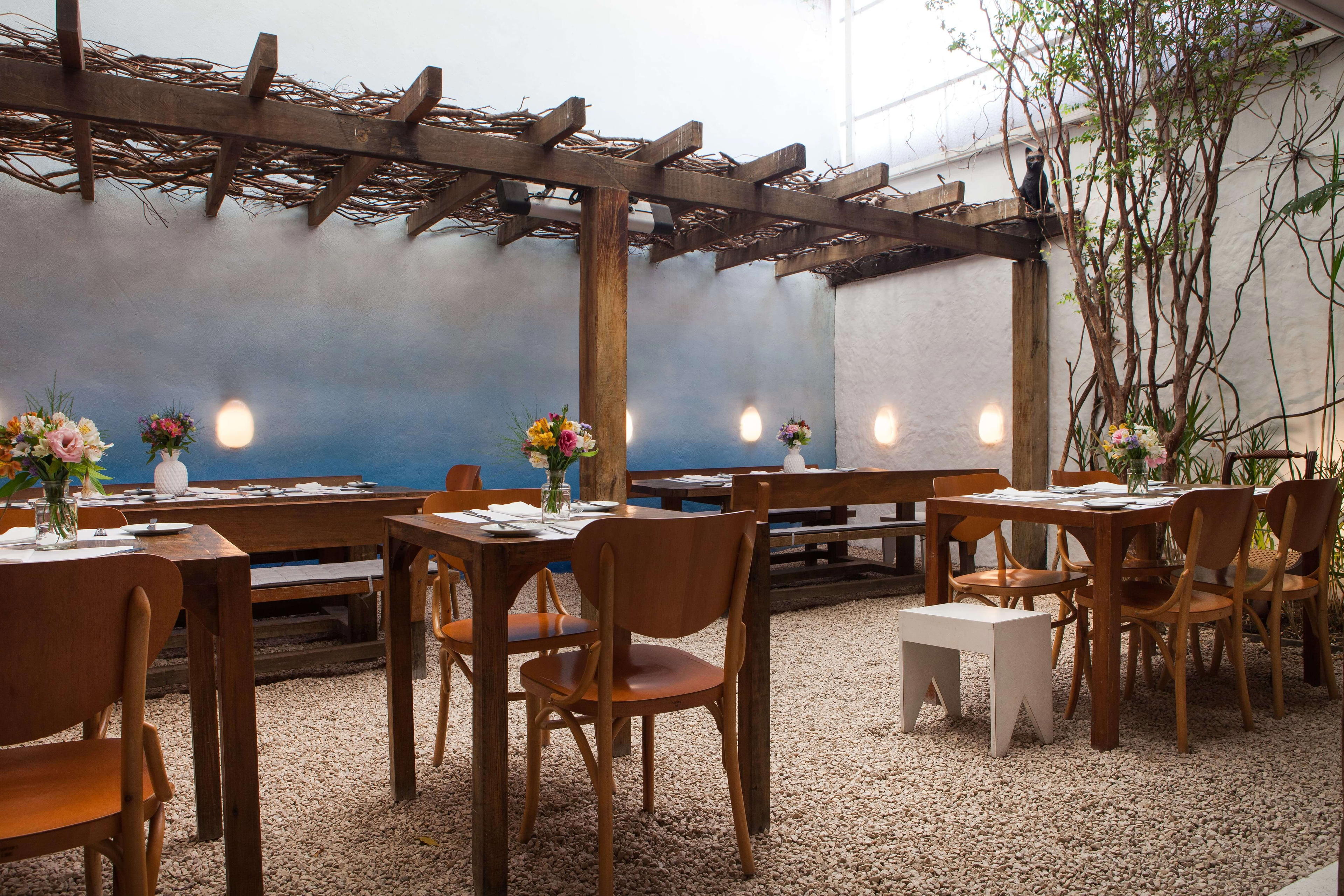
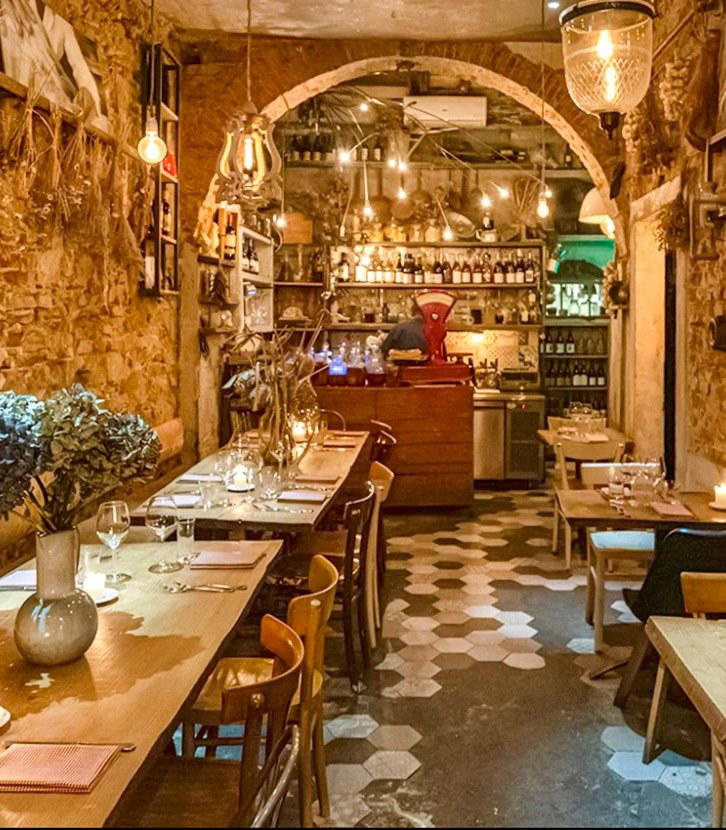
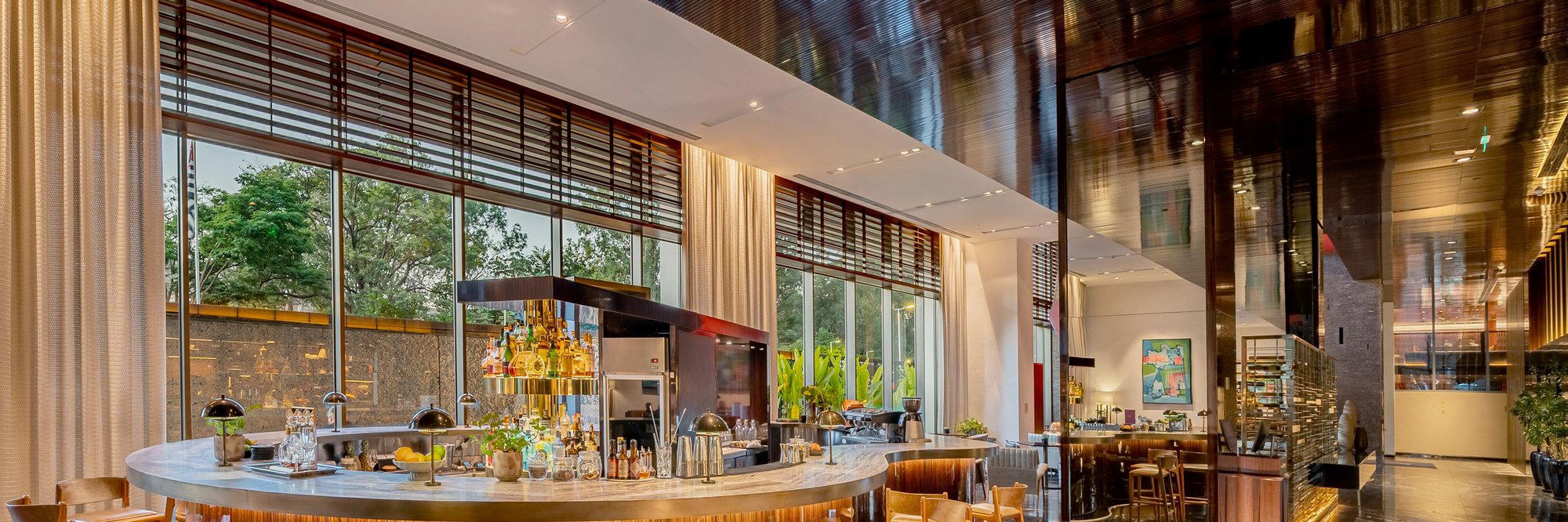
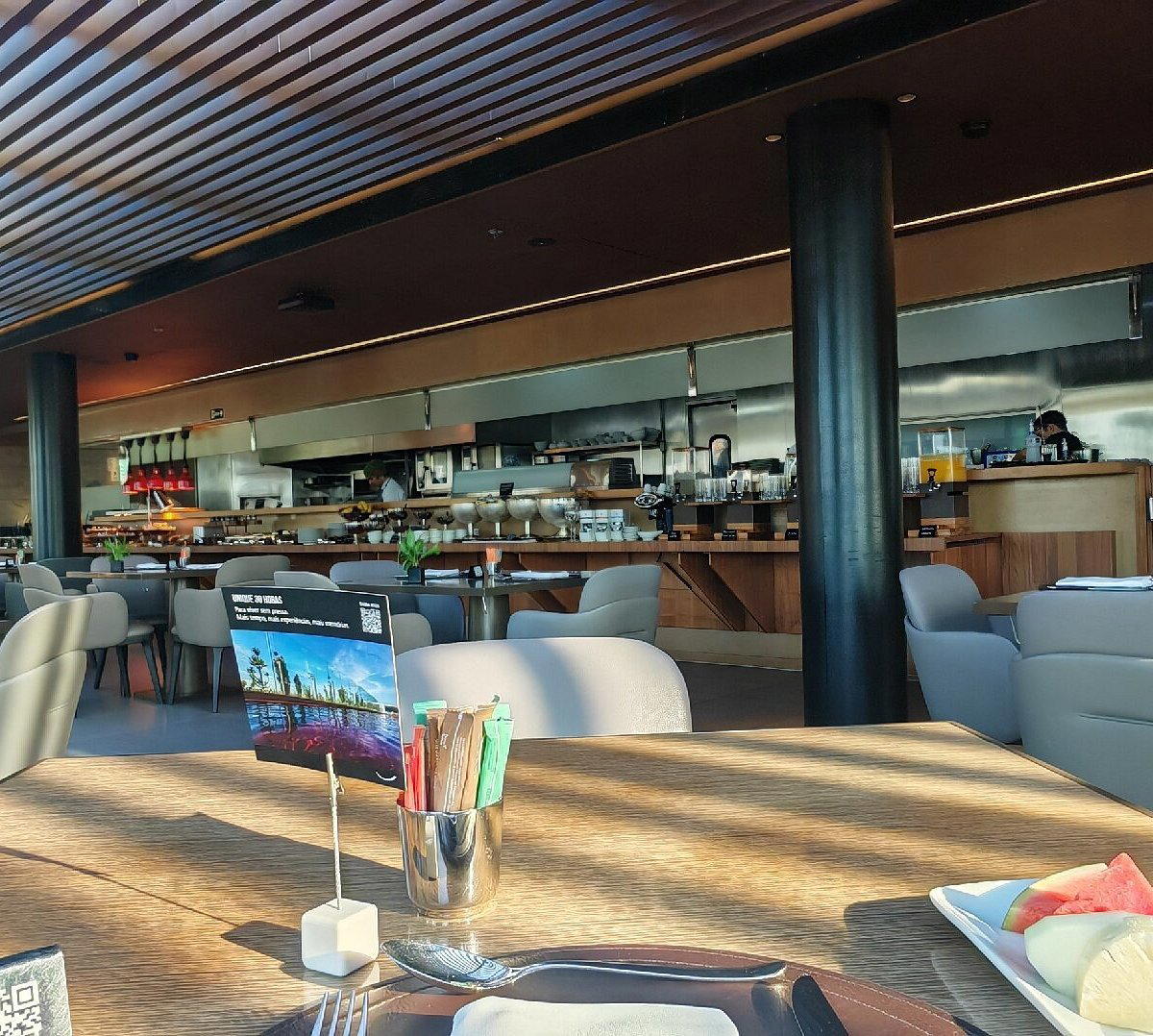
At Kyuurai on Avenida Siqueira Campos, that same expectation of pacing applies. The Embaré address is residential in character, which means the clientele skews toward people who have made a considered choice to be there rather than stumbled in from a commercial strip. That self-selection shapes the atmosphere more than any interior design decision: the room fills with people who know what they want and are prepared to wait for it to arrive correctly. Comparable operations in the Santos Japanese-Brazilian dining tier, including Dojô Sushi Santos and Haru Temakeria e Sushi, occupy different points on the formality spectrum but share the same underlying community logic.
Santos as a Dining City: Context and comparable set
Santos is often read as a weekend destination for paulistanos rather than a dining city in its own right, which underestimates what has developed quietly along its neighbourhood streets. The city's restaurant culture does not aspire to the tasting-menu formality of D.O.M. in São Paulo or the produce-forward ambition of Lasai in Rio de Janeiro, nor does it need to. Santos has its own register: mid-scale, community-rooted, technically careful within its chosen formats. Italian-Brazilian operations like Cantina Babbo Américo and casual dining addresses like Casa D'Boa and Coco Marine fill out a diverse local scene that is genuinely used by residents year-round rather than performing for seasonal visitors.
Within that comparable set, the Japanese-Brazilian segment carries particular weight because it connects to the city's demographic history in a way that other cuisines do not. A meal at one of Santos's better Japanese-Brazilian addresses is, in a meaningful sense, an encounter with how a community has maintained and adapted a food tradition across several generations, far from the self-conscious Japan-meets-Brazil fusion branding that surfaces in larger markets. Restaurants across Brazil's interior have developed their own distinct dining personalities: places like Bistro Fitz Carraldo in Manaus or Cantina Pozzobon in Santa Maria demonstrate how regional identity shapes table culture as reliably as any urban dining trend.
Planning Your Visit
Kyuurai's address at Av. Siqueira Campos, 555, in the Canal 4 area of Embaré, Santos, places it in a walkable residential neighbourhood accessible from central Santos by a short taxi or rideshare ride. The Embaré district is compact enough that visitors staying near the waterfront or the historic centre can reach it without difficulty.
Category Peers
Comparable venues nearby, for context on price, style, and recognition.
| Venue | Cuisine | Price | Notes |
|---|---|---|---|
| KyuuraiThis venue — the venue you are viewing | Authentic Japanese Sushi and Seafood | $$ | Not listed |
| Casa D'Boa | Brazilian-Mexican Fusion | $$ | Embaré |
| Haru Temakeria e Sushi | Japanese Sushi & Temaki | $$ | Mondubim |
| Cantina Babbo Américo | Authentic Italian Trattoria | $$ | Gonzaga |
| Dojô Sushi Santos | Japanese Sushi Rodízio | $$ | Pompéia |
| Pizza di Casabona | Pizza | Not listed | Santos |

At a Glance
- Casual Hangout
Current opening hours
- Monday
- Closed
- Tuesday
- 7 PM–12 AM
- Wednesday
- 7 PM–12 AM
- Thursday
- 7 PM–12 AM
- Friday
- 7 PM–12 AM
- Saturday
- 12–4 PM, 7 PM–12 AM
- Sunday
- 12–4 PM, 7 PM–12 AM
Hours can change for holidays and private events. Last verified .
Unassuming eatery with focus on authentic Japanese flavors.