A neighborhood cantina on Avenida Ana Costa in Santos's Gonzaga district, Cantina Babbo Américo operates in a city where Italian immigrant heritage has shaped the dining culture for over a century. The address places it squarely in the residential heart of a port city with its own distinct culinary identity, separate from São Paulo's restaurant circuit and worth understanding on its own terms.
Pearl is the En Primeur Club membership app — saves, bookings, and concierge access live there. Same editors, same standards.
- Address
- Av. Ana Costa, 404 - Gonzaga, Santos - SP, 11060-002, Brazil
- Phone
- +551333020951
- Website
- babboamerico.com.br
- Directions
- Get directions
 Saves & bookings on Pearl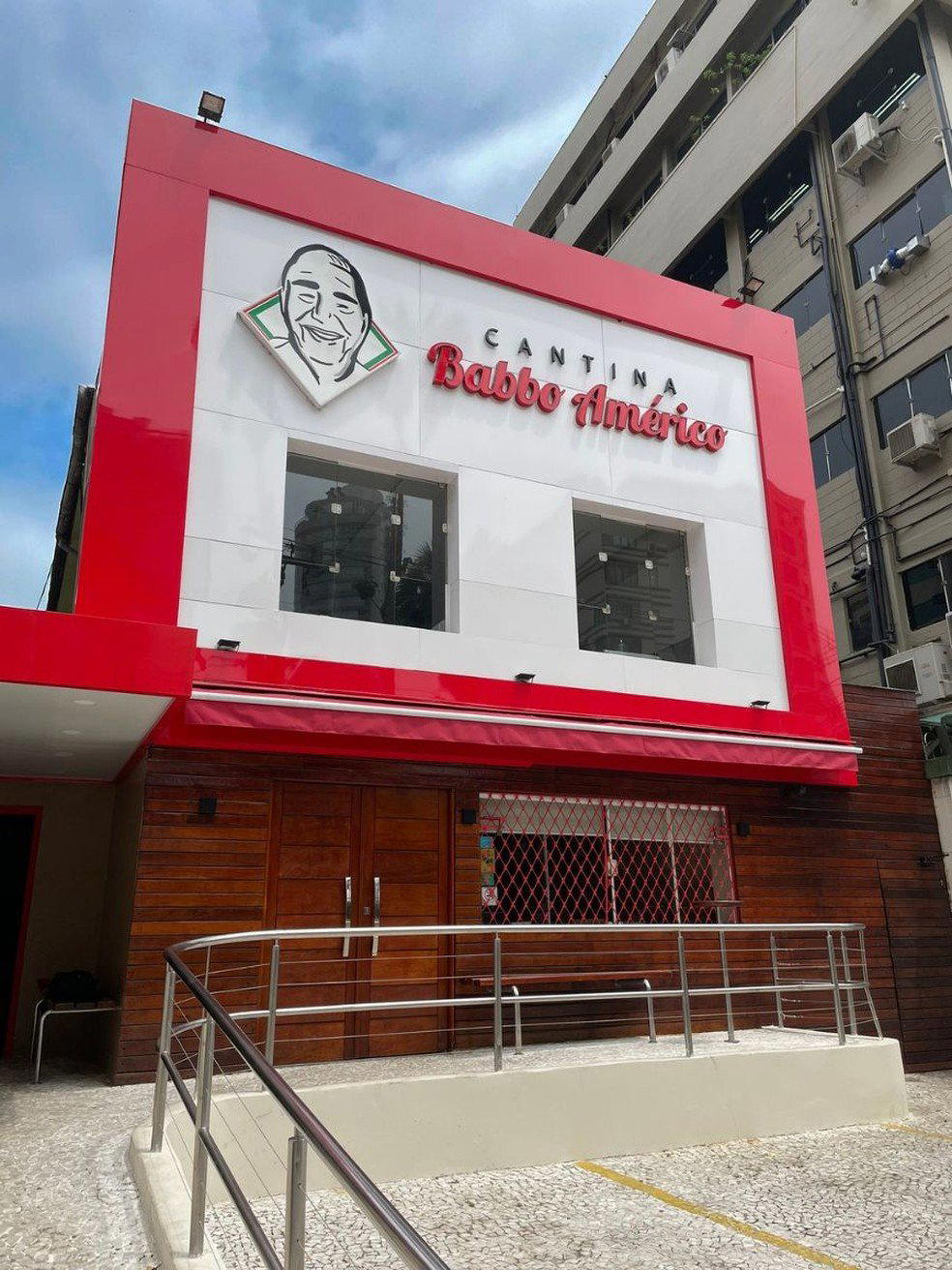
Where Santos Eats Italian: The Gonzaga Cantina Tradition
Avenida Ana Costa cuts through Gonzaga, one of Santos's most residential and historically layered neighborhoods, lined with apartment buildings that house generations of families whose grandparents arrived from Italy, Portugal, and Lebanon in the early twentieth century. The street-level cantina format that defines this part of the city is not a concept imported from São Paulo or re-imagined for a food tourism market. It is a genuinely local institution, the kind of place where the table next to yours is occupied by someone who has been eating there since before you were born. Cantina Babbo Américo sits in this tradition at Av. Ana Costa, 404, in Santos, a casual Italian trattoria where plates average about US$25 and reservations are recommended.
Santos occupies a different position in Brazil's dining conversation than either São Paulo or Rio. As a port city with a long history of commodity trade and immigrant settlement, it developed its own food culture largely in isolation from the capital's trend cycles. The Italian cantina here is not a nod to a culinary trend; it is what the neighborhood actually eats. That context matters when you are deciding whether this is the right address for a given evening. If you are arriving from São Paulo looking for the experimental tasting-menu format available at D.O.M. in São Paulo or the seafood-forward contemporary cooking at Oteque in Rio de Janeiro, the Gonzaga cantina is a deliberate counter-argument to that kind of dining, not a lesser version of it.
The Ingredient Logic Behind the Cantina Format
The cantina tradition in coastal São Paulo state has always operated with a specific sourcing logic. Santos's port infrastructure historically made imported Italian goods accessible earlier and more affordably than in many inland cities, which meant that dry pasta, olive oil, and cured products were reliable pantry staples rather than premium imports. At the same time, proximity to the Atlantic coast and the Serra do Mar agricultural belt provided fresh fish, leafy greens, and produce in quantities that shaped the local version of Italian-Brazilian cooking into something genuinely regional. What emerged was not a replica of Italian trattorias but a hybrid tradition where bacalhau might share a menu with tagliatelle, and where local fish species found their way into preparations borrowed from Neapolitan or northern Italian templates.
That sourcing geography still defines the better cantinas in Gonzaga. The Serra do Mar, which rises sharply behind Santos, supports small-scale agriculture that supplies the urban coast with vegetables and herbs that don't travel the distances required for São Paulo deliveries. The Atlantic catch available at the Santos fish market is more diverse and more immediate than what reaches the capital. In a cantina kitchen working with this supply, the ingredient quality advantage is structural, not aspirational. It is worth keeping that in mind when comparing the Gonzaga cantina format to Italian-leaning restaurants operating in inland cities, where the same freshness is considerably harder to achieve. For context on how regional sourcing shapes dining identity across Brazil, the work being done at Birosca S2 in Belo Horizonte or Mina in Campos do Jordão illustrates how location-specific ingredient access shapes different restaurant personalities.
Santos's Dining Scene: Where the Cantina Fits
Santos has a more varied restaurant offer than its reputation outside the state of São Paulo suggests. The city's Japanese-Brazilian population is significant, and the sushi and temakeria circuit along the beachfront and into Gonzaga runs parallel to the cantina tradition without much overlap. Dojô Sushi Santos, Haru Temakeria e Sushi, and Kyuurai represent a distinct strand of the local dining culture, one that draws on the same immigrant-community-driven authenticity as the Italian cantina tradition but serves a different clientele and moment. Seafood-forward addresses like Coco Marine and neighborhood staples like Casa D'Boa round out a scene that is more coherent than visitors typically expect.
In that context, the Av. Ana Costa cantina format occupies the middle-register, high-frequency dining tier: the kind of restaurant that functions as a weekly ritual for nearby residents rather than a destination occasion. This is not a criticism. In cities with strong culinary identities, these are often particularly reliable addresses precisely because they are not performing for outsiders. The full Santos restaurants guide maps the broader scene for those planning multiple meals across the city.
For comparative reference on how other regional Brazilian cities handle the intersection of immigrant culinary heritage and local ingredient supply, Olivetto Restaurante E Enoteca in Campinas and Manu in Curitiba offer instructive parallels, each working within Italian or European frameworks while drawing on distinctly regional ingredient logic. Internationally, the communal, ingredient-driven format of places like Lazy Bear in San Francisco or the precise sourcing philosophy at Le Bernardin in New York City represent the high end of what sourcing integrity looks like when formalized, though the cantina tradition achieves something adjacent through institutional habit rather than fine-dining architecture. Other Brazilian addresses worth knowing in this regional conversation include Orixás | North Restaurant in Itacaré, State of Espírito Santo in Rio Bananal, Castelo Saint Andrews in Vale do Bosque, and Primrose in Gramado, each illustrating how geography and immigrant heritage combine to produce distinct regional dining identities across the country.
Planning Your Visit
Gonzaga is accessible from the Santos beachfront by a short taxi or app-car ride, and Av. Ana Costa itself is a main artery through the neighborhood with reliable street access. Regular opening hours run Monday to Friday from 11:30 AM to 3:30 PM and 6:30 PM to midnight, Saturday from 11:30 AM to 4 PM and 6:30 PM to midnight, and Sunday from 11:30 AM to 5 PM and 6:30 to 11 PM. Weekday lunch is typically the lowest-friction entry point for first-time visitors to this format anywhere in the city.
In Context: Similar Options
Comparable venues nearby, for context on price, style, and recognition.
| Venue | Cuisine | Price | Notes |
|---|---|---|---|
| Cantina Babbo AméricoThis venue — the venue you are viewing | Authentic Italian Trattoria | $$ | Not listed |
| Coco Marine | Brazilian Seafood | $$ | Gonzaga |
| Casa D'Boa | Brazilian-Mexican Fusion | $$ | Embaré |
| Haru Temakeria e Sushi | Japanese Sushi & Temaki | $$ | Mondubim |
| Dojô Sushi Santos | Japanese Sushi Rodízio | $$ | Pompéia |
| Pizza di Casabona | Pizza | Not listed | Santos |
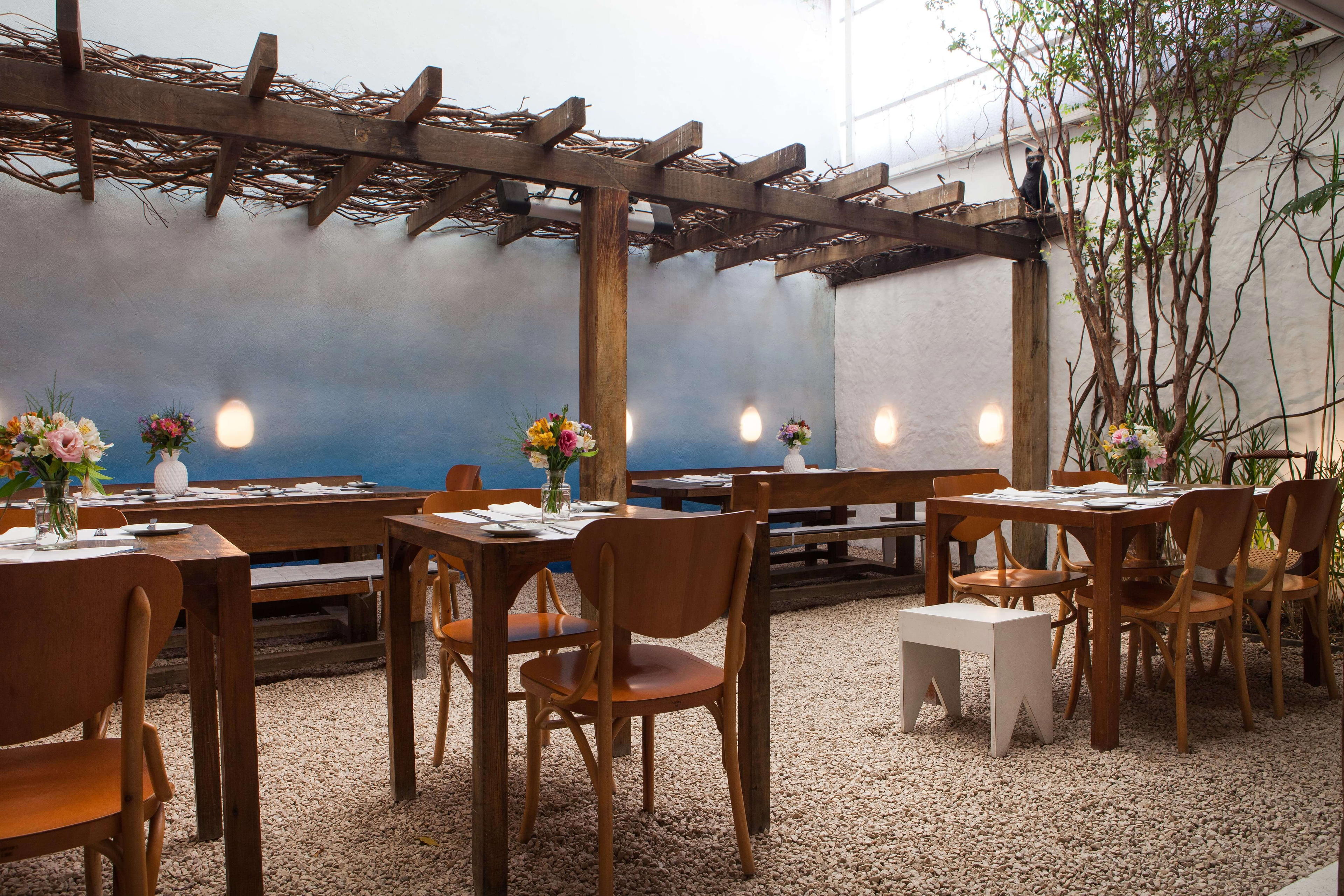
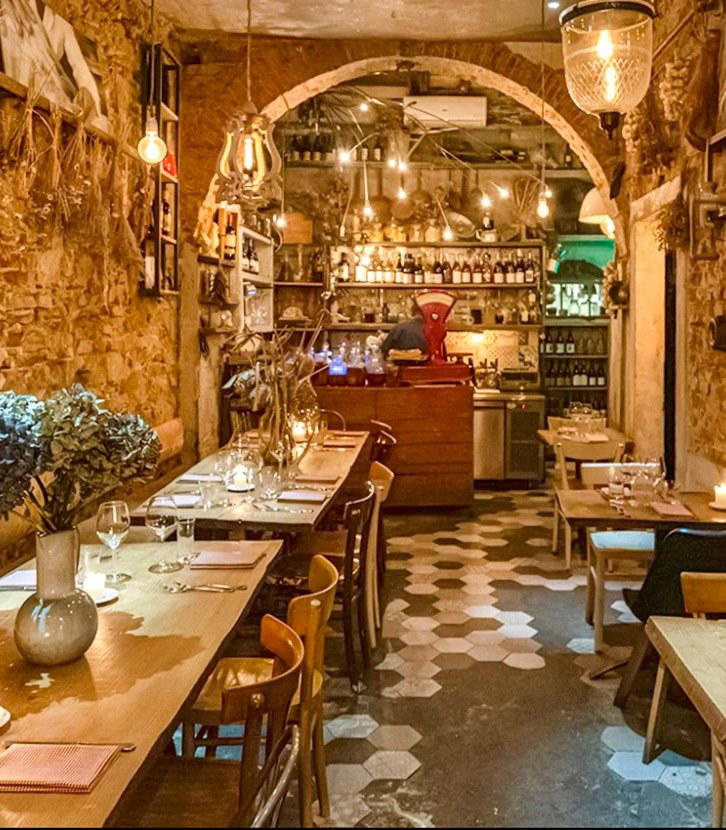

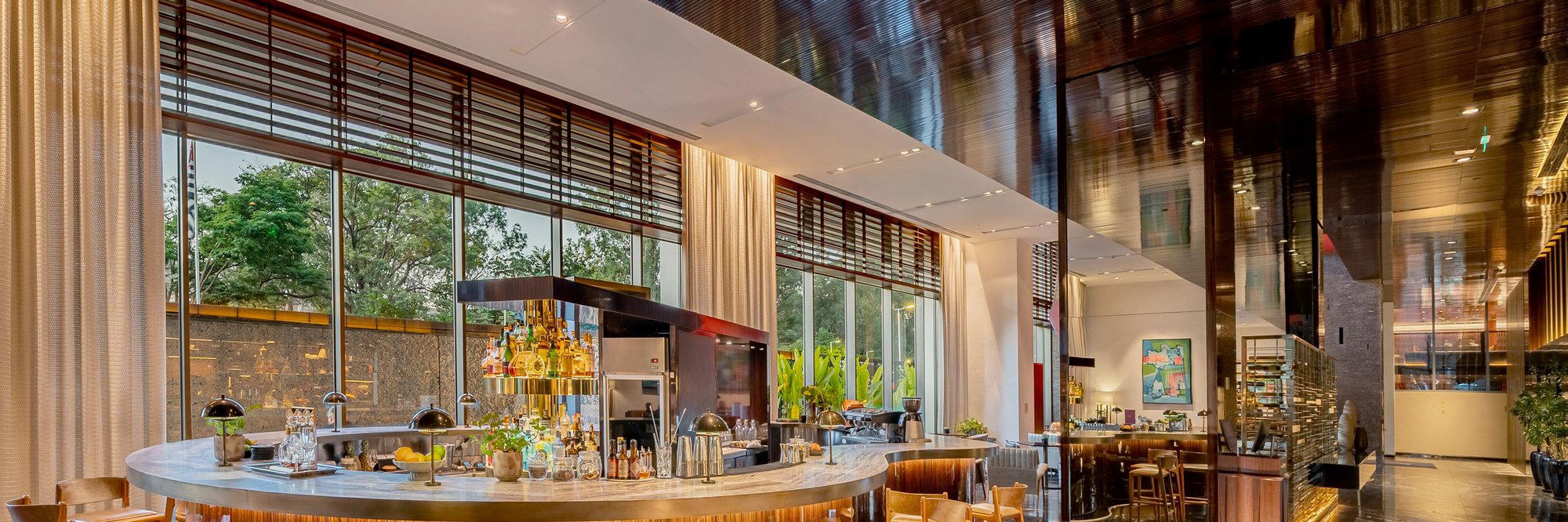
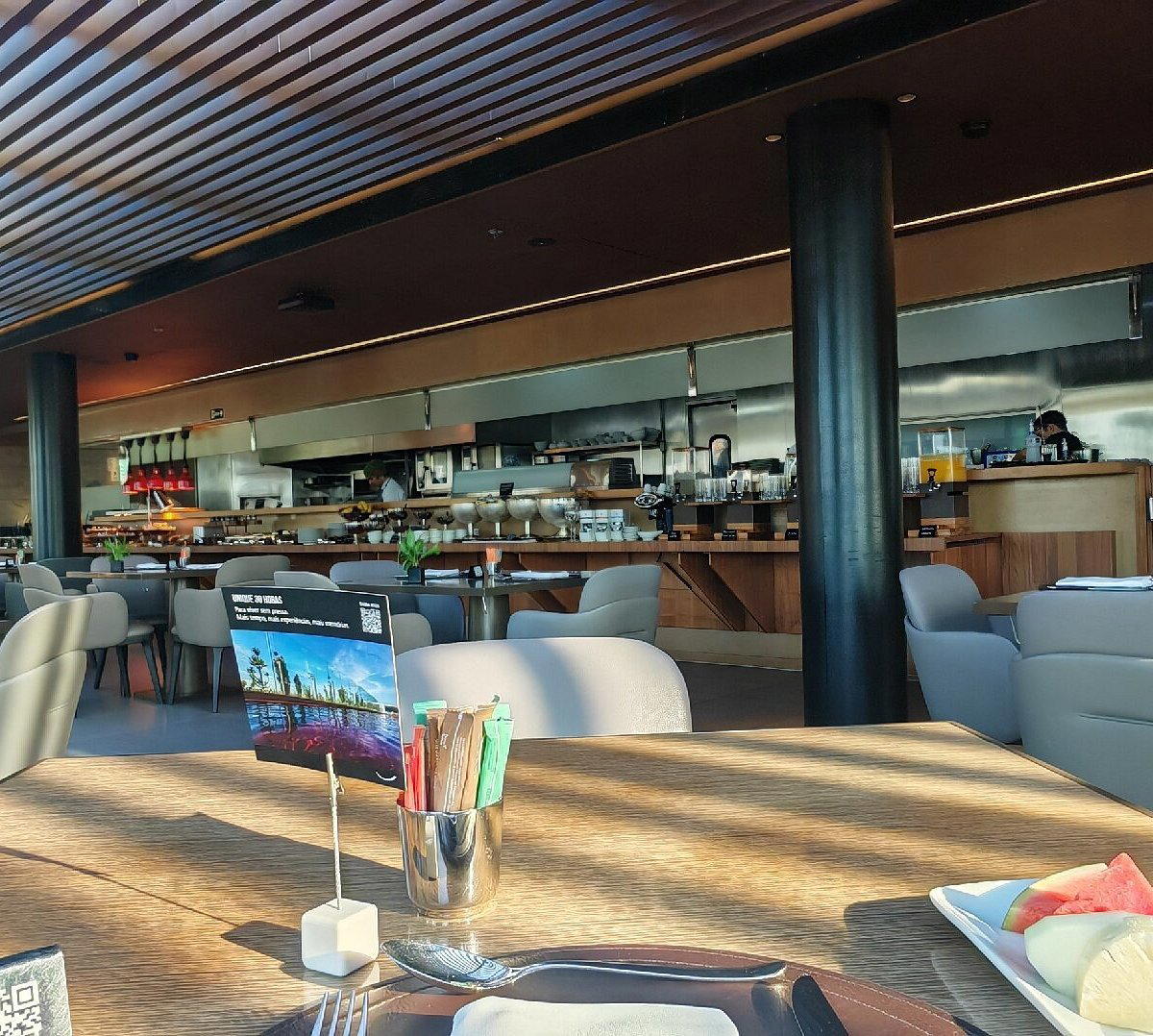
At a Glance
- Cozy
- Classic
- Rustic
- Family
- Casual Hangout
- Group Dining
- Standalone
- Beer Program
Current opening hours
- Monday
- 11:30 AM–3:30 PM, 6:30 PM–12 AM
- Tuesday
- 11:30 AM–3:30 PM, 6:30 PM–12 AM
- Wednesday
- 11:30 AM–3:30 PM, 6:30 PM–12 AM
- Thursday
- 11:30 AM–3:30 PM, 6:30 PM–12 AM
- Friday
- 11:30 AM–3:30 PM, 6:30 PM–12 AM
- Saturday
- 11:30 AM–4 PM, 6:30 PM–12 AM
- Sunday
- 11:30 AM–5 PM, 6:30–11 PM
Hours can change for holidays and private events. Last verified .
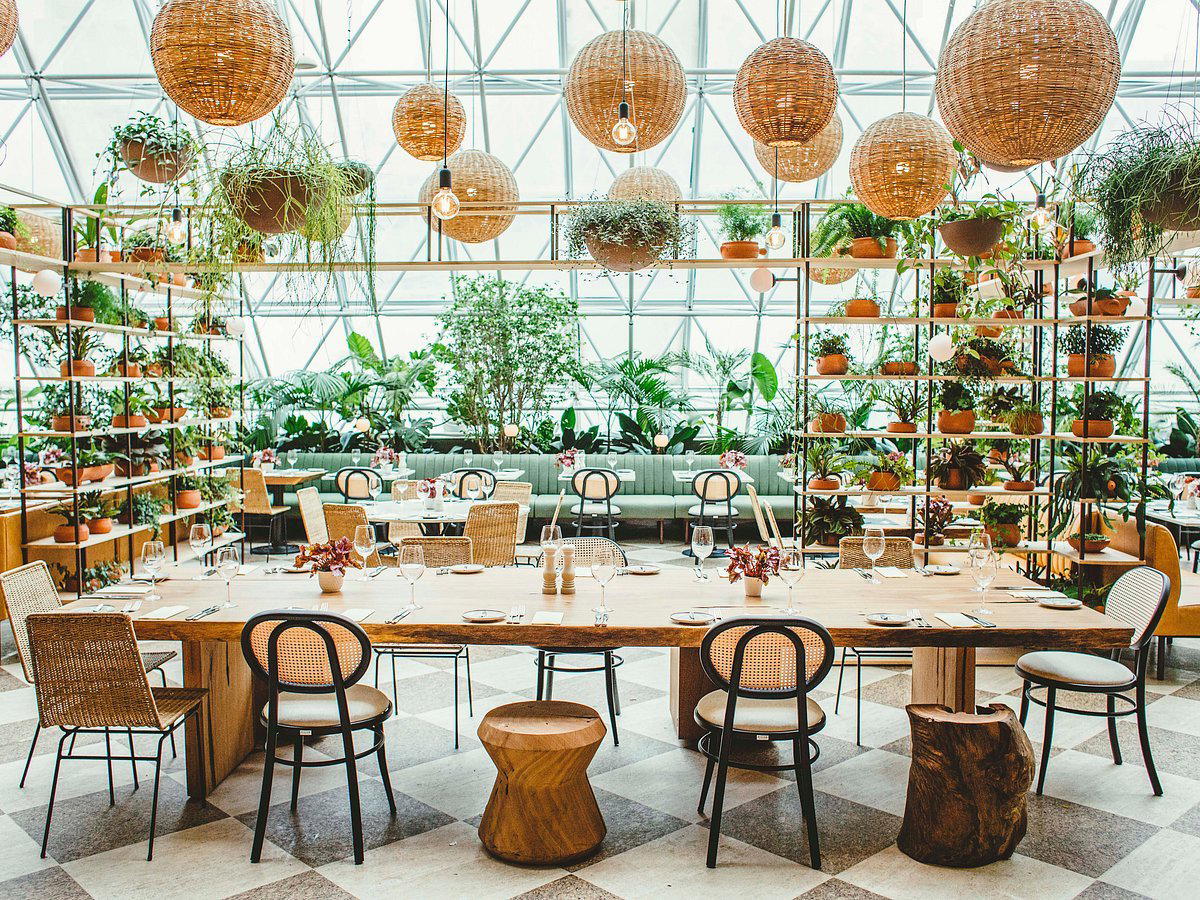
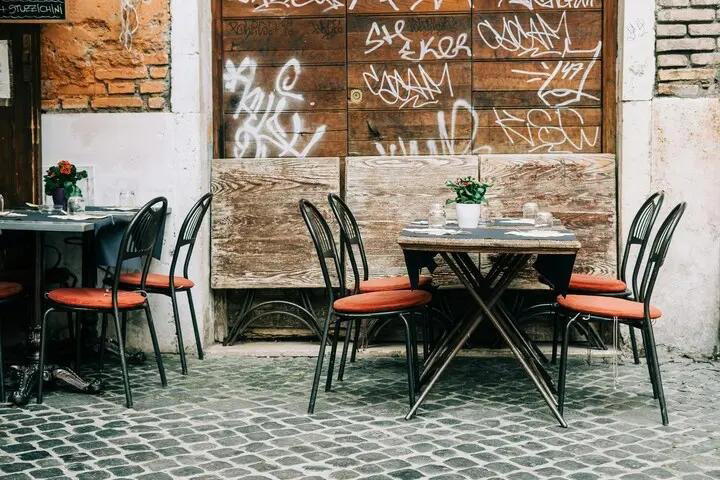
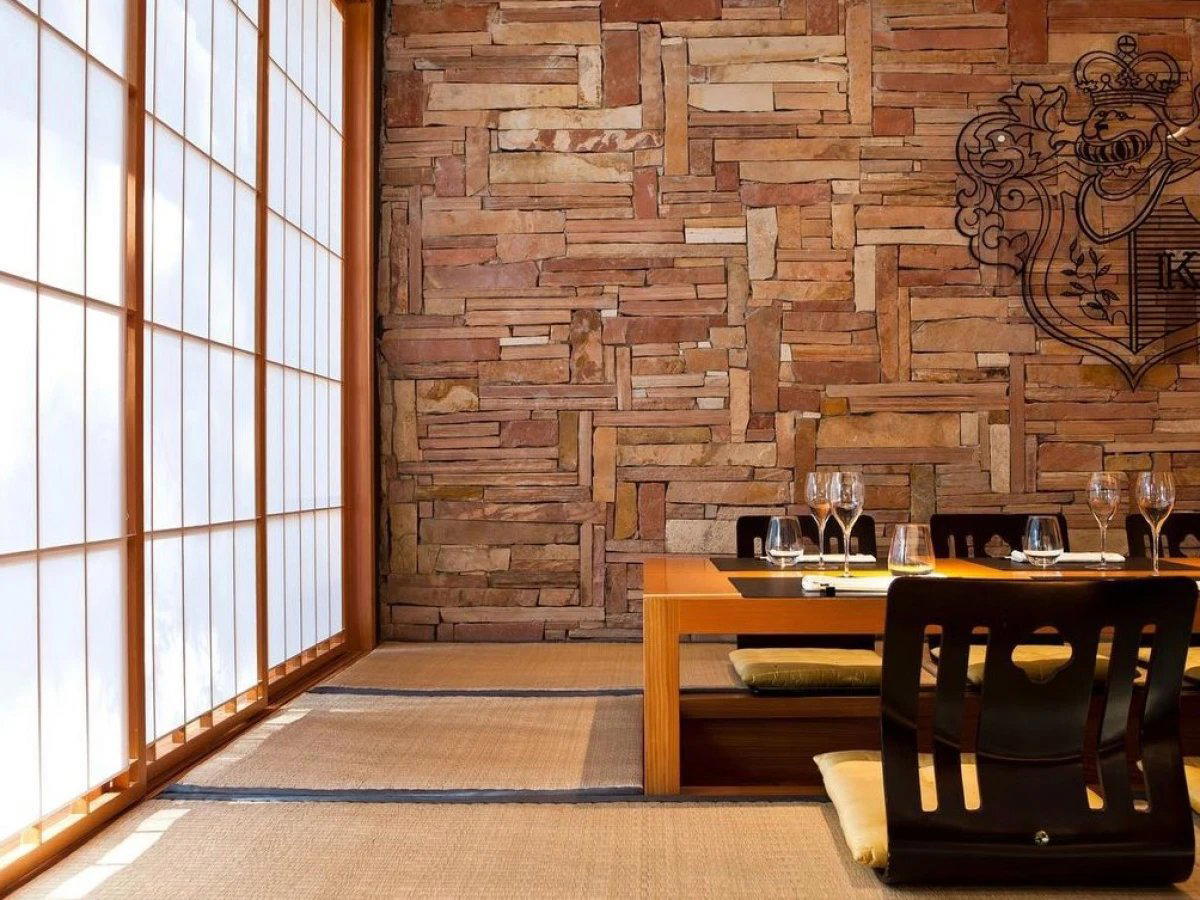
Warm and inviting with moderate noise levels, creating a pleasant dining experience suitable for both intimate dinners and group gatherings.