Dim Sum Garden
Dim Sum Garden at 1024 Race St sits at the heart of Philadelphia's Chinatown, drawing regulars for its hand-made dumplings and soup dumplings in a no-frills dining room where the food does the talking. The address places it squarely within one of the East Coast's most compact and active Chinese food corridors, making it a reliable anchor for anyone mapping Chinatown's dim sum offerings.
Pearl is the En Primeur Club membership app — saves, bookings, and concierge access live there. Same editors, same standards.
- Address
- 1024 Race St, Philadelphia, PA 19107
- Phone
- +12158730258
- Website
- dimsumgardenphilly.com
- Directions
- Get directions
 Saves & bookings on Pearl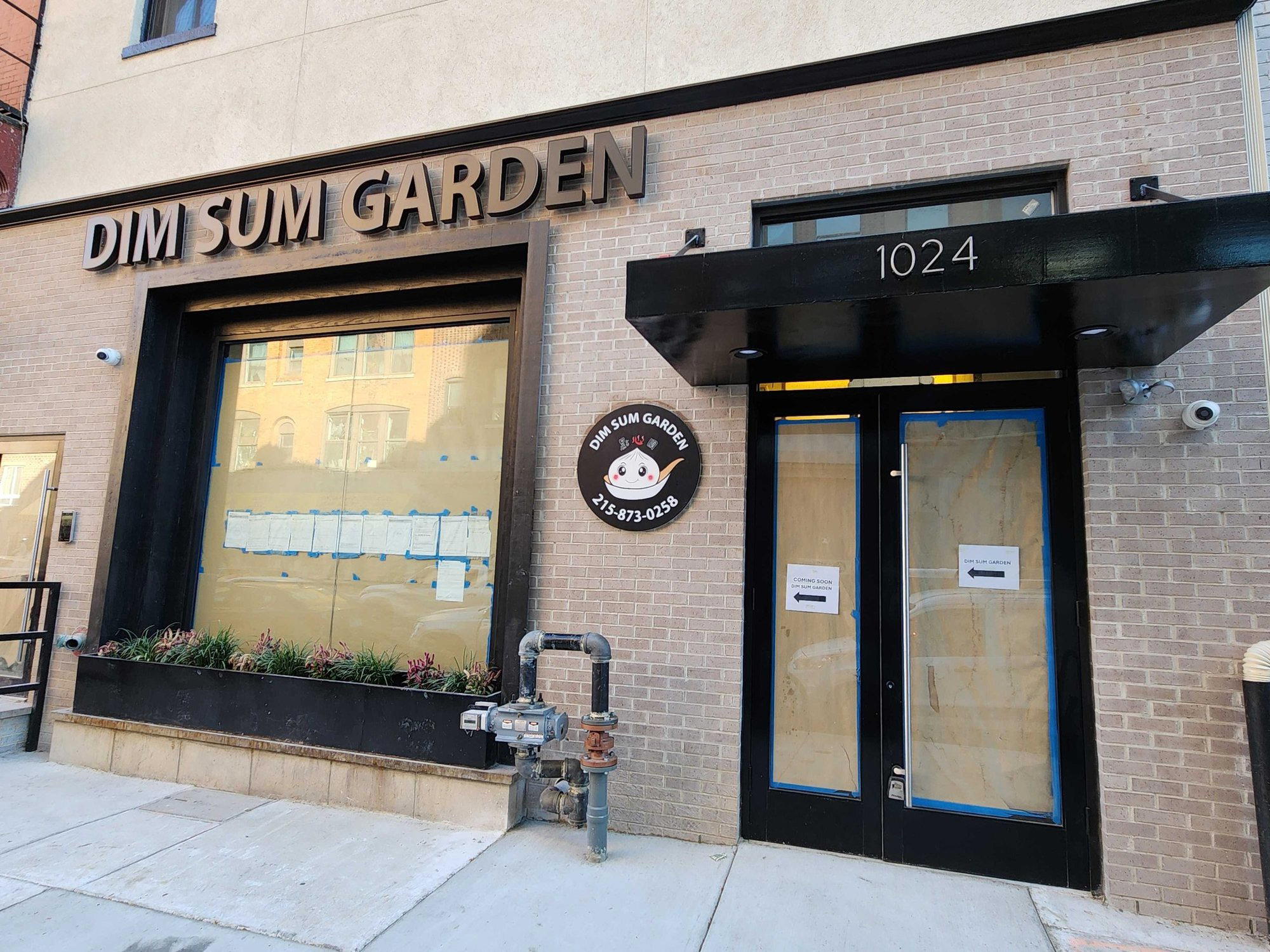
Chinatown's Counter Logic: Where Philadelphia's Dim Sum Culture Concentrates
Philadelphia's Chinatown occupies a narrow grid between Vine and Arch Streets, anchored by the ceremonial gate on 10th Street, and it functions differently from the sprawling Chinatowns of New York or San Francisco. The neighborhood runs on density rather than scale: a high ratio of working kitchens to city blocks, a customer base that spans the Vietnamese, Cantonese, and Fujianese communities that have layered into the area over decades, and a pricing logic calibrated to regulars rather than tourists. Dim sum here is less event and more infrastructure. It fills mornings and early afternoons with carts, steamers, and the particular rhythm of a dining room that turns tables without ceremony.
Dim Sum Garden at 1024 Race St sits inside that rhythm. Race Street is one of Chinatown's main commercial arteries, and the address places the restaurant in the thickest part of the neighborhood's foot traffic. The physical approach is functional: a storefront without ornament, a dining room that signals its priorities through steam rather than design. This is characteristic of the category. Well-regarded dim sum operations in mid-size American Chinatowns rarely invest in ambient cues, because the clientele has already decided based on reputation and habit. The room's value is in its reliability and its throughput.
The Dim Sum Format in an American Context
Dim sum as a dining format originated in the Cantonese tradition of yum cha, the practice of drinking tea accompanied by small plates, and it traveled to the United States through waves of Cantonese immigration in the 19th and 20th centuries. The format bifurcated in American cities: large banquet-hall operations with rolling carts, and smaller counter-style or table-service restaurants focused on made-to-order dumplings and bao. Philadelphia's Chinatown contains versions of both, but the made-to-order, dumpling-forward model has increasingly defined the neighborhood's reputation with a broader dining public.
That model is labor-intensive. Hand-folded dumplings, soup dumplings with their gelatin-set broth cores, and steamed bao require kitchen teams with specific technique. The work is collaborative by definition: wrappers need to be rolled to consistent thickness, fillings portioned uniformly, folds executed quickly enough to sustain lunch service. In any credible dumpling kitchen, the floor staff's job is to pace tables against kitchen output, not to oversell. The service dynamic at this level of restaurant is less front-of-house performance and more coordination. Timing between kitchen and dining room determines whether soup dumplings arrive intact or collapsed, and that is a non-trivial operational challenge.
This kind of restaurant sits at a different point in Philadelphia's dining ecosystem than the city's contemporary American dining rooms. Restaurants like Fork (New American) or Friday Saturday Sunday (New American) operate in a higher price tier with explicit chef identity and seasonal programming. Dim Sum Garden's model is closer to the functional-specialist category: a kitchen with a defined product, a neighborhood address, and a pricing structure that puts it within reach of daily use rather than occasion dining. The same pattern appears in the city's other specialist ethnic kitchens. Kalaya has moved Thai cooking into a higher-profile register, and Mawn (Cambodian, Pan-Asian) has done similar work for Cambodian cuisine. Dim Sum Garden operates without that crossover visibility, but within Chinatown it functions as a reference point rather than a discovery.
Reading the Room: Service, Pacing, and the Collaborative Kitchen
The editorial focus here is team coordination. Dim sum service depends on a functional loop between the kitchen crew making the product, the floor staff moving it, and the kitchen's ability to queue orders against a dining room that fills quickly and turns fast. In operations without extensive front-of-house theater, the quality signal is in that coordination: whether the wait for a bamboo steamer is calibrated, whether the tea is refilled without prompting, whether the floor team understands which tables need to be moved quickly and which can linger.
This is a less glamorous version of the collaboration dynamic that defines higher-end operations. At restaurants like Le Bernardin in New York City, Alinea in Chicago, or The French Laundry in Napa, the kitchen-floor relationship is refined into a production. At a neighborhood dim sum restaurant, the same fundamental logic applies at a different register: the product is time-sensitive, the kitchen is the engine, and the floor team's job is not to decorate the experience but to protect the food. That is, in its way, a discipline. Comparable dynamics appear in other American cities at restaurants like Lazy Bear in San Francisco, Single Thread Farm in Healdsburg, or Providence in Los Angeles, though in formats with far more ceremony around the same underlying principle of kitchen-to-table timing.
Philadelphia's Chinatown has sustained this kind of functional excellence in the dim sum category for decades. The trust signal here is neighborhood durability and a repeat customer base that has strong and specific opinions about which kitchens maintain standard and which have slipped.
Planning Your Visit: What to Know Before You Go
Race Street in Chinatown is walkable from Center City and accessible from multiple SEPTA lines. The neighborhood runs at its most active on weekend mornings and early afternoons, which is the traditional dim sum window. Weekday visits tend to be quieter, though the kitchen's output remains consistent through lunch service. Given the no-frills format and neighborhood pricing, arrival time and party size matter more. Larger groups should account for the dining room's capacity constraints, which are characteristic of the Chinatown block.
For visitors building a broader Philadelphia day, the Chinatown corridor sits close to the Reading Terminal Market and within reasonable distance of the restaurant corridor along 13th Street. Those interested in the city's wider dining range can cross-reference with My Loup (French-Inspired) for a contrasting register. Internationally, the dim sum category has its most sophisticated expression at addresses like 8 1/2 Otto e Mezzo Bombana (Hong Kong) in Hong Kong, but that is a different market and a different product tier entirely.
Restaurants like Addison in San Diego, Blue Hill at Stone Barns in Tarrytown, The Inn at Little Washington in Washington, Atomix in New York City, and Emeril's in New Orleans represent the award-tracked, tasting-menu end of American fine dining. Dim Sum Garden operates at the opposite pole of that spectrum, where the metric is not critical recognition but daily execution of a specific, technically demanding product in a neighborhood that has strong expectations and a long memory for quality.
Budget and Context
Comparable venues nearby, for context on price, style, and recognition.
| Venue | Cuisine | Price | Notes |
|---|---|---|---|
| Dim Sum GardenThis venue — the venue you are viewing | Chinatown, Shanghai-Style Dim Sum | $ | Not listed |
| New Harmony Vegetarian Restaurant | Old City, Vegan Chinese | $$ | Not listed |
| Taqueria La Prima | Not listed | $ | Passyunk Square, Authentic Mexican Taqueria |
| Paesano's | Not listed | $ | Northern Liberties, Italian Philly Sandwiches |
| Sang Kee Peking Duck House | Callowhill, Cantonese Peking Duck House | $$ | Not listed |
| Tortilleria San Roman | Not listed | $ | Italian Market, Authentic Mexican Tortilleria |
Continue exploring
More in Philadelphia
Restaurants in Philadelphia
Browse all →
Bars in Philadelphia
Browse all →
At a Glance
- Lively
- Trendy
- Modern
- Casual Hangout
- Group Dining
- Family
- Open Kitchen
- Beer Program
- Sake Program
Current opening hours
- Monday
- 11 AM–10 PM
- Tuesday
- 11 AM–10 PM
- Wednesday
- 11 AM–10 PM
- Thursday
- 11 AM–10 PM
- Friday
- 11 AM–10 PM
- Saturday
- 11 AM–10 PM
- Sunday
- 11 AM–10 PM
Hours can change for holidays and private events. Last verified .