Sang Kee Peking Duck House
Our verdict
Sang Kee Peking Duck House on North 9th Street has anchored Philadelphia's Chinatown for decades, drawing a loyal crowd for its roast duck program in a neighborhood defined by no-frills, high-output Cantonese cooking. Alongside contemporaries like Kalaya and Mawn, it represents a strand of Philadelphia dining where culinary tradition carries more weight than interior design budgets.

Pearl is the En Primeur Club membership app — saves, bookings, and concierge access live there. Same editors, same standards.
- Address
- 238 N 9th St, Philadelphia, PA 19107
- Phone
- (215) 925-7532
- Hours
- Daily 11 AM–8 PM
- Website
- sangkeechinatown.com
- Directions
- Get directions
The menu
What to order
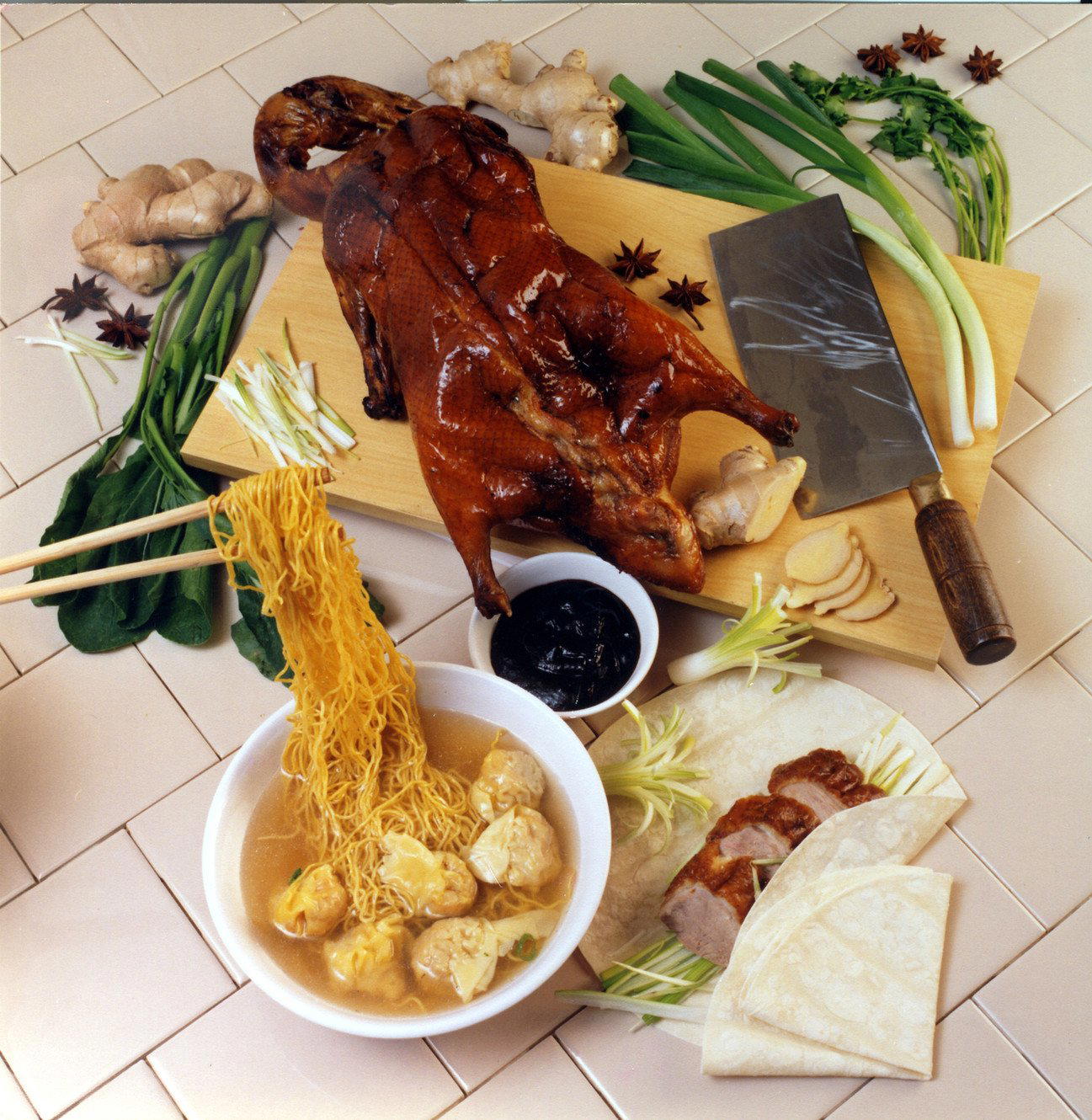
- Peking Duck
- Sang Kee Style Noodle Soup
- Honey-Coated Roast Pork
Chinatown's Roast Duck Counter and the Ritual It Sustains
North 9th Street in Philadelphia's Chinatown runs a particular kind of gauntlet. The storefronts are dense, the signage competes aggressively, and the smell of roasted meat arrives before you can read any of it. Sang Kee Peking Duck House sits at 238 N 9th St in that corridor, a room that operates on a logic familiar to anyone who has eaten seriously in older Cantonese enclaves: the food is the point, everything else is logistics. This is not a neighborhood where ambient lighting and curated playlists factor into a restaurant's reputation. The credential here is longevity and the volume of people who return for the same dish, again and again.
Philadelphia's Chinatown occupies a compressed geography but supports a dining culture with genuine depth. Where comparable enclaves in New York or San Francisco sprawl across multiple blocks and sub-neighborhoods, Philadelphia's version concentrates its energy. Sang Kee sits inside that compression as one of the area's most-referenced addresses, particularly among visitors who arrive specifically for the roast duck program rather than stumbling in from nearby traffic.
The Ritual of the Duck: How This Meal Is Meant to Proceed
Peking duck, as a dining format, carries its own ceremony. In mainland China, the canonical preparation involves a lacquered, air-dried bird roasted in a closed or hanging oven, the skin blistered to a translucent crisp while the fat beneath renders almost entirely away. The duck is then carved tableside, the skin separated from the meat, and both components eaten in thin pancakes with hoisin, scallion, and cucumber. The pacing is deliberate: the bird arrives in stages, and the bones typically return to the kitchen for a soup course.
That sequence matters because it shapes what you order and when. First-time visitors who approach Sang Kee as a standard Cantonese menu restaurant often miss the internal logic of the meal. The duck is not one item among many — it is the organizing principle. Order it at the start, not as an afterthought. The rest of the menu, which spans the wider Cantonese repertoire including noodle soups and barbecue items common to this style of roast-meat house, functions as accompaniment or follow-on rather than competition.
This structure aligns Sang Kee with a category of Chinese restaurant that American dining has historically undervalued: the specialist roast house. In Hong Kong, these establishments operate with the same focus, their reputations built on the consistency of a single protein preparation rather than menu breadth. The city's most serious versions, including those in the same tier as 8 1/2 Otto e Mezzo Bombana (Hong Kong) in terms of neighborhood reputation (if not format), draw their credibility from deep practice in a narrow lane. Sang Kee operates in that same specialist spirit, at a price point and register calibrated to Chinatown economics rather than hotel dining.
Where Sang Kee Sits in Philadelphia's Dining Context
Philadelphia has developed a more textured dining identity over the past decade. The city now sustains restaurants across a wide range of formats and price points, from the New American seriousness of Fork and Friday Saturday Sunday to the Southeast Asian intensity of Kalaya and the Cambodian-informed menu at Mawn. French-leaning rooms like My Loup complete a picture of a city that has stopped apologizing for its ambitions.
Sang Kee sits outside that upward trajectory in the most useful way possible. It does not participate in the conversation about tasting menus, natural wine programs, or chef recognition cycles. It belongs to an older Philadelphia, the one that maintained its Chinatown through decades of urban pressure and changing demographics, and it draws credibility from exactly that persistence. In a dining culture that periodically rediscovers Cantonese roast traditions as a trend, Sang Kee simply kept doing what it was doing.
This is not a point of nostalgia. Across American cities with serious Chinese-American dining histories, the roast-meat house occupies a specific and respected position. These are the restaurants that serious eaters visit when they want to understand a culinary tradition on its own terms rather than through a modernizing lens. The comparison set is not Le Bernardin in New York City or Alinea in Chicago or The French Laundry in Napa — it is the handful of Cantonese specialists in any given American city that have survived long enough to become institutional.
What the Room Tells You Before You Order
The atmosphere at a Chinatown roast house communicates its own set of instructions. Tables turn. Noise is ambient and functional rather than designed. The room runs at a pace driven by the kitchen, not by the dining room's preference for leisure. Servers are efficient rather than ceremonial, which in this context is a form of respect: they assume you know why you came and what you want.
For visitors accustomed to the more mediated environments of, say, Blue Hill at Stone Barns in Tarrytown or Single Thread Farm in Healdsburg, the contrast is instructive. Those rooms manage every variable of the dining experience, from lighting to pacing to narrative. Sang Kee manages one variable exceptionally well and leaves the rest to function. That is a different kind of mastery, and one that rewards a diner who arrives prepared to engage on the restaurant's terms rather than imposing expectations from another format.
Groups work better here than solo visits, both because the duck is portioned for sharing and because the broader menu makes more sense across multiple people. Coming alone and ordering duck is possible but slightly awkward by design, the dish is social architecture as much as food.
Planning Your Visit
Know Before You Go
- Address: 238 N 9th St, Philadelphia, PA 19107
- Neighborhood: Chinatown, Center City Philadelphia
- Format: Cantonese roast-meat house; Peking duck is the anchor order
- Group size: Two or more recommended for the duck format
- Hours: Verify directly with the restaurant before visiting
- More Philadelphia: See our full Philadelphia restaurants guide
Frequently asked questions
What's the must-try dish at Sang Kee Peking Duck House?
The roast duck program is the reason the address has held its reputation in Philadelphia's Chinatown. The Peking duck format, lacquered skin, carved tableside or delivered in traditional stages with pancakes, hoisin, scallion, and cucumber, is the organizing principle of the meal rather than one item among equals. Other Cantonese staples on the broader menu round out the experience, but arriving without ordering the duck defeats the purpose of the address.
Can I walk in to Sang Kee Peking Duck House?
Walk-in dining is common at Chinatown roast houses, and Sang Kee follows the general pattern of the neighborhood: tables turn at pace, and off-peak hours on weekdays offer the most reliable entry without a wait. Weekend evenings and lunch service during peak hours tend to draw larger crowds. Calling ahead or confirming current policy directly with the restaurant is advisable, particularly for groups of four or more who want to anchor the meal around a full duck order.
What has Sang Kee Peking Duck House built its reputation on?
Sang Kee's standing in Philadelphia comes from decades of consistent execution in a specific and demanding discipline: Cantonese roast cookery. In a city that has grown a sophisticated dining scene across New American, French, Thai, and Southeast Asian registers, Sang Kee occupies a different axis entirely, one defined by institutional longevity and fidelity to a culinary tradition rather than by chef recognition or format innovation. That track record, sustained through significant changes in Philadelphia's restaurant culture, is the credential.
How does Sang Kee Peking Duck House compare to other Chinatown options in Philadelphia?
Within Philadelphia's Chinatown, Sang Kee holds a specific position as one of the area's most established roast-duck specialists, a category distinct from the broader Cantonese or Fujianese restaurants that fill the surrounding blocks. While nearby options cover dim sum, hot pot, and regional Chinese cooking, Sang Kee's focus on the roast-meat tradition gives it a different competitive alignment: closer to the dedicated duck houses of New York's Flushing or San Francisco's Sunset district than to a general-menu Chinese restaurant. For visitors whose primary interest is in that roast tradition specifically, it remains one of the more consistently referenced addresses in the city.
A Tight Comparison
Comparable venues nearby, for context on price, style, and recognition.
| Venue | Cuisine | Price | Notes |
|---|---|---|---|
| Sang Kee Peking Duck HouseThis venue — the venue you are viewing | Cantonese Peking Duck House | $20–30 | Not listed |
| Ray's Cafe & Tea House | Chinatown, Taiwanese-Chinese Cafe | $10–20 | Not listed |
| David's Mai Lai Wah | Cantonese Chinese | $20–30 | Chinatown, Cantonese Chinese |
| New Harmony Vegetarian Restaurant | Vegan Chinese | Not listed | Old City, Vegan Chinese |
| BlackHen | Southern Fried Chicken | $20–30 | Old City, Southern Fried Chicken |
| Royal Tavern | Elevated American Gastropub | $20–30 | Bella Vista, Polished American Gastropub |
Continue exploring
More in Philadelphia
Restaurants in Philadelphia
Browse all →
Bars in Philadelphia
Browse all →
Details
- Classic
- Well Known
- Group Dining
- Casual Hangout
- Family
- Historic Building
- A La Carte
- Vegetarian Friendly
Current opening hours
- Monday
- 11 AM–8 PM
- Tuesday
- 11 AM–8 PM
- Wednesday
- 11 AM–8 PM
- Thursday
- 11 AM–8 PM
- Friday
- 11 AM–8 PM
- Saturday
- 11 AM–8 PM
- Sunday
- 11 AM–8 PM
Hours can change for holidays and private events. Last verified .
Classic Chinatown institution with a bustling, no-frills atmosphere centered around traditional barbecue displays and authentic Cantonese flavors.