Paesano's
On West Girard Avenue in Philadelphia's Fishtown district, Paesano's occupies a specific niche in the city's Italian-American sandwich tradition, a counter-service format that has built a following through consistency and a clear sense of place rather than through tasting menus or formal credentials. It positions itself closer to South Philly Barbacoa than to Fork in terms of ambition and format, serving a neighbourhood crowd and destination visitors in roughly equal measure.
Pearl is the En Primeur Club membership app — saves, bookings, and concierge access live there. Same editors, same standards.
- Address
- 148 W Girard Ave, Philadelphia, PA 19123
- Directions
- Get directions
 Saves & bookings on Pearl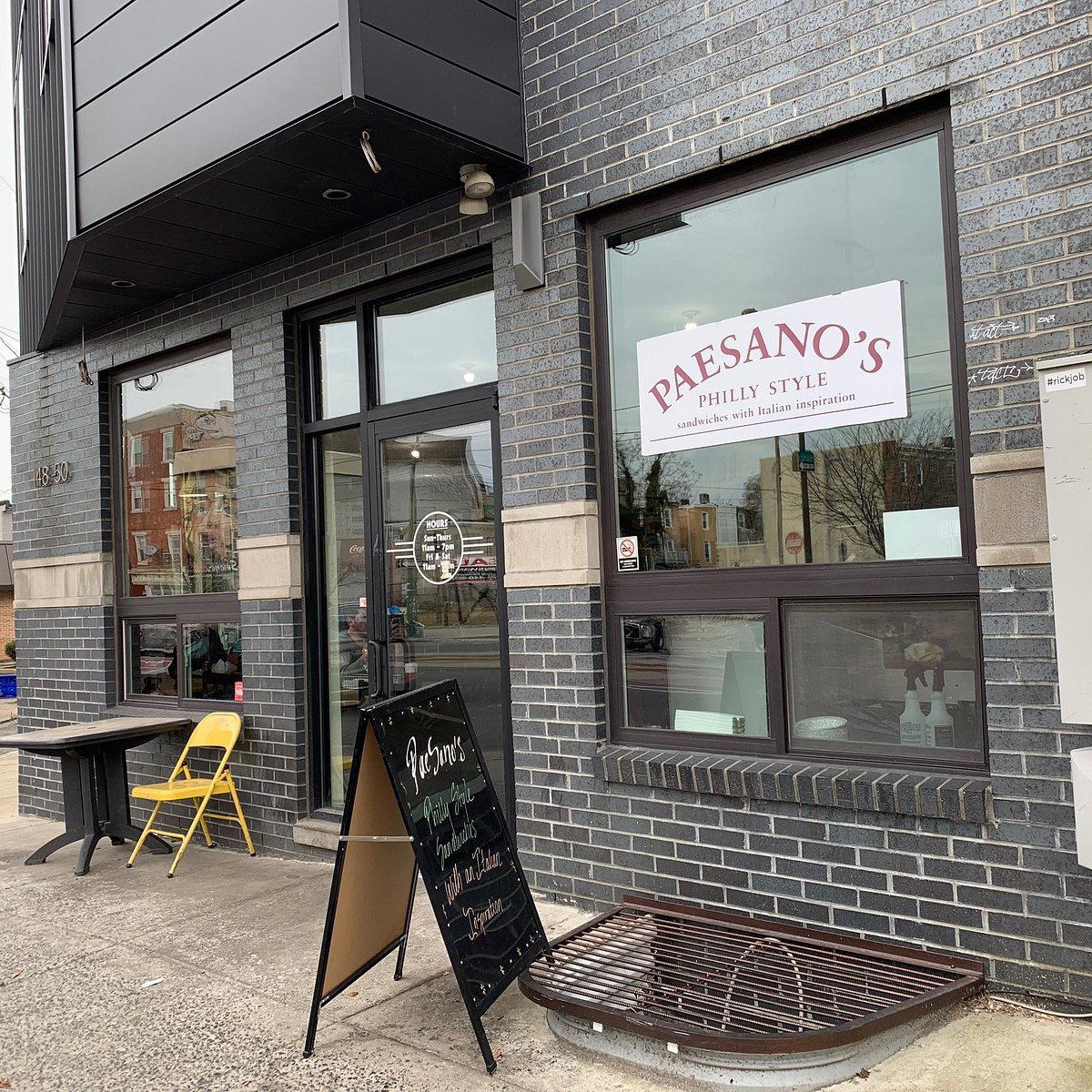
West Girard and the Weight of the Italian Sandwich
Philadelphia's relationship with the Italian-American sandwich is long, contested, and surprisingly specific. The city has its own grammar for this food, a vocabulary of seeded rolls, braised meats, sharp provolone, and broccoli rabe that differs from New York's hero culture and Chicago's Italian beef tradition in ways that matter to locals and increasingly to food-minded visitors. On West Girard Avenue in Fishtown, Paesano's has staked out a position within that tradition that is neither purely nostalgic nor trying to reinvent what doesn't need reinventing.
The corner location at 148 W Girard Ave operates as a counter-service sandwich shop, a format that, in Philadelphia, carries its own set of expectations. You order at the counter, you wait, and the product either justifies the queue or it doesn't. That simplicity is not accidental. Across American cities, the counter-service Italian sandwich format has split between quick-service chains that have lost specificity and independent shops that have doubled down on sourcing and technique. Paesano's belongs to the latter group, where the credibility of the product is the entire argument.
Fishtown's Shift and Where Paesano's Sits
Fishtown has changed considerably over the past fifteen years. The neighbourhood that once occupied the unglamorous stretch between the Delaware waterfront and Northern Liberties has become one of Philadelphia's most visited dining corridors, with new openings arriving regularly and older spots recalibrating their position in response. That kind of neighbourhood pressure tends to push independent operators in one of two directions: toward greater formality to compete with the new arrivals, or toward greater conviction in their original format to serve the audience that was there before the wave.
The restaurant trajectory has been one of consolidation rather than reinvention. As Fishtown added cocktail bars, chef-driven spots, and places with the kind of press that draws the Friday-night crowd from across the city, the sandwich counter model held its ground by doing what it had always done. That positioning, unchanged format in a changed neighbourhood, is its own editorial statement about what kind of food operation survives long enough to matter.
This puts the restaurant in an interesting comparative position relative to Philadelphia's broader dining scene. The city's New American tier, represented by operations like Fork and Friday Saturday Sunday, competes on tasting menu ambition and sourcing narrative. Places like Mawn and My Loup operate in the mid-tier chef-driven category where technique and concept carry most of the weight. The restaurant belongs to neither group. Its peers are closer to South Philly Barbacoa in format logic: a deeply specific product, delivered without ceremony, that has accumulated a following through consistency.
The Format and What It Demands
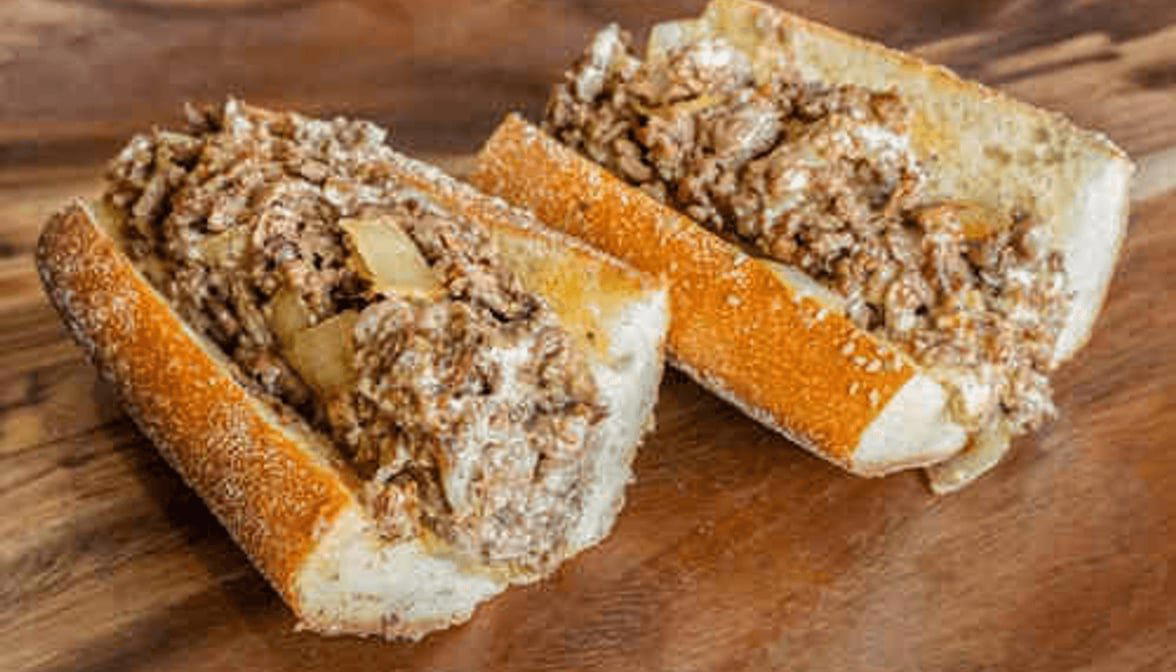
Counter-service sandwich shops succeed or fail on a narrow set of variables: bread quality, meat preparation, and the internal logic of each combination. The Italian-American tradition that restaurant works within has its own benchmarks, the roll should have structural integrity without being impenetrable, the braised or roasted proteins should carry their cooking liquid into the sandwich rather than arriving dry, and the supporting elements (pickled vegetables, sharp cheese, bitter greens) should function as counterpoint rather than filler.
In cities like Philadelphia, where sandwich culture has actual stakes, these distinctions are taken seriously by the people eating. The format demands daily consistency in a way that tasting menus don't, a three-Michelin-star kitchen at the level of Le Bernardin in New York City or The French Laundry in Napa can absorb a slightly off night more gracefully than a counter where every customer is ordering the same six items. The margin for error is narrow, which is one reason that genuinely consistent sandwich shops are rarer than the format's apparent simplicity suggests.
Evolution Over Time: What Has and Hasn't Changed
The story of the restaurant over time is less about dramatic reinvention and more about the kind of incremental consolidation that defines long-running independent food operations. It has not pivoted toward a tasting menu format or a broader dining room. It has not absorbed the language of the farm-to-table movement in the way that some of its neighbourhood contemporaries have. What it has done is maintain operational focus in a neighbourhood and city where operational focus is increasingly difficult to sustain as rents and labour costs reshape what's viable.
That kind of durability is worth reading as a signal. Operations that survive neighbourhood gentrification without fundamentally changing their model tend to have built something that functions as a destination for two distinct audiences simultaneously: the local regulars who would notice any deviation from the established product, and the visitors who have read enough about Philadelphia's sandwich culture to seek out a specific address. Holding both audiences without alienating either is a discipline that most restaurants at any price point struggle to maintain.
For context on how different ambition levels play out across American dining, the farm-to-season tasting format of Blue Hill at Stone Barns in Tarrytown or the precision-driven progression at Smyth in Chicago represent one end of the spectrum. The restaurant operates at the other end, lower ceremony, no reservations, no tasting menu, but the underlying requirement (execute your specific thing at a consistent level every day) is the same across both formats. The consequences of failure are just different.
Planning Your Visit
The restaurant is a walk-in operation, which is both its accessibility and its limitation. West Girard Avenue is served by multiple SEPTA routes, making it reachable from Center City without a car. Lunch hours on weekends tend to draw the longest queues, particularly as Fishtown's overall foot traffic has increased. Going mid-week or during early lunch service reduces wait time. There are no reservations to make and no dress considerations, the format is counter service throughout. Visitors coming specifically for the sandwich experience should plan around the queue rather than against it.
The Minimal Set
Comparable venues nearby, for context on price, style, and recognition.
| Venue | Cuisine | Price |
|---|---|---|
| Paesano'sThis venue — the venue you are viewing | Not listed | $ |
| PrimoHoagies | Rittenhouse Square, Italian Hoagies | $ |
| Adoro | Southwark, Classic Italian BYOB | $$ |
| Mercato | Gayborhood, Modern Italian BYOB | $$ |
| Tuscany Ristorante | Bell's Corner, Authentic Tuscan Italian | $$ |
| Pizzeria Salvy | Logan Square, Modern Italian Pizzeria | $$ |
Continue exploring
More in Philadelphia
Restaurants in Philadelphia
Browse all →
Bars in Philadelphia
Browse all →

At a Glance
- Rustic
- Casual
- Well Known
- Casual Hangout
- Solo
- Group Dining
- Open Kitchen
- Local Sourcing
Current opening hours
- Monday
- Closed
- Tuesday
- Closed
- Wednesday
- 11 AM–5:30 PM
- Thursday
- 11 AM–5:30 PM
- Friday
- 11 AM–5:30 PM
- Saturday
- 10 AM–7 PM
- Sunday
- 10 AM–5 PM
Hours can change for holidays and private events. Last verified .
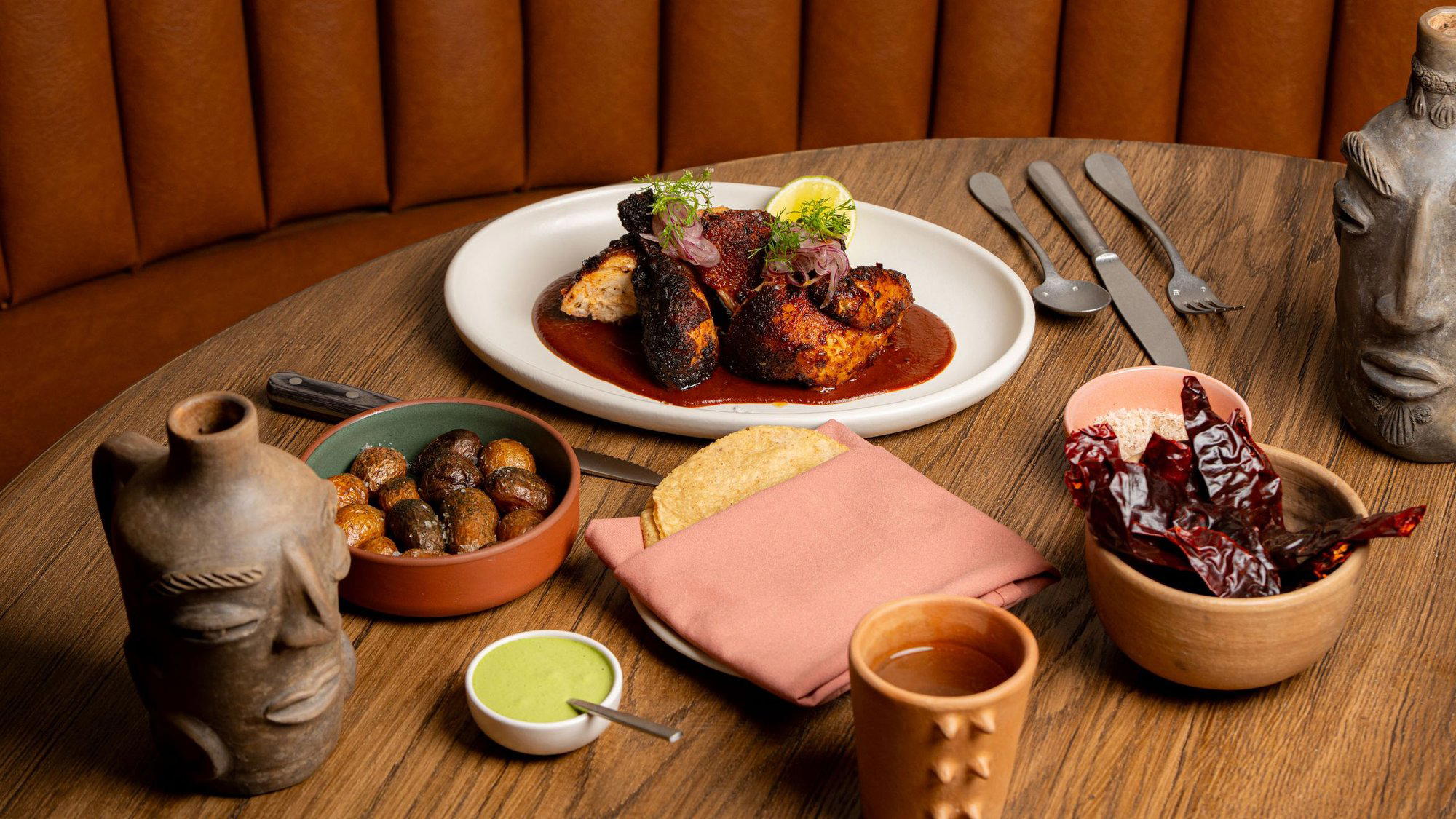
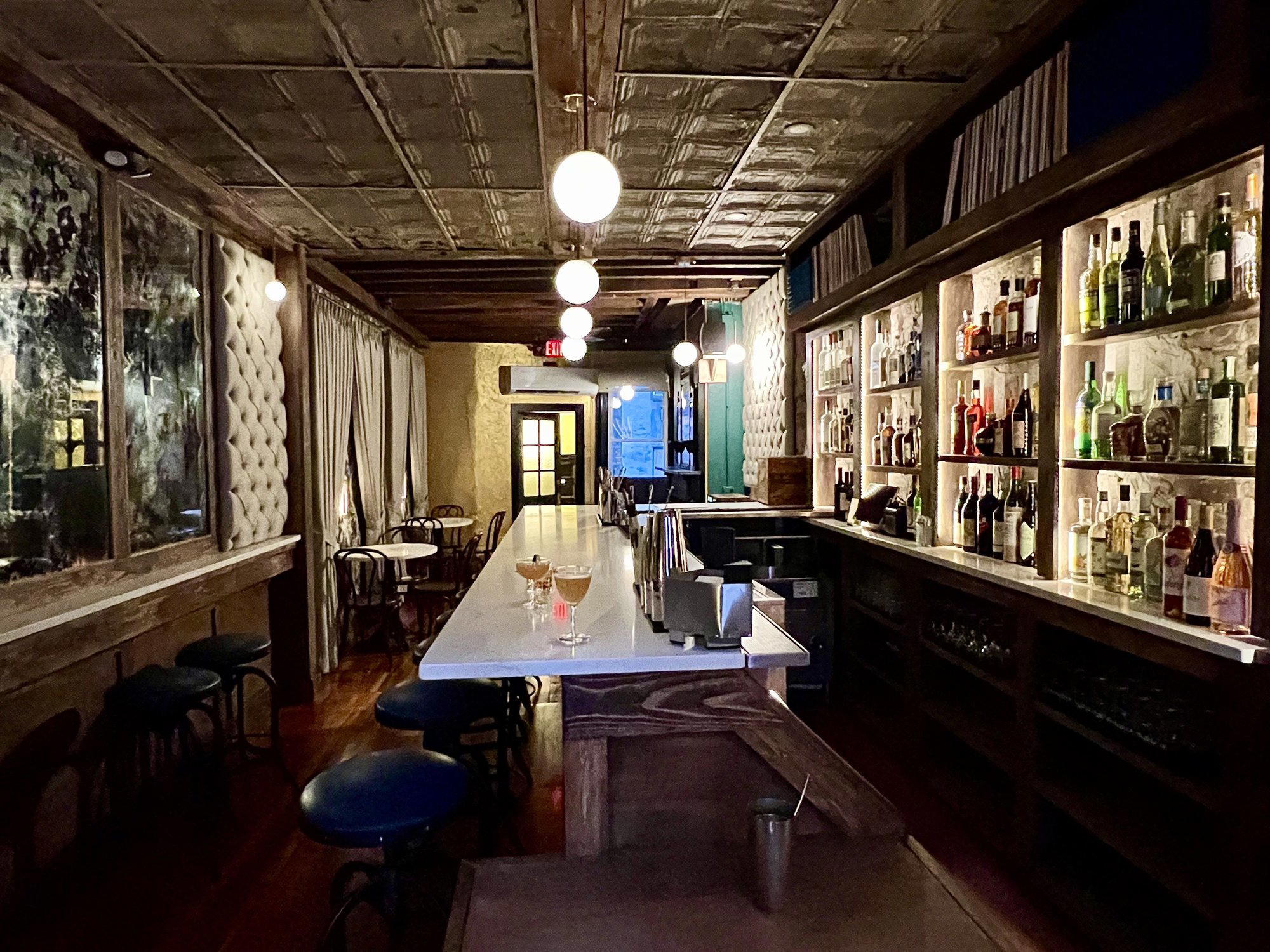
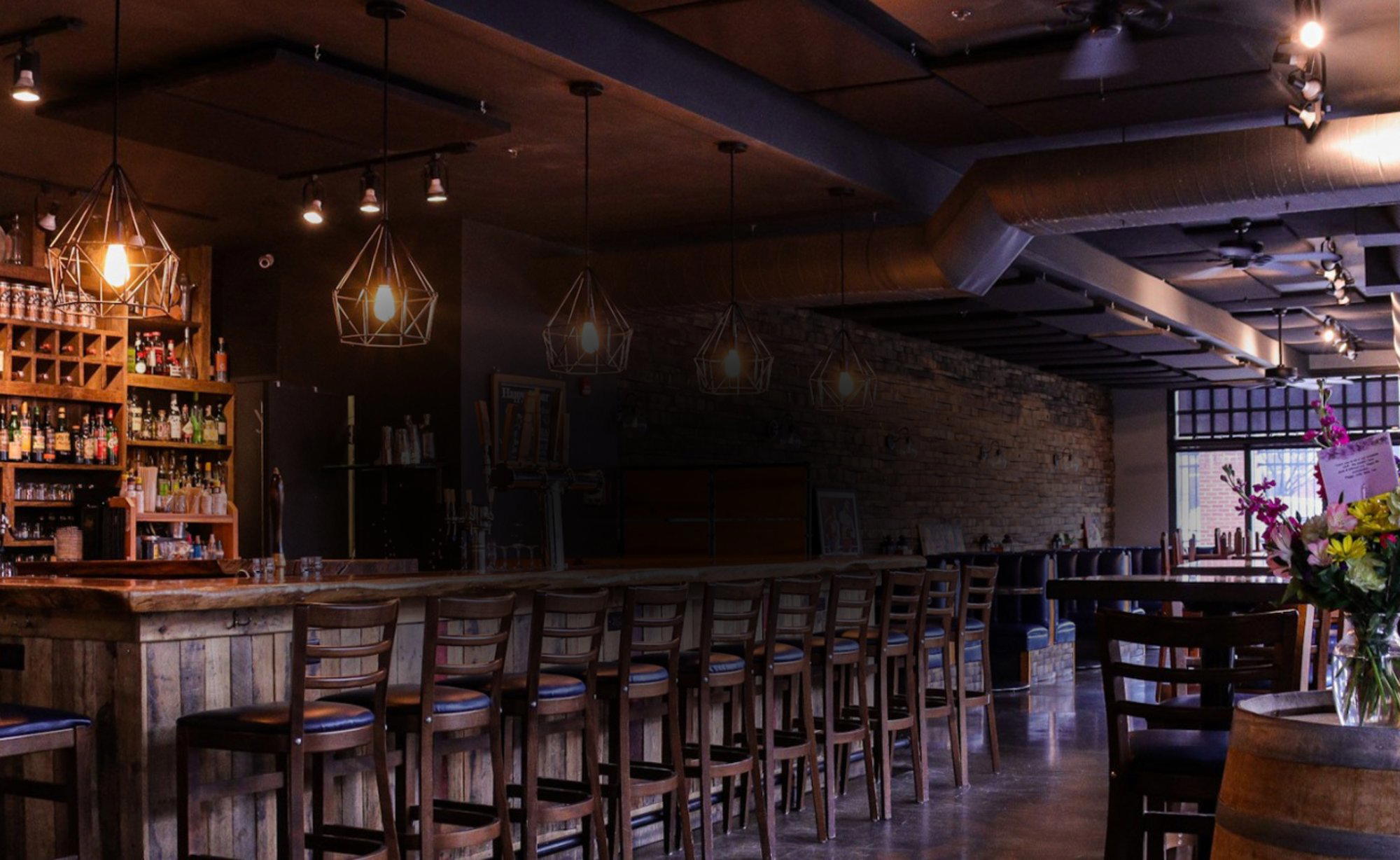
Casual, unpretentious sandwich shop with a hole-in-the-wall aesthetic; modest, nondescript setting that prioritizes bold flavors over decor; energetic counter service environment where diners embrace messy, hands-on eating.