The Ritz-Carlton, Philadelphia


Occupying a landmark 1908 neoclassical bank building on Avenue of the Arts, The Ritz-Carlton, Philadelphia converts a century of architectural gravity into 301 rooms and suites. The former Girard Trust Company rotunda sets a tone that few Center City hotels can match: history made habitable, with a 30th-floor Club Lounge and Aqimero restaurant anchoring the contemporary offer.
Pearl is the En Primeur Club membership app — saves, bookings, and concierge access live there. Same editors, same standards.
- Address
- 10 Avenue of the Arts
- Phone
- +1.215.523.8000
- Website
- ritzcarlton.com
- Directions
- Get directions
 Saves & bookings on Pearl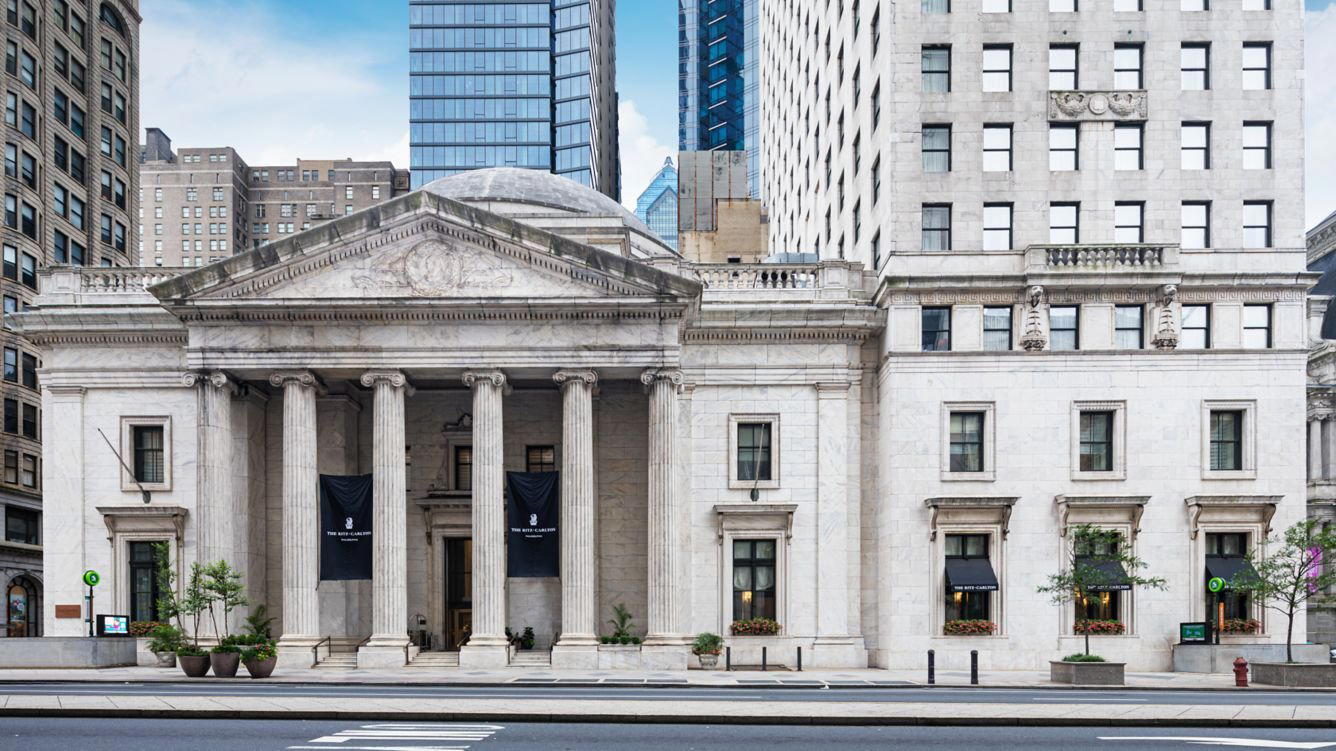
Where a Bank Vault Became a Benchmark
Center City Philadelphia's luxury hotel market has always been defined by an unusual asset: the city's surplus of civic-scale architecture from the early twentieth century. Banks, insurance houses, and exchange buildings constructed between 1880 and 1920 were built to project institutional permanence, and several have since been converted into hotels that carry that gravitas into the room rate. The Ritz-Carlton, Philadelphia sits at the center of that cohort. The former Girard Trust Company building, completed between 1904 and 1908 and listed in the city's Historic District, was designed in full neoclassical style, with a domed rotunda, an eight-story tower, and stonework that reads more Pantheon than hotel lobby. That provenance matters here in a way it doesn't at a purpose-built property: the building arrived with a reputation before the Ritz-Carlton flag was raised in 2000.
For context on where this sits in Philadelphia's premium tier, the city's leading hotels now cluster around two types: the converted-landmark format (of which this is especially architecturally prominent example) and the purpose-built tower format, represented by properties like the Four Seasons Hotel Philadelphia at Comcast Center. Smaller boutique options, including Guild House Philadelphia and The Rittenhouse Hotel, occupy a distinct niche where scale is the differentiator. The Ritz-Carlton falls between those poles: 301 keys is large enough to support conference-scale infrastructure (more than 26,000 square feet of event space across 18 meeting rooms), yet the building's historic bones keep the experience from reading as purely transactional.
The Architecture as the Argument
Approaching the property along the Avenue of the Arts on South Broad Street, the building announces itself before you reach the door. The neoclassical facade and the rotunda's dome are not decorative flourishes added by a designer, they are load-bearing elements of the original 1908 construction, and they remain structurally intact. Inside, the hotel has preserved the original carved French walnut paneling in the Club Lounge, which occupied what was once the Girard Trust Executive Board Room. That walnut is, by the hotel's own account, now an extinct wood species, which gives the space a materiality that no contemporary renovation could replicate or source.
The brass clock and original lighting fixtures remain in the same room, creating a space that reads as a preserved historical interior rather than a themed recreation. It is a meaningful distinction. Many historic hotel conversions strip the original fabric and replace it with period-adjacent detailing; here, the original elements are verifiably present. For the 30th-floor Club Lounge, the elevation compounds the effect: views over Philadelphia from a room paneled in irreplaceable wood sit at an unusual intersection of the antique and the panoramic.
Rooms, Suites, and the Logic of the Upper Floors
The hotel's 301 guest rooms and suites feature high ceilings and large windows. The Luxury Suites offer residential-scale layouts and include Club Lounge access, which connects them directly to the French walnut paneled board room and the 30th-floor views. That access tier is worth weighing against room-only rates: in historic conversion hotels, Club Lounge access often represents particularly material difference between room categories, both in terms of daily logistics and in terms of what the property actually has to offer architecturally.
Alternatives in the same price neighborhood include Kimpton Hotel Monaco Philadelphia, Kimpton Hotel Palomar Philadelphia, and Le Méridien Philadelphia, each in converted historic buildings of their own. For travelers whose primary interest is the architectural and historic dimension of Philadelphia's hotel stock, the Girard Trust structure represents the oldest and most formally significant of these conversions, a point the Historic District designation makes official.
Aqimero and the Dining Offer
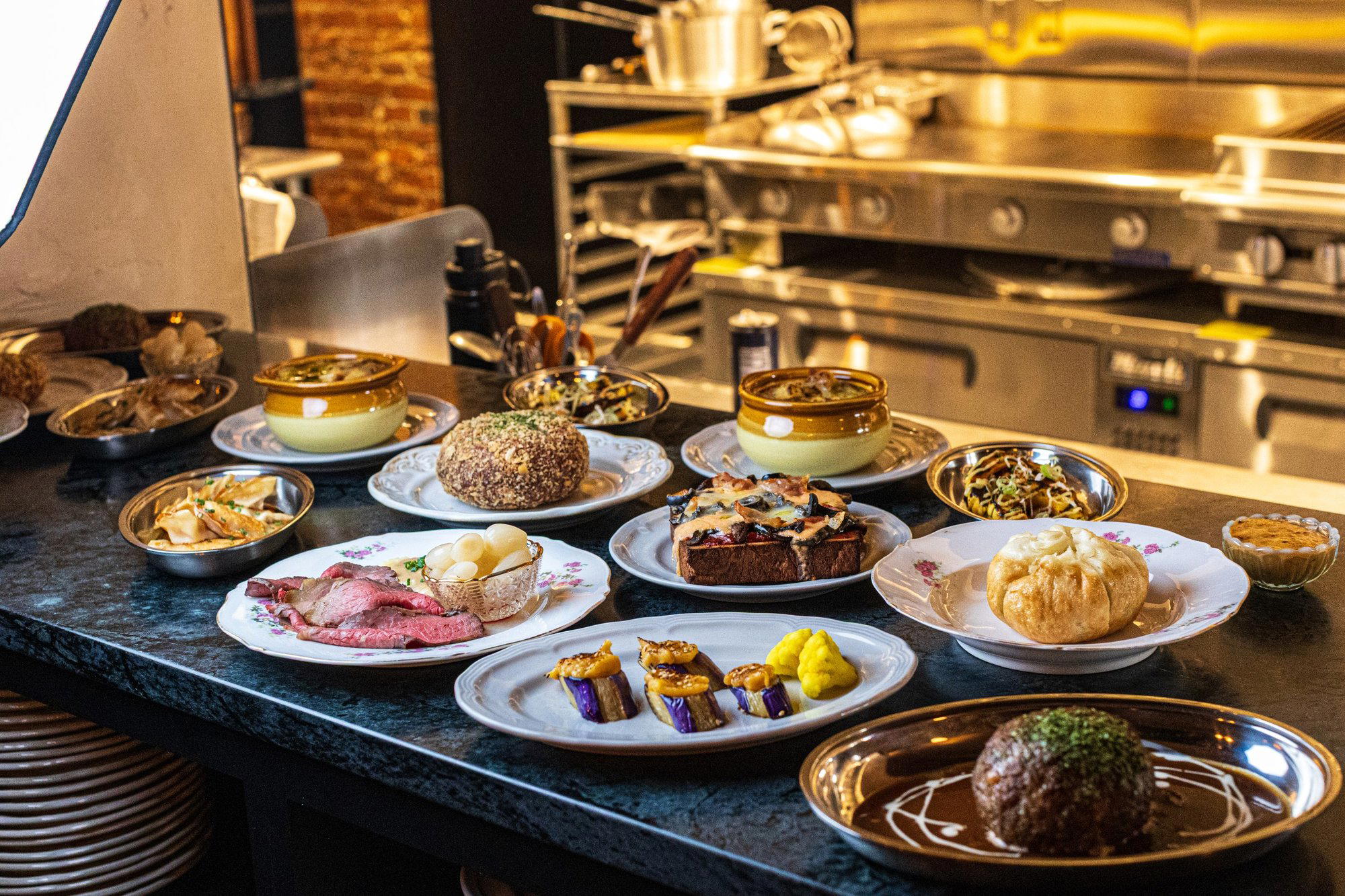
The restaurant on property is Aqimero. The presence of a named-chef restaurant at this address follows a pattern common across Ritz-Carlton properties globally, where the food and beverage offer is designed to anchor the hotel's broader positioning rather than operate as a standalone destination. Guests can also range beyond the hotel for dining, but Aqimero provides a distinct in-house option.
Location and What It Gives You
The Avenue of the Arts address places the hotel at the cultural axis of Center City. The Kimmel Center, the Academy of Music, and the Philadelphia Museum of Art's satellite programming are all within close proximity. Independence Hall, the Liberty Bell, and the broader historic district are reachable on foot or by a short ride. For a city whose identity is built substantially on its eighteenth and nineteenth-century fabric, staying in a building from 1908 that has itself become part of the Historic District creates an alignment between accommodation and destination that more modern properties cannot offer.
A 24-hour fitness center and the Richel D'Ambra Spa and Salon complete the wellness offering, while the event space volume makes this one of the more capable conference hotels in the city. Travelers choosing between this and a more design-forward option like Anna and Bel or 1800 Walnut St are essentially choosing between institutional scale and boutique intimacy. The Ritz-Carlton's case rests on the building itself, the brand's service infrastructure, and the sheer improbability of sleeping in what was once a major American banking institution's headquarters.
The Ritz-Carlton Philadelphia's argument is specifically urban and specifically historic, a category in which the Girard Trust building has few genuine peers in the mid-Atlantic region.
Planning Your Stay
The hotel is located at 10 Avenue of the Arts, Philadelphia, PA. With 301 rooms and a substantial conference infrastructure, availability is generally more accessible than at the city's smaller boutique properties. Luxury Suite guests with Club Lounge access should factor that benefit into any rate comparison against competitors. The Richel D'Ambra Spa requires separate appointments; the fitness center is open around the clock.
Cuisine Context
Comparable venues nearby, for context on price, style, and recognition.
| Venue | Cuisine | Price | Awards | Notes |
|---|---|---|---|---|
| The Ritz-Carlton, PhiladelphiaThis venue — the venue you are viewing | Historic luxury hotel blending architectural grandeur with contemporary elegance | $$$$ | 5-Star | Not listed |
| W Philadelphia | Luxury urban design hotel with Philadelphia cultural influences | $$$$ | 5-Star | Avenue of the Arts |
| The Logan Philadelphia, Curio Collection by Hilton | Art-infused boutique hotel in a historic Georgian revival building | $$$$ | 4-Star | Parkway Museums District |
| The Inn at Penn, a Hilton Hotel | Contemporary boutique-style hotel with academic feel on university campus | $$$ | 4-Star | University City |
| Wm. Mulherin’s Sons | Restored 19th-century whiskey factory with industrial-chic boutique hotel. | $$$$ | 3-Star | Fishtown |
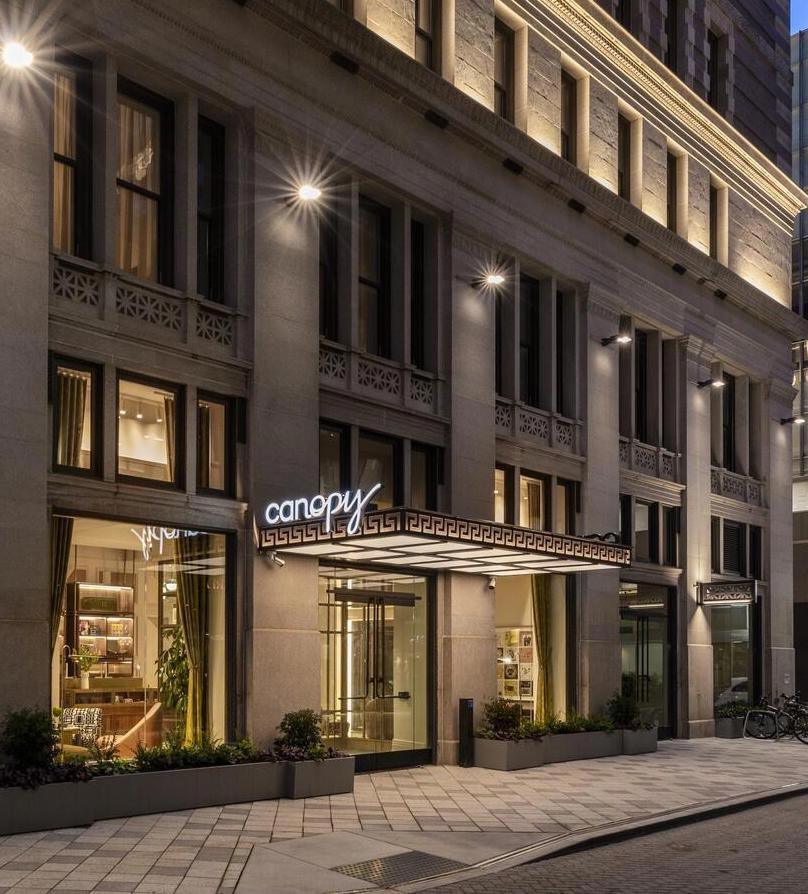
| Canopy By Hilton Philadelphia Center City | Boutique hotel in historic landmark building with modern experiential design. | $$$ | 4-Star | Washington Square West |
Recognition history
Dated appearances from independent guides and award organizations, with the underlying list record or original source where available.
Virtuoso Luxury Hotel Partner
Virtuoso
Michelin Selected
Michelin
Continue exploring
More in Philadelphia
Hotels in Philadelphia
Browse all →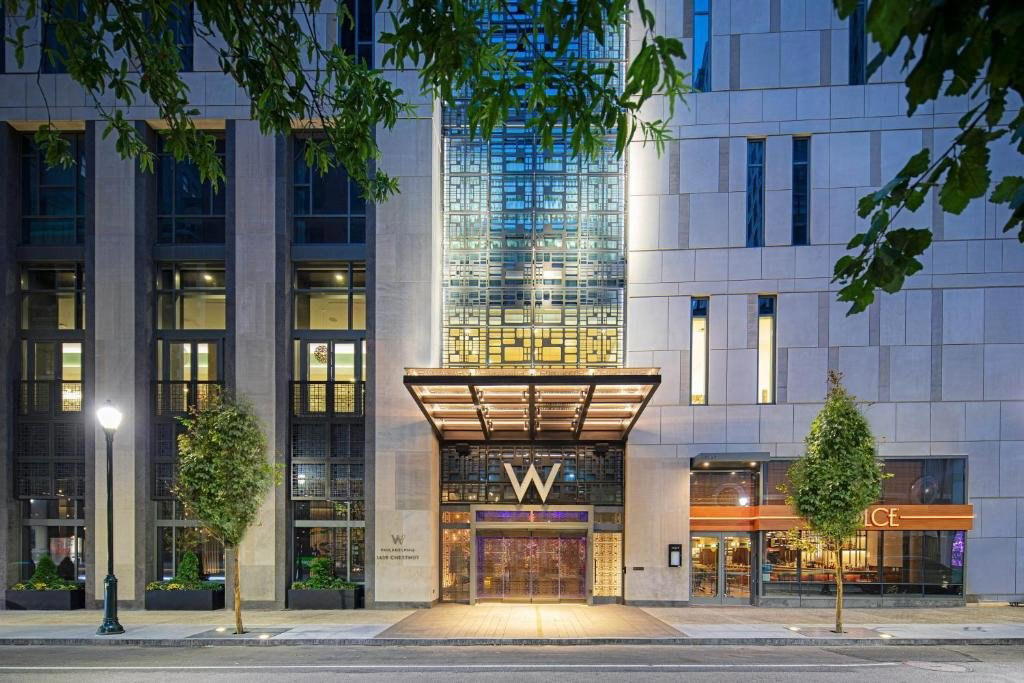
Bars in Philadelphia
Browse all →
At a Glance
- Elegant
- Sophisticated
- Classic
- Ornate
- Business Trip
- Romantic Getaway
- Anniversary
- Historic Building
- Panoramic View
- Spa
- Fitness Center
- Room Service
- Concierge
- Business Center
- Valet Parking
- Skyline
- Spa
- Fitness Center
- Room Service
- Concierge
- Business Center
- Valet Parking
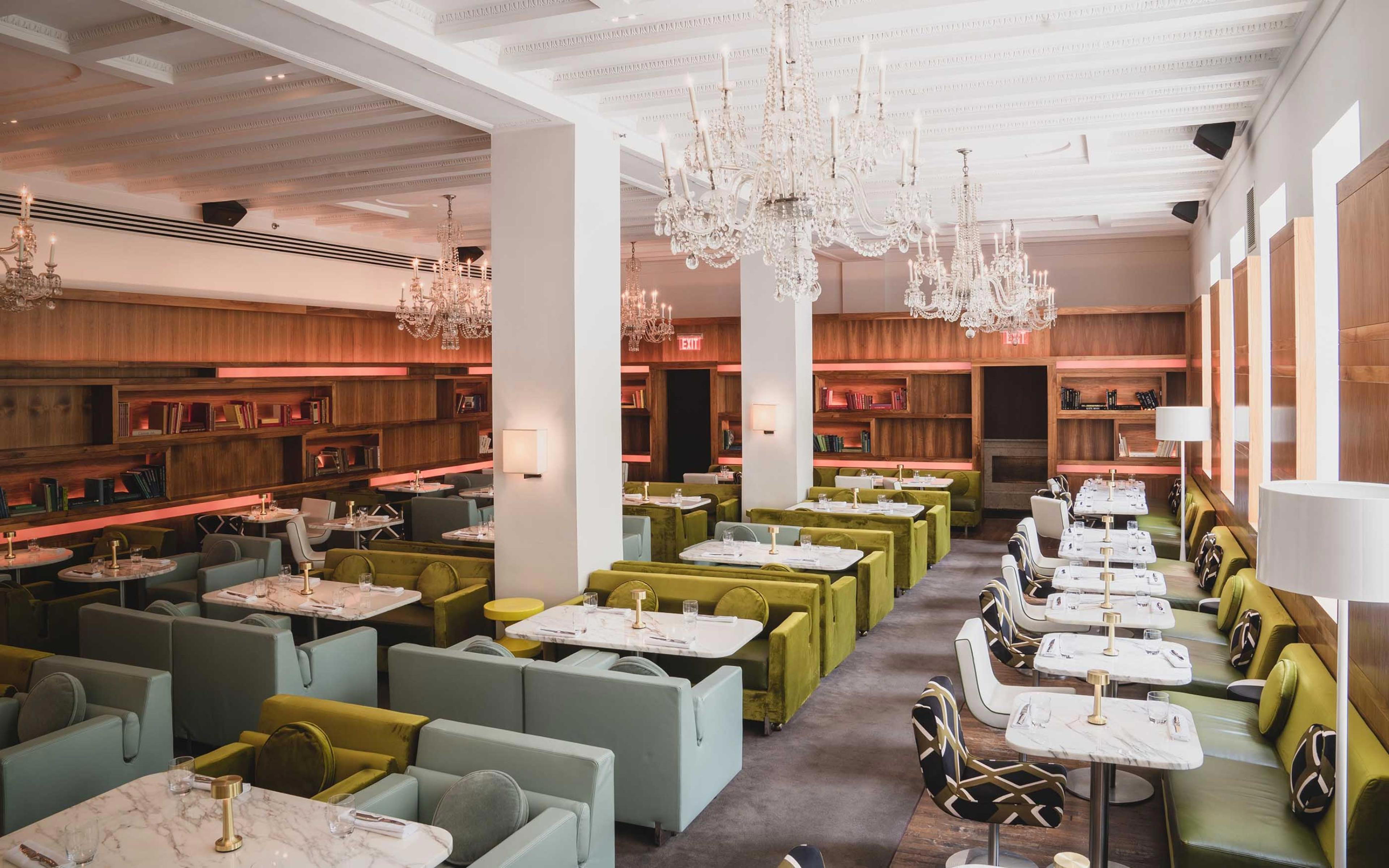
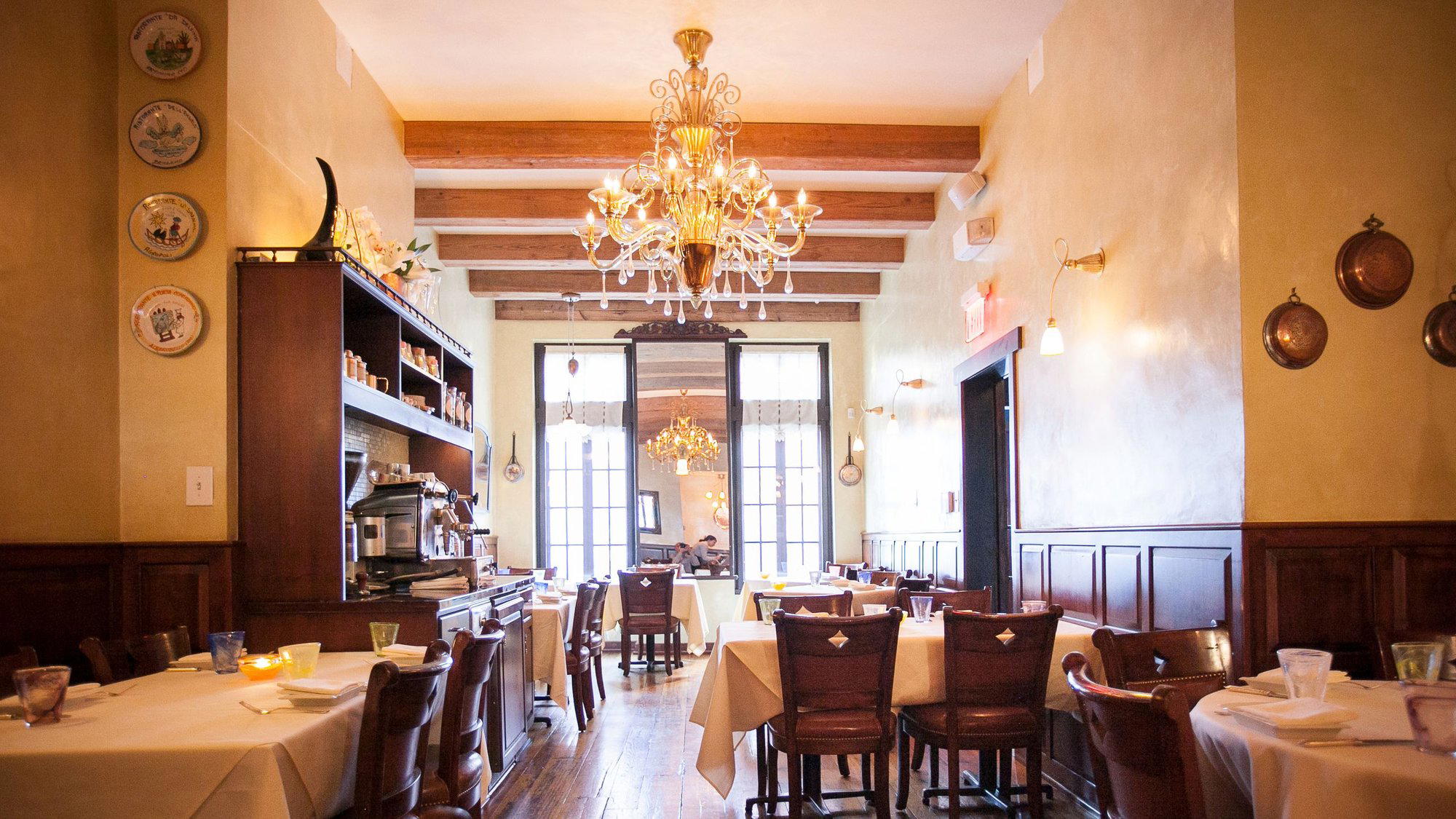
Sophisticated and elegant with high ceilings, large windows offering city views, soundproofed rooms, and a calm, residential-inspired atmosphere praised in guest reviews.