


Mawn is a Cambodian-led noodle house on South 9th Street in Philadelphia, where chef Phila Lorn, recipient of the 2025 James Beard Emerging Chef Award, serves bright, salty-sour dishes rooted in Southeast Asian cooking with no fixed borders. A B.Y.O. format and a dining room run with the warmth of a domestic space make reservations here among the more sought-after in the city since opening in March 2023.
Pearl is the En Primeur Club membership app — saves, bookings, and concierge access live there. Same editors, same standards.
- Address
- 764 S 9th St, Philadelphia, PA 19147
- Website
- mawnphilly.com
- Directions
- Get directions
 Saves & bookings on Pearl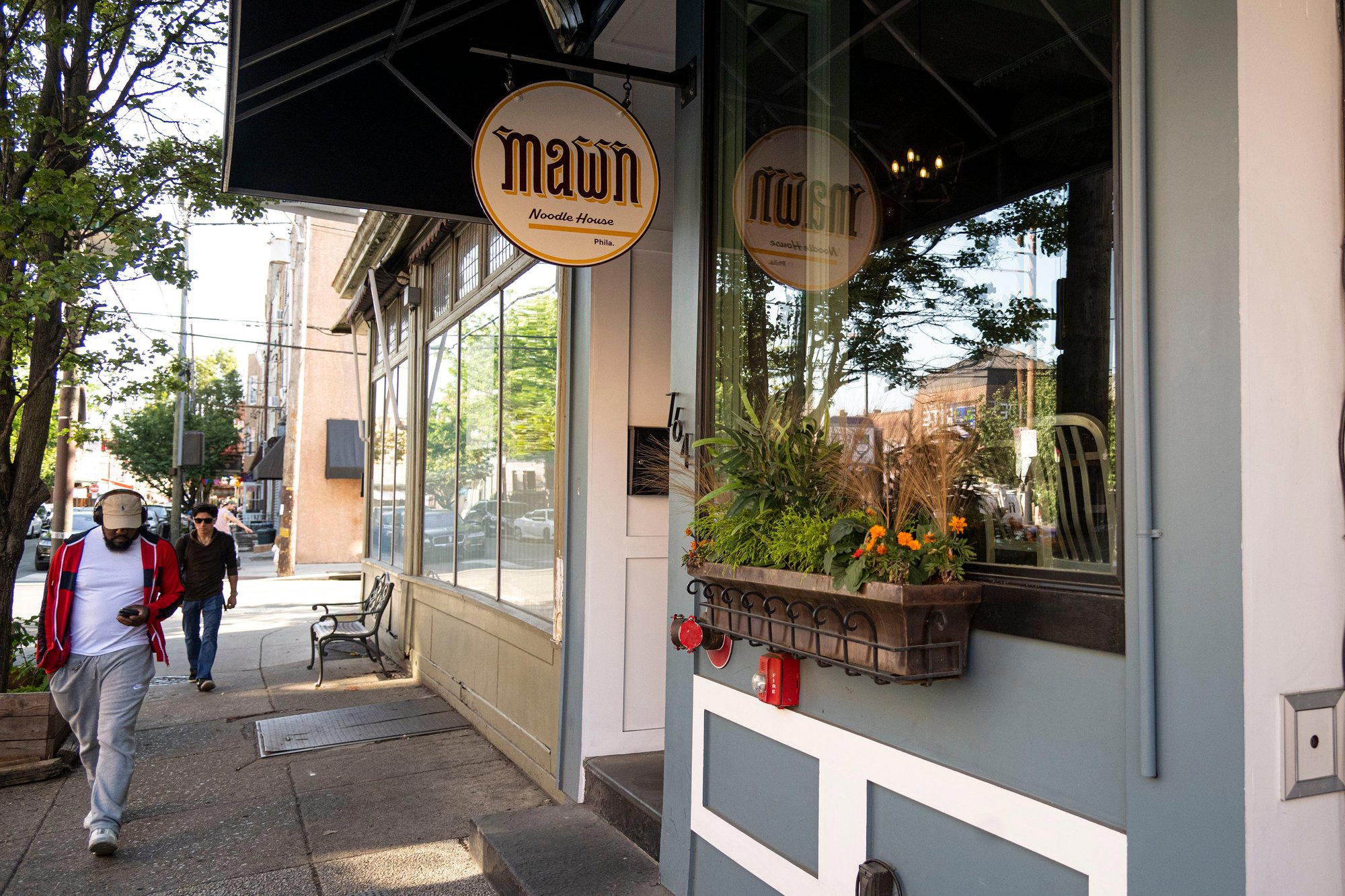
South Philly's Southeast Asian Counter, Without Borders
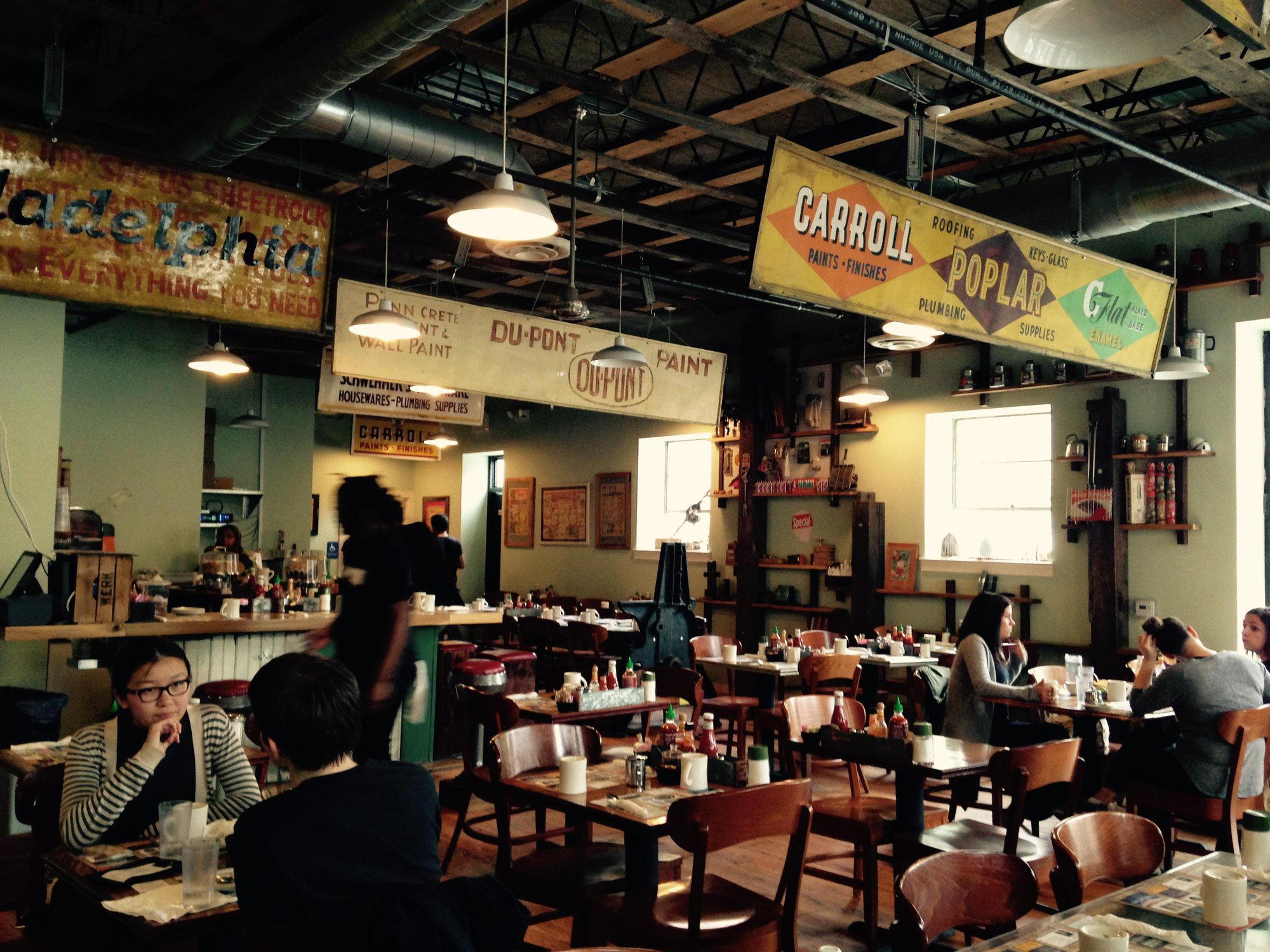
South 9th Street has long been Philadelphia's Italian Market corridor, a strip where butchers, produce vendors, and no-frills trattorias have defined the character of the block for generations. Mawn arrived at 764 S 9th St in March 2023 and did not disrupt that neighborhood rhythm so much as add a new frequency to it. The dining room reads as intimate and warm, calibrated around the assumption that you've brought your own wine. That B.Y.O. format suits Mawn precisely because it keeps the evening focused on the food.
Philadelphia's B.Y.O. scene has produced some of the city's most compelling dining rooms over the past two decades, operating as a counterweight to the white-tablecloth expense-account model that dominates in larger markets. Venues like Fork and Friday Saturday Sunday have built reputations within that framework, as has My Loup in its French-inflected register. Mawn occupies a different corner of that scene: the cooking is Southeast Asian, the cultural reference points are Cambodian-American, and the format self-describes as a noodle house with no rules. That last phrase is not a marketing position. It reflects a genuine structural decision about how Southeast Asian cuisines should be served in an American context.
Cambodian Cooking as the Anchor
Cambodian cuisine remains one of the least-represented Southeast Asian traditions in American dining rooms. Where Vietnamese pho shops and Thai curries have achieved mainstream familiarity, Cambodian food has largely stayed within diaspora communities and family tables. The significance of what Mawn does sits against that backdrop. Chef Phila Lorn, a first-generation Cambodian-American, builds the menu around the cooking he grew up with at home, and the result is a restaurant that offers many American diners their first serious encounter with Khmer flavors at a table setting with critical ambition behind it.
The name itself signals the cultural positioning. Mawn means chicken in Khmer, and the choice of that word over an English translation or a neutralized name reflects an intentional decision to foreground the cuisine's origin rather than soften it for a broader audience. The restaurant opened the same year that Cambodian-American food writing and chef profiles began appearing more consistently in national publications, placing Mawn at a specific moment of growing visibility for a cuisine that had operated at the margins of the American restaurant conversation for too long.
The cooking at Mawn spans Cambodian dishes and broader Southeast Asian preparations, described by the restaurant as spanning the region without fixed borders. Dishes like wild boar prahok and banh chow crepe salad represent the Cambodian end of the roster; the salads, curries, and hot and cold noodle preparations extend outward across the region. The connecting thread is a flavor profile built on brightness, salinity, and acidity: the salty-sour register that characterizes much of mainland Southeast Asian cooking and that reads as a clear contrast to the richer, sweeter notes more familiar to American palates from Thai-American and Chinese-American restaurant traditions.
A 2025 James Beard Award and What It Signals
In 2025, chef Phila Lorn received the James Beard Award for Emerging Chef, placing Mawn in a category of early-career recognition that carries significant weight within the American restaurant industry. The Emerging Chef category tracks chefs in the first decade of their restaurant career who are demonstrating a distinctive culinary voice; past recipients have gone on to define the direction of their respective cuisines in American dining. That Lorn received this recognition for Cambodian cooking, at a restaurant that opened in 2023, is a marker of both the cooking's quality and the broader moment in which American food culture is broadening its definitions of serious cuisine.
James Beard recognition at this level places Mawn among the country's most notable restaurants. Philadelphia already has a deep bench of awarded and editorially recognized kitchens. South Philly Barbacoa has demonstrated that immigrant-led cooking rooted in a specific regional tradition can achieve national standing, and Abe Fisher has shown how diaspora food can operate at a sophisticated level without losing cultural specificity. Mawn sits in that company, where cultural specificity and personal cooking conviction shape the dining room.
The national recognition places Mawn in a wider field of James Beard-recognized restaurants. At Mawn, the award arrived less than two years after opening, which is a notably compressed timeline by any standard of American restaurant recognition.
Planning a Visit
Reservations at Mawn are in high demand, a function of the restaurant's size, its B.Y.O. format, and the volume of attention it has received since the James Beard announcement. Securing a table requires advance planning; booking as far ahead as the reservation system allows is the practical approach. The restaurant is located at 764 S 9th St in the Italian Market section of South Philadelphia, reachable by multiple transit lines and within walking distance of a dense concentration of other independent restaurants along the corridor. The B.Y.O. format means arriving with wine or beer of your choice; the domestic warmth of the dining room, managed by Rachel Lorn, rewards treating the evening at the pace that format invites rather than rushing through courses.
For those building a longer Philadelphia dining itinerary, the full range of the city's independent restaurant scene is covered in our full Philadelphia restaurants guide. Further city planning resources include our full Philadelphia hotels guide, our full Philadelphia bars guide, our full Philadelphia wineries guide, and our full Philadelphia experiences guide. For international reference points in the broader Asian dining conversation, 8½ Otto e Mezzo Bombana in Hong Kong offers a useful counterpoint in how Asian cities approach fine dining ambition at the highest level.
What Regulars Order at Mawn
The dishes at Mawn that have drawn greater attention from both critics and repeat visitors sit at the Cambodian end of the menu: the wild boar prahok, which draws on the fermented fish paste central to Khmer cooking, and the banh chow crepe salad, a dish rooted in Cambodian street food traditions. These preparations have been singled out in national food coverage as representative of what makes the restaurant's cooking specific rather than generalist. The broader menu of salads, curries, and noodles built around salty-sour flavor profiles gives the full picture of how the kitchen approaches Southeast Asian cooking as a connected region rather than a set of discrete national cuisines. The raw shrimp and chile oil, offered as a special, has also generated consistent repeat demand. Any of these dishes rewards ordering alongside whatever wine or beer you've brought through the door.
Budget and Context
Comparable venues nearby, for context on price, style, and recognition.
| Venue | Cuisine | Price | Awards | Notes |
|---|---|---|---|---|
| MawnThis venue — the venue you are viewing | Cambodian, Pan-Asian | $$$$ | James Beard | Not listed |
| Provenance | Not listed | $$$$ | Michelin 1 Star | Society Hill, Modern French-Korean Fine Dining |
| Her Place Supper Club | Not listed | $$$$ | Michelin 1 Star | Rittenhouse Square, Seasonal French-Italian Fine Dining |
| South Philly Barbacoa | Not listed | $$ | James Beard | Passyunk Square, Authentic Mexican Barbacoa Taqueria |
| Vetri Cucina | Gayborhood, Modern Italian Fine Dining | $$$$ | Michelin Plate | Not listed |
| Zahav | Society Hill, Modern Israeli | $$$$ | Michelin Plate | Not listed |
Recognition history
Dated appearances from independent guides and award organizations, with the underlying list record or original source where available.
James Beard Award Semi Finalist
James Beard Award
James Beard Award Emerging Chef
James Beard Award
New York Times America's Best Restaurants
New York Times
New York Times The 23 Best Restaurant Dishes We Ate Across the U.S.
New York Times
OpenTable Top 100 Restaurants
OpenTable
Continue exploring
More in Philadelphia
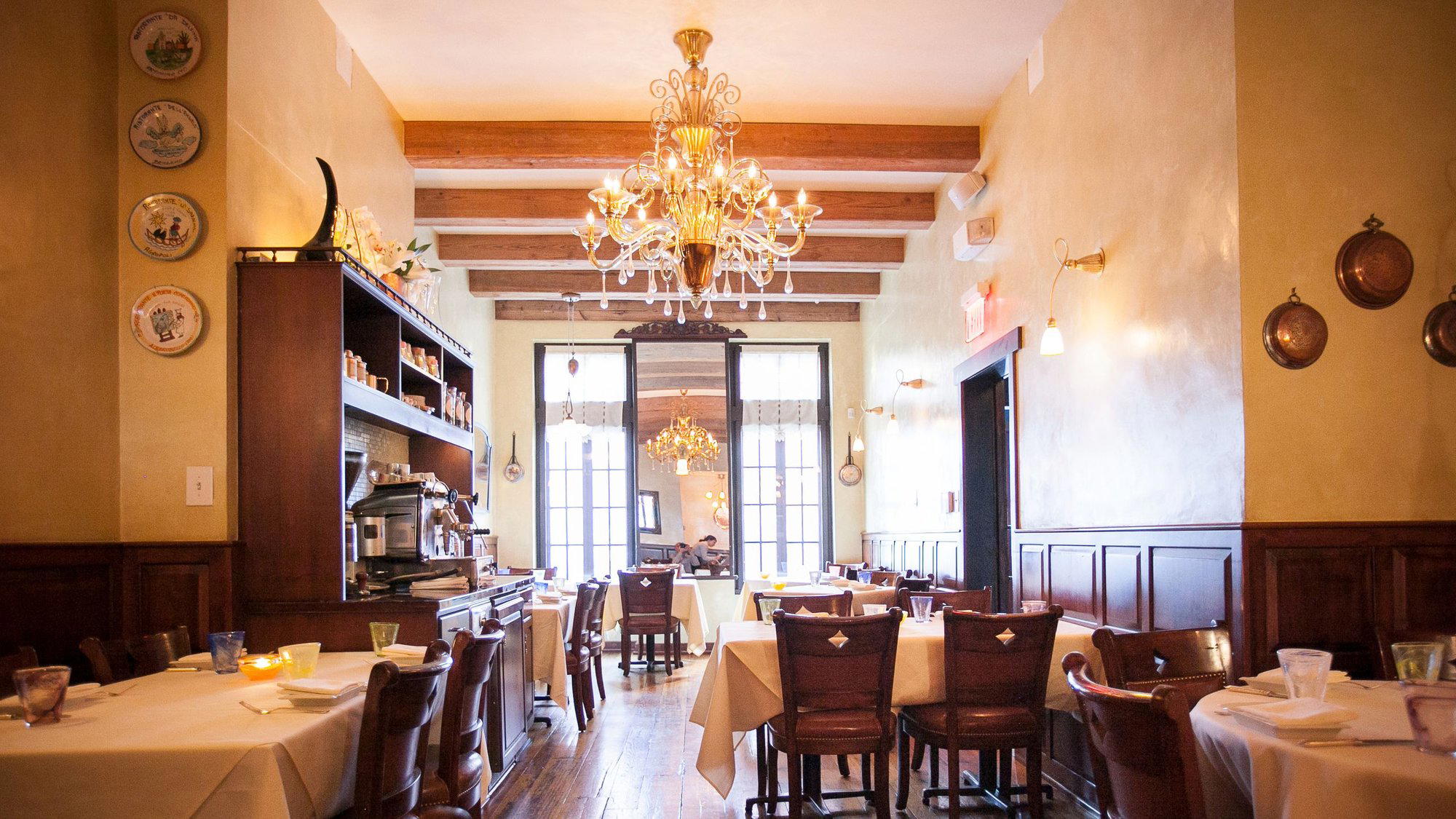
Restaurants in Philadelphia
Browse all →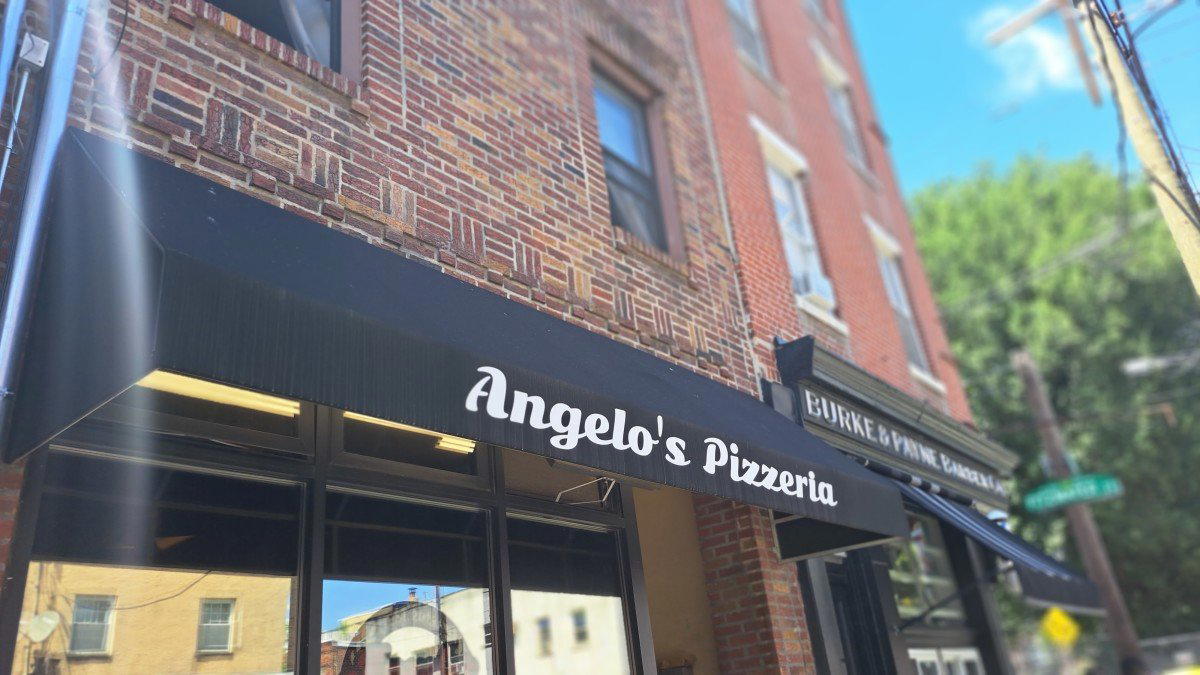
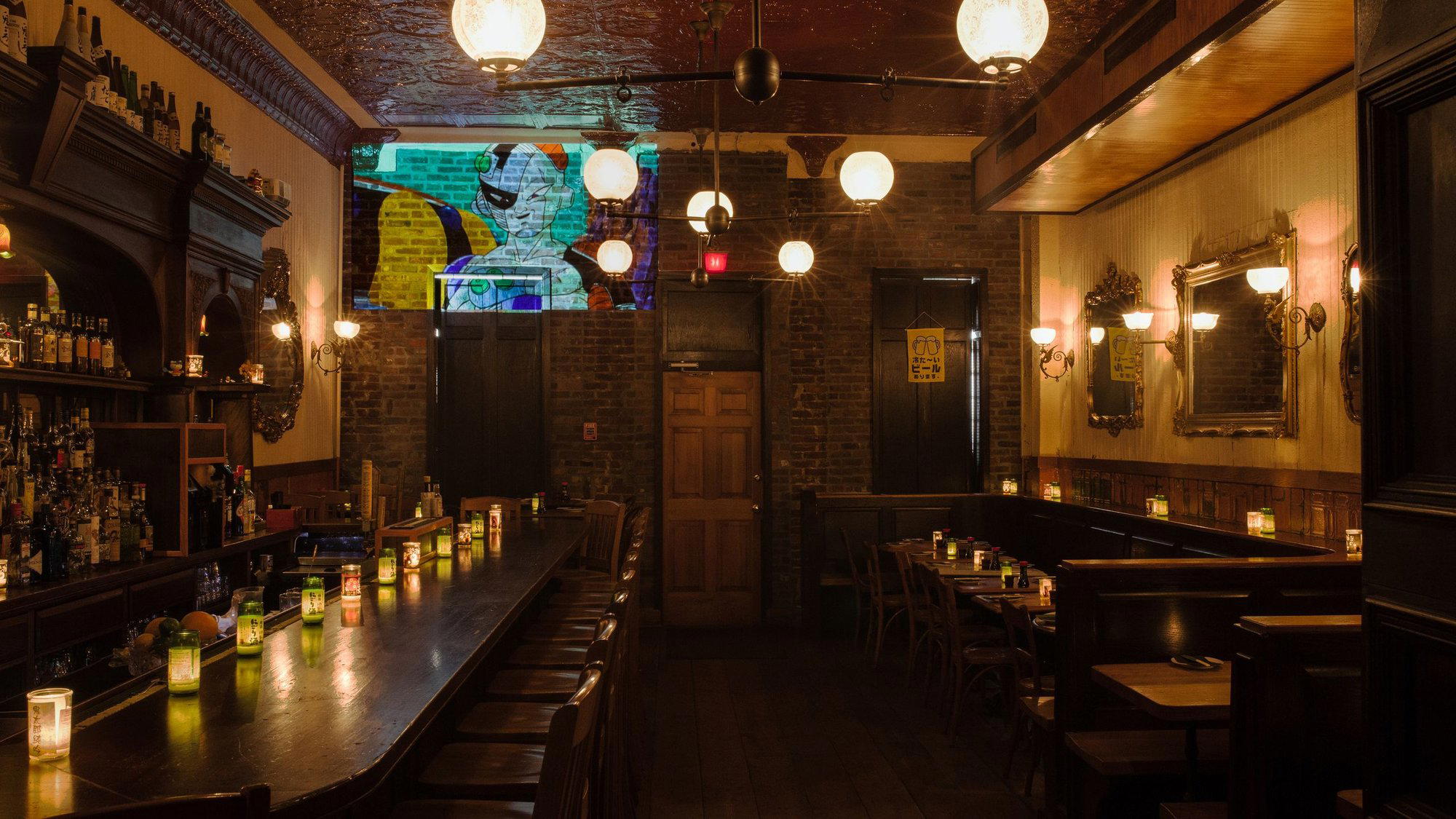
Bars in Philadelphia
Browse all →
At a Glance
- Cozy
- Lively
- Intimate
- Trendy
- Charming
- Date Night
- Special Occasion
- Group Dining
- Open Kitchen
- Byob
Current opening hours
- Monday
- Closed
- Tuesday
- Closed
- Wednesday
- 4:30–9 PM
- Thursday
- 11 AM–2:30 PM, 4:30–9 PM
- Friday
- 11 AM–2:30 PM, 4:30–9 PM
- Saturday
- 11 AM–2:30 PM, 4:30–9 PM
- Sunday
- Closed
Hours can change for holidays and private events. Last verified .
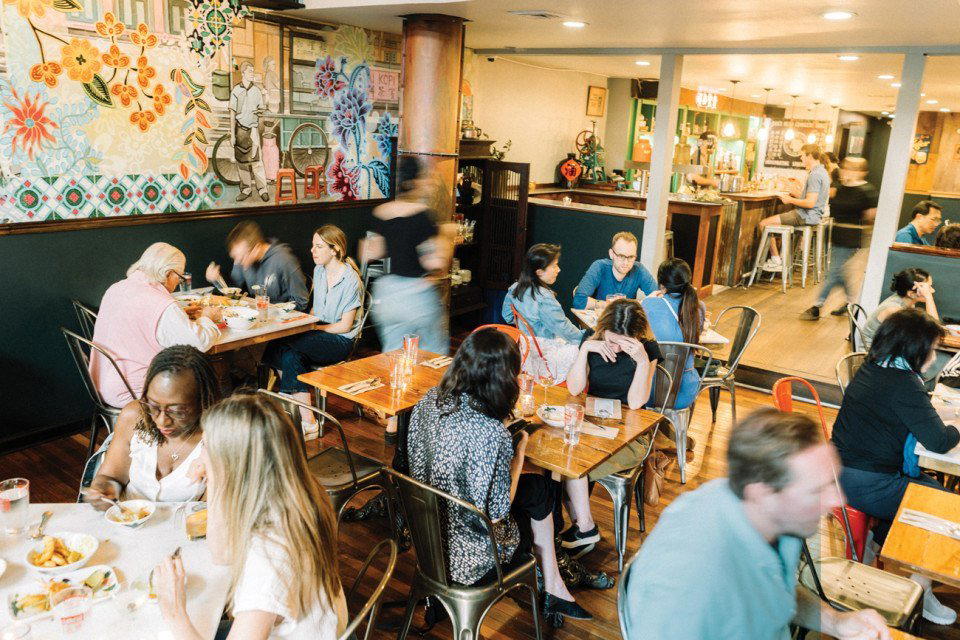
Warm, lively, and intimate with a casual-elegant busy neighborhood noodle house vibe, close tables, and polished service.