Her Place Supper Club




1 Michelin Star · James Beard Award Semi Finalist · Wine Spectator Award of Excellence
Our verdict
Her Place Supper Club on Sansom Street distills the supper club format to its most functional appeal: a multicourse set menu that rotates every two weeks, served simultaneously to a full room with French and Italian technique running through the cooking. Named among Esquire's Best New Restaurants of 2022, Chef Amanda Shulman's Rittenhouse address runs closer to a well-organized dinner party than a conventional restaurant service.

Pearl is the En Primeur Club membership app — saves, bookings, and concierge access live there. Same editors, same standards.
- Address
- 1740 Sansom St, Philadelphia, PA 19103
- Hours
- Mon–Fri 6–8:30 PMSat–Sun Closed
- Website
- herplacephilly.com
- Directions
- Get directions
- Booking
- Book on OpenTable
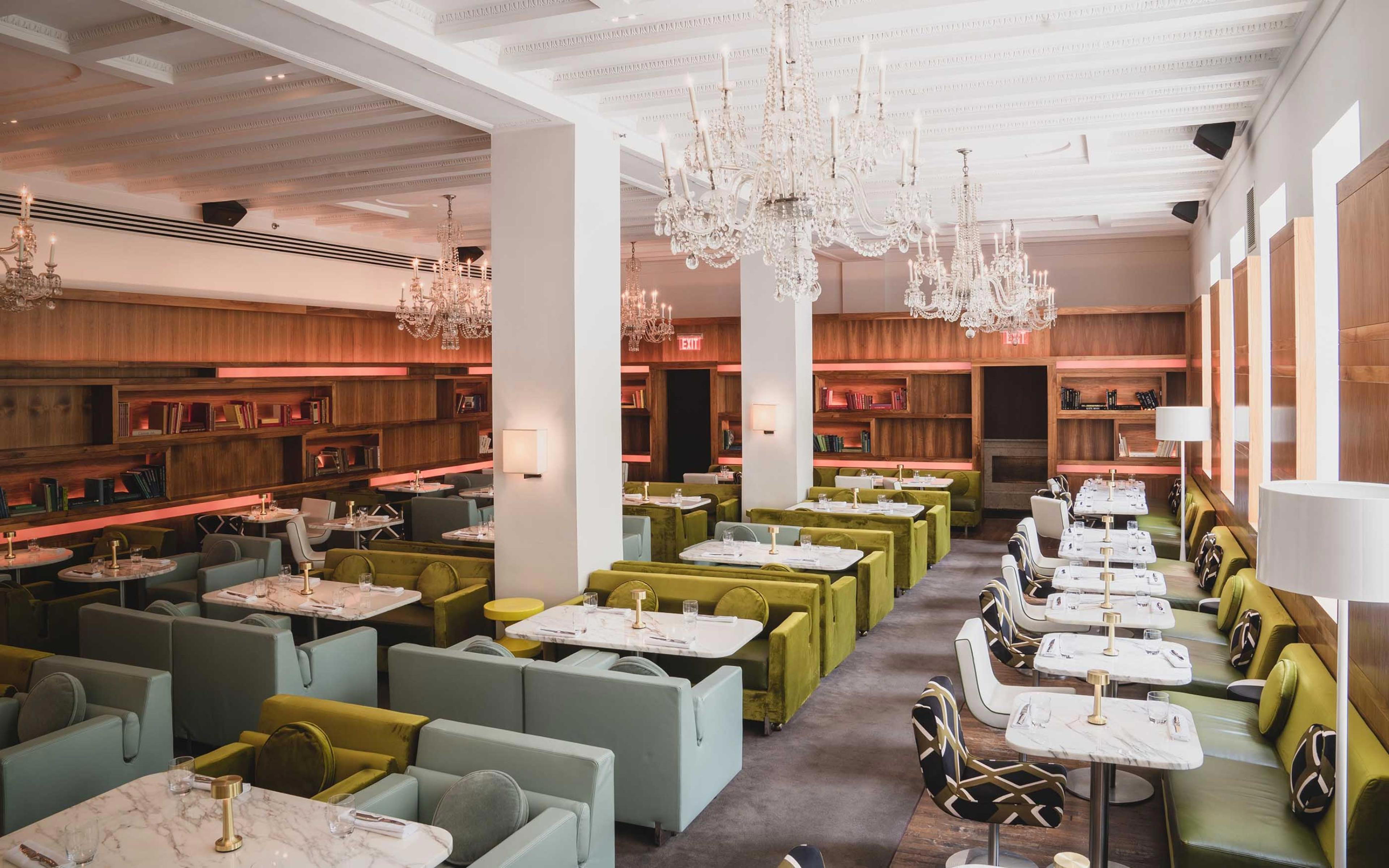
The Supper Club Format, Taken Seriously
Philadelphia has spent the past decade sorting itself into two distinct dining registers: the technically ambitious tasting-menu format, which the city's better-capitalized rooms have pursued with increasing seriousness, and the loose, convivial dinner-party mode that a younger cohort of chefs has used to sidestep the overhead and formality those large operations demand. Her Place Supper Club, at 1740 Sansom St in Rittenhouse Square, belongs firmly to the second category, and does more with the format than most.
The supper club model itself carries some definitional weight. At its weakest, it means a prix-fixe menu delivered with minimal structural discipline, the communal framing more gesture than reality. At Her Place, the structure is genuine: every diner in the room is served each course at the same time, with the kitchen pausing between dishes to explain the plate to the full room. That shared cadence produces something closer to the pacing of a private dinner than a staggered restaurant service, and it shapes the atmosphere in ways that seating arrangements alone cannot.
What the Menu Is Doing
The multicourse set menu rotates every two weeks, which is an unusually high turnover rate for a tasting format. Most tasting menus in this price tier change seasonally, or on a monthly cycle at most. A two-week rotation implies a kitchen that is either sourcing opportunistically, cooking to seasonal availability, or both. In the context of an editorial angle around sourcing and waste discipline, that cadence matters: short menu cycles are generally incompatible with over-ordering, because the kitchen cannot carry speculative stock across a long menu run. The format creates structural pressure toward leaner, more precise purchasing.
Cooking draws from French and Italian traditions without committing to either. Technique from classical French kitchens, saucing in particular, runs through the menu with some visibility. A barigoule alongside brioche-crumbed trout, a beurre blanc with homemade chitarra pasta and clams: these are preparations that require consistent reduction, careful emulsification, and precise finishing. They are also preparations that waste very little, because the sauce is built from the poaching liquid, the pasta water, or the accumulated aromatics of the dish itself. That alignment between technical discipline and minimal waste is not incidental to French classical training; it is built into the tradition.
Menu's overall orientation toward lightness is worth noting separately from any sustainability frame. The cooking is described as producing satiation without heaviness, which in practice means portion calibration and restraint in fat application across the full arc of the meal. Add-on dishes are available for diners who want additional volume, which is a structural choice that separates base menu cost from upsell, and allows the kitchen to set a coherent tasting arc without over-feeding the room.
Where It Sits in Philadelphia's Dining Scene
Rittenhouse Square corridor has sustained a concentration of serious independent restaurants that positions it above comparable neighborhoods in most mid-Atlantic cities. Fork and Friday Saturday Sunday represent the more formally structured end of contemporary American cooking in the neighborhood, with full dining room buildouts and longer menus. Her Place operates with a smaller footprint and a more compressed format, which places it in a slightly different competitive set: intimate, rotation-dependent, and closer to the chef-table or supper-club tier than to the conventional tasting-menu room.
Across the city, the range is broader. Mawn in East Passyunk pursues Cambodian and pan-Asian cooking with a similar independence of vision, while My Loup works French-inspired material from a different angle. South Philly Barbacoa shows how deeply rooted single-cuisine cooking can build its own gravity. Her Place sits apart from all of these: the supper club format is its organizing principle, and the French-Italian technique is the vocabulary that format happens to be delivered in.
Against the broader national set of communal tasting formats, the comparisons are instructive. Lazy Bear in San Francisco popularized the dinner-party tasting model with a more theatrical production. Alinea in Chicago and Atomix in New York City operate at the technically maximalist end of the tasting spectrum, where theatrical presentation and extended course counts drive the format. Single Thread Farm in Healdsburg integrates sourcing and farming into its structure at a much larger operational scale. Her Place makes no claims at that level of production. Its closer peer is the intimate communal table, run by a single chef, with a menu that turns on a short cycle and a room that eats together. That is a more disciplined constraint than it first appears.
At the more technically rigorous end of the classical French tradition, Le Bernardin in New York City and The French Laundry in Napa represent what formal French training produces at full institutional scale. The saucing vocabulary at Her Place draws from the same tradition, applied at a fraction of the production overhead.
Recognition and Credentials
Her Place was named among Esquire's Leading New Restaurants of 2022, ranking 29th on the list. Esquire's restaurant recognition has historically tracked independently operated kitchens with a distinct editorial point of view, rather than hotel restaurants or expansion concepts. A 2022 entry on that list, in a year when post-pandemic independent openings were competing heavily for press attention, is a signal worth reading as market positioning rather than mere publicity.
Planning Your Visit
Her Place Supper Club is at 1740 Sansom St in Rittenhouse Square, an area well served by transit from Center City. The supper club format, with simultaneous service and a communal room cadence, rewards arriving on time and planning for a full evening rather than a compressed dinner window. The menu rotates every two weeks, so checking the current offering before booking is worth the step. For a full picture of the city before you plan, see our full Philadelphia restaurants guide, our full Philadelphia hotels guide, our full Philadelphia bars guide, our full Philadelphia wineries guide, and our full Philadelphia experiences guide.
Frequently asked questions
Where is Her Place Supper Club located?
Her Place Supper Club is located at 1740 Sansom St, Philadelphia, PA 19103, Philadelphia.
Comparable Spots, Quickly
| Venue | Cuisine | Price | Awards |
|---|---|---|---|
| Her Place Supper ClubThis venue — the venue you are viewing | Seasonal French-Italian Fine Dining | $50–100 | 1 Michelin Star · James Beard Award Semi Finalist |
| Fork | Seasonal New American | Not listed | James Beard Award Outstanding Restaurateur #1 · Wine Spectator Award of Excellence |
| Friday Saturday Sunday | Modern American Tasting Menu | $100–150 | 1 Michelin Star · World's 50 Best #40 |
| South Philly Barbacoa | Authentic Mexican Barbacoa Taqueria | $10–20 | James Beard Award Best Chef: Mid Atlantic · Chef's Table Featured on Chef's Table |
| Barbuzzo | Mediterranean Small Plates & Pizza | $30–50 | Not listed |
| Federal Donuts | Fried Chicken & Donuts | $10–20 | Not listed |
Recognition history
Dated appearances from independent guides and award organizations, with the underlying list record or original source where available.
Michelin 1 Star
Michelin
James Beard Award Semi Finalist
James Beard Award
Wine Spectator Award of Excellence
Wine Spectator
Esquire Best New Restaurants #29
Esquire
Full recognition history (6 entries)
James Beard Award Nominee
James Beard Award
James Beard Award Semi Finalist
James Beard Award
Continue exploring
More in Philadelphia
Restaurants in Philadelphia
Browse all →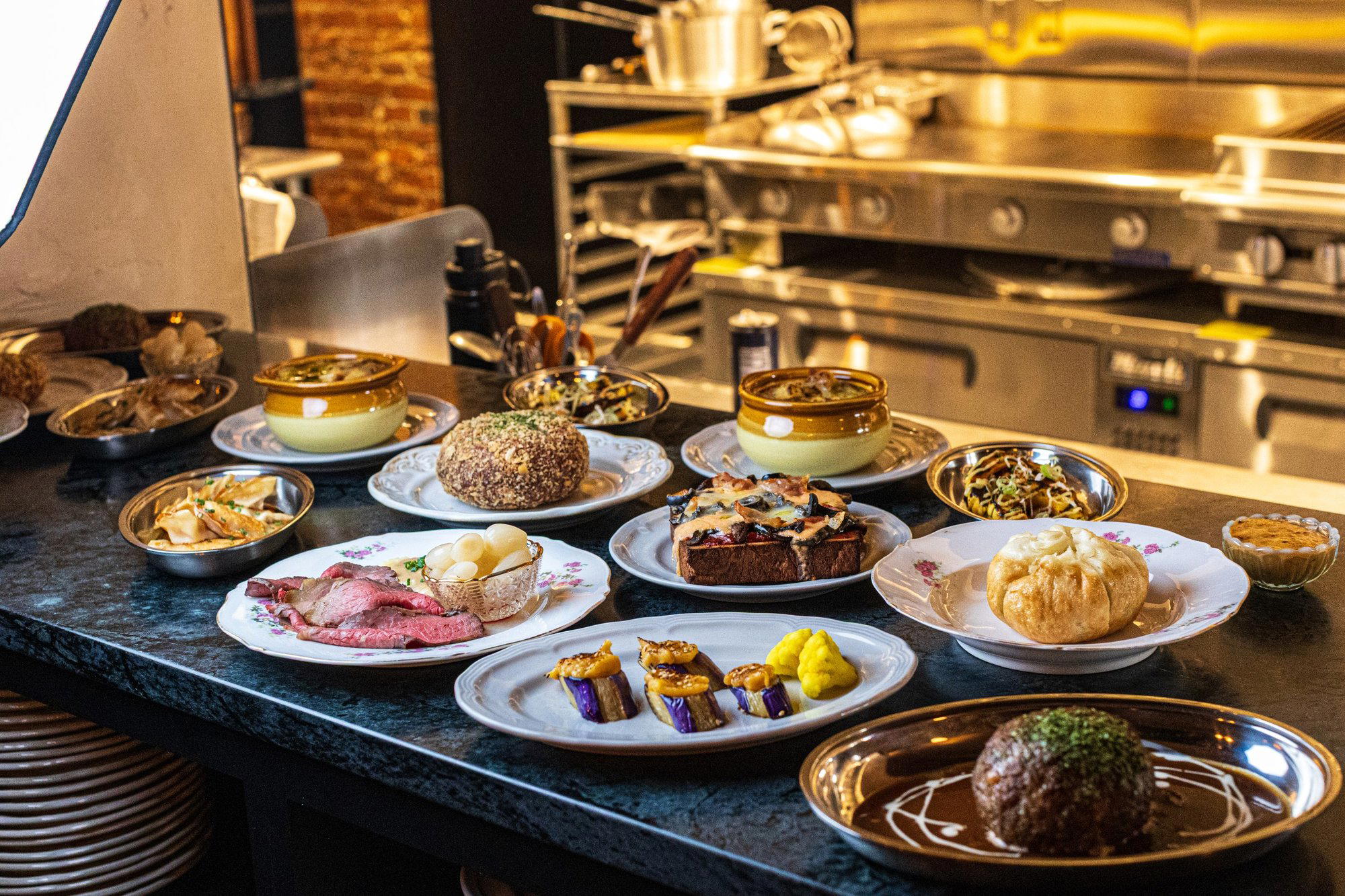
Bars in Philadelphia
Browse all →
Details
- Cozy
- Intimate
- Elegant
- Date Night
- Special Occasion
- Open Kitchen
- Craft Cocktails
- Local Sourcing
- Prix Fixe
- Tasting Menu
Current opening hours
- Monday
- 6–8:30 PM
- Tuesday
- 6–8:30 PM
- Wednesday
- 6–8:30 PM
- Thursday
- 6–8:30 PM
- Friday
- 6–8:30 PM
- Saturday
- Closed
- Sunday
- Closed
Hours can change for holidays and private events. Last verified .
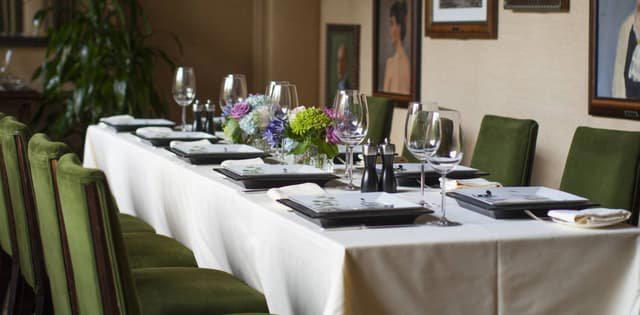
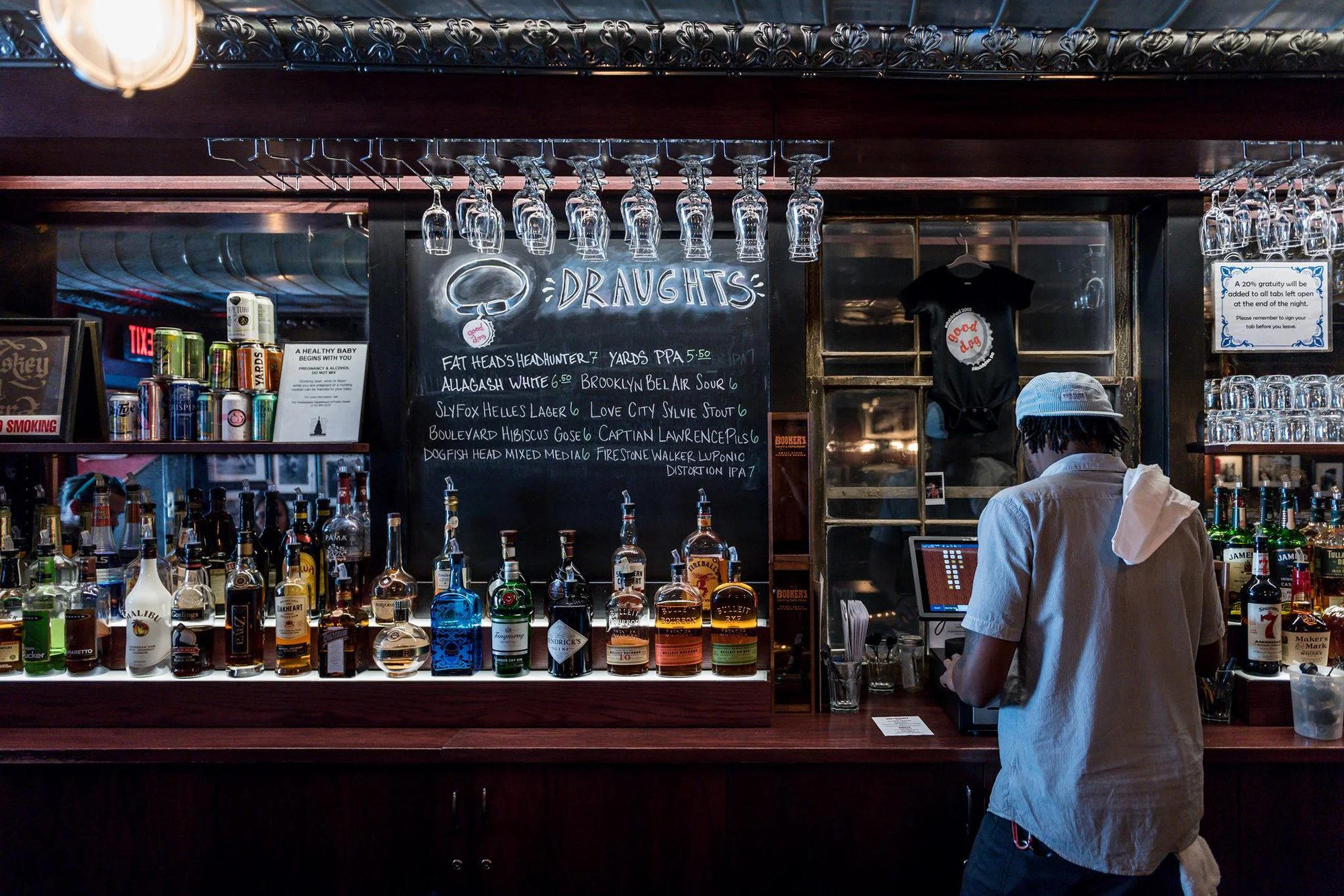
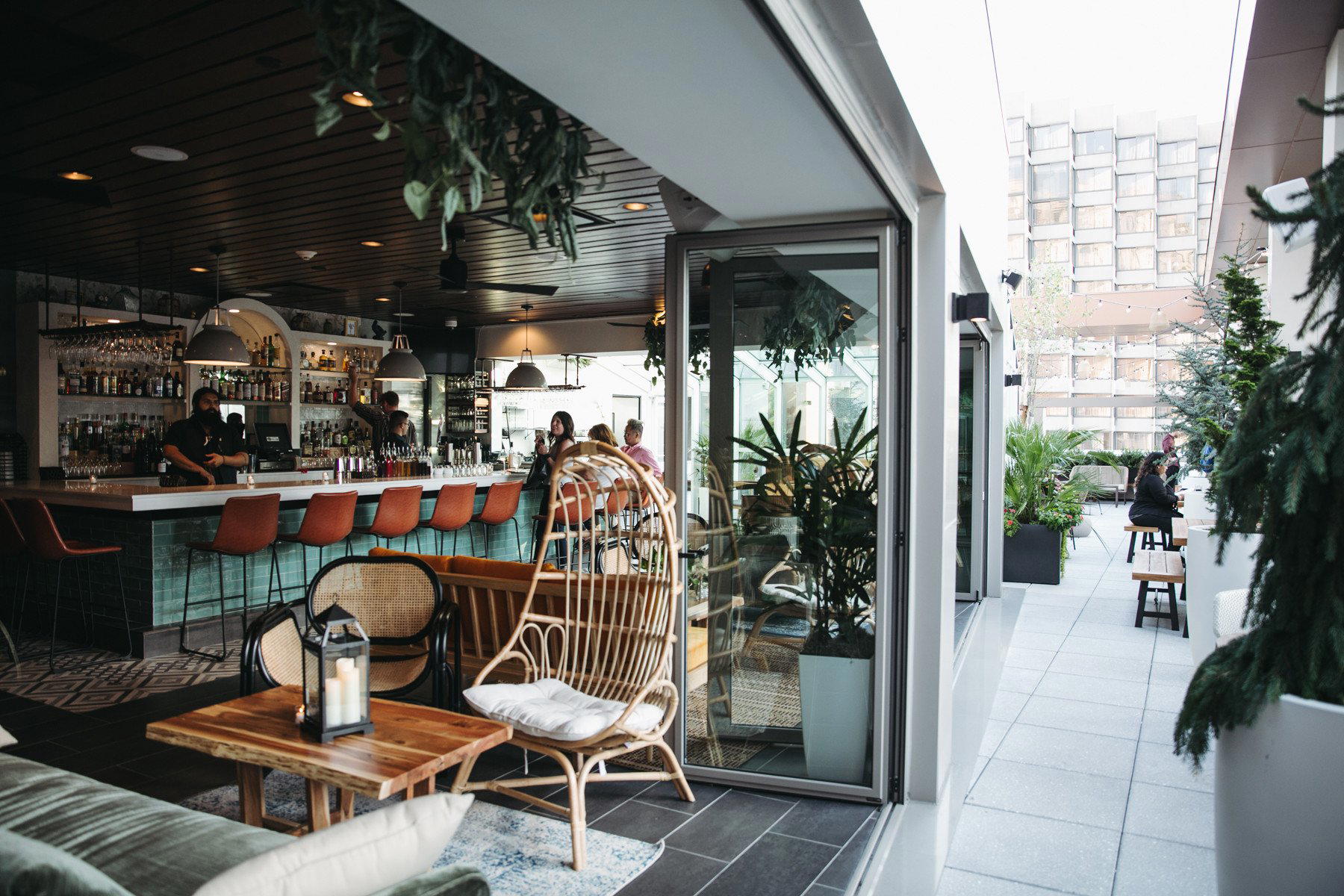
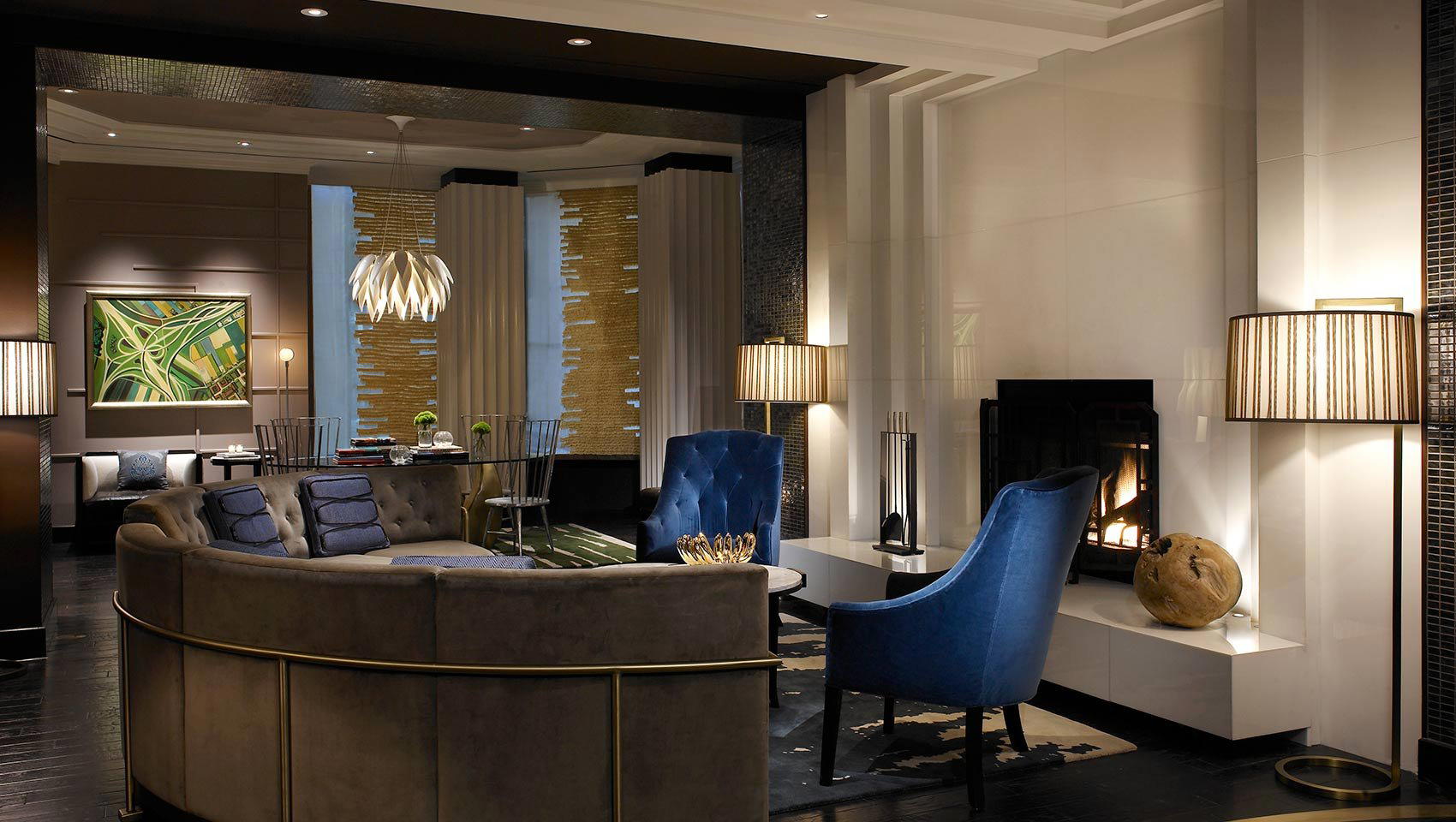
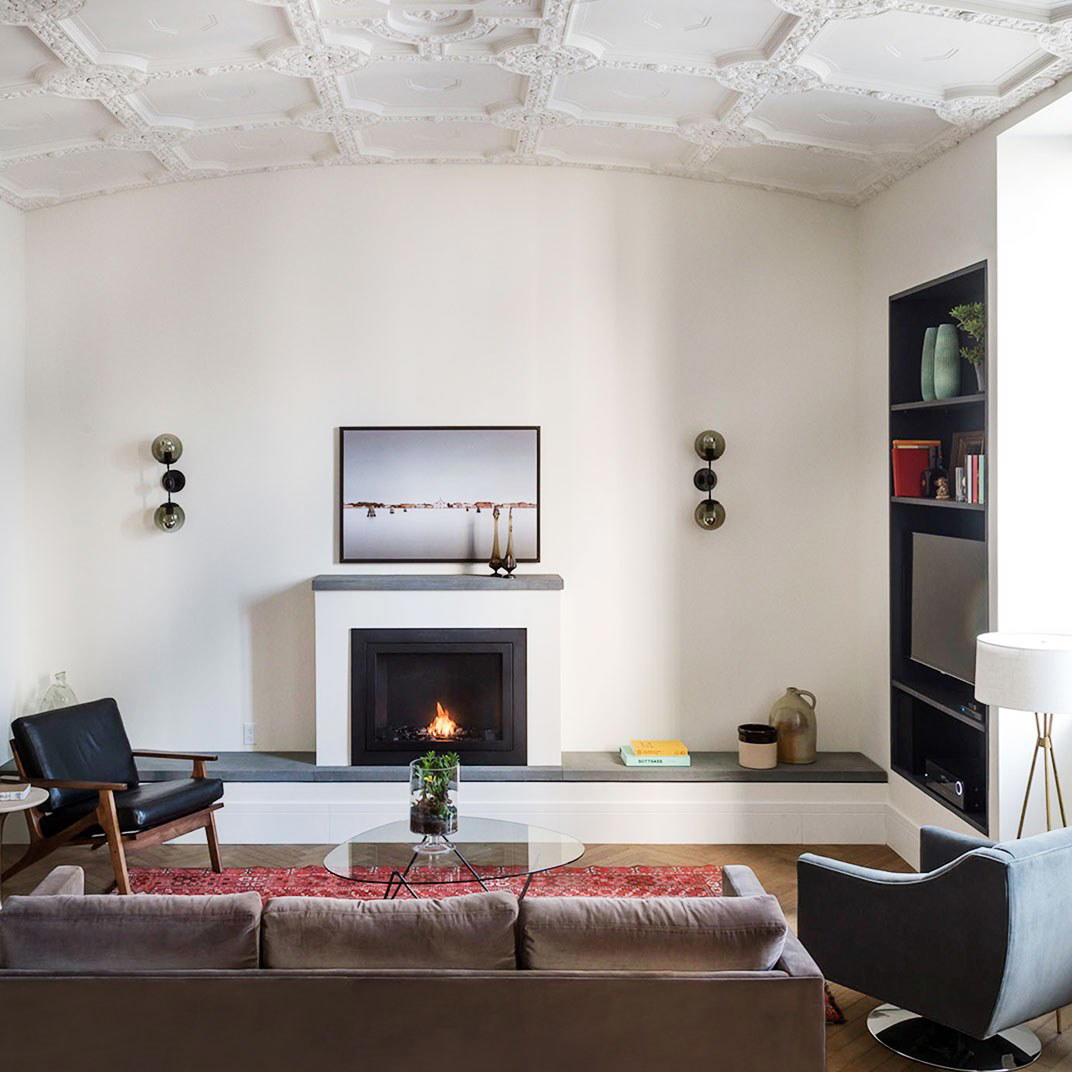
Homey and casual with personality like dining at a friend's home, featuring vintage tea house style place settings, cookbooks, plants, warm lighting, and a lively atmosphere encouraging interaction between tables.