W Philadelphia


Michelin Selected · Conde Nast Best Hotels #30
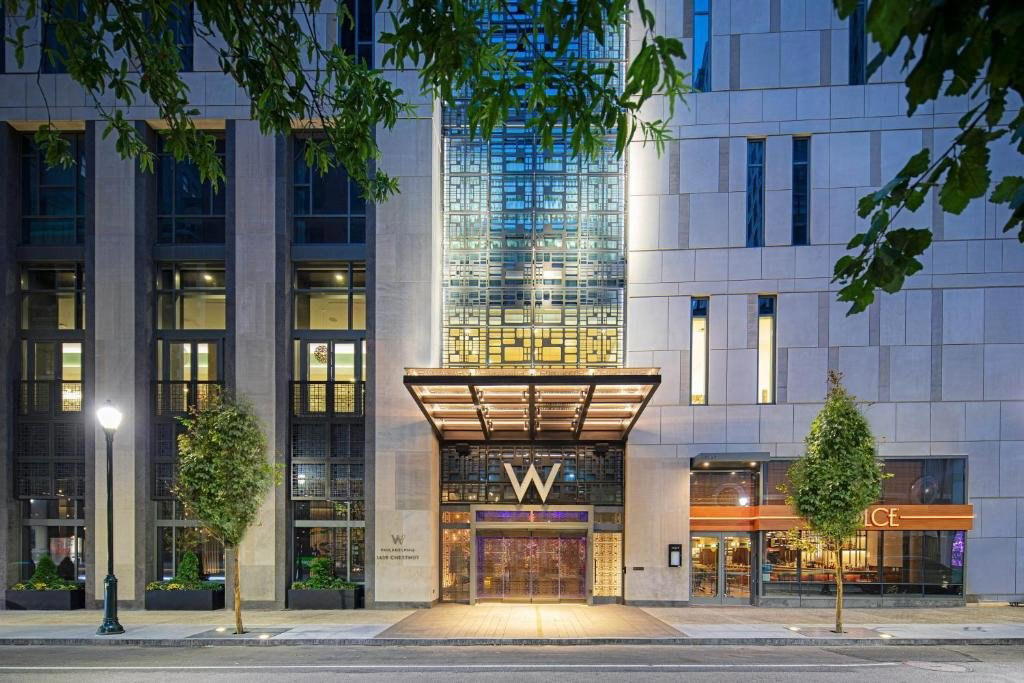
Ranked #30 on Condé Nast Traveler's Best Hotels list for 2025, W Philadelphia occupies a prime position on Chestnut Street in Center City, placing guests within walking distance of the city's commercial and cultural core. The property sits in Philadelphia's upper tier of design-forward hotels, where energy and location carry as much weight as room count or spa square footage.

Pearl is the En Primeur Club membership app, where members save venues, book tables and use the concierge.
Center City's Design-Forward Tier
Philadelphia's premium hotel market has divided into two recognizable camps over the past decade: the grand-institution category, where historic architecture and formal service traditions set the tone, and a newer design-forward tier that trades heritage gravitas for energy, location density, and a younger transient crowd. W Philadelphia belongs firmly in the second camp. Its address at 1439 Chestnut Street places it at the commercial spine of Center City, equidistant from Rittenhouse Square to the west and City Hall to the north, which means the hotel functions less as a retreat from the city and more as a base inside it. For travelers who want Philadelphia at full volume rather than filtered through a quieter residential pocket, that positioning is the point.
The 2025 Condé Nast Traveler Leading Hotels ranking placed W Philadelphia at #30, a signal that the property has maintained reader recognition beyond its opening momentum. In a city where the Four Seasons Hotel Philadelphia at Comcast Center and The Rittenhouse Hotel anchor the traditional luxury end, W's ranking confirms it holds its own in a different but legitimate niche: the internationally-branded lifestyle hotel that attracts both leisure visitors and corporate travelers who prefer an active lobby atmosphere over a hushed one.
The W Format in an American City Context
The W brand operates on a recognizable global template: bold interiors, a programmed social scene anchored around the bar and lobby, and a room product calibrated for travelers who spend more time in the city than in their suite. That format works differently depending on the city. In Philadelphia, which has a concentrated walkable downtown and a dining and bar scene that rewards exploration on foot, the W's Chestnut Street address delivers on the brand's core promise more effectively than W properties in more sprawling American cities. Guests step out the door onto a block with direct access to Broad Street arts institutions, the Kimpton properties to the south, and the dining corridor along Walnut Street.
For comparison, properties like Kimpton Hotel Monaco Philadelphia and Kimpton Hotel Palomar Philadelphia occupy adjacent positions in the lifestyle-hotel tier, each with personality-driven design and a branded food and beverage program. W Philadelphia competes against those properties on energy and location rather than on the quieter, residential-scale intimacy offered by places like Guild House Philadelphia or Anna and Bel.
How the Stay Unfolds
The W format is built around a specific rhythm that differs from classical luxury hotel conventions. The lobby is designed as a social space rather than a transitional one, which means arrival is louder and more performative than at properties like Le Méridien Philadelphia or 1800 Walnut St. The check-in experience follows W's standardized Whatever/Whenever service model, where requests that would be unusual at a traditional property are treated as routine. That orientation matters for guests who are traveling on a schedule that doesn't conform to standard hotel hours or service windows.
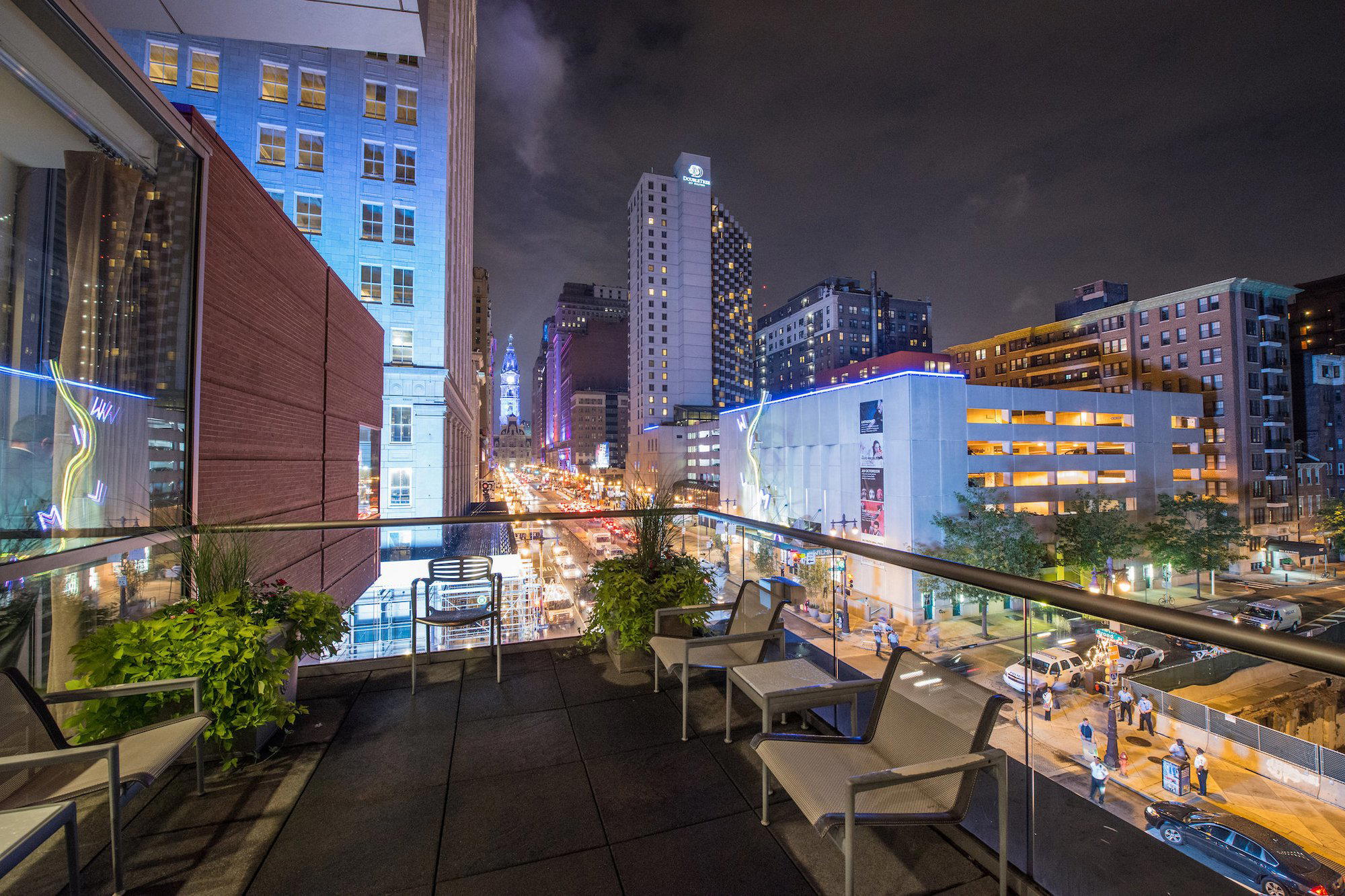
Rooms at W properties follow a consistent global design language: low platform beds, saturated color palettes, and lighting schemes designed more for mood than task. The building's height and its Chestnut Street placement mean that upper-floor rooms face north toward City Hall or south toward the lower downtown blocks, both orientations offering a view of Philadelphia's relatively compact skyline rather than an enclosed urban canyon. Guests who prioritize natural light over aesthetic should request rooms on higher floors, though specific availability depends on booking timing and occupancy patterns.
The W experience is structured to make the hotel itself part of the evening, not just the pre-dinner staging area. The bar program at W properties typically runs late and draws a local crowd alongside hotel guests, which keeps the energy consistent through the night rather than dropping off after the dinner-hour rush. That mix of local and transient guests is something the brand cultivates deliberately, and in Philadelphia it works because Chestnut Street already functions as a through-corridor for Center City foot traffic.
Philadelphia's Hotel Tier in Broader Context
The property occupies a different competitive register than destination resorts like Amangiri in Canyon Point or Post Ranch Inn in Big Sur, which trade on seclusion and landscape. It also sits below the ultra-luxury urban tier represented by Aman New York or The Fifth Avenue Hotel in New York City. What W Philadelphia offers instead is a reliable, high-energy urban base in a city that remains underpriced relative to New York or Boston, where a comparable lifestyle-tier property commands a significantly higher rate. Travelers who have stayed at Raffles Boston will find Philadelphia's equivalent tier substantially more accessible in cost, even if the properties themselves target different brand positions.
That affordability context matters in 2025. Philadelphia has absorbed significant new hotel supply over the past five years, and Center City's competitive density means that nightly rates at design-forward properties remain more competitive than in comparable East Coast markets. The Condé Nast ranking at #30 suggests W Philadelphia has retained quality perception despite that supply pressure, which is a meaningful signal in a market where newer openings can erode the standing of established properties quickly.
Planning a Stay
W Philadelphia sits at 1439 Chestnut Street, accessible from 30th Street Station via taxi or rideshare in under ten minutes, and from Philadelphia International Airport in approximately twenty to thirty minutes depending on traffic on the I-76 corridor. The property's phone and booking details are best confirmed through W Hotels' central reservation system or a travel advisor with Marriott Bonvoy access, as direct booking often carries rate and upgrade advantages for loyalty members. Travelers comparing options across the city's upper-middle tier should also consider Four Seasons Hotel Philadelphia at Comcast Center for a more formal service orientation, or Guild House Philadelphia for a smaller-footprint alternative. For a broader view of the city's dining and hospitality options, the full Philadelphia guide covers the restaurant and bar scene that surrounds the hotel's Chestnut Street corridor.
The spring and fall shoulders are Philadelphia's most agreeable seasons for a city stay, when the outdoor dining terraces along Rittenhouse Square fill and the cultural calendar runs at full capacity. Summer weekends in Philadelphia can be humid and congested, though the city's proximity to the Jersey Shore means Friday-evening departures thin the downtown population in a way that actually benefits hotel guests who stay through the weekend. Winter rates at Center City properties typically soften after the New Year, making January and February the most favorable booking window for price-sensitive travelers who don't require peak-season energy.
A Credentials Check
Comparable venues nearby, for context on price, style, and recognition.
| Venue | Cuisine | Price | Awards | Notes |
|---|---|---|---|---|
| W PhiladelphiaThis venue (the venue you are viewing) | Luxury urban design hotel with Philadelphia cultural influences | Not listed | Michelin Selected · Conde Nast Best Hotels #30 | Not listed |
| ROOST Midtown | High-design extended-stay apartment hotel in historic building | $100–200 | Michelin Selected | Avenue of the Arts |
| The Logan Philadelphia, Curio Collection by Hilton | Art-infused boutique hotel in a historic Georgian revival building | Not listed | Not listed | Parkway Museums District |
| ROOST East Market | High-design extended-stay concept bridging boutique hotel experience with apartment-style residential living in a contemporary mixed-use building. | $100–200 | Michelin Selected | Washington Square West |
| Thomas Bond House | Restored 1769 Georgian-style historic residence with classical revival architecture. | $100–200 | Not listed | Old City |
| Le Méridien Philadelphia | Historic landmark with modern boutique design | Not listed | Not listed | Avenue of the Arts |
Recognition history
Dated appearances from independent guides and award organizations, with the underlying list record or original source where available.
Michelin Selected
Michelin
Conde Nast Best Hotels #30
Conde Nast
Continue exploring
More in Philadelphia
Hotels in Philadelphia
All hotels in Philadelphia →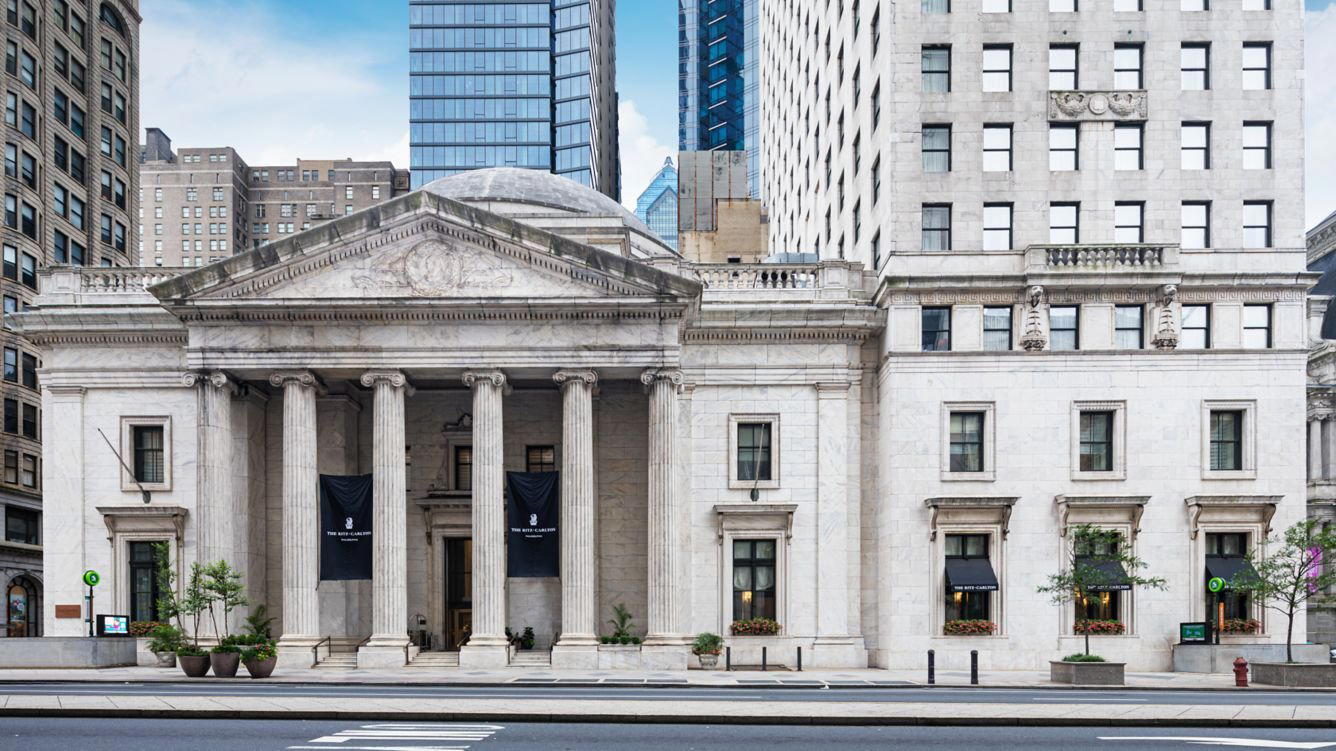
Details
- Modern
- Lively
- Trendy
- Sophisticated
- Elegant
- Romantic Getaway
- Business Trip
- Weekend Escape
- Celebration
- Rooftop Pool
- Wi Fi
- Pool
- Spa
- Fitness Center
- Room Service
- Concierge
- Business Center
- Valet Parking
- EV Charging
- Skyline
- Wheelchair Accessible
- Elevator
- Step Free Entrance
- Accessible Restroom
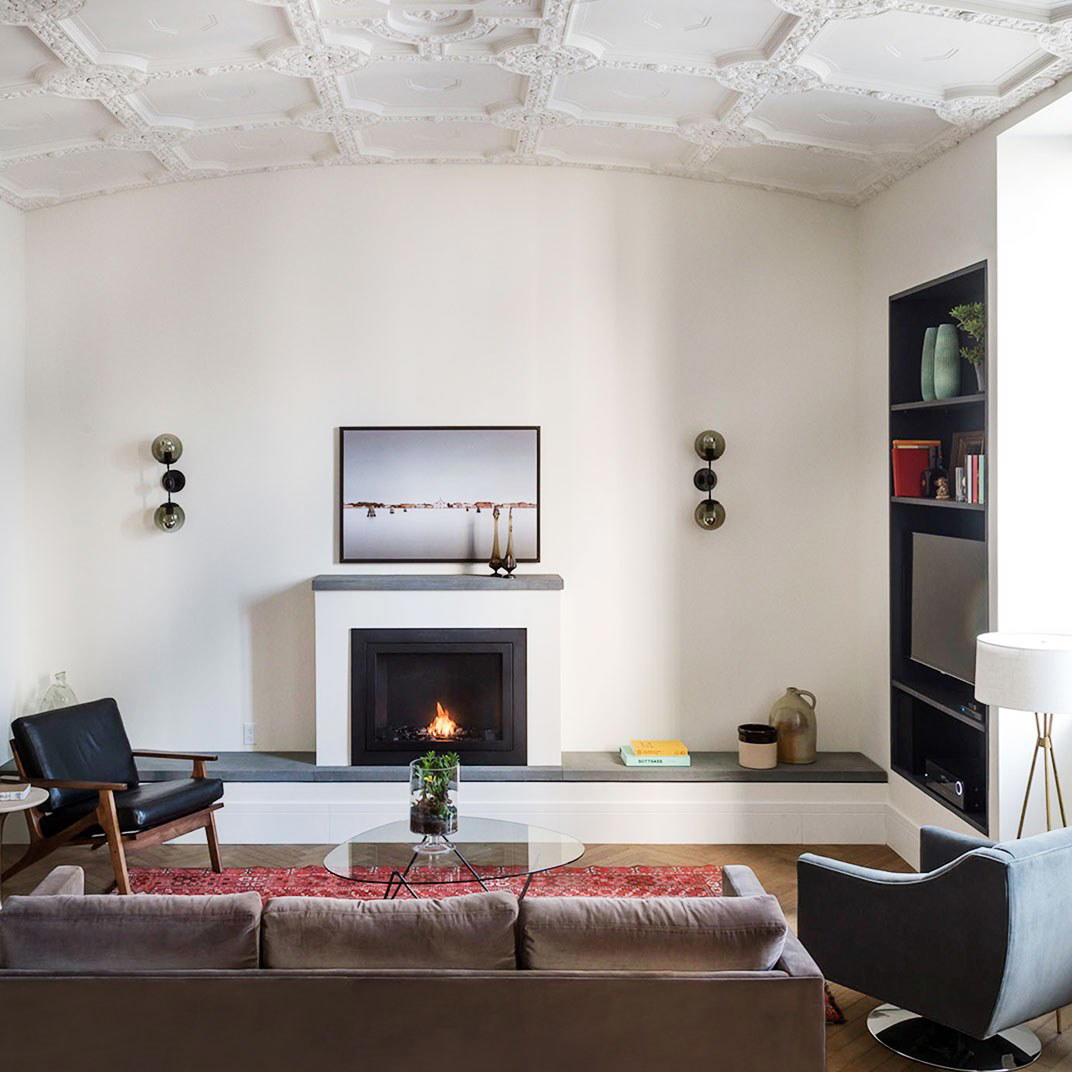
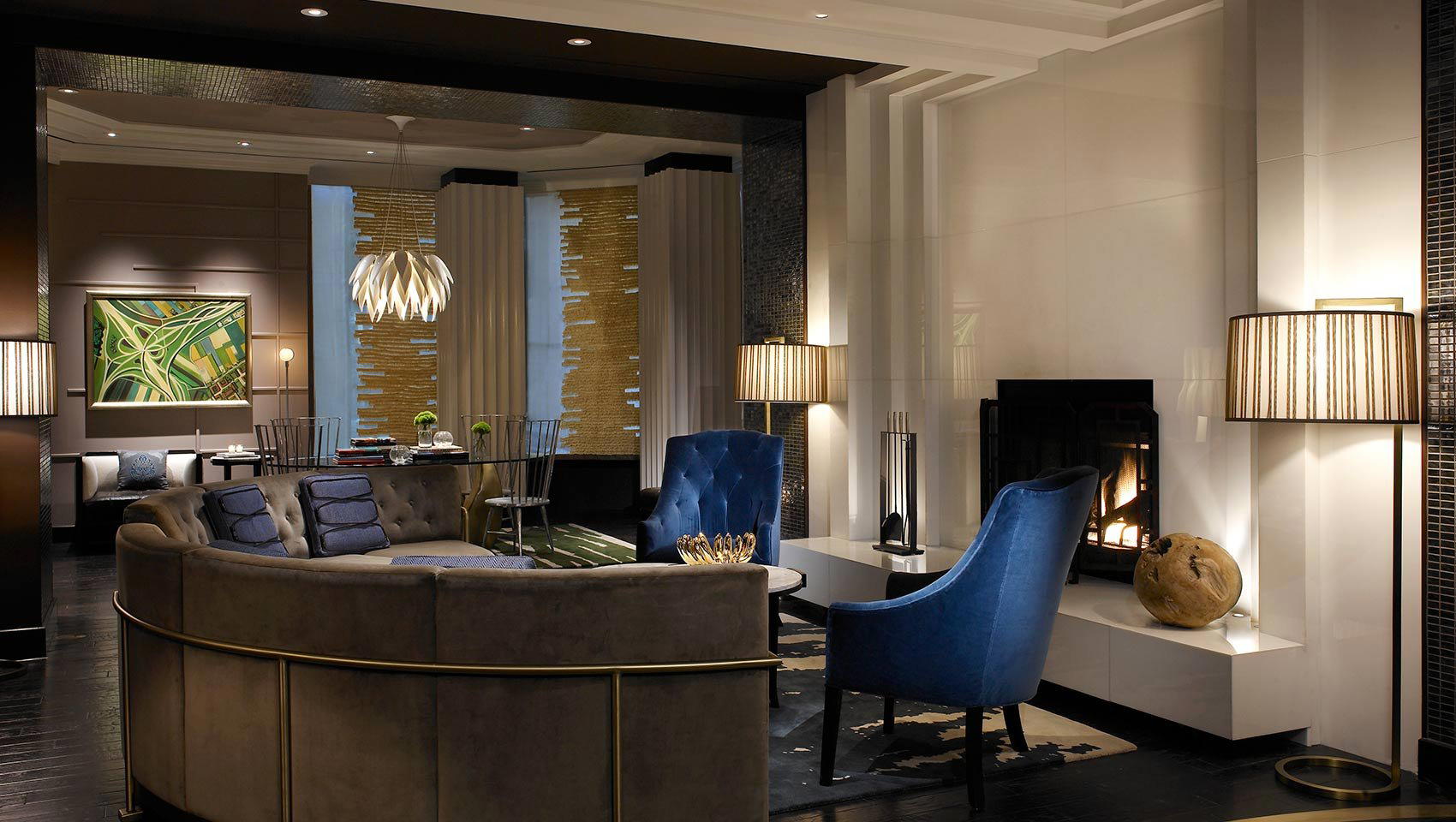
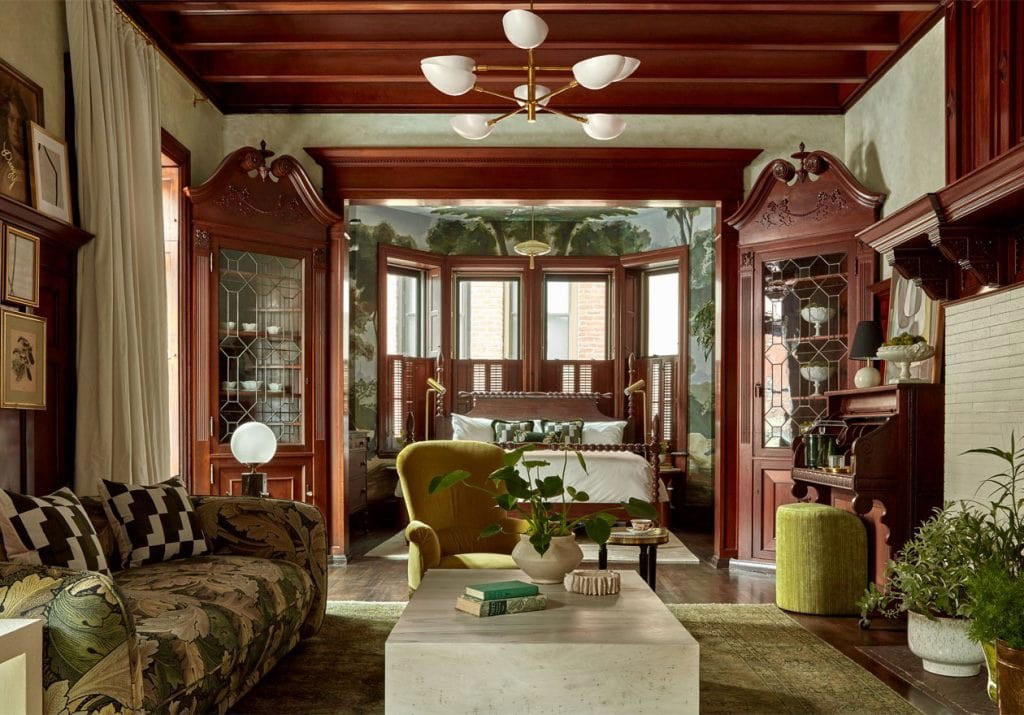
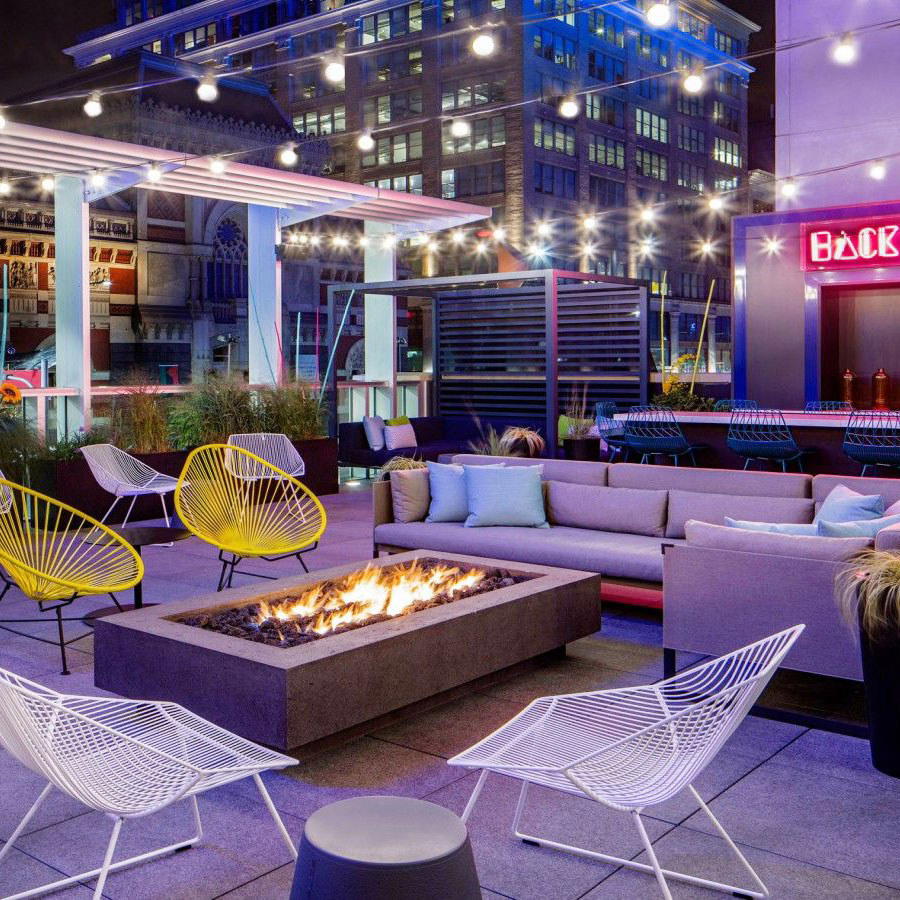
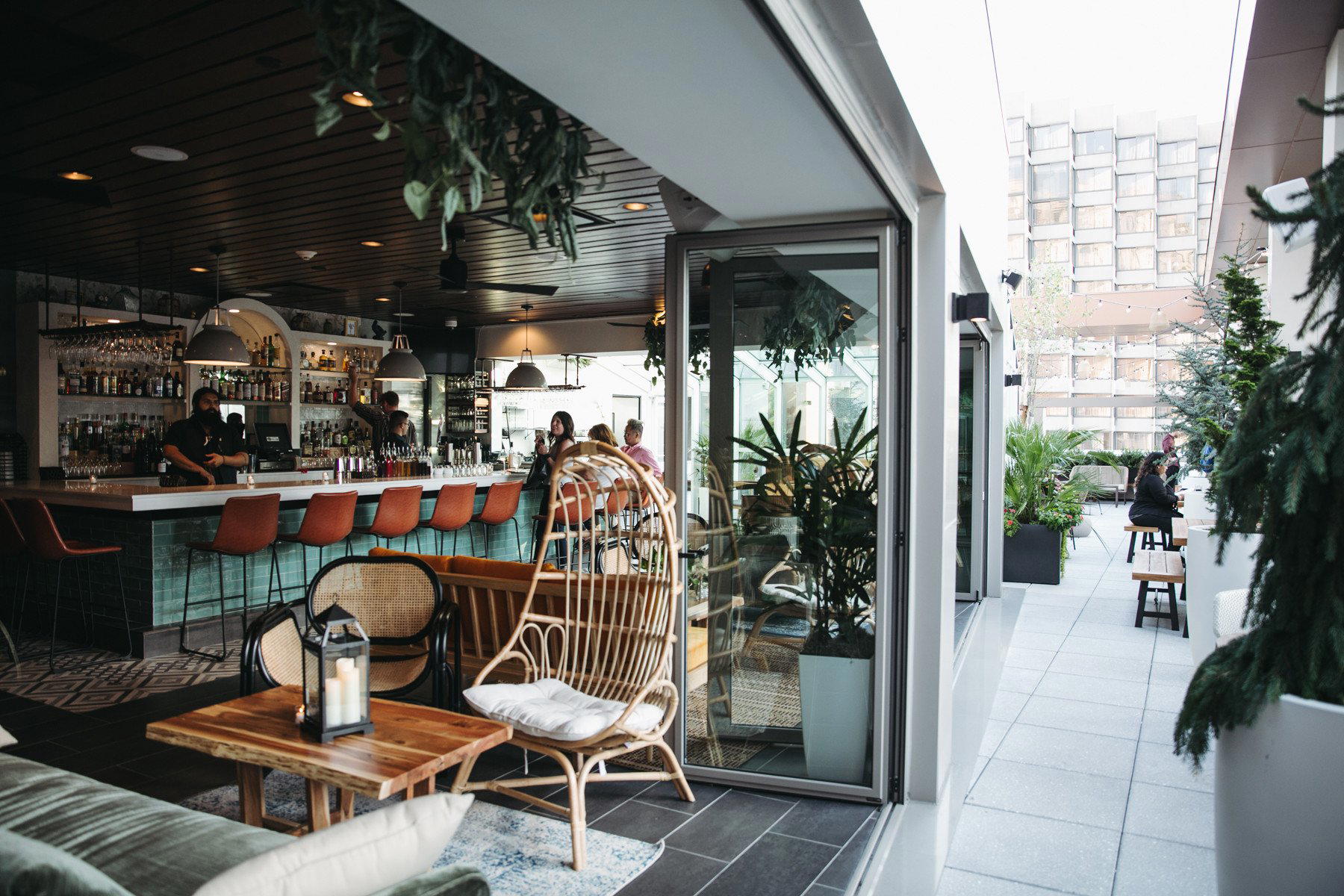
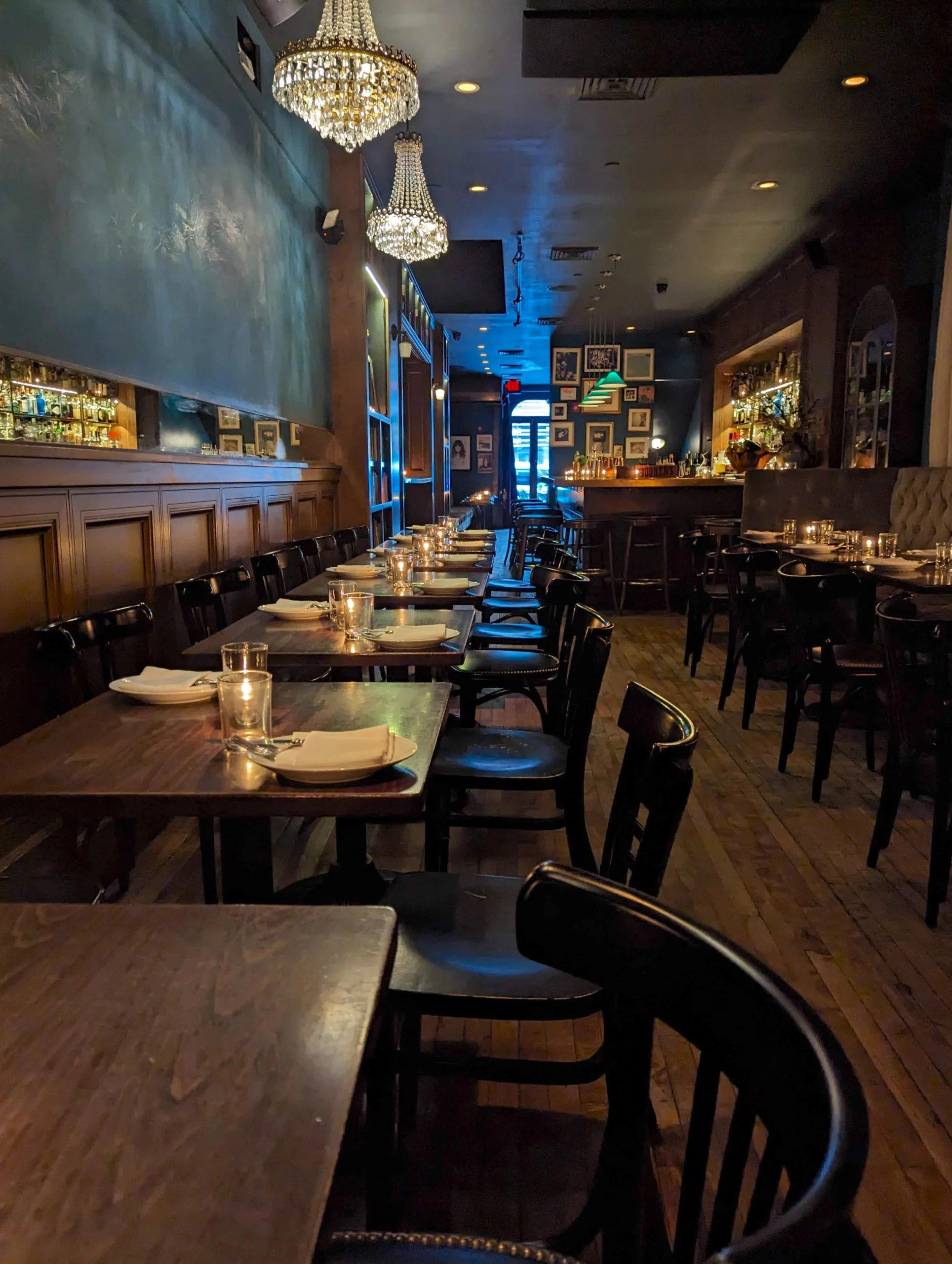
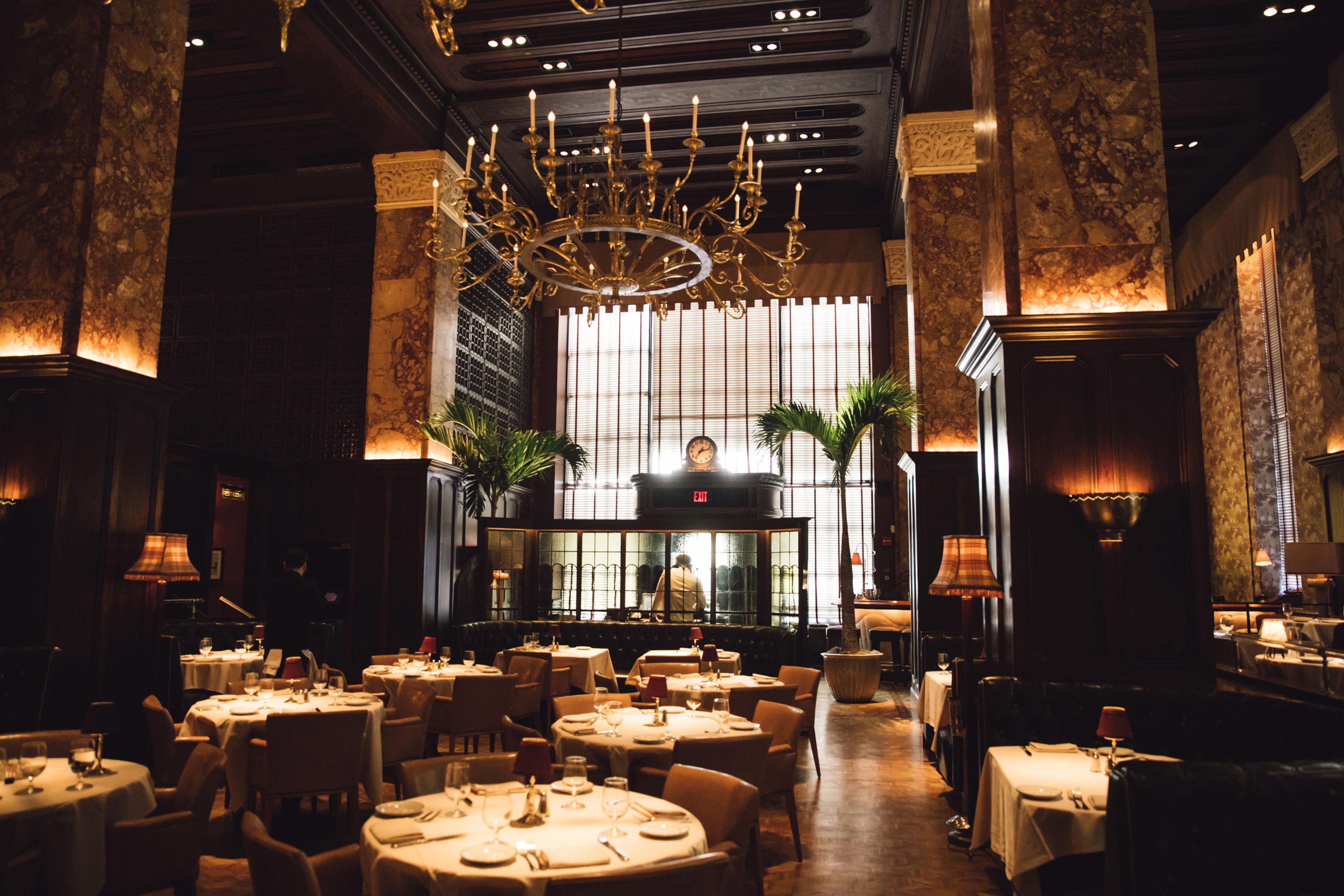
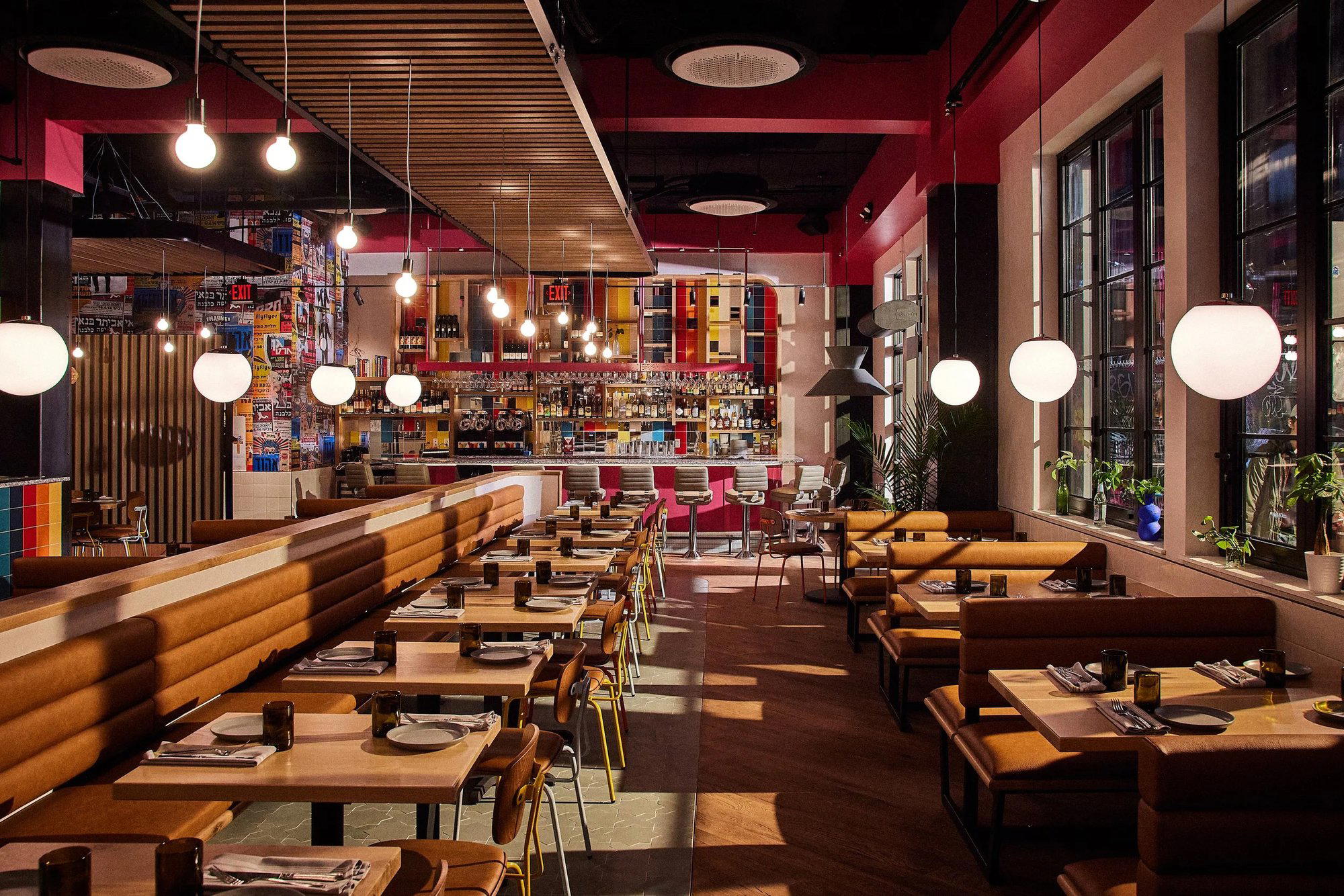
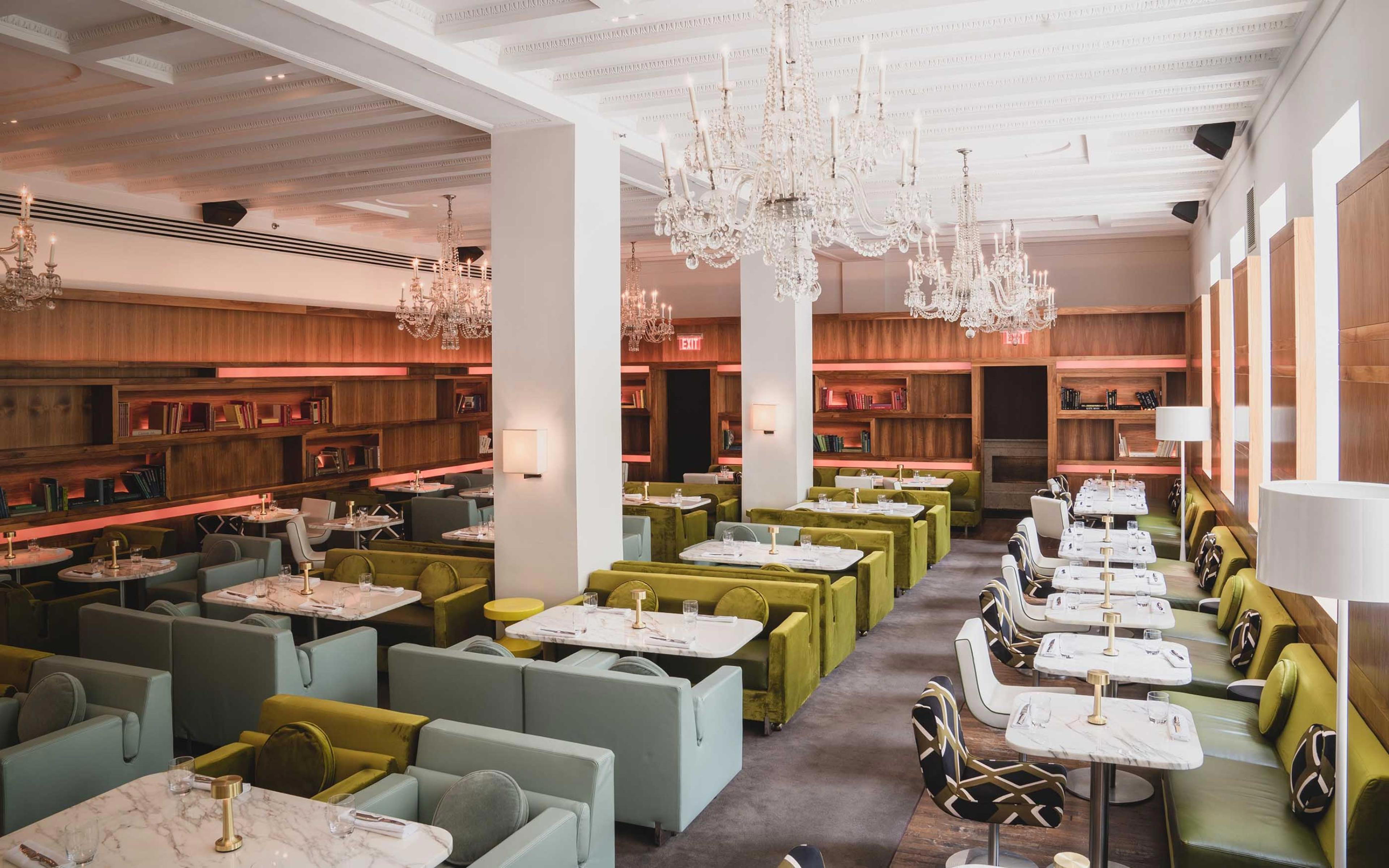
Sleek modern lighting with lively, energetic atmosphere in social spaces like the Living Room and WET Deck, contrasted by stylish, quiet rooms.