Taqueria La Prima
Taqueria La Prima operates from 1104 S 9th St in South Philadelphia, a corridor where Italian-American tradition and immigrant kitchens share the same sidewalk. Positioned in the same neighbourhood as South Philly Barbacoa, the taqueria occupies a format familiar to the area: informal, ingredient-forward, and built for repeat visits rather than destination dining.
Pearl is the En Primeur Club membership app — saves, bookings, and concierge access live there. Same editors, same standards.
- Address
- 1104 S 9th St, Philadelphia, PA 19147
- Phone
- +1 215 339 5000
- Website
- taquerialaprima.shop
- Directions
- Get directions
 Saves & bookings on Pearl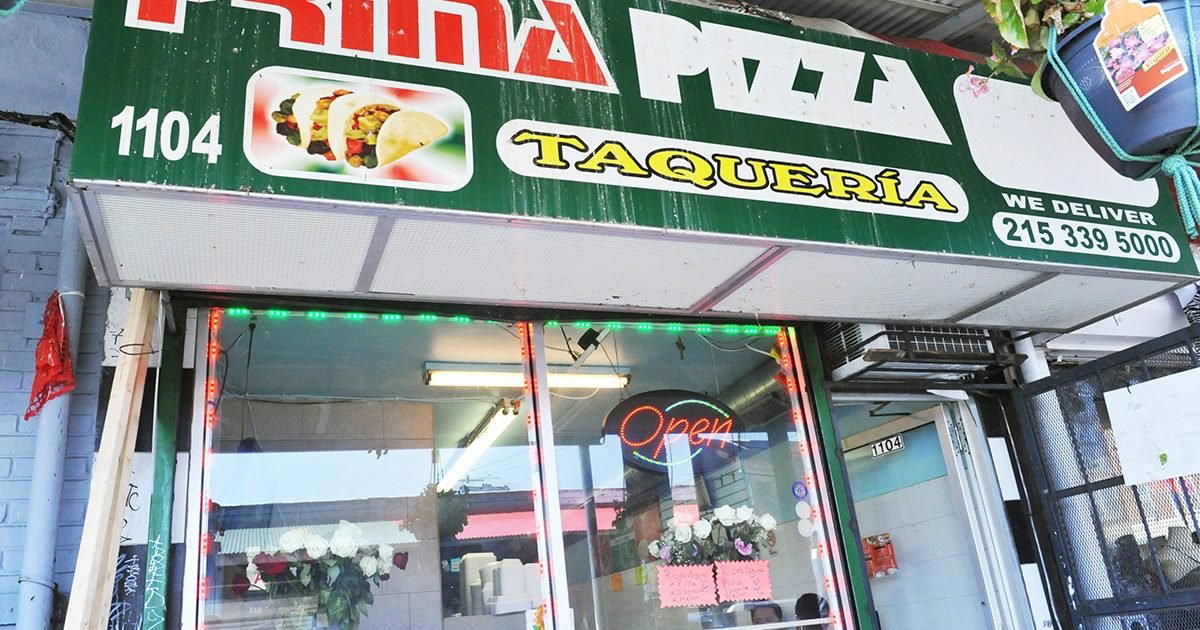
South Philly's Ingredient-Forward Mexican Counter
South Philadelphia's 9th Street corridor has long functioned as one of the city's most concentrated stretches of immigrant food culture. The Italian Market, which runs along this block, shaped the neighbourhood's identity around produce, meat, and prepared food sold at close range, butchers, cheese shops, and fishmongers whose proximity to the cooking kitchen was the point, not a coincidence. Taqueria La Prima is an Authentic Mexican Taqueria in Philadelphia, priced at about $15 per person, at 1104 S 9th St, directly inside this tradition, where the logic of sourcing and the logic of the menu are inseparable.
Mexican taqueria kitchens in the United States occupy a wide spectrum, from fast-casual assembly lines to tightly run counters where tortillas are pressed to order and proteins are sourced with the same scrutiny applied at higher price points. The more compelling end of that spectrum tends to share a few characteristics: short menus, ingredients treated as primary rather than secondary, and a format that rewards proximity to supply. South Philadelphia's market district makes that last condition easier to meet than almost anywhere else in the city.
The Sourcing Logic of the South Philly Market
The Italian Market's infrastructure, built around daily produce delivery, whole-animal butchery, and a customer base that expects freshness as a baseline, creates a supply environment that benefits every kitchen on or near 9th Street. Mexican cooking, particularly in its more traditional registers, is structurally aligned with this kind of sourcing: corn masa from properly treated nixtamal, proteins that assume whole cuts and slow application of heat, and chile-based preparations that depend on freshness and variety rather than shelf-stable powder.
The broader shift in American taqueria culture toward ingredient transparency mirrors a pattern visible across cooking traditions. At the farm-to-table end of the American fine dining spectrum, venues like Blue Hill at Stone Barns in Tarrytown and Single Thread Farm in Healdsburg have built entire identities around the proximity of sourcing to preparation. The taqueria format achieves something analogous at a completely different price point: when the supply chain is short, the ingredient often speaks for itself without elaboration.
In Philadelphia specifically, particularly discussed Mexican counter in this neighbourhood is South Philly Barbacoa, which has drawn significant national attention for its weekend birria and barbacoa program, a format centred on slow-cooked lamb and beef, with tortillas made on-site and supply sourced with clear intentionality. The existence of that operation on the same corridor establishes a baseline of expectation for what a serious Mexican kitchen in this neighbourhood can produce.
Format, Setting, and What the Room Signals
Taqueria formats in urban American settings tend to communicate their priorities through a handful of physical cues: counter service or table service, the presence or absence of a tortilla press in the open kitchen, the length of the menu, and whether the room is designed for turnover or for lingering. A short menu at a counter usually signals confidence in a narrow set of preparations rather than an attempt to appeal broadly. The physical brevity becomes editorial.
South Philadelphia's restaurant mix runs across a full range of registers. At the higher end of the city's dining tier, venues like Fork and Friday Saturday Sunday operate New American programs with wine lists and tasting formats. More recent additions such as Mawn and My Loup represent a mid-tier that blends culinary seriousness with accessible formats. The taqueria register sits below all of these in price but can still reflect serious ingredient discipline when run with the same rigour.
The ingredient-sourcing argument applies across price tiers and across cities. At the fine dining level, operations like Le Bernardin in New York City, The French Laundry in Napa, and Providence in Los Angeles treat sourcing as a structural commitment. The logic is identical at a taqueria counter, it simply produces a different price point and a different service register.
Philadelphia's Mexican Dining Tier in Context
Philadelphia's Mexican restaurant scene has historically been concentrated in South Philly and Kensington, with the former benefiting from the market district's infrastructure and the latter serving a long-established Mexican-American community. Both corridors have produced kitchens whose credibility rests on regularity and ingredient fidelity rather than on dining room ambition or press cycles.
Nationally, the conversation about serious Mexican cooking in American cities has shifted toward formats that emphasise regional specificity, Oaxacan, Yucatecan, Poblano, rather than generalised Tex-Mex or Cal-Mex interpretations. Venues like Smyth in Chicago and Addison in San Diego represent different points on the fine dining spectrum, but the attention to regional sourcing and culinary specificity that defines those kitchens is increasingly the expectation at every price level, including the taqueria counter.
The sourcing-first model also aligns with a broader international movement in kitchen practice. Venues such as Atelier Moessmer Norbert Niederkofler in Brunico and Atomix in New York City have built reputations around supply chain discipline and regional ingredient identity. The principle scales down: a taqueria that treats its corn, chiles, and protein sourcing with equivalent seriousness is participating in the same argument, regardless of format.
Other Philadelphia operations worth mapping against this context include Emeril's in New Orleans as a reference point for how ingredient-forward American kitchens established their credibility in an earlier era, and Lazy Bear in San Francisco for how informal formats can carry serious culinary intent. The taqueria counter is a different register entirely, but the underlying commitment to sourcing as a primary editorial statement connects these operations across their differences.
The Inn at Little Washington offers a further reference point: a kitchen whose sourcing geography is as specific as its culinary ambition. What connects that model to a South Philly taqueria is not price or format but the recognition that where ingredients come from is inseparable from what the food communicates.
Know Before You Go
| Address | 1104 S 9th St, Philadelphia, PA 19147 |
|---|---|
| Neighbourhood | South Philadelphia / Italian Market |
| Format | Taqueria counter |
| Reservations | Walk-in friendly |
| Price Range | About $15 per person |
| Hours | Mon to Sun: 10 AM to 4 AM |
| Website | Not currently listed |
| Phone | Not currently listed |
The Short List
Comparable venues nearby, for context on price, style, and recognition.
| Venue | Cuisine | Price | Notes |
|---|---|---|---|
| Taqueria La PrimaThis venue — the venue you are viewing | Not listed | $ | Not listed |
| El Mictlan Restaurant | Not listed | $$ | West Passyunk, Authentic West Coast Mexican |
| Copabanana | University City, Mexican-American Fusion | $$ | Not listed |
| Tortilleria San Roman | Not listed | $ | Italian Market, Authentic Mexican Tortilleria |
| El Vez | Washington Square West, Modern Mexican | $$ | Not listed |
| La Llorona Cantina Mexicana | Newbold, Authentic Mexican Cantina | $$ | Not listed |
Continue exploring
More in Philadelphia
Restaurants in Philadelphia
Browse all →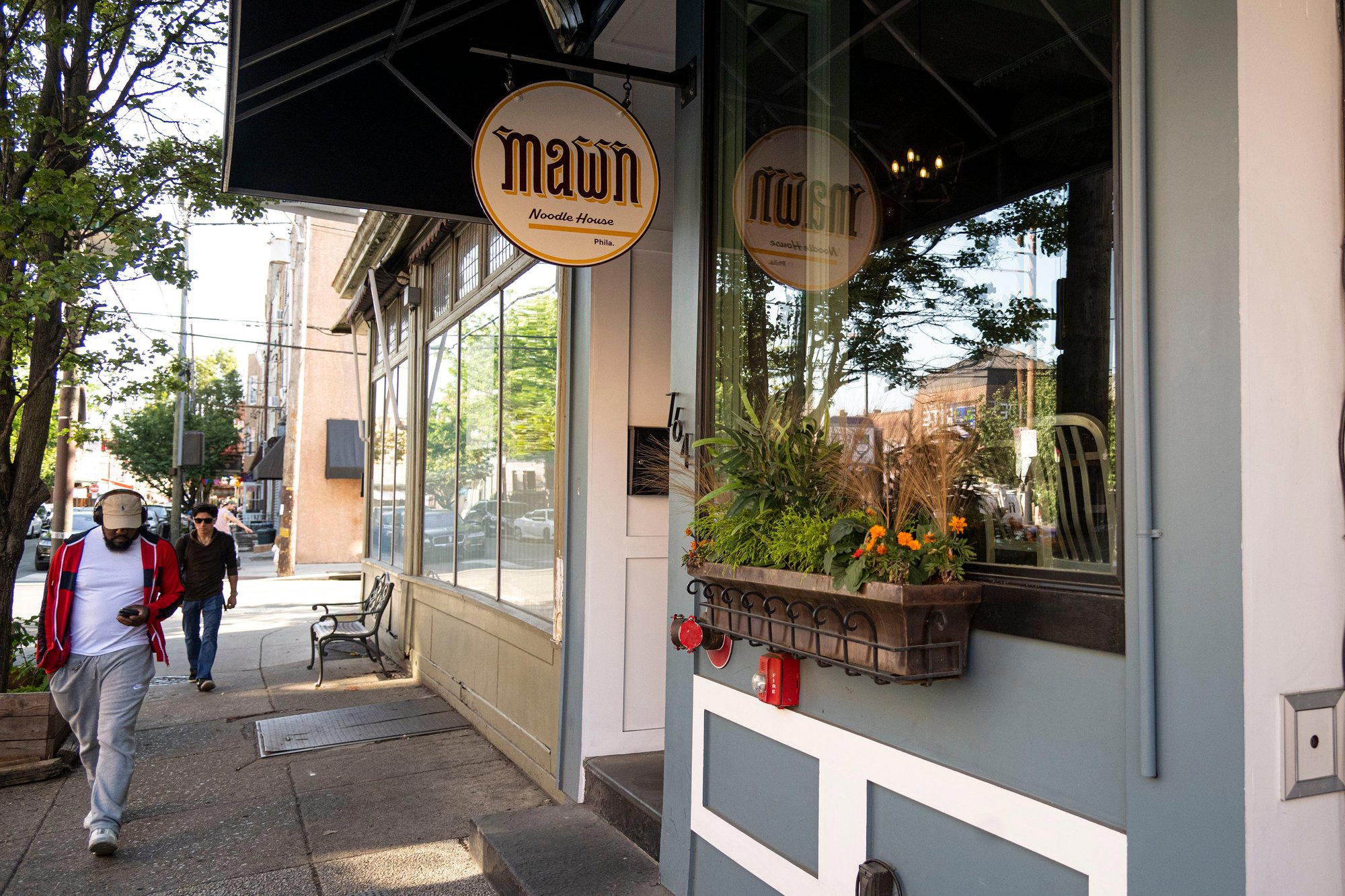
Bars in Philadelphia
Browse all →
At a Glance
- Lively
- Rustic
- Late Night
- Casual Hangout
- Open Kitchen
Current opening hours
- Monday
- 10 AM–4 AM
- Tuesday
- 10 AM–4 AM
- Wednesday
- 10 AM–4 AM
- Thursday
- 10 AM–4 AM
- Friday
- 10 AM–4 AM
- Saturday
- 10 AM–4 AM
- Sunday
- 10 AM–4 AM
Hours can change for holidays and private events. Last verified .
Bare-bones, lively spot with sizzling grill aromas and a bustling late-night atmosphere in a tiny space with minimal seating.