Tortilleria San Roman
Our verdict
On South 9th Street in the heart of South Philadelphia's Italian Market corridor, Tortilleria San Roman occupies a spot where Mexican corn traditions intersect with the neighborhood's dense immigrant food culture. The operation centers on masa made in-house, placing it within a small tier of Philadelphia producers serious about the foundational ingredient rather than the finished dish alone.

Pearl is the En Primeur Club membership app — saves, bookings, and concierge access live there. Same editors, same standards.
- Address
- 951 S 9th St, Philadelphia, PA 19147
- Phone
- (267) 507-9161
- Hours
- Daily 9 AM–6 PM
- Website
- tortilleriasanroman.net
- Directions
- Get directions
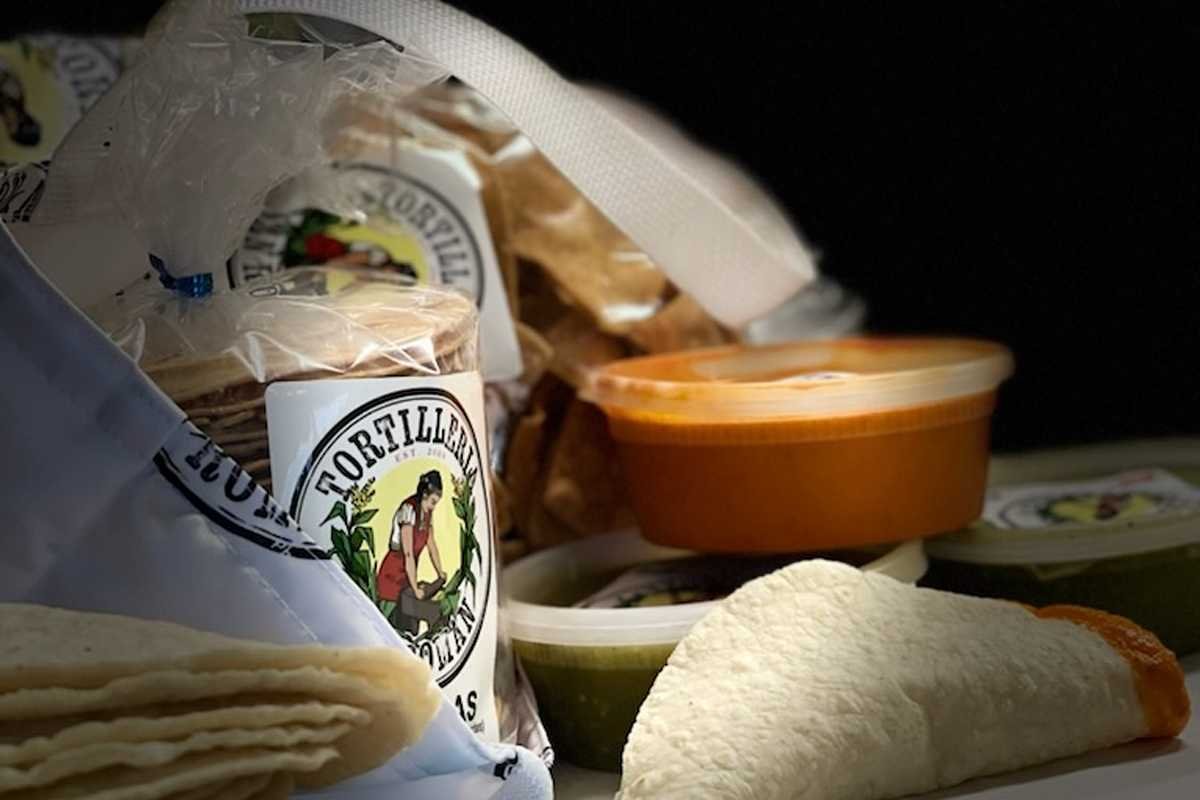
Where the Italian Market Meets the Masa Tradition
South 9th Street has always functioned as a corridor where food cultures layer on top of one another without much ceremony. The Italian Market stretch around 951 S 9th has absorbed Vietnamese grocers, Mexican taquerias, and old-school Italian butchers within a few blocks, and the compression produces something that feels less like a curated food hall and more like a working neighborhood still sorting out its own identity. Tortilleria San Roman sits inside that friction, and the address matters: this is not a restaurant that migrated to a high-foot-traffic dining district. It operates where the supply chain runs, where people shop for ingredients rather than experiences.
That positioning connects to a broader pattern in American cities where masa-forward operations, tortillerias in particular, have started occupying a middle ground between wholesale food production and retail dining. In Philadelphia, that tier remains thin. Most Mexican food production in the city happens at scale for restaurants or at home, and dedicated tortillerias with walk-in retail components are rare enough that their presence alone signals something worth paying attention to.
The Sequence That Defines the Visit
The editorial angle that applies to any serious tortilleria is not the single taco or the leading salsa, but the progression from the base ingredient outward. Masa, when made correctly from nixtamalized corn, carries a minerality and slight ferment note that factory-pressed flour tortillas cannot approximate. That distinction anchors the tasting logic here: what you eat first, in its simplest form, tells you whether the operation has solved the foundational problem before layering on preparation and seasoning.
In the tortilleria format, that sequence tends to run from the plain tortilla, eaten warm off the press or comal, through preparations that let the masa carry the flavor rather than hide behind it. A tortilla pressed from quality nixtamal should need nothing added to reward attention. From there, fillings function as seasoning rather than the main event, which inverts the usual American fast-casual logic where protein is primary and the bread component is neutral delivery. Visitors who understand this distinction tend to order more slowly and eat differently than those arriving with burrito-counter expectations.
South Philadelphia's Mexican food scene, anchored partly by operations like South Philly Barbacoa on Washington Avenue, has demonstrated that the neighborhood will support technically serious Mexican cooking that does not soften its references for a non-Mexican audience. Tortilleria San Roman operates in that same current, on the production side of the argument rather than the restaurant side.
Philadelphia's Broader Dining Context
Philadelphia's restaurant culture in 2024 and 2025 has moved steadily toward technical specificity and ingredient provenance as primary differentiators. That shift is visible at the higher end, at places like Fork and Friday Saturday Sunday in the New American tier, and at more neighborhood-rooted operations like Mawn and My Loup, each of which treats sourcing and technique as the organizing logic of the menu rather than as marketing language. A tortilleria that makes masa from scratch rather than sourcing pre-made masa harina fits inside that same framework, even if the price point and format sit far outside the white-tablecloth tier.
The comparison that holds across American dining cities is instructive. Where tasting-menu restaurants like Smyth in Chicago, Lazy Bear in San Francisco, or Blue Hill at Stone Barns have made the sourcing argument at $200-plus per head, operations like Tortilleria San Roman make the same argument at the tortilla counter for a few dollars. The rigor is not dissimilar; the access point is entirely different. That accessibility is not incidental. Tortillerias function as infrastructure for home cooks and restaurant chefs alike, and the quality of that infrastructure shapes the ceiling for Mexican cooking across a city's entire food system.
Philadelphia does not yet have the density of masa producers that cities like Chicago or Los Angeles maintain, where dedicated tortillerias supply both retail customers and professional kitchens at meaningful volume. That relative scarcity gives an operation at 951 S 9th Street a category position that would be diluted in a more saturated market. The Italian Market neighborhood, which has historically supported specialty food production rather than just retail dining, provides a logical home.
What to Know Before You Go
- Address: 951 S 9th St, Philadelphia, PA 19147
- Neighborhood: Italian Market / South Philadelphia
- Format: Tortilleria with retail component; production-focused operation
- Hours: Not confirmed; visit early in the day for leading tortilla availability
- Booking: Walk-in format typical for tortillerias; no reservation data available
- Price: Tortilleria pricing; expect low per-item spend
- Nearest comparison: South Philly Barbacoa for serious South Philly Mexican production
- Further afield: For reference points on American fine dining's sourcing ethos, see The French Laundry, Providence, Addison, Single Thread Farm, Le Bernardin, Atomix, The Inn at Little Washington, Emeril's, and Atelier Moessmer
- More Philadelphia: Our full Philadelphia restaurants guide
Frequently asked questions
Does Tortilleria San Roman work for a family meal?
A tortilleria format is generally well-suited to family dining — the counter-driven, ingredient-forward approach means ordering is flexible and portions are shareable. Tortilleria San Roman sits at 951 S 9th Street in South Philadelphia's Italian Market, a stretch historically comfortable with multi-generational, informal eating. Hours and seating specifics are worth confirming directly before visiting with a large group.
What kind of setting is Tortilleria San Roman?
The address at 951 S 9th St places Tortilleria San Roman squarely in the Italian Market corridor, one of Philadelphia's most historically layered commercial food streets. Expect a working tortilleria atmosphere: functional, production-oriented, and focused on the craft of masa rather than dining-room formality. This is not a white-tablecloth environment — the draw is the product itself.
Is Tortilleria San Roman a place to buy fresh masa or tortillas to take home, in addition to eating on-site?
The tortilleria model — as practiced at addresses like 951 S 9th St in Philadelphia's Italian Market — typically encompasses both retail masa or tortilla sales and on-site preparation. This dual function is what distinguishes a tortilleria from a standard taco counter: the production process is visible and the product is available to take home for home cooking. For current retail availability and formats at Tortilleria San Roman specifically, contacting the venue directly is the most reliable route.
What's the signature dish at Tortilleria San Roman?
The organizing principle at any serious tortilleria is the masa itself — the nixtamalized corn base from which tortillas, tamales, and related preparations derive. At Tortilleria San Roman on South 9th Street, that base ingredient is the lens through which the entire menu should be read. Specific current offerings are best confirmed with the venue directly.
What's the address for Tortilleria San Roman?
Tortilleria San Roman is located at 951 S 9th St, Philadelphia, PA 19147, Philadelphia.
How hard is it to get a table at Tortilleria San Roman?
Tortillerias in the Italian Market tend to operate more as counter-service or take-away operations than reservation-driven dining rooms, which typically means walk-in access rather than a waitlist. Tortilleria San Roman at 951 S 9th St follows the rhythms of a working production space embedded in a high-foot-traffic Philadelphia market corridor. Peak weekend hours on South 9th Street can generate lines, so off-peak visits are practical for shorter waits.
Booking and Cost Snapshot
A quick snapshot of similar venues for side-by-side context.
| Venue | Cuisine | Price | Awards | Notes |
|---|---|---|---|---|
| Tortilleria San RomanThis venue — the venue you are viewing | Authentic Mexican Tortilleria | Not listed | Not listed | Not listed |
| Friday Saturday Sunday | Modern American Tasting Menu | $100–150 | 1 Michelin Star · World's 50 Best #40 | New American |
| Fork | Seasonal New American | Not listed | James Beard Award Outstanding Restaurateur #1 · Wine Spectator Award of Excellence | New American |
| South Philly Barbacoa | Authentic Mexican Barbacoa Taqueria | $10–20 | James Beard Award Best Chef: Mid Atlantic · Chef's Table Featured on Chef's Table | Mexican |
| Jean-Georges Philadelphia | Modern French Fine Dining | $200–300 | La Liste Top Restaurants · Wine Spectator Best of Award of Excellence | French |
| Helm | Seasonal New American Small Plates | $50–100 | Not listed | Filipino |
Continue exploring
More in Philadelphia
Restaurants in Philadelphia
Browse all →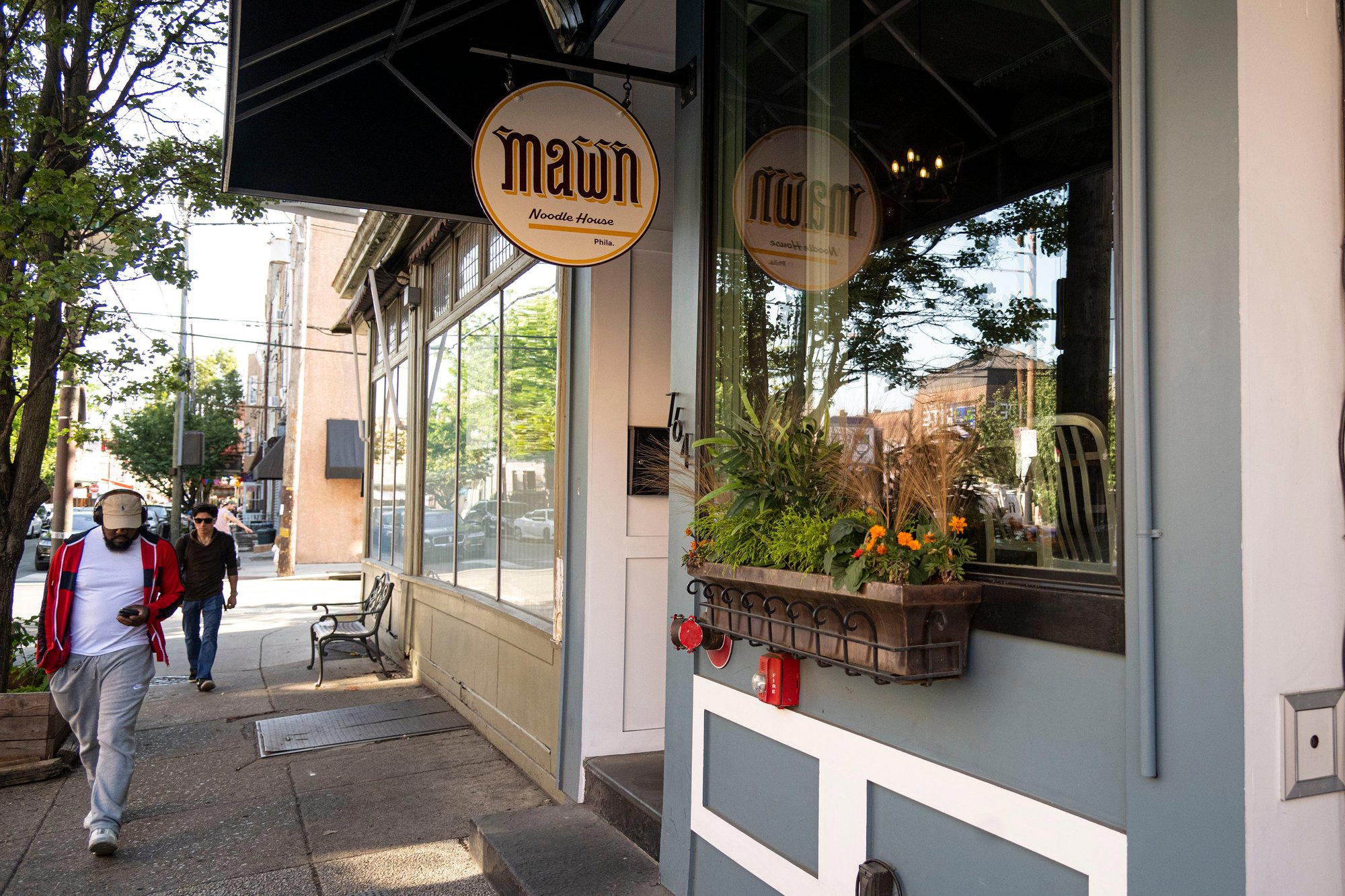
Bars in Philadelphia
Browse all →
Details
- Rustic
- Casual Hangout
- Standalone
- A La Carte
Current opening hours
- Monday
- 9 AM–6 PM
- Tuesday
- 9 AM–6 PM
- Wednesday
- 9 AM–6 PM
- Thursday
- 9 AM–6 PM
- Friday
- 9 AM–6 PM
- Saturday
- 9 AM–6 PM
- Sunday
- 9 AM–6 PM
Hours can change for holidays and private events. Last verified .
Simple, no-frills storefront in a bustling market with the constant hum of tortilla-making machinery.