


Di Yi Ding occupies a restored 1960s mansion in Tainan's East District, serving Taiwanese seafood omakase at three price points across lunch and dinner. The format runs from sashimi through to crab or lobster mains, with a 130-label wine list earning a White Star from Star Wine List. Reservations are mandatory and payment is cash only.
Pearl is the En Primeur Club membership app — saves, bookings, and concierge access live there. Same editors, same standards.
- Address
- No. 1號, Lane 161, Section 2, Dongmen Rd, East District, Tainan City, Taiwan 701
- Phone
- +886 6 275 0011
- Website
- facebook.com
- Directions
- Get directions
 Saves & bookings on Pearl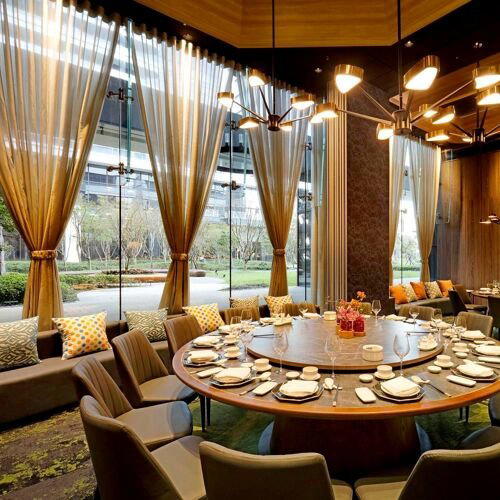
A Mansion, a Seafood Counter, and Tainan's Omakase Moment
Tainan has long held a different culinary register from Taipei. Where the capital built its reputation on international formats and imported technique, Tainan's food culture runs deeper into local produce, temple-district street eating, and the kind of generational seafood knowledge that rarely needs a press release. The past decade, though, has seen something shift: a small tier of Tainan restaurants has begun operating with the formal structure of omakase, applying it not to Japanese kaiseki conventions but to Taiwanese seafood traditions. Di Yi Ding sits inside that movement, and the setting alone signals that this is not a casual proposition.
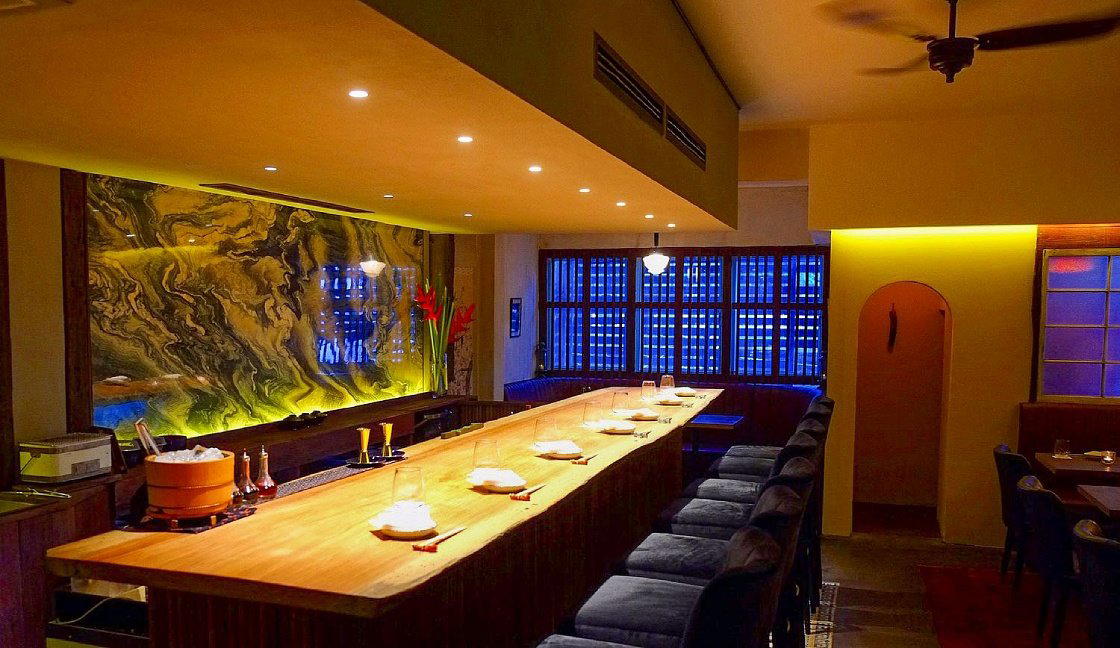
The building on Lane 161, Section 2 of Dongmen Road is a mansion dating from the 1960s, restored rather than renovated, which matters in a city where colonial and mid-century architecture often gets replaced rather than preserved. Walking up to the entrance, the structure reads as a private residence before it reads as a restaurant, which is part of the point. Tainan's premium dining tier has gravitated toward heritage buildings precisely because they carry a weight of place that new construction cannot replicate. Di Yi Ding is the clearest expression of that tendency in the East District.
The Omakase Format and What It Actually Means Here
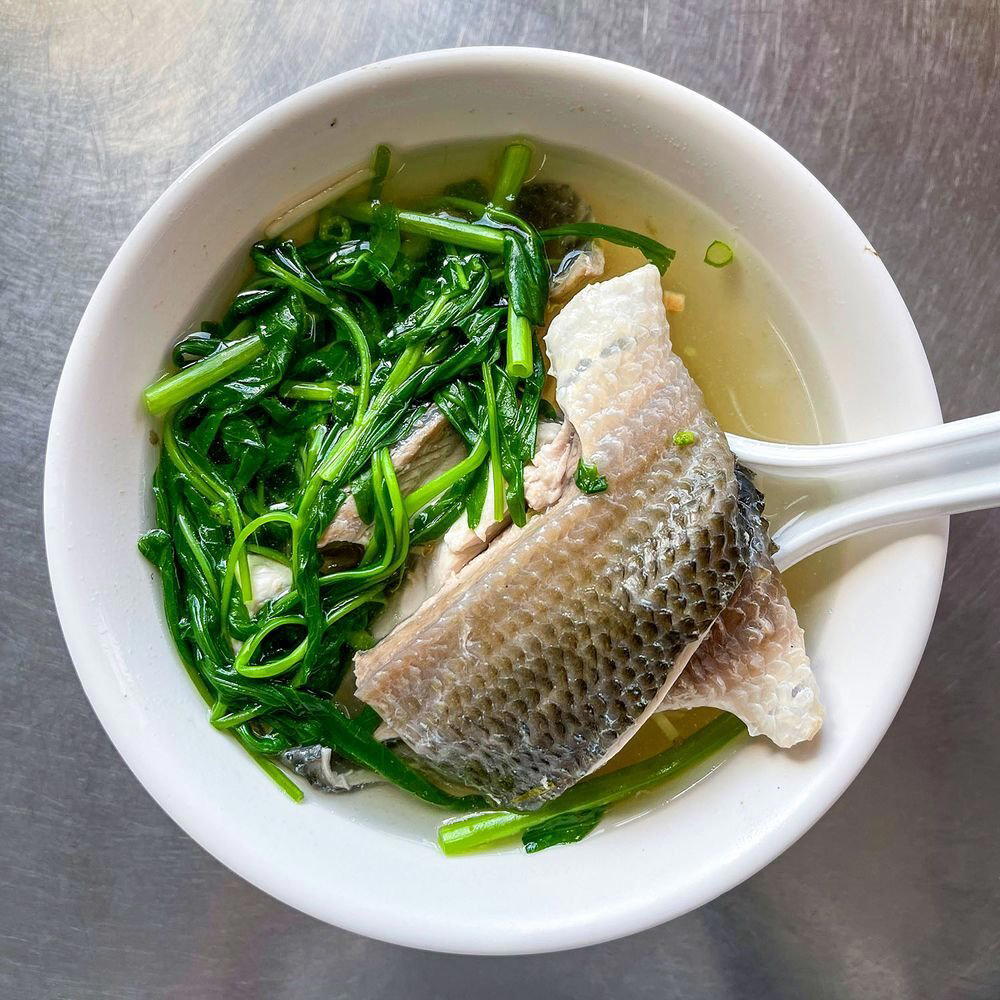
Omakase as a format has spread far beyond its Japanese origins, and Taiwan's adoption of it tells you something specific about how the country values its own ingredients. Rather than importing the kaiseki sequence wholesale, the better Taiwanese operators have grafted the chef-directed, multi-course structure onto local product logic. At Di Yi Ding, that means a progression that opens with sashimi and closes with starch, typically bi tai bak in pumpkin sauce, with crab or lobster as the default main for first-time guests. The menu is offered at three price points, which gives the format unusual accessibility for this category.
Taiwanese seafood omakase at this level sits alongside a handful of comparable formats across the island. JL Studio in Taichung approaches Southeast Asian-influenced tasting menus from a fine-dining angle; logy in Taipei works within French-Japanese technique. The restaurant's point of difference is its insistence on Taiwanese seafood tradition as the primary reference, without the overlay of European framework. In that respect, it reads more directly alongside GEN in Kaohsiung, which operates with similar local-ingredient intent in the south.
The chef's willingness to entertain requests beyond the standard crab-or-lobster default reflects a confidence in the kitchen's range rather than a menu limitation. That flexibility is worth noting for guests with specific seafood preferences or dietary considerations.
Industry Recognition and the Star Wine List Signal
The restaurant received a White Star recognition from Star Wine List, published in September 2025. In the context of Tainan's dining scene, that credential is worth unpacking. Star Wine List evaluates programs on list construction, pricing integrity, and the coherence of the selection relative to the food format. A White Star at a seafood omakase counter in a mid-sized Taiwanese city signals that the wine program has been taken seriously as a complement to the food, not treated as an afterthought.
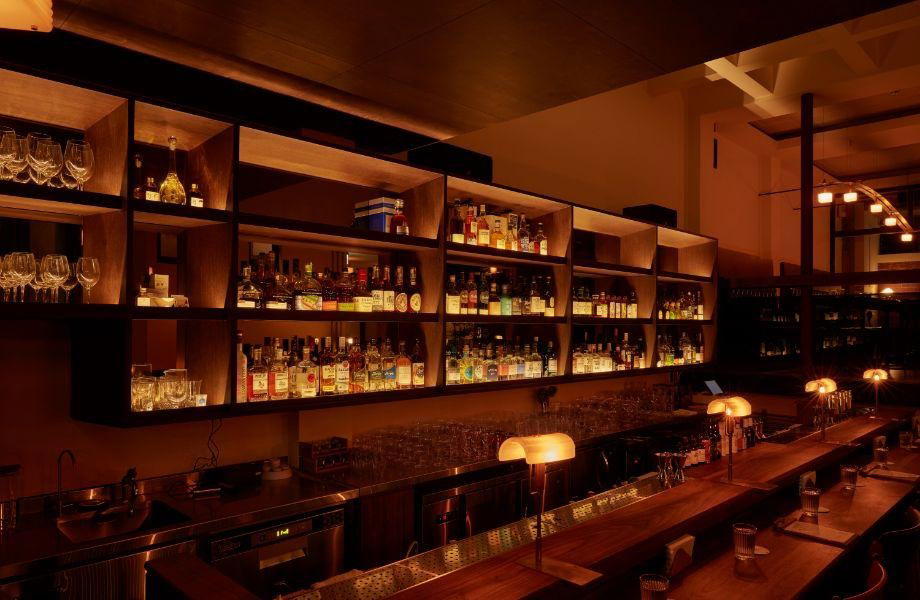
The list highlights France, especially Champagne and Burgundy. For a Taiwanese seafood counter, that orientation makes technical sense: the acidity and mineral register of good Burgundy white, and the structure of blanc de blancs Champagne, track well against briny, clean seafood preparations. The pricing sits at the $$$ tier, and a corkage fee applies for guests who bring their own wine. That BYOB flexibility is a practical differentiator in a market where premium wine access is uneven.
For comparison within Tainan's upper price tier, Feng No Seafood and Black-faced Spoonbill Canteen address similar local seafood territory but with different format disciplines. The restaurant's wine program and omakase structure place it in a narrower, more formal comparable set within the city's $$$ bracket, closer to JL Studio in operational seriousness than to Tainan's more casual seafood houses.
Internationally, the closest structural analogies are restaurants like Angler in London, Alici Restaurant on the Amalfi Coast, and Gambero Rosso in Marina di Gioiosa Ionica, all of which treat regional seafood as the organizing logic of a serious tasting format rather than as a category within a broader European menu. The restaurant operates within that same philosophy, translated into the Taiwanese south.
Planning a Visit
Reservations are mandatory at the restaurant, and the venue operates on a cash-only basis, two practical details that filter out casual walk-ins and set expectations before arrival. Payment should be prepared in advance. The restaurant serves both lunch and dinner, which gives more scheduling flexibility than many omakase formats in Taiwan, where dinner-only bookings are common. The three-tiered price structure at $$$ means a two-course equivalent runs above $66 per person before wine, placing this firmly in the upper bracket of Tainan dining.
The East District address on Dongmen Road is accessible by taxi or ride-hailing from Tainan's central areas. Guests pairing the restaurant with a broader Tainan itinerary often bookend it with lighter eating at street-food level, where A Cun Beef Soup on Baoan Road, A Hai Taiwanese Oden, and A Hsing Congee represent the city's small-eats register at its most direct. The contrast between those formats and a full seafood omakase at the restaurant captures something true about how Tainan's food culture actually operates: serious and casual existing side by side without either compromising.
For context on Taiwan's wider omakase and indigenous-ingredient dining scene, Akame in Wutai Township represents a different geographic and cultural approach to chef-led tasting formats, and Volando Urai Spring Spa and Resort in Wulai District shows how resort formats handle the same challenge of rooting a premium experience in place.
Nearby-ish Comparables
Comparable venues nearby, for context on price, style, and recognition.
| Venue | Cuisine | Price | Notes |
|---|---|---|---|
| Di Yi DingThis venue — the venue you are viewing | Taiwanese Seafood Omakase | $$$ | Not listed |
| Dong Shang Taiwanese Seafood | Taiwanese Seafood | $$ | Annan District |
| Black-faced Spoonbill Canteen | Sustainable Coastal Seafood | $$ | Cigu District |
| Feng No Seafood | Fresh Taiwanese Seafood | $$ | Jiangjun District |
| L'herbe | Contemporary French with Taiwanese Fusion | $$$ | Anping District |
| FUKAI | Modern European | $$$ | East District |
Recognition history
Dated appearances from independent guides and award organizations, with the underlying list record or original source where available.
Michelin Plate
Michelin
Star Wine List
Star Wine List
Wine Spectator Award of Excellence
Wine Spectator
Michelin Plate
Michelin

At a Glance
- Elegant
- Classic
- Intimate
- Special Occasion
- Group Dining
- Celebration
- Historic Building
- Open Kitchen
- Private Dining
- Extensive Wine List
- Byob
- Beer Program
- Local Sourcing
- Sustainable Seafood
Current opening hours
- Monday
- 11:30 AM–2 PM, 5:30–9:30 PM
- Tuesday
- 11:30 AM–2 PM, 5:30–9:30 PM
- Wednesday
- 11:30 AM–2 PM, 5:30–9:30 PM
- Thursday
- 11:30 AM–2 PM, 5:30–9:30 PM
- Friday
- 11:30 AM–2 PM, 5:30–9:30 PM
- Saturday
- 11:30 AM–2 PM, 5:30–9:30 PM
- Sunday
- 11:30 AM–2 PM, 5:30–9:30 PM
Hours can change for holidays and private events. Last verified .
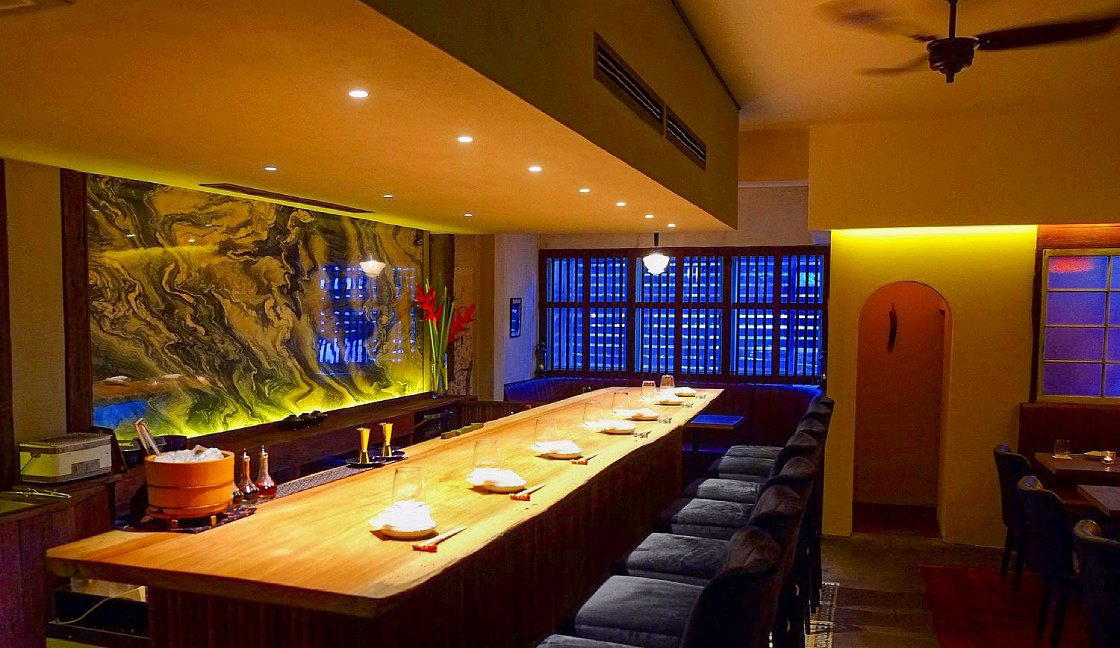
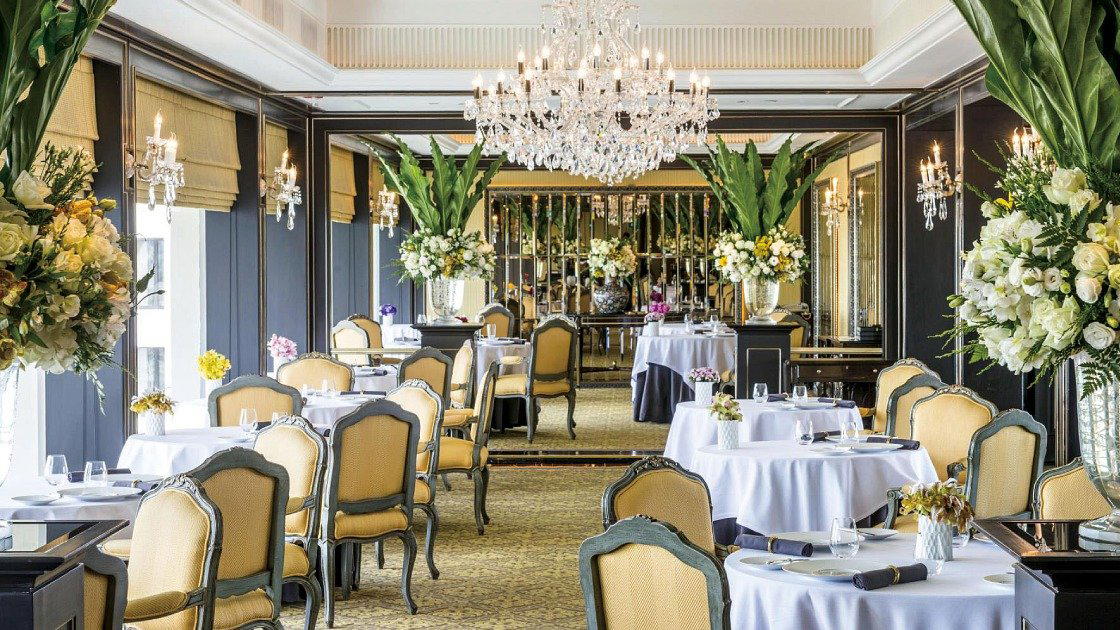
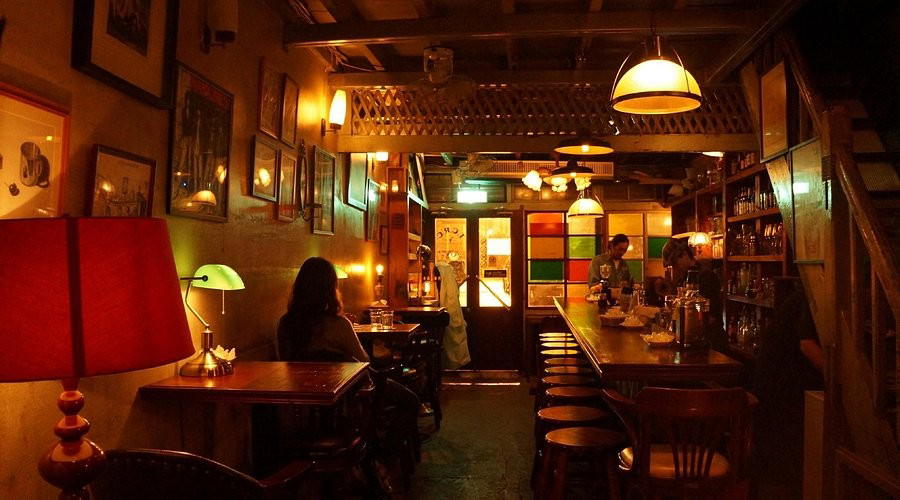
Warm and inviting atmosphere in a restored historic mansion with the scent of expertly prepared seafood creating an intimate dining setting.