
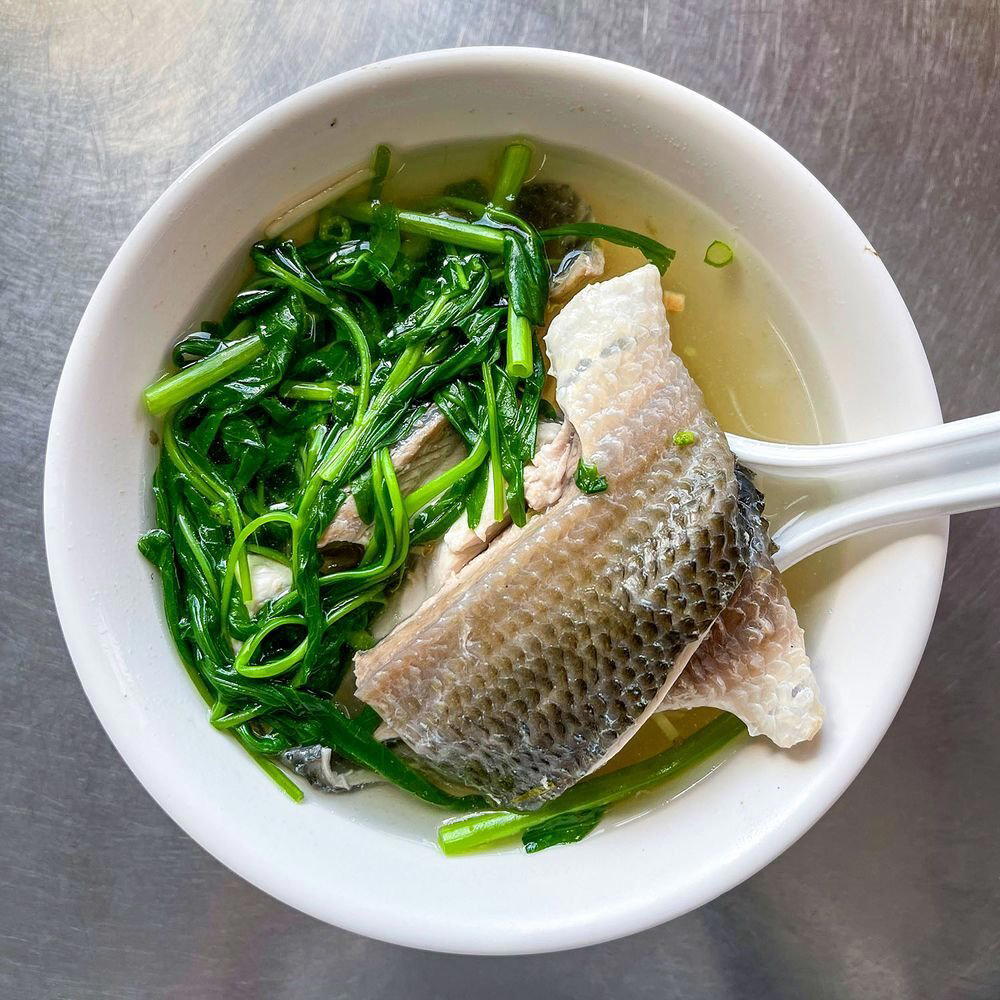
A Michelin Plate-recognised seafood address in Tainan's Jiangjun District, Feng No Seafood draws on the coastal produce that defines the area's fishing-village identity.
Pearl is the En Primeur Club membership app — saves, bookings, and concierge access live there. Same editors, same standards.
- Address
- 725, Taiwan, Tainan City, Jiangjun District, 長沙146之10號
- Phone
- +886 6 793 0637
- Website
- feng.vrworld.com.tw
- Directions
- Get directions
 Saves & bookings on Pearl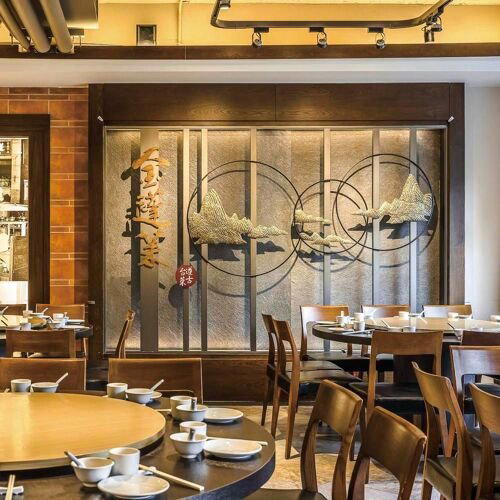
Where the Coast Comes Indoors
Jiangjun District sits at the northern edge of Tainan's administrative boundary, where the city gives way to tidal flats, aquaculture ponds, and a coastline that has shaped local eating habits for generations. The seafood culture here is not ornamental. Ingredients move from water to kitchen through supply chains that are short by design, and the physical spaces that serve them tend to reflect that economy: functional, unpretentious, oriented toward the product. Feng No Seafood operates within that tradition, a casual seafood restaurant set against a neighbourhood backdrop that prioritises catch quality over formal theatre.
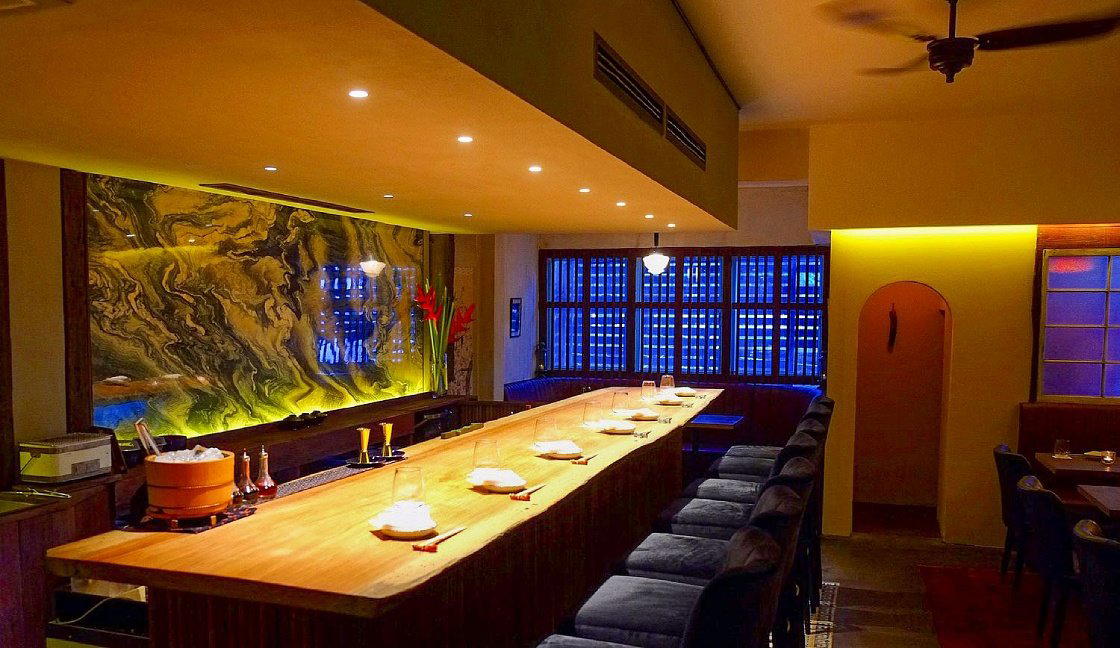
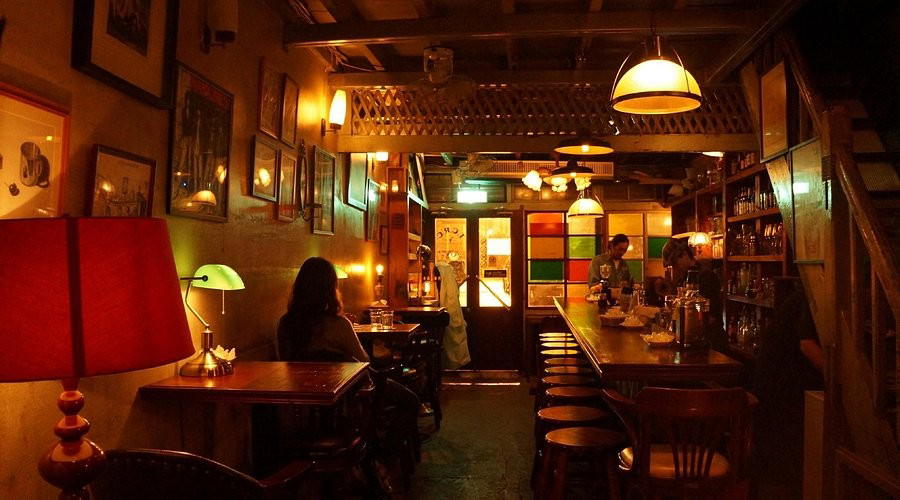
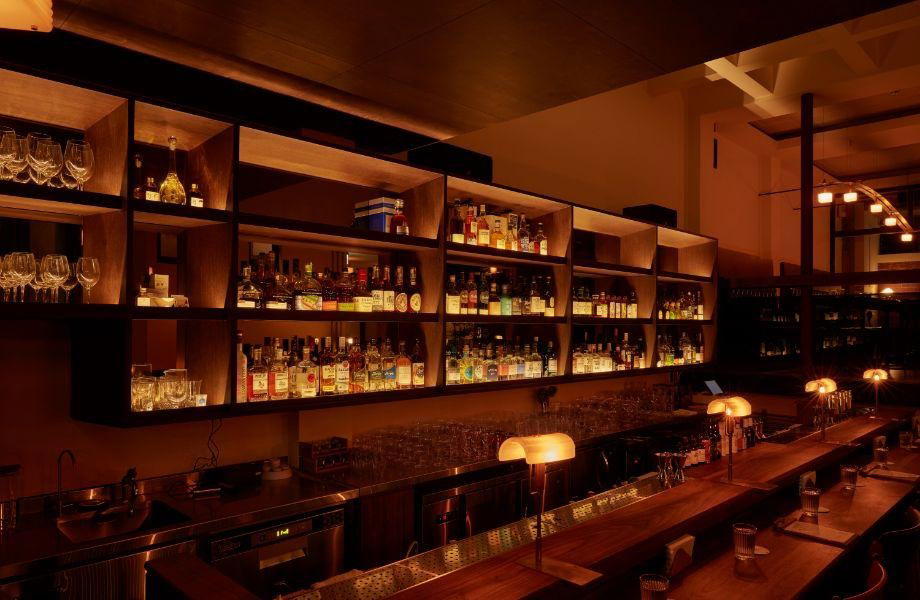
The district's character comes through in how the space is used rather than how it is decorated. Taiwanese coastal seafood restaurants in this tier typically favour clear sightlines to the kitchen, communal-scale tables suited to group ordering, and a general openness that communicates confidence in the food rather than a need to dress the experience up. The setting at Feng No reads within those norms: it is the kind of room where the conversation at the next table tends to be about what to order, not the ambient lighting. That functional clarity is itself a design statement in a dining culture where the produce earns its own attention.
Michelin Recognition in a Mid-Price Register
The 2024 Michelin Plate represents the Guide's acknowledgment of consistent quality at a price point that sits below the starred tier. In Taiwan's Michelin context, that distinction carries weight. The Guide has recognised a broad range of formats across the island, from the multi-course rooms that JL Studio in Taichung and logy in Taipei occupy, to the hawker-adjacent small eats that the Guide has championed since its Taiwan launch. Feng No sits closer to the latter end of that spectrum in terms of pricing, in the mid-range $$ tier, which makes the Plate a signal about value-to-quality ratio as much as about absolute culinary achievement.
High review counts at consistent scores in Tainan's seafood segment typically indicate a regular local base rather than tourist-driven traffic, and that distinction matters when assessing whether a restaurant's recognition reflects sustained standards. The comparison venues operating at a similar $$ price point in Tainan, including mid-range Taiwanese tables and noodle specialists, tend to cluster in the same review-volume range when they serve a neighbourhood function. Feng No fits that pattern.
Seafood as a Tainan Category
Tainan's culinary reputation rests heavily on small eats and beef soup, the registers that have driven the city's food-tourism narrative. But the seafood category operates in parallel, drawing on a coastline and lagoon system, including the Zengwen Estuary and the tidal zones of the southwest coast, that has supported aquaculture and inshore fishing for centuries. The milkfish preparations associated with Tainan, braised, porridge-style, grilled whole, represent one layer of that tradition. Broader seafood restaurants in the Jiangjun area expand into crab, shrimp, shellfish, and fin fish, calibrated to whatever the season and the local boats produce.
That seasonal calibration is worth noting against the international seafood comparison set. Restaurants like Gambero Rosso in Marina di Gioiosa Ionica, Alici Restaurant on the Amalfi Coast, and Angler in London operate within coastal-sourcing traditions that prioritise proximity between catch and plate. Feng No shares that orientation, but the register is altogether more casual, with pricing and format that reflect a local dining culture rather than a premium-destination one.
Within Taiwan's south, the relevant comparison set shifts toward venues like GEN in Kaohsiung and Akame in Wutai Township, both of which engage indigenous and regional produce from a more formal editorial position. Feng No sits at a different point on that axis: the produce is equally local, the format is considerably less ceremonial, and the price reflects that difference directly.
Ordering and What to Expect
Seafood restaurants in the Jiangjun register typically operate around a daily menu that shifts with availability. The ordering logic at this type of venue tends to reward group visits, where a table of four or more can move across multiple preparations, whole fish, shellfish by the portion, and vegetable sides, without the per-person arithmetic becoming punishing. The $$ price positioning at Feng No places a meal within reach as a main-event lunch or dinner rather than a supplementary stop.
For context on the broader Tainan seafood and Taiwanese dining tier, Black-faced Spoonbill Canteen offers a reference point at the more environmental end of the local food narrative, while Di Yi Ding represents the city's more formal banquet seafood tradition. Feng No operates between those poles, carrying Michelin recognition without the pricing or ceremony that typically accompanies it in the starred tier.
Getting There and Planning a Visit
Jiangjun District is not walkable from central Tainan. The address, on Changsha Road in a district best understood as a coastal satellite of the main city, requires a car or taxi from the historic core. That journey, typically 30 to 45 minutes depending on traffic and departure point, is part of the commitment the venue asks of visitors who are not already based in the north of the city. That geographic remove is also part of what makes the district function as a distinct food destination: the decision to go to Jiangjun for seafood is a deliberate one, not a casual detour. Visits are worth anchoring to a specific time window, since coastal seafood restaurants in this area often operate on lunch-and-dinner splits with mid-afternoon closures, though confirmed hours are not listed in the current record.
For those planning an extended southern Taiwan circuit, Volando Urai Spring Spa and Resort in Wulai District represents a contrasting northern anchor for a longer itinerary.
Just the Basics
Comparable venues nearby, for context on price, style, and recognition.
| Venue | Cuisine | Price | Notes |
|---|---|---|---|
| Feng No SeafoodThis venue — the venue you are viewing | Seafood | $$ | Not listed |
| Jyu Dim | East District, Hong Kong-style Dim Sum | $$ | Not listed |
| Hsin Hsin | Not listed | $$ | West Central District, Traditional Taiwanese |
| Zai Fa Hao | Not listed | $ | West Central District, Traditional Taiwanese Zongzi (Sticky Rice Dumplings) |
| A-Yu Beef Shabu Shabu (Kunlun Road) | Not listed | $$ | Rende District, Taiwanese Beef Shabu-Shabu Hotpot |
| Di Yi Ding | East District, Taiwanese Seafood Omakase | $$$ | Not listed |
Recognition history
Dated appearances from independent guides and award organizations, with the underlying list record or original source where available.
Michelin Plate
Michelin
Michelin Plate
Michelin
Continue exploring
More in Tainan
Restaurants in Tainan
Browse all →



At a Glance
- Lively
- Group Dining
- Casual Hangout
- Open Kitchen
- Sustainable Seafood
Current opening hours
- Monday
- 11 AM–2 PM, 5–8 PM
- Tuesday
- Closed
- Wednesday
- 11 AM–2 PM, 5–8 PM
- Thursday
- 11 AM–2 PM, 5–8 PM
- Friday
- 11 AM–2 PM, 5–8 PM
- Saturday
- 11 AM–2 PM, 5–8 PM
- Sunday
- 11 AM–2 PM, 5–8 PM
Hours can change for holidays and private events. Last verified .