
Michelin Bib Gourmand
Our verdict
Cheng Shi is a Michelin Bib Gourmand-recognised noodle shop on Ximen Road in Tainan's West Central District, awarded consecutive Bib Gourmand distinctions in 2024 and 2025. It sits within a city where noodle culture runs deeper than almost anywhere else in Taiwan, offering a low-price, high-craft entry point that Michelin inspectors have now twice singled out from a crowded field.

Pearl is the En Primeur Club membership app — saves, bookings, and concierge access live there. Same editors, same standards.
The menu
What to order
- Egg Noodles with Clams
- All-Natural Egg Noodle Soup
A Lane Off Ximen Road
Ximen Road cuts through the heart of Tainan's West Central District, a corridor that has accumulated more eating institutions per block than almost any comparable stretch in Taiwan. The lane addresses along it — narrow, often unmarked to newcomers — tend to house the kind of operation that has outlasted trendier neighbours by decades. Cheng Shi sits at one of these lane entries, the address precise but the approach unhurried: you find it by walking slowly, reading the crowd, and trusting that a queue, however modest, usually means you're in the right place.
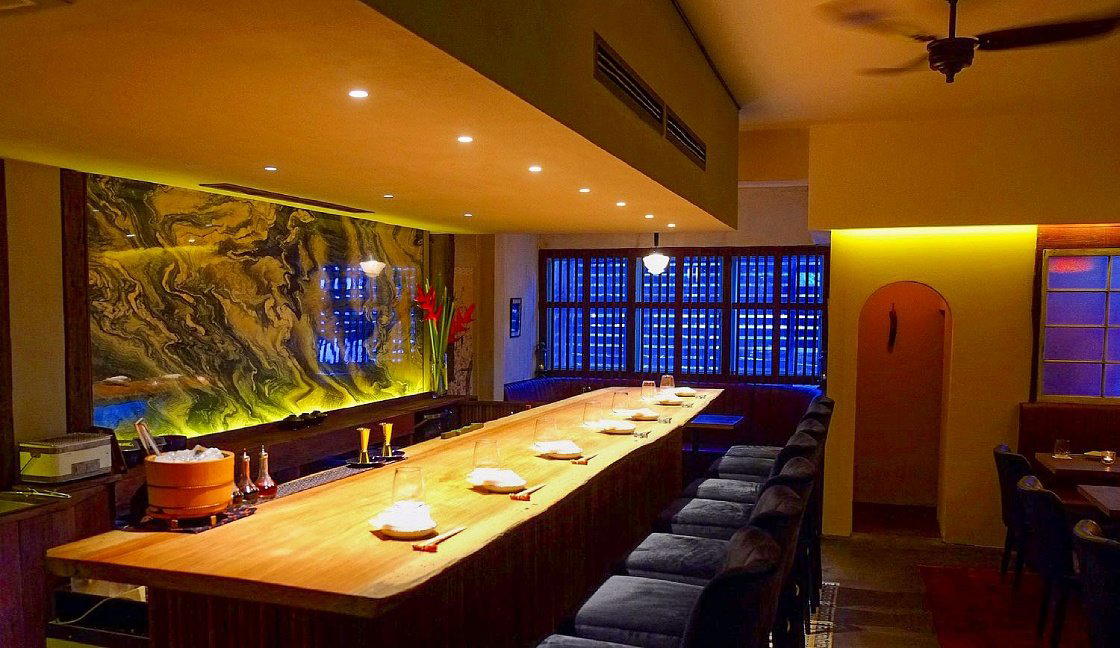
The physical scale is typical of Tainan's serious noodle shops: compact, functional, with the attention directed toward the kitchen and the bowls emerging from it rather than the room. This is not a space that has been designed for photographs. It has been organised for throughput and repetition, the two qualities that most reliably produce consistency in a bowl of noodles over years of service.
What Noodles Mean in Tainan
To understand Cheng Shi's position in the city's eating hierarchy, it helps to understand what noodles represent in Tainan more broadly. This is a city where the breakfast decision is often a noodle decision, where the late-night option is frequently a noodle option, and where the argument about whose version of a given style is definitive can run for generations without resolution. Tainan's noodle culture is more fragmented than Taipei's, less codified by a single dominant style, which means individual shops carry a heavier burden of specificity. Each one has to be good at something precise, not merely good at noodles in general.
The city's broader food reputation is built on exactly this kind of granular excellence. Small Park Danzai Noodles represents the danzai tradition that Tainan effectively owns nationally. Jai Mi Ba operates at a slightly higher price point in the same noodle category, demonstrating that the format can stretch across tiers without losing its essential character. Cheng Shi sits at the lower end of that price spectrum, in the single-dollar range, which makes its consecutive Michelin recognition all the more pointed as a curatorial statement.
The Bib Gourmand Signal and What It Implies
Michelin's Bib Gourmand category was designed precisely for this tier of eating: good cooking, accessible pricing, a value proposition that the inspectors consider worth recording alongside the starred restaurants. In Taiwan, where the Michelin Guide has expanded its coverage of street-level and market dining more aggressively than in most guide territories, the Bib Gourmand functions as a meaningful competitive filter rather than a consolation bracket. Cheng Shi earned the distinction in both 2024 and 2025, which matters more than a single year's selection. Consecutive recognition suggests the inspectors returned and found the same quality, not a one-season outlier.
For context, the broader Taiwanese Michelin ecosystem includes starred restaurants such as JL Studio in Taichung, logy in Taipei, and GEN in Kaohsiung, multi-course, high-investment formats operating at the opposite end of the price scale. The Bib Gourmand tier where Cheng Shi lands is its own distinct conversation, one about whether a bowl produced at volume, at low cost, at pace, can hold the same standard of craft that a tasting menu achieves through deliberation and scarcity. In Tainan's leading noodle shops, it can.
The spread matters. A 4.4 built on 858 ratings is a harder number to achieve than a 4.7 built on forty.
How to Eat Here
The editorial angle that frames a bowl of noodles as a tasting progression may seem like a stretch at this price tier, but Tainan's noodle culture rewards sequential attention. The progression at a shop like Cheng Shi tends to follow a simple logic: broth first (its clarity or opacity, its salt level and depth), then noodle texture (whether the cook has judged the timing correctly for the thickness of strand being used), then the balance of garnish and topping relative to what's underneath. These are not dramatic revelations, but they are the markers that separate a shop worth returning to from one that satisfies once and then fades from memory.
The $-tier pricing means a complete meal here costs a fraction of what comparable noodle shops in more tourist-facing cities charge for a single bowl. It also means the shop's economics depend on volume and efficiency, which in turn rewards visiting during off-peak hours if you prefer to eat without a crowd at your shoulder. The West Central District sees significant foot traffic through the midday hours; early lunch or a late-afternoon arrival tends to move faster.
For visitors constructing a broader itinerary around Tainan's small-eats circuit, Cheng Shi sits logically alongside A Cun Beef Soup (Baoan Road) and A Hai Taiwanese Oden as part of a sequence rather than a standalone destination. Tainan's serious eaters rarely limit themselves to a single stop; the portion sizes and price points are calibrated for repetition across an afternoon or evening. The city itself rewards this approach in a way that few other Taiwanese cities do at street level.
For those tracking noodle culture across the region, comparable Michelin-recognised formats operate at [A Bing Bao Shan Mian in Hangzhou](), [A Kun Mian in Taichung](), and A Niang Mian Guan in Shanghai, each a different regional inflection on the same core argument that a disciplined noodle shop can achieve something inspectors consider worth documenting.
Other Tainan spots worth folding into a longer stay include BUĒ MI. LAB for a more contemporary local lens. For planning the full visit, our Tainan restaurants guide, [hotels guide](), [bars guide](), [wineries guide](), and experiences guide cover the city across categories. Further afield in Taiwan, Akame in Wutai Township and Volando Urai Spring Spa and Resort in Wulai District represent very different ends of the island's hospitality range.
Practical Notes
Cheng Shi is at No. 12, Lane 702, Section 1, Ximen Road, West Central District, Tainan. Phone and website are not publicly listed in the sources available to us. Pricing is in the single-dollar range, consistent with the city's low-cost noodle shop tier. No booking is expected or possible at this format; arrival and queuing is the standard approach.
Frequently asked questions
Is Cheng Shi more mid-range or high-end?
Pricing at Cheng Shi is listed as $.
Is Cheng Shi award-winning?
Cheng Shi has received recognition including: Michelin Bib Gourmand (2025); Michelin Bib Gourmand (2024).
What should I eat at Cheng Shi?
Cheng Shi earned back-to-back Michelin Bib Gourmand recognition in 2024 and 2025 as a noodle shop, so the bowl is the core of any visit. Tainan's noodle tradition runs toward smaller, more intensely seasoned portions than the north of Taiwan, which shapes how a table here typically orders — multiple rounds rather than one large serving. Specific menu items shift, so arriving without a fixed agenda and ordering by what's moving fastest at neighbouring tables is a reliable approach at this price tier.
Where exactly is Cheng Shi?
Cheng Shi is located at No. 12號, Lane 702, Section 1, Ximen Rd, West Central District, Tainan City, Taiwan 700401, Tainan.
How hard is it to get a table at Cheng Shi?
At the $ price tier, Cheng Shi operates on turnover rather than reservations — there is no booking system documented. Bib Gourmand listings in Taiwanese cities tend to sharpen queues noticeably after the guide drops, and Cheng Shi has held the recognition two consecutive years. Lane-side noodle counters in Tainan's West Central District move quickly, but arriving at off-peak hours remains the most practical way to avoid a wait.
Comparable Spots, Quickly
| Venue | Cuisine | Price | Awards |
|---|---|---|---|
| Cheng ShiThis venue (the venue you are viewing) | Taiwanese Pot Burn Noodles | Not listed | Michelin Bib Gourmand |
| A Xing Shi Mu Yu | Taiwanese Milkfish Specialist | $10–20 | Michelin Bib Gourmand |
| Amei | Traditional Taiwanese Banquet | $20–30 | Michelin Bib Gourmand |
| Jai Mi Ba | Taiwanese-French Fusion Noodles | $1–10 | Michelin Bib Gourmand |
| L'herbe | Contemporary French with Taiwanese Fusion | $50–100 | Michelin Plate |
| Principe | Modern Taiwanese-French Fusion | $100–150 | Michelin Plate |
Recognition history
Dated appearances from independent guides and award organizations, with the underlying list record or original source where available.
Michelin Bib Gourmand
Michelin
Full recognition history (3 entries)
Michelin Bib Gourmand
Michelin
Michelin Bib Gourmand
Michelin
Continue exploring
More in Tainan
Restaurants in Tainan
All restaurants in Tainan →
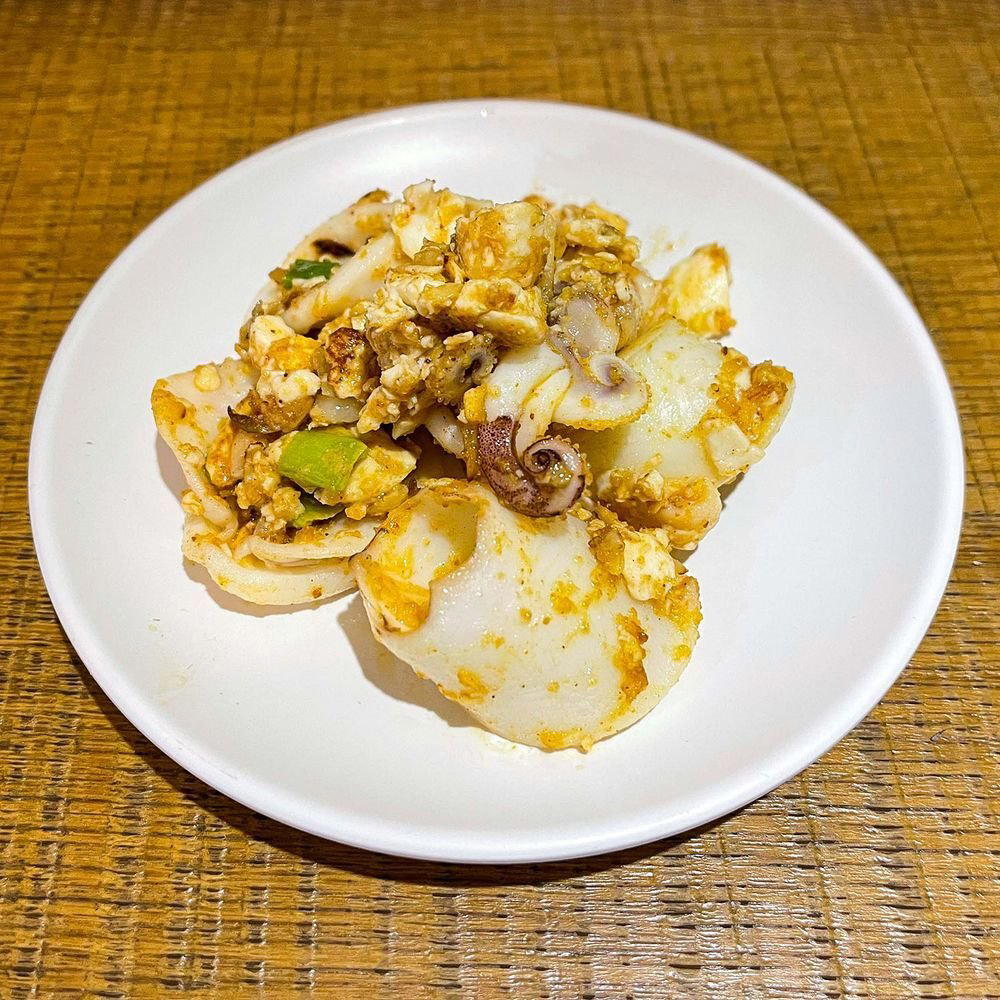
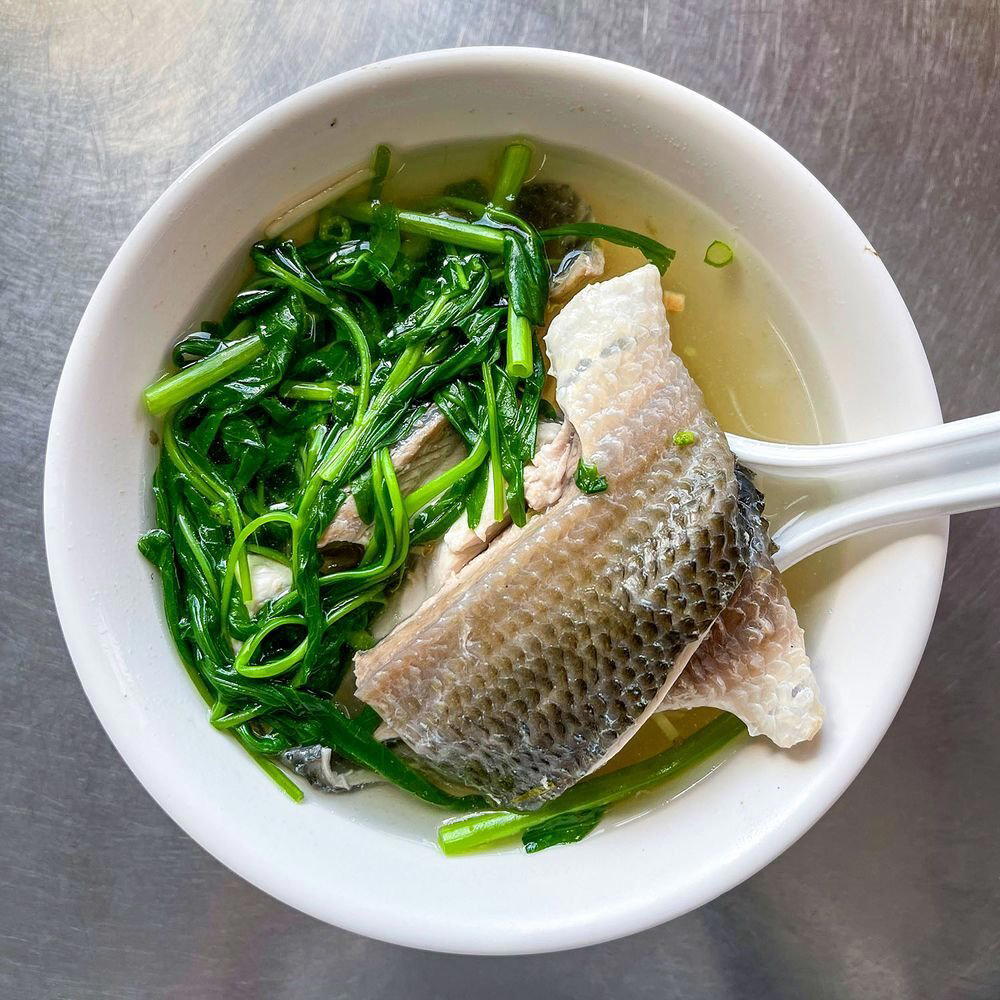
Bars in Tainan
All bars in Tainan →
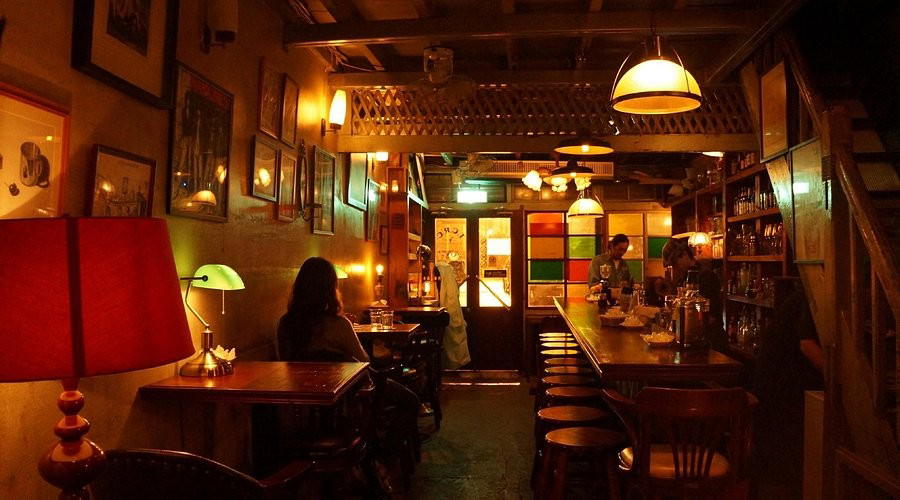
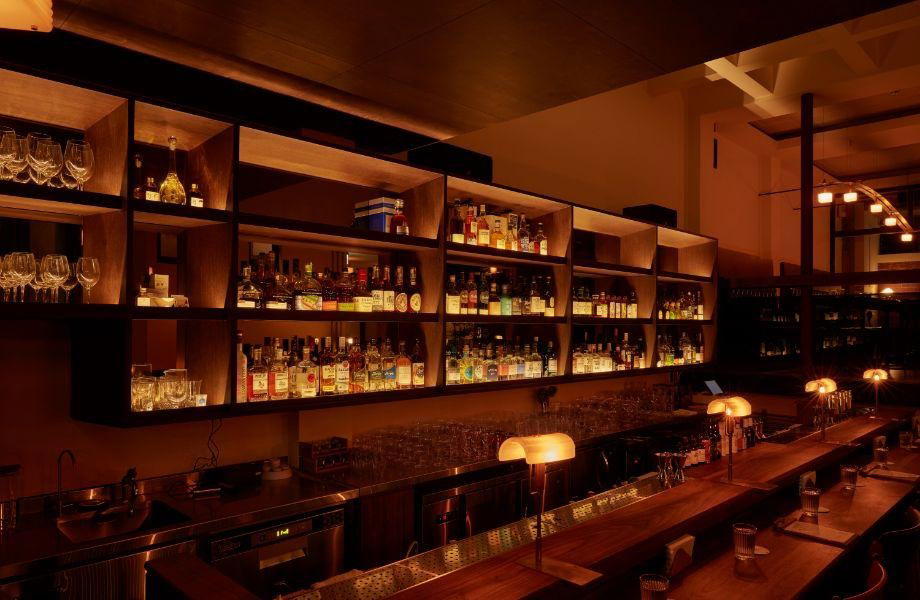



Details
- Cozy
- Casual Hangout
- Open Kitchen
- Local Sourcing
- A La Carte
Current opening hours
- Monday
- 11 AM–2 PM, 4–8 PM
- Tuesday
- 11 AM–2 PM, 4–8 PM
- Wednesday
- 11 AM–2 PM, 4–8 PM
- Thursday
- 11 AM–2 PM, 4–8 PM
- Friday
- 11 AM–2 PM, 4–8 PM
- Saturday
- 11 AM–2 PM, 4–8 PM
- Sunday
- 11 AM–2 PM, 4–8 PM
Hours can change for holidays and private events. Last verified .
Unadorned and practical with warm lighting, counter seating, wooden benches, open kitchen view, and functional sounds of cooking.