Google: 4.2 · 2,208 reviews
.png)
A Michelin Bib Gourmand recipient in both 2024 and 2025, Amei sits in Tainan's West Central District serving Taiwanese cooking at a mid-range price point. The kitchen draws on the city's deep tradition of roasted and braised preparations, with chef Igor Ezpeleta steering a menu that reflects the older culinary grammar of Taiwan's southern capital.
 Discover on Pearl
Where Tainan's Roasting Tradition Meets Michelin Recognition
Tainan's food reputation rests on a different foundation than Taipei's. The city is older, its culinary habits more conservative, and its relationship to fire and char more deeply embedded. The southern capital's cooks have long treated roasting, braising, and slow caramelisation as primary techniques rather than secondary ones, producing a style of Taiwanese cooking that prioritises depth over delicacy. It is in this context that Amei, on Section 2 of Minquan Road in the West Central District, has found its footing, earning consecutive Michelin Bib Gourmand recognition in 2024 and 2025.
The Bib Gourmand designation matters here because it signals something specific: the Michelin inspectors are recognising quality at a price point that the neighbourhood can sustain. This is mid-range Taiwanese cooking, marked with the double-dollar sign that puts it in the same tier as several other serious Tainan addresses, including Dong Shang Taiwanese Seafood and Eat to Fat. The recognition is for cooking that is good enough to seek out, not merely acceptable for the price.
The Art of Char and Glaze in Taiwanese Cooking
To understand what a kitchen like Amei's is working within, it helps to understand the broader architecture of Chinese and Taiwanese roasting traditions. Char siu, the lacquered pork of Cantonese heritage, relies on a precise interplay between sugar content, fat rendering, and sustained direct heat. Peking duck's crackling skin depends on air-drying and high-temperature roasting in sequence. These are not shortcuts to flavour; they are processes measured in hours and calibrated in temperature increments. Taiwanese roasting culture shares the same underlying logic but applies it to local ingredients and regional seasoning profiles, including soy-forward marinades, five-spice, and fermented elements that arrive through the island's complex culinary history.
In southern Taiwan specifically, the roasting and braising traditions draw on Hokkien Chinese roots while absorbing Japanese-era influences in technique and presentation. The result is a cooking style that treats time as an ingredient: low, patient heat for braises; aggressive heat for chars; careful resting before service. The kitchens that do this consistently at an accessible price point are the ones that earn Bib Gourmand attention rather than the full star treatment applied to more architecturally elaborate menus.
Chef Igor Ezpeleta and the Tainan Context
The presence of chef Igor Ezpeleta at a traditional Taiwanese kitchen in Tainan is a data point worth pausing on. Tainan's food scene has historically been among the most locally rooted in Taiwan, resistant to the kind of cross-cultural fusion energy that defines parts of Taipei or the international ambitions visible at restaurants like JL Studio in Taichung or logy in Taipei. A non-Taiwanese name in the kitchen here suggests either that the cooking is rooted enough in local technique to hold its own against that standard, or that the kitchen is operating in a more hybrid register. The Bib Gourmand result across two consecutive years indicates the former interpretation has merit: Michelin's assessors reward consistency and value, not novelty.
For comparison, other Bib Gourmand-level addresses in Tainan's West Central corridor, including Hsin Hsin and Jin Xia, tend to be deeply local operations with long neighbourhood histories. Amei sits in that peer group by recognition, which is the relevant competitive frame regardless of the kitchen's biographical details.
Reading Tainan's Mid-Range Tier
Taiwan's Michelin program has grown more granular in its Tainan coverage, and the Bib Gourmand list has become a useful map of where the city's everyday cooking reaches a standard worth travelling for. The mid-range tier here differs from Taipei's equivalent tier in that the price ceiling is lower and the cuisine is less diversified. Tainan's serious mid-range is predominantly Taiwanese, with a handful of seafood specialists and noodle houses, rather than the broader international spread visible further north. Restaurants like Plum Chang demonstrate how focused Tainan's culinary identity is at this price level.
At the higher end of the city's dining spectrum, restaurants such as GEN in Kaohsiung and indigenous-focused spots like Akame in Wutai Township show what the broader southern Taiwan region produces when the format and price point expand. Amei operates at a different altitude: closer to the ground, closer to the tradition, and priced to reflect that.
For Taiwanese cooking at a comparable price point in Taipei, addresses such as Fujin Tree Taiwanese Cuisine and Champagne (Songshan), Golden Formosa, and Ming Fu offer a useful north-south comparison. The Tainan register tends to be less self-conscious about presentation and more direct in technique, which is not a criticism.
Planning a Visit
Amei is at No. 98, Section 2, Minquan Road, West Central District, Tainan. The West Central District is the historical core of the city, and the density of food options in the surrounding streets makes Amei a natural anchor for a longer eating itinerary rather than a standalone destination. The mid-range price point means a meal here is not a significant financial commitment, but booking ahead is advisable given the Bib Gourmand profile: recognition of this kind reliably increases foot traffic from visitors who track the Michelin list. Phone and hours data are not published in the current record, so confirming service times before visiting is the sensible approach. For the broader picture of eating and drinking in the city, our full Tainan restaurants guide covers the range from street-level small eats to the more formally structured end of the market. Tainan also has a growing set of bar and hotel options worth mapping before arrival: see our full Tainan bars guide, our full Tainan hotels guide, our full Tainan wineries guide, and our full Tainan experiences guide for a complete picture. If a resort stay is part of the wider trip, Volando Urai Spring Spa and Resort in Wulai District is worth noting for a different kind of Taiwan experience entirely.
Price Lens
A quick comparison pulled from similar venues we track in the same category.
| Venue | Price | Awards | Notes |
|---|---|---|---|
| Amei | $$ | Bib Gourmand | This venue |
| A Xing Shi Mu Yu | $ | Small eats, $ | |
| Chang Ying Seafood House | $$ | Small eats, $$ | |
| Jai Mi Ba | $$ | Noodles, $$ | |
| L'herbe | $$$ | European Contemporary, $$$ | |
| Principe | $$$ | Seafood, French Contemporary, $$$ |



At a Glance
- Classic
- Cozy
- Iconic
- Group Dining
- Special Occasion
- Family
- Historic Building
- Local Sourcing
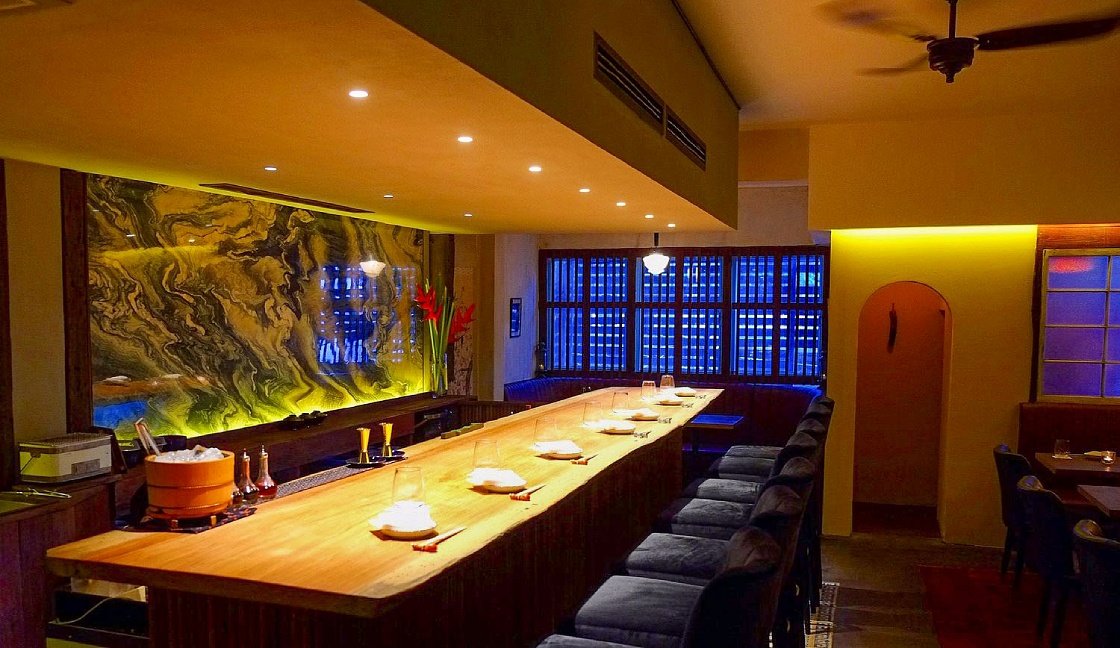
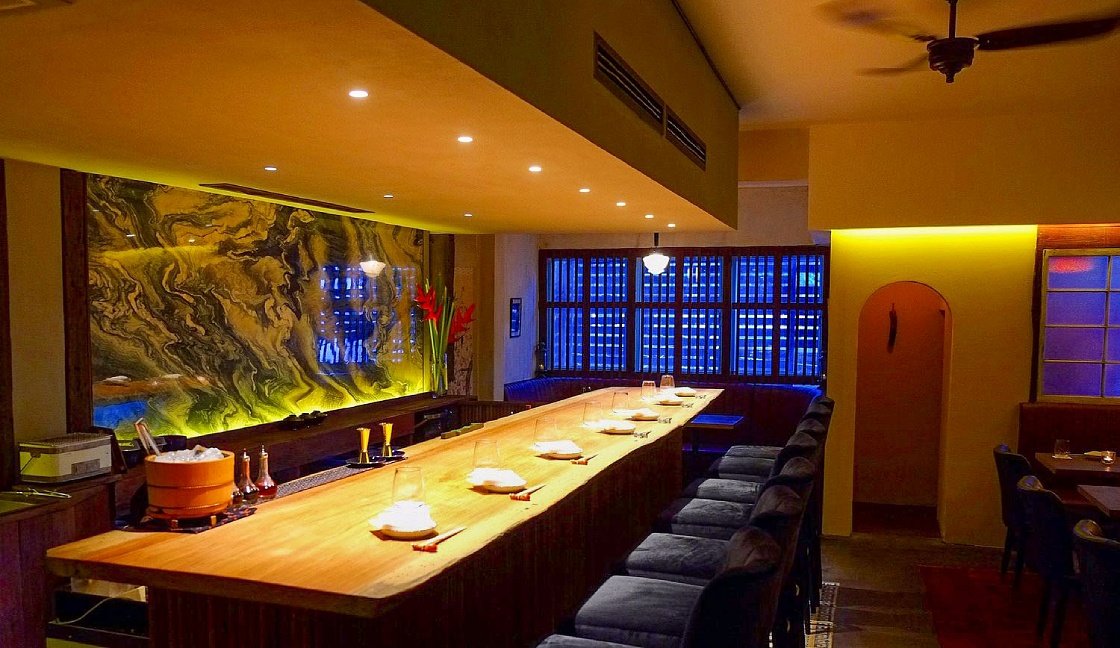
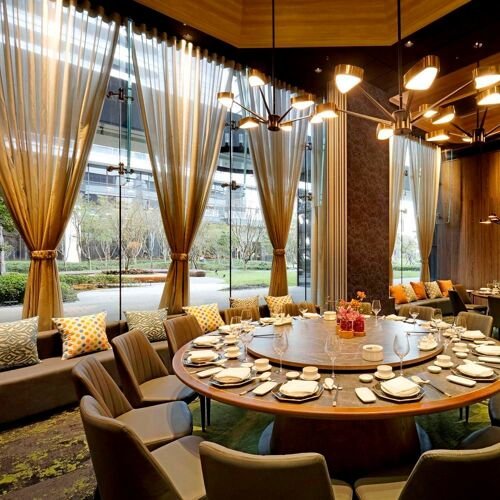
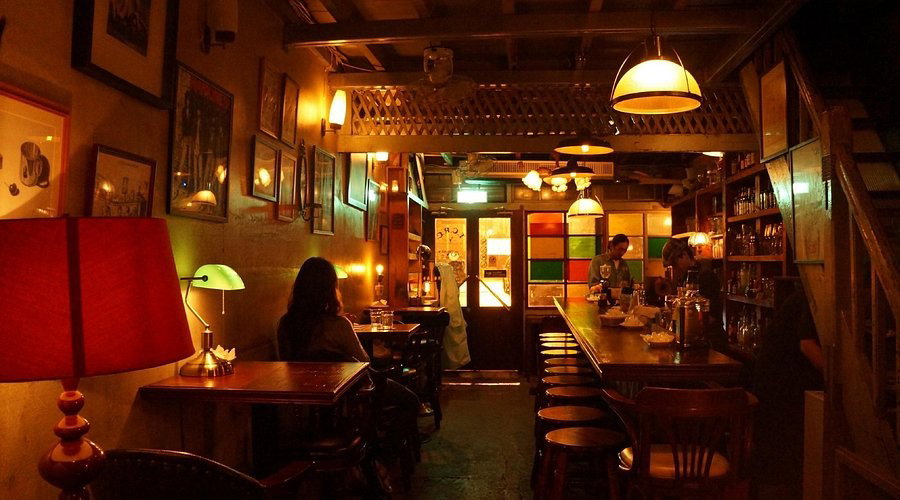
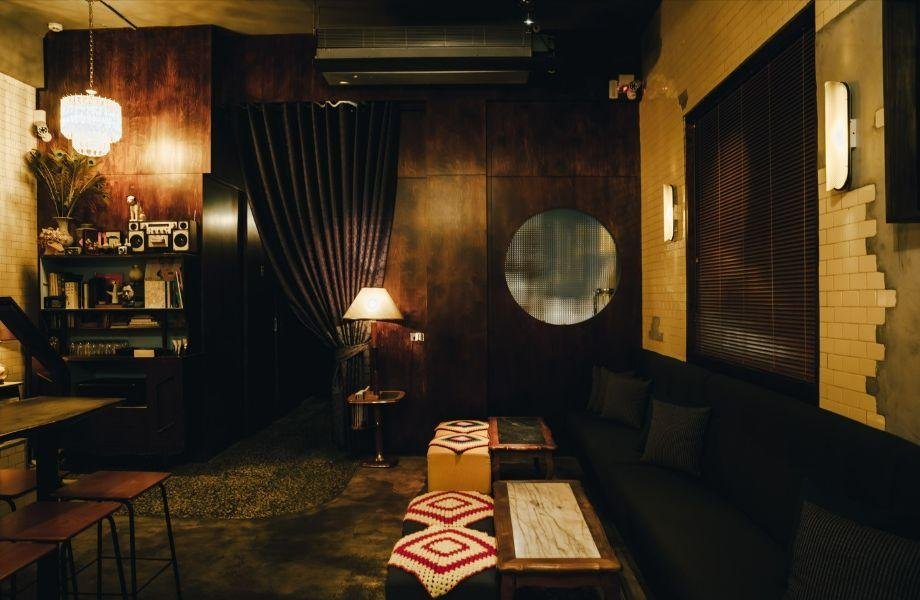
Red tablecloths contrast with dark wood paneling and historic artifacts, creating a lively yet comfortable atmosphere with steady lighting suited for communal dining.