Our verdict
Di Paolo Garibaldi sits along Rodovia BR-470 in Garibaldi, a Rio Grande do Sul town whose Italian immigrant heritage shapes everything from the local dialect to what ends up on the table. The restaurant operates within that tradition, positioning itself as a destination for the kind of cooking that the Serra Gaúcha's colonial past produced. Garibaldi's wine country setting adds further context for visitors approaching from the broader region.

Pearl is the En Primeur Club membership app, where members save venues, book tables and use the concierge.
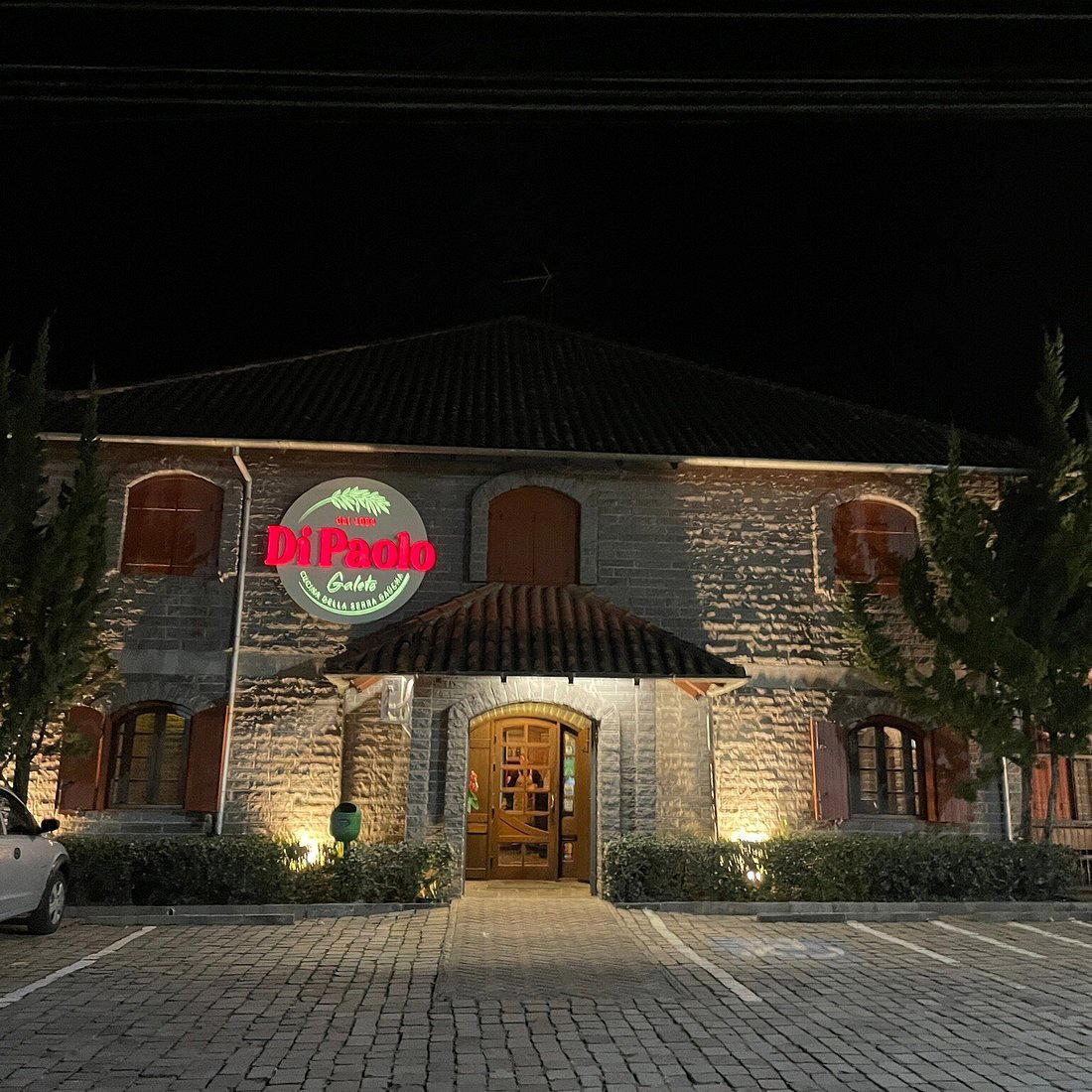
Where Italian Immigrant Culture Became Its Own Cuisine
The Serra Gaúcha region of Rio Grande do Sul is one of Brazil's more specific culinary cases. When Italian immigrants arrived in the late nineteenth century, largely from Veneto and Trentino, they brought agricultural habits and cooking instincts that found new expression in a landscape that was simultaneously familiar in its cool climate and entirely foreign in its ingredients. What emerged over the following century was not Italian food transplanted intact, but something that absorbed local produce, local circumstance, and local character. Garibaldi sits at the centre of that story: a municipality that has built a regional identity around wine production and the culture that surrounds it, and whose restaurants tend to read as evidence of that layered inheritance rather than attempts to replicate something from elsewhere.
Di Paolo Garibaldi occupies a position on Rodovia BR-470 at Kilometre 221.6, in the Tamandaré district, which already signals something about how the town operates. Garibaldi's dining scene is not concentrated into a single pedestrian quarter; it spreads across the municipality in a way that reflects the agricultural rhythm of the region. Arriving along BR-470 situates the visitor in working wine country, not in a manicured tourist zone, and that context matters for understanding what this kind of restaurant represents in a broader pattern of Serra Gaúcha hospitality.
The Garibaldi Dining Context
Brazil's most discussed restaurants cluster in São Paulo and Rio de Janeiro. D.O.M. in São Paulo and Oteque in Rio de Janeiro represent the country's highest-profile modern Brazilian cooking, operating at the $$$$ tier and drawing an internationally aware dining public. Garibaldi operates in a different register entirely. The town's restaurants are not competing for placement on the World's 50 Best list; they are serving communities and visitors whose frame of reference is regional tradition, local produce, and the particular grammar of Italo-Brazilian cooking that the Serra Gaúcha developed on its own terms.
That grammar is worth understanding before arriving. The core of Serra Gaúcha Italian-heritage cooking tends toward handmade pasta, cured meats, and preparations that reflect Veneto and Lombard ancestry filtered through decades of local adaptation. Polenta is common; so are slow-braised cuts and wine-forward sauces that make sense alongside the region's own Merlot and Moscato production. Garibaldi is, alongside Bento Gonçalves and Caxias do Sul, one of the municipalities that shaped this tradition, and its restaurants carry that institutional weight. For comparison, visitors interested in how Italian culinary heritage has taken different shapes across Brazil's south might look at Olivetto Restaurante E Enoteca in Campinas, which addresses a similar heritage from a different regional starting point.
Within Garibaldi itself, the dining scene includes a range of options that sit within this tradition at different points of formality. For a broader view of what the town offers, our full Garibaldi restaurants guide covers the range in detail.
Regional Cooking in a Wine Country Setting
The Serra Gaúcha is Brazil's most developed wine region, and Garibaldi functions partly as a gateway to that wine infrastructure. The proximity to vineyards and cooperatives shapes how restaurants in the municipality approach the table, with local wine pairings forming a natural part of any serious meal. This is a pattern visible at other wine-adjacent dining destinations in Brazil's south, and it distinguishes the Serra Gaúcha from regions where food and beverage are considered separately. Visitors arriving with an interest in how wine culture intersects with immigrant culinary tradition will find Garibaldi more coherent as a destination than a single-restaurant visit would suggest.
That coherence extends to the regional comparison set. The southern Brazilian Italian-heritage tradition stands apart from the Italian-inflected cooking found in São Paulo's northeastern suburbs or in cities like Curitiba, where immigrant heritage overlaps with a broader urban dining culture. In the Serra Gaúcha, the tradition is more contained, more specific to local agriculture, and more insulated from the cosmopolitan influences that reshape urban menus. Restaurants in Garibaldi tend to operate within that specificity as a point of integrity rather than limitation.
For travellers using the Serra Gaúcha as a broader circuit, nearby options include Primrose in Gramado and Castelo Saint Andrews in Vale do Bosque, both of which address the region's hospitality tradition from different angles. Further afield, Mina in Campos do Jordão offers a point of comparison for how mountain-climate food culture develops in Brazil's southeast, while Manga in Salvador, Birosca S2 in Belo Horizonte, and Orixás North Restaurant in Itacaré illustrate how differently Brazilian regional cooking can read when the underlying cultural inheritance is Afro-Brazilian rather than European-immigrant. The contrast underlines what makes the Serra Gaúcha distinctive rather than simply provincial.
Planning a Visit
Di Paolo Garibaldi is located at Rodovia BR-470, Kilometre 221.6, in the Tamandaré district of Garibaldi, Rio Grande do Sul, CEP 95720-000. Given the restaurant's position along a main highway corridor rather than in the town centre, arriving by car is the practical approach for most visitors. The Serra Gaúcha as a whole rewards a multi-day itinerary, and pairing a meal at Di Paolo with visits to local wineries and cooperatives will give the most complete reading of what the region produces. Current pricing and seasonal hours should be verified directly; wine country restaurants in this area commonly adjust their schedules around harvest periods and local festivals, of which Garibaldi hosts several across the calendar year.
Frequently asked questions
Is Di Paolo Garibaldi suitable for children?
The Serra Gaúcha region's Italian-immigrant culinary tradition is rooted in generous, communal-style eating, and restaurants in Garibaldi typically reflect that family-centred culture. Di Paolo's address on Rodovia BR-470 in the Tamandaré district, accessible by car rather than a dense urban centre, also suggests a setting oriented toward unhurried meals rather than a strict fine-dining format.
What should I expect atmosphere-wise at Di Paolo Garibaldi?
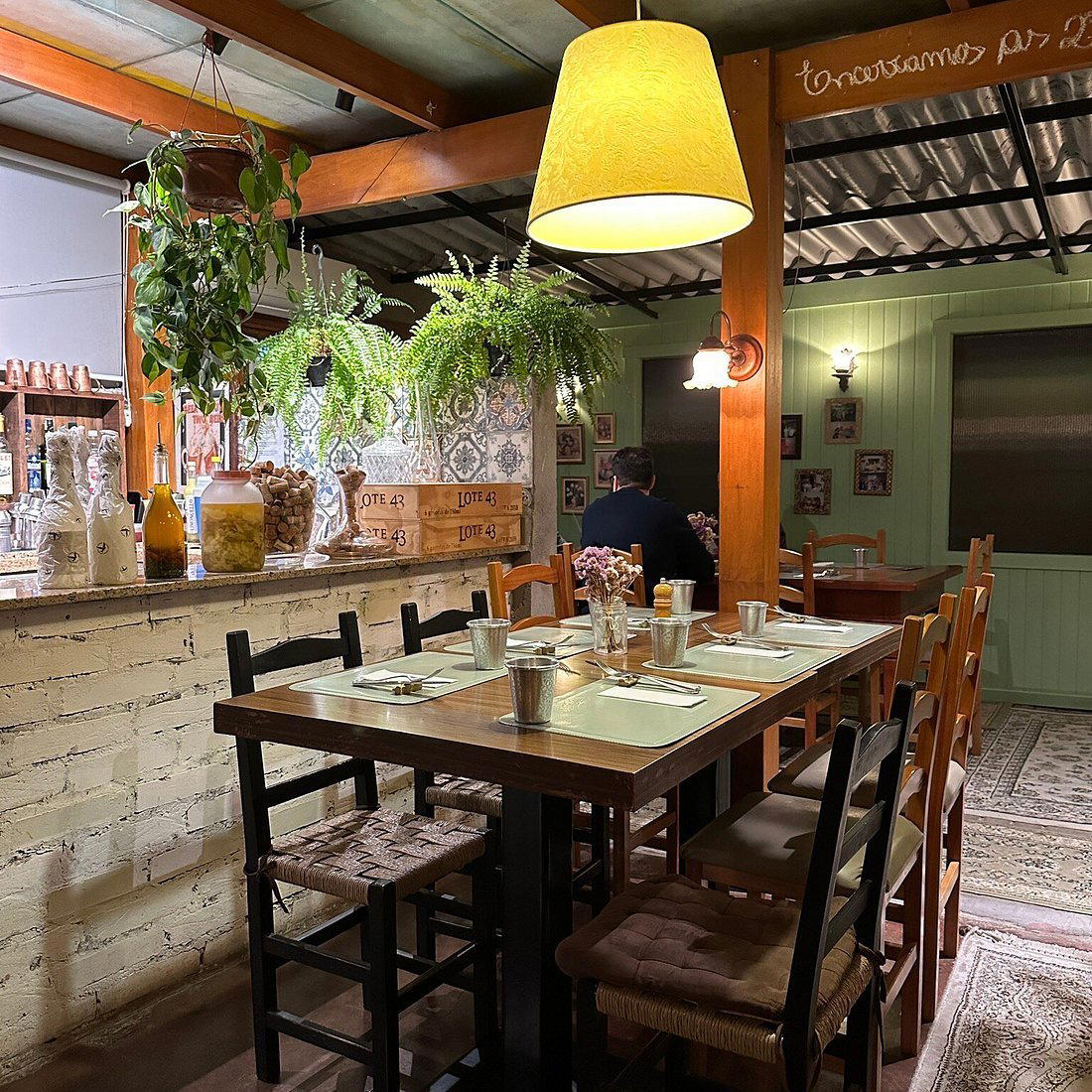
Di Paolo sits on Rodovia BR-470 at Kilometre 221.6 in Garibaldi, a town whose identity is shaped by late-nineteenth-century Italian immigration and the surrounding vineyard infrastructure of the Serra Gaúcha. That geography tends to produce a particular kind of dining room: grounded in regional pride, closer to a family-run cantina than an urban showcase. Expect a setting that foregrounds local produce and wine-country context over spectacle.
Does Di Paolo Garibaldi offer wine from the Serra Gaúcha region?
Garibaldi sits at the centre of Brazil's most developed wine region, and the Serra Gaúcha produces the majority of the country's commercially bottled wine, with sparkling wine a particular local speciality. Restaurants along the BR-470 corridor in this area routinely draw from nearby producers in Garibaldi, Bento Gonçalves, and Monte Belo do Sul.
What's the signature dish at Di Paolo Garibaldi?
The restaurant operates within the Serra Gaúcha's Italian-Brazilian culinary tradition, where cured meats, house-made pasta, polenta, and local wine pairings have been central to the regional table since the immigrant settlements of the 1880s. Visiting guests should expect the menu to reflect seasonal and local production from Rio Grande do Sul.
What's Di Paolo Garibaldi's location?
Di Paolo Garibaldi is located at Rodovia BR-470 / Km 221,6 - Tamandaré, Garibaldi - RS, 95720-000, Brazil, Garibaldi.
Cost Snapshot
| Venue | Cuisine | Price | Awards | Notes |
|---|---|---|---|---|
| Di Paolo GaribaldiThis venue (the venue you are viewing) | Traditional Italian Galeto | $20–30 | Not listed | Not listed |
| Oteque | Modern Seafood Fine Dining | $100–150 | 1 Michelin Star · World's 50 Best #38 | Modern Brazilian, Modern Cuisine |
| D.O.M. | Modern Brazilian Amazonian Fine Dining | $150–200 | 2 Michelin Stars · World's 50 Best #74 | Modern Brazilian, Creative |
| Evvai | Modern Italian-Brazilian Fusion | $200–300 | 3 Michelin Stars · World's 50 Best #95 | Contemporary Italian, Modern Cuisine |
| Lasai | Modern Brazilian Fine Dining | Not listed | 2 Michelin Stars · World's 50 Best #28 | Regional Brazilian, Modern Cuisine |
| Maní | Modern Creative Brazilian | $50–100 | 1 Michelin Star · World's 50 Best #67 | Brazilian - International, Creative |
Continue exploring
More in Garibaldi
Restaurants in Garibaldi
All restaurants in Garibaldi →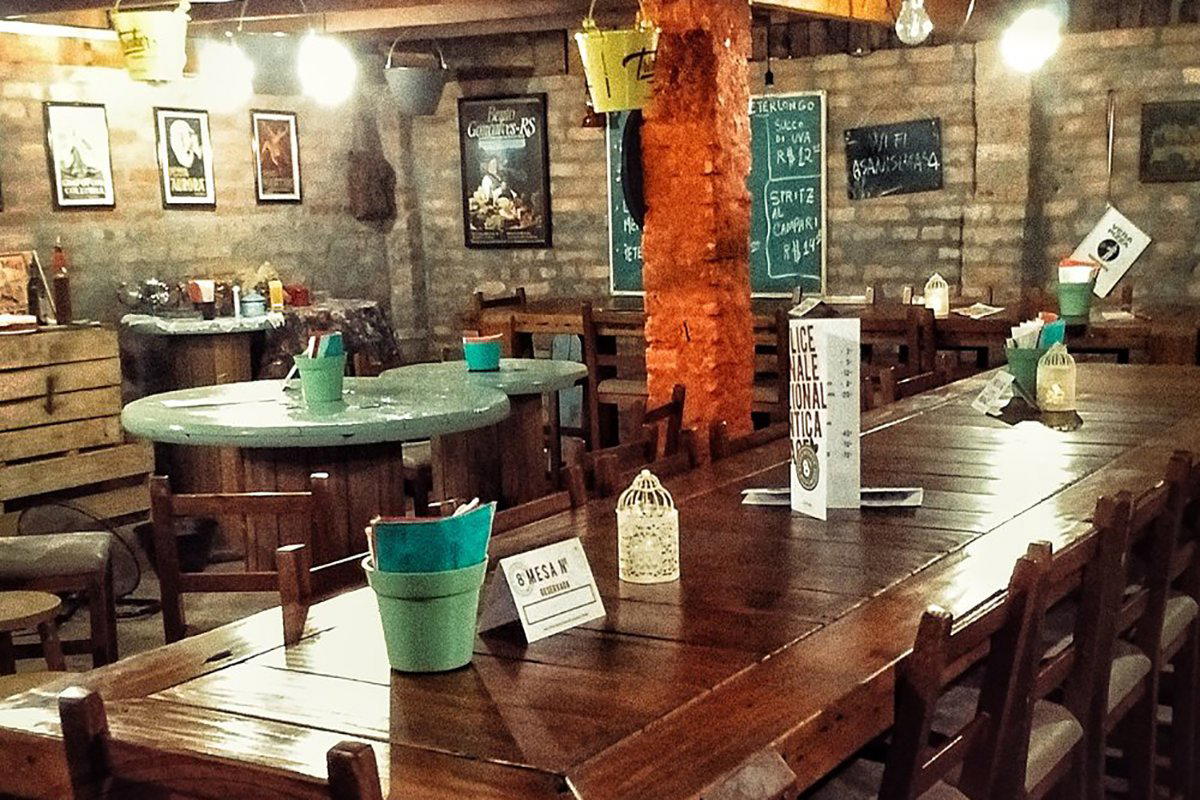
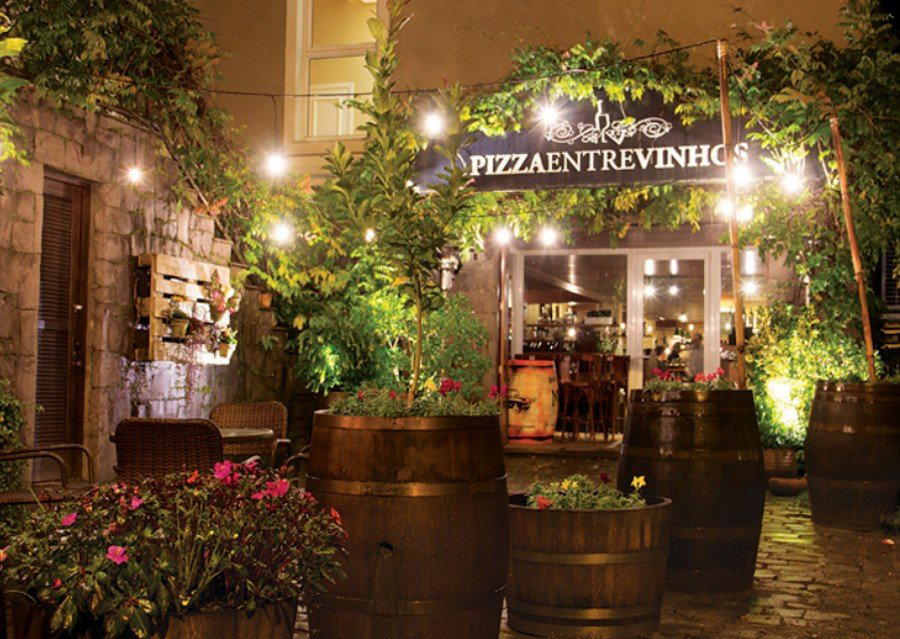
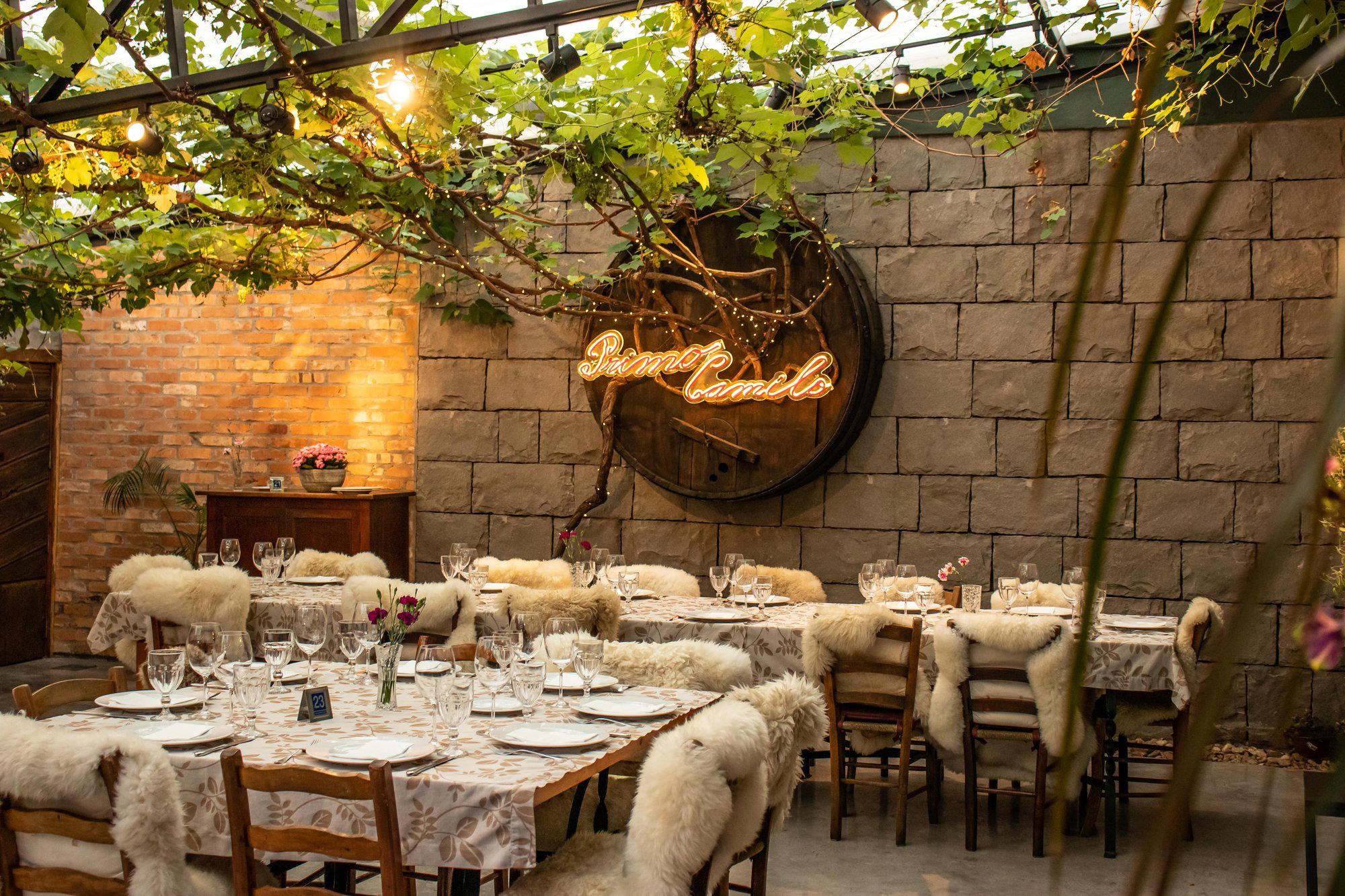
Wineries in Garibaldi
Browse all →

Details
- Classic
- Cozy
- Family
- Group Dining
- Celebration
- Open Kitchen
- Garden
Current opening hours
- Monday
- 11:30 AM–10 PM
- Tuesday
- 11:30 AM–10 PM
- Wednesday
- 11:30 AM–10 PM
- Thursday
- 11:30 AM–10 PM
- Friday
- 11:30 AM–10 PM
- Saturday
- 11:30 AM–10 PM
- Sunday
- 11:30 AM–3:30 PM
Hours can change for holidays and private events. Hours as of .
Pleasant environment with potential dramatic views of green forest from some tables, warm and traditional Italian immigrant atmosphere.