On a narrow street in Madrid's Barrio de las Letras, Devil's Cut occupies a position in the city's bar scene that rewards those who pay attention to the details of craft, collaboration, and service. The address on Calle del León places it within walking distance of the capital's most celebrated dining rooms, making it a natural companion to an evening in one of Spain's most concentrated fine-dining neighbourhoods.
 Discover on Pearl
Pearl is the En Primeur Club membership app — saves, bookings, and concierge access live there. Same editors, same standards.
- Address
- C. del León, 3, Centro, 28014 Madrid, Spain
- Website
- devilscutmadrid.com
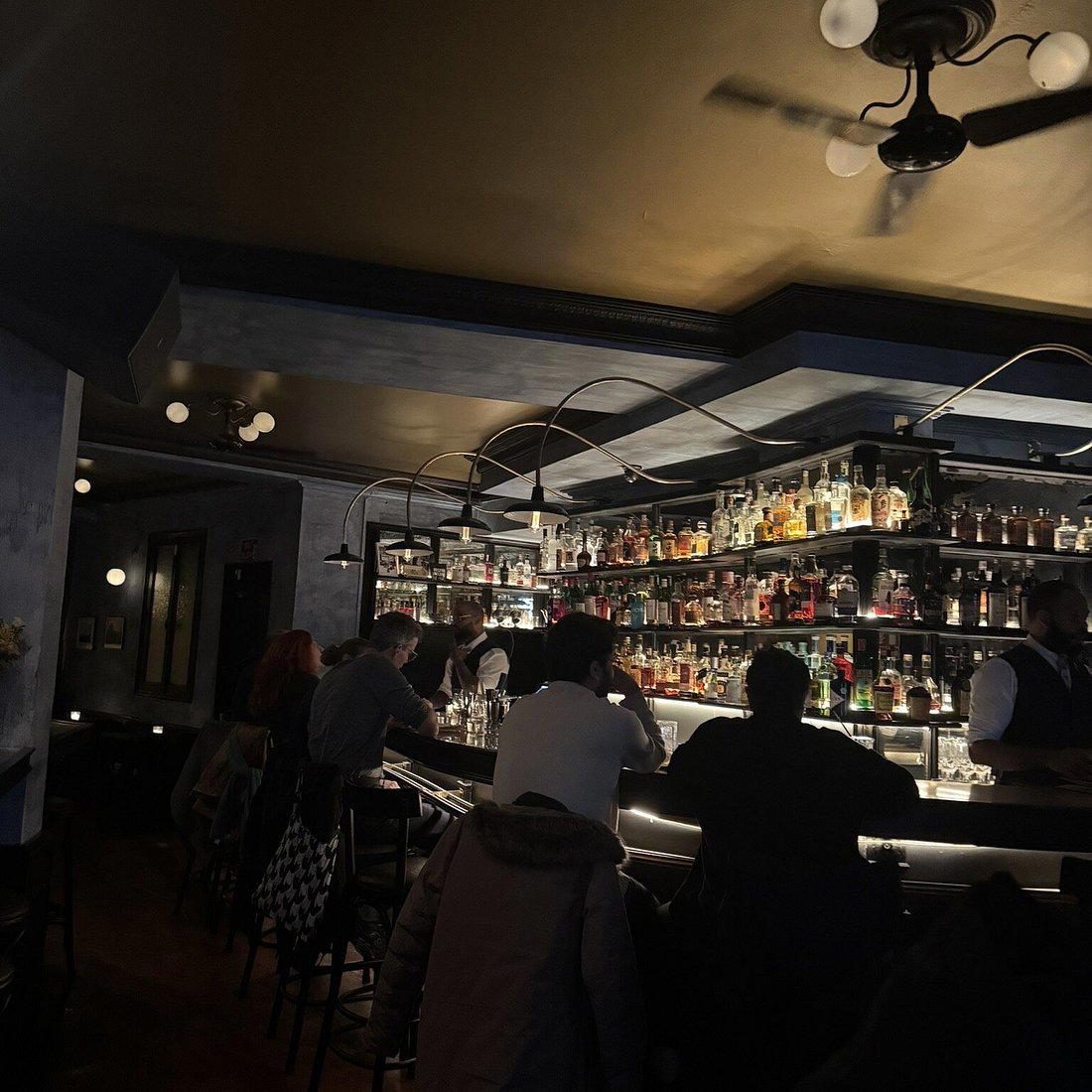
Calle del León and the Neighbourhood It Anchors
Madrid's Barrio de las Letras has always existed in productive tension with the grander dining rooms nearby. The streets around Calle del León, Calle de las Huertas, and the upper reaches of the Lavapiés slope carry a density of bars, tabernas, and specialist venues that resist easy categorisation. This is not a neighbourhood defined by a single culinary logic; it absorbs everything from traditional vermouth bars to technically serious cocktail programmes, and visitors moving between them rarely feel the abrupt gear-changes that mark less coherent districts. Devil's Cut sits at C. del León, 3, Centro, 28014 Madrid, Spain, as a Japanese-Spanish Fusion Cocktail Bar at a price point of about $45 per person, at an address where the physical context does much of the positioning work before the first drink arrives.
The streets here narrow quickly away from Paseo del Prado, and the light changes with them. Evening foot traffic in this part of Centro moves at a pace that suits extended stays rather than quick passes, which shapes the kind of venues that survive here long-term. Places built around a single transaction — a shot, a caña, a plate of jamón — coexist with rooms that expect guests to remain for two hours or more. The latter category tends to have more invested in team discipline and service continuity, factors that become readable once you know what to look for.
The Team as the Programme
In Madrid's more considered bar and restaurant rooms, the interaction between the person behind the bar, the floor team, and the kitchen (where one exists) operates as a coherent system rather than a set of parallel services. The editorial angle that matters here is collaboration: what happens when a bartender's preparation approach aligns with a floor team that reads the room rather than executing a fixed script. That calibration, more than any single product or technique, is what separates a venue worth returning to from one that impresses once.
The Barrio de las Letras has historically produced teams of this kind, partly because proximity to the capital's serious dining institutions, DiverXO, Coque, Deessa, DSTAgE, and Paco Roncero among them, creates a labour ecosystem where experienced front-of-house professionals circulate through neighbourhoods like this one. A bar programme that attracts and retains that kind of talent reads differently to one that does not.
What this means in practice is that the quality of a visit to Devil's Cut is not reducible to a single drink. It emerges from the sequencing of decisions made by several people across an evening, the recommendation given when you hesitate, the pacing of service when the room is full, the willingness to acknowledge when something on the list is better suited to a different moment. These are team skills, and in a neighbourhood where guests often arrive after or before dinner at a Michelin-starred room, the bar for that kind of attentiveness is set by the surrounding context.
Madrid's Bar Scene in Its Current Register
Spain's bar culture operates at a register that visitors from northern Europe or North America often misread on first contact. The informality is real but not casual in the way that word implies elsewhere; there is precision underneath it. Vermouth at noon, a copa at midnight, a gin and tonic assembled with the seriousness of a surgical procedure, these are not contradictions but expressions of a culture that has always treated the act of drinking as a social and sensory practice worth executing correctly.
Madrid specifically has developed a cocktail and spirits culture over the past decade that now draws direct comparisons to the programmes at venues like Le Bernardin in New York City or Atomix in New York City in the sense that technical seriousness no longer requires fine-dining framing to be legible. The city's bar scene has absorbed international influence, particularly from Basque and Catalan traditions, while maintaining the social pace that defines Madrid drinking culture. Venues at the serious end of the spectrum in the capital now operate with wine lists that would not embarrass a dedicated restaurant, spirits selections built around allocation and provenance, and bar programmes that integrate fermentation, fat-washing, and clarification alongside more traditional approaches.
The broader Spanish dining scene provides useful reference points for understanding what is happening at street level in Madrid. The technical ambition visible at El Celler de Can Roca in Girona, the produce discipline at Aponiente in El Puerto de Santa María, and the ingredient focus at Azurmendi in Larrabetzu all filter down, slowly, incompletely, but measurably, into the expectations that serious drinkers and diners bring to neighbourhood venues in the capital. The same is true of Arzak in San Sebastián, Mugaritz in Errenteria, Martin Berasategui in Lasarte-Oria, Quique Dacosta in Dénia, Ricard Camarena in València, Cocina Hermanos Torres in Barcelona, and Atrio in Cáceres, Spain's high table sets a standard that percolates into every serious room in the country, including those operating well below the tasting-menu tier.
What to Know Before You Visit
Know Before You Go
- Address: C. del León, 3, Centro, 28014 Madrid, Spain
- Neighbourhood: Barrio de las Letras, within walking distance of Paseo del Prado and the Lavapiés border
- Booking: Walk-in friendly
- Price range: not confirmed; comparable Barrio de las Letras venues at this address tier typically operate in the mid-range for Madrid
- Getting there: Closest metro stations are Antón Martín (L1) and Sevilla (L2), both under ten minutes on foot
- Further reading: See our full Madrid restaurants guide for context on the wider dining scene
A Minimal comparable set
Comparable venues nearby, for context on price, style, and recognition.
| Venue | Cuisine | Price | Notes |
|---|---|---|---|
| Devil's CutThis venue — the venue you are viewing | $$$ | ||
| Gaman – Luis Arévalo | $$$ | Guindalera, Nikkei (Japanese-Peruvian) tasting menus and nigiri bar | |
| COKIMA | Gaztambide, Modern Fusion Street Food | $$$$ | |
| Ponja Nikkei | Chueca, Nikkei Peruvian-Japanese Fusion | $$$ | |
| La Florería | $$ | Rios Rosas, Mediterranean Fusion Café & Brunch | |
| Restaurante Más de Santa | Lista, Mediterranean-Asian Fusion | $$$$ |
At a Glance
- Sophisticated
- Modern
- Elegant
- Trendy
- Date Night
- Celebration
- Special Occasion
- After Work
- Casual Hangout
- Historic Building
- Design Destination
- Private Dining
- Open Kitchen
- Craft Cocktails
- Extensive Wine List
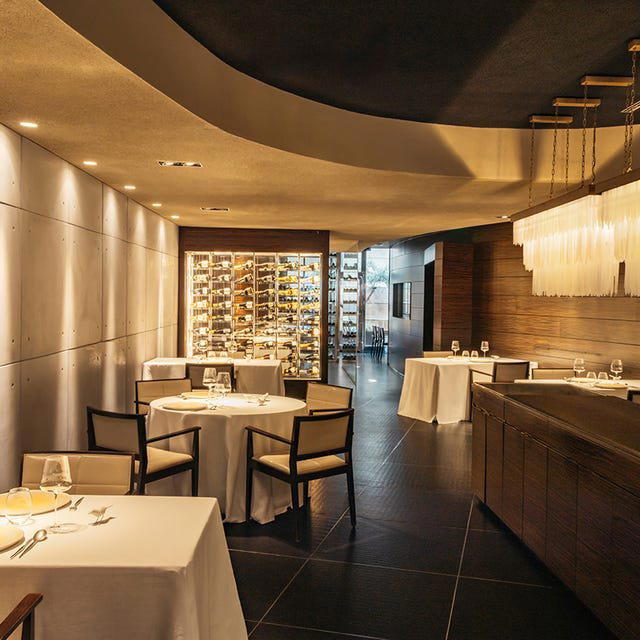
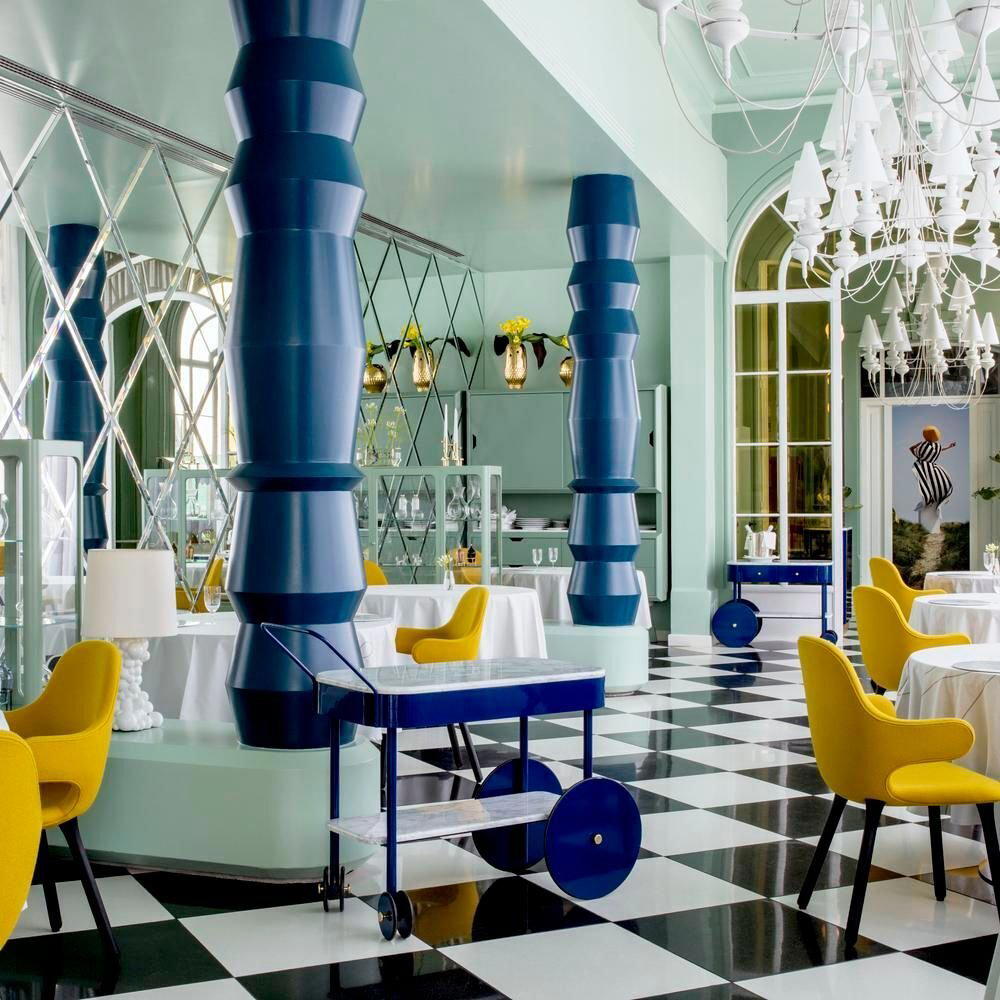
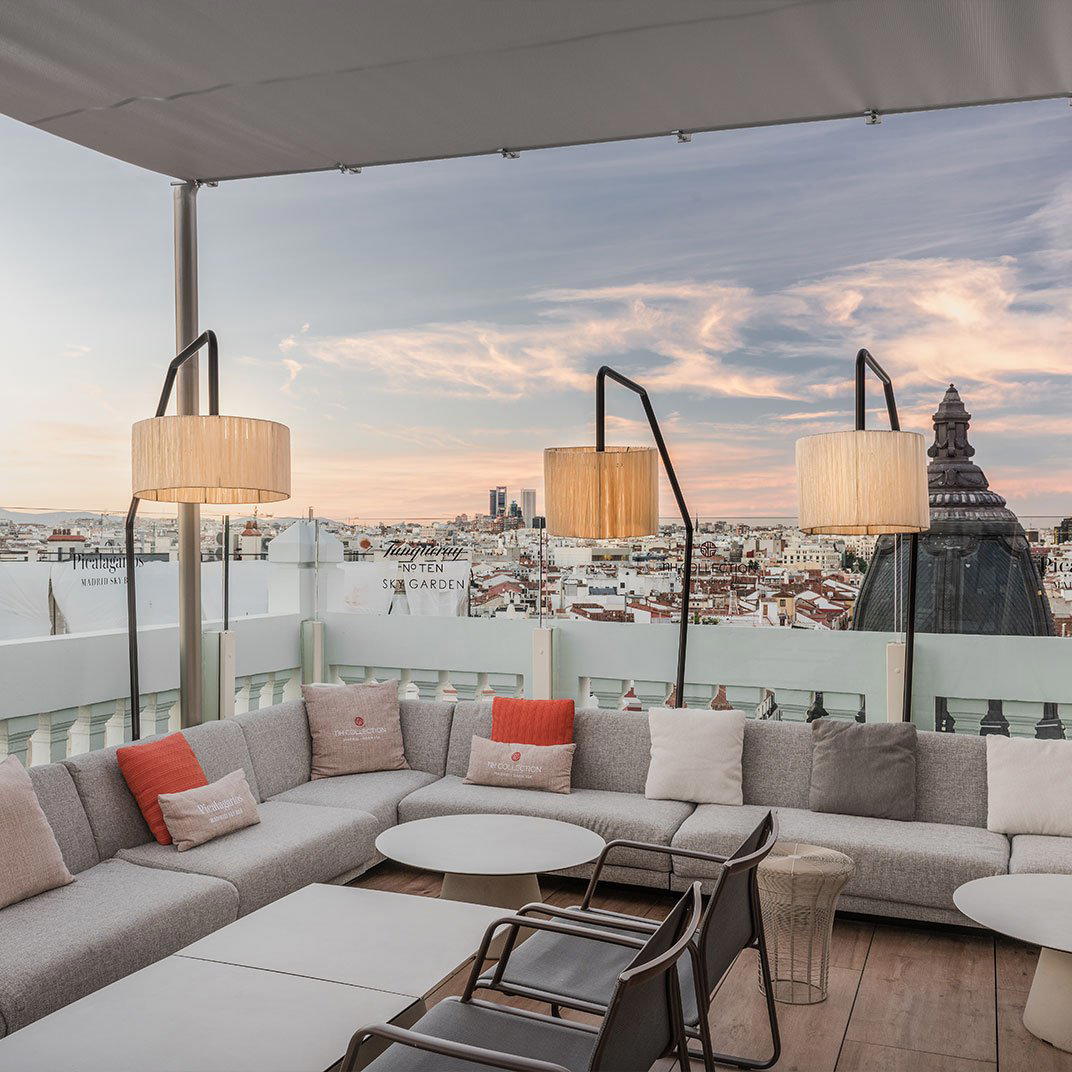
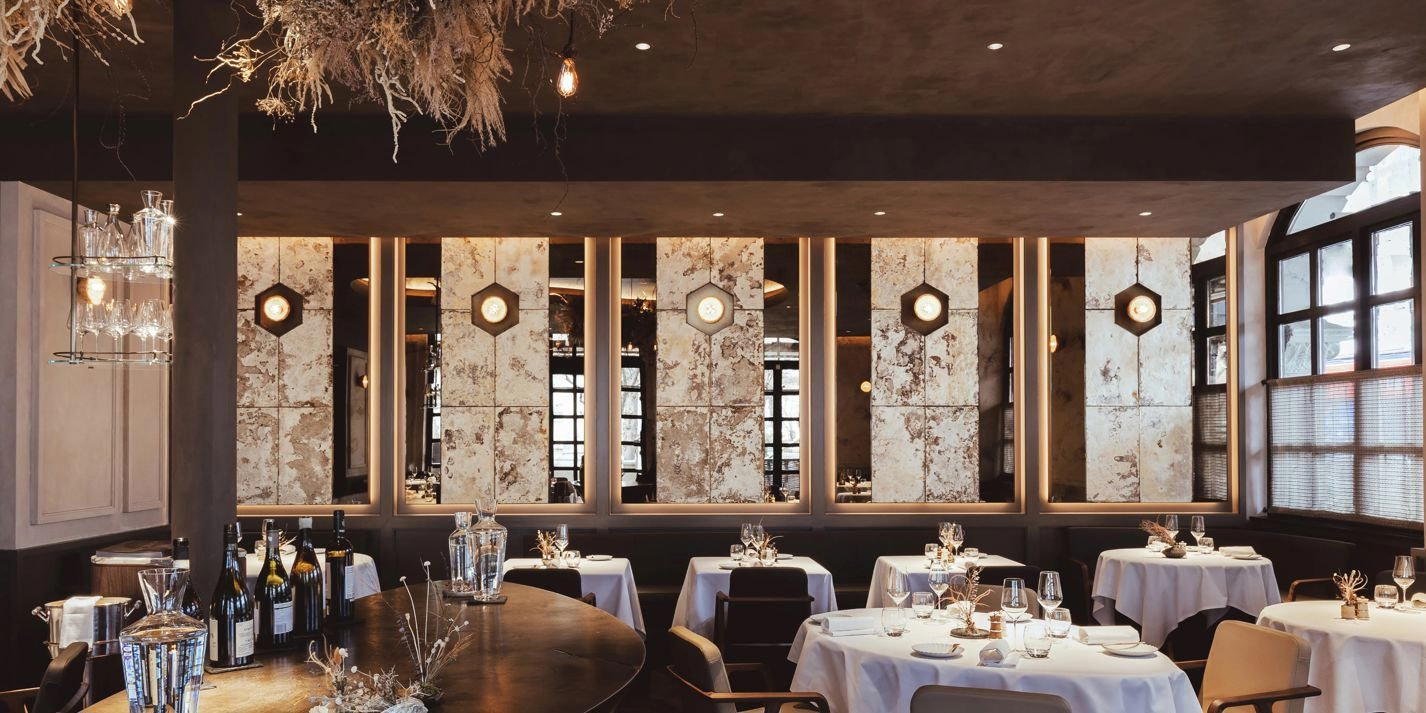
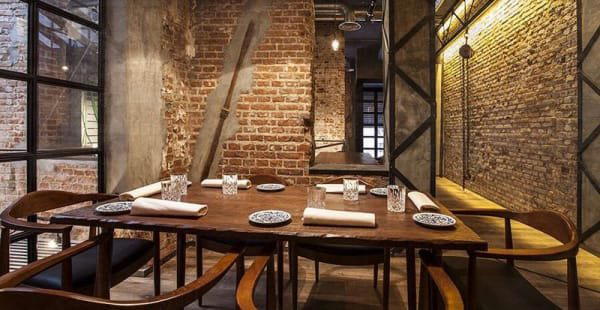
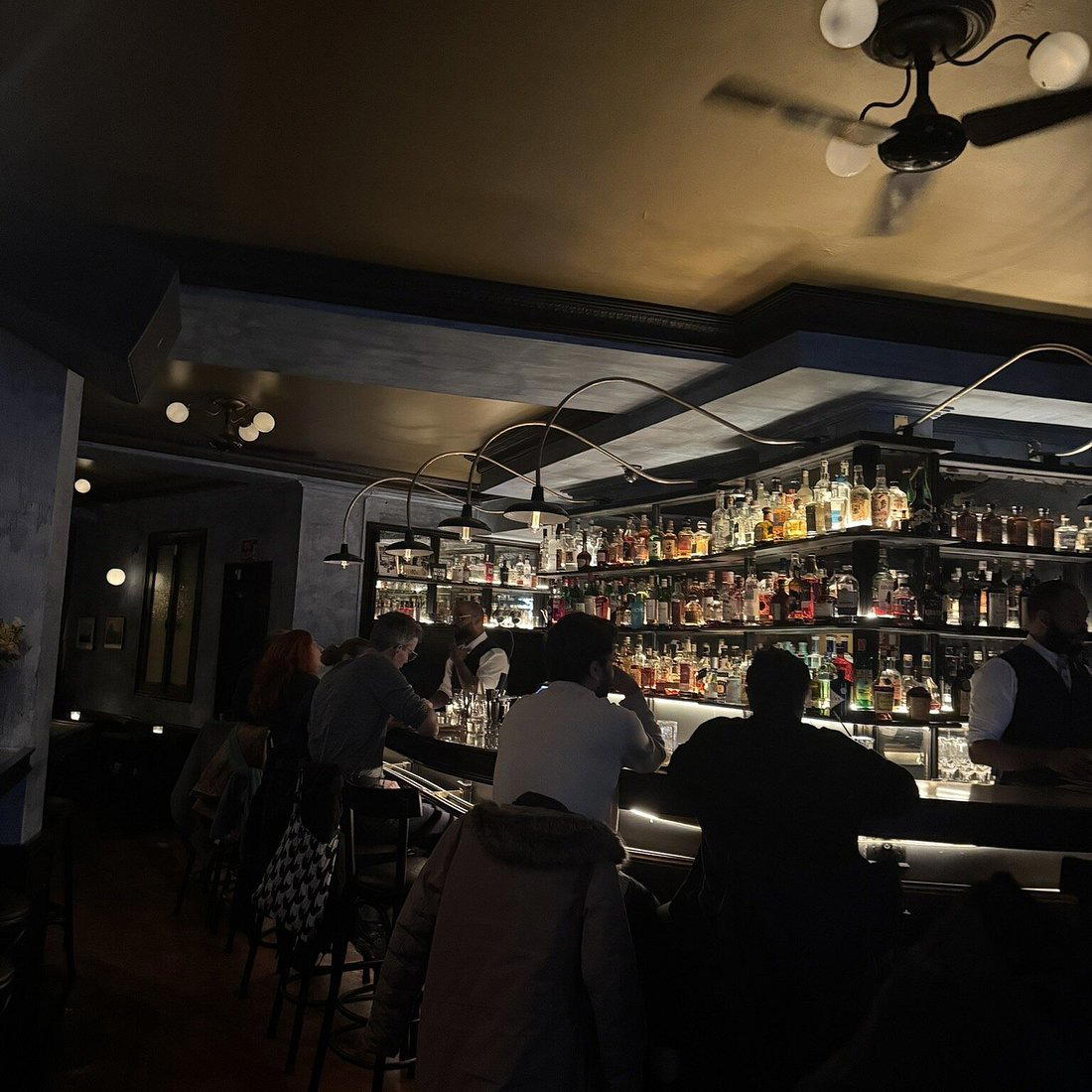
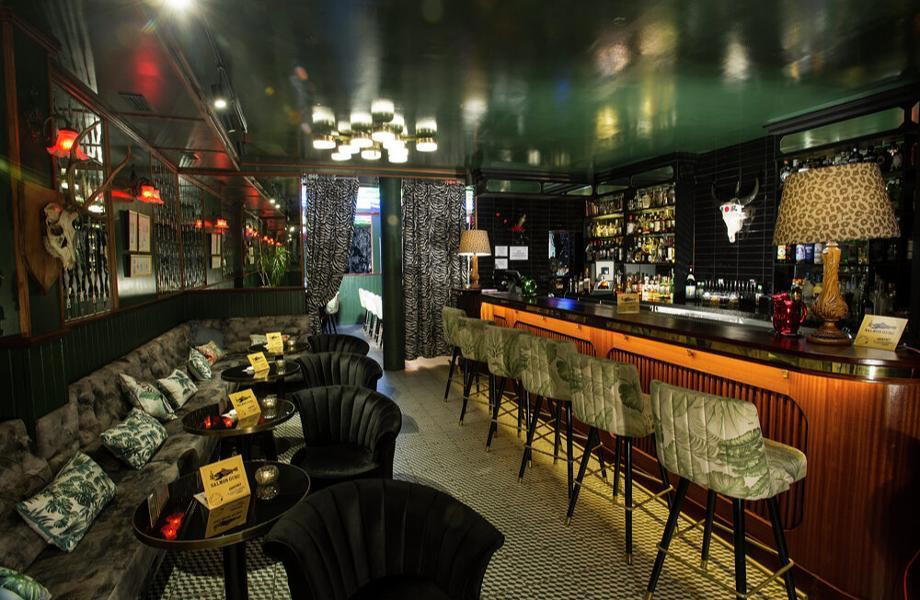
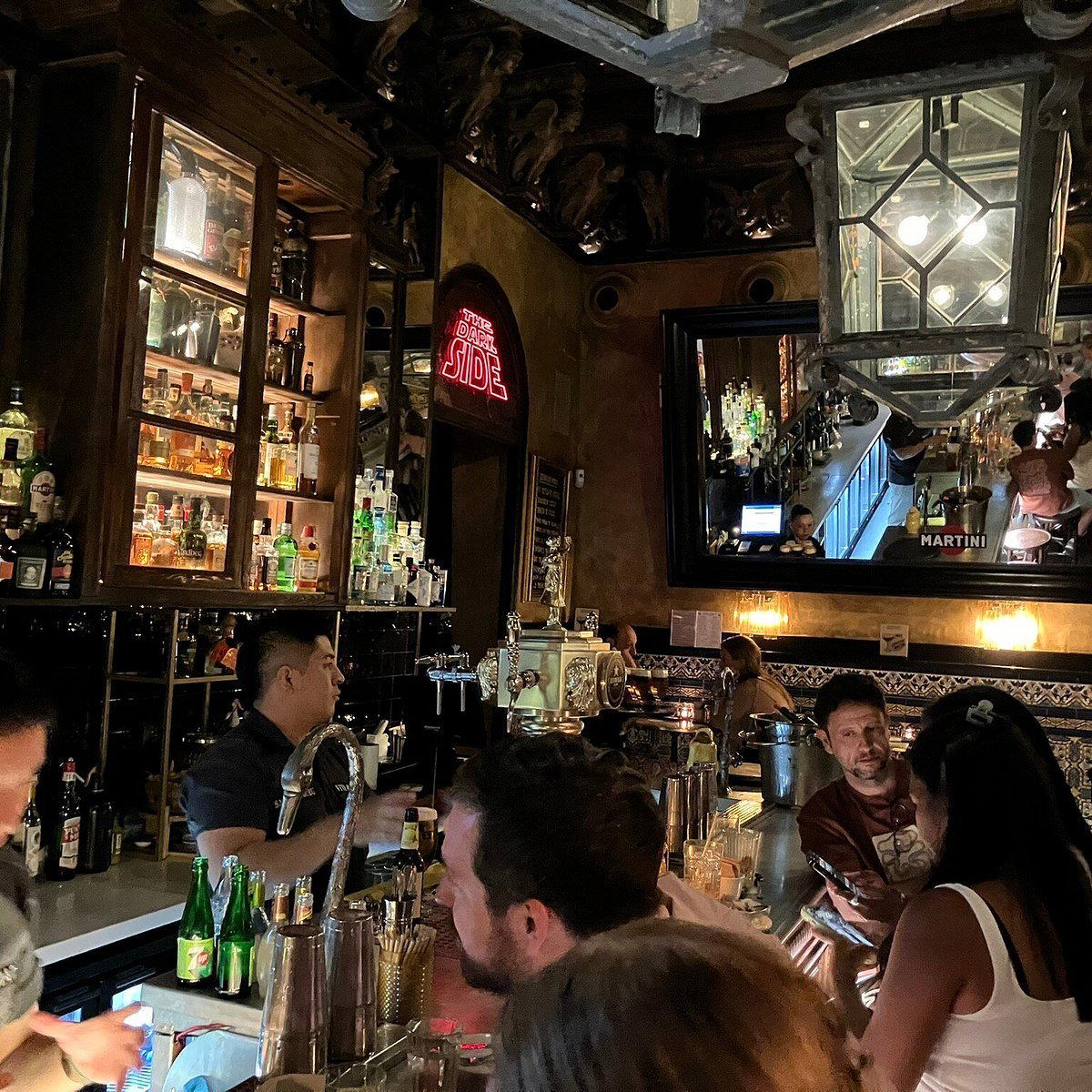
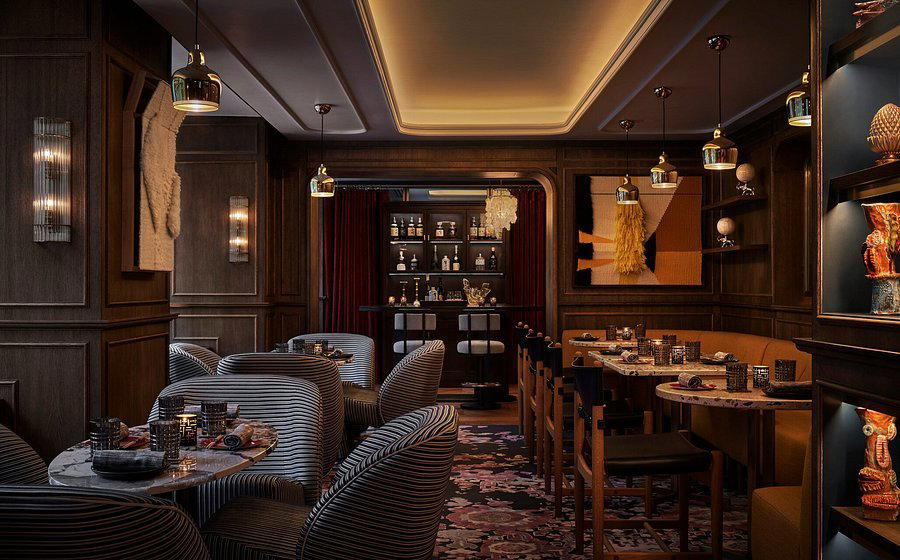
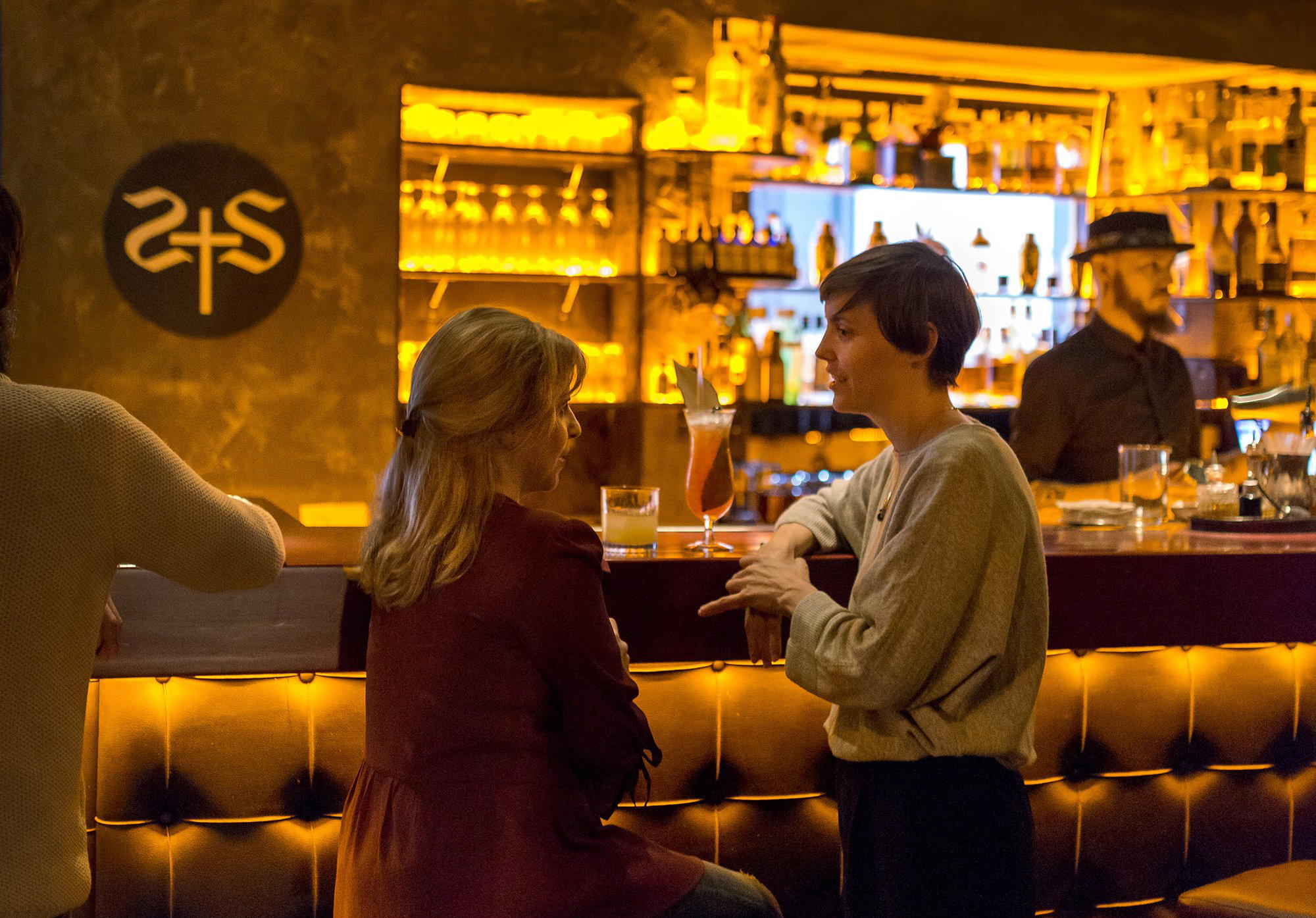
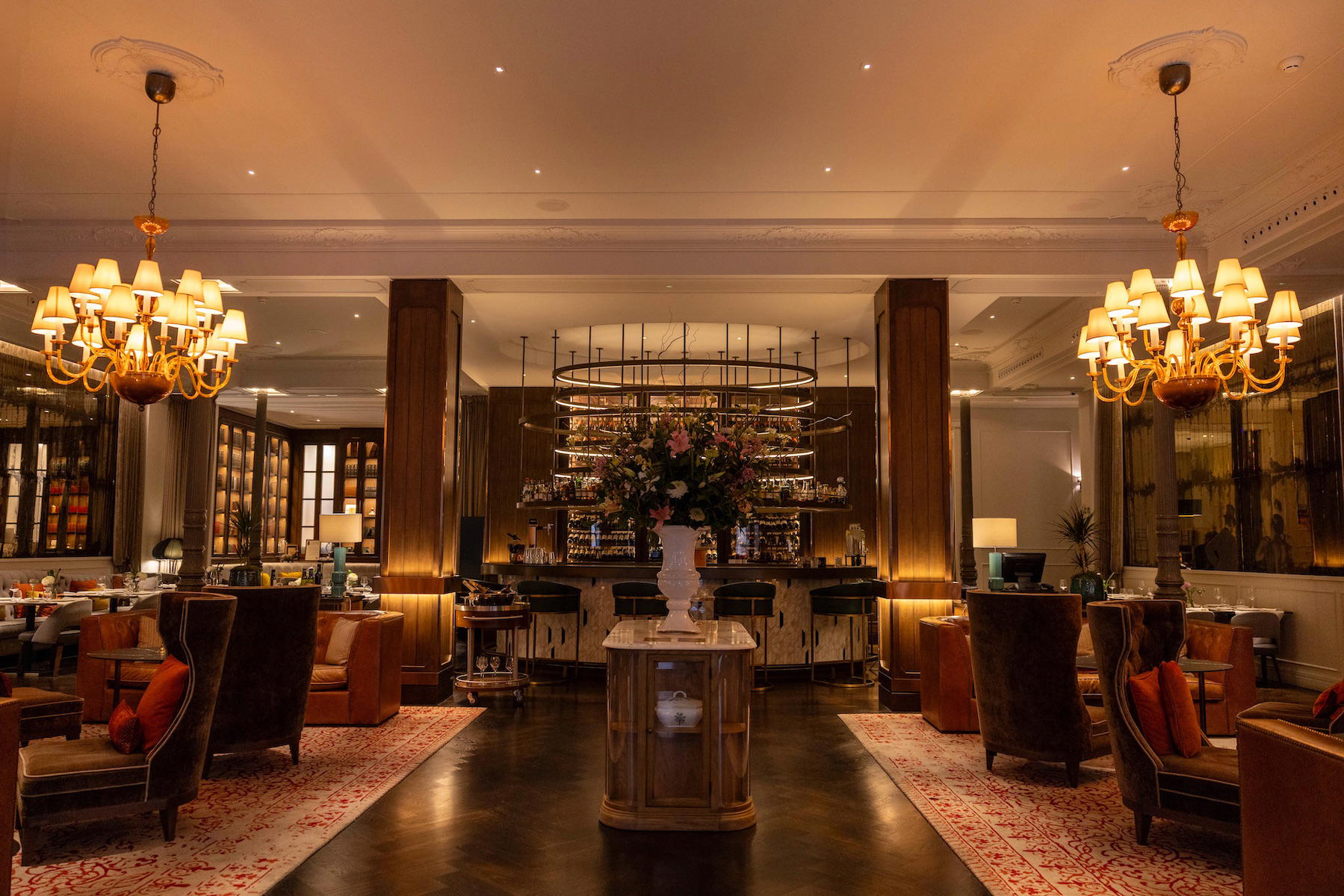
Contemporary and sophisticated with multiple distinct spaces including a cozy lounge with Chesterfield sofas and exposed brick, a main bar area, VIP tasting room with glass whisky display, and an interior terrace with high tables.