
Guía Repsol 1 Sol
Our verdict
Gaman – Luis Arévalo brings Madrid’s Nikkei conversation into the Salamanca district, where Peruvian-Japanese cooking reads less as novelty than as part of the city’s broader appetite for precise, cross-cultural dining. Its 1 Sol recognition in Guía Repsol 2026 places it in Spain’s serious restaurant tier without turning the experience into ceremony for ceremony’s sake.

Pearl is the En Primeur Club membership app, where members save venues, book tables and use the concierge.
The menu
What to order
- Alma Nikkei nigiri tasting menu
- Lamb gyoza with cilantro and beer stew
- Chirashi with jalapeño sauce
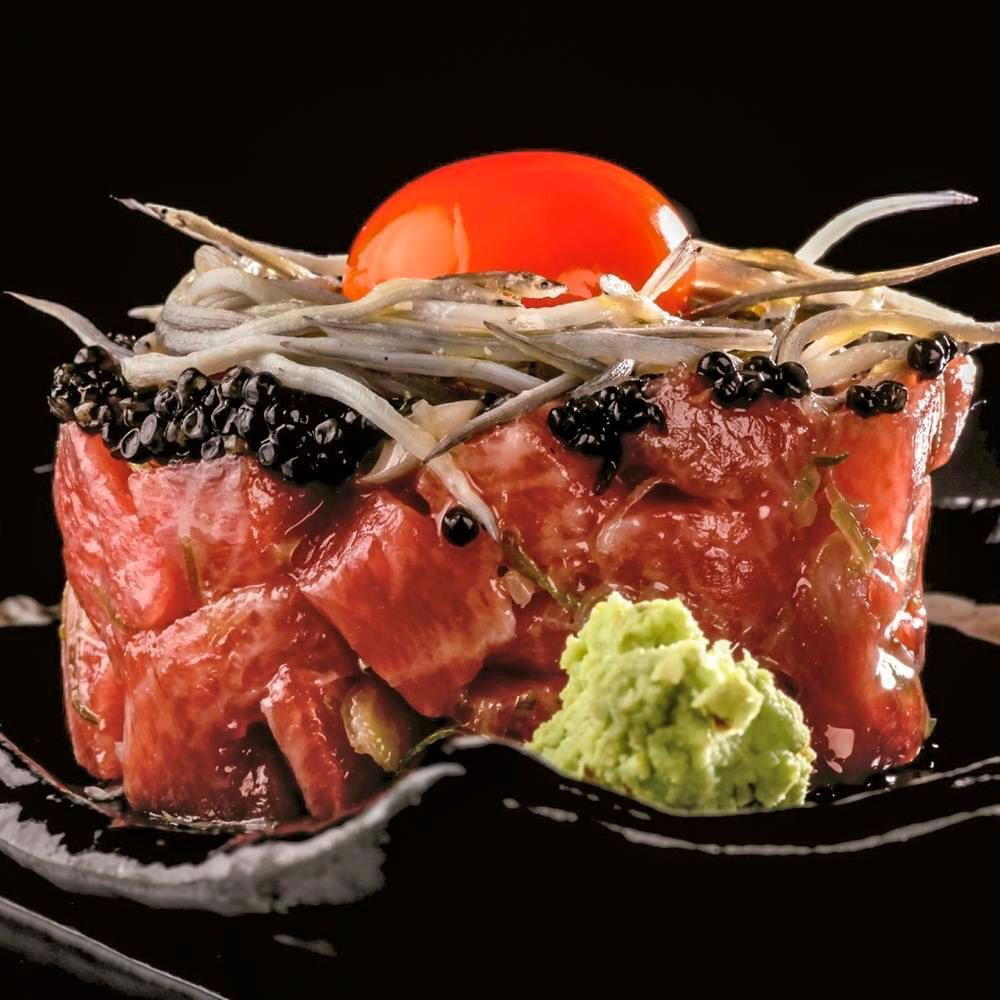
- Nigiri of butterfish with anticucho adobo and huacatay chimichurri
- Nigiri of chutoro with foie and rocoto jam
- Tabehoudai unlimited nigiri experience
Madrid’s restaurant rhythm is polished but rarely quiet: tailored shoppers, office lunches, late dinners, and diners used to paying for precision. Here, contemporary cooking has useful tension: precision, acidity, heat, and careful technique, in a city that already understands serious dining, counter-style theatre, and late-night appetite. Gaman – Luis Arévalo enters from a named, identity-led position rather than an anonymous format, and its 1 Sol in Guía Repsol 2026 gives the address a clear critical marker inside Spain’s restaurant system.
Read the room not as novelty import, but as part of Madrid’s growing comfort with restaurants built on restraint and sharpness rather than abundance alone. Madrid has long given serious audiences to international formats, polished dining rooms, and contemporary Spanish kitchens. For travellers mapping the city through restaurants, Our full Madrid restaurants guide gives the wider frame; this table sits where technique, sourcing language, and cultural translation matter more than spectacle.
Contemporary cooking in Madrid has moved past the easy label
Some restaurants are best understood through adaptation: sharp seasoning, disciplined technique, careful pacing, and a menu that needs to read as a coherent sequence rather than a collection of gestures. In Spain, that lands differently from other capitals, because the local palate already has deep reference points for acidity, seafood, and late-night social eating. Madrid diners need no persuasion that precision can carry a meal, or that a sauce can do a paragraph’s work. The test is coherence.
Name-led billing matters as credential, not biography. Gaman – Luis Arévalo signals an authorial approach in a city where many contemporary menus can blur into shared vocabulary. The distinction is discipline: this kind of restaurant fails when every plate tries to prove too much at once. It works when structure frames brightness, and the meal reads as sequence rather than reference parade.
Madrid’s comparable field is broad. Other Madrid dining rooms speak to the city’s appetite for technical cooking filtered through local luxury codes, while more contemporary addresses sit closer to the current international conversation. Progressive Spanish cooking is a counterpoint because it often innovates from within national tradition, rather than through broader cultural translation. In that set, Gaman – Luis Arévalo must justify itself through clarity, not novelty.
There is also Madrid tempo. The city rewards generosity and sociability, but sharper contemporary dining rewards pacing: intensity cannot dominate for three hours, heat cannot be the only accent, and delicate preparations need contrast from warmer or more substantial sections. Success means letting the restaurant’s grammar breathe without flattening it into a tasting-menu slogan.
Madrid gives cross-cultural cooking a demanding audience
Madrid suits this style because it has money and scrutiny. The city is comfortable with international formats, but not automatically seduced by them. Within Madrid’s premium retail, residential, and business-dining patterns, a table must satisfy the local regular, destination diner, and traveller using dinner to measure the city’s current taste.
That context matters more than generic atmosphere. Madrid has many high-energy rooms and ambitious restaurants that perform ambition loudly. Smarter addresses understand calibration: polish for a serious bill, ease for a late Spanish dinner, and enough identity to avoid interchangeability. Gaman – Luis Arévalo benefits because this kind of cooking needs explanation and confidence. It cannot feel like a theme, or rely on diners doing the work.
The Guía Repsol 2026 1 Sol recognition is a meaningful Spanish signal. Repsol’s Soles are not only tourist-facing badges; they sit inside a national conversation about restaurants expressing craft, consistency, and place. For a restaurant working in a broader contemporary register, that matters: the restaurant is assessed within Spain’s own critical framework, not treated as a side category of international dining.
For contrast within Madrid, Cañadío, SUMO Grill, Adrak Indian Cuisine l Restaurante indio Madrid, Restaurante Más de Santa, and Los Montes de Galicia underline local demand across varied dining styles. These rooms are not interchangeable; they show Madrid supports dense mid-to-premium formats, and Gaman – Luis Arévalo must earn attention inside that density.
Travellers should place the restaurant inside a city plan, not a standalone pilgrimage. Pairing a Madrid dinner with hotel positioning is easier through Our full Madrid hotels guide, while the city’s late rhythm makes Our full Madrid bars guide useful after dinner. For a broader cultural route, Our full Madrid experiences guide sets restaurant time against museums, markets, and neighbourhood movement.
How to place it in a Spain-wide dining itinerary
Spain’s dining map is not one story. Madrid excels at concentration and access: many formats, late hours, and a public that treats restaurants as daily infrastructure rather than occasional theatre. Outside the capital, reference points shift. Coastal cities, wine-country towns, island destinations, and northern dining centres all bring different expectations around product, pacing, and sense of place.
That national comparison clarifies the Madrid role of a contemporary address like this. The capital tests culinary languages against a restless dining public, not protected by resort distance or regional nostalgia. Across Spain, expectation changes sharply from one region to another. In Madrid, expectation is shaped by competition.
There is an international parallel too. Other global cities have made precise, technique-led restaurant formats part of daily dining. Madrid’s version is different: less casual assimilation, more restaurant-form translation. Cooking here often arrives with a dining-room proposition, making the authorial hand more visible.
The editorial read is simple: choose Gaman – Luis Arévalo to see how Madrid handles a restaurant built around technique, sharpness, and contemporary fluency, not for old-school Castilian comfort. Its value lies in cultural confidence and critical recognition inside Spain, with Madrid as pressure test. For wine-country extensions beyond the city, Our full Madrid wineries guide can round out a trip built around contemporary tables and Spanish drinking culture.
Frequently asked questions
What time does Gaman – Luis Arévalo open and close?
Opening hours for Gaman – Luis Arévalo should be checked directly with the restaurant before visiting, as schedules can change by day and season.
What part of town is Gaman – Luis Arévalo in?
Gaman – Luis Arévalo is located in Madrid.
What is Gaman – Luis Arévalo known for?
Gaman – Luis Arévalo is known as a Madrid restaurant recognised with 1 Sol in the Guía Repsol Soles 2026.
Can Gaman – Luis Arévalo accommodate dietary restrictions?
Dietary needs should be flagged for the team in advance in Madrid. A Guía Repsol 1 Sol points to a restaurant recognised for its work, but the exact fit depends on the restriction and the day’s menu.
Budget Reality Check
Nearby venues at a similar price tier for orientation.
| Venue | Cuisine | Price | Awards |
|---|---|---|---|
| Gaman – Luis ArévaloThis venue (the venue you are viewing) | Nikkei (Japanese-Peruvian) tasting menus and nigiri bar | $50–100 | Guía Repsol 1 Sol |
| Cañadío | Traditional Cantabrian | $50–100 | Michelin Plate · Macarfi 7.9 Food Rating |
| SUMO Grill | Japanese Sushi and Grill Buffet | $20–30 | Not listed |
| Adrak Indian Cuisine l Restaurante indio Madrid | Authentic Indian Cuisine | $20–30 | Not listed |
| Restaurante Más de Santa | Mediterranean-Asian Fusion | $50–100 | Macarfi 6.6 Food Rating |
| Los Montes de Galicia | Traditional Galician Haute Gastronomy | $50–100 | Macarfi 7.3 Food Rating |
Recognition history
Dated appearances from independent guides and award organizations, with the underlying list record or original source where available.
Guía Repsol 1 Sol
Guía Repsol
Continue exploring
More in Madrid
Restaurants in Madrid
All restaurants in Madrid →
Bars in Madrid
All bars in Madrid →


Details
- Modern
- Cozy
- Intimate
- Minimalist
- Date Night
- Business Dinner
- Group Dining
- Solo
- Special Occasion
- After Work
- Chefs Counter
- Open Kitchen
- Standalone
- Beer Program
- Local Sourcing
- Sustainable Seafood
- Tasting Menu
- A La Carte
- Counter Dining
- Set Menu
- Beer
- Wine
- Vegetarian Friendly
- Gluten Free Options
- Pescatarian Friendly
Current opening hours
- Monday
- 1:30–4 PM, 8:30 PM–12 AM
- Tuesday
- 1:30–4 PM, 8:30 PM–12 AM
- Wednesday
- 1:30–4 PM, 8:30 PM–12 AM
- Thursday
- 1:30–4 PM, 8:30 PM–12 AM
- Friday
- 2–4 PM, 8 PM–12 AM
- Saturday
- 2–4 PM, 8 PM–12 AM
- Sunday
- 2–4 PM
Hours can change for holidays and private events. Hours as of .
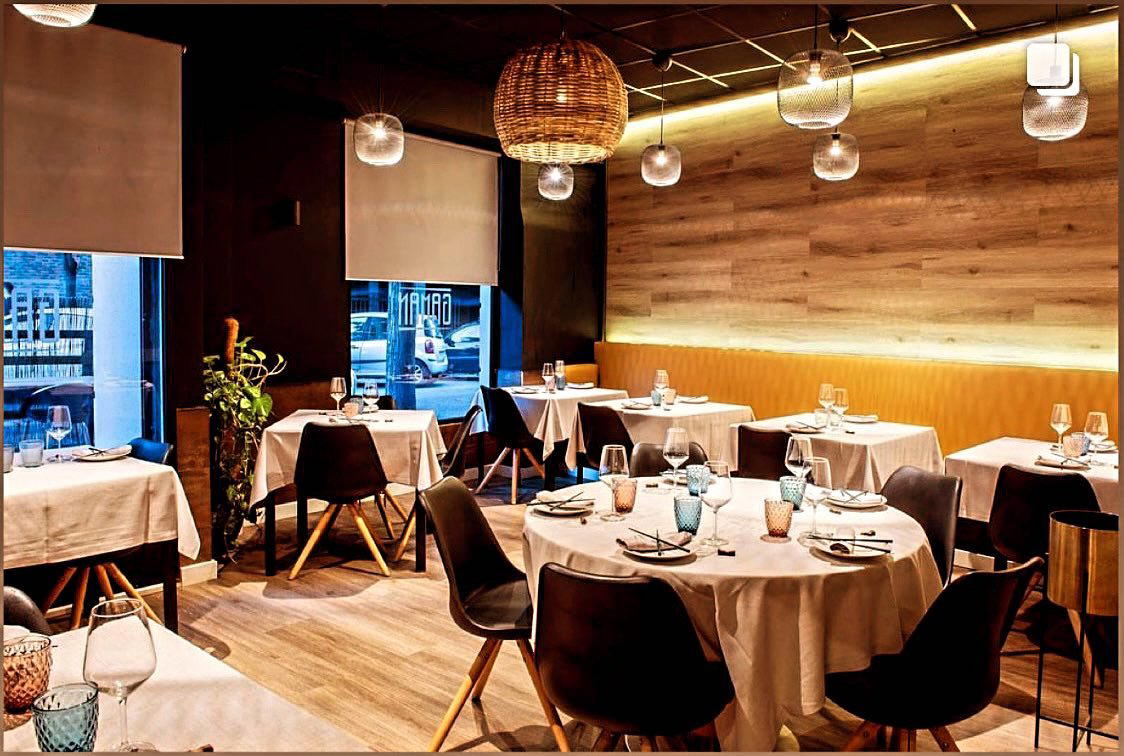
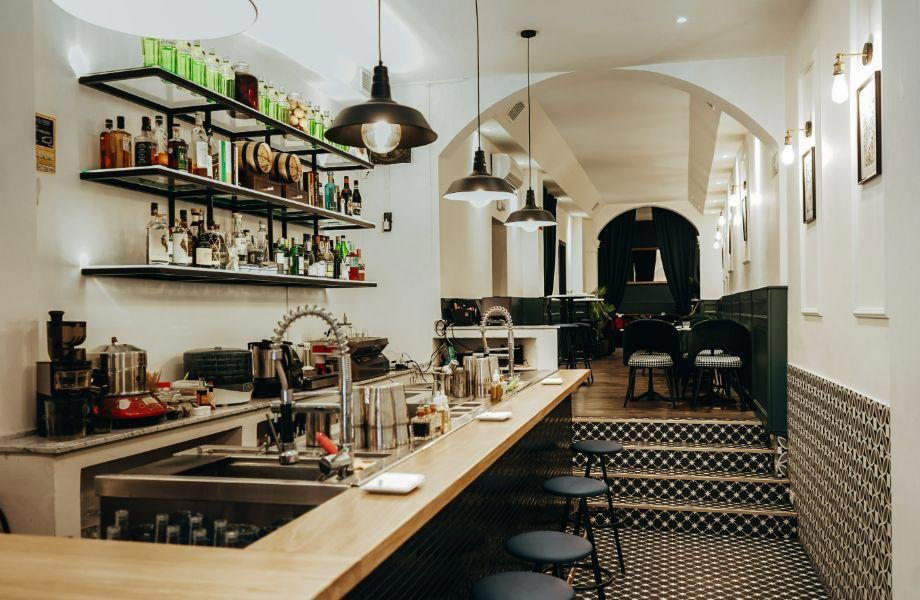
Modest, unadorned and minimalist space with a sushi bar and a small dining room, focused on the chef’s counter experience and product rather than décor, creating an intimate, relaxed yet refined atmosphere.