Der Schützenwirt

A short drive south of Salzburg, Der Schützenwirt operates on a supply chain built from 25 regional producers, translating Austrian seasonal cooking through a daily blackboard that shifts with what arrives. Opened in 2020 by Andrea and Robert Rübsam after years at high-end establishments, the restaurant draws as much attention for its garden as for its kitchen. Relaxed in format, serious about sourcing.
Pearl is the En Primeur Club membership app — saves, bookings, and concierge access live there. Same editors, same standards.
- Address
- Schützenweg 3
- Phone
- +43 662 633000
- Website
- der-schuetzenwirt.at
- Directions
- Get directions
 Saves & bookings on Pearl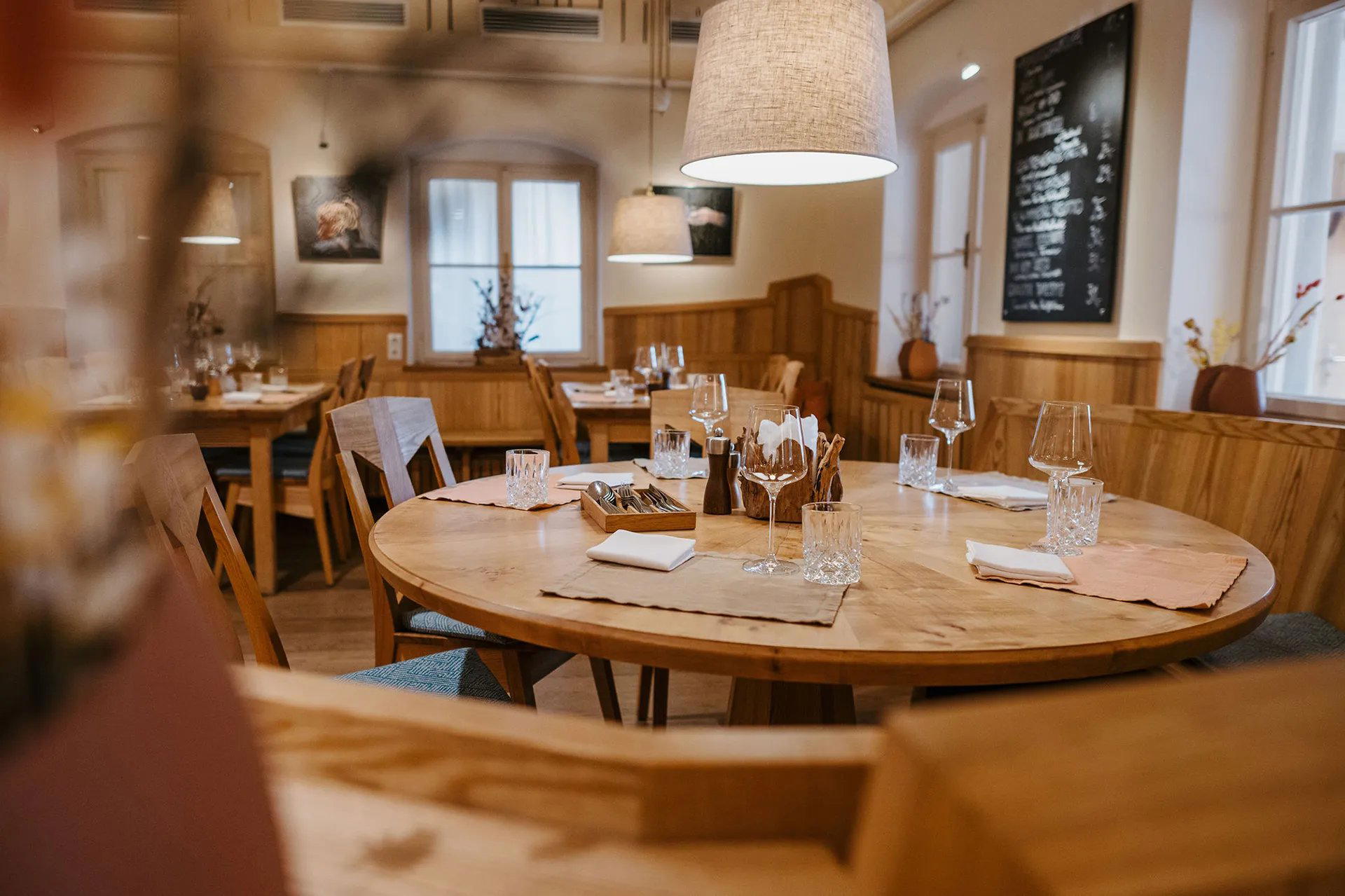
Where the Salzburg Region's Seasonal Sourcing Logic Comes Into Focus
The villages south of Salzburg hold a particular kind of Austrian restaurant that rarely appears in guidebook circuits: family-run, unhurried, grounded in the produce rhythms of the Salzach valley rather than the spectacle of the city. Der Schützenwirt, on Schützenweg 3 in Sankt Jakob am Thurn, sits within this tradition while operating with a degree of sourcing discipline that separates it from the casual Gasthaus category. The roughly 20-minute drive from Salzburg deposits you in a quieter register, and the garden that greets you on arrival sets the tone before you've seen the menu.
The Supply Chain Behind the Blackboard
In Austria's premium restaurant tier, the sourcing conversation tends to happen at a remove: seasonal menus at places like Steirereck im Stadtpark in Vienna or Ikarus in Salzburg operate at a price point and production scale that places sourcing inside a larger gastronomic architecture. At Der Schützenwirt, sourcing is the architecture. The kitchen works with 25 named regional producers supplying fresh ingredients, and the menu is written on a board rather than printed, a deliberate signal that what's available today is what arrived this morning, not what was committed to a print run weeks ago.
This model has practical consequences for the diner. You don't browse a static card; you read what the region is producing at this specific moment in the season. A late-summer board might carry gazpacho andaluz with bell pepper and jalapeño alongside pickled trout with cucumber and sour cream. A cooler month might foreground a braised beef roulade with mashed potato and kohlrabi. The global reference points, a Spanish cold soup, a Scandinavian-inflected cured fish preparation, sit alongside distinctly Austrian comfort cuts without apology. This is what genuine seasonal cooking from a broad producer network actually looks like in practice: the menu's shape is decided by the suppliers, not the other way around.
The comparison with the Salzburg region's higher-decibel options is instructive. At Obauer in Werfen or Kräuterreich by Vitus Winkler in Sankt Veit im Pongau, tasting menus encode the sourcing story into a fixed progression with price and format to match. Der Schützenwirt operates in a different register: the sourcing credentials are comparable in philosophy but the format is a la carte and accessible, which is a meaningful distinction for diners who want the ingredient quality without the tasting-menu commitment.
Austrian Tradition With External Reference Points
The dishes at Der Schützenwirt sit within the Austrian culinary tradition without being confined by it. That tradition, at its core, is about making substantial use of what the land around you produces, game, root vegetables, freshwater fish, dairy, and treating technique as a means of honoring the ingredient rather than transforming it beyond recognition. Where the kitchen diverges is in its willingness to bring in external reference points: Mediterranean acid structures, cured preparations that owe something to northern European technique, spice logic from further afield.
This dual framing is common across the more interesting mid-tier Austrian restaurants of the last decade. The question is whether the international influences feel earned or imported for novelty. Based on the supply chain, 25 regional producers as the operational foundation, the evidence points toward the former: the local ingredient is primary, and the technique is applied to serve it. A jalapeño in a gazpacho built from regionally grown peppers is a different proposition from a jalapeño used to make a dish seem more cosmopolitan.
For broader context on how Austrian kitchens at various price points handle this tradition, Landhaus Bacher in Mautern an der Donau represents the classic cuisine end of the spectrum, while the creative tier is mapped by restaurants like Gourmetrestaurant Tannenhof in Sankt Anton am Arlberg and Griggeler Stuba in Lech. The restaurant operates between those poles, more playful than classic Viennese cuisine, less architecturally constructed than the Tyrolean creative tier.
The Garden as a Dining Proposition
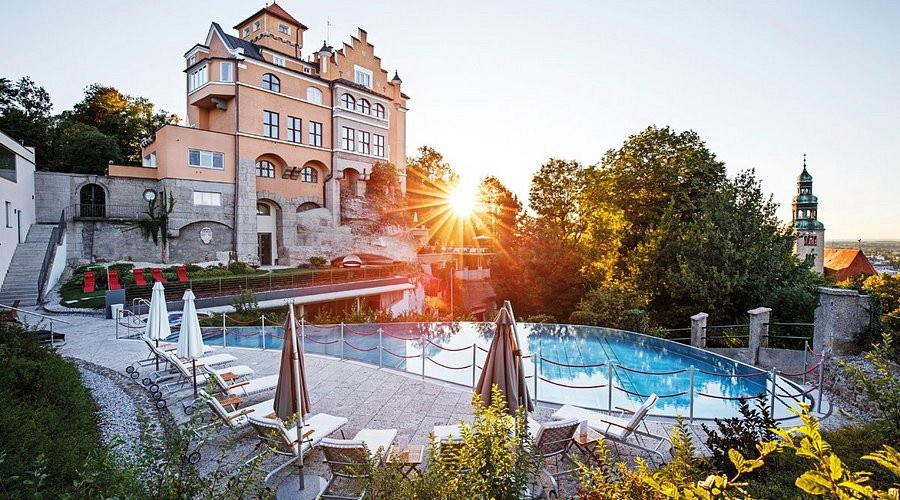
Outdoor dining in the Salzburg region competes with some strong natural scenery, and the bar for a garden to register as a genuine draw rather than an afterthought is consequently high. The restaurant's garden has earned a specific reputation in the area as among the more carefully maintained and atmospherically coherent outdoor spaces available. In practical terms, this means that on a fine day, the garden functions as a primary reason to visit rather than a secondary one, the kind of space where the setting does active work in shaping the meal's character.
The roughly 20-minute drive south from Salzburg along the Salzach valley is itself part of this proposition. Sankt Jakob am Thurn is not a village that draws significant passing traffic; the restaurant is a deliberate destination rather than a convenient stop. That specificity of intent tends to produce a particular kind of service atmosphere: the room, or garden, fills with people who chose to be exactly there.
Service, Format, and What to Expect When Planning
Andrea Rübsam leads the service, and the reports from the room describe it as warm, attentive, and professionally calibrated, a combination that is harder to sustain at a small independent than the phrase suggests. The proprietor-led front-of-house model, common among the more characterful Austrian country restaurants, creates a continuity of hospitality that differs structurally from the staffed service of larger operations.
The restaurant opened in 2020, drawing on previous experience at high-end establishments to build something more personally scaled. That institutional background is legible in the kitchen's technical range, the ability to move between Austrian braised preparations and lighter, acid-forward dishes without the menu feeling schizophrenic, while the format remains informal enough that the experience doesn't carry the weight of a special-occasion obligation.
The restaurant sits at Schützenweg 3, Sankt Jakob am Thurn, approximately 20 minutes south of Salzburg by car. The blackboard format means the menu changes with supply; visiting with dietary restrictions is best managed by contacting the restaurant in advance. The garden is a draw in warmer months, so timing a visit to coincide with fine weather is worth the additional planning effort.
Comparable Venues
Comparable venues nearby, for context on price, style, and recognition.
| Venue | Cuisine | Price | Awards | Notes |
|---|---|---|---|---|
| Der SchützenwirtThis venue — the venue you are viewing | Modern Austrian Regional | $$$ | Michelin Plate | Not listed |
| Forthuber in Gstaig | Austrian Regional with International Influences | $$$ | Michelin Plate | Gstaig, Feldkirchen bei Mattighofen |
| Langwies Wirtshaus | Contemporary Austrian Seasonal Cuisine | $$ | Michelin Plate | Bad Vigaun |
| KOLLER+KOLLER am Waagplatz | Traditional Austrian with International Influences | $$$ | Not listed | Altstadt |
| Wirtshaus Elefant | Traditional Austrian | $$$ | Not listed | Altstadt |
| Gasthof Auerhahn | Regional Austrian Country Cooking | $$$ | Michelin Plate | Itzling Mitte |
Recognition history
Dated appearances from independent guides and award organizations, with the underlying list record or original source where available.
Michelin Plate
Michelin
Continue exploring
More in Sankt Jakob am Thurn
Restaurants in Sankt Jakob am Thurn
Browse all →
Bars in Sankt Jakob am Thurn
Browse all →



At a Glance
- Cozy
- Rustic
- Scenic
- Special Occasion
- Family
- Celebration
- Terrace
- Garden
- Extensive Wine List
- Local Sourcing
- Organic
- Garden
- Mountain
Current opening hours
- Monday
- 5–11 PM
- Tuesday
- Closed
- Wednesday
- Closed
- Thursday
- Closed
- Friday
- 5–11 PM
- Saturday
- 12–11 PM
- Sunday
- 12–11 PM
Hours can change for holidays and private events. Last verified .
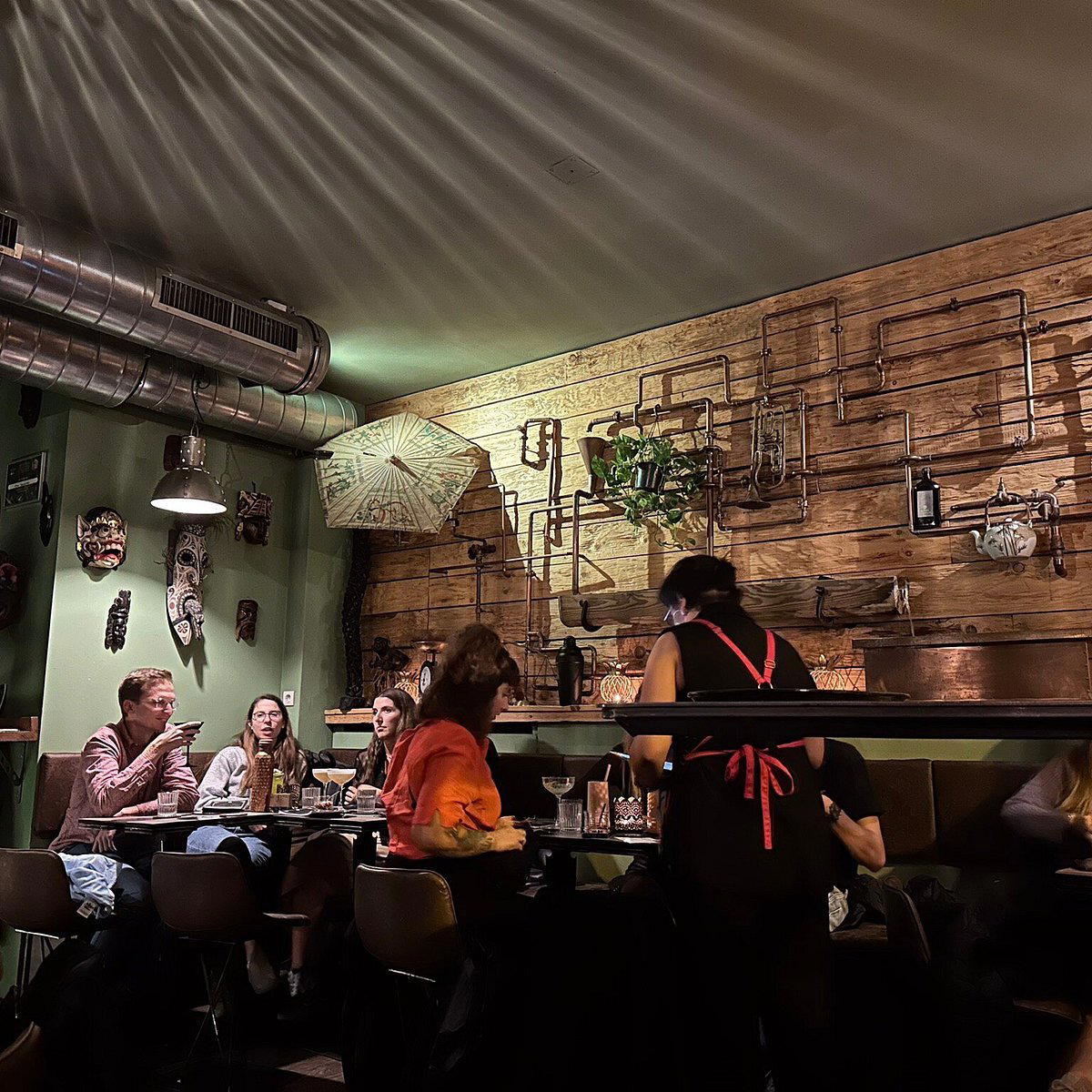
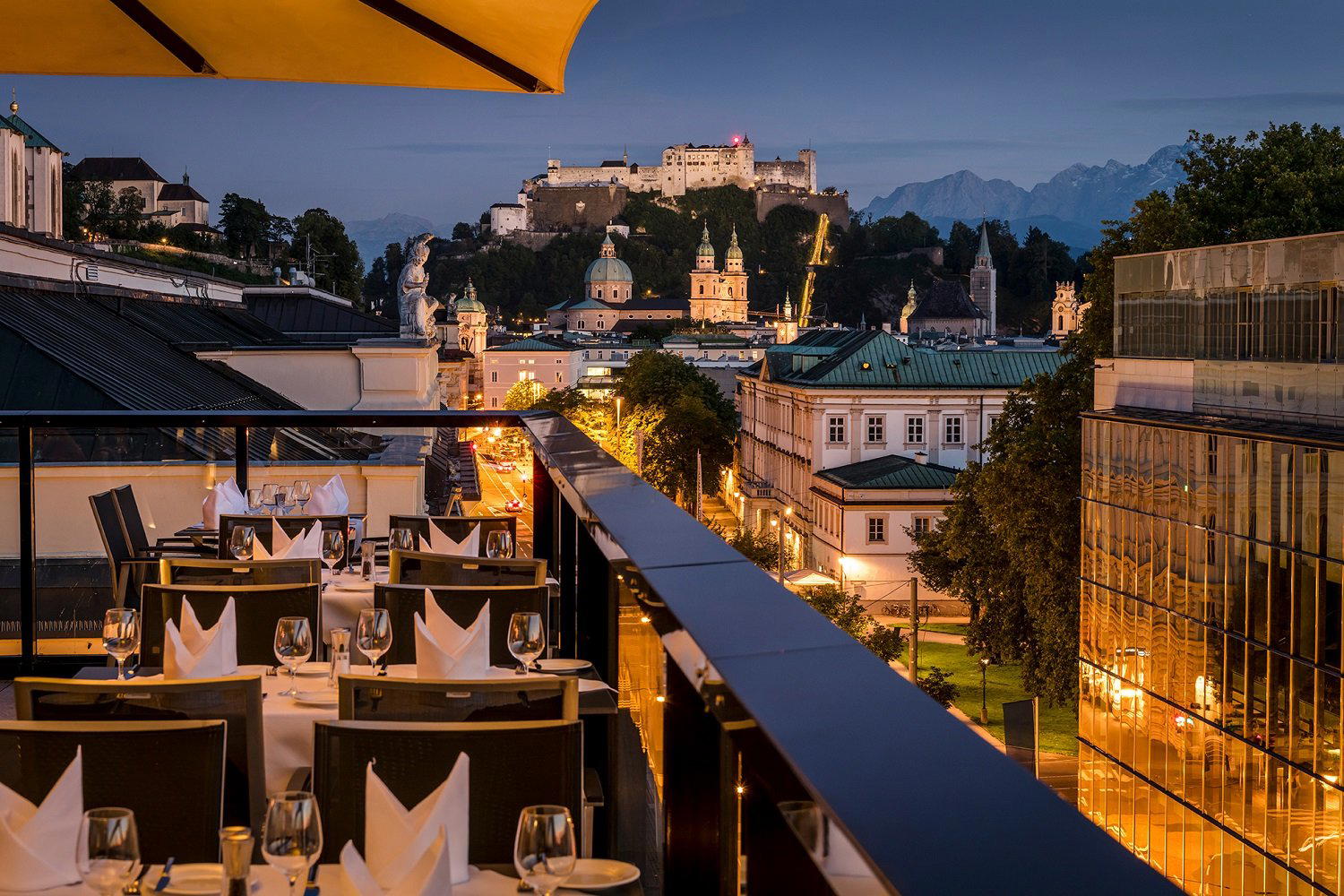
Relaxed and cozy atmosphere with beautiful garden terrace, combining modern and traditional elements for a home-like feel.