Demae Culinária Japonesa
Our verdict
Demae Culinária Japonesa brings Japanese cooking to the Anchieta neighbourhood of Belo Horizonte, a residential district where specialty dining tends to serve a loyal local clientele rather than tourist traffic. In a city where mineiro tradition dominates most tables, Japanese cuisine occupies a distinct and considered niche. Demae sits within that niche on Rua Pium-Í, 519.

Pearl is the En Primeur Club membership app, where members save venues, book tables and use the concierge.
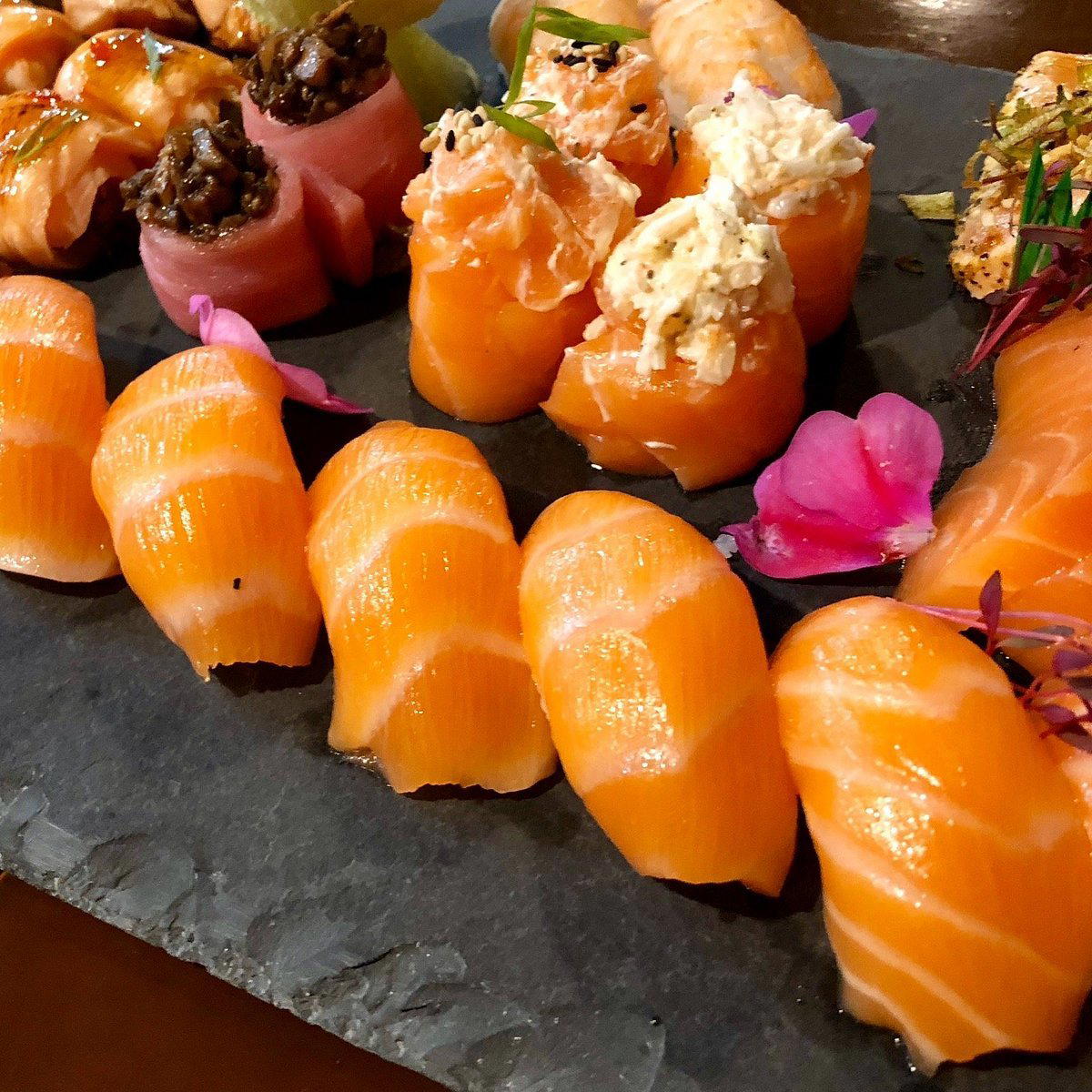
The menu
What to order
- Gyoza
- Yakissoba
- Shrimp wrapped with seared salmon
- Sashimi
Japanese Cooking in a Mineiro Neighbourhood
Belo Horizonte's dining identity is built, first and foremost, on Minas Gerais tradition: feijão tropeiro, pão de queijo, tutu de feijão, and the kind of slow, communal cooking that defines the state's culinary character. Within that context, Japanese cuisine operates in a secondary register, present, respected, and patronised, but never the headline act. That dynamic shapes how Japanese restaurants here position themselves, and where they choose to plant a flag.
Demae Culinária Japonesa is located on Rua Pium-Í in Anchieta, a mid-range residential neighbourhood in the South-Central zone of the city. Anchieta sits at a remove from the higher-density dining corridors of Savassi and Lourdes, which means the restaurants that thrive here tend to do so on repeat local custom rather than foot traffic or tourist spillover. A Japanese restaurant in this postal code is making a considered statement about its audience: the people who come here have come specifically, and probably more than once.
The Anchieta Setting and What It Signals
The neighbourhood context matters for understanding how Demae likely functions within the city's broader food culture. Anchieta is the kind of area where a restaurant's relationship with its immediate community defines its longevity. Venues in this district don't rely on the discovery economy that drives covers in Savassi, they build a base. For a Japanese restaurant in particular, that model aligns with a specific hospitality tradition: the neighbourhood Japanese spot, known for consistency, where the regulars arrive with expectations formed over years rather than a single reservation.
That positioning places Demae in a different competitive frame than the high-profile, centre-city Japanese addresses you find in São Paulo or Rio de Janeiro. It is not competing with the omakase counters and tasting-menu formats that have grown considerably in Brazil's two largest cities over the past decade. Restaurants like Oteque in Rio de Janeiro and D.O.M. in São Paulo operate in a different register entirely, one built on national and international press attention and high-price tasting formats. Demae's address in Anchieta suggests a more grounded local model.
Japanese Cuisine in Belo Horizonte's Dining Ecology
Brazil has the largest Japanese diaspora outside Japan, concentrated primarily in São Paulo but extending through many of the country's cities. Belo Horizonte has a smaller Japanese-Brazilian community than São Paulo, which means the Japanese restaurant sector here is thinner and more selective. Where São Paulo can sustain an entire neighbourhood of Japanese cuisine at multiple price points and formats, Belo Horizonte's Japanese dining is spread more diffusely across residential districts. Venues in those districts tend to absorb a broader range of what Japanese cooking means to their clientele, sushi alongside cooked dishes, a fuller menu rather than a specialist format.
That breadth is a characteristic of Japanese restaurants operating in cities where the cuisine sits outside the primary culinary tradition. Compare this to how Italian cooking developed in Campinas, explored in depth at Olivetto Restaurante E Enoteca in Campinas, or how regional Brazilian cooking has been interpreted in cities like Salvador, as seen at Manga in Salvador. In each case, the secondary cuisine adapts to the city's existing dining culture, often producing something distinct from what you'd find in its origin context.
The Broader Belo Horizonte Table
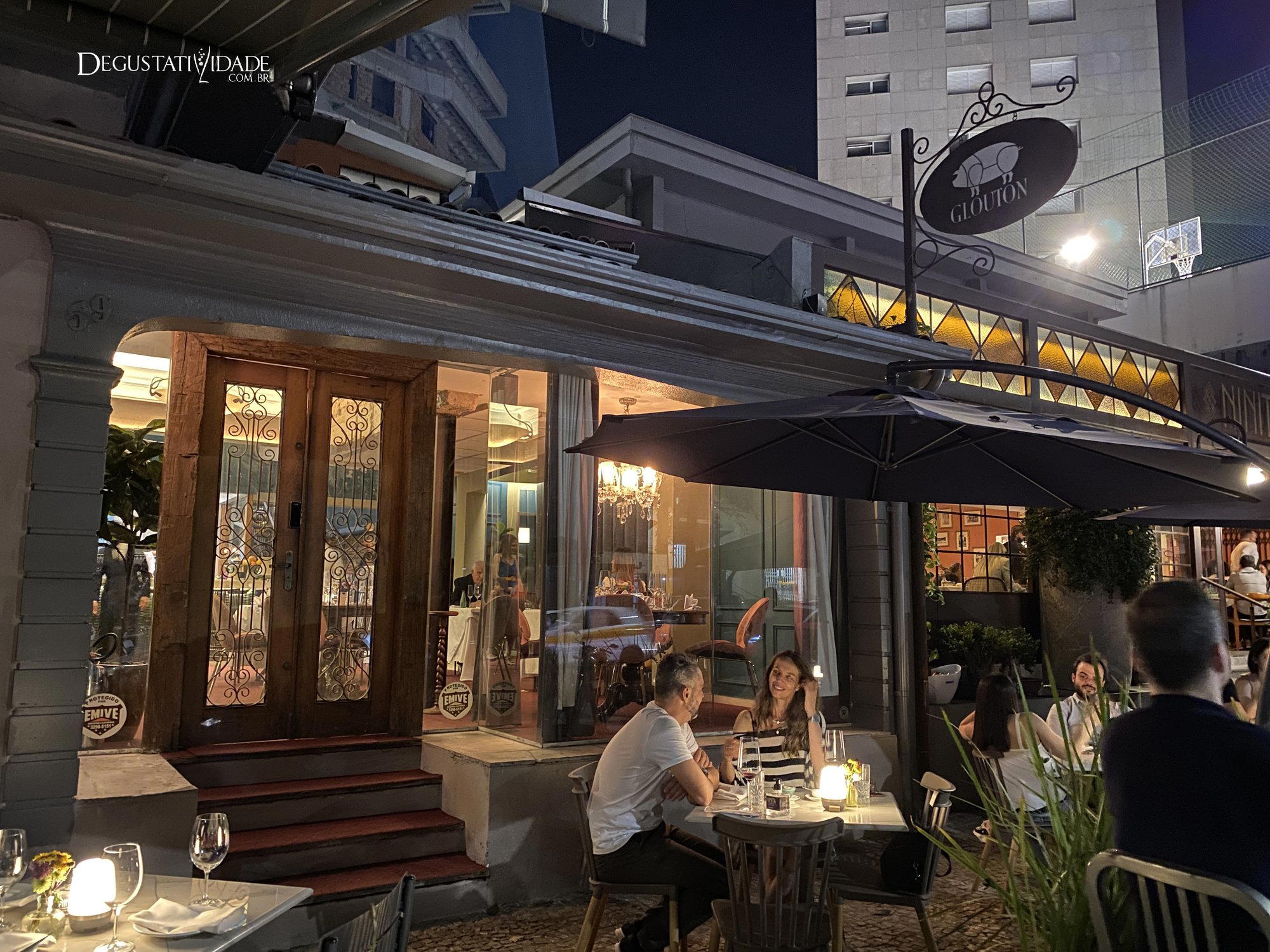
Belo Horizonte's restaurant scene has a depth that visitors frequently underestimate. The city's relationship with Minas Gerais cooking gives it one of Brazil's most coherent regional dining identities. Venues like Cozinha Tupis and Birosca S2 represent different expressions of that tradition, while Glouton and Anella Ristorante sit in the European-influenced contemporary bracket. Gulla Burguer captures the city's strong casual dining culture. Against that backdrop, a Japanese restaurant in Anchieta occupies a specific gap: international cooking, neighbourhood scale, local loyalty.
For visitors building a broader itinerary across Brazil, it is worth noting that some of the most interesting cooking in the country now sits outside the major metropolitan centres. Mana in Campos do Jordão, Orixás | North Restaurant in Itacaré, and Primrose in Gramado all illustrate how secondary cities have built serious dining propositions. Manu in Curitiba is among the more discussed addresses in the South. Castelo Saint Andrews - Gramado in Vale do Bosque offers yet another model of how experience-led dining is developing in non-capital cities. For a full picture of where Belo Horizonte fits in that national context, see our full Belo Horizonte restaurants guide.
In the South-Southeast corridor, venues like State of Espírito Santo in Rio Bananal demonstrate how even smaller regional addresses are developing defined culinary identities. For international comparisons of the neighbourhood restaurant model, where specialist cooking takes root in a residential setting rather than a high-profile district, it is instructive to look at how addresses like Le Bernardin in New York City and Lazy Bear in San Francisco built reputations that extended well beyond their immediate neighbourhoods, even if the scale is entirely different.
Planning Your Visit
Demae Culinária Japonesa is located at Rua Pium-Í, 519, in the Anchieta neighbourhood of Belo Horizonte, Minas Gerais. Anchieta is accessible by car and by public transport from central Belo Horizonte, and the residential character of the neighbourhood means street parking is generally more available than in Savassi or Funcionários.
Frequently asked questions
What's Demae Culinária Japonesa's location?
Demae Culinária Japonesa is located at Rua Pium-Í, 519 - Anchieta, Belo Horizonte - MG, 30310-080, Brazil, Belo Horizonte.
How does Demae Culinária Japonesa compare to Japanese restaurants in São Paulo?
Belo Horizonte's Japanese restaurant sector is considerably smaller than São Paulo's, which hosts the largest Japanese diaspora community outside Japan. Demae, located in the Anchieta neighbourhood of Belo Horizonte, operates within a city where Japanese cuisine occupies a more dispersed, neighbourhood-specific niche rather than a concentrated dining district. That context shapes both the scale of operation and the likely clientele.
What's the must-try dish at Demae Culinária Japonesa?
check the venue's official channels at Rua Pium-Í, 519, Anchieta, Belo Horizonte, for current menu information. Japanese restaurants at the neighbourhood level in Brazilian cities frequently anchor their menus in sushi, sashimi, and cooked rice dishes adapted to local sourcing.
Is Demae Culinária Japonesa reservation-only?
Smaller Japanese restaurants in Belo Horizonte's residential neighbourhoods like Anchieta often operate on a walk-in basis for lunch and accept reservations for dinner, though this varies by house. Visiting during off-peak hours or calling ahead is advisable until confirmed details are available.
What's the standout thing about Demae Culinária Japonesa?
The Anchieta address is the primary signal worth paying attention to. Situated at Rua Pium-Í, 519, the restaurant sits outside the commercial corridors of Savassi and Lourdes where most of Belo Horizonte's recognised dining concentrates, placing it in a residential context where restaurants typically serve a local, repeat clientele rather than a tourist or expense-account crowd.
The Quick Read
Comparable venues nearby, for context on price, style, and recognition.
| Venue | Cuisine | Price | Notes |
|---|---|---|---|
| Demae Culinária JaponesaThis venue (the venue you are viewing) | Traditional Japanese Sushi | $20–30 | Not listed |
| Yakan | Modern Japanese Rodízio | $30–50 | Savassi, Modern Japanese Rodízio |
| Birosca S2 | Modern Brazilian Bistro | $30–50 | Santa Tereza, Modern Brazilian Bistro |
| Cozinha Tupis | Minas Gerais Regional Brazilian | $20–30 | City Center, Minas Gerais Regional Brazilian |
| Anella Ristorante | Traditional Italian with Artisanal Pasta | $20–30 | Santa Amélia, Traditional Italian with Artisanal Pasta |
| Gulla Burguer | Brazilian Burger Joint | Not listed | Paraúna (Venda Nova), Brazilian Burger Joint |
Continue exploring
More in Belo Horizonte
Restaurants in Belo Horizonte
All restaurants in Belo Horizonte →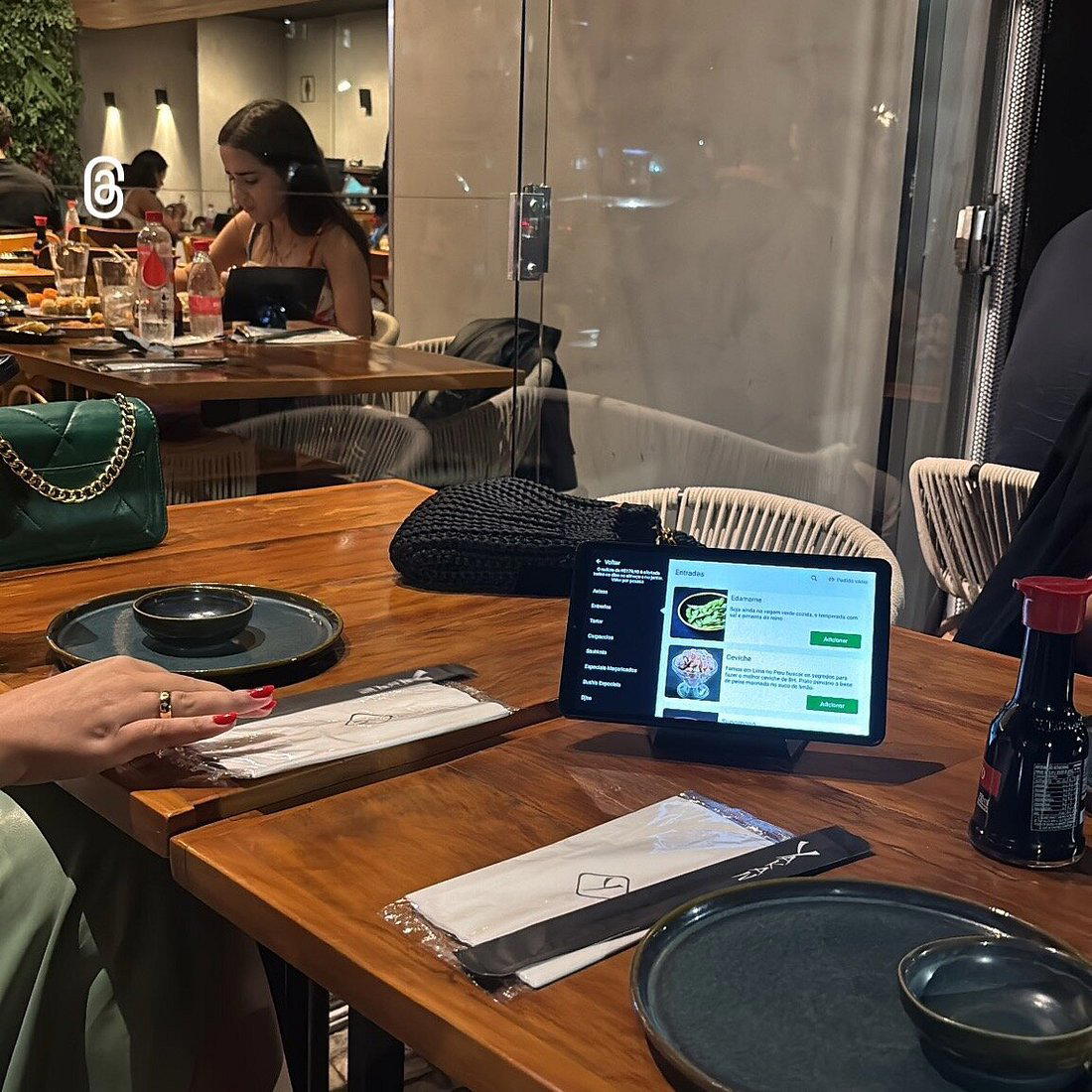
Bars in Belo Horizonte
All bars in Belo Horizonte →
Hotels in Belo Horizonte
All hotels in Belo Horizonte →
Details
- Cozy
- Casual
- Casual Hangout
- Group Dining
- Date Night
- Family
- Open Kitchen
- Standalone
- Beer Program
- Sake Program
- Craft Cocktails
- A La Carte
- Family Style
- Sake
- Beer
- Wine
- Cocktails
- Vegetarian Friendly
- Pescatarian Friendly
Current opening hours
- Monday
- Closed
- Tuesday
- 6–10:30 PM
- Wednesday
- 6–10:30 PM
- Thursday
- 6–10:30 PM
- Friday
- 6–11 PM
- Saturday
- 6–11 PM
- Sunday
- 6–10:30 PM
Hours can change for holidays and private events. Hours as of .
Informal, cozy, and welcoming family atmosphere with an open kitchen visible through glass walls where diners can watch sushi preparation.