Glouton
Our verdict
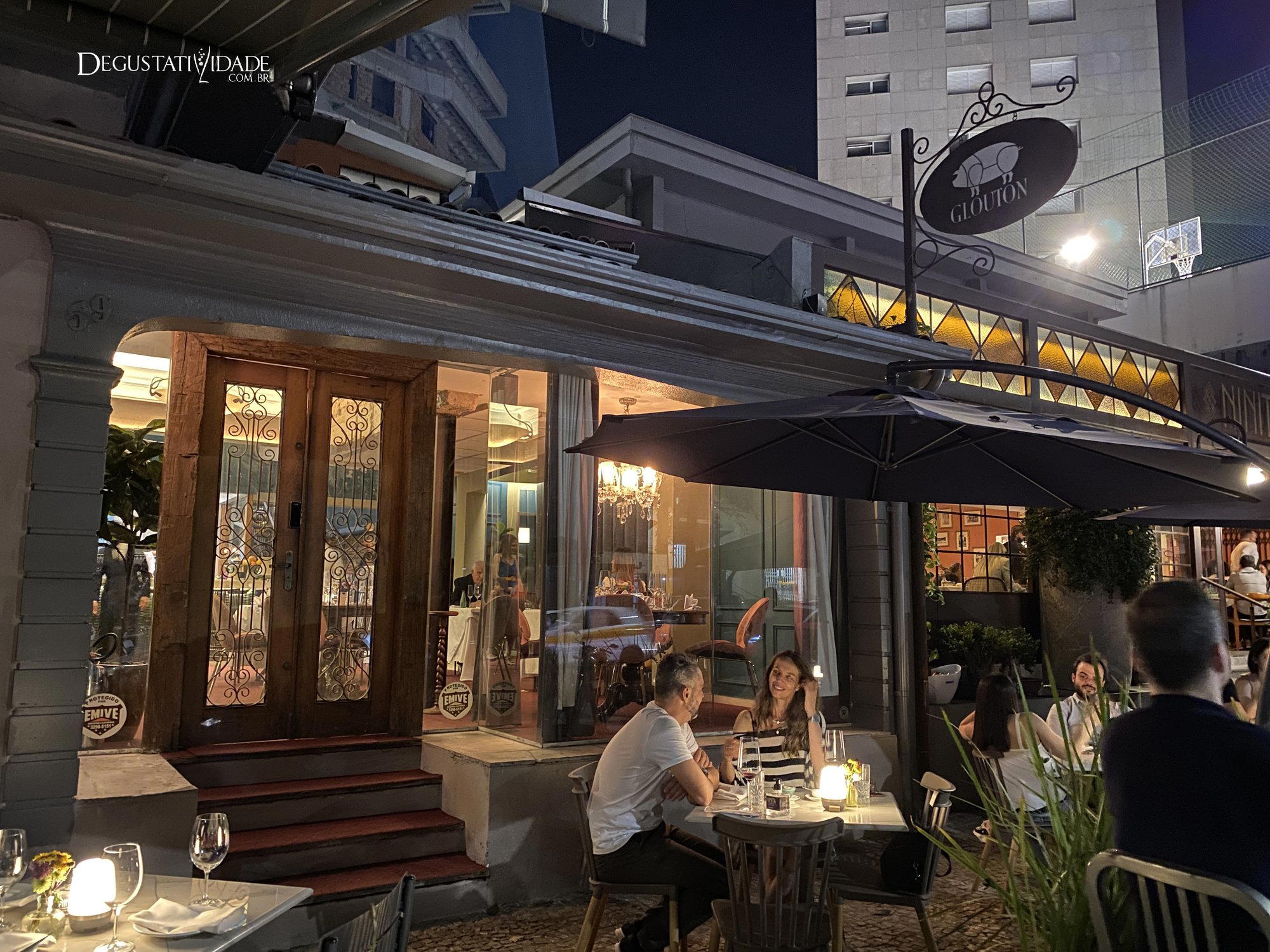
On Rua Bárbara Heliodora in Lourdes, Glouton occupies a corner of Belo Horizonte's most food-literate neighbourhood and positions itself within the city's growing fine-casual dining tier. The menu architecture rewards attention, building from local Mineiro foundations toward more technically ambitious territory. For visitors already exploring BH's serious restaurant scene, it belongs on the shortlist.

Pearl is the En Primeur Club membership app, where members save venues, book tables and use the concierge.
The menu
What to order
- Canastra cheese with honey
- Piglet with crispy farofa
Lourdes and the Table It Sets
Lourdes is the neighbourhood in Belo Horizonte where the city's dining ambitions tend to concentrate. The streets around Rua Bárbara Heliodora carry a particular density of kitchens that take their work seriously, sitting somewhere between the neighbourhood bistro model and the kind of destination dining that draws visitors from São Paulo and Rio. Glouton, at number 59, slots into this context without requiring much explanation to locals. The address alone carries a shorthand about the tier of restaurant you are entering.
That physical setting matters. Lourdes dining tends toward the intimate and considered rather than the theatrical. Rooms are not vast; menus are not encyclopaedic. The competitive pressure in this pocket of BH has pushed kitchens toward precision rather than volume, and Glouton operates within that understood framework. Nearby, places like Birosca S2 and Anella Ristorante have staked out their own registers, and the neighbourhood is better for the range.
What the Menu Structure Reveals
The editorial angle on a restaurant like Glouton is most legibly read through how its menu is built rather than what any single dish does. In Minas Gerais, there is a persistent tension between the deep regional tradition of mineiro cooking and the international technical vocabulary that Brazilian fine dining has absorbed over the past two decades. The question a serious BH kitchen has to answer is whether it uses that tension productively or simply ignores one side of it.
Menu architecture in this context tells you a great deal about a kitchen's positioning. A menu that leads with recognisable mineiro ingredients and builds toward more composed, technique-driven plates signals an intention to anchor the experience in place while reaching outward. This is a different proposition from a kitchen that imports a framework wholesale and applies local produce as decoration. The former approach, when it works, produces something that reads distinctly of Minas Gerais even when the technique owes something to European or Japanese kitchens. Restaurants such as Manu in Curitiba and Manga in Salvador have demonstrated in their own cities how that balance can be struck with conviction.
At a broader national level, the conversation around Brazilian fine dining has been shaped by kitchens like D.O.M. in São Paulo and Oteque in Rio de Janeiro, both of which have demonstrated that regional identity and technical ambition are not competing objectives. Glouton sits downstream of that conversation in the sense that it operates in a city still consolidating its position within the national fine dining map, and with a menu structure that reflects the same underlying logic at a different scale.
Mineiro Cooking as a Starting Point, Not a Ceiling
Minas Gerais has one of Brazil's most codified regional food cultures. Feijão tropeiro, tutu de feijão, frango ao molho pardo, queijo Minas in its various aged forms: these are not nostalgic references but living kitchen staples that appear across price points from padaria counters to the state's more serious restaurants. The question for a contemporary BH kitchen is not whether to engage with this material but how. Using mineiro ingredients as a point of departure rather than a destination is one answer, and it tends to produce menus with more compositional range.
This is the architectural principle that defines the more interesting tier of Belo Horizonte dining. The comparison with restaurants in other Brazilian states, including Mina in Campos do Jordão and Orixás in Itacaré, is instructive: across Brazil, the most coherent contemporary kitchens tend to be the ones that know exactly which tradition they are working within and which ones they are borrowing from.
Where Glouton Sits in the BH Tier Structure
Belo Horizonte's restaurant scene does not have the density of São Paulo or the tourist-facing visibility of Rio, but it has a dining culture that punches with some weight. The city's population eats out with frequency and seriousness, and the Lourdes-Savassi corridor has developed a cluster of kitchens that operate at a level beyond casual. Glouton is positioned within that cluster rather than above it: a serious neighbourhood restaurant in a neighbourhood that takes seriousness as a baseline expectation.
In the same city, Demae Culinária Japonesa and Gulla Burguer address entirely different registers and audiences, which illustrates how BH's dining market has segmented. Glouton occupies the more considered, sit-down end of that spectrum without necessarily scaling to the tasting-menu formality that defines the very best of the Brazilian fine dining tier. Internationally, the closest structural analogies might be places like Lazy Bear in San Francisco or, at greater technical height, Le Bernardin in New York City, both of which demonstrate how menu architecture can carry a distinct point of view without requiring the diner to have read a manifesto first. Glouton operates at a different scale and price ceiling, but the underlying editorial question is the same: does the menu tell you something about where it comes from?
Further context from Brazil's broader regional restaurant scene helps calibrate expectations. Restaurants like Olivetto in Campinas, Primrose in Gramado, and Castelo Saint Andrews in Gramado each show how cities outside the São Paulo-Rio axis have developed their own dining registers with distinct regional logic. BH's version of that story runs through the mineiro kitchen, and Glouton is one of the addresses where that story is being told with some care.
For visitors planning time in Belo Horizonte, Rua Bárbara Heliodora is direct to reach from the Lourdes and Savassi hotel cluster, and the neighbourhood rewards an evening on foot before or after a meal. Booking is advisable for weekend evenings, as Lourdes restaurants at this tier fill without significant advance notice. For the fuller picture of what the city offers across cuisines and price points, the EP Club Belo Horizonte restaurants guide maps the scene in detail, including restaurants at State of Espírito Santo and beyond the city limits for those extending their Minas Gerais itinerary.
Frequently asked questions
Is Glouton okay with children?
The Lourdes neighbourhood in Belo Horizonte hosts a mix of dining formats, and restaurants along Rua Bárbara Heliodora tend to skew toward adult-oriented evenings focused on the meal itself. Glouton's positioning within the more considered end of the BH dining tier suggests it is better suited to older diners. Families with younger children would likely find the format a less comfortable fit than a casual neighbourhood spot.
How would you describe the vibe at Glouton?
Glouton sits in Lourdes, the part of Belo Horizonte where the city's more serious dining intentions tend to gather. The address on Rua Bárbara Heliodora places it within a stretch that favours considered, table-focused meals rather than high-energy social eating. Expect an atmosphere calibrated for conversation and attention to the food rather than spectacle.
Does Glouton represent Belo Horizonte's approach to contemporary Mineiro cooking?
Belo Horizonte's dining scene lacks the density of São Paulo but has a local food culture that holds regional identity seriously, and Glouton's location in Lourdes places it at the centre of that conversation. Minas Gerais cuisine carries one of the most documented regional food traditions in Brazil, and restaurants in the Lourdes tier are typically assessed on how they interpret rather than simply replicate that foundation. Glouton's name and positioning suggest an engagement with Mineiro cooking that treats the tradition as a reference point rather than a menu constraint.
What's the must-try dish at Glouton?
Minas Gerais has one of Brazil's most codified regional food traditions, and Glouton's menu is most legibly read through how it engages with that canon. Tutu de feijão, frango ao molho pardo, and the various expressions of queijo Minas represent the regional baseline that any kitchen in this tier is measured against. The editorial approach at Glouton appears to use that framework as a starting point rather than a boundary.
Recognition, Side-by-Side
Comparable venues nearby, for context on price, style, and recognition.
| Venue | Cuisine | Price | Notes |
|---|---|---|---|
| GloutonThis venue (the venue you are viewing) | French-Brazilian Fusion | $50–100 | Not listed |
| Birosca S2 | Modern Brazilian Bistro | $30–50 | Santa Tereza |
| Gulla Burguer | Brazilian Burger Joint | Not listed | Paraúna (Venda Nova) |
| Taste-Vin | Classic French Bistro | $50–100 | Lourdes |
| Anella Ristorante | Traditional Italian with Artisanal Pasta | $20–30 | Santa Amélia |
| Demae Culinária Japonesa | Traditional Japanese Sushi | $20–30 | Anchieta |
Continue exploring
More in Belo Horizonte
Restaurants in Belo Horizonte
All restaurants in Belo Horizonte →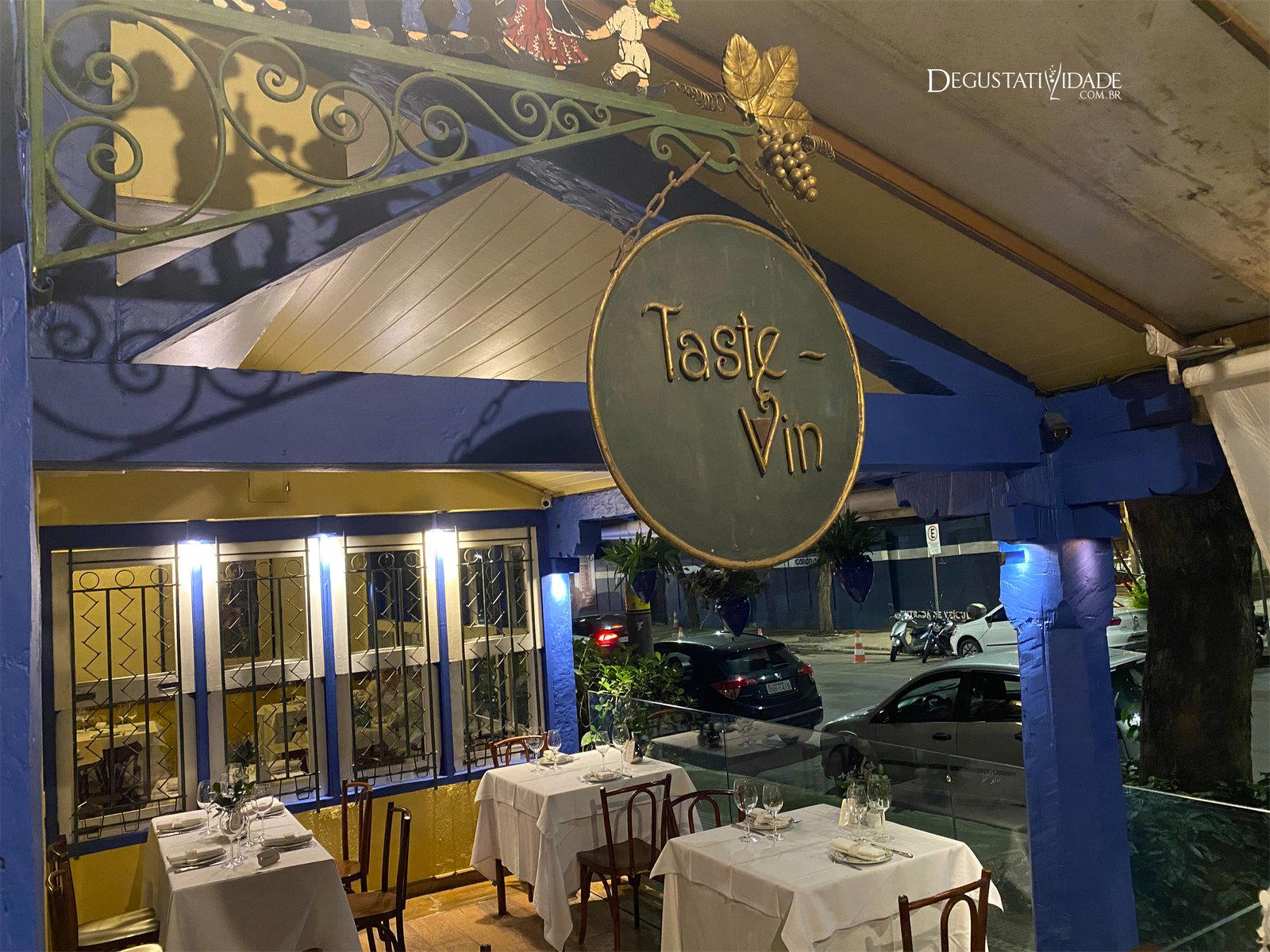
Bars in Belo Horizonte
All bars in Belo Horizonte →
Hotels in Belo Horizonte
All hotels in Belo Horizonte →
Details
- Cozy
- Elegant
- Rustic
- Special Occasion
- Date Night
- Open Kitchen
- Local Sourcing
- Garden
- Tasting Menu
Current opening hours
- Monday
- 7–11 PM
- Tuesday
- 7–11 PM
- Wednesday
- 7–11 PM
- Thursday
- 7–11 PM
- Friday
- 7–11 PM
- Saturday
- 7–11 PM
- Sunday
- Closed
Hours can change for holidays and private events. Hours as of .
Relaxed with exposed brick walls, adorable garden, and lively tropical prints.