Nono - O Rei do Caldo de Mocotó
On Avenida Amazonas in central Belo Horizonte, Nono - O Rei do Caldo de Mocotó occupies a specific and important place in the city's street-food tradition: a specialist in caldo de mocotó, the slow-cooked bovine hoof broth that defines working-class mineiro food culture. The name translates directly as 'the King of Mocotó Broth,' a declaration of intent that the regulars who line up here would not dispute.
Pearl is the En Primeur Club membership app — saves, bookings, and concierge access live there. Same editors, same standards.
- Address
- Av. Amazonas, 840 - Centro, Belo Horizonte - MG, 30180-000, Brazil
- Phone
- +55 31 3212 7458
- Website
- shor.by
- Directions
- Get directions
 Saves & bookings on Pearl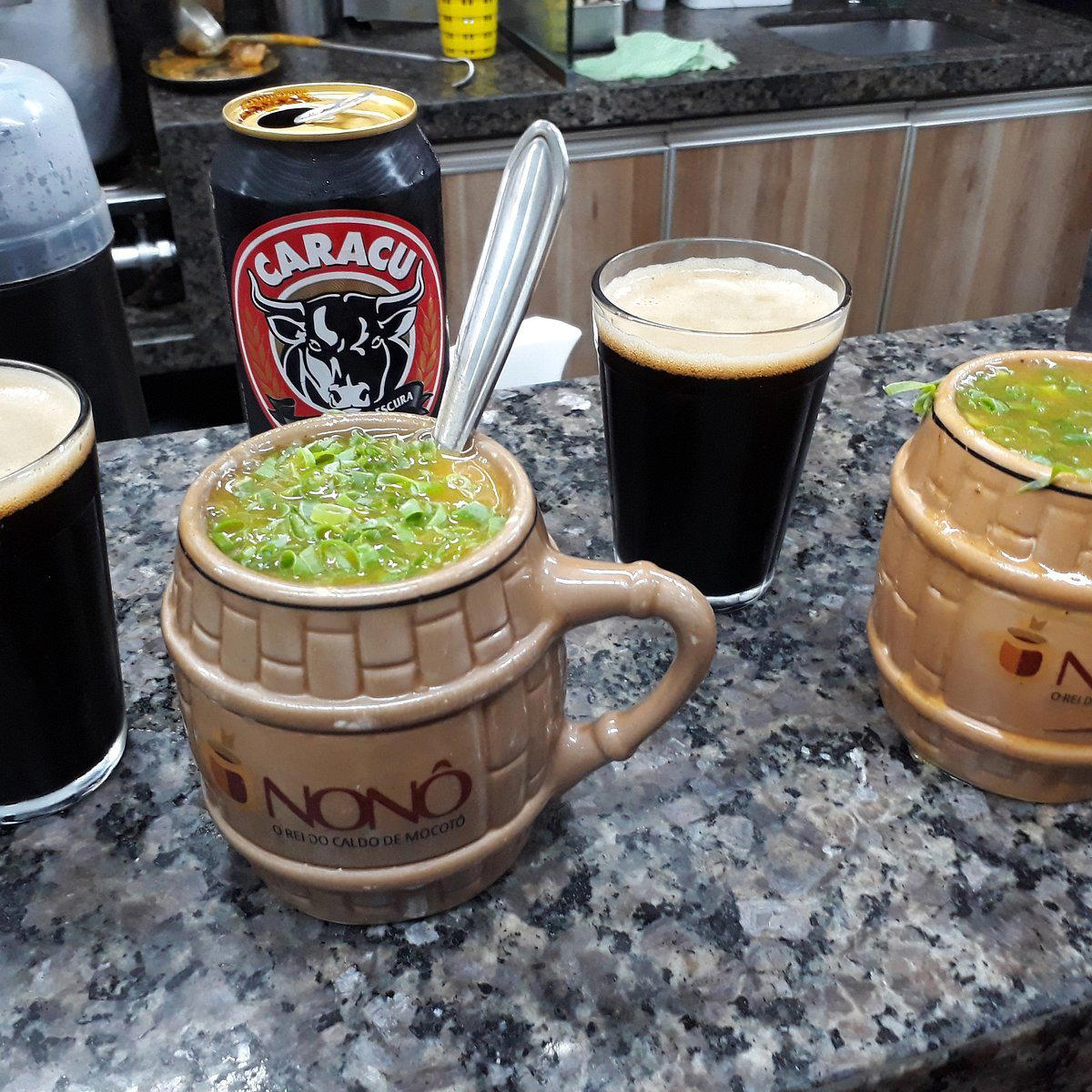
Street Heat on Avenida Amazonas
Centro Belo Horizonte operates at a different register from the polished restaurant strips of Savassi or Lourdes. On Avenida Amazonas, the commercial artery that cuts through the city's downtown core, the air carries diesel, roasting meat, and the deep, collagenous smell of long-simmered broth. It is in this context that Nono - O Rei do Caldo de Mocotó makes complete sense: not as a destination restaurant angling for attention, but as a fixture of the neighbourhood's daily rhythm, the kind of place that has a defined function and fulfils it without apology.
The physical environment here is not designed to impress. Centro Belo Horizonte favours directness over decoration, and spots like Nono operate under fluorescent light, with tiled walls and the practical furniture of a place that turns tables quickly and serves food that does not require ceremony. The energy is low-key in the sense that there is no performance, but the volume of people moving through at peak hours tells its own story. This is not a quiet room. It is a working lunch counter, and it carries all the ambient noise that implies: orders called out, spoons against ceramic, the hiss of liquid being ladled.
The Dish That Defines the Address
Caldo de mocotó sits in a specific position within Brazilian food culture. It is a slow-cooked broth made from bovine hoof, rendered until the collagen breaks down into a thick, gelatinous liquid with a depth of flavour that bears almost no resemblance to a light consommé. The preparation is labour-intensive and time-specific: the hooves require hours of simmering before the broth reaches the consistency that regulars expect. In Minas Gerais, the dish carries particular cultural weight as a restorative food, a hangover cure, a cold-morning staple, and a point of regional identity that sits alongside feijão tropeiro and frango ao molho pardo in the mineiro culinary canon.
Nono's address on Avenida Amazonas, 840, places it squarely within reach of Centro's working population: office workers, market vendors, and the pedestrian flow that animates downtown BH from early morning. The broth is the primary reason people come. Every other consideration is secondary. For visitors oriented toward Belo Horizonte's more formal dining options, a detour to Nono represents a direct encounter with a food tradition that the city's upscale kitchens occasionally reference but rarely replicate with the same structural integrity.
Where Nono Sits in Belo Horizonte's Eating Scene
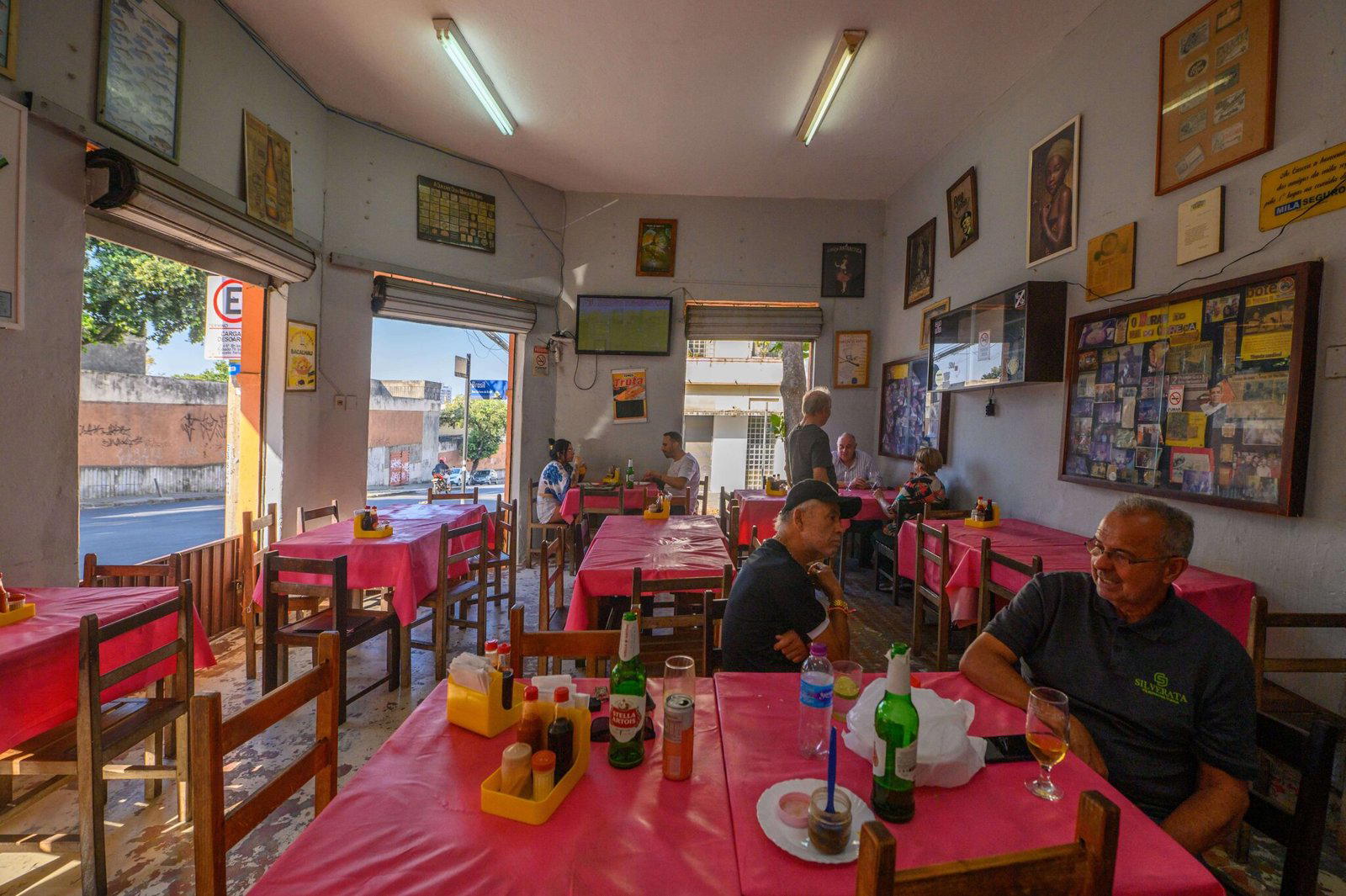
Belo Horizonte has a strong tradition of counter-service and neighbourhood-specific food culture that runs parallel to its more prominent bar and restaurant scene. Spots like Bar da Lora and Bar Do Careca demonstrate how the city's most enduring food addresses often function more as community infrastructure than as conventional hospitality venues. Nono belongs to that same tier: places where the product earns the loyalty rather than the setting or the story around it.
Across Brazil, this category of specialist street-food operation has held its ground even as restaurant culture has shifted toward tasting menus and chef-driven narratives. Acarajé da Dinha in Salvador represents a comparable dynamic in the northeast: a single-product specialist with deep local roots and a clientele that is not looking for context or curation. The same pattern appears in Rio at Bar de Copa and in the more polished bar formats emerging in São Paulo at places like Exímia. Nono operates without the formal recognition that accrues to those venues, but it draws on a different kind of authority: the accumulated trust of a local clientele with a precise expectation and a long memory.
For a fuller picture of where Nono sits within the city's broader eating and drinking culture, our full Belo Horizonte restaurants guide maps the scene across neighbourhoods and price tiers.
Atmosphere: What the Room Actually Feels Like
The mood at a place like Nono is calibrated entirely by function. There is no ambient playlist, no curated lighting scheme, and no visible effort to shape the experience beyond the practical. What that produces is an atmosphere of total authenticity, which in practice means a room that feels entirely comfortable if you have come specifically to eat, and slightly disorienting if you arrived expecting hospitality theatre. The regulars eat with the efficiency of people who know exactly what they want and have no reason to linger. The pace of the room follows the pace of the kitchen, which is fast.
This contrasts with the direction that bar and restaurant culture has taken in other Brazilian cities. At Dionisia Restaurante VinhoBar in Porto Alegre or Vivan Wine Bar in Balneario Camboriu, the designed environment is part of the proposition. At Nono, the environment is incidental. The distinction matters because it tells you exactly what kind of visit you are planning. Internationally, the same split exists between places like Bar Leather Apron in Honolulu or Jewel of the South in New Orleans, where atmosphere is a deliberate craft, and counter-service specialists where the product absorbs all the attention.
Planning a Visit
Nono is located at Avenida Amazonas, 840, Centro, Belo Horizonte, a central address accessible on foot from the main downtown commercial zone and reachable by the city's metro system via the Central station. Centro operates most actively during working hours, and the strongest argument for visiting Nono is a weekday morning or lunchtime, when the neighbourhood is at its most animated and the broth is at its freshest pull from the day's production. No advance booking is required or relevant for this format. The operation is walk-in, counter-service, and priced at the accessible end of the city's eating options, consistent with its positioning as an everyday local resource rather than an occasional dining event. Phone and website details are not publicly listed, which is typical for this tier of Centro operation. Dress practically; the room and the dish demand nothing else.
For visitors building a broader itinerary across Brazil, reference points further afield include SEEN Belém in Belem and Julep in Houston, which represent different points on the spectrum of what Brazilian and American food culture has built around tradition and place.
Cuisine Lens
| Venue | Cuisine |
|---|---|
| Nono - O Rei do Caldo de MocotóThis venue — the venue you are viewing | This venue |
| Bar de Copa | World's 50 Best |
| Guilhotina | World's 50 Best |
| SubAstor | World's 50 Best |
| Tan Tan | World's 50 Best |
Continue exploring
More in Belo Horizonte
Bars in Belo Horizonte
Browse all →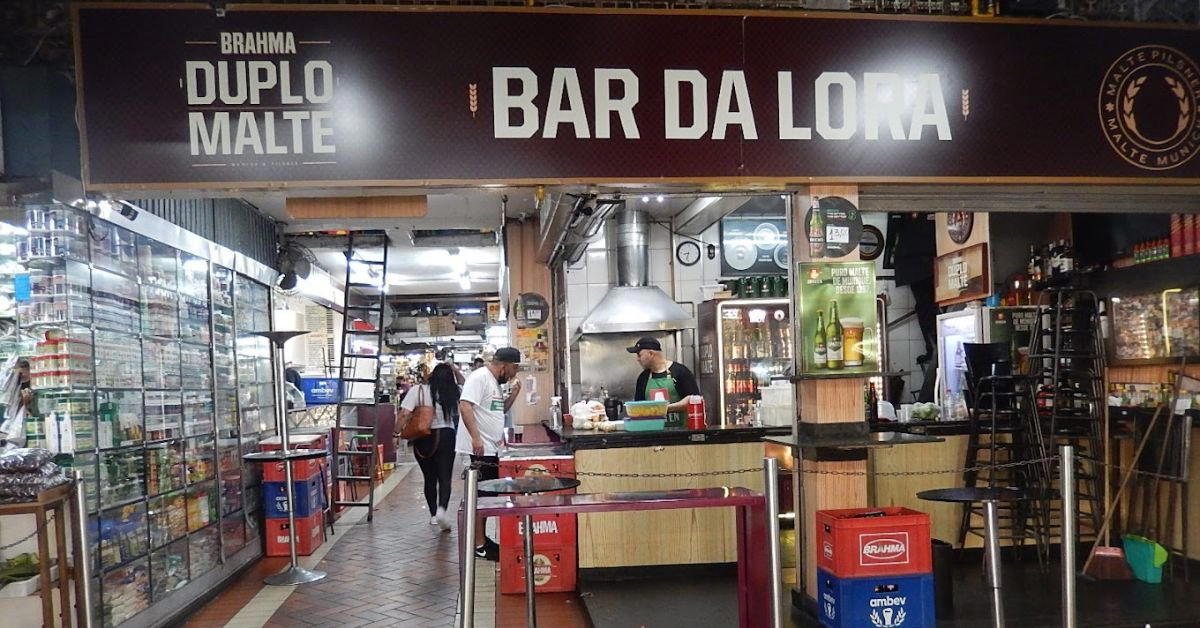
Restaurants in Belo Horizonte
Browse all →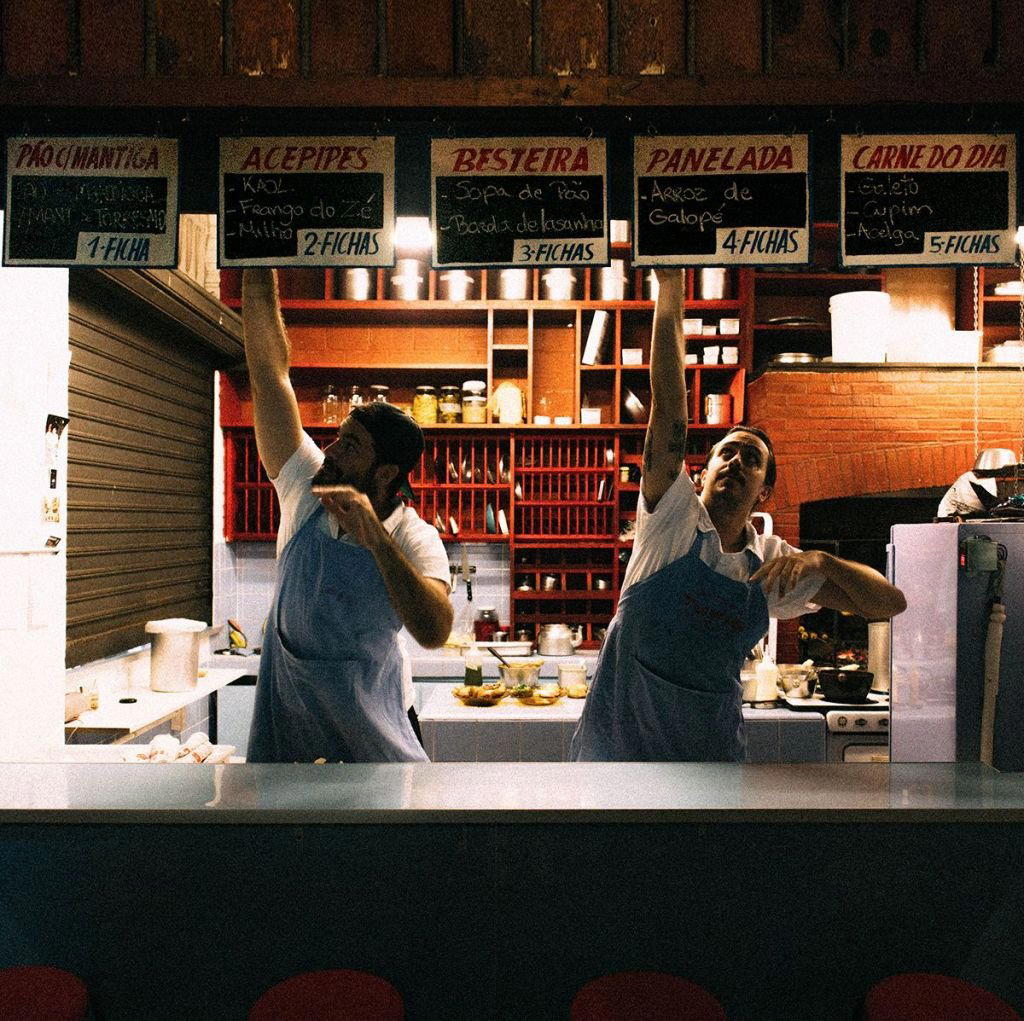
Hotels in Belo Horizonte
Browse all →
At a Glance
- Classic
- Well Known
- Late Night
- Casual Hangout
- Standalone
- Counter Only
- Craft Beer
Current opening hours
- Monday
- 6 AM–12 AM
- Tuesday
- Open 24 hours
- Wednesday
- Open 24 hours
- Thursday
- Open 24 hours
- Friday
- Open 24 hours
- Saturday
- Open 24 hours
- Sunday
- Closed
Hours can change for holidays and private events. Last verified .
Know Before You Go
- Getting there
- Av. Amazonas, 840 - Centro, Belo Horizonte - MG, 30180-000, Brazil