Cozinha Tupis
Our verdict
Cozinha Tupis occupies a commercial address in Belo Horizonte's Centro district, placing it inside a neighbourhood where mineiro dining traditions run deep and everyday lunch culture operates at its own unhurried pace. For visitors tracing the city's cooking heritage beyond the upscale southern suburbs, this address on Av. Olegário Maciel offers a different entry point into how Belo Horizonte actually eats.

Pearl is the En Primeur Club membership app, where members save venues, book tables and use the concierge.
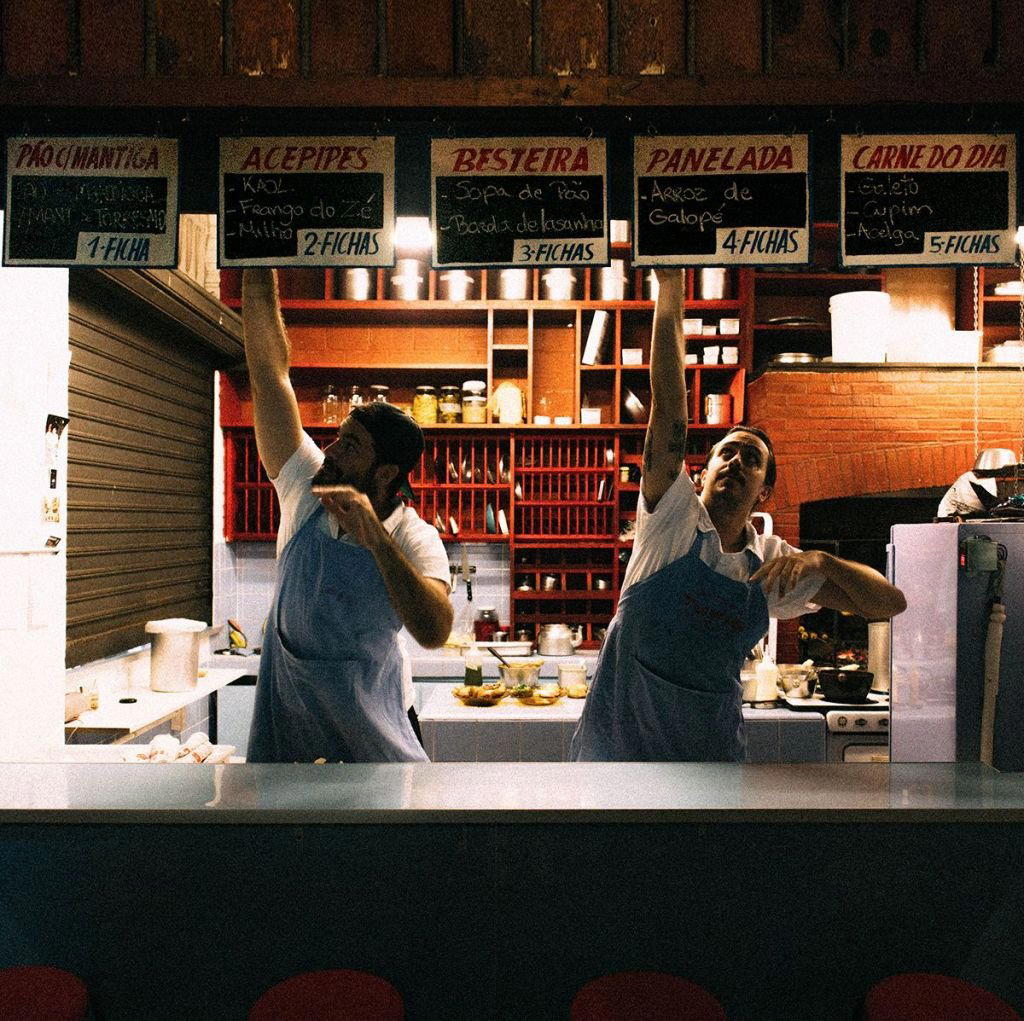
The menu
What to order
- Xodo
- Slow-cooked stew
- Pig's ears
- Trotters
Where Centro Eats on Its Own Terms
Belo Horizonte's Centro is not the neighbourhood that appears in most premium dining itineraries. The serious money and the marquee chefs have long since migrated south toward Savassi, Lourdes, and Santo Antônio, leaving the downtown grid to a more functional kind of hospitality: lunch counters that open at eleven, self-service plates priced for office workers, and a handful of addresses that hold their ground because the regulars would have it no other way. Av. Olegário Maciel cuts through that world, and Cozinha Tupis sits along it at number 742, inside a commercial building that the city's dining press tends to overlook in favour of the flashier south zone.
That structural overlooking is itself informative. In Belo Horizonte, as in most Brazilian cities with a strong regional cooking identity, the gap between the celebrated and the quotidian is where you find the clearest picture of what the cuisine actually is. The celebrated tier, places such as Glouton and Anella Ristorante, operates with chef-driven menus and reservation systems calibrated to a different clientele. The quotidian tier operates on different logic entirely: volume, regularity, and the implicit contract that the food will taste like it has always tasted.
The Rhythm of a Mineiro Meal
Understanding Cozinha Tupis requires understanding the dining ritual that Minas Gerais has refined over centuries. Mineiro cooking is not a cuisine of surprise. It is a cuisine of confirmation: the feijão tropeiro arriving as it should, the couve minced fine and quickly wilted in hot fat, the rice cooked loose enough to absorb whatever it sits beside. The pleasure is in the precision of the familiar, not in novelty. This stands in deliberate contrast to the tasting-menu format that has come to define Brazil's international dining profile, the kind of ambitious, technique-forward work represented nationally by D.O.M. in São Paulo or Oteque in Rio de Janeiro. Those restaurants ask diners to submit to a choreographed sequence. A Centro lunch counter in Belo Horizonte asks something different: that you already know what you want, that you arrive with appetite rather than curiosity, and that you eat at the pace the kitchen sets.
That pace tends to be brisk. The Centro lunch rush in any Brazilian city compresses into a tight window, and the leading addresses in that category have turned efficiency into a kind of discipline. There is no lingering over amuse-bouches. The meal begins when the food arrives and ends when the plate is clear. For visitors accustomed to the extended, course-by-course rhythm of restaurants like Lazy Bear in San Francisco or Le Bernardin in New York City, the compression can feel abrupt. It is not abruptness. It is a different set of hospitality priorities, and one that has served the working centre of Belo Horizonte for as long as there have been workers in it.
Centro as a Dining Neighbourhood
The address on Av. Olegário Maciel places Cozinha Tupis in proximity to the commercial and administrative core of the city. This is not a neighbourhood built for evening dining tourism. It empties after business hours. The dining action here is concentrated in the midday period, which means visitors who approach it on evening-restaurant logic, arriving without a plan, browsing options, taking their time to decide, will find the neighbourhood less accommodating than Savassi or Lourdes. The rhythm rewards planning.
That said, Centro carries a density of food culture that the polished southern districts cannot replicate. The lanches, the padarias, the self-service restaurants with their bain-marie spreads of mineiro staples, this is the infrastructure of everyday eating in one of Brazil's largest cities. Belo Horizonte has built a national reputation for its informal food culture, particularly its bar snacks (petiscos) and its lanche de forno tradition, and Centro is where that culture has the longest unbroken continuity. For a broader map of where this address sits relative to the city's dining range, the EP Club Belo Horizonte restaurants guide provides neighbourhood-level context across price points and cuisine types.
The Wider Brazilian Context
Mineiro cooking occupies a specific position in Brazil's regional cuisine hierarchy. It is not the Bahian cooking of dendê and seafood that drives tourism to addresses like Manga in Salvador or the Amazonian ingredients that have given northern Brazilian cooking an international following through venues like Orixás in Itacaré. Mineiro food is inland, pork-centred, and built around the agricultural products of a landlocked state: beans, corn, pork fat, leafy greens, and the small salty cheeses that appear at almost every meal. Its prestige is domestic rather than export-facing. Brazilians from other states make the trip to Belo Horizonte partly to eat this food in its home context, in the same way that serious French diners will travel to Lyon for a bouchon rather than eating Lyonnaise cooking in Paris.
That dynamic gives even modest Centro addresses a legitimacy that comparable spots in São Paulo or Rio would struggle to claim. A plate of feijão tropeiro eaten on Av. Olegário Maciel carries a geographic credential that the same dish prepared elsewhere cannot replicate. It is the same logic that draws visitors to Mina in Campos do Jordão or Manu in Curitiba to eat food that speaks specifically to its state rather than to a national or international fine dining script.
For visitors covering the wider Belo Horizonte dining spread, the city offers considerable range across formats. Birosca S2 represents one end of the informal spectrum; Demae Culinária Japonesa reflects the city's substantial Japanese-Brazilian community and its dining culture; Gulla Burguer sits in the fast-casual category that has expanded significantly across Brazilian cities in the past decade. Cozinha Tupis occupies a different quadrant from all of them.
Planning Your Visit
The address, Av. Olegário Maciel, 742, loja 2161, Centro, is reachable by metro from the Estação Central do Brasil stop, which makes it accessible without a car in a city where the southern dining districts often reward having one. Given the Centro rhythm described above, arriving at or shortly before the midday service window is the practical approach. No booking platform was confirmed as active. For comparable lunch-format experiences across the Brazilian interior dining circuit, State of Espírito Santo in Rio Bananal, Olivetto in Campinas, and Primrose in Gramado illustrate how regional cooking identity inflects the dining ritual across different states, and how Castelo Saint Andrews in Gramado applies a different regional frame entirely.
Frequently asked questions
Where is Cozinha Tupis in Belo Horizonte?
Cozinha Tupis is located at Av. Olegário Maciel, 742 - LJ 2161 - Centro, Belo Horizonte - MG, 30170-110, Brazil, Belo Horizonte.
What is the Mineiro lunch format, and does Cozinha Tupis follow it?
The classic Mineiro lunch, rice, feijão, braised meat, couve mineira, and farofa, is the dominant midday format across Belo Horizonte's Centro, shaped by centuries of inland Minas Gerais food culture. Cozinha Tupis, at Av. Olegário Maciel 742 in the city's commercial core, operates in exactly the neighbourhood where that format feeds the daily workforce. No menu data is confirmed, but the address category strongly suggests the kitchen follows this structure.
What do people recommend at Cozinha Tupis?
Given its location in Centro, Belo Horizonte, the city's working lunch corridor, the menu almost certainly follows the Mineiro format: rice, beans, braised or grilled protein, and couve refogada as the backbone. Order what's listed on the daily board rather than arriving with a fixed request.
Should I book Cozinha Tupis in advance?
No confirmed reservation system has been identified. Centro lunch addresses in Belo Horizonte typically operate on a walk-in basis, with peak service running from midday to roughly 14:00 on weekdays. Arriving before noon is the practical move at a busy commercial-district address like Av. Olegário Maciel.
What makes Cozinha Tupis worth seeking out?
The case rests on geography and category. Cozinha Tupis sits in Centro, not the Savassi or Lourdes neighbourhoods that attract most food coverage, which means it operates for the city's own daily lunch trade rather than for out-of-town visitors. Minas Gerais defines one of Brazil's most coherent regional food traditions, and a Centro address is where that tradition functions without concession to tourism.
Is Cozinha Tupis good for vegetarians?
Mineiro cooking is historically built around pork, linguiça, torresmo, and slow-braised cuts appear across most traditional menus in this category. Rice, beans, and couve are structurally vegetarian, but the same pots often see lard or pork stock.
Should I splurge on Cozinha Tupis?
Centro lunch venues in Belo Horizonte generally sit at the accessible end of the city's price range, this is the neighbourhood where locals eat daily, not where expense-account dinners happen. Expect the format to be priced accordingly, whether prato feito or a short à la carte list.
What It’s Closest To
Comparable venues nearby, for context on price, style, and recognition.
| Venue | Cuisine | Price | Notes |
|---|---|---|---|
| Cozinha TupisThis venue (the venue you are viewing) | Minas Gerais Regional Brazilian | $20–30 | Not listed |
| Glouton | French-Brazilian Fusion | $50–100 | Lourdes |
| Gulla Burguer | Brazilian Burger Joint | Not listed | Paraúna (Venda Nova) |
| Birosca S2 | Modern Brazilian Bistro | $30–50 | Santa Tereza |
| Anella Ristorante | Traditional Italian with Artisanal Pasta | $20–30 | Santa Amélia |
| Demae Culinária Japonesa | Traditional Japanese Sushi | $20–30 | Anchieta |
Continue exploring
More in Belo Horizonte
Restaurants in Belo Horizonte
All restaurants in Belo Horizonte →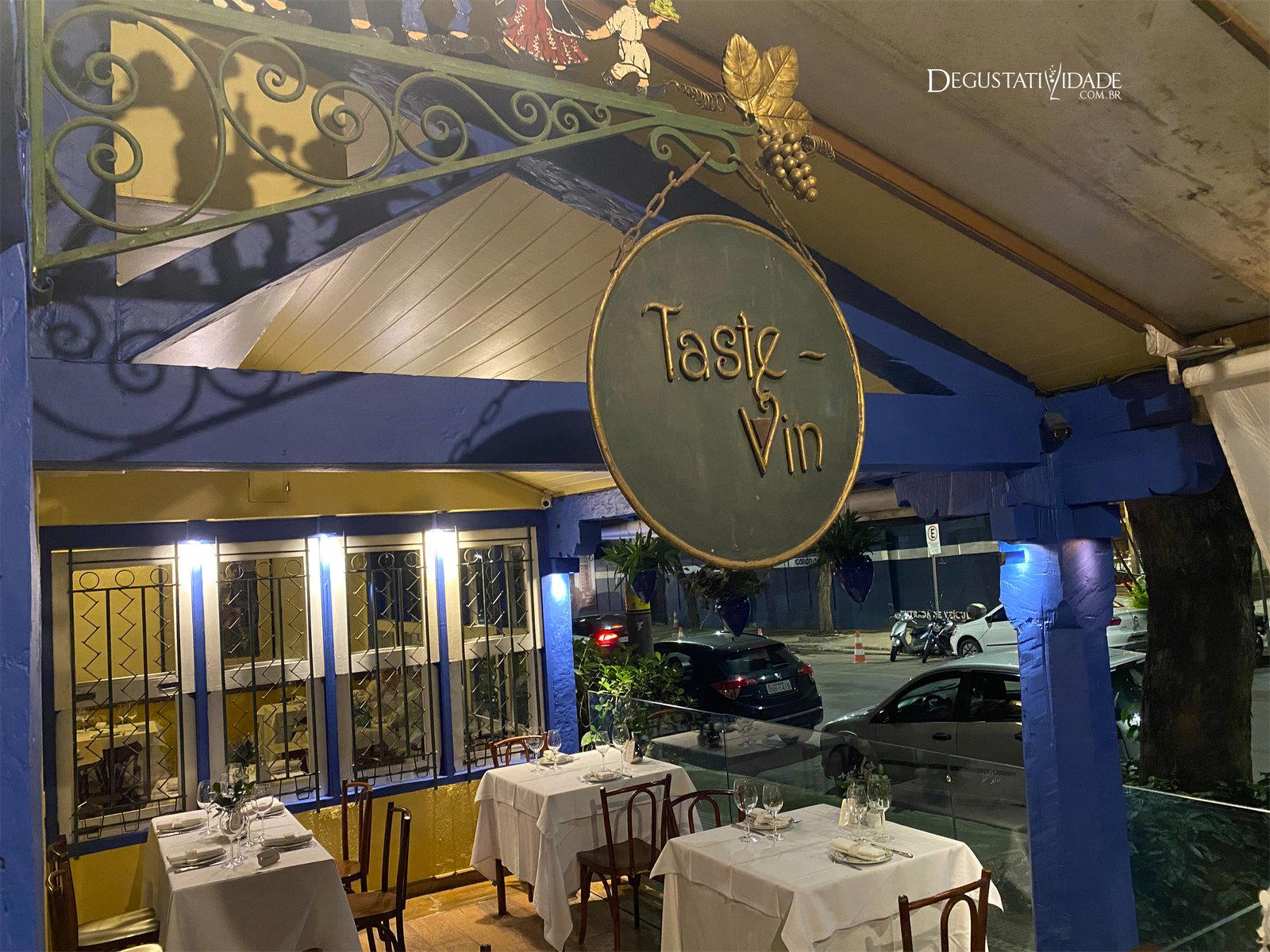
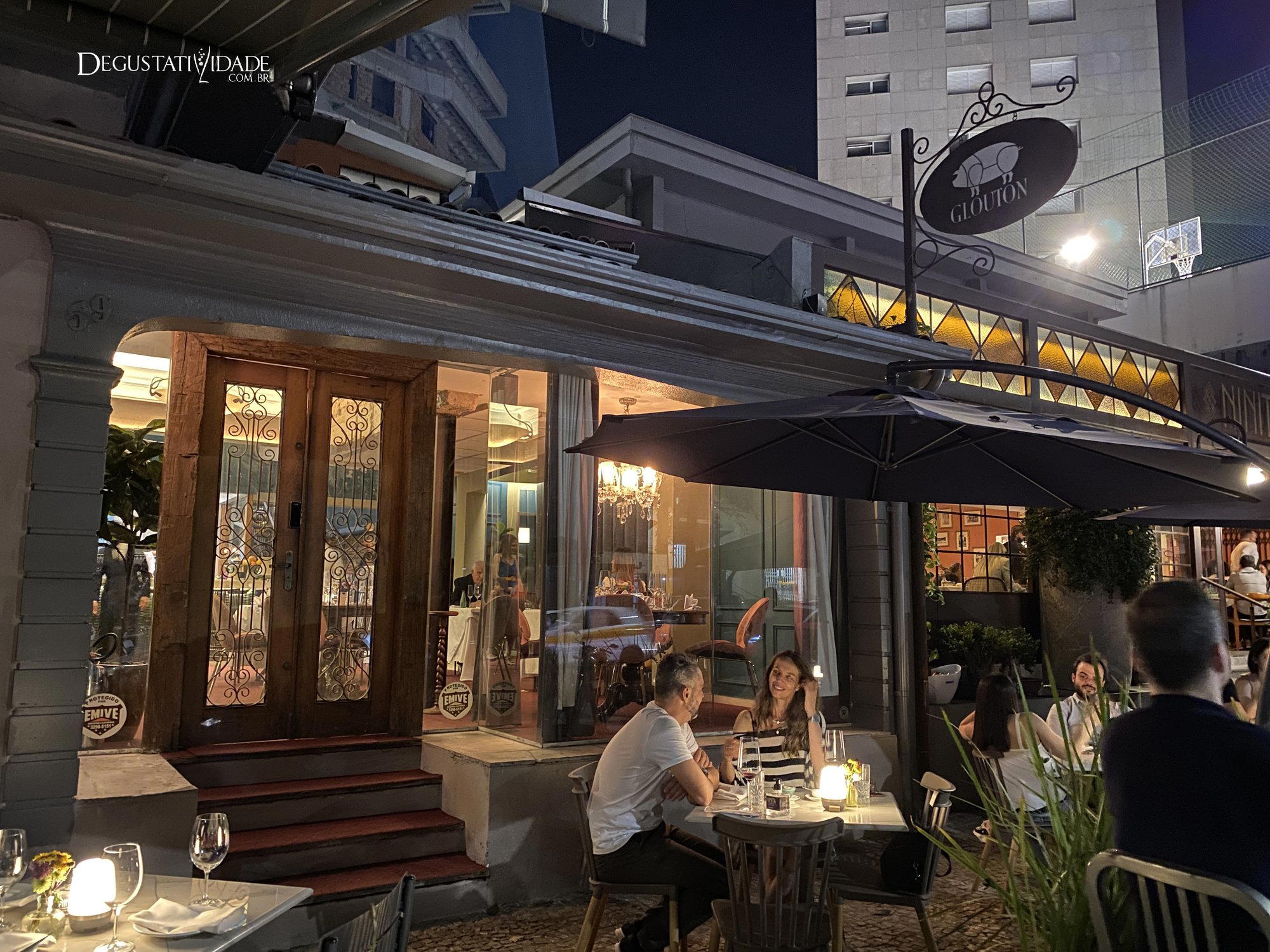
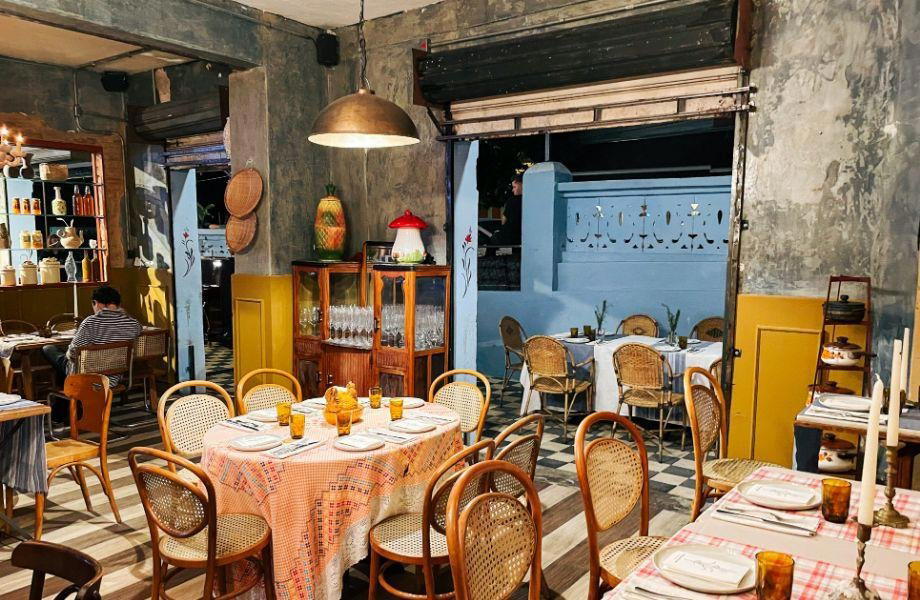
Bars in Belo Horizonte
All bars in Belo Horizonte →
Hotels in Belo Horizonte
All hotels in Belo Horizonte →
Details
- Lively
- Rustic
- Casual
- Casual Hangout
- Group Dining
- After Work
- Open Kitchen
- Beer Program
- Local Sourcing
- Farm To Table
- Counter Dining
- A La Carte
- Craft Beer
- Artisanal Chopp
Current opening hours
- Monday
- Closed
- Tuesday
- 11:30 AM–10:30 PM
- Wednesday
- 11:30 AM–10:30 PM
- Thursday
- 11:30 AM–10:30 PM
- Friday
- 11:30 AM–10:30 PM
- Saturday
- 11:30 AM–10 PM
- Sunday
- 11:30 AM–4 PM
Hours can change for holidays and private events. Hours as of .
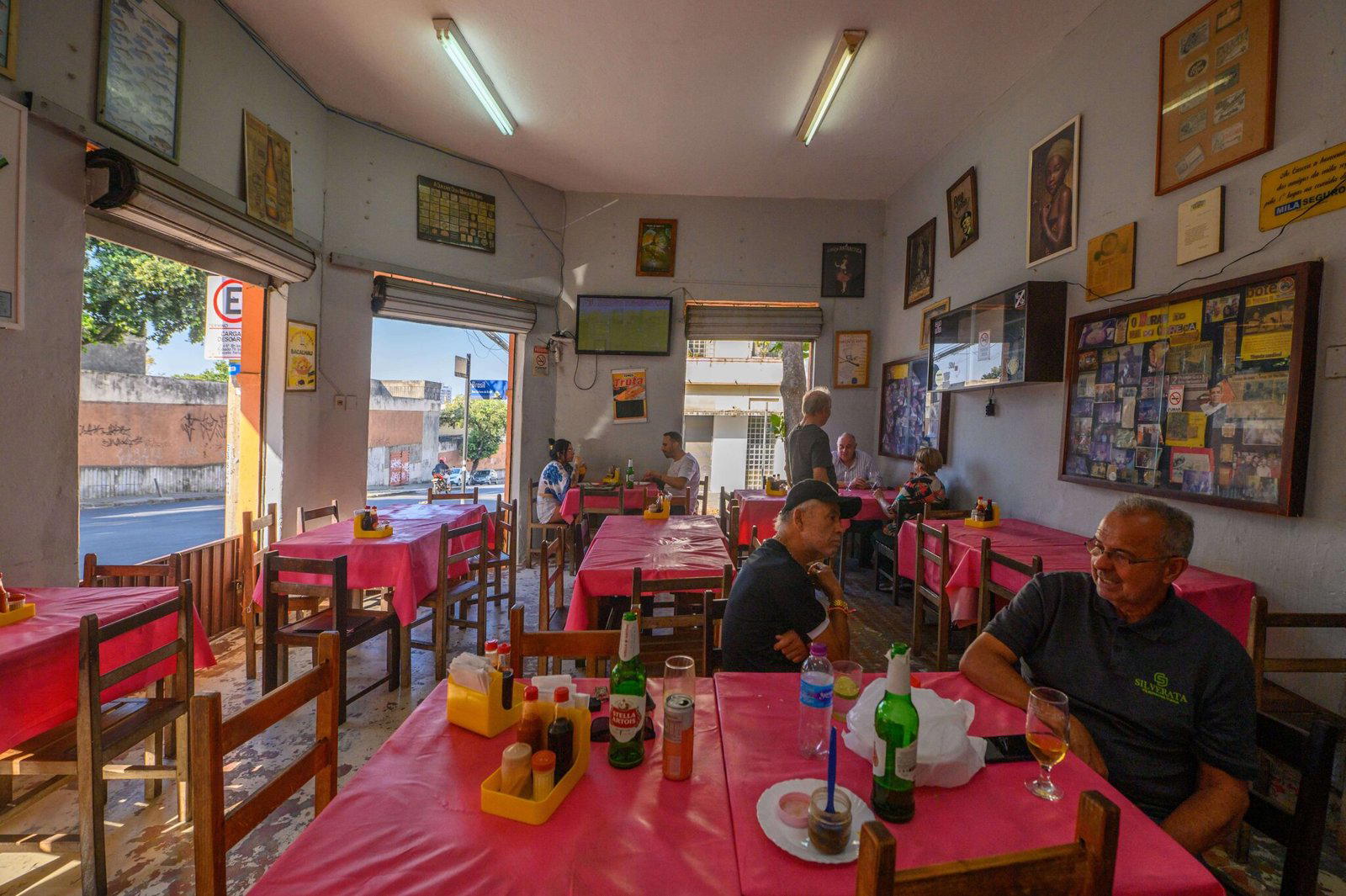
Casual, unpretentious counter-service environment with minimal frills, reminiscent of street food stalls but polished with chef-driven cuisine; lively market atmosphere.