Anella Ristorante
Our verdict
Anella Ristorante occupies the Santa Amelia neighbourhood of Belo Horizonte, placing it within a city whose Italian immigrant heritage runs deeper than most Brazilian capitals acknowledge. The address on Avenida Ministro Guilhermino de Oliveira positions it away from the more frequented dining corridors, making it a reference point for those tracking the quieter end of BH's Italian-inflected dining scene.

Pearl is the En Primeur Club membership app, where members save venues, book tables and use the concierge.
Italian Roots in a Mineiro City
Belo Horizonte's relationship with Italian cuisine is not decorative. The state of Minas Gerais received substantial waves of Italian immigration from the late nineteenth century onward, and that heritage settled into the city's domestic cooking long before it showed up in restaurant dining rooms. What makes the current moment interesting is that a handful of addresses have begun treating that inheritance with the same seriousness that São Paulo's more publicised Italian restaurants have applied for years. Anella Ristorante, on Avenida Ministro Guilhermino de Oliveira in the Santa Amelia district, sits within that conversation.
The neighbourhood itself shapes expectations. Santa Amelia is a residential zone in Belo Horizonte's northern quadrant, at some remove from the Savassi and Lourdes corridors where most of the city's restaurant press concentrates. Dining rooms that succeed in quieter residential zones in Brazilian cities tend to do so on the strength of local loyalty rather than tourist traffic, which typically produces a different kind of hospitality: less performance, more regularity. That dynamic is worth understanding before you book.
Where Anella Sits in the BH Italian Scene
Belo Horizonte's Italian dining tier is less mapped than Rio's or São Paulo's, but it is not shallow. The city has produced serious tasting-menu rooms alongside more casual addresses that draw on the same regional ingredient base. Anella operates as part of that mid-to-upper register of BH Italian, a cohort that distinguishes itself from the churrascaria-and-pizza mainstream without necessarily competing on the tasting-menu formality of the most structured kitchens in the city.
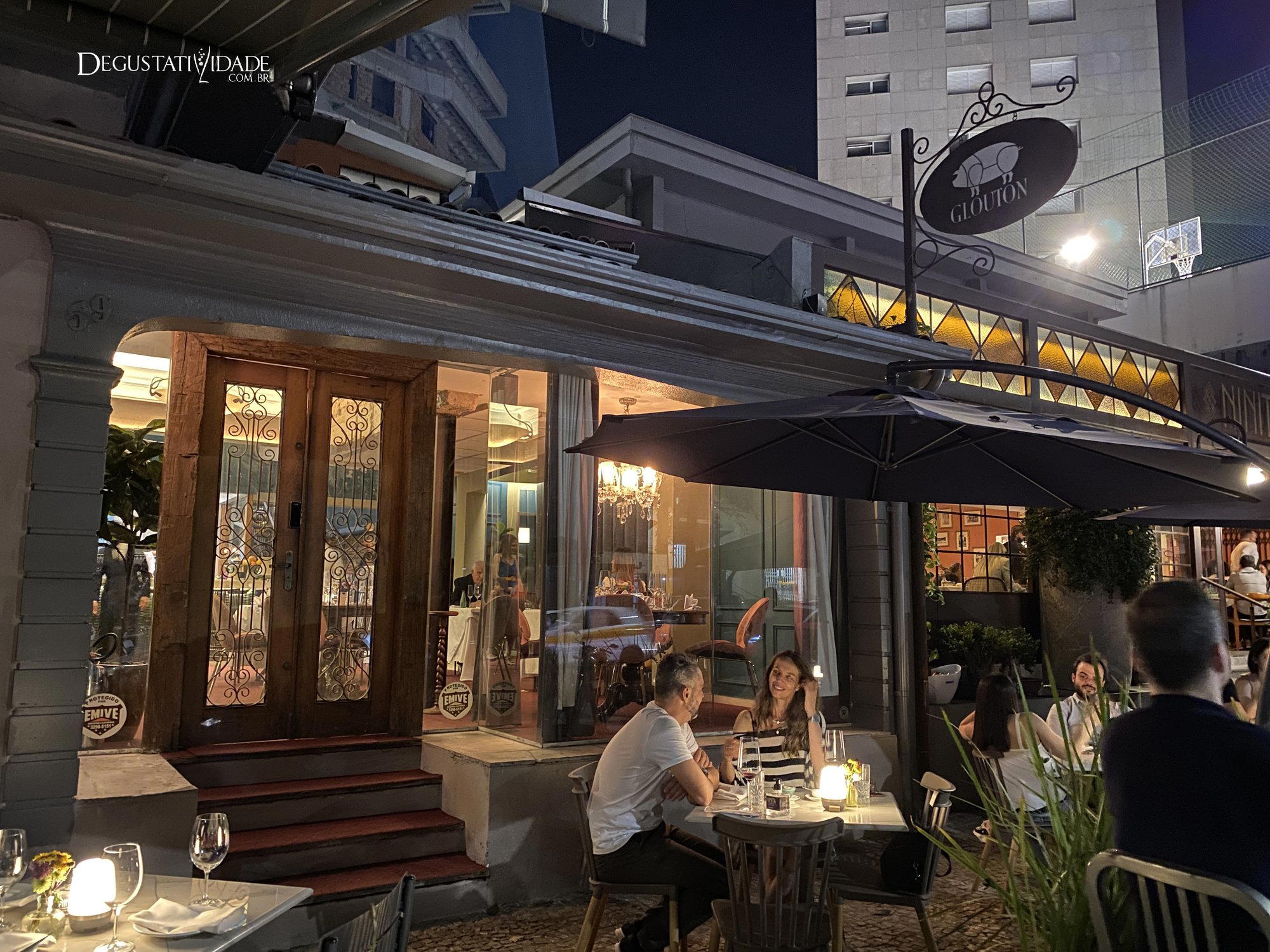
For comparison across the city's broader scene, Glouton represents the French-inflected fine dining end of BH's restaurant offer, while Cozinha Tupis anchors a more explicitly regional Mineiro proposition. Demae Culinária Japonesa shows the Japanese current that runs through serious dining in most major Brazilian cities. Anella occupies a different lane from all three: the Italian address that functions as a neighbourhood anchor without abandoning culinary ambition.
Across Brazil more broadly, the Italian restaurant category has become a site of genuine creative pressure. Olivetto Restaurante e Enoteca in Campinas demonstrates what Italian-focused cooking with serious wine programming looks like at a high level in the interior of São Paulo state. In that context, BH's Italian addresses are increasingly held to a comparable standard by the travelling Brazilian diner who moves between cities and calibrates expectations accordingly.
The Cultural Argument for Italian in Minas Gerais
The case for taking Italian cooking seriously in Minas Gerais rests on provenance as much as technique. The Veneto, Lombardy, and Calabria communities that established themselves in the state brought specific culinary vocabularies that merged over generations with the Mineiro pantry: the cured pork, the dried beans, the corn-based preparations, the cheese culture that Minas developed into one of the most distinctive dairy traditions in the Americas. A restaurant that acknowledges this layered inheritance rather than importing a ready-made Italian template is doing something the direct trattoria model does not.
That cultural argument connects Anella to a wider current visible across Brazilian dining. Manga in Salvador has drawn attention for the way it folds Bahian cultural specificity into contemporary cooking. Orixás in Itacaré works with the Bahian north's ingredient traditions. In each case the premise is the same: Brazilian regional identity as a frame for the kitchen's decisions rather than an afterthought. Applied to Italian cooking in Minas Gerais, that premise has particular weight given how literally the immigration history wrote itself into the food.
BH's Wider Dining Register
Understanding where Anella sits also means understanding the broader BH dining register it operates within. The city's food culture is shaped by a strong tradition of communal eating, the central role of the self-service lunch format (the kilo restaurant), and a local pride in Mineiro staples that functions almost as a civic identity. The more ambitious restaurant rooms in BH work within or against that context: some celebrate it, others deliberately step outside it to reference international or cosmopolitan frameworks.
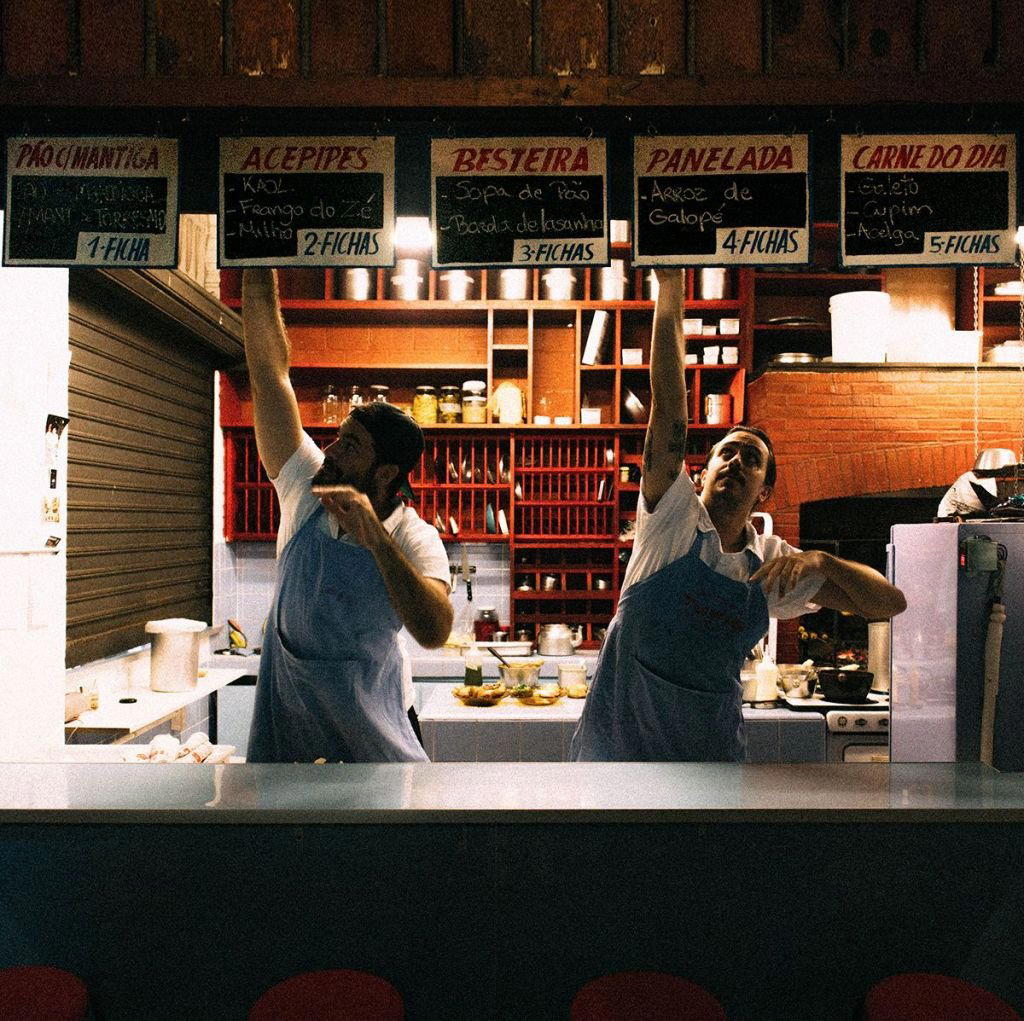
Birosca S2 and Gulla Burguer represent the more casual registers of BH dining that serve a different purpose in the city's eating week. Anella's positioning in a residential neighbourhood suggests it functions as the reliable, repeatable Italian address rather than the occasion-only room, which in practice means the bar for consistency is higher than in destination-dining contexts.
For the travelling diner arriving in BH with an appetite for comparing how different cities within Brazil handle non-native cuisines, the contrast between Anella and something like D.O.M. in São Paulo or Oteque in Rio de Janeiro clarifies what regional dining cultures produce when they filter outside cuisines through local conditions. D.O.M. and Oteque operate at the highest tier of Brazilian contemporary fine dining; Anella's register is different but the cultural filtering is analogous. See our full Belo Horizonte restaurants guide for broader orientation across the city's dining offer.
Across southern Brazil, the Italian reference point extends beyond restaurants into wine country and multi-day food experiences. Primrose in Gramado and Castelo Saint Andrews in Gramado illustrate what the Serra Gaúcha's Italian heritage looks like in a destination-resort format. Manu in Curitiba and Mina in Campos do Jordão show how the premium end of regional Brazilian dining is developing outside the two major metropolises. For contrast outside Brazil entirely, Le Bernardin in New York City and Lazy Bear in San Francisco benchmark the format discipline that characterises top-tier tasting-menu rooms internationally. State of Espírito Santo in Rio Bananal adds a further data point on how the broader Minas-adjacent interior is building its own food identity.
Planning a Visit
Anella Ristorante is located at Avenida Ministro Guilhermino de Oliveira, 325, in the Santa Amelia neighbourhood of Belo Horizonte. The address is residential rather than commercial, which means arrival by rideshare is the practical option for most visitors coming from the city's central hotel zones. Contact details and current hours were not available at time of publication; verifying reservation availability directly with the restaurant before planning a visit is advisable, particularly given the neighbourhood's reliance on local repeat custom over walk-in traffic. Price range, dress code, and seat count were similarly unconfirmed, so arriving with calibrated rather than fixed expectations is the sensible approach.
Frequently asked questions
What's Anella Ristorante's location?
Anella Ristorante is located at Av. Min. Guilhermino de Oliveira, 325 - Santa Amelia, Belo Horizonte - MG, 31560-100, Brazil, Belo Horizonte.
How does Anella Ristorante's location in Santa Amelia compare to BH's central dining districts?
Santa Amelia sits away from the concentrated dining corridors of Savassi and Lourdes, placing Anella in a quieter residential zone of Belo Horizonte that draws a predominantly neighbourhood crowd rather than tourist traffic. This address type in BH tends to support a more consistent, repeat-visitor dynamic. For those coming from the city centre, the distance warrants planning transport in advance, as the area is less served by the dense ride-share pickup points around Savassi.
What do people recommend at Anella Ristorante?
What the Santa Amelia address does signal is a residential dining register, the kind of neighbourhood room in Belo Horizonte where Italian cooking tends to reflect regional provenance rather than trend-chasing. Visitors with firsthand accounts typically surface these details through local BH dining communities worth consulting before your reservation.
Is Anella Ristorante reservation-only?
Anella's booking policy has not been confirmed in EP Club's data. In Santa Amelia and comparable residential dining zones across Belo Horizonte, Italian addresses with a local following often fill quickly on weekends, making advance contact advisable. The restaurant is located at Avenida Ministro Guilhermino de Oliveira, 325, and reaching out directly before visiting is the safest approach.
Cost and Credentials
Comparable venues nearby, for context on price, style, and recognition.
| Venue | Cuisine | Price | Notes |
|---|---|---|---|
| Anella RistoranteThis venue (the venue you are viewing) | Traditional Italian with Artisanal Pasta | $20–30 | Not listed |
| Demae Culinária Japonesa | Traditional Japanese Sushi | $20–30 | Anchieta, Traditional Japanese Sushi |
| Yakan | Modern Japanese Rodízio | $30–50 | Savassi, Modern Japanese Rodízio |
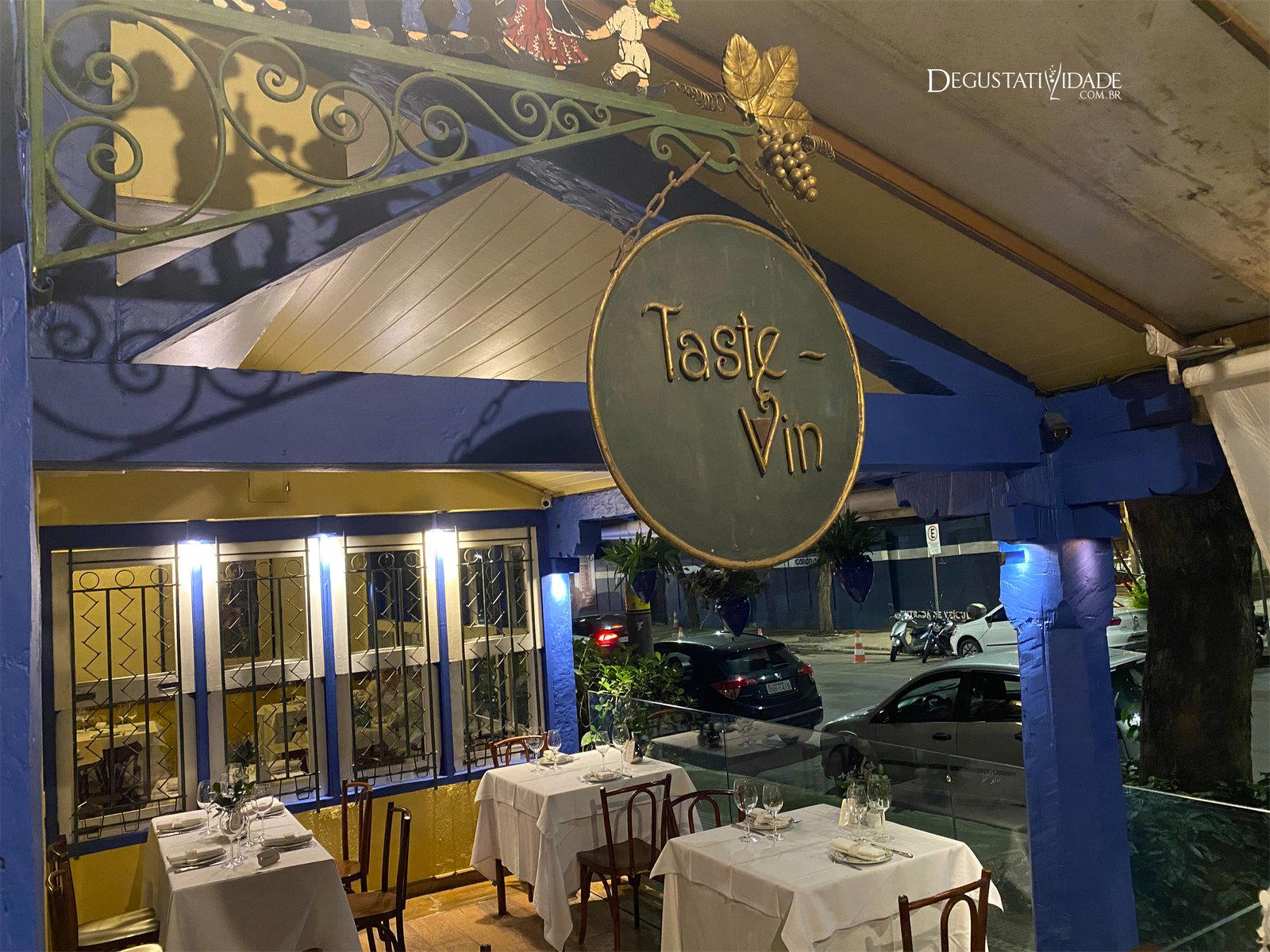
| Taste-Vin | Classic French Bistro | $50–100 | Lourdes, Classic French Bistro |
| Birosca S2 | Modern Brazilian Bistro | $30–50 | Santa Tereza, Modern Brazilian Bistro |
| Gulla Burguer | Brazilian Burger Joint | Not listed | Paraúna (Venda Nova), Brazilian Burger Joint |
Continue exploring
More in Belo Horizonte
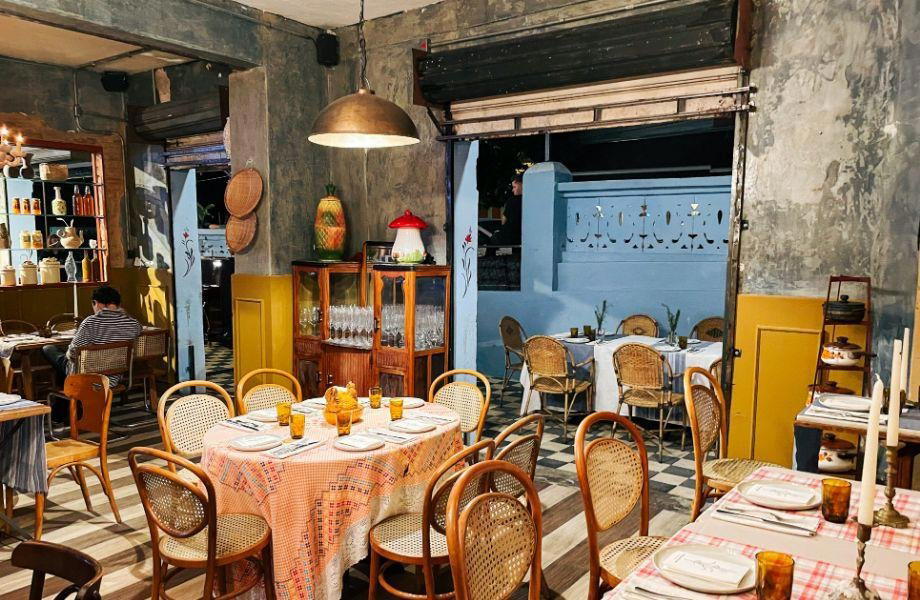
Restaurants in Belo Horizonte
All restaurants in Belo Horizonte →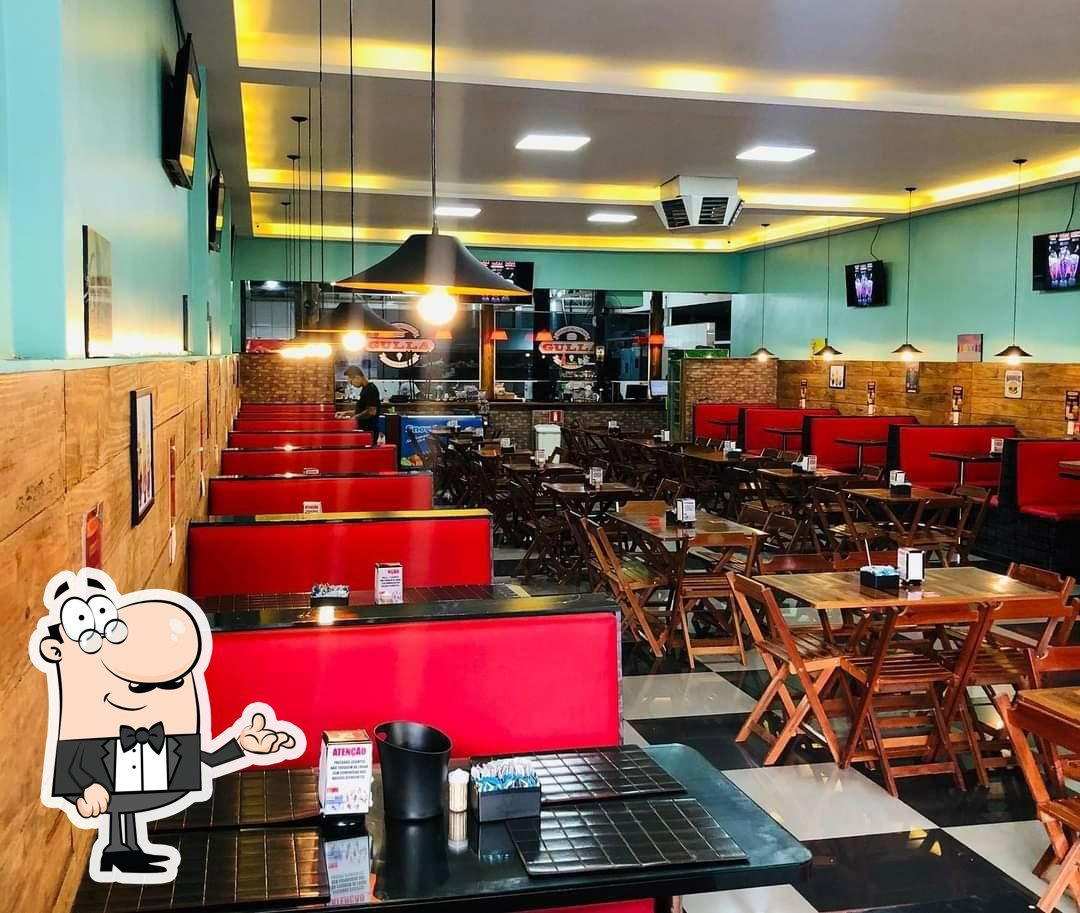
Bars in Belo Horizonte
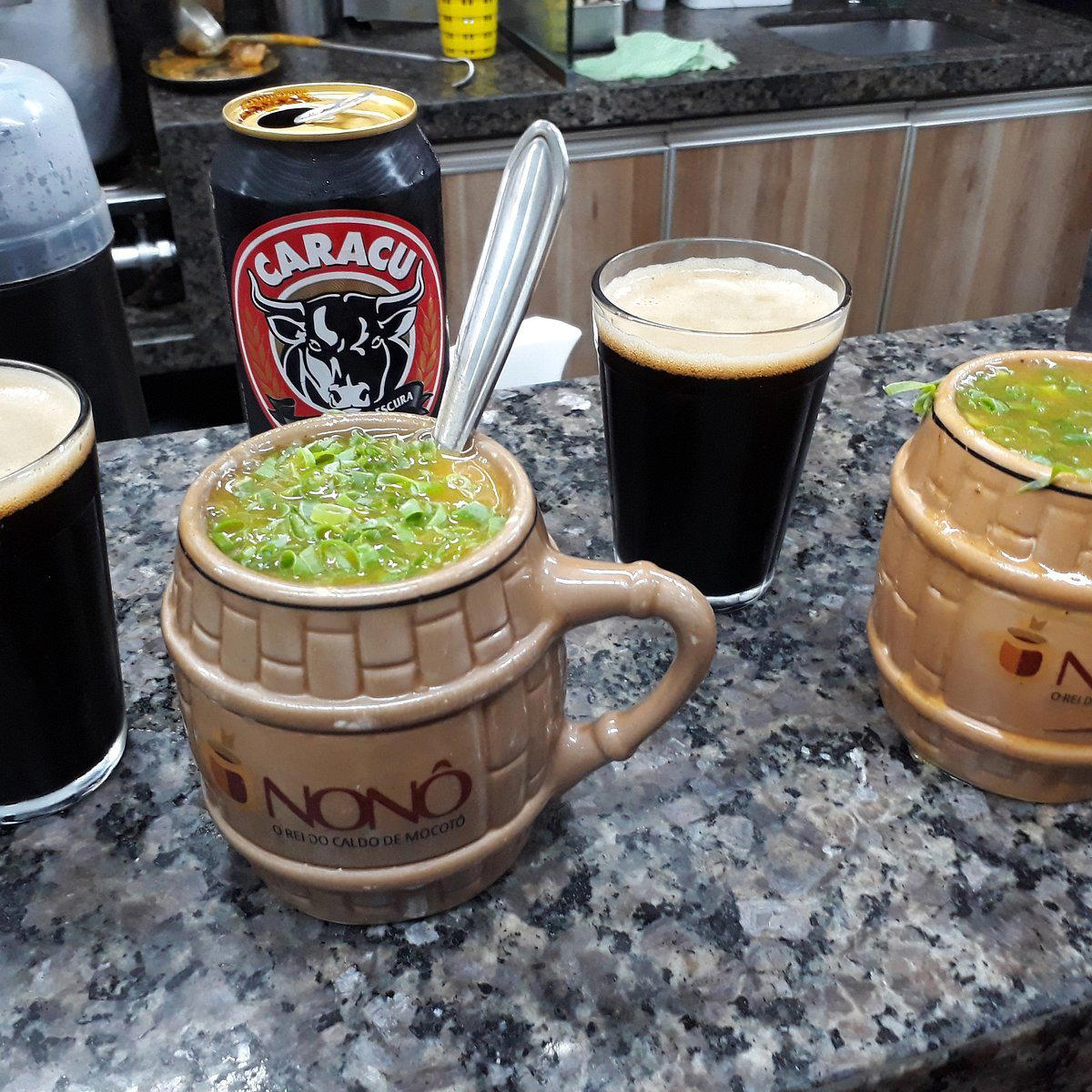
All bars in Belo Horizonte →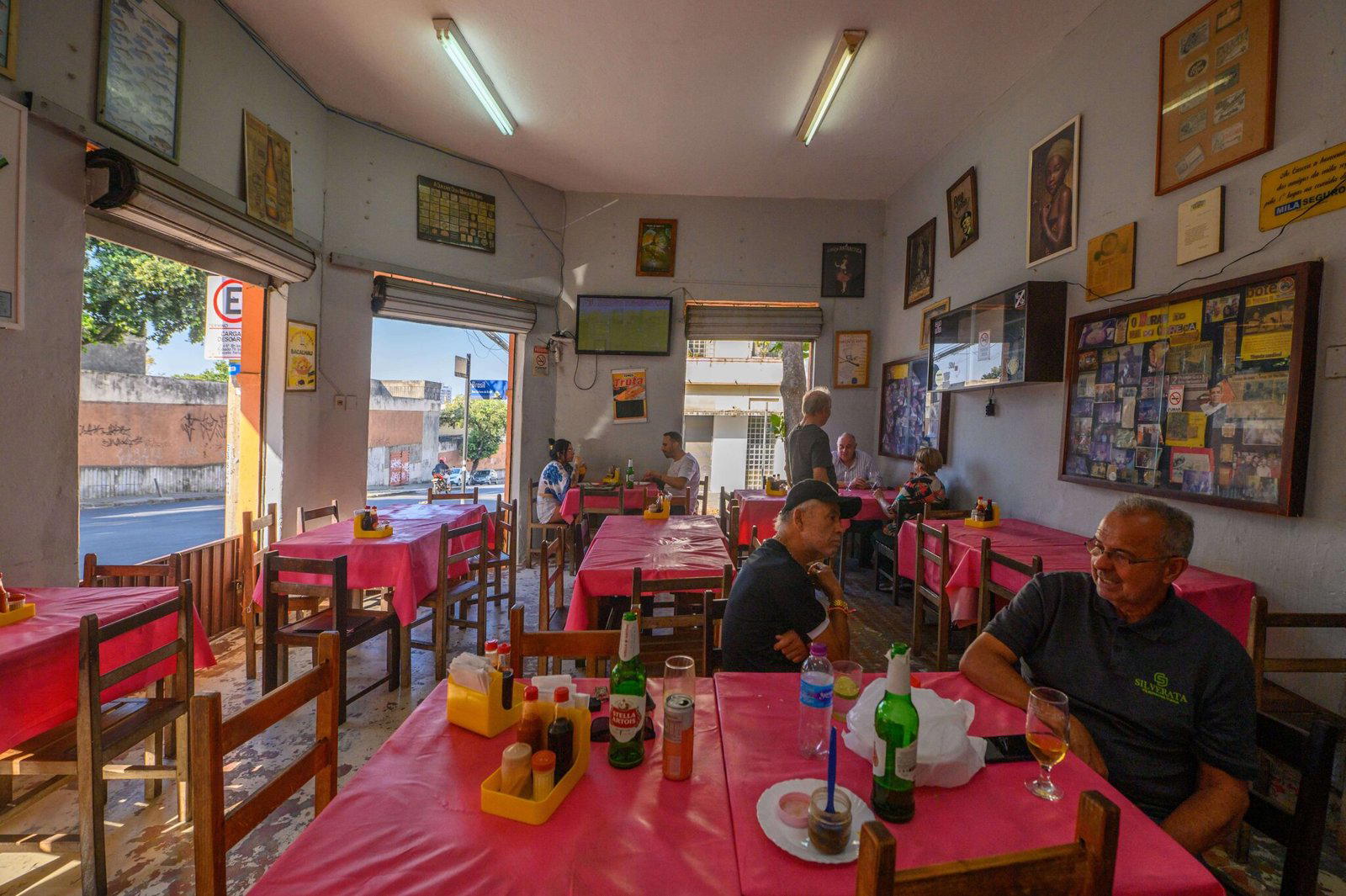
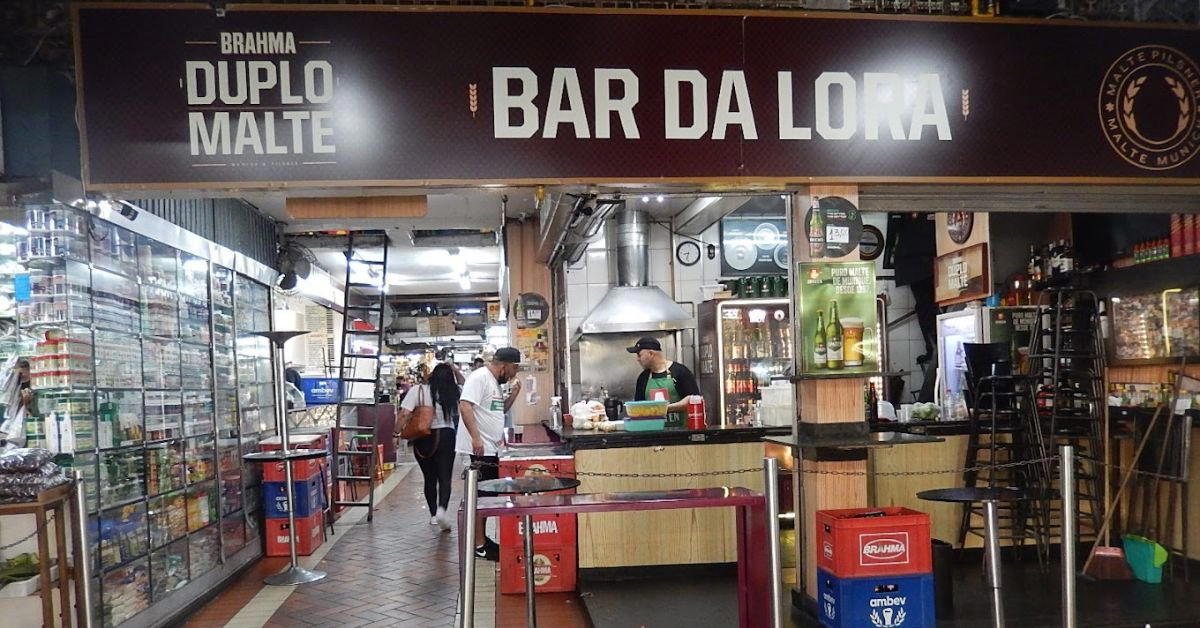
Hotels in Belo Horizonte
All hotels in Belo Horizonte →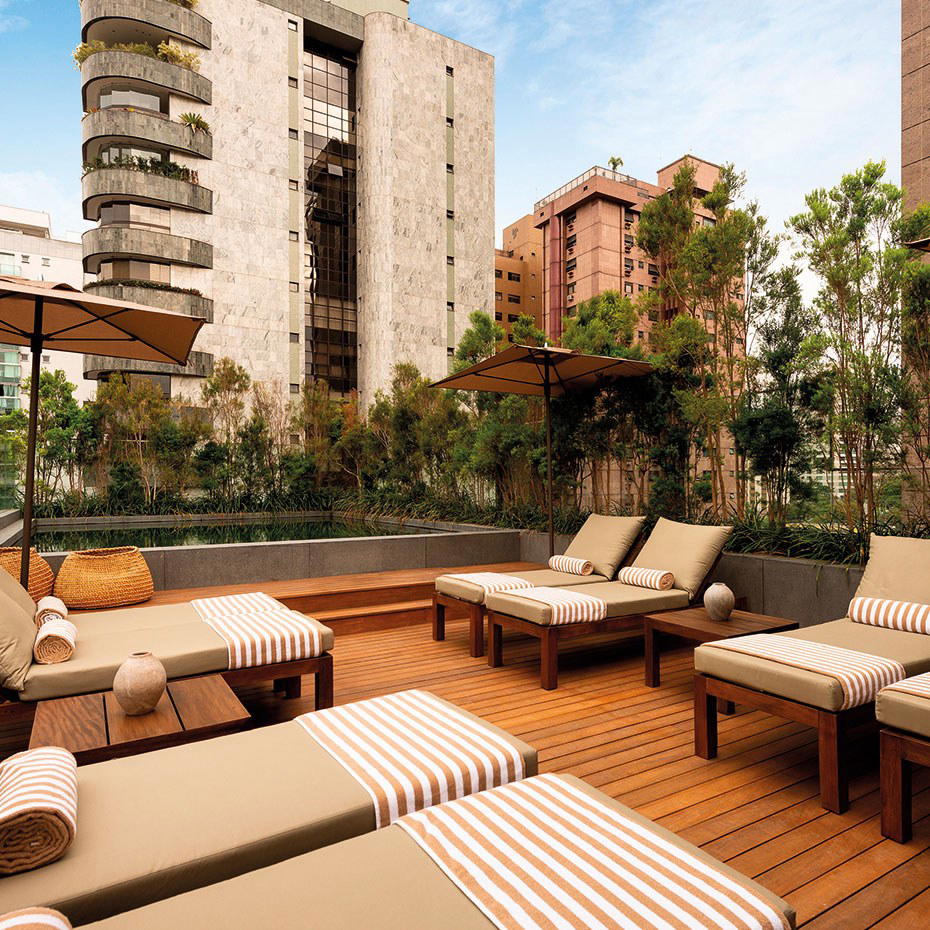
Details
- Romantic
- Cozy
- Elegant
- Date Night
- Family
- Special Occasion
- Garden
- Extensive Wine List
- Garden
- A La Carte
- Wine
- Fino Sherry
Current opening hours
- Monday
- 12–3 PM, 6–11:30 PM
- Tuesday
- 12–3 PM, 6–11:30 PM
- Wednesday
- 12–3 PM, 6–11:30 PM
- Thursday
- 12–3 PM, 6–11:30 PM
- Friday
- 12–4 PM, 6 PM–12 AM
- Saturday
- 12 PM–12 AM
- Sunday
- 12–10 PM
Hours can change for holidays and private events. Hours as of .
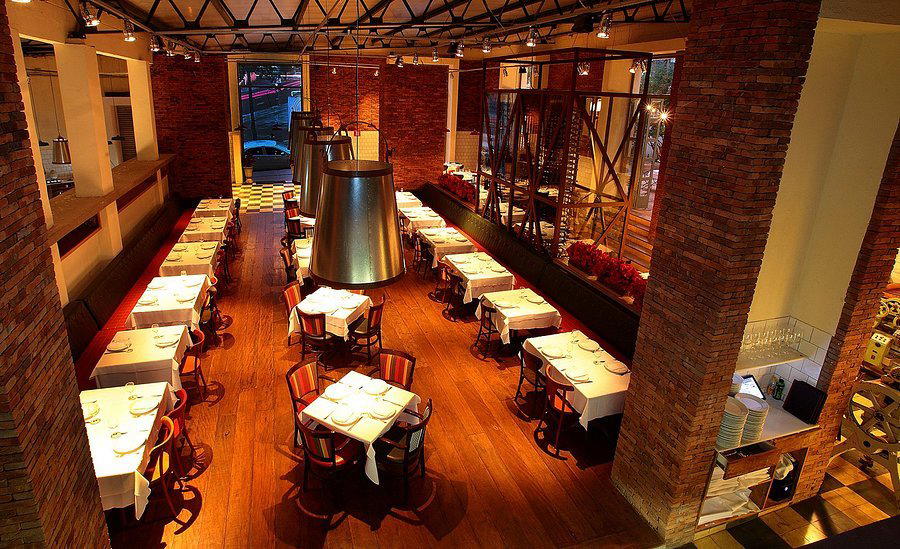
Romantic and comfortable with discreet lighting, Italian music, and decor including old family pasta-making machines.